
Dear readers,
We’re delighted today to share an essay from Su Shin, whom we met soon after we arrived to Taiwan five years ago. We were struck by her deep passion for Taiwanese culture and books. Su is the managing director of Bookman, an independent bookstore and publisher, and of BK Agency, a literary agency promoting Taiwanese titles to international markets. She’s hosted many bilingual events at Bookman. Today she shares her own experiences working with Indigenous authors, forging connections between Austronesian artists across the Pacific, mentoring children’s book authors, and supporting government projects that nurture book culture in rural areas.
I returned to Taiwan in 2016 after fifteen years in England, where I lived from ages thirteen to twenty-eight. Those years left me with a strong feeling of otherness—in England and in Taiwan, and in different ways in each place. Even now I often feel like I’m positioned slightly outside many of the rooms I enter, which in turn means that I think about and observe the world in particular ways.
My interest in picture books came from an early engagement with images: manga in Taipei, comic books in Portsmouth. Later, I felt pulled toward Indigenous voices. I was drawn to work made by people writing from the margins of their own contexts. Books surrounded me as a child, and I work now for an independent publisher, bookstore, and agency that my father started.
In my personal and professional lives I think a lot about arrival: what happens when a story crosses a border, when readers encounter something the dominant culture doesn’t yet have a category for. And how do you translate sensibility alongside language?
A few weeks ago, I was talking with Michelle and Albert about the projects I’ve been involved in lately and the events I’ve attended, and they thought some of those could be of interest to their readers. So, here goes!
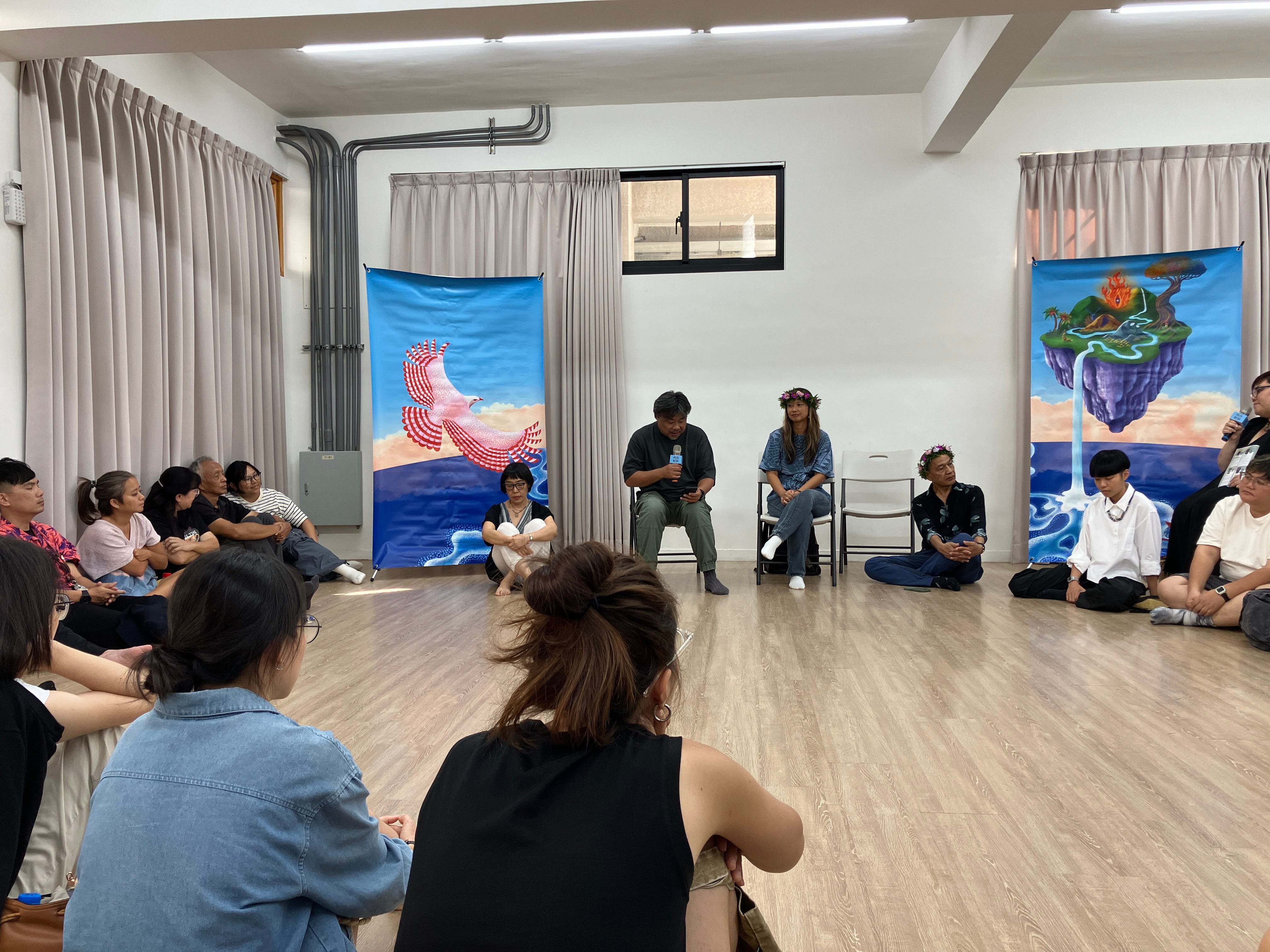
“Austronesian” refers to the shared linguistic and cultural ancestry connecting Taiwan’s Indigenous peoples to Māori, Pacific Islanders, and peoples across Southeast Asia. The great Austronesian migration is thought to have originated in Taiwan, and these connections therefore run deep, both genealogically and culturally.
I attended the Austronesian Film Festival in Taitung on the last weekend of July. As part of its program, the festival screened Before the Moon Falls, a film about the life of Samoan writer Sia Figiel, an intensely vulnerable person who describes her own battles with mental health. I enjoyed how Before the Moon Falls showed the full range of Figiel’s real-life textures, be they good, bad, or truly ugly.
The festival invited documentary makers Kimberlee Bassford and Vilsoni Hereniko to participate alongside other speakers in a panel discussion that helped give context to Figiel’s life, Samoan traditions, contemporary issues in Samoa, and filmmaking from Indigenous perspectives. Hereniko mentioned that some of the films might not feel familiar to those expecting a linear narrative and that they can be thought of instead as circular. As viewers, we might not “get” the story immediately, but we should try to feel it in our bellies (something distinct from thinking with our brains and feeling with our hearts). Each of the films I watched that weekend was different in style and narrative structure, but collectively they created greater understanding through their investigations into health, displacement, alienation, friendship, adventure, and the shared humanity of marginalized communities.
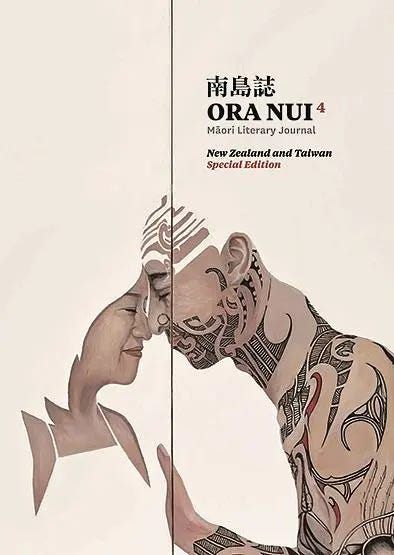
My connection with the Taitung County Government started in 2020, when I was helping edit Ora Nui 4, a Taiwan–New Zealand special issue of the Māori journal showcasing Indigenous literature, visual arts, and cultural studies. After that, the Taitung County Cultural Affairs Department began inviting me to their Austronesian cultural policy conferences. They use open-space-technology formats: circular discussion groups organized by theme, where attendees can move between conversations and think collectively. These were unlike any other conferences I had attended, and I was impressed by a sense of community that had clearly been built over time.
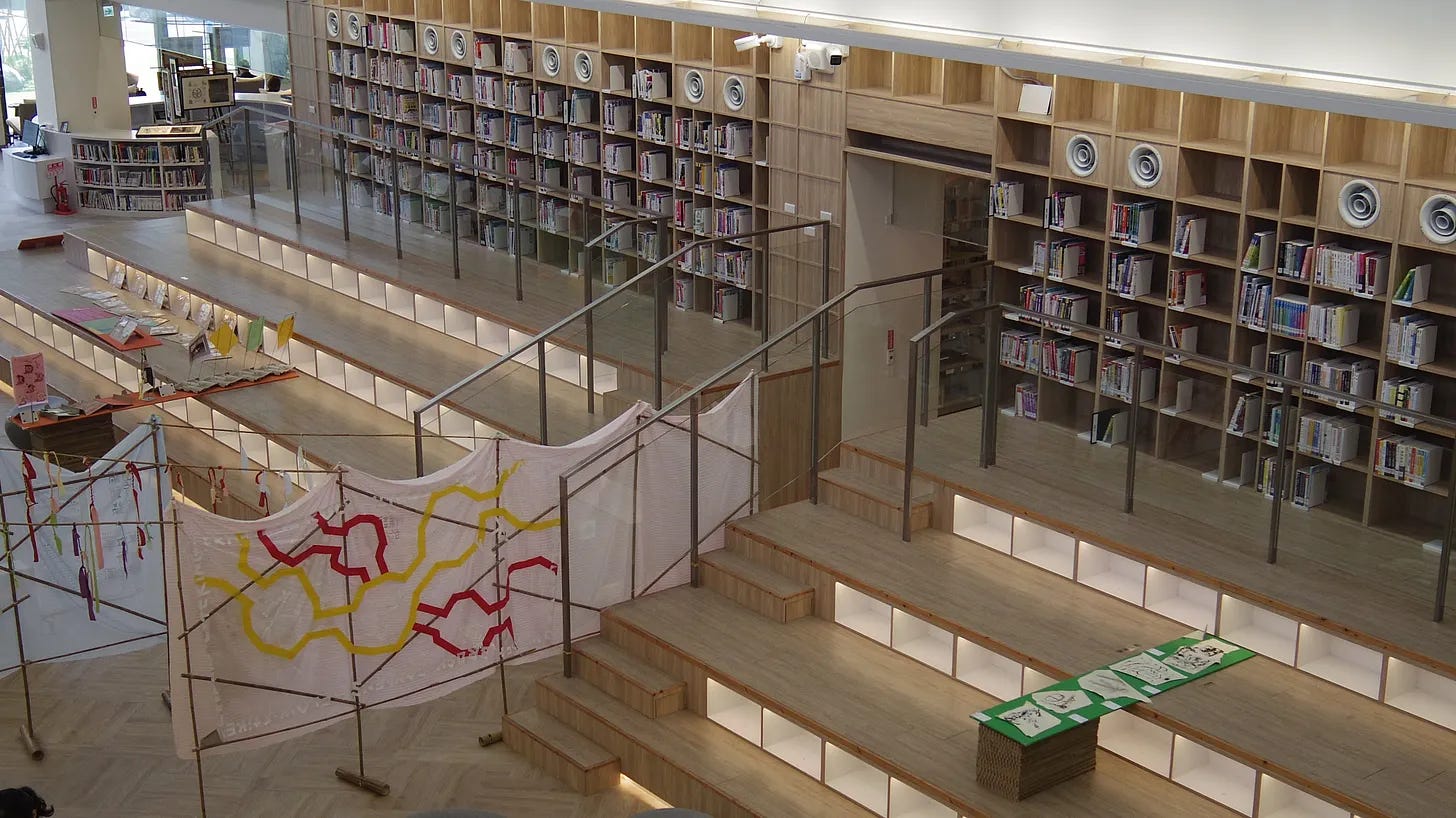
Taitung’s focus on developing Austronesian culture began in 1999, when the Council for Cultural Affairs (文建會), precursor to the Ministry of Culture, observed that Taitung has the highest proportion of Indigenous people in Taiwan. While other counties were allocated their own cultural focus—stone-carving in Hualien, wood-carving in Miaoli—Taitung was given Austronesian culture. The approach was modest (consisting of annual presentations, mostly), and funding eventually ended in 2016. In 2023, however, the county restarted this cultural mission with impressive results. This August, Taitung is holding its first official Expo, with programming that includes circus performances and light installations held alongside exhibitions at the county’s museums and galleries. A major extension to the Taitung public library was completed this April, and during the Expo it has hosted events, exhibitions, and craft markets.
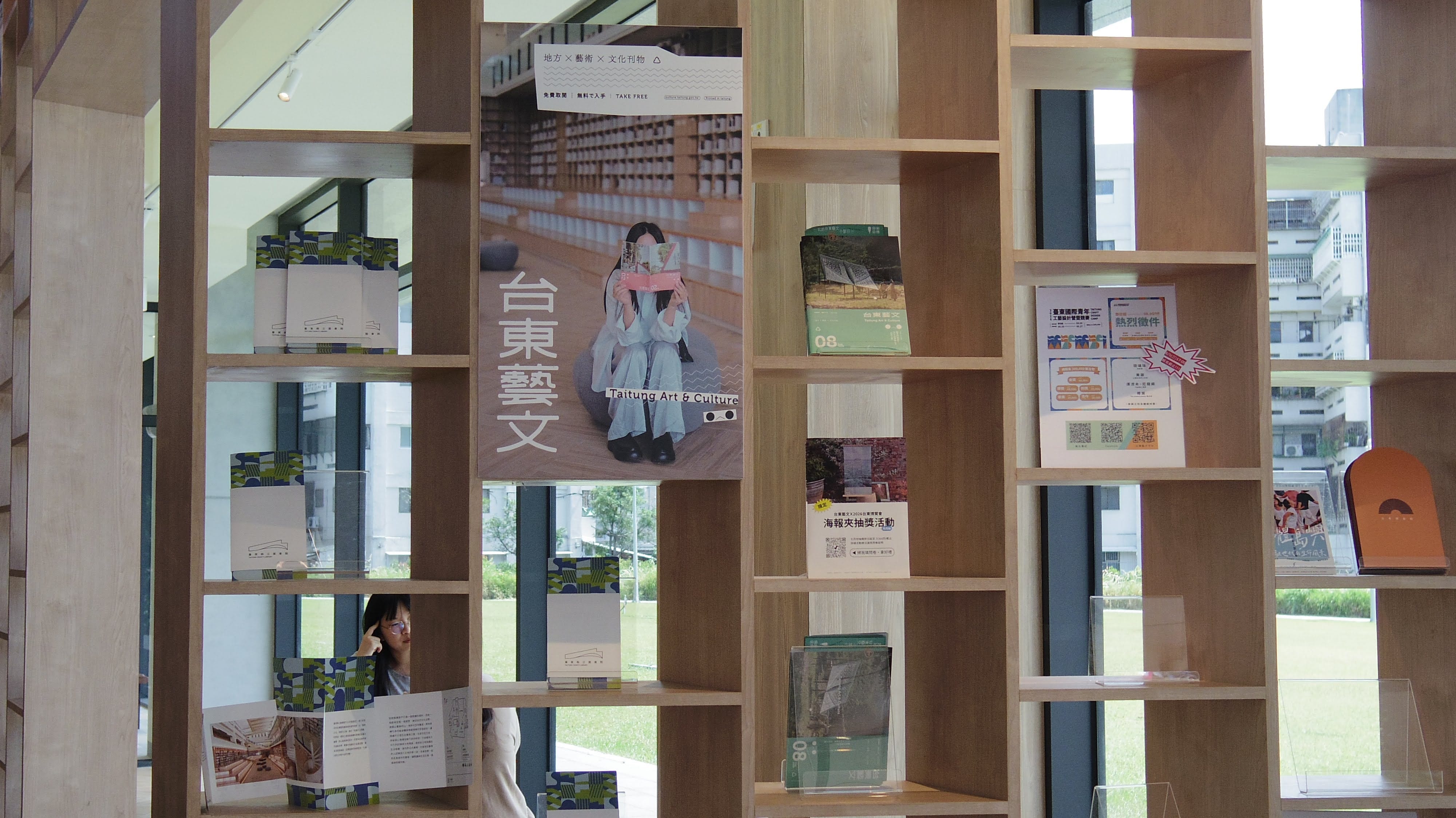
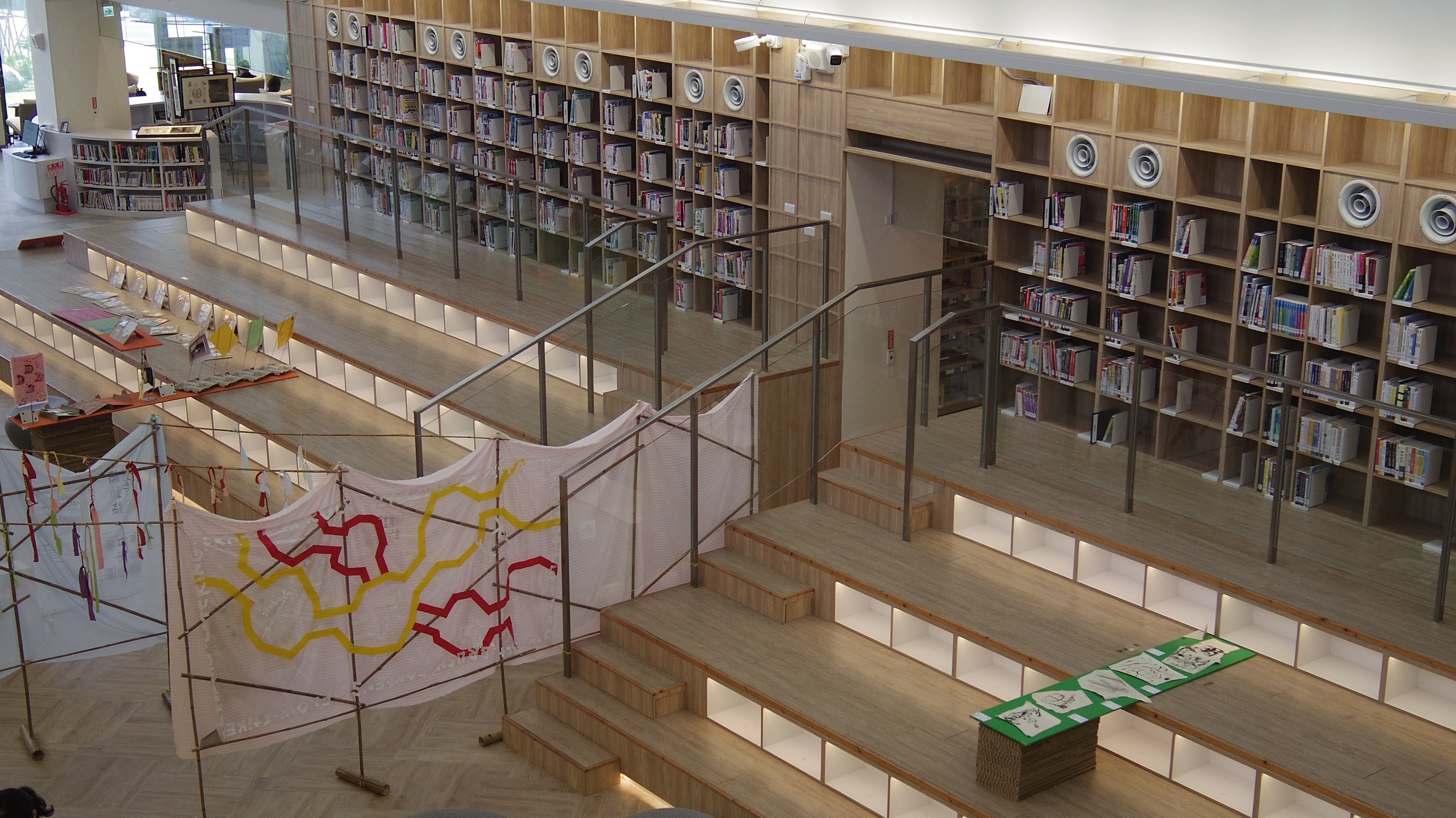
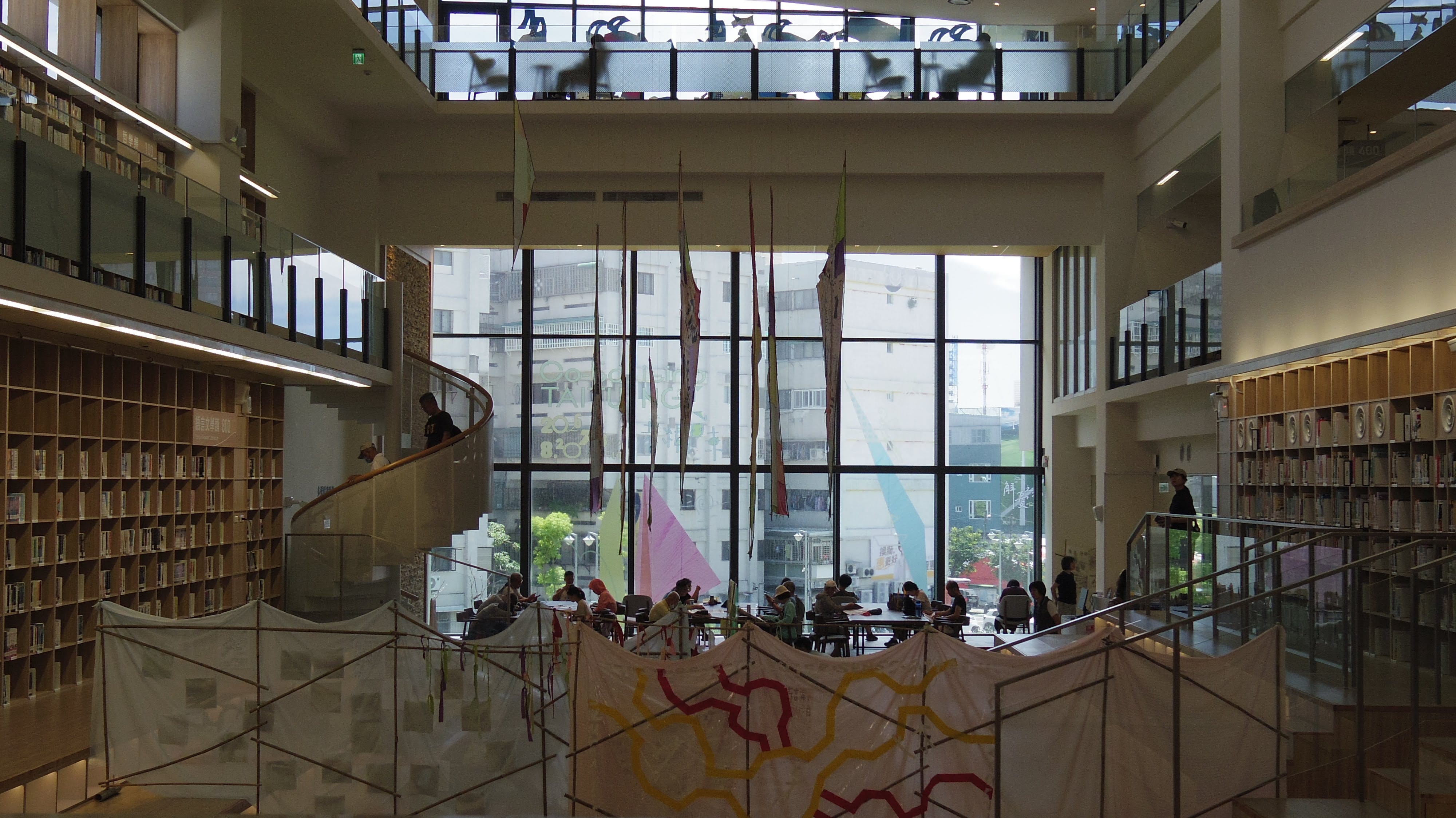
In my observations of Taiwan’s conversations across the Pacific, I’ve seen how cultural policies are moving beyond “preservation,” which risks producing misunderstandings and stereotypes. Instead, they’re becoming truly collaborative with durable knowledge-sharing partnerships.
Syaman Rapongan of the Tao people of Orchid Island is one of Taiwan’s most widely read and translated Indigenous writers. Much of Tao tradition revolves around the ocean: the annual Flying Fish Festival in particular is central to their life and worldview. For the Tao, the ocean is an epistemology, a distinctive way of organizing knowledge. The Tao are only one of the seventeen officially recognized Indigenous peoples in Taiwan living on an offshore island, and their closest linguistic and cultural relatives are to the south, in the Batanes, not across the channel.
Here’s an example of Syaman’s writing, a section of Eyes of the Sky, taken from the Willowherb Review (tr. Tim Smith), an online nature writing journal founded by writer and academic Jessica J. Lee:
The ocean is a starry sky, and the starry sky is an ocean. It has been this way ever since Hundun, when time was a muddy swirl. The water is a world of all life and all mythologies, and it is a world in which my family has evolved for many thousands of years. My kind does not interest marine biologists, but this is no bad thing; ultimately, there can be no mystery following the disclosure of one’s secrets.
When I was little, I heard from my great-grandfather that the ancestors of the ancestors of the Tao people told a story. Now, a so-called civilized person like you needn’t question how it is that I, a fish, am telling this story. It is enough for me to say that you need not be cynical, need not sit in front of a computer or a television all day all year long and thereby presume to know everything there is to know about the world.
I enjoy the immersive feeling of reading Syaman, of being taken into and under the sea and then returning to land and everyday life. I’ve been handling his foreign rights for around two and a half years. We first met nearly ten years ago at the Bangkok Book Fair, where he was a guest speaker for the Taiwan Pavilion, and later reconnected when I was working on Ora Nui 4. What struck me then and still strikes me is a clarity about why he writes. In addition to documenting the lives of Tao people, Syaman is explicitly anti-colonial. He speaks as someone belonging to one of Taiwan’s most marginalized groups. The Tao carry generations of harm inflicted by, among other things, Christian missionaries, Japanese colonial administrations, and the postwar state. Even as much of the rest of Taiwan has grown wealthy, poverty persists on Orchid Island.
At book fairs, those who show interest in Syaman’s works are for the most part editors and publishers who hold a genuine desire to publish unique perspectives. His books have been translated into French, English, and other languages. Most recently, Eyes of the Ocean, translated by Darryl Sterk, and Eyes of the Sky, translated by Kyle Shernuk, were published by Columbia University Press in 2025 and 2026, respectively. Domestically, his works are featured as well in school textbooks, and he won the prestigious National Arts Award in 2023. He’s also been invited to speak about his writing and has been building a larger readership. Promoting works of such artistic and cultural significance does not always align with market success, but the work in finding readers is deeply rewarding.
Liyan Books is a publishing house producing bilingual picture books for readers aged six to twelve. It is distinguished by the audio recordings that accompany many of its titles. The multilingual recordings—presented in Hokkien, Hakka, or Indigenous languages, depending on the book—are transmission tools, delivering languages underrepresented in mainstream publishing into the ears of young readers.
The company was founded in 2009 by Wang Ching-long (王清龍), who brought together Taiwan-based writers, illustrators, scholars, and cultural historians to collaborate on picture books depicting Taiwan’s landscapes and histories. Wang developed a familiarity with library and other sales channels during his early career at Taiwan’s FMP magazine (台灣英文雜誌), a distributor of U.S. magazines including Life and Reader’s Digest. Later, when he founded Liyan Books, he learned the strategic importance of external resources and institutional partnerships and, instead of funding all projects without support, began pursuing government tenders and collaborating with foundations and institutions. Consequently, many of Liyan’s projects are the result of partnerships with the Taoyuan Department of Cultural Affairs. This pragmatic approach was helpful in sustaining a medium-term publishing plan, which meant marketing to schools through in-classroom reading sessions to reach a wider readership. Teachers gave positive feedback, saying that the subjects discussed were closer to the students’ everyday lives than those found in the international and domestic canon that they were used to reading.
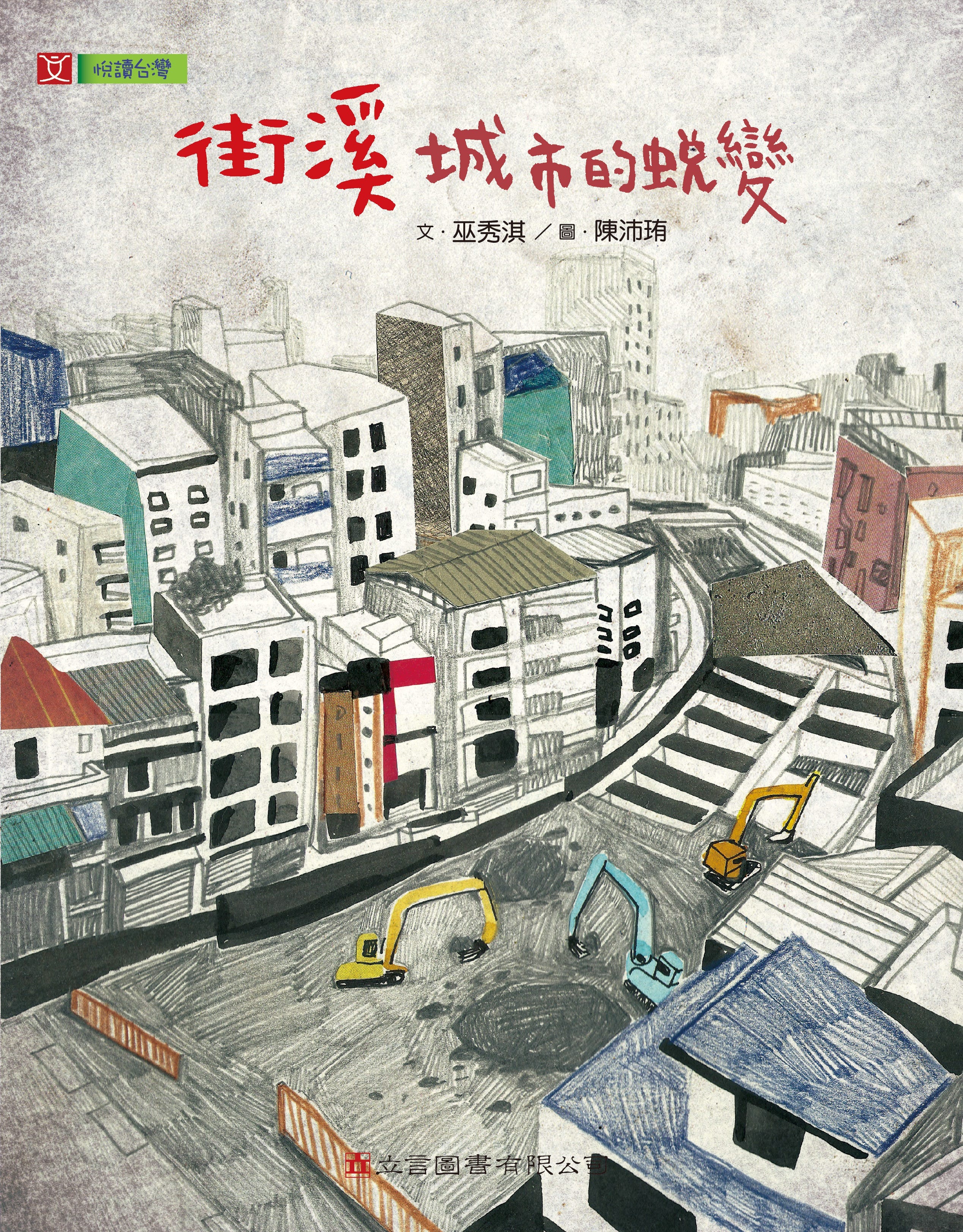
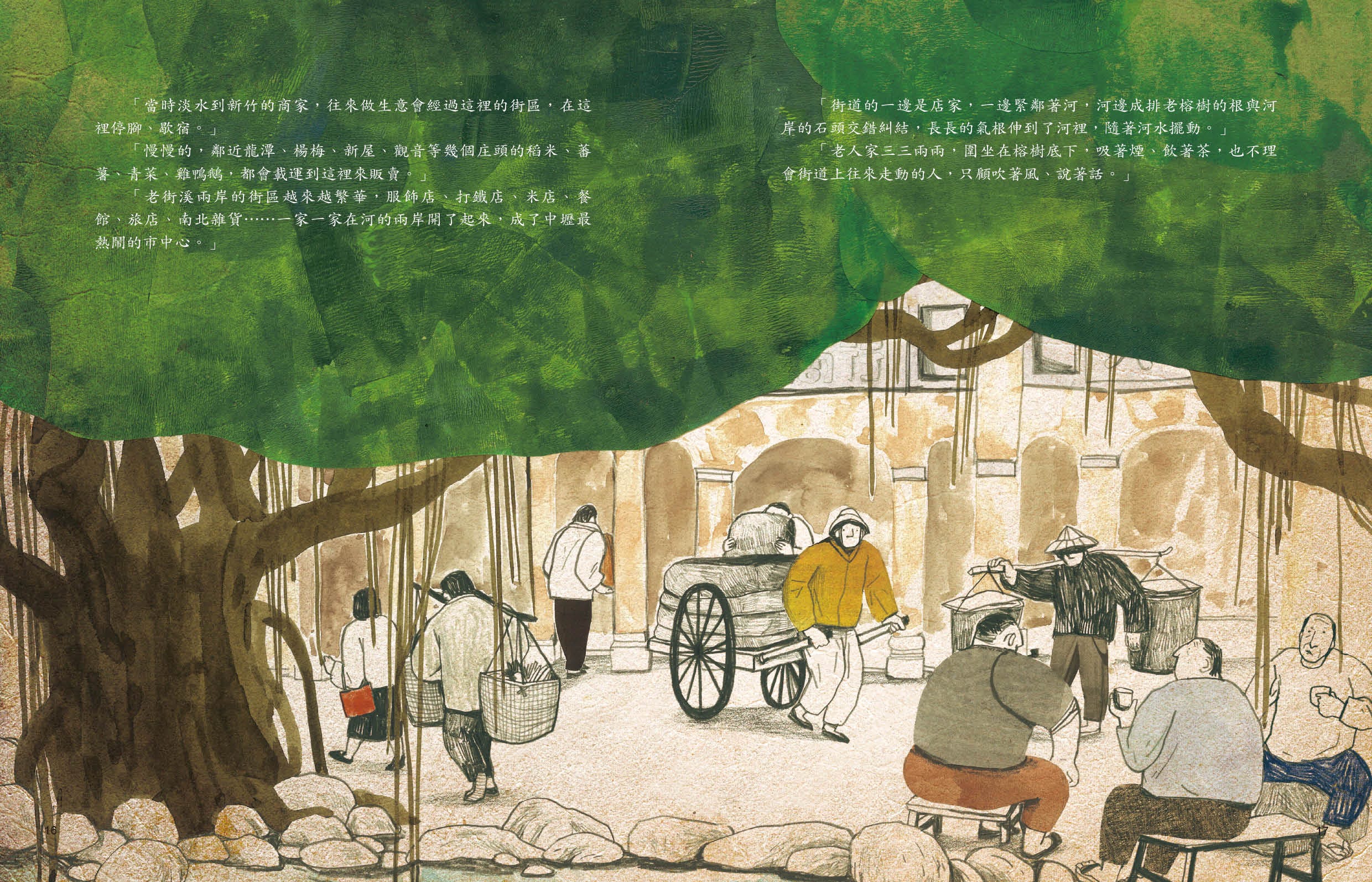
The Old Street Creek, illustrated by Pei-hsiu Chen (陳沛珛), was forged in partnership with the Taoyuan Department of Cultural Affairs. It tells the history of a waterway in Taoyuan that was a hub for commerce and trade as well as a space where people gathered. In the time between then and now, industrial development transformed the creek’s landscape and ecology, polluting its waters and disrupting the communities that had formed around it.
A grandfather retells this history to his grandchild, describing the ongoing efforts to rehabilitate and restore the creek. The book was selected by Munich’s International Youth Library and featured in the Down by the River exhibition running from February to August 2026. Liyan didn’t submit it to any competitions, yet the Munich library somehow found it—suggesting that unexpected border crossings can happen to books anywhere, leading them on wonderful journeys.
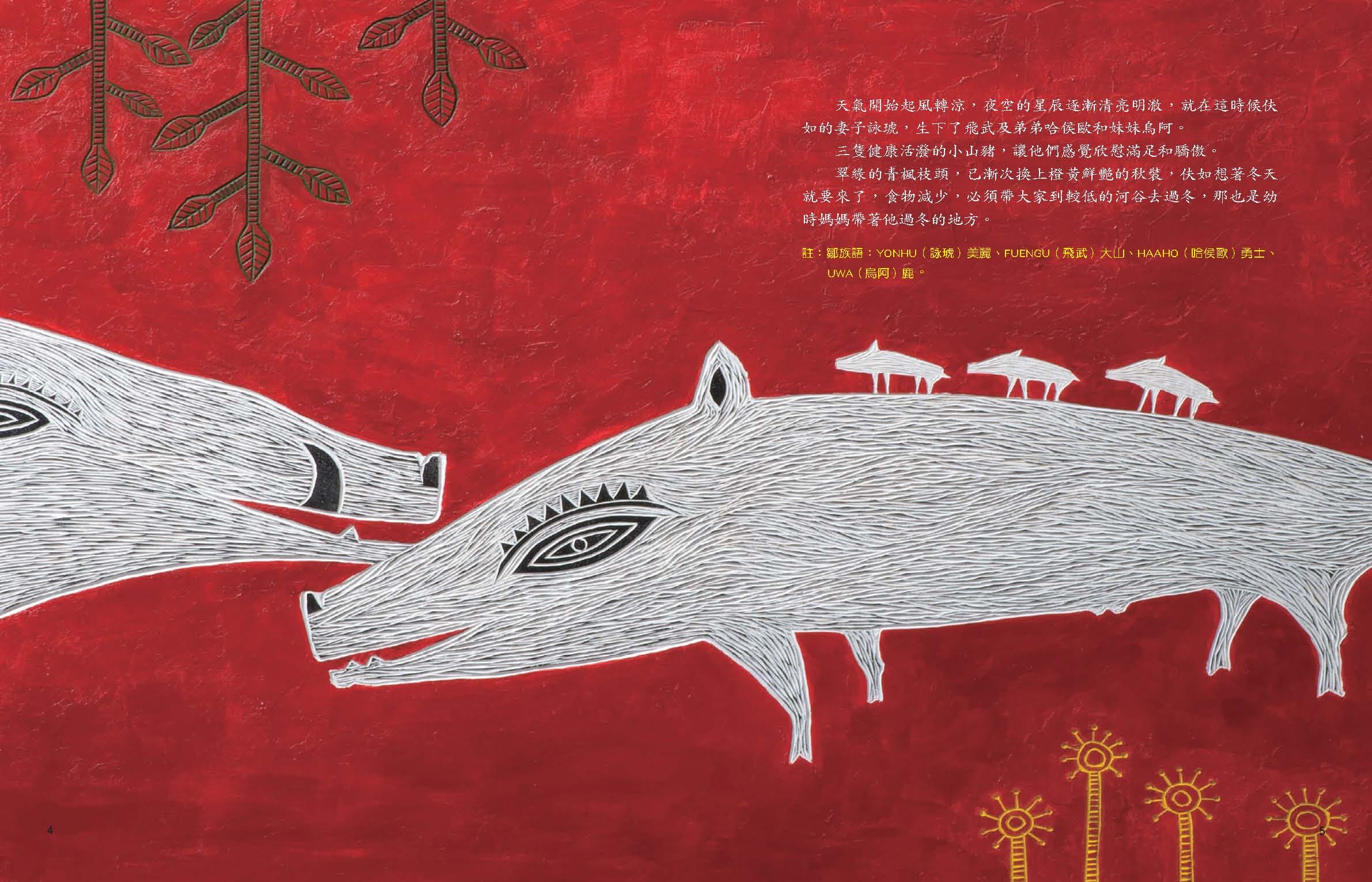
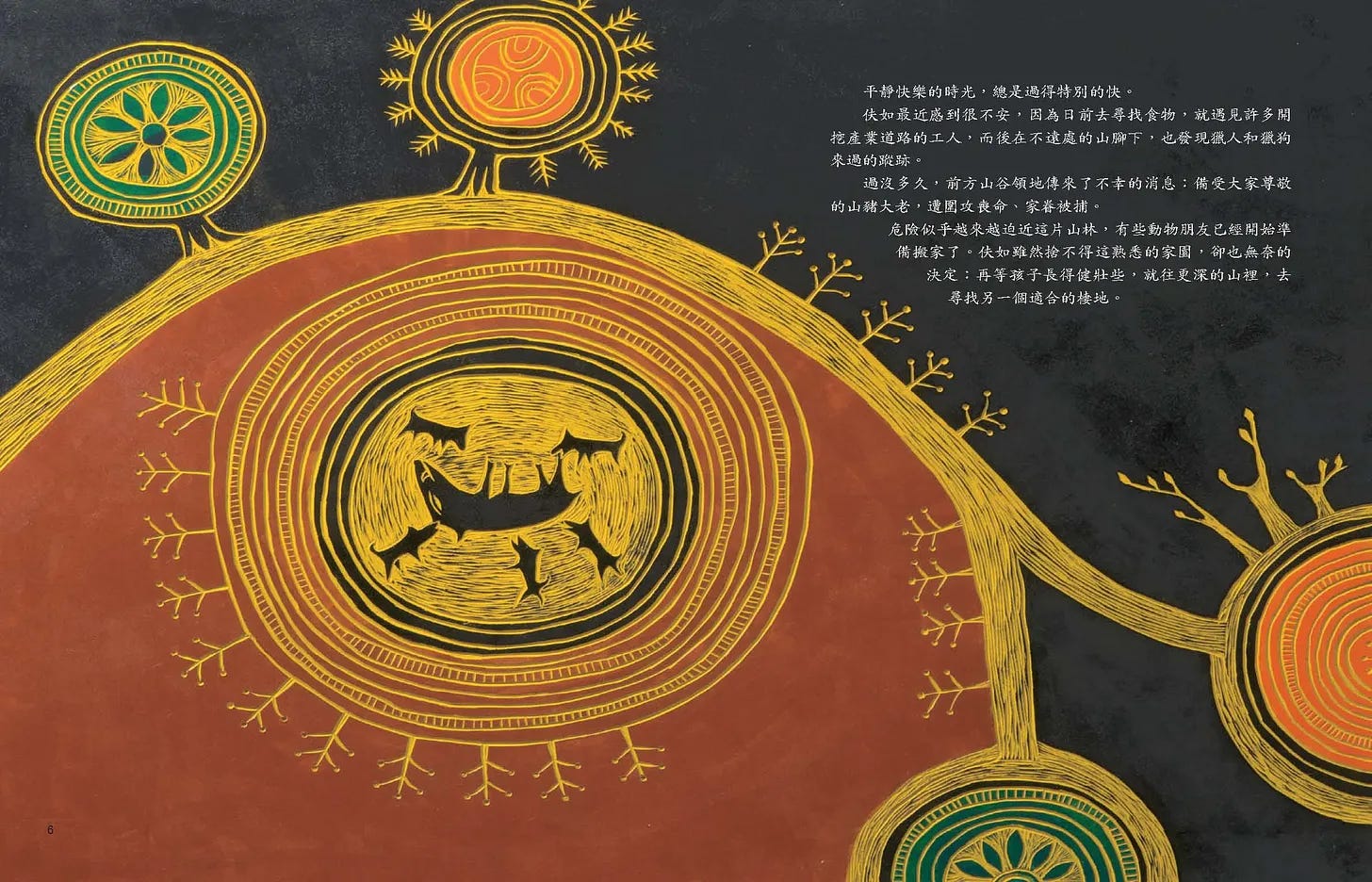
Etan Pavavalung (伊誕.巴瓦瓦隆), a prominent Paiwan artist, has published three books with Liyan. My favorite is The Formosan Wild Boar. It’s a story about a family of wild boar being forced deeper into the forest as land disruption shrinks their habitat. The plot sounds simple, but the art elevates the work. Pavavalung uses his distinctive technique of carved lines and patterns (紋砌刻畫) to produce rich, earthy images whose grooved wood has a tactility that is essential to the book’s success.
Over the past few years, Taiwan’s Ministry of Culture (MOC) has built an ecosystem for picture book makers through several initiatives: the Golden Picture Book Award (金繪獎), the New Talent Showcase Prize (繪本新秀獎), and various picture book lectures and workshops (繪本和圖文書學校). These institutional structures matter for everyone in the industry, but they nevertheless remain hotly debated. Genuine disagreement exists: what counts as excellence, how international visibility should be measured, and whether it’s fair to award significant prizes to emerging talent when established authors and artists have worked for years without comparable recognition. These and many other questions don’t have clean answers, but the fact that the publishing community is grappling with the role of the government reflects the fact that something is being built.
I’ve served as a panel judge for the first two rounds of the New Talent Showcase Prize. In July, my colleagues and I joined experienced picture book editor Yang-tong Zhou to mentor a handful of picture book prize winners. In these monthly mentoring sessions, we asked the creators to describe their conceptual approaches and inspirations. Our perspective is from the agency side, so we thought about how these works might find foreign rights buyers and travel internationally. We shared how they might bolster their pitches by adding warmth and a personal touch.
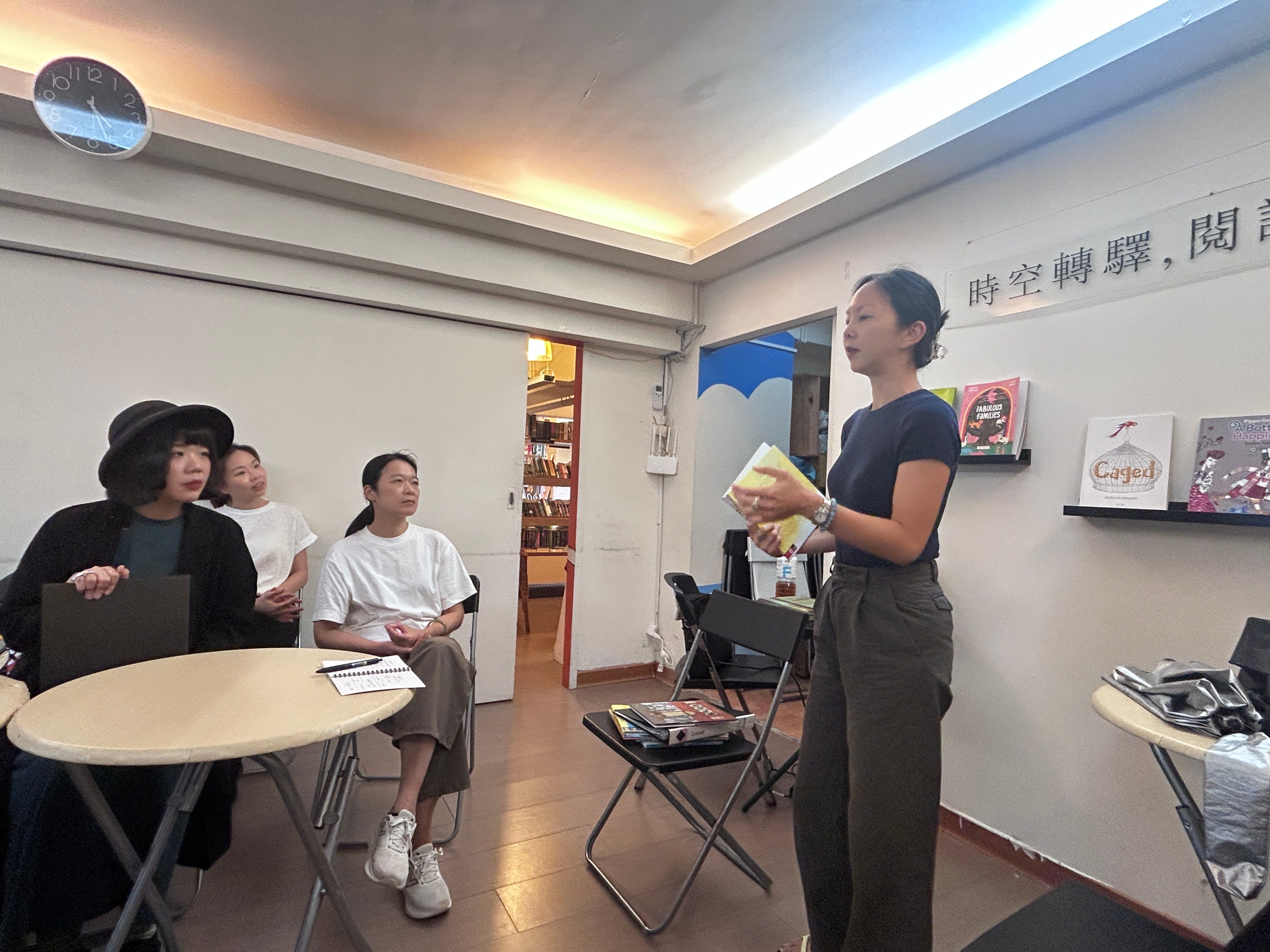
The stories ranged widely. Some explored perception and freedom, while others examined war through a child’s immediate sensory experience. One book, for instance, focused on what food was available rather than on a grand narrative or an omnipresent fear. Another picture book creator explored mother-child relationships and everyday difficulties at school. The illustration styles were equally diverse, ranging from free-style illustrations to life-like drawings. I’ve heard many international publishers comment on the broad range of styles they see in Taiwan picture books, and I’m not sure where this comes from (as in, what tradition, or lack thereof), but it’s something I notice constantly: artists here feel open and able to create their own styles.
What struck me in the discussion was how much craft matters at this stage. We talked about the strategic power of a cover, how a too-gentle cover can make parents underestimate a picture book’s thematic depth. We discussed how to use spreads strategically: close angles against wide shots. We talked about rhythm in visual storytelling and how to pace in a way that works with rather than against the narrative arc. These things are technical choices that can distinguish a picture book. By the time we joined the mentoring session, the group had already worked through several rounds of feedback, and I could only recognize two books from their original conceptions. That gap between what a picture-book maker first produces and what emerges after editorial guidance tells you how much transformation happens, and being able to accept this process of collaborative mutation is a crucial part of any picture-book maker’s journey.
I came back to Taiwan after being away fifteen years. That distance taught me how to see the ways that stories and images travel across borders and cultures.
The work I’ve described in this piece is not finished. Syaman’s readership is still finding itself. Liyan’s titles are listed on certain American platforms and distributed through mainstream channels in Taiwan, but they are far from widely known. The picture book ecosystem being built through MOC funding is genuinely alive and genuinely contested, which, I’ve come to think, is what vitality looks like, especially from within. (I guess settled things don’t get argued about in that way.)
Books travel, not always quickly, and not always in the form their makers first imagined. An Austronesian connection brought Māori and Taiwanese Indigenous writers into the same pages of a literary journal. A Tao writer’s ocean literature finds readers in an international nature magazine. A picture book about a Taiwanese creek is recognized in Germany. These might not be watershed moments, but there’s something there. It’s an opening, however small.
I can’t say this work will resolve cleanly, or that every reader and book will find each other in time. But there’s a joy I’ve come to rely on: seeing possibilities I didn’t know existed, expansions of what I thought the limits were. When that happens, even once, it’s enough to keep going.
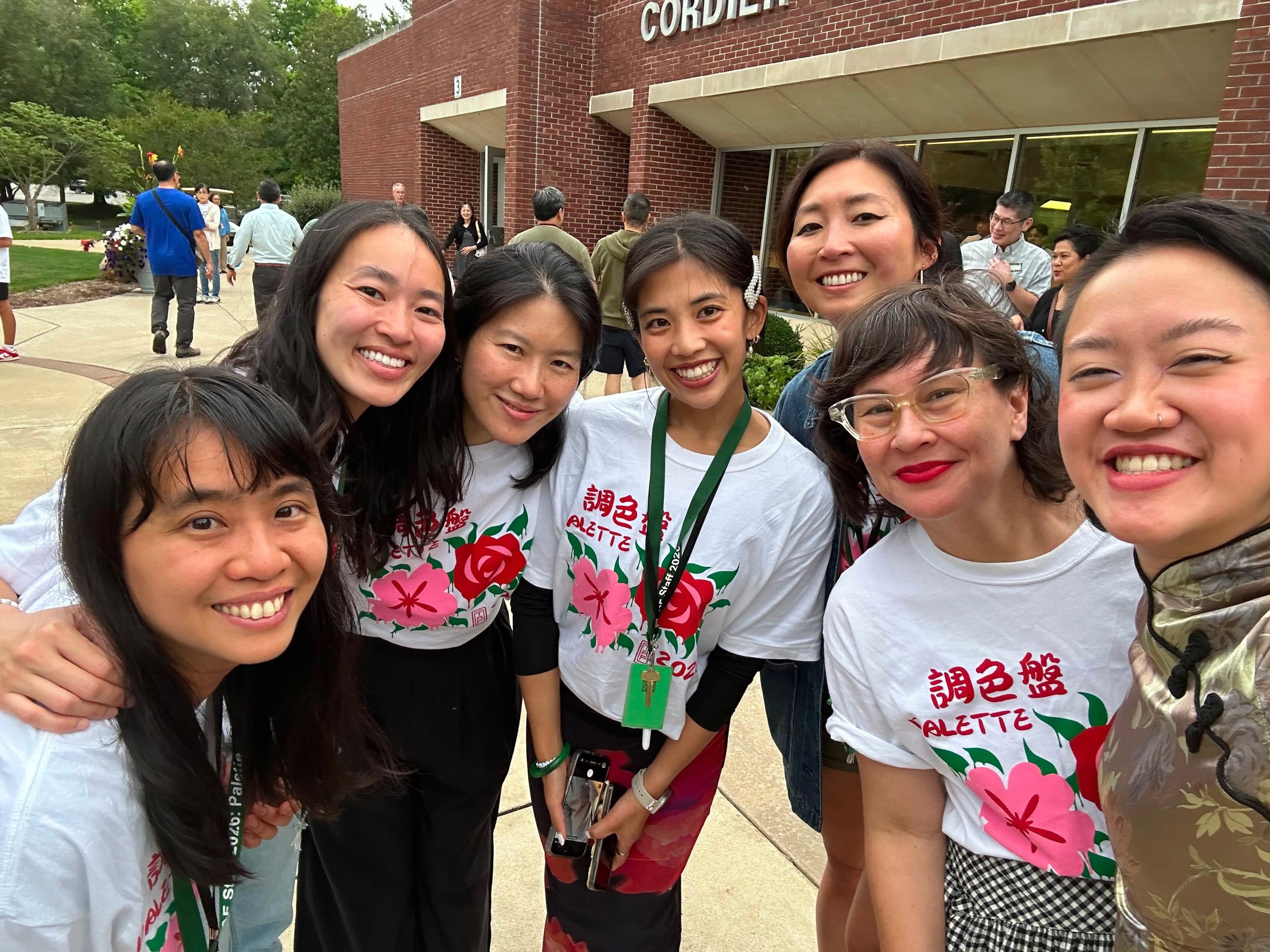
Michelle here. I was part of an inaugural artist residency, the brainchild of Leona Chen, at the Taiwanese American Foundation (TAF), a week-long summer camp at Manchester University in northern Indiana. It gathered 300+ youth (ages 6 to 18), 100+ counselors, and 100+ parents. TAF has nurtured community in the Midwest across three generations for 46 years. Leona’s idea was to gather five writers at this camp, pamper us, offer free childcare (!), and give us time to write.
Within my first hour stepping foot on campus, a counselor told me, “This is where I learned I’m Taiwanese.” Another told me this is where he learned about 2-28—he was ten years old at the time. (2-28 is a reference to a massacre of tens of thousands of people that is widely known in Taiwan today but it was forbidden to talk about for decades.) Later that week, a camp alumnus shared that soon after his dad attended a parents’ workshop held at TAF, he heard his father say “I love you” for the first time.
Often second and third gen lament that first gen immigrants possess the “real” knowledge that migration to the U.S. dilutes. But recently I’ve been thinking that assumptions of inevitable dilution are wrong. I’ve met second gen who find the words to articulate what our parents couldn’t, and I believe my daughter’s knowledge will surpass mine. Gatherings like TAF nurture within youth fresh possibilities of connection to Taiwan. With the declassification of Taiwan’s archives, with new stories being uncovered and recovered, and with a highly resourceful third gen, I think knowledge shall blossom and find new forms.
I fell in love with the life-affirming people at TAF, and it restored a sense of connection to the U.S. that I’d lost. I think maybe I feel lonely over in Taiwan because I have a bunch of Western/American intellectual acquaintances on my social media feed who seem enamored about China’s rise while never speaking a word about Taiwan. That lack of curiosity and dare I say moral clarity distresses me. But just being around a bunch of sweet little midwestern Asian kids, mostly second gen and third gen, who care about where their family comes from grounded me and gave me a lot of joy. Thanks to my very wonderful fellow writers Shawna Yang Ryan, Rebecca Liu, Joyce Chen, and Margaret Tu, and thanks to the visionaries who created this community, among them Leona Chen, Irina Huang, Ho Chie Tsai, Pamela Hung, and Joyce Chen Juri.
Though I enjoyed making fun of my very bare-bones college dorm, I missed it when I left. I’m planning to bring my daughter next summer as a camper. If you have children you want to bring to the camp, meet me there!
Congratulations to one of our favorite writers, Shawna Yang Ryan, author of the seminal novel Green Island, on her terrific just-released novel Anatomy. You can order here!
If you’re in Taipei, check out Brenda Lin’s book launch on August 30th at 15:00 to 16:30. We’ll be there and are excited to share an excerpt of her book in a future substack.
We’re a bit late to this, but we loved this scintillating post by Naomi Kanakia on Thomas Bernhard’s wide-ranging influence on contemporary literary fiction.
A solid primer on China’s threats to invade Taiwan and whether China will copy Iran’s Strait of Hormuz blockade. Vice President Bi-khim Hsiao, Brian Hioe, and New Bloom all make an appearance.
Panthea Lee’s moving essay on a gathering on Taiwan’s Green Island.
We’re co-hosting a livestream on Substack with the illuminating Ukraine-based substack The CounterOffensive with Tim Mak on Wednesday, August 19th at 11 P.M. (Taiwan time!)
Thanks to everyone for coming to our book club about Omar El Akkad's One Day, Everyone Will Have Always Been Against This. Next we’ll read Arundhati Roy’s Mother Mary Comes to Me for Sept 4th / 5th (Friday 7 PM EST / Saturday 7 AM Taiwan time). (Note that this time is different than the time that we wrote in our email.) After that we’ll read Anuk Arudpragasam’s A Passage North. Everyone is welcome! Just reply to this email.
No posts
Comments
Nothing yet. Say the first thing.
Sign in to join the conversation.