
Welcome to the weekend!
This week, I’m sharing some personal news: I helped write a cookbook! Eaterland: Recipes and Stories from Across the United States is the second cookbook published by Eater, and it’s a real kindred spirit to American Weekender. It explores regional favorite dishes across the country through recipes and essays and digs deep into what American food means today. The book comes out on Tuesday.
As an American Weekender reader, you likely have an appreciation for regional American food and the history and culture behind it. And over the years, we’ve explored local favorites like South Carolina barbecue, New Orleans po’boys, and Wisconsin kringles in our newsletters.
For this book, I wrote the “Heartland” section, which stretches from West Virginia (where you are getting pepperoni rolls!) to South Dakota (chislic!), and includes my home base of Illinois (shrimp DeJonghe!). My work as a food writer means that I eat at places big and small all across the country, so it was a treat to see how many dishes that I’ve tried ended up featured in the book. But it also showed me how many I still need to seek out (I’m looking at you, puffy tacos in San Antonio).
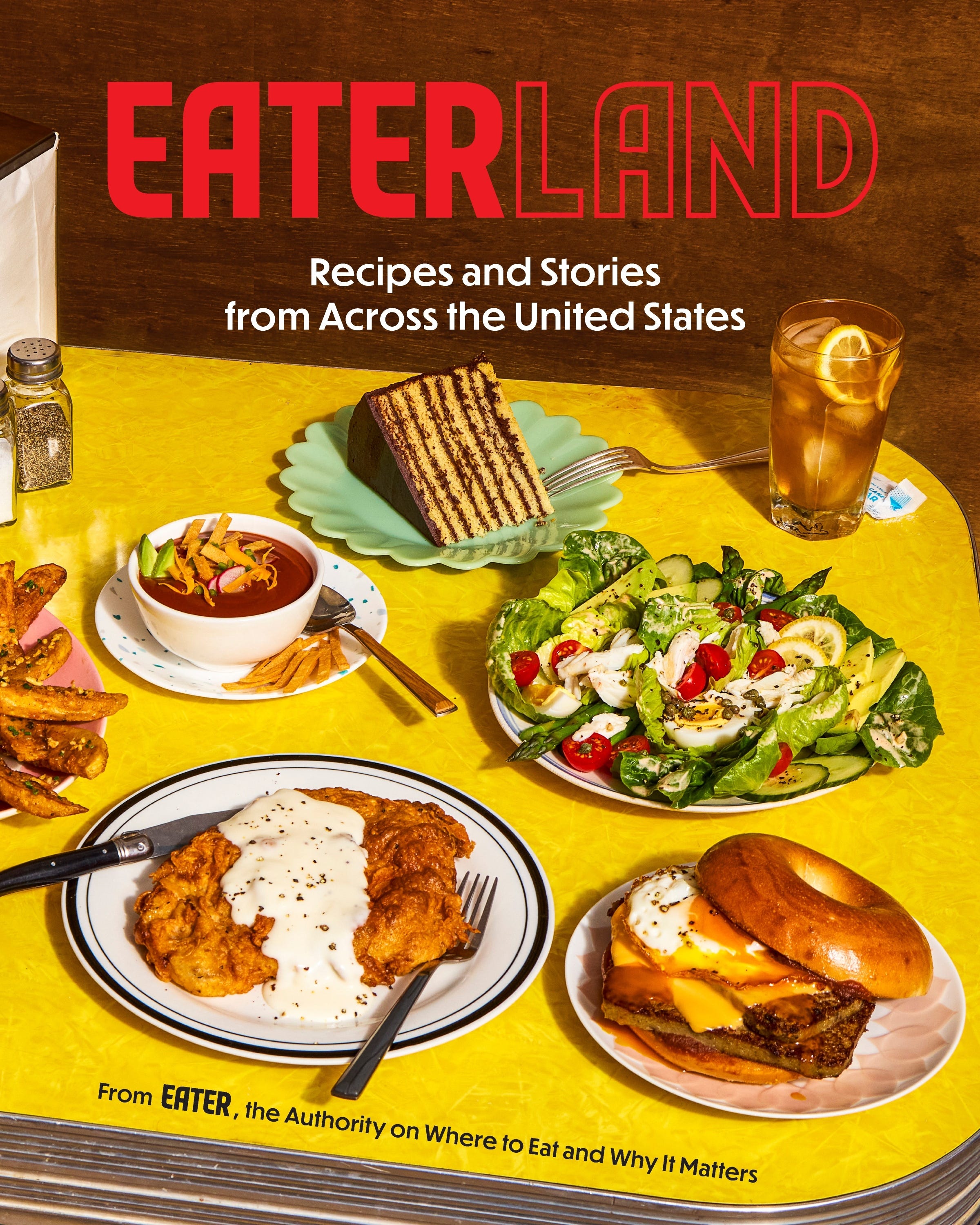
I grew up in Massachusetts, where my parents regularly made steak tips, which I did not know were regionally specific until just a few years ago. You’ll find a recipe for steak tips in the book, along with recipes for other favorite dishes from Texas (migas tacos), California (burritos), the Mid-Atlantic (chili cheese half-smokes), and the South (killed lettuces).
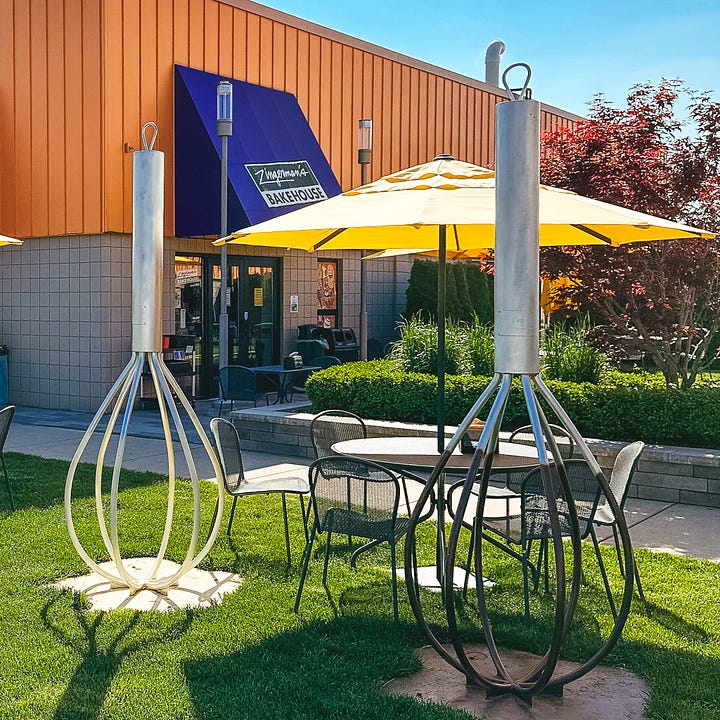
For my chapter on the Heartland, I included 10 recipes that speak to the region, from chocolate pudding paczki from Zingerman’s Bakehouse in Ann Arbor, Michigan to a cheese Frenchee from Omaha, Nebraska. I also wrote two essays: One is about the role Wisconsin supper clubs play in the state (I called out favorites like Ishnala Supper Club in Lake Delton and Kropp's Supper Club in Green Bay). The other explores the vast taxonomy of Midwestern burgers, including The Region burgers, the cannibal sandwich at Cordelia in Cleveland, and the GCB, AKA a garlic cheeseburger, from Marvin’s in Greencastle, Indiana.
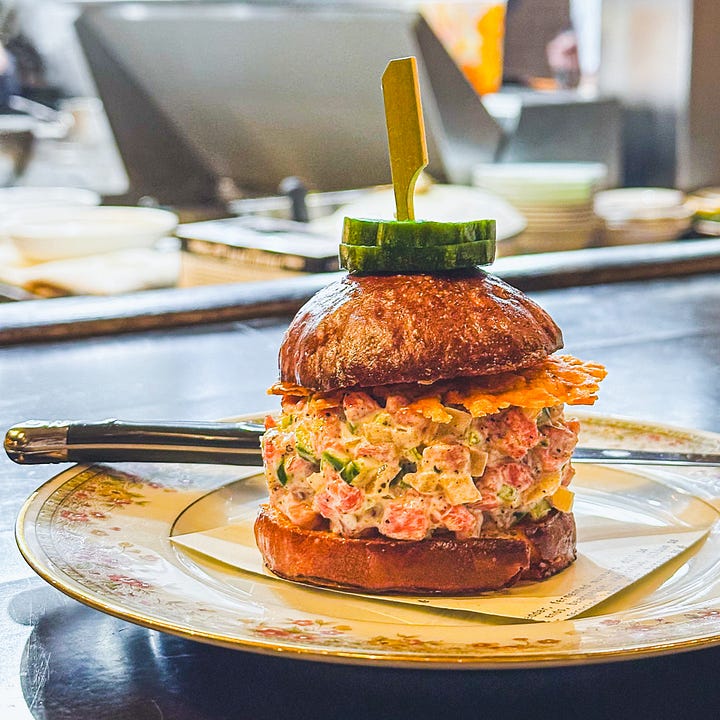
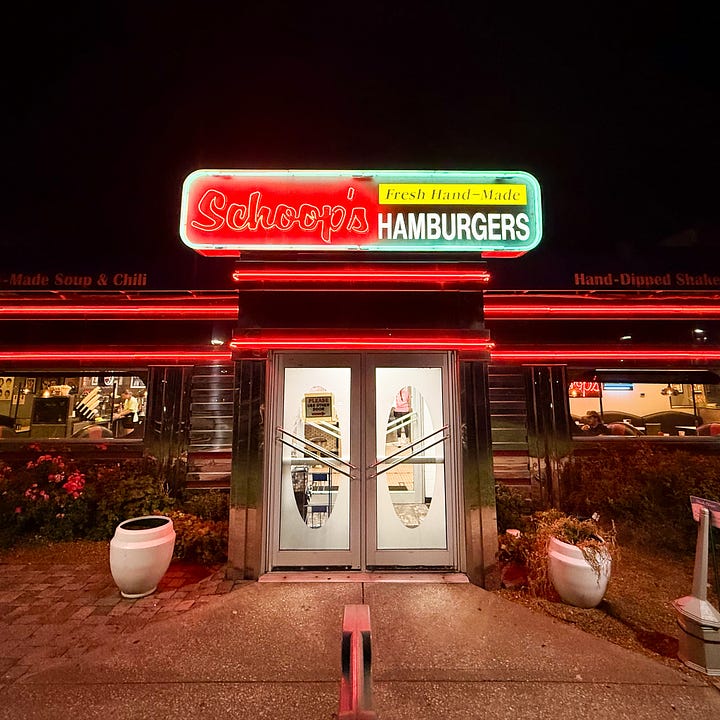
In anticipation of the book’s release, I chatted with its two editors, Missy Frederick, editorial director for Eater’s dining team, and Sarah Zorn, who has co-authored cookbooks like Nini Nguyen’s Dac Biet: An Extra-Special Vietnamese Cookbook. The three of us talked recently to explore Eaterland — from what they were looking for in regional recipes to how immigrants have shaped dining traditions across the country.
After you’ve read the story, don’t forget to download our brand-new Field Guide to Knoxville (it includes a stop at the local outpost of Prince’s Hot Chicken, the fried chicken purveyor included in Eaterland). The guide features a two-day food and drink itinerary organized into a handy digital download. Our Field Guides, which include picks for breakfast, lunch, dinner, and drinks, are included with a paid subscription but can also be purchased on our website.
Finally, our Weekend Reading list includes a tour of Jacksonville’s cheesesteaks, a look at 20 years of Scribe Winery, and a deep dive into Milwaukee’s corned beef sandwich culture.
— Amy Cavanaugh & Kenney Marlatt
Editors, American Weekender


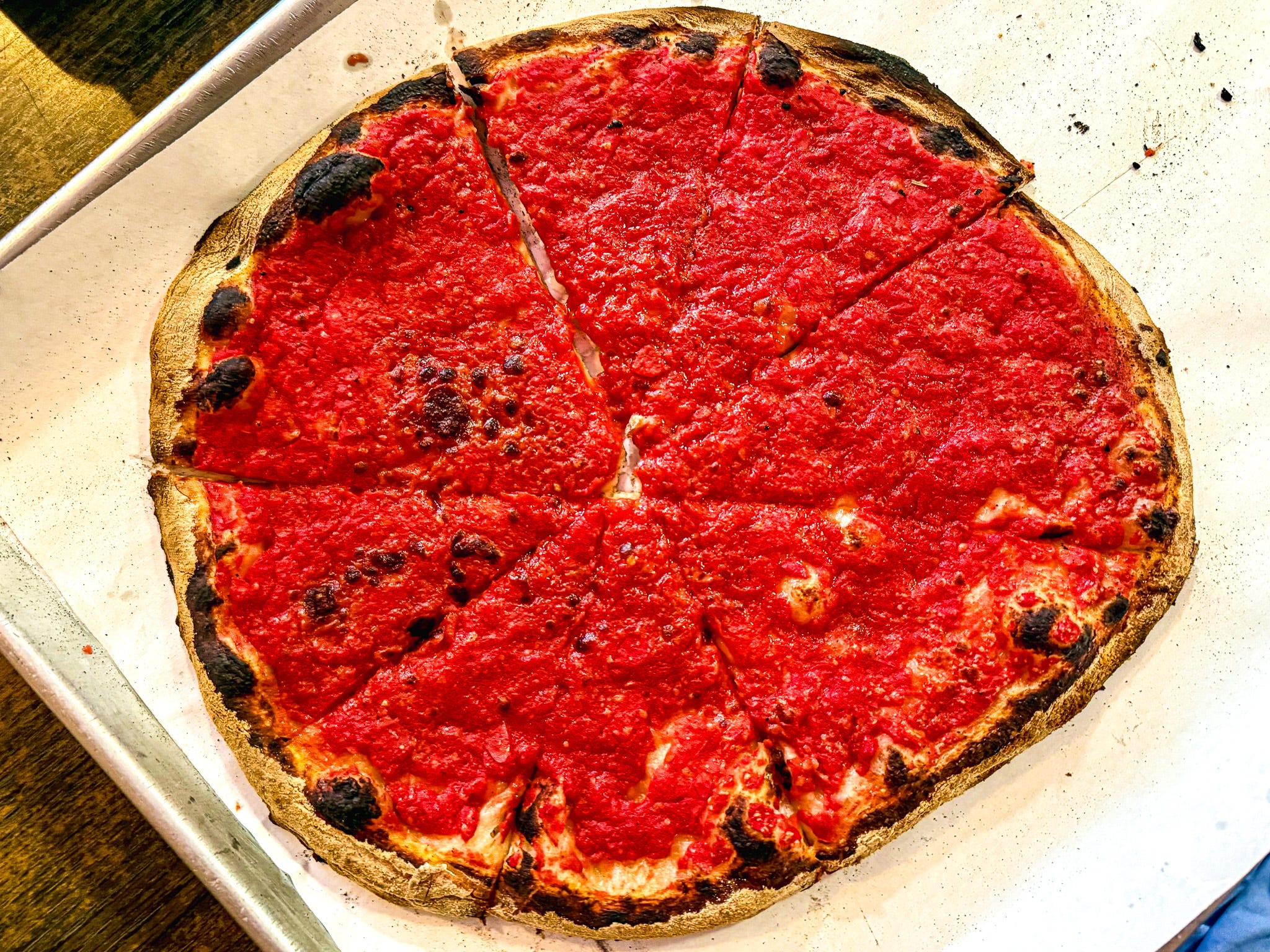
Regional food tells the story of America. Dishes like chislic, mutton skewers created by German-Russian immigrants to South Dakota in the 19th century, or Basque burnt cheesecake, made by immigrants to Idaho, help us trace our culture across oceans. We learn about geography through the local crops and the native animals found on land and in our waterways — the Pacific Northwest’s Dungeness crabs are not Maryland’s blue crabs, and while Rhode Islanders eat cherrystone clams, Wisconsinites eat walleye. American food is ever-evolving, as climate change, immigration patterns, and economics influence what we eat.
Eaterland: Recipes and Stories from Across the United States explores regional food through 50 recipes, ranging from the turkey and wild rice meatballs found at Sean Sherman’s indigenous Minneapolis restaurant Owamni, to the hearty lobster stew served at Eventide in Portland, Maine. Through recipes, essays, and glossaries, the book shares the stories behind classic dishes like New Haven apizza, chili cheese half smokes, or Country Captain, a historic Southern dish that Mashama Bailey prepares at The Grey in Savannah.
Eaterland’s editors Missy Frederick and Sarah Zorn know this topic better than anyone. They worked with a team of writers that gave them a big-picture view of the current state of American food. We recently chatted about how the project came together, the non-negotiable dishes they made sure to include, and what American food is today.
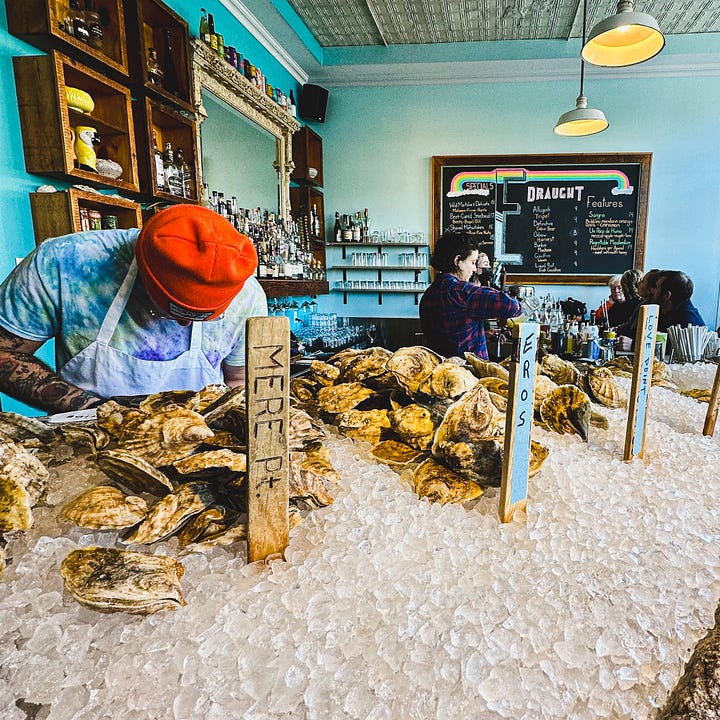
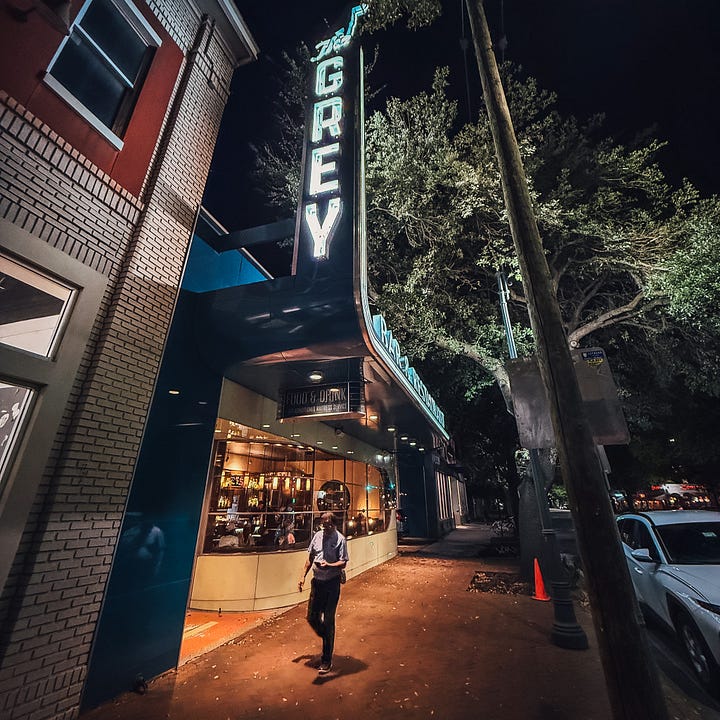
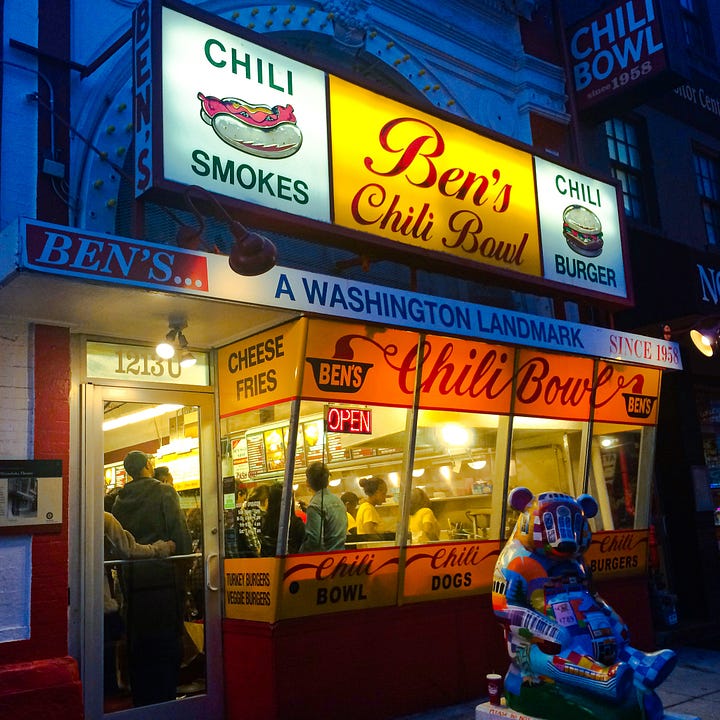
American Weekender: Why did you decide to focus on regional food for Eater’s second cookbook? And how does it fit into what Eater’s doing?
Missy Frederick: The first cookbook [authored by Hillary Dixler Canavan], which I helped promote but wasn’t part of the creative process for, was about looking at the restaurants that really make up day-to-day Eater coverage — essential restaurants, hot restaurants, the kind of places that we write about all the time. For the second cookbook, we wanted to find a way to highlight the niche foods and mom and pop restaurants that make up more of the day-to-day fabric of a city.
I’ve always been really interested in regional dishes. Some of the first articles that I wrote for our national site were explainers about regional foods that I had encountered but didn’t know the origin story of, like city chicken or almond boneless chicken, which is one of the recipes that we have highlighted in the cookbook.
So when I was coming up with the pitch, I was like — is there a way we can do a cookbook that centers around these iconic dishes? It will give us a chance to teach readers about some dishes that they maybe don’t know about. Everyone’s heard of a lobster roll. Everyone’s heard of a Philly cheesesteak. But maybe not everyone’s heard about a finger steak. So I thought there could be a good educational component. I’d also thought there would be a lot of ways that we could interweave the international influences that have worked their way throughout the country through these kinds of dishes. It builds on the reporting that we’ve done for many years at Eater.
AW: I love how you have some dishes, where if you live in the region, it’s like, yes, of course we know Detroit-style pizza. But as I read through the other sections, there was so much I’ve never heard of before. Finger steaks was one. And I learned the origin of other things — I know Dutch crunch bread, we have it on sandwiches here — but I had no idea what it was or where it was from [it’s big in San Francisco].
MF: I think it engenders a certain sense of hometown pride in people. Since I spend a lot of time in Pittsburgh, I was like, “oh, we have to get the Pittsburgh salad in there.” You feel this connection to these dishes if you’re from a particular area or if you’ve just spent a lot of time there. I’m not from D.C., but I feel a connection to things like mumbo sauce and half smokes and that kind of thing just from them being part of our day-to-day routine here.
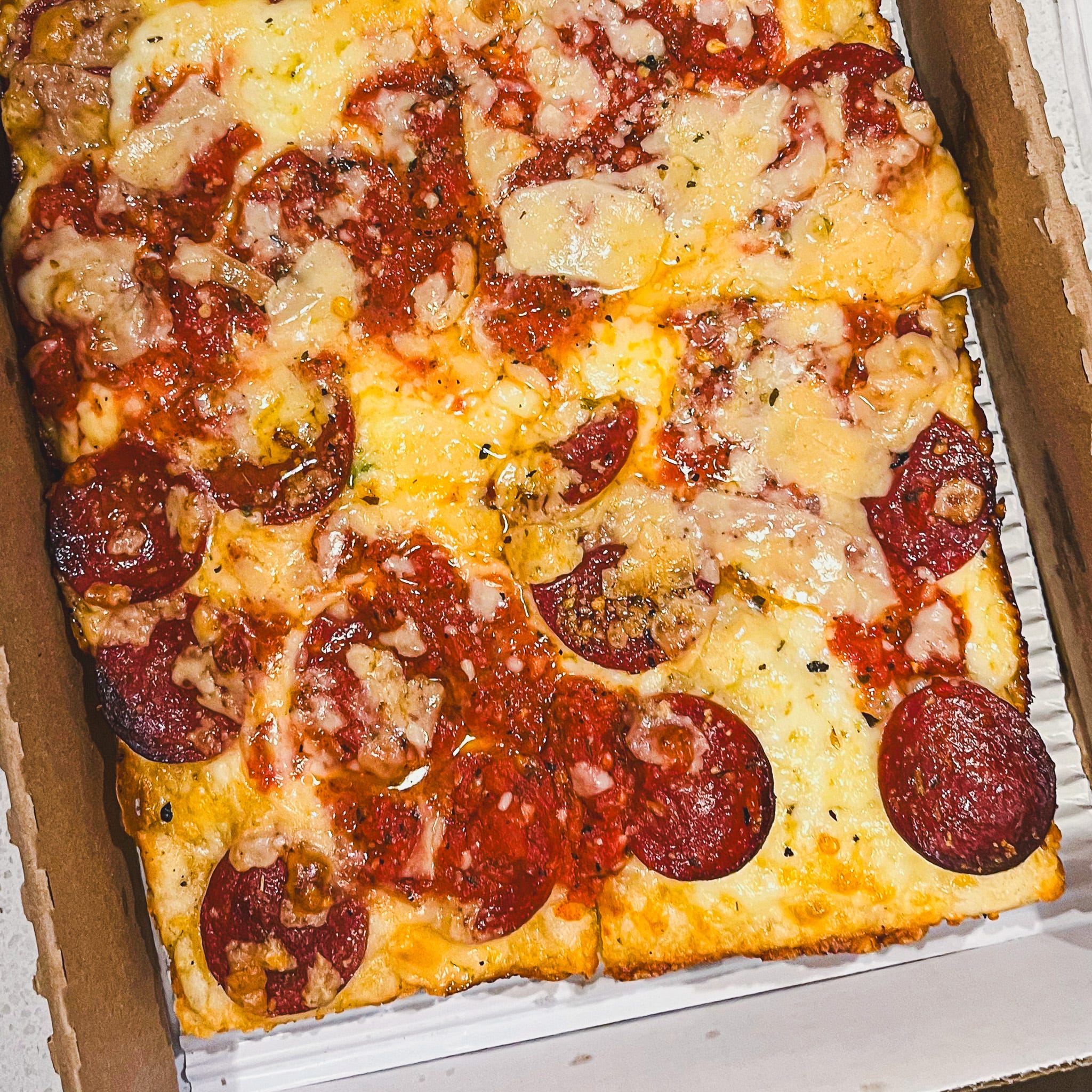
AW: Are there any dishes that you knew, “this has to be in here.” A non-negotiable?
Sarah Zorn: I live in New Jersey and I pushed hard for chicken savoy, because what this book is about is identifying those dishes that you need to be boots on the ground to understand. If you were to ask somebody who is not intimately acquainted with New Jersey, what would they think is the signature food? People might say hot dogs, pizza, Italian red sauce. All of that is true. But chicken savoy really has a true origin story. Those were the kind of dishes that I wanted to see in the book — dishes that had an identifiable origin story, a reason for being, but that hopefully people who didn’t intimately know the state already would be like, wow, I just learned something.
MF: Two different categories come to mind for me. One was if there was a dish that I knew was extremely associated with one particular restaurant, if we could not only get that dish, but get that restaurant, that felt like a victory. So I feel like having Buddy’s Pizza for Detroit-style pizza was an example of that, having the Ninfa’s fajitas recipe is another one.
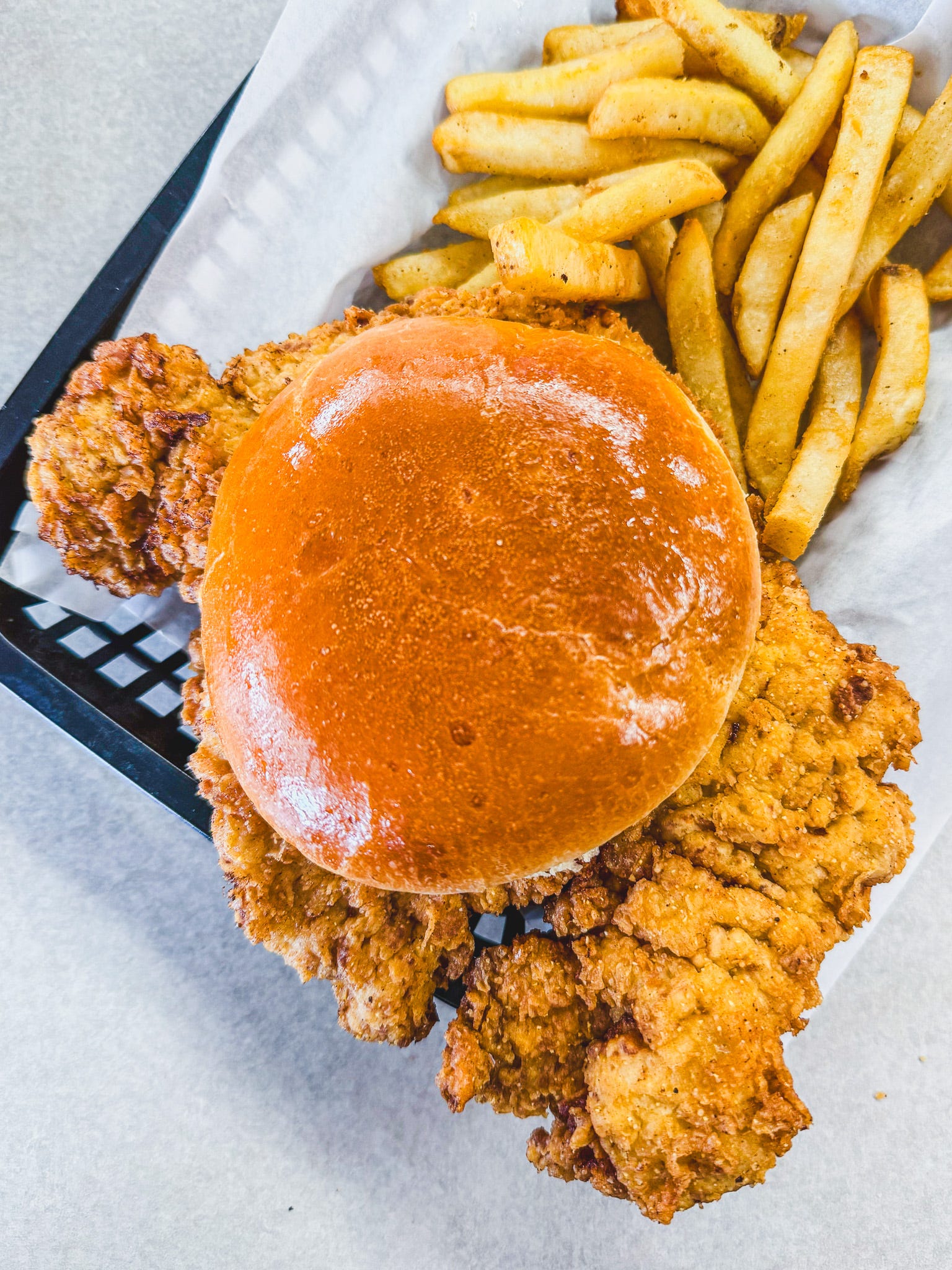
Then, I’m someone who when I visit a new city, I always look at Eater’s iconic dish maps, which go into specific regional dishes. I was trying to think of a few places where I had traveled to a place for the first time and had a dish I felt like I had to try because it was iconic for that region. Jojos in Portland, Oregon were one of those things and the pork tenderloin sandwich in Indianapolis was another. So I was excited to have things like that in there too.
SZ: I think the chopped cheese for New York City, because anybody could go on and on about what they think New York City is. But I feel like the chopped cheese is truly New York City.
MF: It felt like it was making more of a statement than if we had a bagel for New York City — not that those don’t have value, too.
AW: You worked with a great team of food writers for this. How did you identify who you wanted to work with and what were you looking for the writers to bring to the project?
MF: I turned to people who were based in the area and had local knowledge. Often I looked at people who had experience writing for Eater specifically because that meant they knew our style and our voice and approach to food. And if we could find someone that had expertise in regional dishes, it was going to be a plus. Tim Ebner, our Mid-Atlantic writer, is someone who I’ve worked with at Eater for over a decade. He has always been the kind of person who wants to tell those stories. I remember him writing a story on the quest for the best jumbo slice in D.C., and I knew he had that spirit where he would take a detective work approach to the research. Different writers brought different skills to the table, too. You have Julia O’Malley, who has such a knowledge of the history of Alaskan cooking. Then you have Stephanie Jane Carter, who has written cookbooks about New Orleans dishes. So she’s cooked these recipes and she knows which ones are going to translate to the page.
SZ: I am definitely drawn to writers with an old school beat reporter approach. Anybody can Google nowadays. So what this required was the willingness to put boots on the ground, visit places, speak to people, uncover stories, and learn. Or, drawing on existing knowledge because you actually live in these places and what you’ve done for the bulk of your career is tell the stories of your region.
AW: This is a cookbook, but you also have essays and glossaries. There’s a list of all included restaurants in the back, which makes it kind of a travel book. How do all these elements work together to achieve what you set out to do?
SZ: I have had the great honor of working on cookbooks before this one, and the kind of books that I’m drawn to as a writer and a reader have a reason for existing beyond recipes. They are narrative and storytelling focused.
Especially for this one — because somebody could Google a recipe — in order for there to be a reason for this book to exist in hardcover form, there needs to be those narrative stories that are told in all sorts of different ways, whether that’s long form, short form, glossaries. We worked really hard to get recipes from the kind of places who wouldn’t necessarily give them out. I think the reason people continue to buy cookbooks is that people want to hold things, touch things, cook from things, dog ear things, and read stories. They read them like they would a novel.
MF: I do hope it accomplishes more than one thing. You mentioned travel and I hope that people use this to plan. Say you’re deciding to tackle the West and you’re hitting a bunch of national parks, you can use this as a guide to pair your culinary stops with your tourism stops. And obviously not everyone can travel — you may never make it to Hawaii, but at least you can experience some of the food culture in your own home. It’s educational, too. One of the reasons I wanted to have glossaries was because I knew we were only going to get so many recipes in, but there are more than 10 dishes that are important to a particular region.
AW: Some foods, like burgers, tacos, and hot dogs, appear across regions, but differ based on local ingredients and demographics. What does this say about American food to see these same foods existing across the country, but in all different ways?
MF: I think that this cookbook really makes apparent that you can’t summarize American food in quick, shorthandy, cliché ways. People like to have knee-jerk responses to American food and say something like, “Oh, it’s all about burgers or it’s all about steakhouses.” But what American food is about is these dishes that show the history behind a place and the international influences that have populated different regions in different ways. They show the ways that people have taken advantage of ingredients that are native to that area and made them sing.
SZ: I think it speaks directly to immigration patterns in the U.S. and how cultures don’t just exist in one state or even one region. People travel and food travels with them. That’s how you get the hot dog story being told from the East Coast to the West Coast. Cultures don’t just exist in one place —there are pockets and there are migrations — and so it speaks directly to that as only the American story of food evolution could.
AW: What are some newer ways that you’re seeing immigration shape America’s food culture?
SZ: I think there are restaurants that show a modern spin on things or show how a dish could be evolved for modern tastes and modern diners. Take chislic, the meat chunks in South Dakota. [The now-closed Urban Chislic] was honoring the roots of the dish but making sure that it was relevant to modern diners. They were seeing how it could be recreated.
MF: The salmon sinigang recipe [from Magna Kusina in Portland, Oregon] is something where obviously it’s a traditional Filipino dish, but it is a modern, contemporary spin. It also incorporates salmon, an ingredient that’s so essential to the identity of the Pacific Northwest. That’s a pattern that you’ll see at these kinds of modern restaurants all the time — they’re trying to celebrate a particular heritage and find a way to translate it to contemporary eaters in a way that feels exciting.
AW: Texas is the only state to get its own chapter. What is it about Texas as a culinary region that required its own chapter?
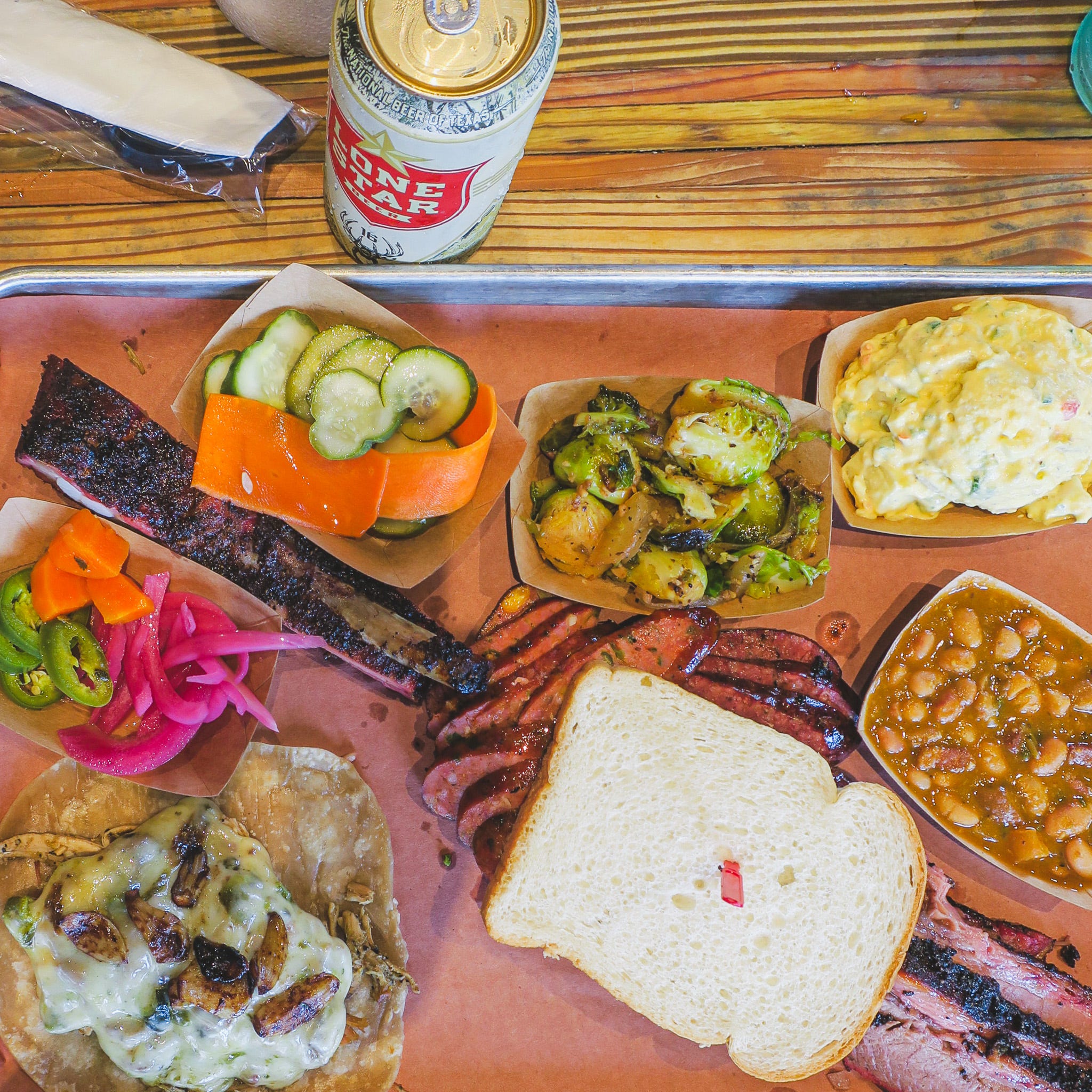
MF: Texas has such an interesting diversity. Houston is now on the map as an exciting culinary destination and it’s one of those places where you find so many different international influences, like where Vietnamese and Cajun cuisines intersect. This gave us the chance to explore that. Also, if you’re going to talk about American stereotypes, barbecue is always going to be part of the conversation. This gave us the opportunity to talk about barbecue not being a monolith and all the different ways that barbecue shows up, not only in Texas, but across the country.
AW: My favorite part of the book to research was Iowa walking tacos. I kept reaching out to people in Iowa saying, “Why? What is this? What is the history here?” Every person had a different thought, but every person said, “This is a vitally important thing to Iowa. We love it. We eat it at baseball games.” I couldn’t come up with the correct answer, but knowing that it’s so important to Iowans is the thing that was important. It was such a fun, unexpected find for me. As you worked on the book, was there anything that stood out to you as being cool and unexpected?
SZ: It’s interesting that you brought that up and that Iowans leaned into the ownership of that, because when we identified that as being such an Iowa thing, we backed away from the discussion of Frito pie because it’s essentially the same thing. And since maybe more people understand what Frito pie is — and essentially it is the same thing as walking tacos — we let Iowa take that and let you explore why that is important. We identified where those similarities exist, but dug into why certain regions or states are adamant about the fact that they own it. I thought that that was interesting — things exist by different names in different places.
MF: It seems so obvious when you read the Alaskan chapter to think about how integral preserving and the art of putting foods up for storage is, but it hadn’t been a thing that I had thought about. So that felt like a new takeaway for me. Similarly, it feels very obvious that Southern chicken and biscuits is now a standard fast food thing, but it’s really interesting to read Stephanie’s piece tracing it from this thing that existed in kitchens into a thing that exists in mass consumption across the country.
Sarah, I remember you getting really excited when we got the Del’s Lemonade drink. That was a thing that I hadn’t heard of. You were like, “We have got to have Del’s.” And I’m like, “What?”
SZ: I know that Eater likes to lean into restaurant ownership of things. I didn’t think that we were going to get Del’s to give us the lemonade, so to see a Providence restaurant [Gift Horse] offering a cocktail version of that was cool. It’s a place giving their interpretation of something that is so restaurant specific that has become region specific.
Honestly, I feel like my biggest learning moment was not really knowing about Wisconsin supper clubs and now I am desperate to try one.
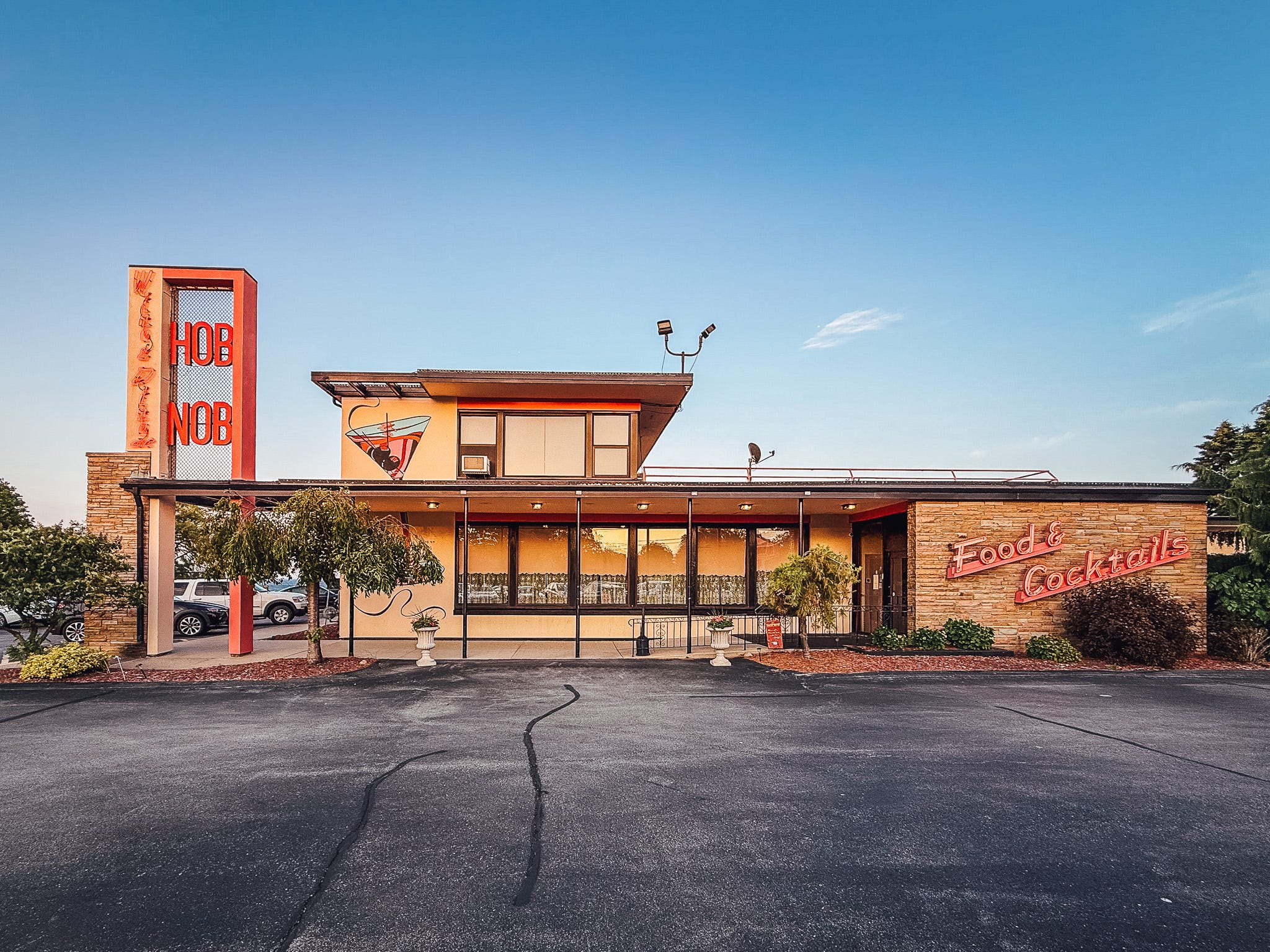
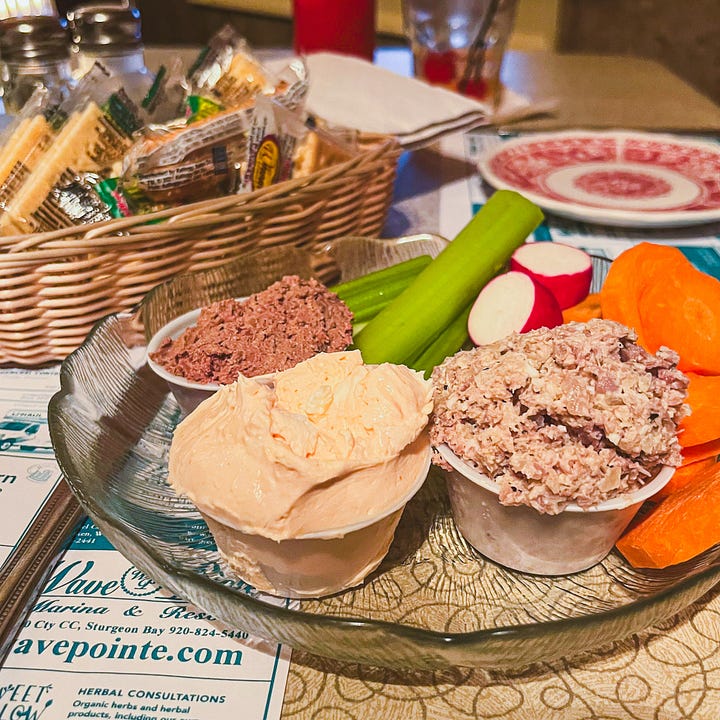
AW: It is such an important thing in the state. In Chicago, we’re 90 minutes south of the Wisconsin border. We’ll go up to Racine just to have dinner at the Hobnob. Everyone does here. It’s a type of restaurant that the whole Midwest has truly embraced, but Wisconsin does it better than everyone else.
SZ: That may be one of the best examples of subverting expectations. We’re not talking about cheese curds. We’re talking about grasshoppers and supper clubs. I think that’s amazing.
Eaterland is out on Tuesday, April 28. You can pre-order it here using the promo code EATERBOOKS40 for 40% off.
Also! I will be joining Ann Arbor, Michigan’s great Zingerman’s Bakehouse for a cooking class on May 14. We’ll be making three recipes from the book: turkey wild rice meatballs, killed salad, and sweet tea chess pie. You can register here.


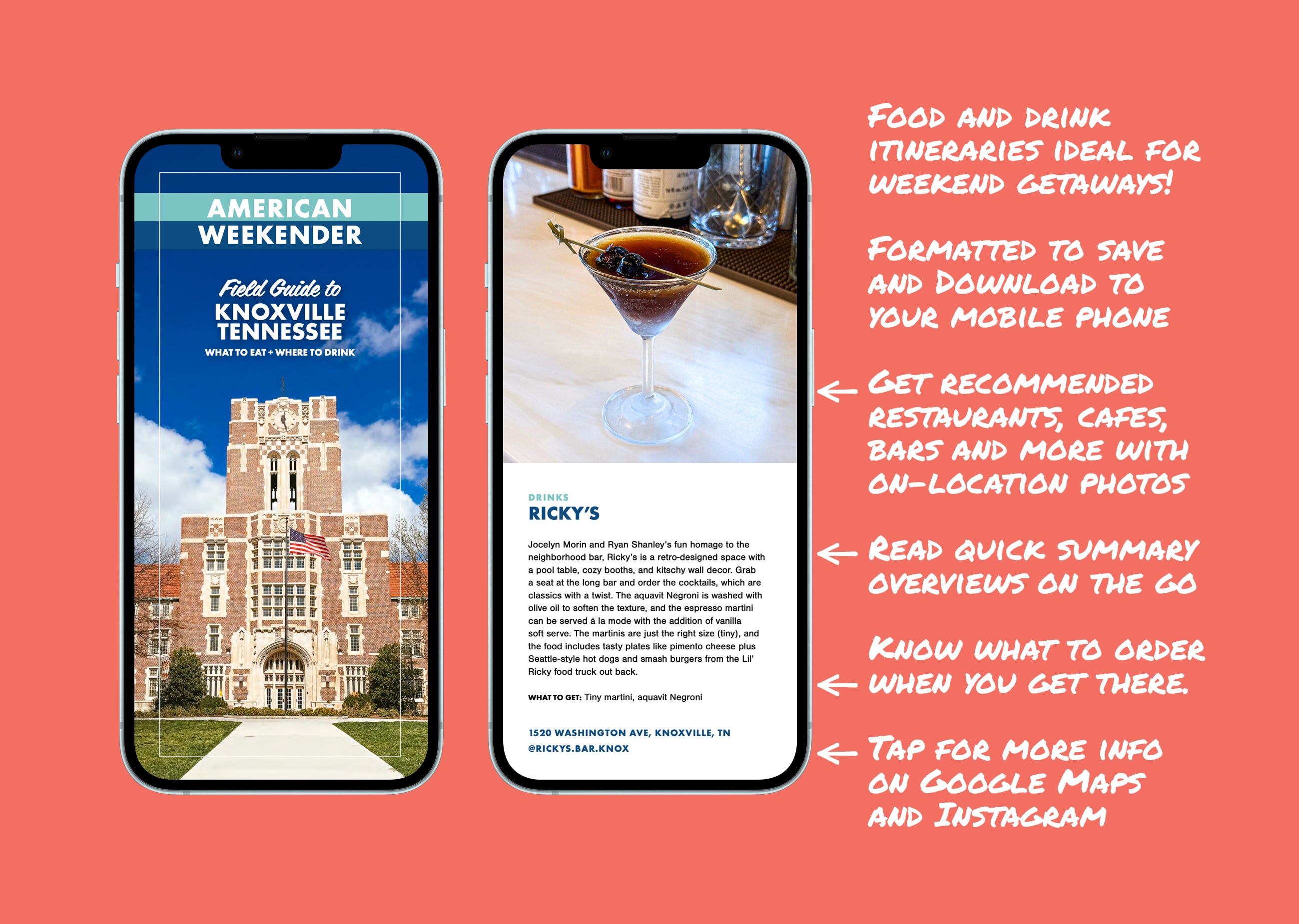
All our Knoxville favorites are available as a two-day Field Guide that you can download on our website. As always, it’s free for paid subscribers — just use the code in this month’s Weekend Getaway newsletter. Here’s what you get:
Two-day recommended dining itinerary
Picks for breakfast, lunch, dinner, and drinks
Downloadable for quick reference
Designed for your mobile phone
Reminder: As a paid subscriber, you can use this month’s code to download any other Field Guide you’d like for free! We recommend saving your Field Guides to Apple Books or Dropbox for the best experience on an iPhone. Google Drive works great too on other smartphones.
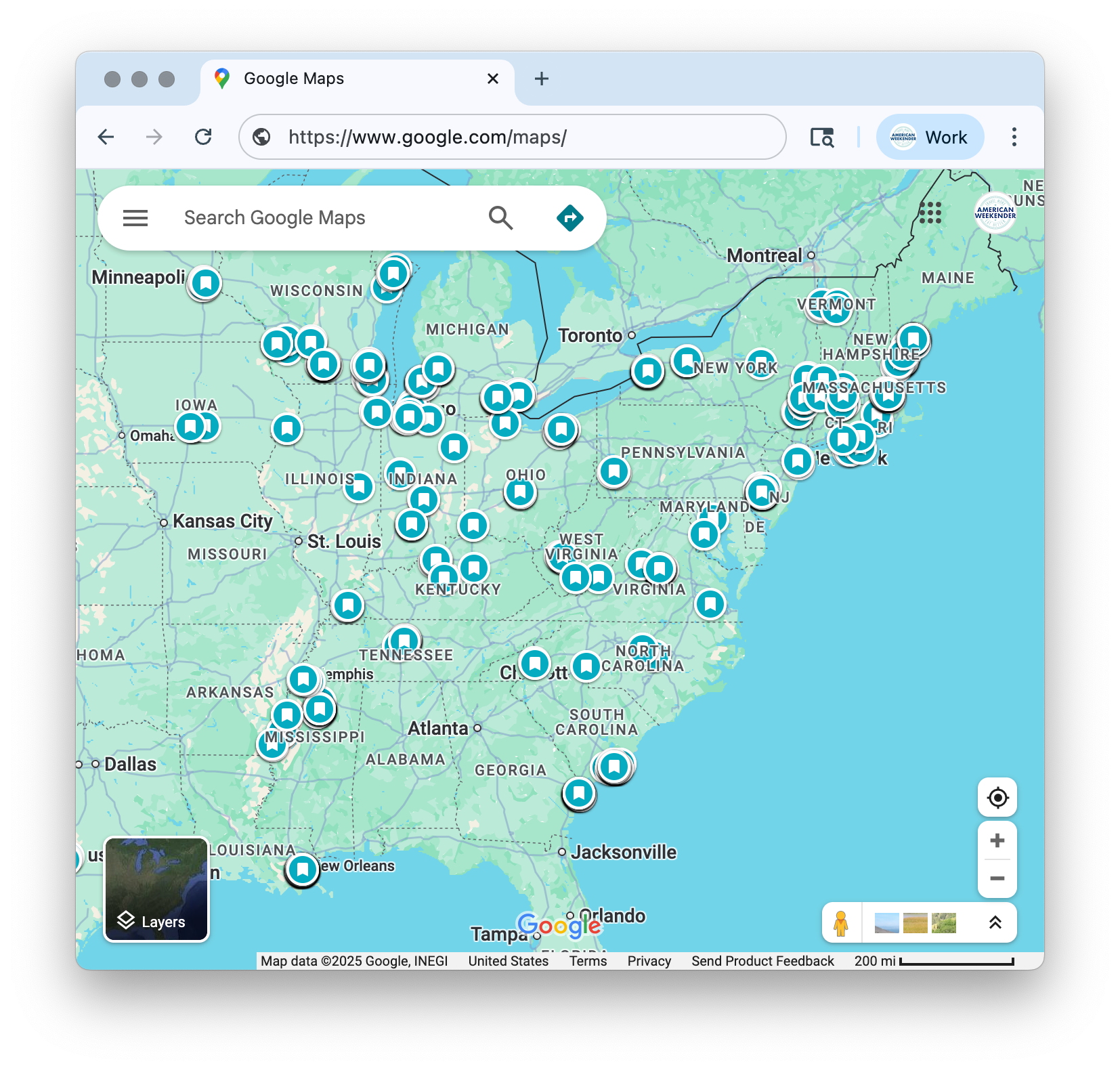
Paid subscribers also get access to the American Weekender Google Map. This map includes every place we’ve ever mentioned in our newsletters plus every place we’ve ever recommended in our Field Guides. Whether you’re looking for roadside barbecue in Tennessee, afternoon cocktails in New Orleans, or a farm-to-table dinner in Western Michigan, our map — which has more than 1,200 locations! — will point the way. We update it with new spots each week, so keep it bookmarked for your next trip. Paid subscribers can find the link in this month’s Weekend Getaway newsletter.



CALIFORNIA
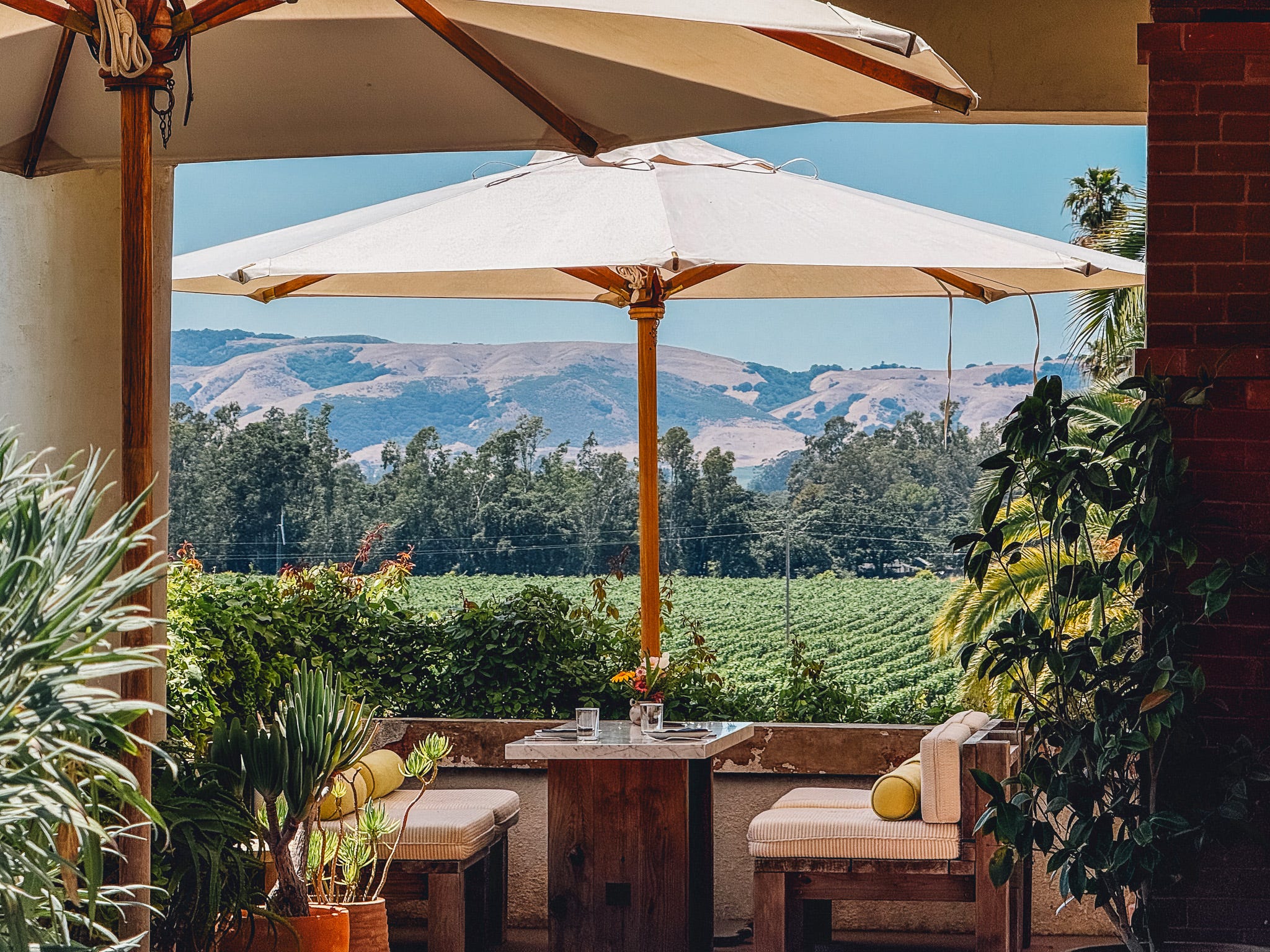
Scribe Winery Is Almost 20. They’re Just Getting Started: We’ve been drinking Scribe wines for years, and visited the winery in Sonoma last year. For his newsletter, Ari Bendersky spoke with co-founder Adam Mariani about the winery’s path to success: “Scribe didn’t become a cult winery overnight, but it didn’t take long either. Their first vintage was only a couple hundred cases (they now produce around 10,000 annually). They didn’t build a tasting room or plant an entire vineyard at once. Instead, they let people follow along: visit in January and see one thing, come back in July and see progress. It was an open-source work in progress and that transparency became magnetic.” (Something Glorious with Ari Bendersky)
FLORIDA
Sizing up the current cheesesteak crop: Cheesesteaks are the sandwich of the moment across the country and Hanna Raskin wrote about the scene in Jacksonville. Cheesesteaks are taking off in the Southeast in particular, as Northeasterners are relocating there in large numbers. Her favorite is at D&LP Subs: “At Chris Lewis and Dan D’Ambrosio’s lively counter-service pizzeria, the soft roll has just enough toasty crunch to contrast with the lithe chopped meat tucked within it. As for that meat, it tastes wholly and deeply of beef, a feat achieved by exploiting the sweetness of onions and power of salt. In other words, D&LP unlocked the true meaning of cheesesteaks for me by providing something to fight for.” (The Food Section)
WISCONSIN
In Search of Milwaukee Style Corned Beef Sandwiches: At The Mix, Mary Kate Murray and Robert Simonson explore the style of corned beef sandwiches available in Milwaukee: corned beef served on toasted rye with melted Swiss cheese and mustard. After eating many, many sandwiches across Milwaukee, they declare it the perfect sandwich for the city: “The city’s deep history of producing rye bread (Robert’s great-grandparents were German rye bread bakers in Milwaukee) and this state’s history with dairy production—especially that of the Wisconsin Swiss cheese makers—along with every kind of mustard you can imagine being made and readily available here, makes this sandwich a symbol of Milwaukee food culture. With all those components already available, all you needed was the corned beef. There is plenty to find in Milwaukee.” (The Mix with Robert Simonson)
— Compiled by Amy Cavanaugh
Want more? Chat with us on Substack, download our Field Guides, check out our archives, or follow us on Instagram @americanweekender. We’ll be back next week.

Comments
Nothing yet. Say the first thing.
Sign in to join the conversation.