

If you’re chronically online, you’ve heard of this. Quitter’s day. It’s the second Friday of January.
It’s the day when motivation drops off. It’s likely linked to Strava’s analysis of early-January activity patterns. They analyzed and cited that either the 2nd Friday or 2nd Tuesday of January, there’s a “drop-off” in New Year’s resolutions. It describes the same thing as a mid-January slump.
I don’t think it was coined to shame people, no organization is that blatant, right? It’s more of a very human pattern that repeats every year: motivation spikes in January, real life happens, and many goals quietly fade away.
Quitter’s day is today. Which is why you’re seeing it everywhere.
The exact weekday varies, but the underlying idea is the same: the new year surge fades.
Fitness, (especially fitness), reading, writing, praying, learning a new skill, learning a new instrument, going back to school, creating, posting consistently, running, swimming, etc etc.
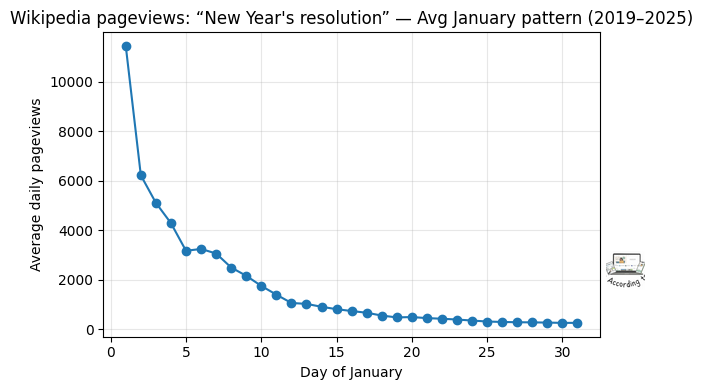
To show the January spike to the mid-month drop, I collected daily pageviews for Wikipedia’s “New Year’s Resolution” article and averaged the patterns across 2019-2025.
What the data shows:
Jan 1–7 average: ~5,215 pageviews/day
Jan 9–15 average: ~1,304 pageviews/day (~75% lower than Jan 1–7)
Jan 16–31 average: ~409 pageviews/day (~92% lower than Jan 1–7)
Interests quiet down fast, it doesn’t mean people are lazy, but most resolutions are built on a temporary surge, aka New year’s energy.
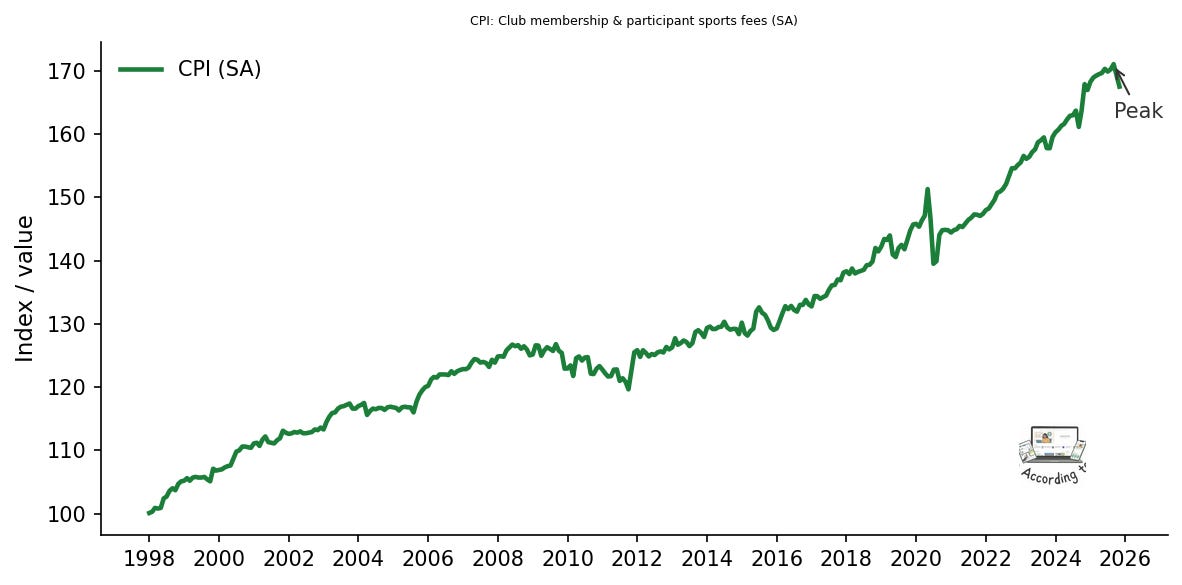
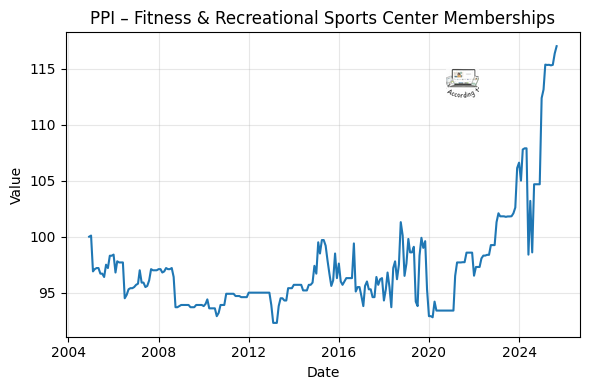

Gyms and fitness platforms expect January to be the biggest acquisition month.
Second Measure reported that Planet Fitness saw a major New Year’s spike (e.g., ~79% more new customers in January than in an average month in their analysis). Bloomberg Second Measure
A lot of membership/subscription businesses don’t need you to show up daily, they need you to start and not cancel quickly.
This is from Vix. How gyms strategize around the January rush and retention beyond that surge. Vox
Some brands have built campaigns around this moment (example: Strava challenges, and big retailers leaning into “save your resolutions” messaging). Event Marketer
So who benefits most from the cycle?
Gyms & fitness memberships (Planet Fitness, Crunch, Anytime Fitness, etc.) BSM
Fitness apps + challenges (Strava and partner campaigns) Event Marketer
Diet/weight-loss programs, supplements, meal plans (New Year promos + recurring payments are common)
Productivity / “new year, new you” tools (courses, planners, habit apps)
None of this makes these companies “evil.” Actually it does. Their incentives don’t always match your long-term well-being. Yet the model is still running.
Life is not easy for many people. We are hustling and trying very hard to put food on the table, clothing on our backs, and a shelter over our heads.
Having New Year’s resolutions means you’ve tried something and you’re ready for a change.
But the truth is, some of these resolutions fail because they’re built on motivation rather than design or discipline.
For example, I like running. I don’t need a resolution to make me go for a run today. But sometimes, especially in winter, I want to stay home or procrastinate… discipline is what makes me go for that run.
Some tactics that keep it real and are data-backed:
Instead of “I’ll work out 5x a week”, try “20 minutes, 2x/week” for 3 weeks. This aligns almost perfectly with behavioral science. You can start strong with temporal landmarks till you have a structure you can enjoy and sustain.
Make the goal smaller than your mood.
Simple things like:
- packing the gym bag the night before
- doing the minimum version of your workout
- organizing your reading playlist
- cleaning up your space
- practicing with a simpler song
- analyzing a small dataset
All these can keep your momentum up, instead of crashing because you think it’s too much.
I started learning Spanish in October, and I started with 10 minutes a day. Sometimes, when I don’t feel like using Duolingo, I read a Spanish book for 10 minutes, practice with my notes, and call it a day.
We all love a consistent streak. Duolingo, Datacamp, running streak. But what happens on days you can’t show up? Sick days, sad days, grief days? Etc. Yes, you can still show up, but you hate that you have to. So, swap streak for returns. This means you come back when you fall off. You missed some days, but you’re back here. It’s not day 1, it’s a continuation.
That keeps you consistent and breaks the model –– quitter’s day.
One of the easiest ways to stay consistent is to track a simpler metric. When it comes to weight loss, learning a skill, or creating, it’s a marathon, not a sprint. PUN INTENDED.
If you start with the bigger outcomes, you could get discouraged if you don’t see results immediately.
Track the simple metrics that yield the bigger outcomes.
The days you moved or closed your rings
A trick you learned in building better dashboards
How much you saved
How many jump ropes you did
Tiny but honest. And in 30, 60 days, look back and see if where you are is where you started.
I’m gonna hold your hand with a Kleenex while I say this: if a service profits when you fail to cancel, you are part of “that” statistic.
Protect your money and yourself:
Set a reminder for the end of any trial
if you have a stable subscription, choose the annual plan over the monthly plan.
Pick options with easy cancellation.
QUIT THIER BUSINESS MODELS!!!
Enjoyed this? Read, comment, and subscribe for more.
Be data-informed, data-driven, but not data-obsessed
🔗 2026 publishing system : 2026 SPS v2.0
🔗 Free design toolkit: dashboard design toolkit
🔗 Biz and whimsy: https://linktr.ee/amyusifoh
Data Scientist⬩ Spreadsheet advocate ⬩ Freelancer ⬩ Turning data into useful insights
Comments
Nothing yet. Say the first thing.
Sign in to join the conversation.