
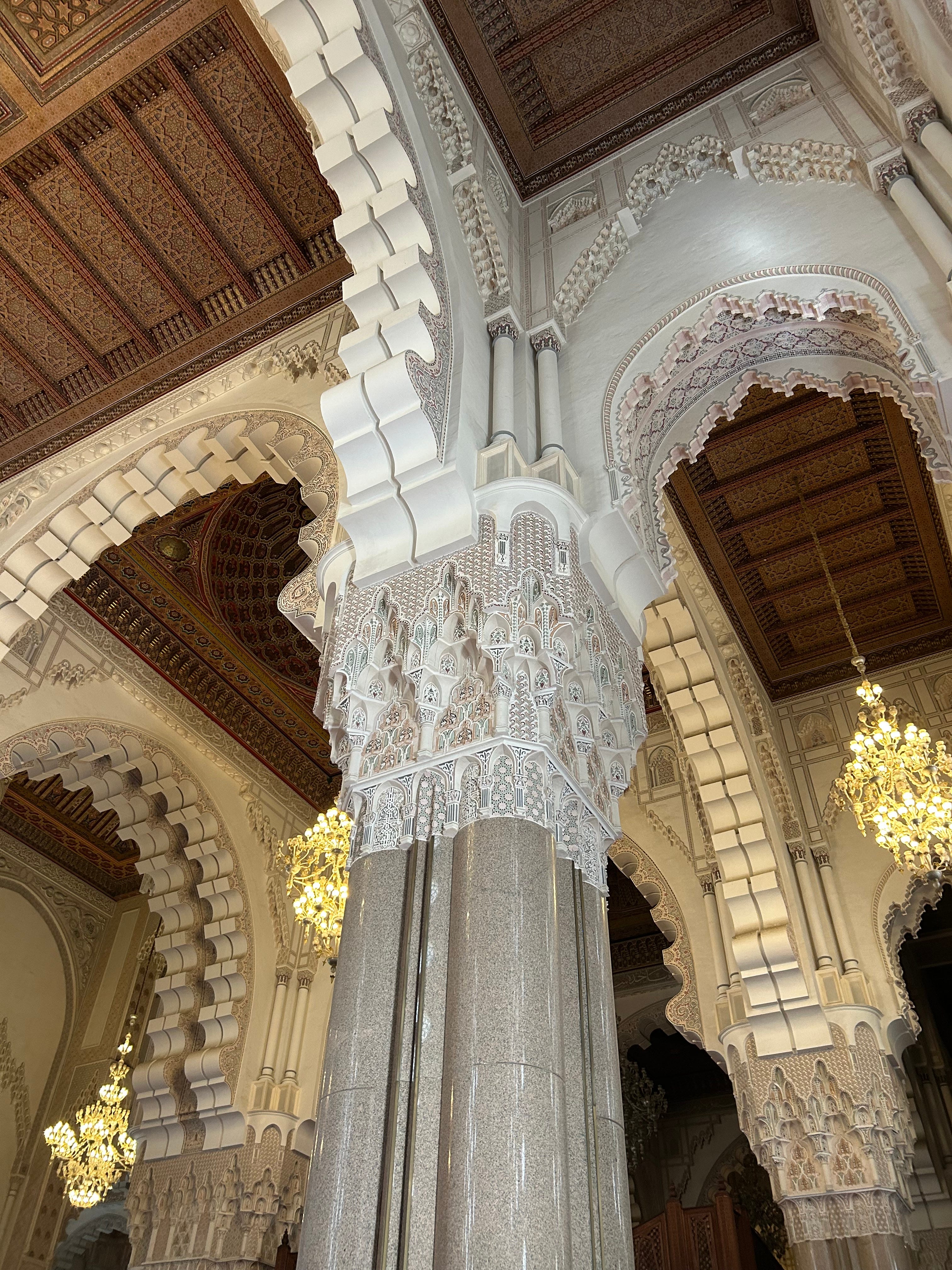
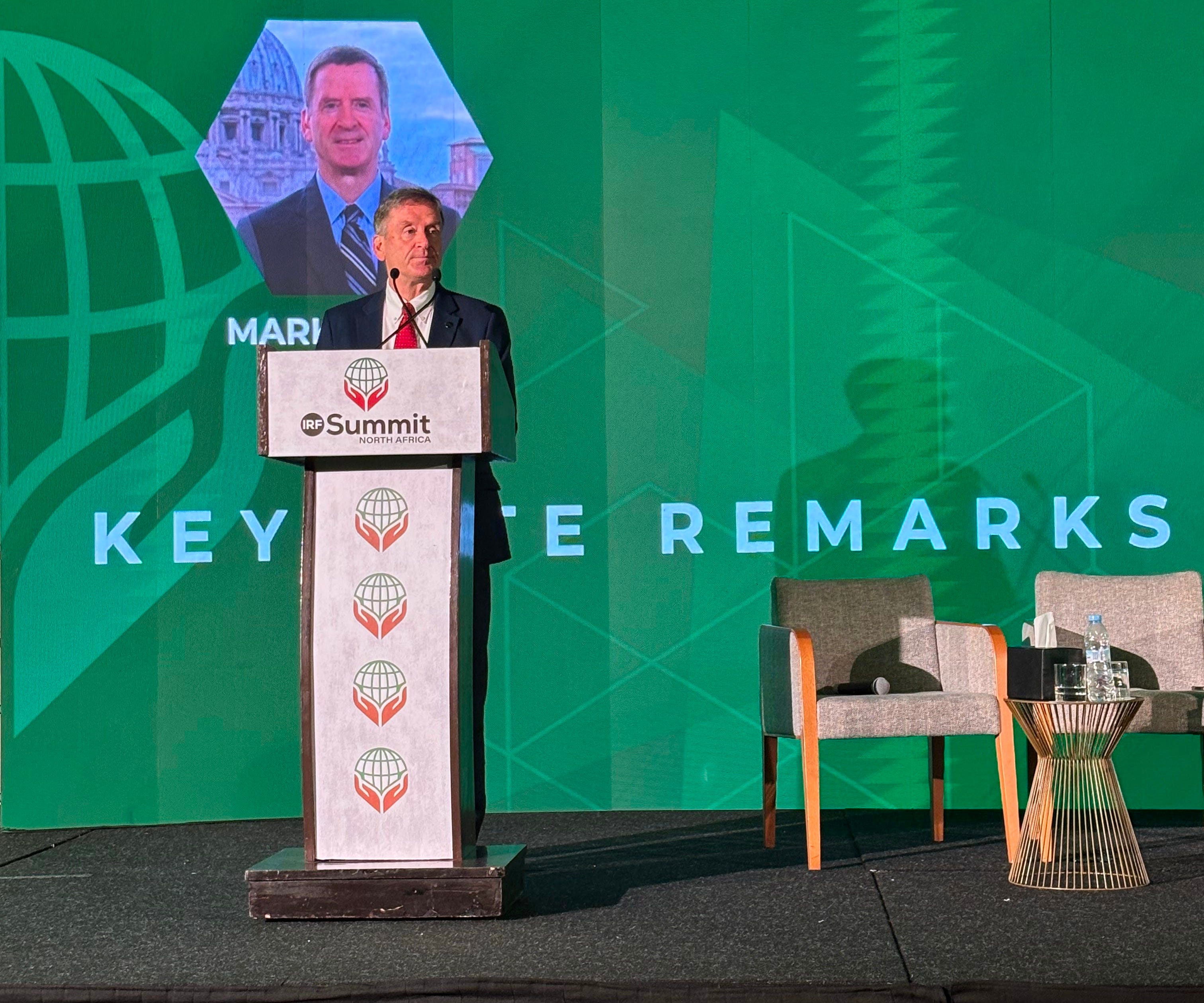
Note: This week’s post is adapted from my remarks at the International Religious Freedom (IRF) Summit North Africa, which convened yesterday in Casablanca, Morocco. My sincere thanks to the organizers, IRF Summit, and its partners (including the National Endowment for Democracy) for hosting me.
ONE STUBBORN THING: Aid to the Church in Need has concluded that 2025 saw “grave violations of religious freedom” in some 62 countries, affecting over 5.4 billion people—nearly two-thirds of humanity.
Ladies and gentlemen, we’ve come a long way since Ambassador Sam Brownback hosted the first State Department Ministerial on Religious Freedom back in 2018. Back then, I think it’s fair to say that Washington’s initial reaction was a stark blend of skepticism & criticism.
Few would attend, said the skeptics. Few should attend, said the critics.
But people responded by turning out in droves. All told, 130 nations and a range of faith traditions were represented. It became the largest human rights-related gathering ever hosted at the State Department.
And now the spirit of that ministerial lives on in these summits, and I’m sure the skeptics will wonder why. It’s pretty simple: we come together because we realize the need to protect religious liberty and the right to worship freely has never been more essential… or fragile.
The International Monetary Fund warns that we are living in an “increasingly shock prone world,” ranging from natural disasters to a growing number that are man-made and even regime driven.
We come together because in a shock prone world, the ability to pursue one’s faith can be a matter of survival—enabling us to hold onto our humanity in the face of a world that is too often inhumane.
The story of my friend and former colleague, John Thon Majok, makes this point all too well.
A few decades back, John Thon was one of the thousands of young people who survived Sudan’s second civil war —with all of its brutality & darkness— by walking barefoot to safety more than a thousand treacherous miles across battlefields and international borders.
The world would come to know him and his fellow refugees as the “Lost Boys.” John Thon openly says they only made it —across the miles and despite unthinkable obstacles— because of their faith.
“In our suffering,” he said, “we related to the Jews whose biblical account resembled ours.
“Although the children of Israel were exposed to oppression, tragedy of exodus, horrors of war, wandering in the wilderness, and the loss of loved ones, God did not abandon them.
“Just so,” he said, “our faith in God sustained us by giving us the needed strength to face adversity.”
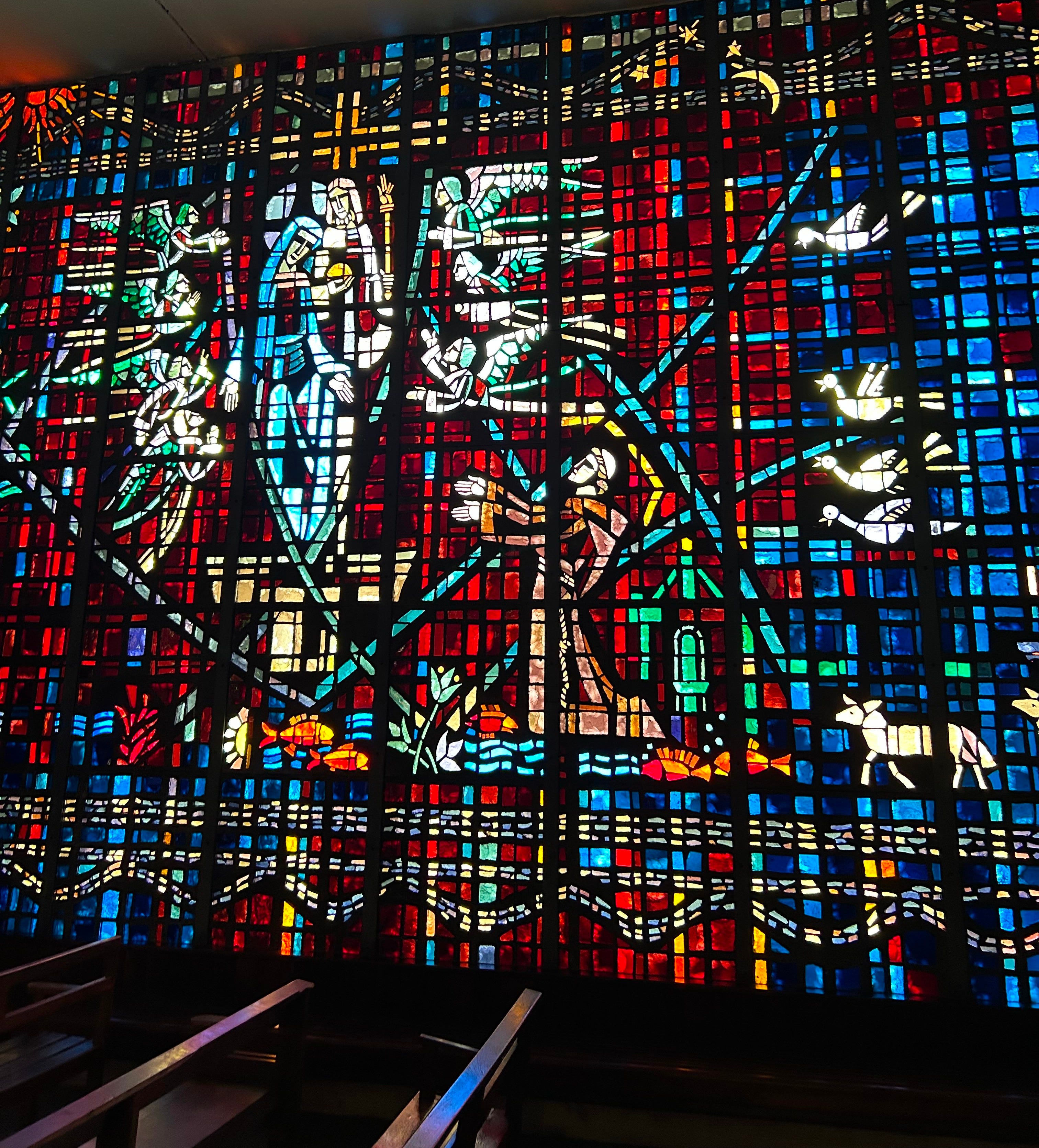
In these uncertain times, when we sustain religious freedom, we protect the right to be sustained ourselves, but there’s still another reason why we gather.
The right to worship openly, the right for people and organizations to hold onto their faith character as they fulfill their purpose, enables us to unlock the vast power of a global faith network.
A network dedicated to lifting lives and strengthening communities. A network whose very purpose is to reach those who have been left behind or left out.
Its members seek not money, or glory, or even thanks. They seek only to answer the timeless call of some of history’s greatest teachers and texts.
In the Gospel of Luke, the crowds call out to John the Baptist asking, “What then shall we do?”
He answers by saying that whoever has two tunics should share with him who has none. Whoever has food should do the same.
The Rev. Billy Graham liked to put it simply and directly: “God has given us two hands, one to receive with and one to give with.”
St. John Paul the Great used to say, “Every generation […] needs to know that freedom consists not in doing what we like but in having the right to do what we ought.”
I sense a common theme here, don’t you?
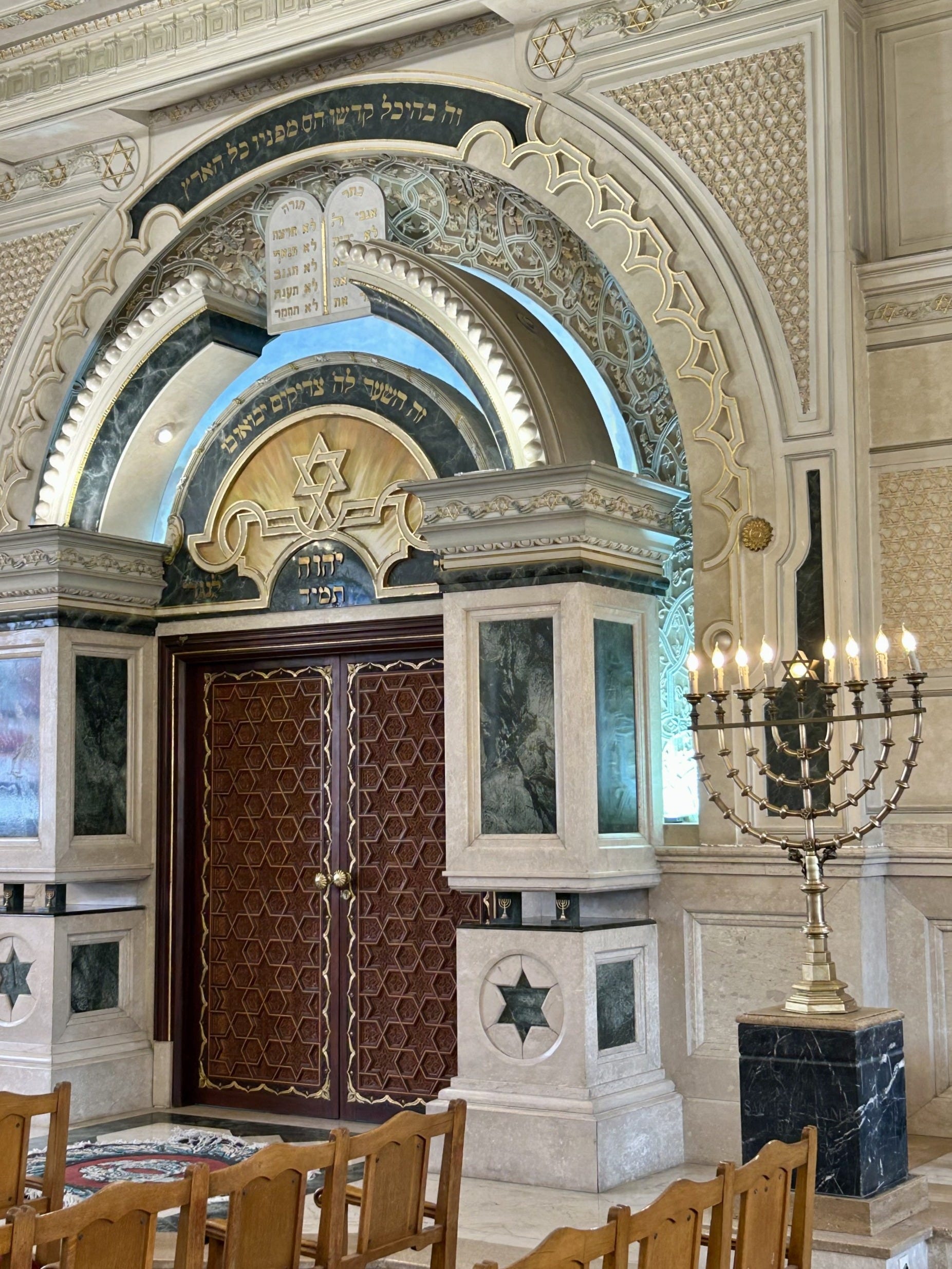
Ancient Jewish sages wrote in the Talmudic texts that the world depends upon three things: Torah, the law; service to God and others; and acts of loving kindness.
Included in the sayings of the Prophet Muhammad is the following: “That man is not from me who sleeps contentedly while his neighbor sleeps hungry.”
Mahatma Gandhi told us, “The best way to find yourself is to lose yourself in the service of others.”
And the Dalai Lama has written, “It is under the greatest adversity that there exists the greatest potential for doing good, both for oneself and others.”
We defend the right to worship because it quietly reveals to each of us the fingerprints of God. The guidance we each need as we strive to keep our world from losing its moral bearings.
I have been blessed to meet a number of amazing people over the years who have surely found the fingerprints of God, like Maggie Gobran.
When I visited Cairo in 2019, I encountered the extraordinary work of a humble lady known to millions simply as “Mama Maggie.”
Guided by her Coptic Christian faith, she has dedicated her life to working in some of Cairo’s poorest slums, providing health care, education, and hope to vulnerable Christian and Muslim families alike.
She is especially known for her work with Cairo’s Zabbaleen people—whom many simply call the “garbage collectors.”
When I visited a small center where her team was teaching former street girls skills like sewing and weaving, instead of diplomatic niceties, she greeted me by washing my feet to emphasize her humility.
Mama Maggie’s faith calls her to find, and preserve, each and every person’s human dignity. Protecting religious freedom gives her the space to do so—to bring hope to people in the shadows.
Ladies and gentlemen, we are also gathered because, sadly, there are those who would seek to destroy religious freedom precisely because it offers hope. These forces are hope’s enemies.
In its most recent Religious Freedom in the World Report, Aid to the Church in Need (ACN) found that 2025 brought “grave violations of religious freedom” in some 62 countries, together affecting over 5.4 billion people, almost two-thirds of humanity.
ACN noted that, “Article 18 of the Universal Declaration of Human Rights may enshrine freedom of thought, conscience, and religion… [but that] fundamental right is not [only] under pressure, it is increasingly disappearing.”
A recent UN report found that armed groups were committing “grave human rights violations” against Muslim communities in the Central African Republic, including summary executions and widespread sexual violence.
A Vatican report has reported on a resurgence in attacks by Islamic State-aligned forces in Mozambique’s Cabo Delgado Province. Churches have been set on fire, and priests and nuns and church workers have been forced to flee.
There are simply too many examples, too many violations against the faithful to begin to cover them here today. And of course, religious intolerance is hardly confined to Africa and the Middle East.
The old scourge of anti-Semitism seems to be once again rearing its ugly head in Europe and the US. Violence and threats of violence against Muslims in the US is on the rise as well.
The group I help lead, ONE, gets its name because as one of our founders put it, “we just need one thing to agree on in order to work together.”
Today, surely, we have one of those points of agreement—the right of people around the world to worship freely. And with it, the right to unlock the power of the faith community to help the most vulnerable among us.
One thing… one powerful thing.
In many ways, Morocco is the perfect place for today’s summit. It’s a beautiful country with warm, hospitable people. But also, because its history contains many touch points in religious freedom.
Eighty-five years ago, during those days when Morocco was but a protectorate and Mohammed V served as sultan, the Nazi-aligned government in France imposed a sweeping series of anti-Semitic laws upon this beautiful land.
But the sultan courageously pushed back. He famously said to French authorities, “There are no Jews in Morocco. There are only Moroccan subjects!”
His words back then gave hope to so many, and they live on in the reign of his grandson, King Mohammed VI, our host.
It’s often said that the greatest measure of one’s devotion to religious liberty is the willingness to defend it for those of other faiths. The king, through his hospitality and policies, and his grandfather, through his resistance, are making Morocco’s devotion clear.
It’s true that we live in an uncertain world, a chaotic world, a noisy world. There are countless demands on our time, our attention, and yes, our resources.
But religious freedom and the right to worship help us in our precious few quiet moments to reflect upon what we have been given and what we owe.
Religious freedom helps us to hear that call from John the Baptist, and others. The call to “share a tunic with him who has none.”
No posts
Comments
Nothing yet. Say the first thing.
Sign in to join the conversation.