
Notice: article contains major plot spoilers for Shin Megami Tensei: Nocturne (also known as Shin Megami Tensei III or Shin Megami Tensei: Lucifer’s Call in other regions).
If you’ve spent any amount of time online in places where Atlus fans reside over the last two decades, the phrase “play a REAL Shin Megami Tensei game” might bring to mind a forum encounter or two. Of course, the franchise has rapidly grown over the years, to the point where it’s difficult to enumerate them across the vast array of interconnected sub-series - but the aforementioned cliché has long been associated with one particular entry, developer Atlus’s 2003 epic Shin Megami Tensei: Nocturne. So, what is it about this particular release that carved out such a permanent spot in the hearts of so many diehard fans?
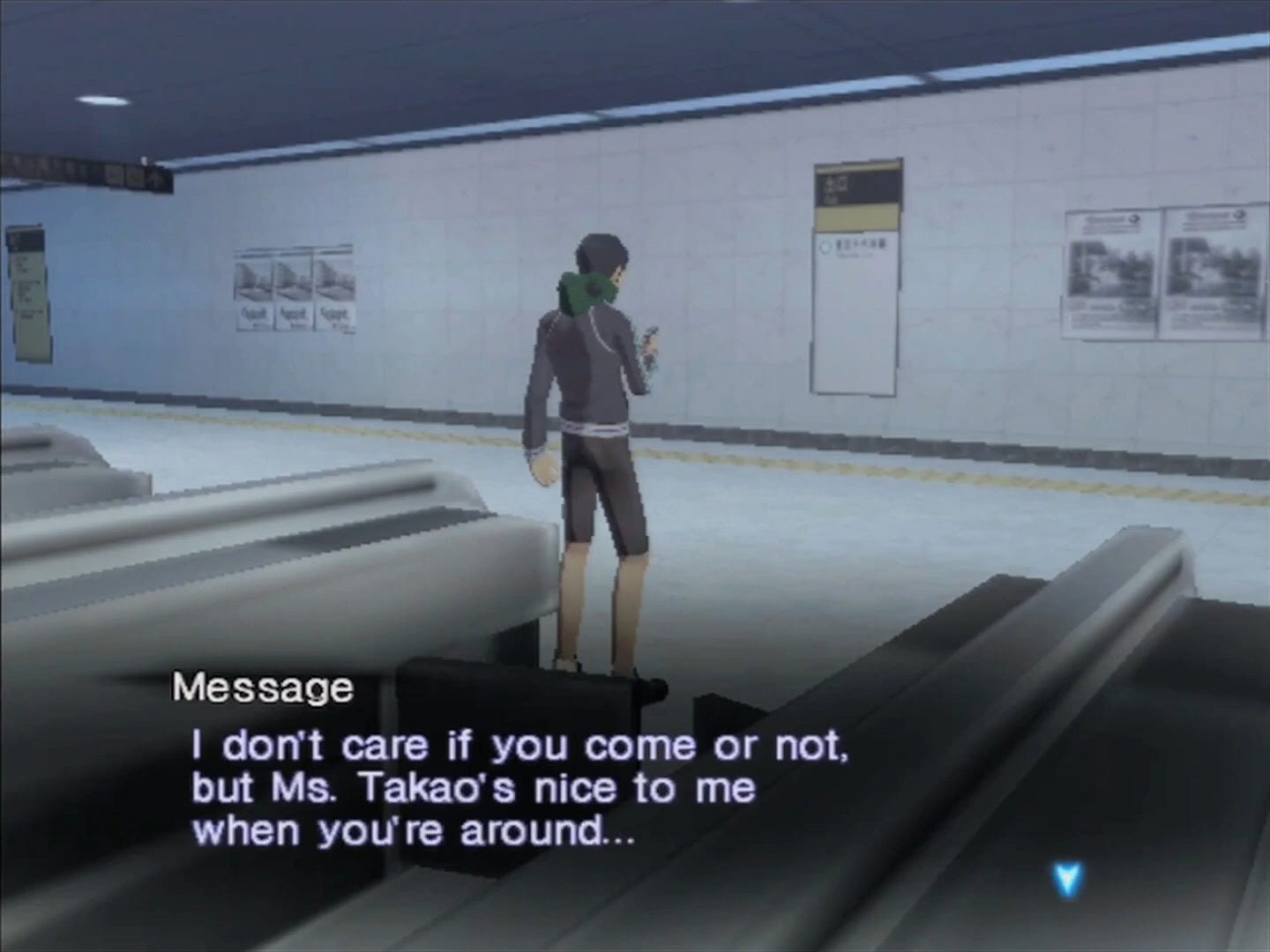
Aside from a slightly ominous dream sequence, the story begins on a fairly unassuming note - high-school protagonist Naoki Kashima stands at a quiet train station, reading a text message from classmate Isamu Nitta inviting him to visit their teacher in the hospital.
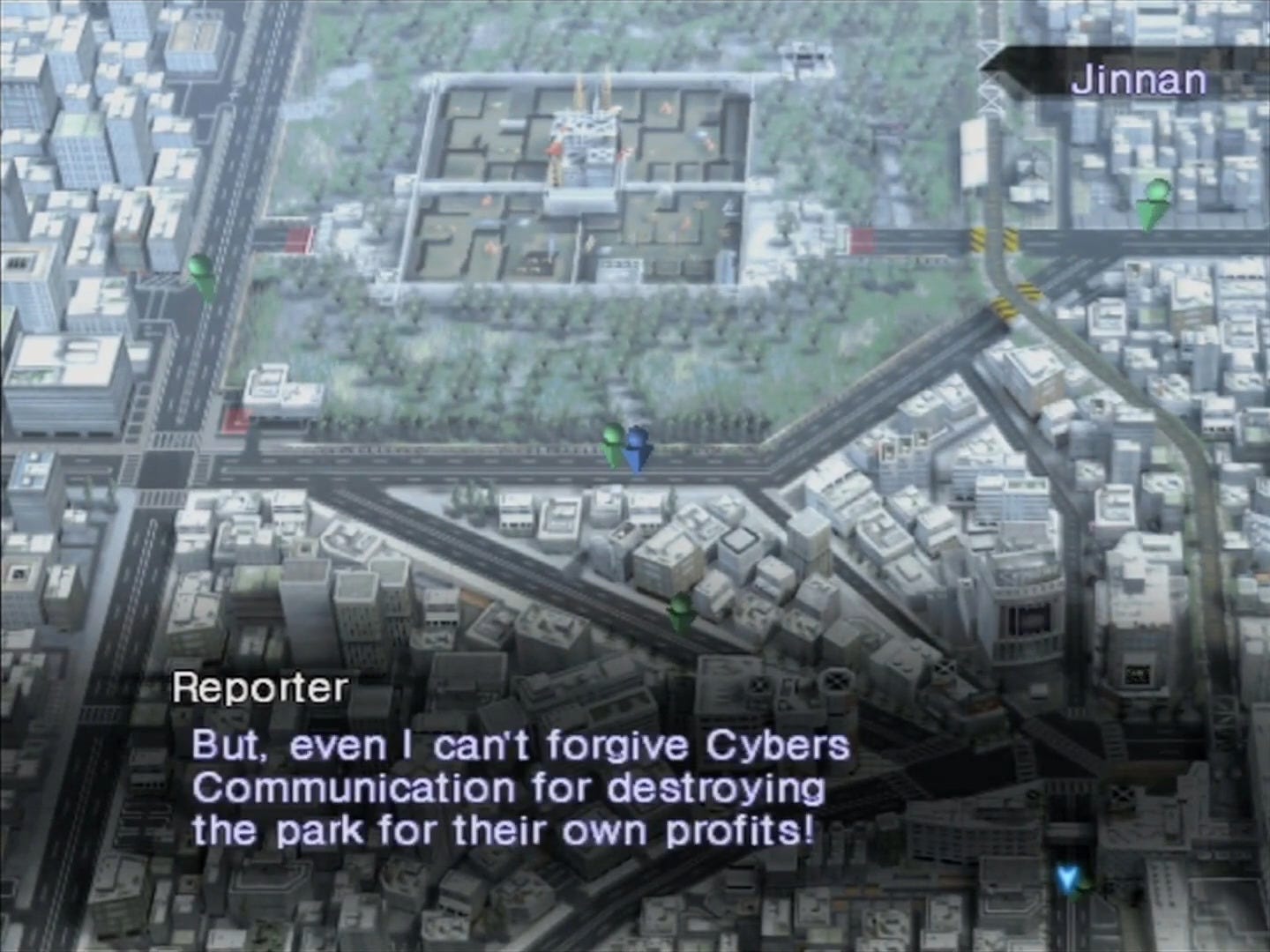
Upon leaving the station, the player is presented with a huge world map depicting the sprawling mass of intricately networked roads and towering buildings comprising the Tokyo cityscape. The scale of everything here is striking - the humans are so small that they’re represented by floating marker icons, yet the city is zoomed in so far that it spans several times the width of the screen. Rambling citizens can be listened in on as they discuss everyday topics: unverifiable rumours, inconveniences, local activism - it’s easy to feel small and unimportant wandering around in such a bustling environment.
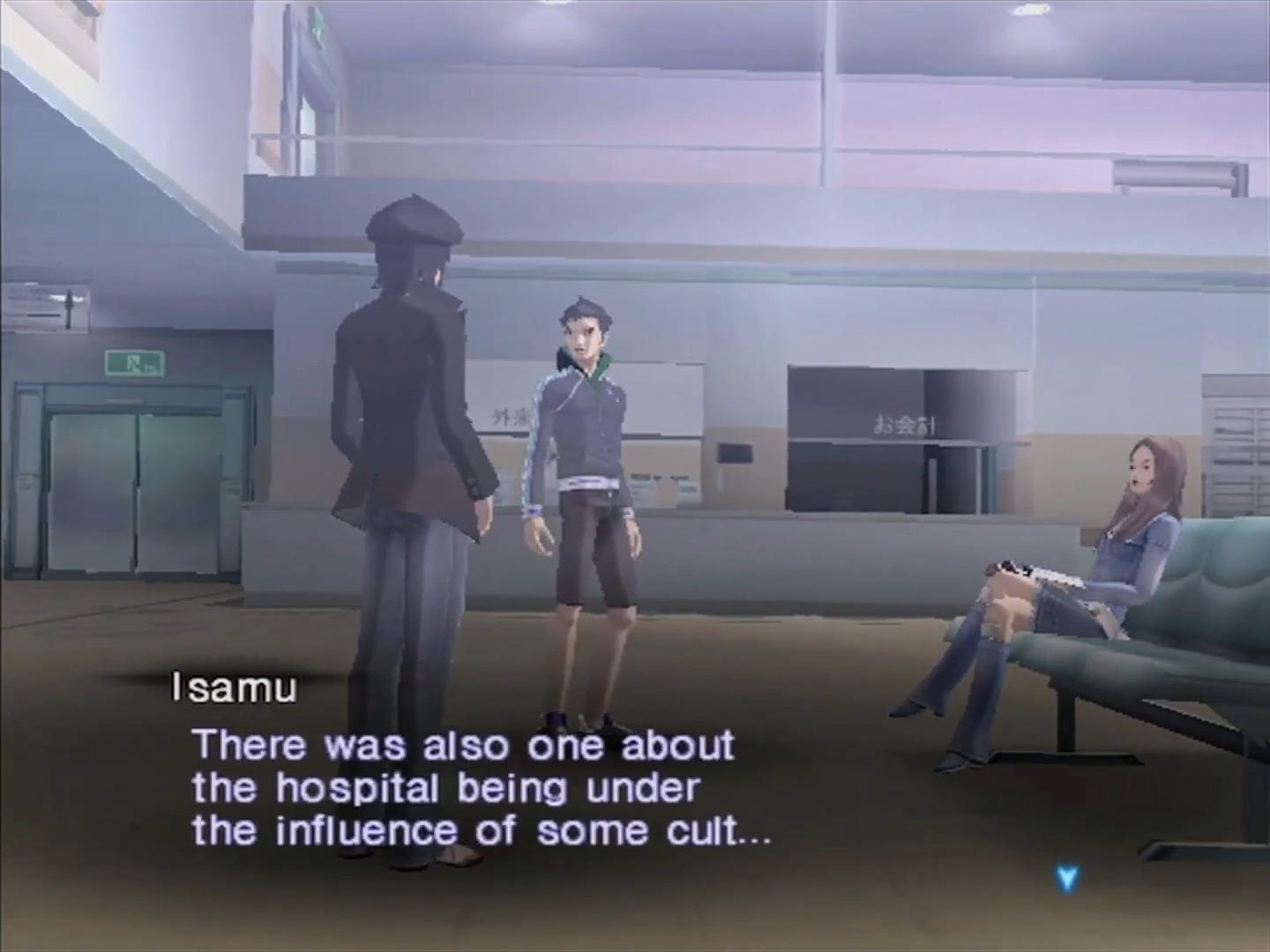
At the hospital, Nocturne wastes no time establishing Naoki and his classmates as a fairly typical group of teenagers - their interpersonal dynamics playing off each other as Chiaki discusses an occult magazine she’d picked up out of bored curiosity. The apprehensive Isamu sends the player to investigate the basement as their teacher fails to appear as expected.
All of this effort to depict the lively spirit of the city stands only to provide contrast to the state of the world later on, as this moment is the last we’ll ever see of it. Not even twenty minutes into the game, the hospital’s basement reveals a sinister turn of events unfolding beneath the surface. The teacher they had expected to meet is revealed to be entangled in a plan to invoke the Conception, the total rebirth of the world. With an encouraging parting message, mysterious teacher Yuko invites Naoki to watch as a powerful force rends the sky and relentlessly tears apart the world beneath them.
Waking up in the new world, Naoki is forcibly transformed into a new part-human, part-demon being dubbed the Demi-Fiend. Nocturne immediately begins to make use of simple visual effects to effortlessly drag the player in as its atmosphere becomes increasingly bleak and moody, playing with light and shadow and using warping framebuffer tricks to paint scenes in a nightmarish aesthetic.

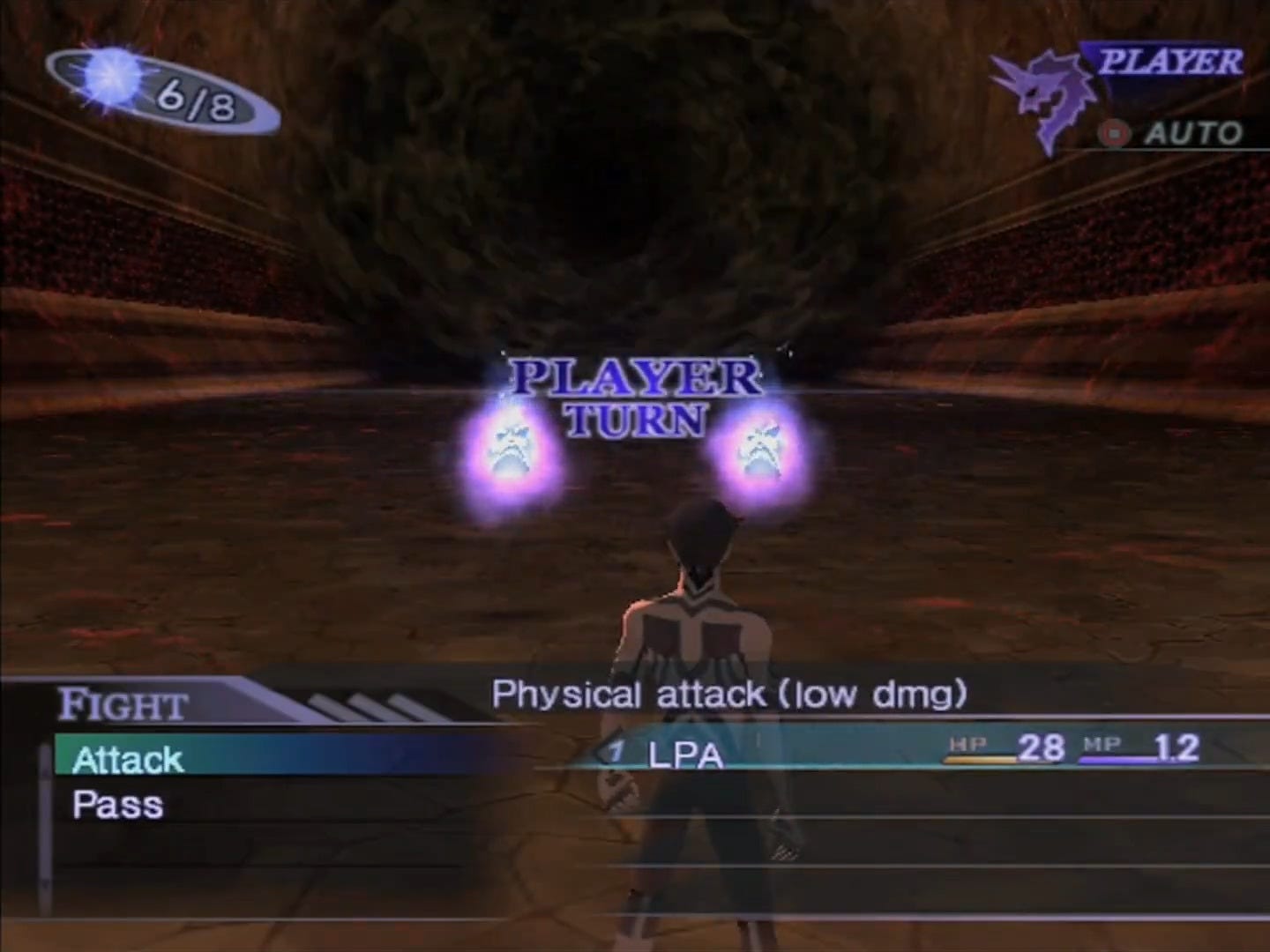
Roaming the disturbing halls of the hospital basement, the Demi-Fiend makes his first encounter with a wild demon. Crucially, there’s no tutorial - the enemy makes the first move, and then the player is presented with unobstructed access to the battle commands to finish the fight themselves. It immediately communicates to the player that they are among the first to roam this new world, that there’s nobody to provide assistance from this point on - compounding on the persistent feeling of isolation throughout the game. This quirk meshes particularly well with the fact that Nocturne was the first mainline Shin Megami Tensei title to see a worldwide release - for players outside of Japan, progressing through the game at launch truly was uncharted territory, likely contributing to the lasting impression it evidently left on the hearts of many.
Reaching the surface once again reveals our first look at the new state of the world; damaged remnants of human civilization stand in deserted wastelands amidst an encroaching black void. Drifting citizens previously dotted around the map are replaced with souls, disembodied voices for the player to listen in on.
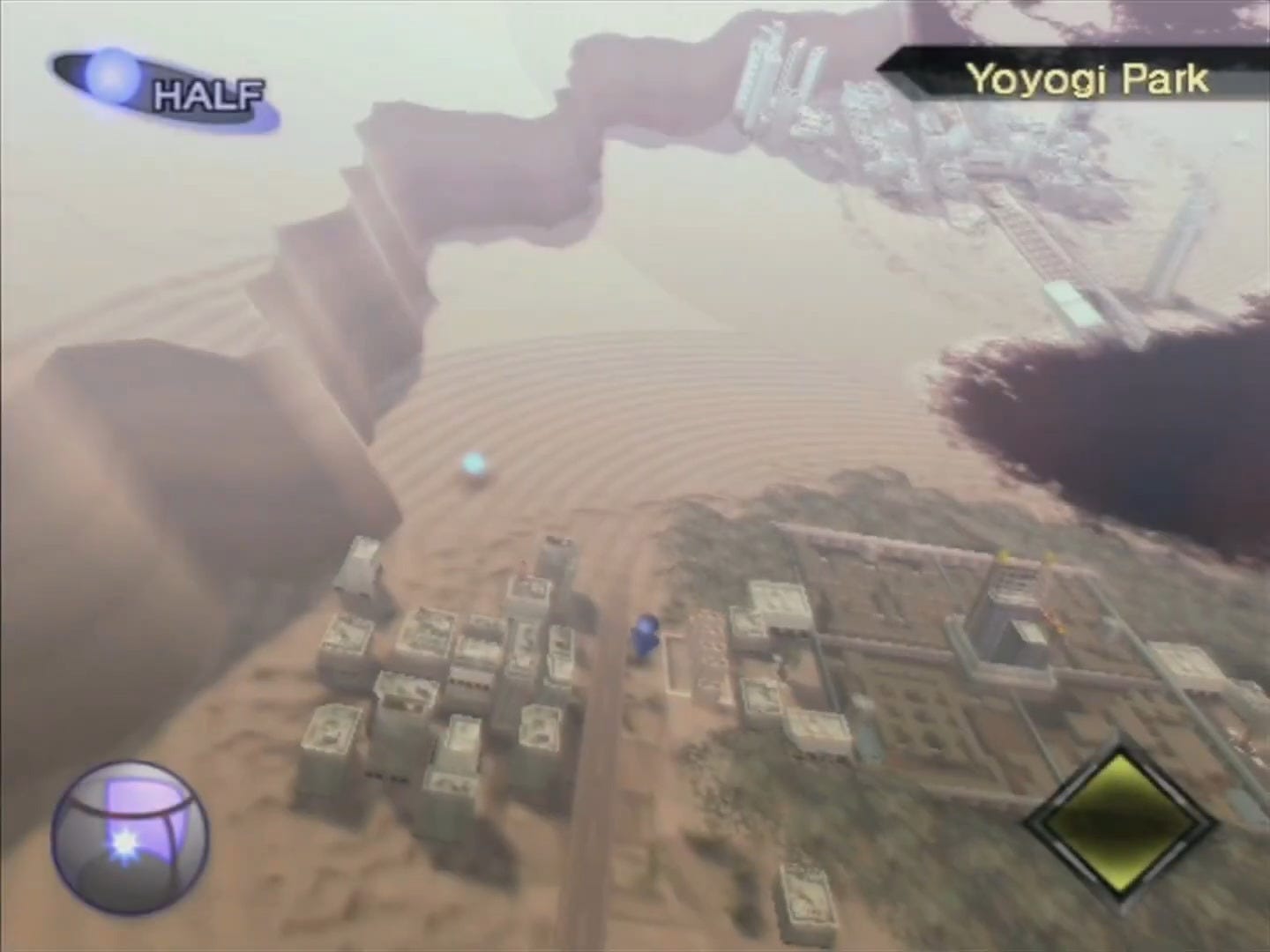
Nocturne’s many boss encounters from this point on are augmented by a deliberately impactful difficulty curve present throughout the game. An unplanned run-in with one often feels totally hopeless as it wipes your party with no opportunities to fight back - though, the game’s mechanics offer numerous tools to adjust your approach to battles. Switching Magatama, changing out demons, or fusing totally new ones can give the player an upper hand and turn the tides in their favour. This creates a constant loop of overcoming perceived adversity, with the rush of returning and defeating a tough enemy becoming almost addictive as it settles the player into the role of an unassuming individual fighting their way through such a harrowing environment.
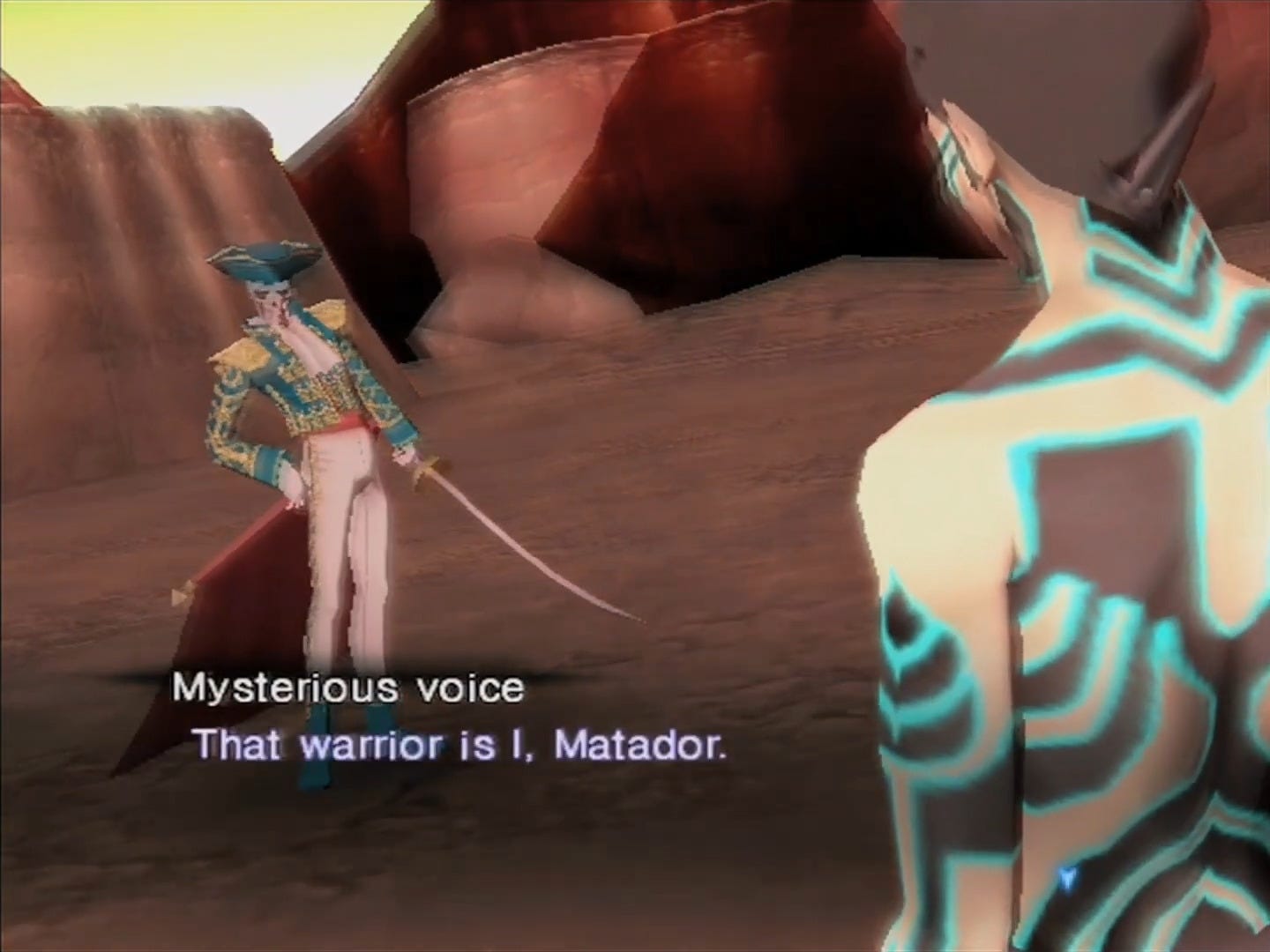
The true purpose of this Vortex World is soon unveiled when the Demi-Fiend is able to regain contact with his companions from the previous world. As the only humans left to wander this new land, they are each given an opportunity to develop a Reason, a set of ideals forming their vision for a new world. Those able to gather enough Magatsuhi - the life force supporting all living beings in this world - may summon a Demonic Sponsor to give their particular ideal a chance to manifest.
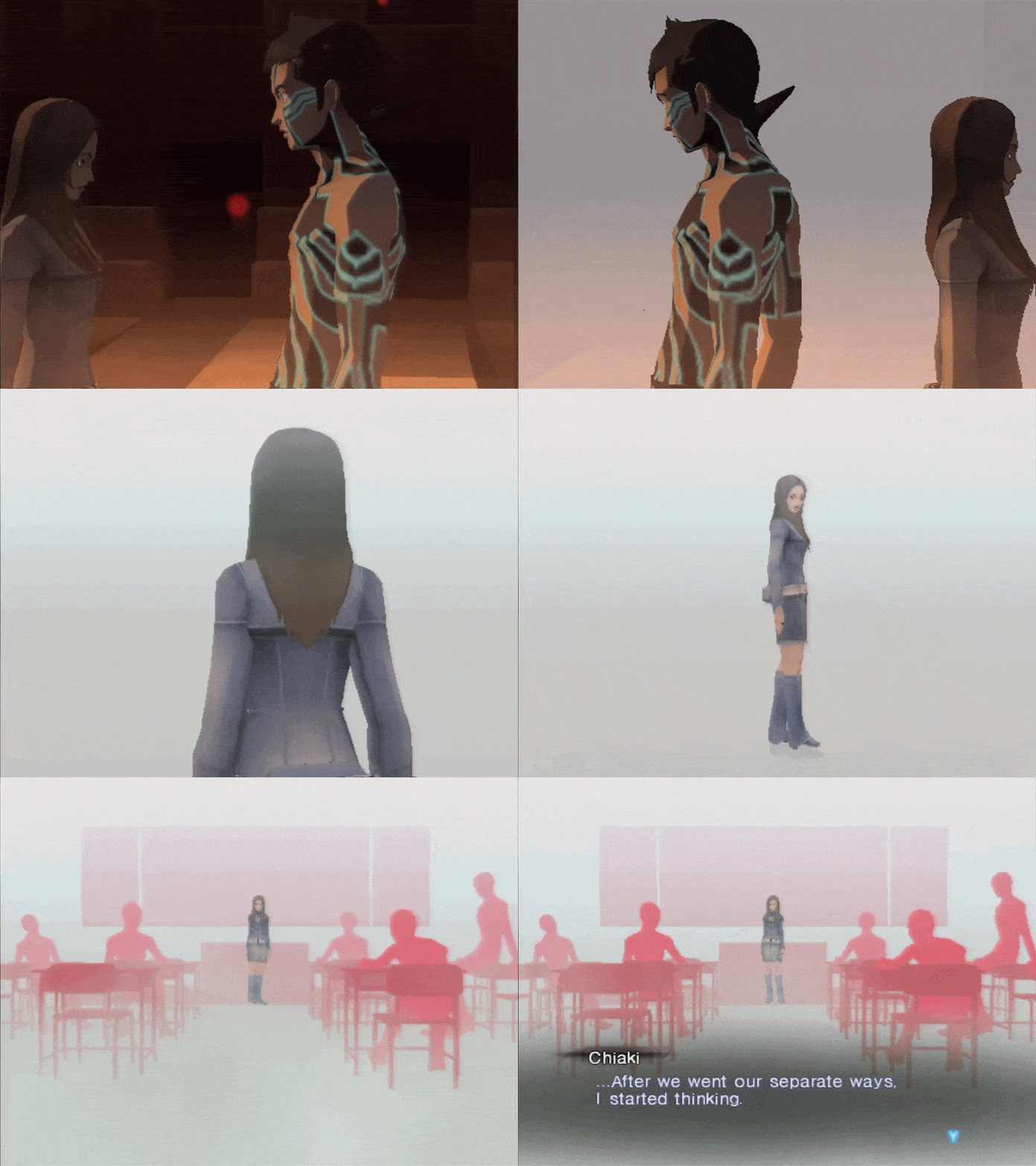
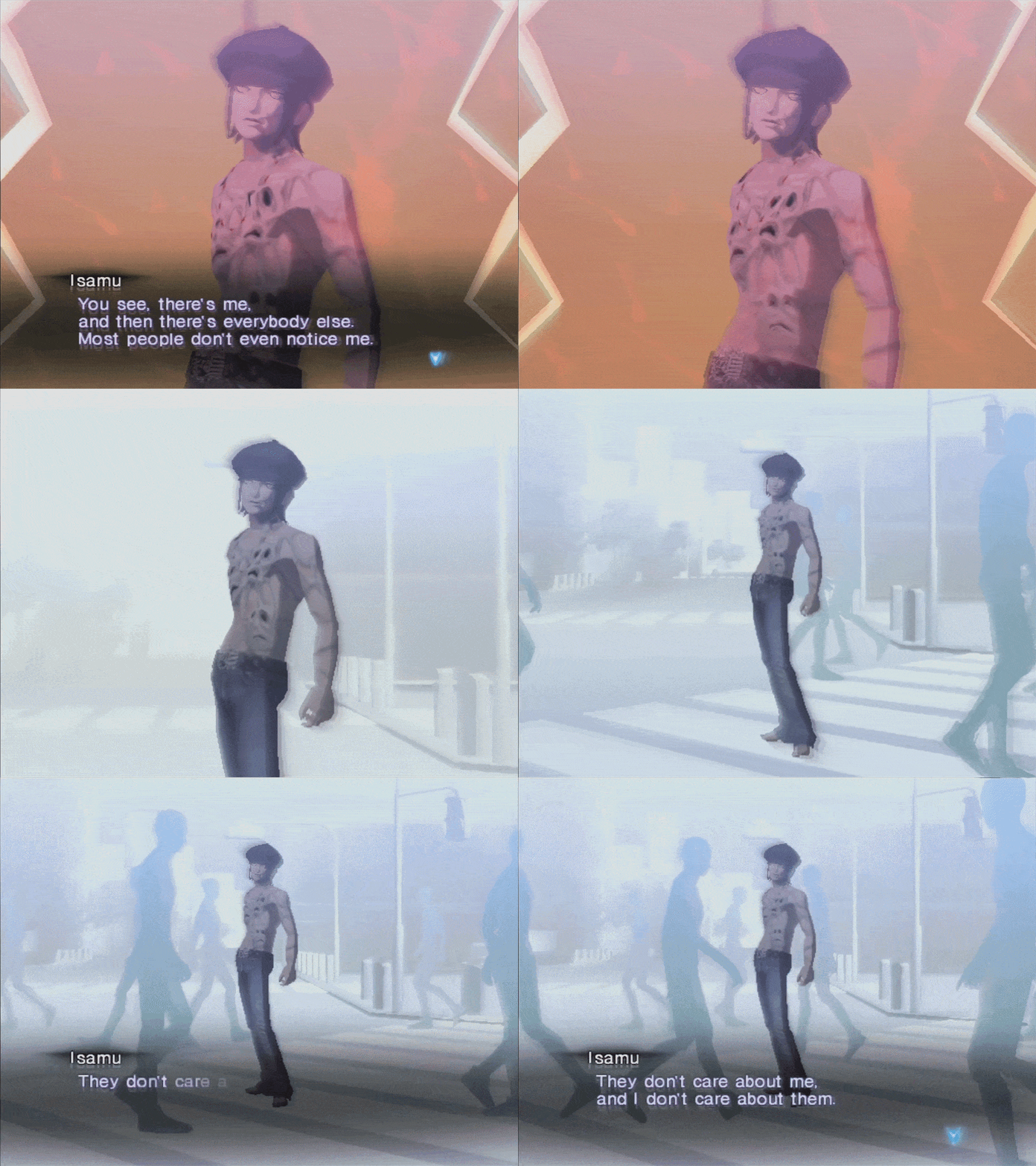
These individuals first articulate their Reasons to the viewer in a set of stunning cutscenes, materialising idyllic set pieces soaked in vibrant colours and sharing their viewpoints. As high-school aged students, their initial visions are often idealistic and straightforward, stemming from their relative naïvety and limited experience living among society.
Nocturne’s sprawling dungeons continue to become relentlessly more brutal from here on. Terminals allowing the player to save their progress become increasingly few and far between, with healing springs appearing even more infrequently - reaching deep into an infiltration comes with an ever-present anxiety at the fact that any one of its myriad common encounters could spell the end of the player’s journey, dropping them right back to the title screen. The game isn’t difficult per se on its standard difficulty level, but it can be unwaveringly punishing to any mistakes - leaving exposed weaknesses or wasting turns can rapidly prove fatal, even against its weakest adversaries.
Despite all of this, one of Nocturne’s greatest design strengths is its ability to communicate the player’s increasing strength to them without adversely affecting its intended level of challenge. Bosses that once presented arduous battles to the player soon become willing participants of their party, granting access to powerful skills whose names once struck fear in the recipient; previously limited resources become more manageable through stat growth and skill acquisition, allowing the player to traverse a little further than before each time. It compounds to build an impression of courage in the player to face the hostile nature of its world, which vitally also grants a strong sense of relatability to the other humans pursuing comparable goals alongside them.
The importance of this becomes apparent when regaining contact with Naoki’s old companions. Corrupted by power and toughened by the difficulties of their own journeys, the visions of the young adults pursuing Reasons are a far cry from the compassion they once carried.
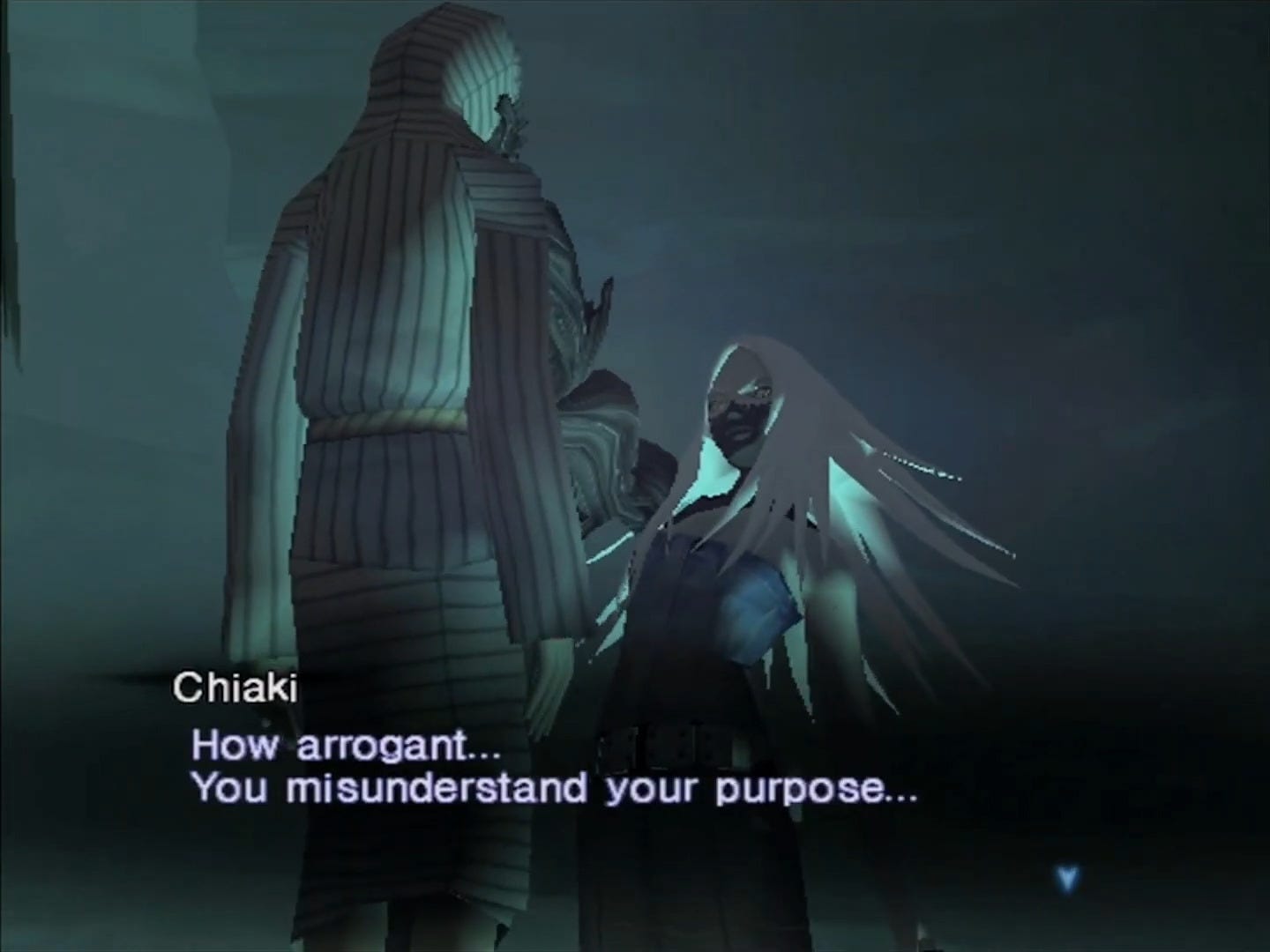
In one of the surprisingly few Atlus titles to prominently feature character-associated leitmotifs, hearing the familiar chord progression of Chiaki’s theme vacant of its typical bright melody as the camera pans over the ground sullied with the corpses of her mercilessly slain victims immediately communicates the gravity of the situation. The physical and mental fortitude required to survive has twisted everyone in this world beyond the point of return, and any decisions made at this point carry immeasurable weight. Nocturne relentlessly tests the player’s loyalty and resolve, whether they’ll be swayed from their preferred ideals when directly confronted with the hardships necessary to achieve it.
While the Demi-Fiend is ineligible to obtain a Reason due to his prior status as a demon, he isn’t necessarily obligated to align with anyone who does possess one. He is presented with the possibility of ascending the ultimate Tower of Kagutsuchi alone and confronting the final opposition with the sole intention of reverting the world to its undeniably flawed state prior to the Conception.
In spite of its facade as a convenient escape from the ever-intensifying war of ideals encompassing the land, this route presents its own moral implications. The player is still required to confront those that they may have once empathised with, bringing an absolute end to the individual journeys they had dedicated their body and soul to. Their final withdrawals sow doubts in the player’s mind on the responses they had previously given, rejecting others’ pursuits on similar principles as the Demi-Fiend now commits those same injustices on the player’s command. It presents philosophical dilemmas to the player on a scale they’ll likely have never had to consider them on before, confronted by the palpable consequences that feel ever the more genuine the deeper you’ve become immersed in the game’s world.
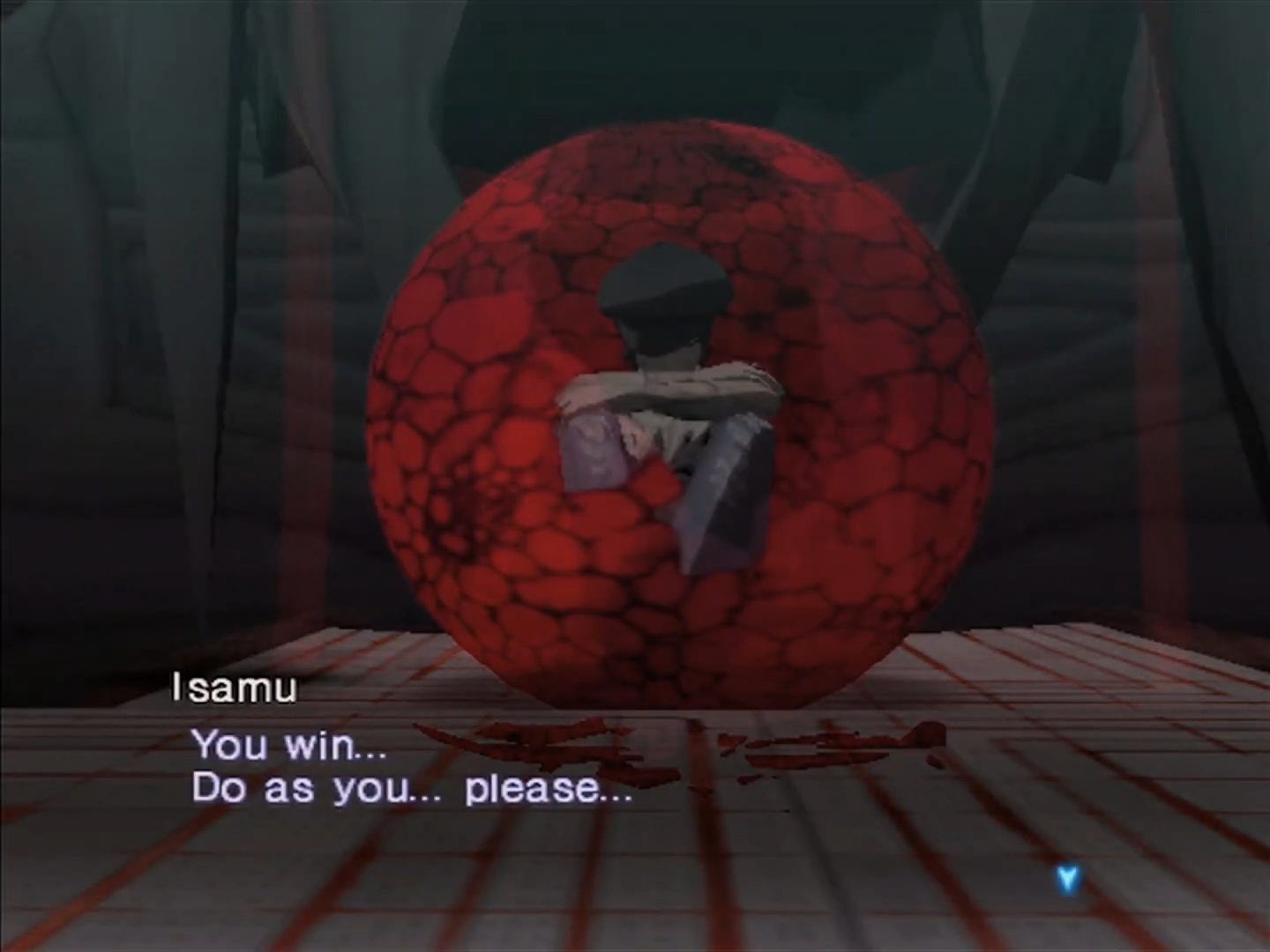
No matter which path the player may choose, Shin Megami Tensei: Nocturne proves an experience deliberately crafted to manipulate the emotions of the viewer, dragging them effortlessly into its meticulously crafted atmosphere. It’s not difficult to see why this title has such an enduring impact on those willing to peer beneath its remarkably edgy and esoteric veneer. More accessible than ever now with its 2020 multi-platform remaster, we’ll likely see Nocturne’s influence continue to permeate gaming culture for years to come.
No posts
Comments
Nothing yet. Say the first thing.
Sign in to join the conversation.