
Over the weekend, I watched Jane Campion’s masterful erotic thriller In the Cut. If you haven’t seen it (you must!), the film follows a young Meg Ryan as Frannie, a professor and writer, in the throes of a incredibly hot affair with a detective, played by an incredibly hot and young Mark Ruffalo. Their relationship unfolds at the same time as a series of brutal murders in the city, and their connection stirs questions for Frannie about which men around her she can trust, if any.
Frannie is, in other words, confronting her own sexual desires, her cravings for sex and love and connection with men, against the backdrop of a culture of violence against women. The power dynamics of romance and marriage are also center stage, as the film hums with a woman’s fear that any of the men she sleeps with, or loves, might just be a killer of women in disguise.
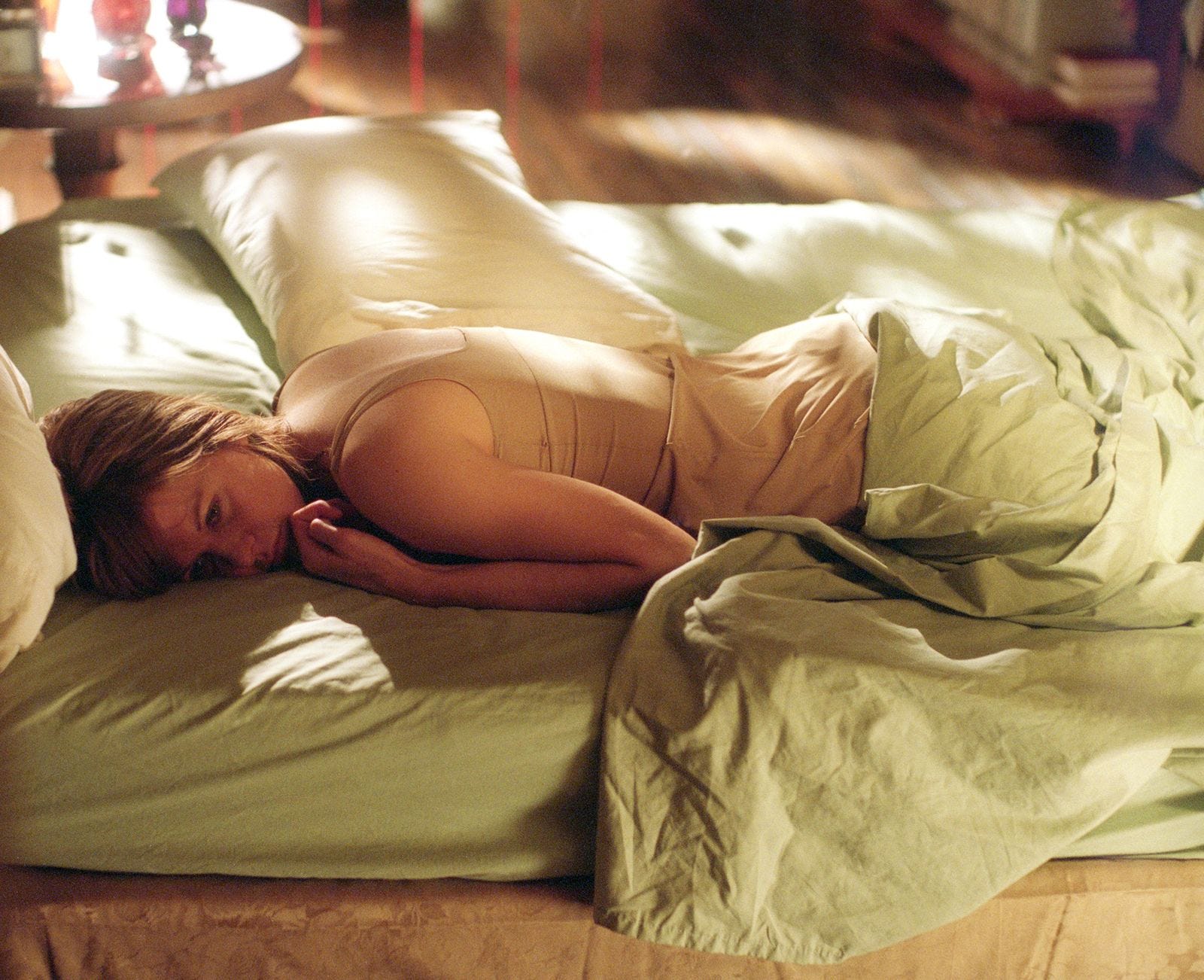
I watched In the Cut on a whim, but it felt immediately serendipitous, a little too on the nose. This summer, I started dating again, which has meant coming up with a method for determining which men I meet online are likely to be safe in person. I’ve tried various strategies: on the apps, I filter profiles by political affiliation; I look for red flags in profile descriptions, like commands for how women ought to act (“be comfortable in your femininity” and “be nice”); I block men with images of themselves firing weapons and flipping off the camera; when a man sends me even a partial nude within the first few text exchanges, I let out a sigh that summons generations of women, and disconnect.
In the age of online dating, women have had to get crafty, creating not just efficient methods for navigating the dire dating pool, but forging whisper networks about dangerous men. These are imperfect, stop-gap approaches to combating gendered violence and rape culture. But I still find them beautiful reminders of women’s resilience in the face of enduring inequality and harm.
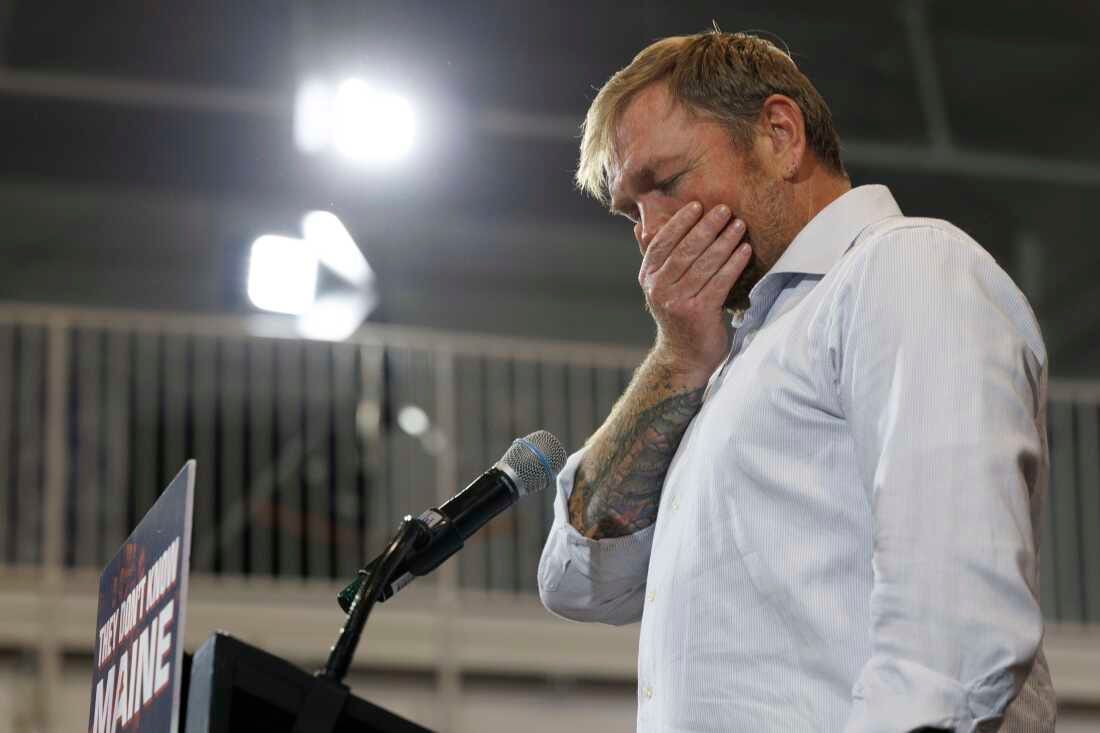
Still, what the recent revelations about Graham Platner and Eric Swalwell (and before that Anthony Weiner, Al Franken, Bill Clinton, and many more) remind us is that there is no guarantee that a man is safe, no matter his political affiliation, or public presentation. Misogyny, rape culture, male entitlement to women’s bodies, all cut across political affiliation.
I’ve had a few run-ins on the apps with leftist men, and of course many in real life over the years, and have found that most liberal and progressive men are equally capable of shitty and disrespectful behavior towards women. Sometimes, these men are even worse, because they hide under the cover of their own righteous progressivism and intellect, seeing themselves as immune from harming, exploiting, or even offending women, because they believe themselves to be “good guys.”
At the same time, I have witnessed countless leftist men who treat feminist thought as though it’s either one woman’s personal hysteria, or a little girl’s game. Or they criticize women’s need for love, romance, emotional connection, communication, and affection (even women’s relationships to their own femininity or experiences of gender) in the name of their own anti-capitalist or otherwise leftist values.
Platner is exactly the kind of man I would have, in the past, assumed it was safe to date, to be alone with. He has that teddy bear, protector quality. But the myth of the man who protects women from other men is a tautology. Women would not need men to protect them from other men if men were simply safe for women to be around.
This is not to say that conservative men are any safer for women to date or marry. If anything, their “respectable” traditional values obscure something meaner: they openly do not see women as whole people or full citizens.
I’ve had a slow realization as I’ve entered midlife that I’ve rarely felt safe with any man. When the men I have been with have not hovered on the edge of violence by punching a wall or themselves when things get hard, they have been emotionally unsafe, dishonest with themselves about their own feelings, and, in turn, dishonest with me, incapable of providing emotional support unless I was, at the same time, emotionally regulating them. They have warped my experiences to serve their own defensive narratives; they have been threatened by my work, and how it might implicate them, or ask them to do better. And those kinds of psychological manipulations can have ripple effects in every area of a woman’s life—not to mention leaving women feeling utterly alone, misunderstood, or crazy.
I have felt, too, the need to shrink myself around men, and to bend myself around their neuroses—around their discomfort with women’s anger, their entitlement to women’s attention and labor, their underdeveloped understandings of connection and communication. When they don’t want to dominate a women who submits fully to their own fantasies, men tend to want a mother more than they want a lover or a partner, itself a draining and exploitative ask. For women, it’s a deeply unequal and therefore unsafe vision of love, or even friendship.
Before I was married, in my twenties, I acquiesced to all of these patterns mostly unconsciously. This was simply what dating and being with men looked like, what it required, I thought. But now that I have no tolerance for that kind of self-betrayal, I feel a bit like Frannie in In the Cut—a woman full of desire and wanting, always hitting up against her own paranoia about which man she can trust, which man might be about to hurt her, and which man has, in the past, hurt other women.
I do believe that there are men who are safe for women to be around. I have met a couple of them. But they are few and far between, and they are effortful about moving through the world this way. They have to be.
I have also certainly had moments, even years, of feeling safe with men I have been with. I have, like Frannie, on occasion surrendered to the moment, allowing myself to trust a man fully with my body, or my emotions, for the time being. But I have always found that trust betrayed in some way in the end. Women are so often left with this feeling: did I ever really know that man at all? was I ever safe with him?
In relationships with men most woman teeter on the edge of that cognitive dissonance, that betrayal of the self. Many sex and relationship pundits today prefer to call straight women who are aware of this dynamic pessimistic—to urge women to simply think positively about relationships with men. But positive thinking does not make women safe. If anything, it has the capacity to shut down women’s critical faculties, to urge them to discount their own intuition.
Just weeks ago, the New York Times also hosted a round table in which the host asked how Me Too had affected men—implying, as these conversations do, that maybe the movement went a little too far, making men a little too uncomfortable and effortful in their relationships with women. But it’s quite obvious that we have barely begun to reckon with the rape culture in which we all swim.
Most women are simply hetero-realists. They understand exactly the costs of trusting the wrong man, the devastation and pain and enduring trauma of it. They are simply trying to sort out who is safe, because they know that if they do not, the mistake will stay with them the rest of their lives.
Frannie’s story ends with both a mistake of this kind, and with agency. She trusts a man she barely knows, and finds it is he who is responsible for the string of violent murders. Then, she escapes. She survives. But in the final scene, as she lays down with the detective, her lover—understanding that he will not hurt her, at least not right now, though she once wrongly thought him the most violent of them all—Frannie is already covered in blood.
If you found this essay helped you sort through the moment, please share it and/or subscribe to support everything you read here.
No posts
Comments
Nothing yet. Say the first thing.
Sign in to join the conversation.