
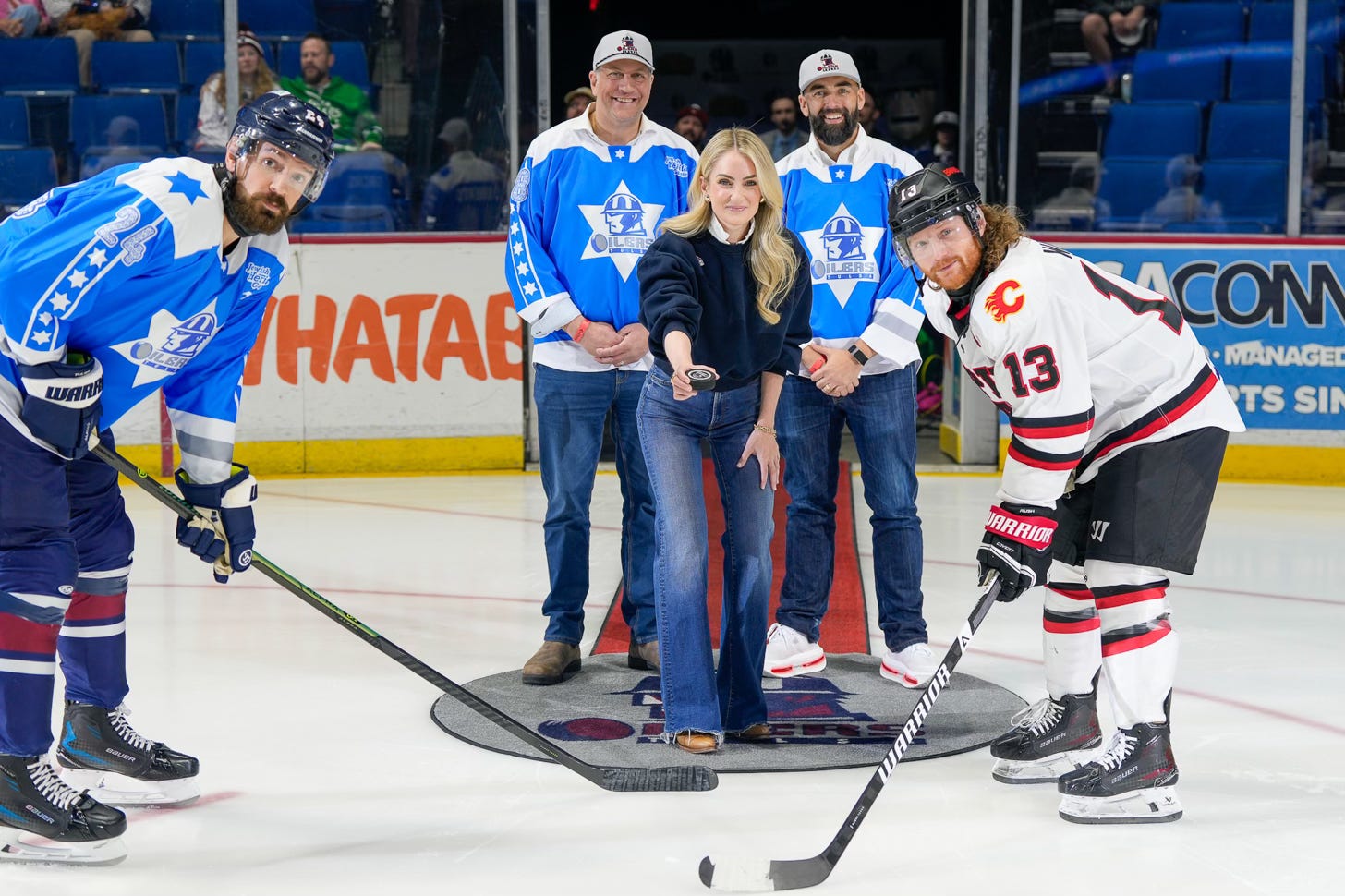
I left Tulsa when I was eighteen. I recently returned to drop a ceremonial puck.
Life has a way of bringing you full circle — not simply to remember who you were, but to see what is possible. To witness a community shifting from defense to design.
For too long, we as a people have lived in defense mode.
Defending our history. Defending our right to exist. Defending Israel. Defending truth. Defending life.
Defense is necessary.
But defense alone does not build a future.
In Tulsa, I witnessed something different. I witnessed design.
It felt familiar - like the proactive energy I experience in Israel. The refusal to simply respond to pressure, and instead create within it. The instinct to pivot, to build, to generate something new rather than recycle what once was.
Israel does not merely survive under pressure - it innovates inside it.
Even amid ongoing conflict, Israel’s high-tech sector contributes roughly 20% of its GDP and more than half of its exports. In 2025 alone, Israeli tech firms drew $15.6 billion in investment, including Google’s $32 billion acquisition of cybersecurity company Wiz - a global vote of confidence in innovation born under existential threat.
But Israel’s genius does not end in cyber or code. With more than 1,600 life sciences companies, it has become a global force in oncology, immunotherapy, and AI-driven diagnostics. Researchers at Sheba Medical Center have pioneered more affordable CAR-T cancer therapies, expanding access to treatments that cost hundreds of thousands of dollars elsewhere. Innovations refined in trauma units and on battlefields now shape emergency medicine worldwide.
Under existential threat, Israel creates. It builds systems that strengthen not only itself, but the free world.
Israel’s innovation expands America’s imagination.
There is something profoundly Jewish about that instinct: not merely guarding the gates, but planting vineyards beside them - and inside them.
I harnessed that ancestral energy in my own life.
When I lost my second book deal in the wake of literary boycotts targeting Jewish authors and Israeli publishers after the war began, I was handed a choice: shrink or build.
I chose to build.
I refined my craft. I doubled down in truth. I refused to let someone else’s fear determine the size of my voice.
And I wrote a new book: White. Blonde. Jew.: A Call to End Extremism, Speak Up, and Reclaim Center.
Not from bitterness, but from clarity.
Not from reaction, but from conviction.
I ‘titled’ the very words meant to silence me - and from them, education blooms, dialogue ignites, and community rises.
That is our inheritance.
We are a people who build in the shadow of exclusion. Who create under constraint. Who ignite under fire. Pressure has never ended our story. It has refined it. That is the difference between defense and design.
Too often in the Diaspora, we live in reaction mode - waiting for the next headline, the next incident, the next wave. We mobilize when attacked. We issue statements. We fact-check. We defend.
Necessary? Yes.
Sustainable? No.
Israel models something else: creativity as strategy.
Tulsa felt like that.
Under the leadership of Joe Roberts and Michael Sachs, the Jewish Federation of Tulsa is thinking expansively about how to strengthen the entire community - not simply how to respond when times are hard. Jewish Heritage jerseys were worn publicly in an American professional sports arena - not hidden, not apologetic - honored as a historic first.
Dropping the puck wasn’t ceremonial.
It was directional.

Defense protects space.
Design defines the future.
Tulsa did not stop at symbolism.
The partnership between the Tulsa Jewish Federation, Tulsa Tomorrow, and Lech L’Tulsa is not theoretical - it is strategic.
“Lech L’Tulsa” - a Hebrew-inspired name meaning “Go to Tulsa” - carries both a literal and biblical resonance: a call to move with purpose toward safety, opportunity, and covenantal belonging.
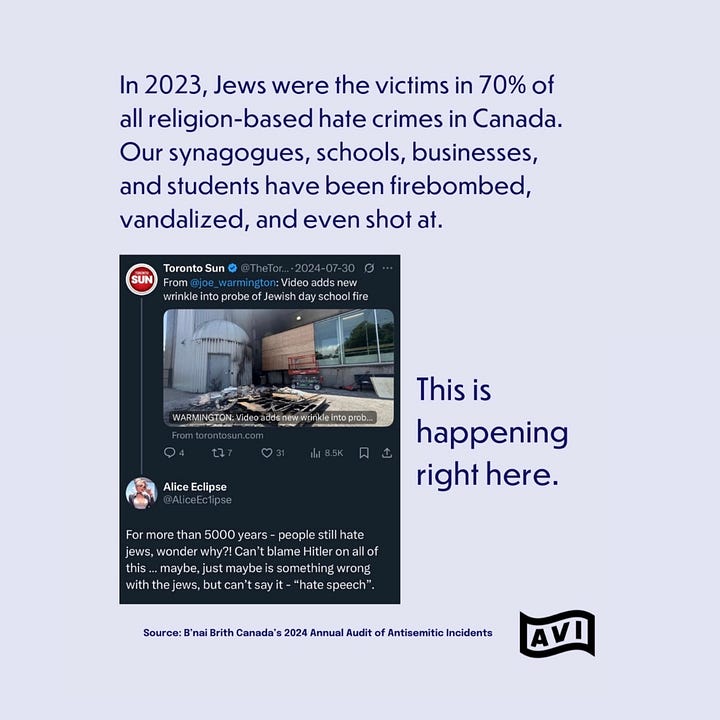
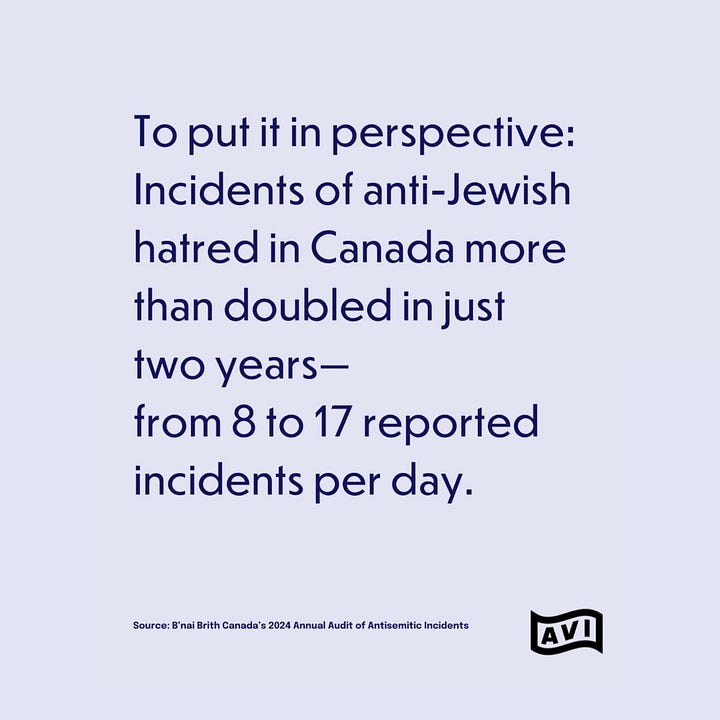
In the 2024 annual audit of antisemitism incidents, despite representing roughly one percent of the Canadian population, Jews were the target of nearly 70 percent of religion-motivated hate crimes in Canada. Lech L’Tulsa is creating a proactive corridor for Canadian Jews seeking security - offering legal guidance, fiscal incentives, exploratory visits, and immediate community integration.
This is not panic.
This is preparation.
Tulsa is making a quiet but unmistakable statement: If you need safety, we are building space for you.
In its own American way - grounded, pragmatic, rooted in Zionist and Judeo-Christian values - Tulsa is demonstrating that moral clarity does not require noise. It requires leadership.
Small Jewish communities are often underestimated. They may not dominate headlines. But they know how to move quickly. They know how to build. They know how to live their values without performance.
Tulsa is not reacting to fear.
It is architecting a future.
Creativity is not a luxury reserved for moments of calm. It is how safety is secured. It is how courage is sustained. It is how legacy is built.
The question is not whether we can afford to design. It is whether we can afford not to.
Comments
Nothing yet. Say the first thing.
Sign in to join the conversation.