
Happy Wednesday!
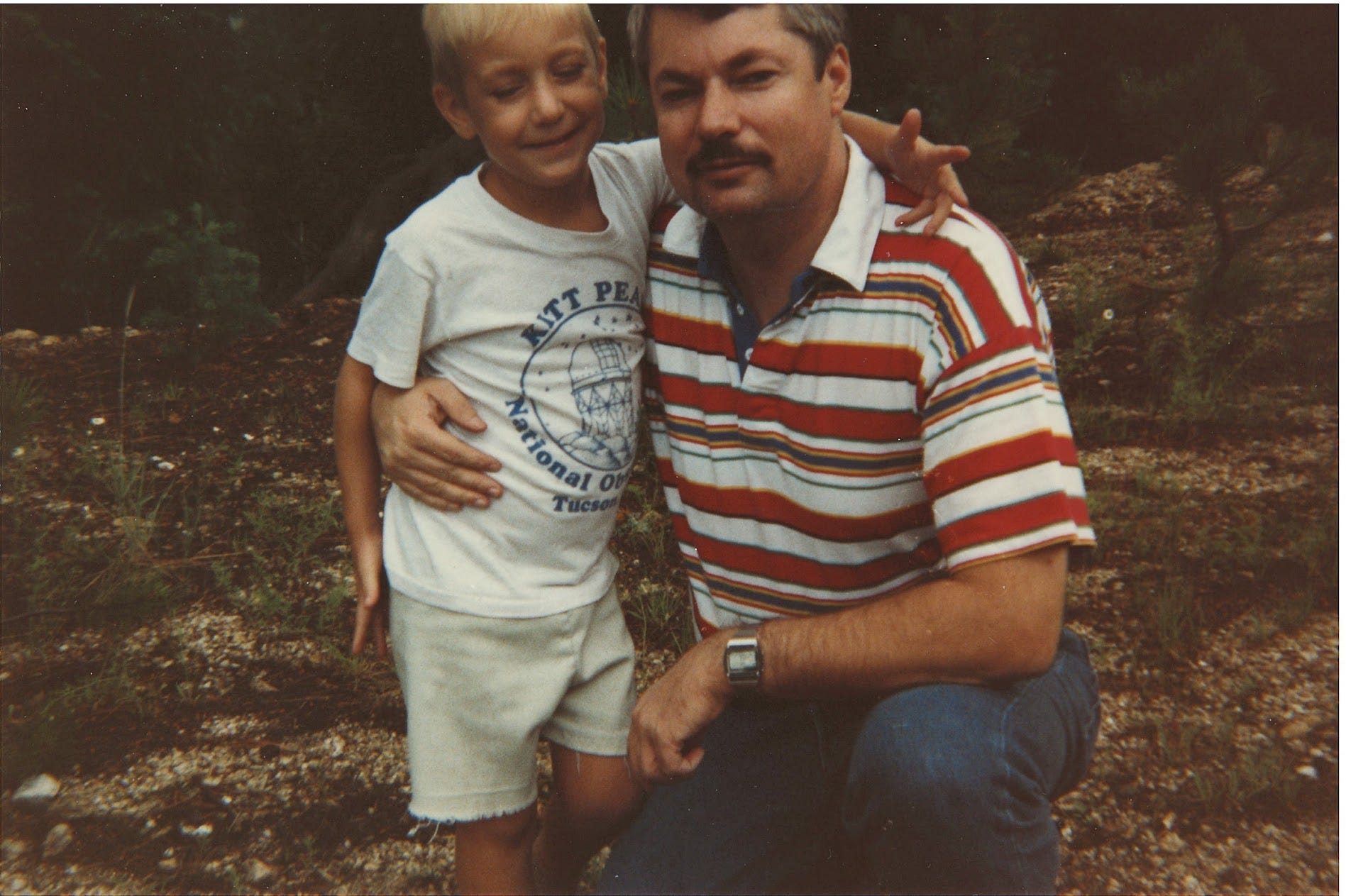
My dad and I were talking after the Forbes interview ran. He reads everything I publish now, which is its own kind of pressure. He said the interview was good, and then he said the thing that turned into this episode: a lot of people are new, do they know what this is, you should tell them.
He is usually right about this. He spent a career as a software engineer, watched a lot of smart people build things nobody could explain afterward, and developed a low tolerance for work that does not explain itself. So this one is for the new readers, and it’s his fault.
If you found Nerd Out through Forbes, the Mindtools podcast, or a forward with no context, here is what you signed up for.
I’m Alyn Kinney. Twenty-plus years in corporate learning and development, more than 15 of them running L&D teams. I designed and ran training at Google, T-Mobile, American Express, Chase, and Progressive, plus a long list of smaller shops I freelanced for. I started this newsletter in 2017 to argue with my coworkers about what was working in our field. There were seven readers. It grew by people forwarding it to other people, which is still the only growth strategy I trust. I’m not an influencer. I have a day job. Episodes stay short because they were meant to be read on the job. You can reply straight from your inbox and it comes to me.
It goes out free, most Wednesdays, unless I’m on a work trip or choosing my family. There’s a paid tier. The best stuff stays free. Paid subscribers get the back catalog and the occasional look behind the projects I’m building. People pay mostly to keep this going, and a lot of them expense it to their learning budget, which I encourage, because almost everything I write about is your job.
Most L&D writing is hype. Here are the trends. Here is the new platform. Here is the skills taxonomy that will be obsolete before you finish the chart.
Nerd Out is not that. I read the 300-page OECD digital report so you don’t have to, then tell you the one thing in it that changes your Monday. My dad used to pay me for book reports. I blame him for this behavior. I sit through the conference keynote and count how many times the speaker says “fear,” because the tally tells you more than the slides do. I’m not a reporter. I listen and then I write to solidify my own learning.
The work sits at a strange intersection. Learning science, philosophy, and lately whatever AI did this month. I care about how humans build durable knowledge, not how a vendor’s deck says they do. I have a philosophy degree and a learning design degree and I use both, often in the same paragraph, sometimes to ruin a perfectly good buzzword.
A few hobby horses I keep coming back to.
Cognitive debt. Every time an organization outsources its thinking to a prompt, a vendor, or a tool, it buys speed today and pays later in judgment it no longer has. The bill is real. It shows up on a delay, which is exactly why nobody budgets for it. This is the topic of a longer writing project, and I write about how to see it coming.
Productive struggle. The industry sells frictionless learning as a feature. It is mostly a bug. The struggle is often where the learning lives, and designing it out on purpose is one of the more expensive mistakes we make while feeling good about ourselves. I’m not anti-AI. I teach AI adoption. But the highest use of these tools is to sharpen your own thinking, not to skip it.
L&D that solves problems instead of producing content. Too many teams measure themselves by catalog size. That’s backward, and I’ve been on the wrong side of it, which I’ll get to. The job is closer to a product manager’s than a content factory’s. Prioritize ruthlessly. Sunset what stopped working. Codesign with the people who live with what you build.
The past, mined for good ideas. We’re not the first people to care about how people learn. Microlearning showed up in the 80s. The Romans ran apprenticeships. Video-based learning was hot in the 40s. Many of today’s problems were yesterday’s problems, and sometimes they got solved.
Learners, given a damn about. I write about inclusion, accessibility, and the ethics of learning. One of my early mentors said it best: if someone can’t hear you in the back, you’re failing the business. I care because it’s who I am. You should care because it’s good business.
You should know this before you decide to stay.
Early in my management career I built my budget to line up with my boss’s goals. Felt smart. Felt like managing up. It took me too long to notice I had aligned my entire function to one person’s priorities instead of the business’s, and that those are not the same thing. I write about this kind of thing because I learned it the hard way and there is no reason you should have to.
High rigor, and it’s actually me. I’ll show you the front-line reporting, and I’ll tell you when I got it wrong. Both, on purpose. One without the other is either a McKinsey deck or a motivational post, and I have no interest in writing either.
I use AI to research, follow the news, explain things outside my depth, beta-read, and generate cover art. Before AI I had no cover art, so, big win. I don’t use it to write the episodes or to read the articles for me. The reading and the writing are the part I’m here for.
I survey readers every few years to make sure I’m still useful. Roughly a third of you are new to corporate L&D or coming over from K-12. A third are working L&D professionals keeping up with the conversation. The last third are L&D-adjacent: consultants, founders, program managers, HR people, my dad, EdTech folks, leaders who treat development as strategy rather than a compliance line. Mostly US, with a strong contingent in India, Europe, and Australia. The relentless customer focus I picked up at Google and American Express is why I keep asking instead of guessing.
If any of this made you want to argue with me, good. You’re in the right place. Subscribe if you haven’t, check your junk folder for the first one and drag it somewhere it’ll survive, and come say hi on LinkedIn. I read the replies.
My dad was right that you deserved an introduction. He’s also going to read this one, so I should stop here while it’s still good.
See you Wednesday.
Comments
Nothing yet. Say the first thing.
Sign in to join the conversation.