
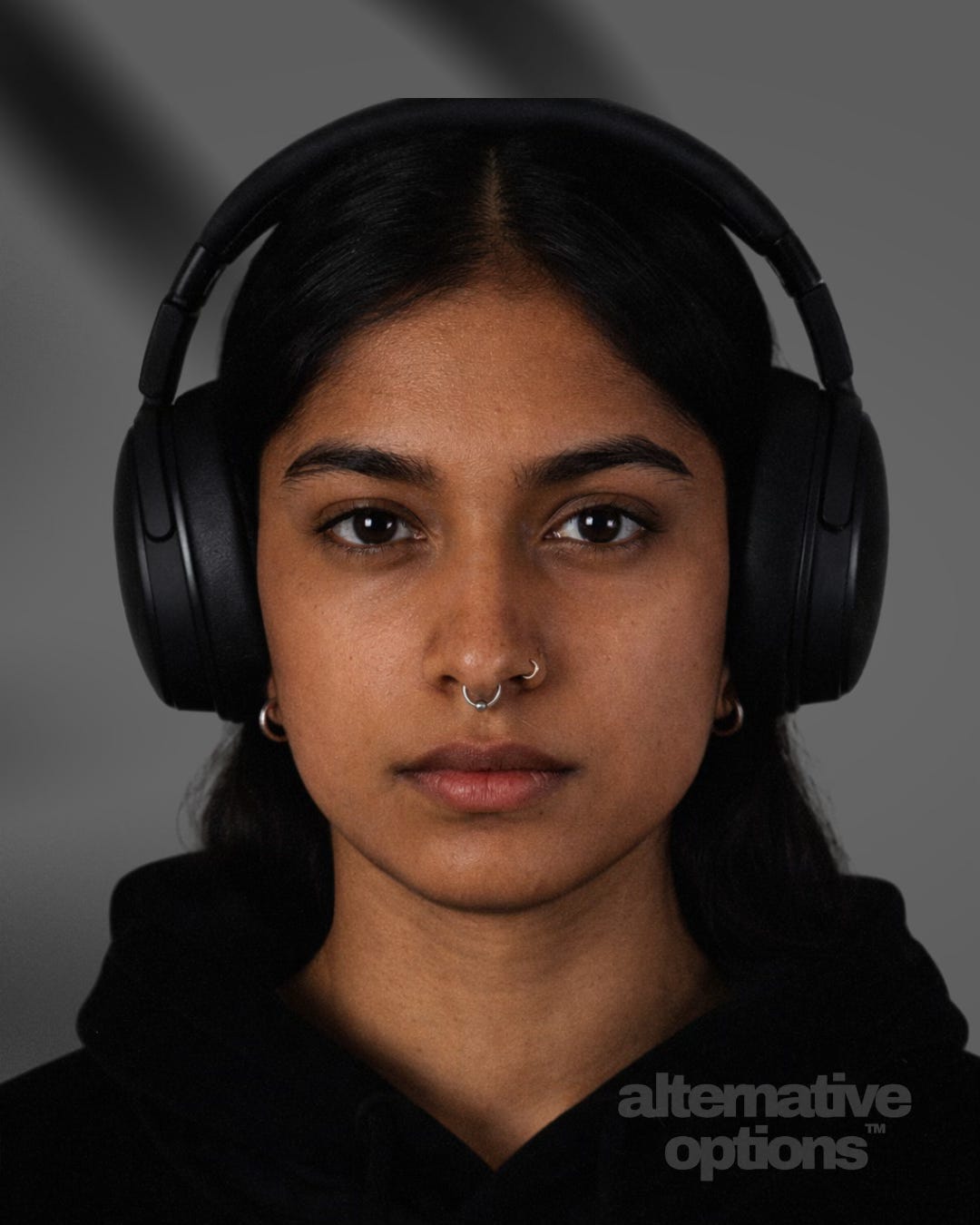
Sometimes there’s no explosion.
No panic.
No emotional crash.
Sometimes the system JUST. POWERS. DOWN.
You move through the day.
You answer messages.
You show up where you’re supposed to be.
But something is missing.
Everything seems dim like color is gone. Food doesn’t taste the same.
Things that used to spark excitement barely register.
Moments pass and you notice them after they’re already over.
You’re functioning.
But you’re not really there.
Some people call this emotional numbness.
Others describe it as feeling dead inside.
It’s not dramatic.
Just quiet.
Flat.
Disconnected from the reactions you used to have.
If this sounds familiar, there’s a good chance your nervous system isn’t broken.
It’s adapting.
When a system carries too much stress for too long, it sometimes stops amplifying everything.
Instead of pushing harder, it pulls back.
It lowers the volume.
Not forever.
Just long enough to protect the system from overload.
Think of it like a dimmer switch.
When life gets too intense, the brain sometimes reduces emotional input so the system can stabilize.
The strange part is that life keeps moving.
You’re still doing the things you’re supposed to do.
Working.
Showing up.
Getting through the day.
But everything feels a little muted.
A little distant.
Like you’re observing life instead of participating in it.
And this is where a lot of people get stuck.
Because numbness rarely shifts through thinking harder.
It shifts when the nervous system starts receiving different signals.
Sometimes the most helpful things are surprisingly simple.
DARK BLEND 100% ROASTED COFFEE
Did you move your body today?
Research consistently shows that regular walking (even 20 minutes) can improve mood and reduce symptoms of emotional blunting and depression.
Did you get outside?
Exposure to natural daylight helps regulate serotonin and circadian rhythms, both of which influence mood and energy levels.
Even ten minutes outside can make a measurable difference.
Did you change your environment?
The brain thrives on novelty.
Taking a different route home, stepping outside for fresh air or working somewhere new can interrupt the patterns that keep the nervous system stuck in neutral.
Did you do anything physical?
Exercise stimulates dopamine and endorphins, chemicals that play a major role in motivation, engagement and emotional responsiveness.
Movement tells the brain that life is still happening.
Did you listen to music that actually moved you?
Music activates multiple regions of the brain simultaneously and has been shown to stimulate dopamine release, especially when the rhythm or intensity creates a physical response.
Which brings us to something our community has always known instinctively.
Heavy music can wake the system back up.
When you’re numb, calm background noise often doesn’t reach you.
You need something that cuts through.
A riff that vibrates through your chest.
A kick drum that shakes the room.
A scream that says something your body hasn’t been able to express.

Shop the Sunfade Oversized Collection
Heavy music creates physical engagement.
Your heart rate shifts.
Your breathing changes.
Your body responds before your mind catches up.
Sometimes that’s exactly what the nervous system needs.
This is why live music can feel so powerful when you’re stuck in that numb space.
The volume.
The crowd energy.
The movement in the room.
It pulls you back into sensation.
Back into your body.
Back into the moment.
For decades, people in heavy culture have been using music this way.
Long before anyone used words like nervous system regulation.
We just knew that when everything felt dull or disconnected, turning up the volume helped something come back online.
Not softly.
Not politely.
But powerfully.
And sometimes that’s the kind of reset a nervous system needs.
Wellness doesn’t always look like quiet meditation and green juice.
Sometimes it looks like stepping outside.
Taking a walk.
Changing your surroundings.
Sometimes it looks like blasting a song that makes you feel something again.
Small signals that remind your system:
You’re still here.
And your body still knows how to come back to life.
With Intention,
Alternative Options™
Wellness.
But make it Heavy ⚫

If you’re struggling
If this piece resonated and you’re feeling extremely low or overwhelmed, you don’t have to navigate that alone.
In the United States, you can call or text 988 to reach the Suicide & Crisis Lifeline, available 24 hours a day. You can also chat online at 988lifeline.org.
If you’re outside the U.S., many countries offer similar crisis services and speaking with a trusted friend, family member or mental health professional can help you get support.
Sometimes the strongest thing you can do is talk to someone.
Comments
Nothing yet. Say the first thing.
Sign in to join the conversation.