
Parvat Say is a play on words. In Darjeeling, where we’re based out of, mountains are referred to as ‘Parvat.’ These dispatches are hence “From the Mountains.” They’re also a voice, putting to words the thoughts and ideas that are emanating from the mountains of Darjeeling, hence “the Mountains speak.”

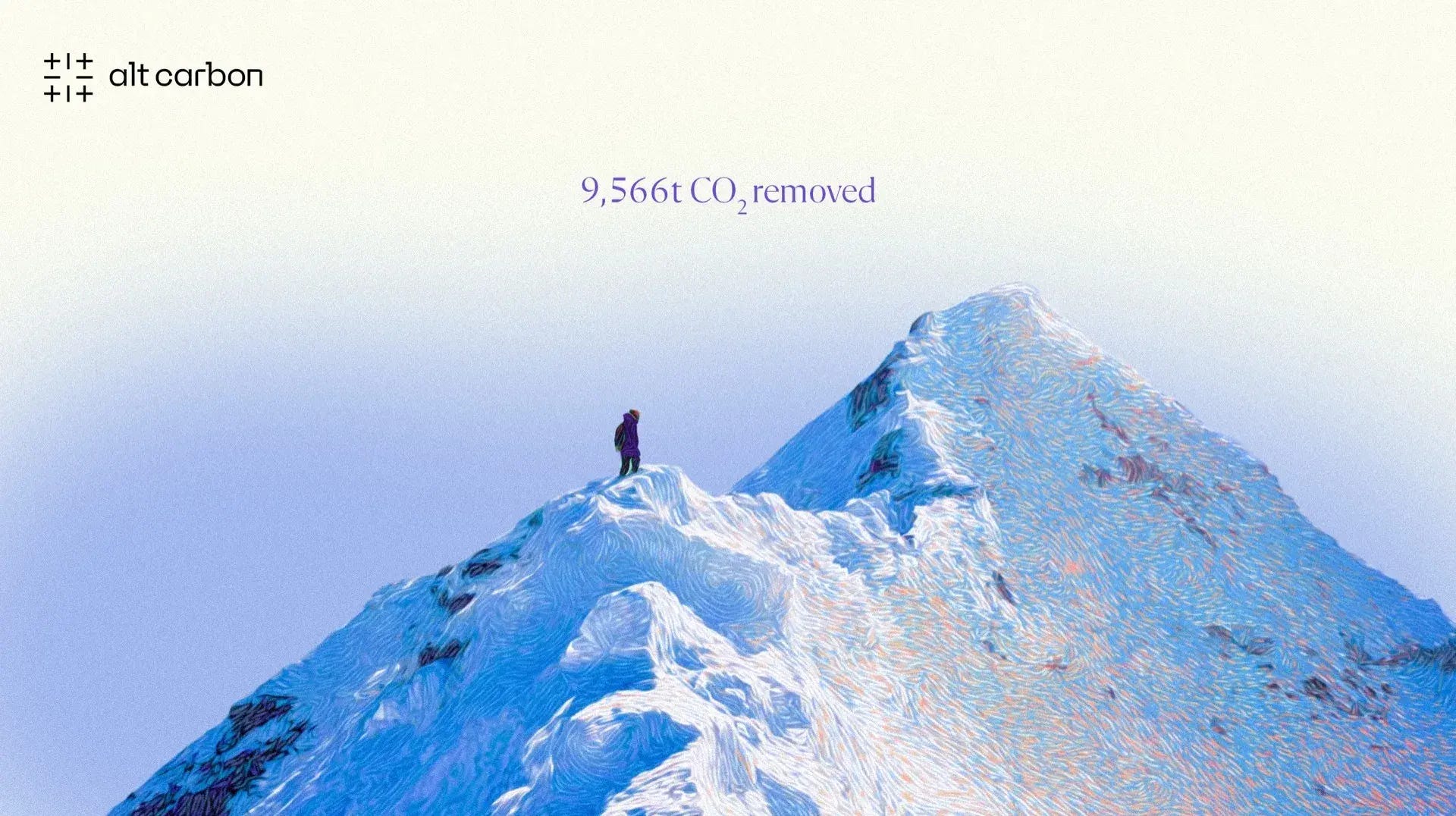
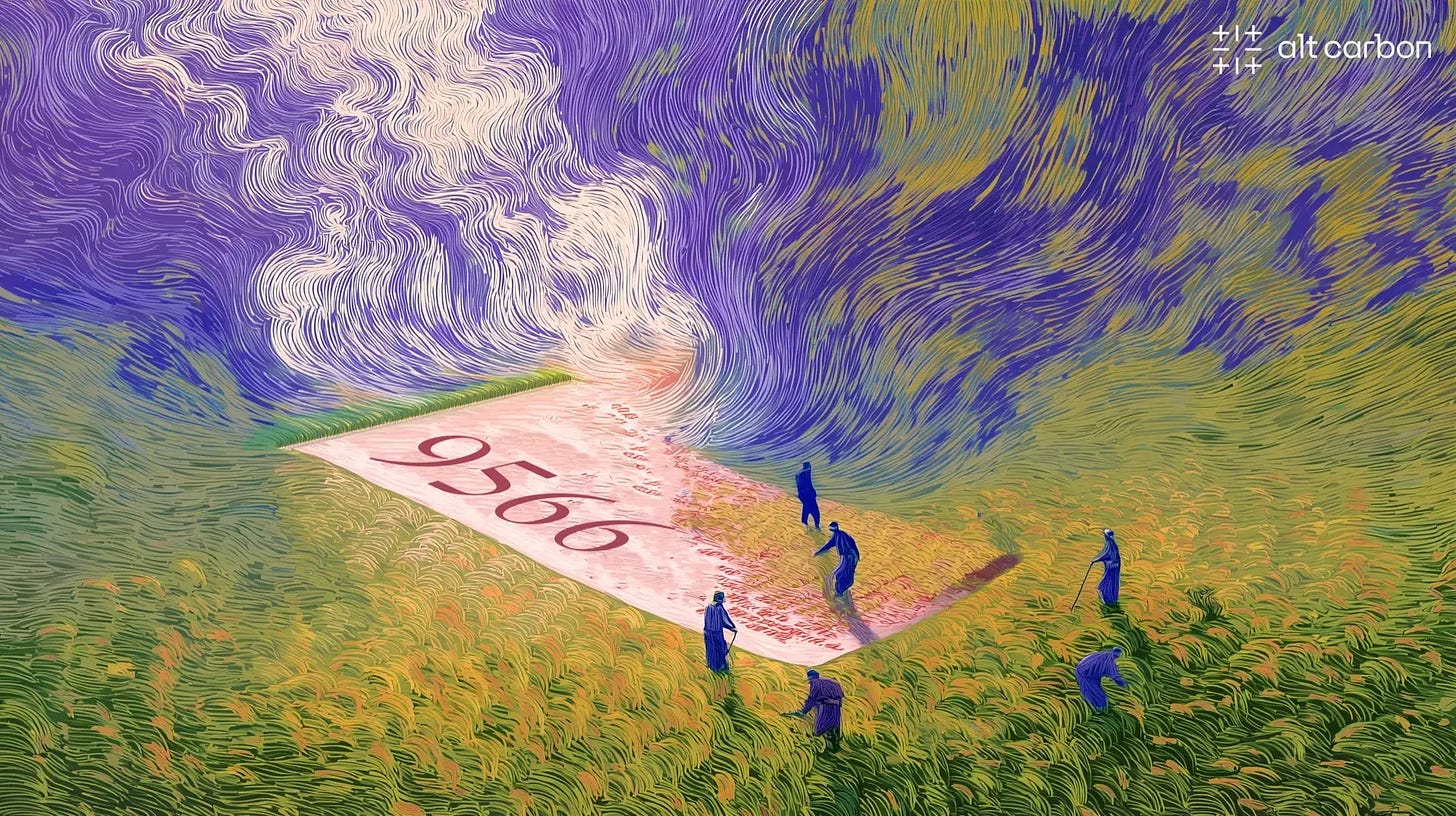
We're the world's largest Enhanced Rock Weathering company by total verified issuance. 9,566 tonnes of CO₂ removed, certified under Isometric's Enhanced Weathering Protocol. Third consecutive delivery, each larger than the last.
That's roughly the annual emissions of a small AI data centre running 24/7, pulled from heritage tea estates, rice paddies, and farmland across Darjeeling and the Terai, stored in ocean chemistry for over 10,000 years.
We run 2 labs. Shonku Labs sits inside the Indian Institute of Science in Bangalore. D-CAL is a 15,000 sq ft facility in the Himalayan foothills, processing over 100,000 samples a year.
This delivery required 12,000 ICP-OES analysed soil samples, processed in 8 weeks. ICP-OES is the technique used to analyse meteorites and validate semiconductor-grade metals with parts-per-billion precision.
For context: Europe’s LUCAS Soil Survey collected 20,000 harmonised samples, coordinated across 25 EU member states, hundreds of surveyors, years of planning. We generated 60% of that from a single project in Darjeeling.

Microsoft signed a multi-year deal with us this month for up to 36,920 tonnes of removal from the Darjeeling Revival Project. Their first enhanced rock weathering purchase from Asia. Shrey and I grew up playing Age of Empires on a Windows PC, and partnering with Microsoft is something we'd wanted ever since we started the company.

Microsoft is the largest buyer of carbon removal in the world, and the deal also provides them the opportunity to purchase additional volumes from us after successful delivery and verification milestones.
Microsoft has bought more carbon removal than any company on earth, and the demand and verification standards it set early built the market the rest of us grew into. Most buyers are earlier on that path.
To address this, we are launching the Alt Explorers Program — an executive education and immersion program tailored for Sustainability teams at leading companies. The program will dive into our ERW and Biochar projects as live case studies, covering the science, technology, and operations behind our work.
Write to me at sparsh@altcarbon.com to participate.

To celebrate recent wins, Alt Carbon team drove down to Bandipur for an offsite safari.
Bandipur is 874 sq km of forest at the trijunction of Karnataka, Tamil Nadu, and Kerala, where the Deccan Plateau meets the Western Ghats.
During our evening safari, we spotted a variety of animals — Gaur (Indian Bison), sambar deer, chital (spotted deer), peacocks and elephants. A woodpecker working a dead trunk 10 feet from the jeep. Our naturalist told us 193 tigers live here. But the closest thing we found was footprints. Near the end, some of the team caught sight of a leopard!
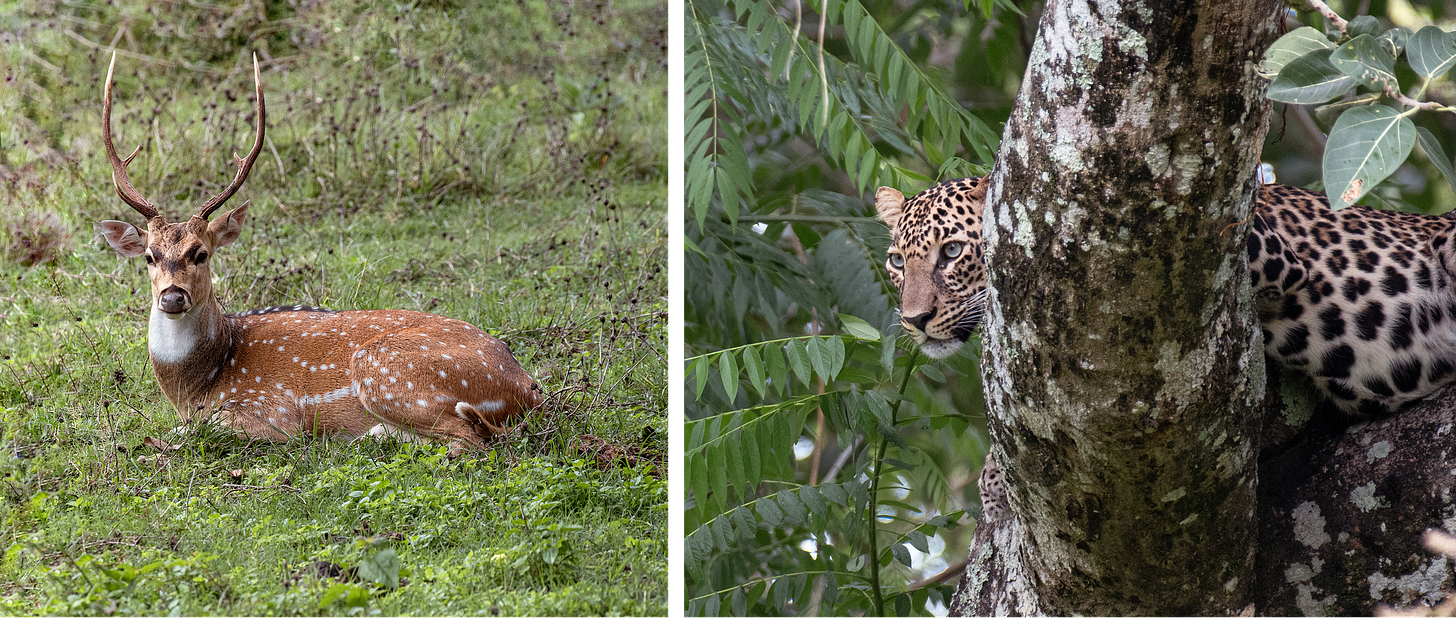
Sambar Deer and Leopard (L to R). (Courtesy: Abhishek) We stopped at Poojari’s on the drive out: a Mangalorean seafood dhaba on the Mysore-Bangalore highway that people drive 4 hours specifically to eat at. Pomfret, anjal rava fry (seer fish, rolled in semolina until the outside shatters), rawoos (Indian salmon).
We’re hiring across Indra Dhanush, Shonku Labs, Iris, and Climate Studio. Open roles here.

Lunch at Poojari’s The race to frontier AI adds 24 to 44 million tonnes of CO₂ per year. Carbon in the atmosphere is already at its highest in 3 million years.
I wrote about this in Climate Tech in the Age of AI. We believe AGI is what gets us to nuclear fusion, better fertilizers, cleaner construction materials, and carbon removal at scale. The carbon load of building it means removal has to happen now, in parallel.
The Bengal Renaissance gave India Raja Rammohan Roy’s social reform, SN Bose’s quantum mechanics, PC Mahalanobis’s statistics, JC Bose’s Earth Sciences, Rabindranath Tagore’s literature, Abanindranath Tagore’s art, and Satyajit Ray’s cinema. Within that same century, the 1943 famine took 3 million lives. We launched a new microsite for the Bengal Renaissance Project this month, tracing that history to make the case for biochar as a new beginning for Bengali soil.
Chinmay from Climate Studio wrote about what went into the design. The central scene places 13 figures, each a pillar of the Renaissance, inside Jorasanko Thakur Bari, the Tagore family home built in 1784: our answer to Raphael's School of Athens, set in the house they would have actually known. The Art Nouveau motif running through the site was a deliberate choice: it emerged at the same historical moment as the Bengal Renaissance, from the same refusal to let modernity erase craft.

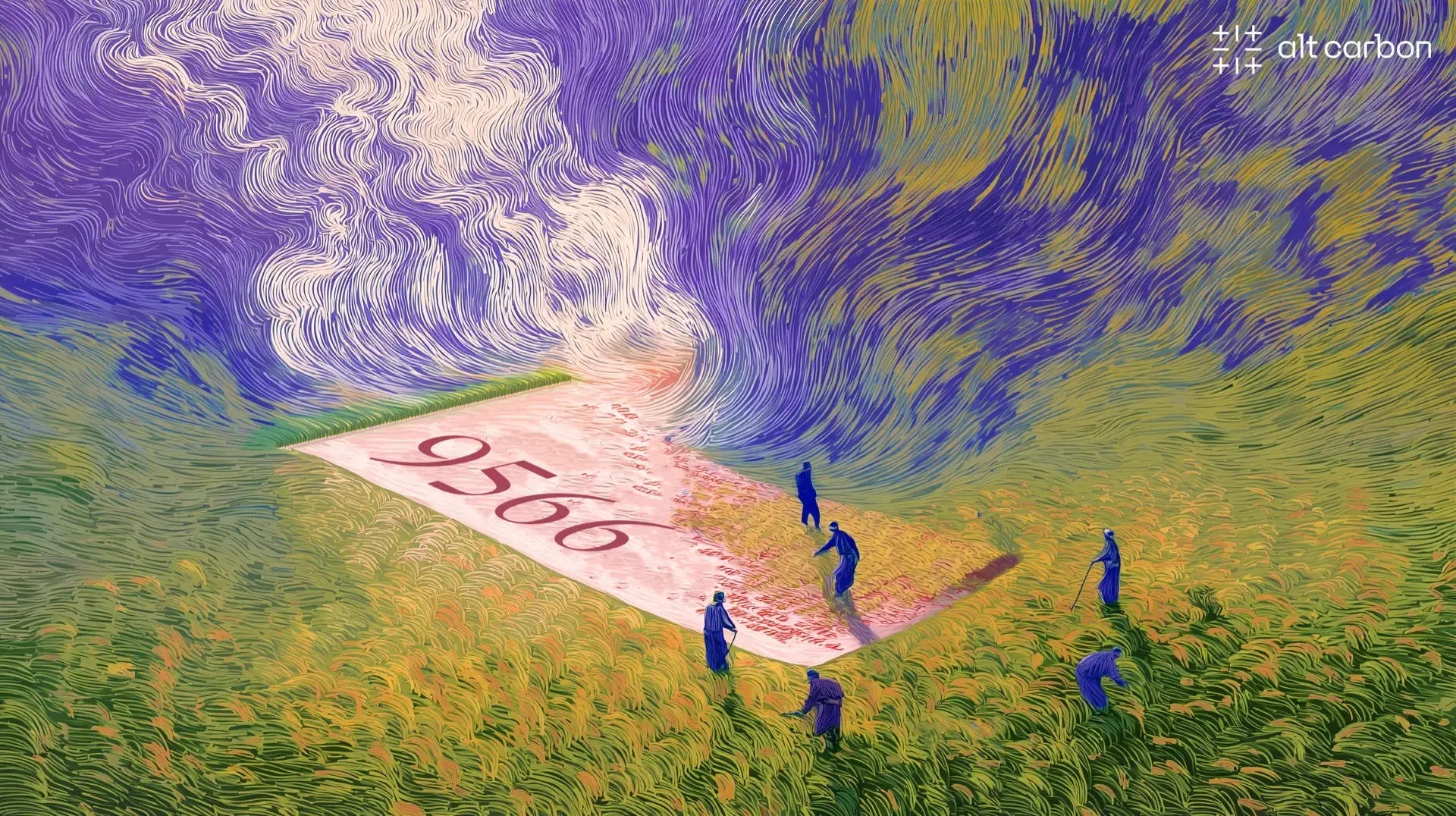


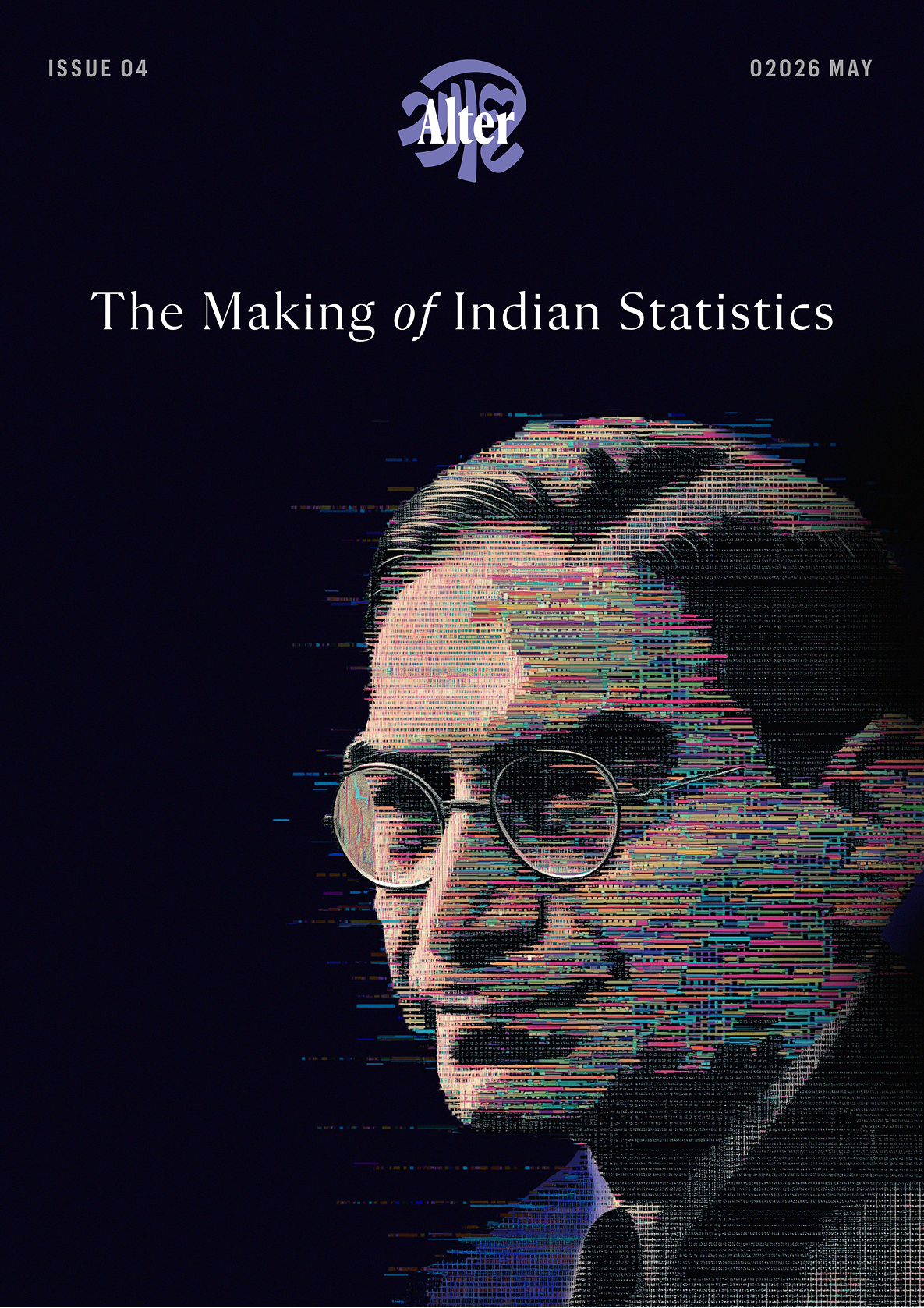
In 1939, Jawaharlal Nehru visited Rabindranath Tagore to ask if Jana Gana Mana could become India's national anthem. A statistician was in the room. That statistician, P.C. Mahalanobis, would go on to build the system that let a newly independent nation of 350 million people see itself clearly for the first time.
We launched Issue #4 at The Takshashila Institution, Bangalore. The panel brought together Narayan Ramachandran, Co-Founder of Takshashila, who has spent his career moving capital, talent, and ideas across Morgan Stanley, RBL Bank, and TeamLease; and Pramit Bhattacharya, researcher at Data for India, who has spent years making India's public numbers sharper and harder to ignore, and is now writing a book on the very history of national accounting the issue talks about. Moderated by Hiya Jain, the writer behind Issue #4 and a fellow at the Roots of Progress Institute.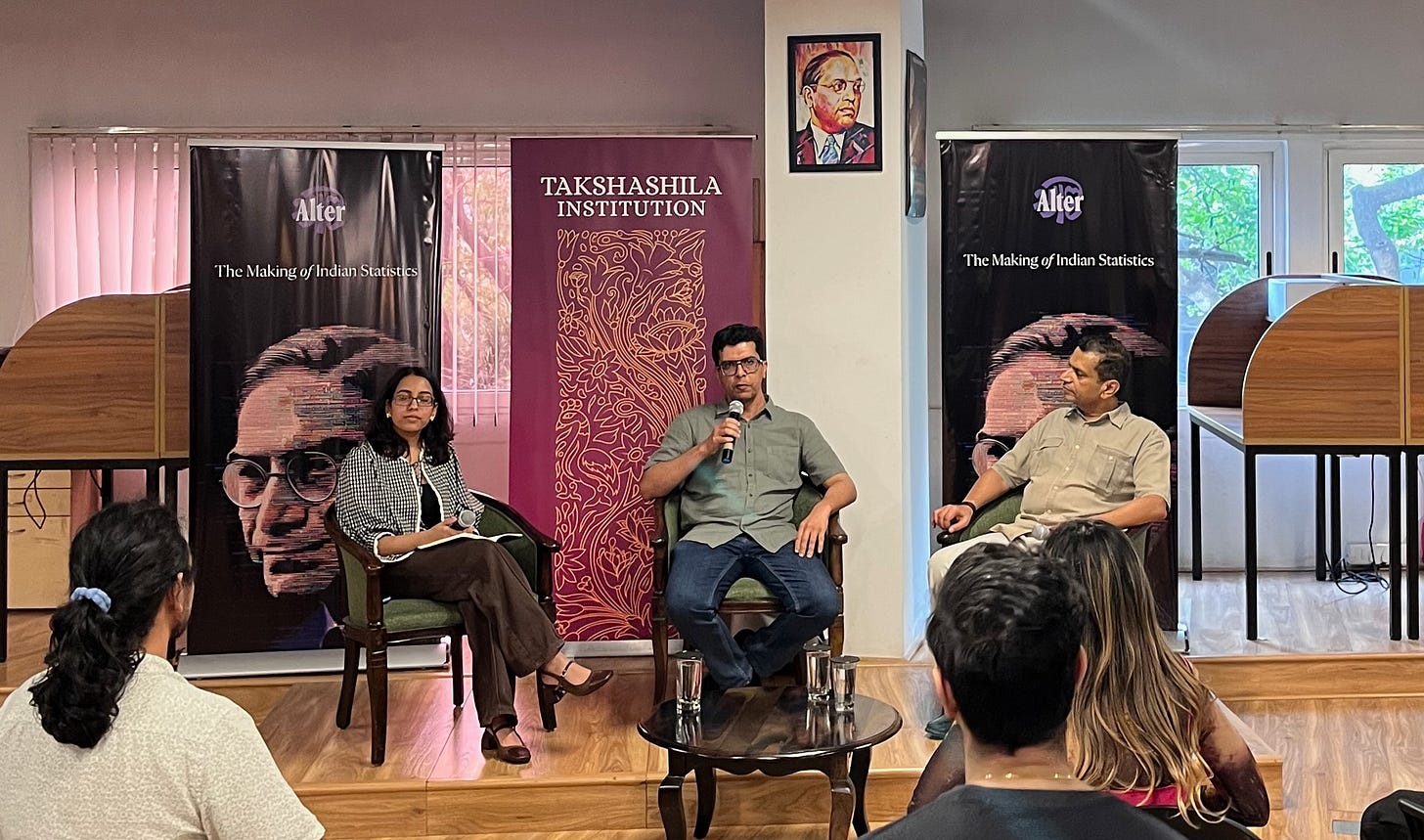
Issue #4, “The Making of Indian Statistics,” follows how India built, then lost, and is slowly rebuilding the infrastructure of national self-knowledge. In 1950, nobody knew what the average Indian ate, earned, or whether they had work. Policy ran on guesswork. Mahalanobis changed that: the National Sample Survey knocked on thousands of doors and asked, item by item. Harold Hotelling, then among the foremost statisticians in the world, wrote that no sampling technique developed anywhere could “compare in accuracy” with what he’d built.
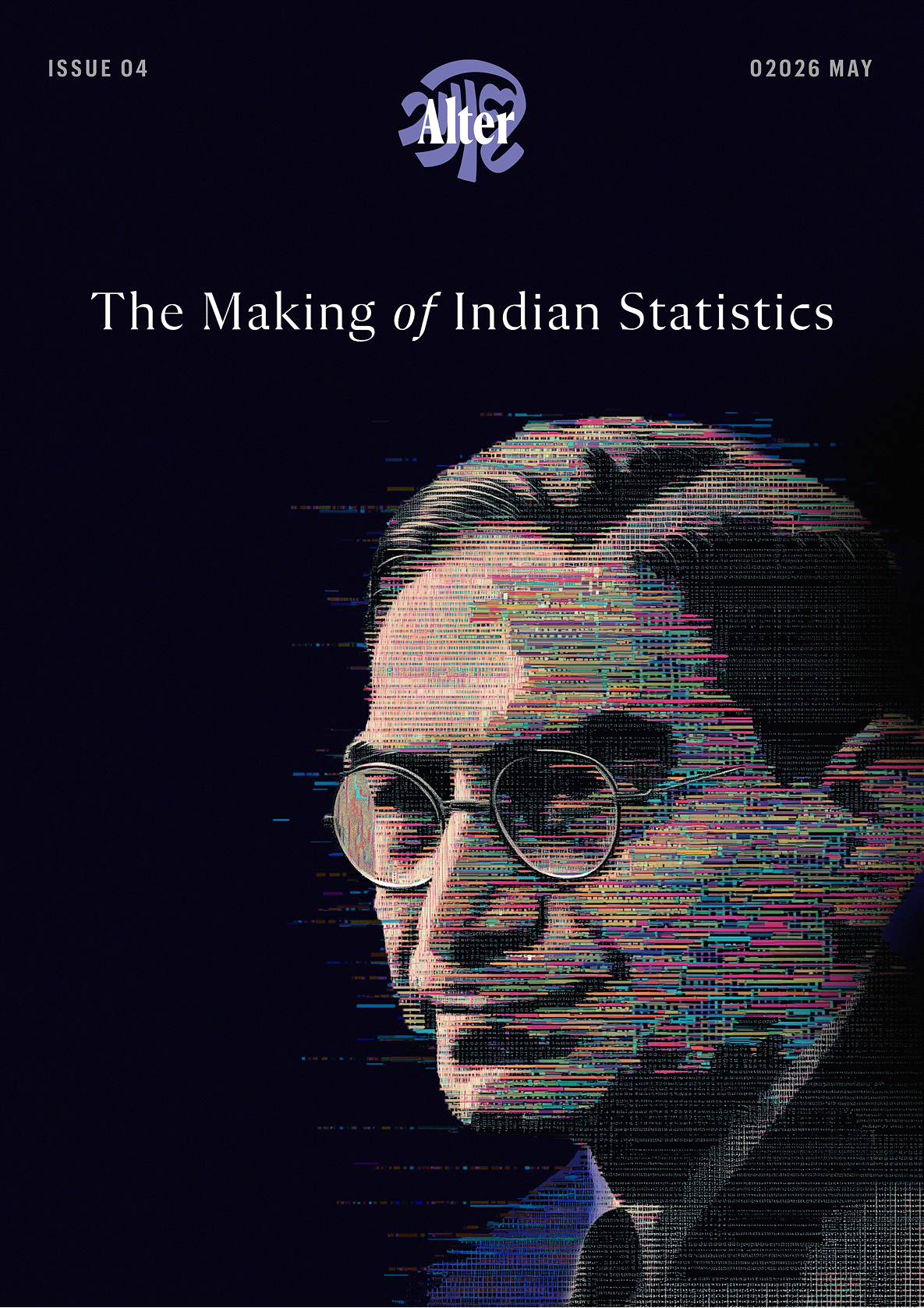
P.C. Mahalanobis

Frontier was founded by Stripe, Google, and Shopify to pre-buy removal from projects that can actually deliver. It’s now tightening to fewer, larger bets on gigaton-capable approaches, with contracts running 8 to 10 years and out to 2040. To date it’s put close to $700 million into 50+ projects for 1.8 million tonnes.
The last cycle (2022-2023) triggered a rice export ban in India, drained the Panama Canal to record lows, and sparked a dengue epidemic. Forecasters are watching closely: India is already in a brutal heat wave, with below-average monsoon rainfall expected ahead.
BNP Paribas commodities strategist Jason Ying is watching LNG flows: rising AC demand across Asia could divert cargoes from European gas storage, leaving the continent short heading into winter. Monash University climate scientist Andrew Watkins calls El Niño a "risk multiplier" for the extreme weather already being recorded.
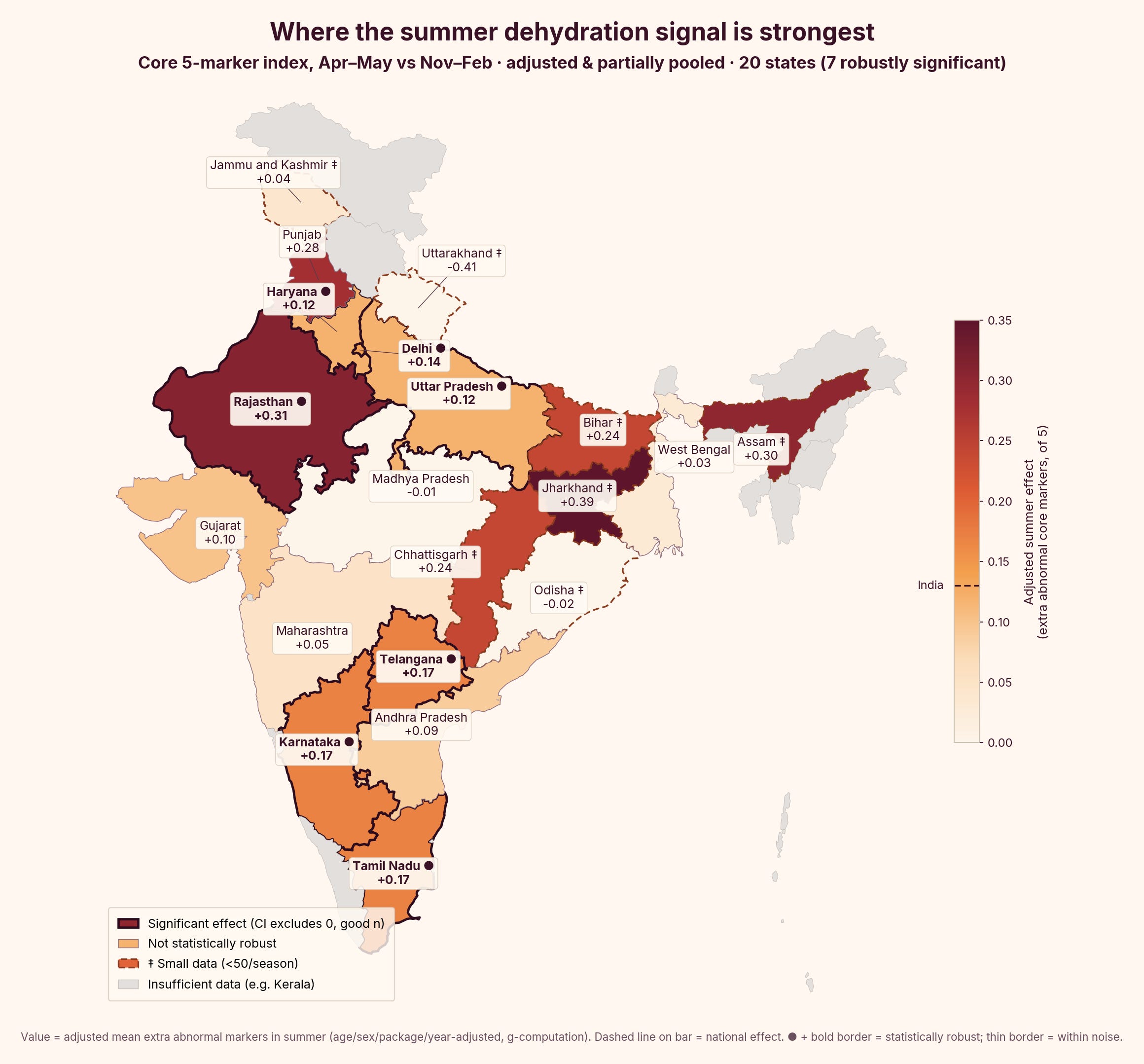
Plum’s Ganapathi Ramanathan and Head of Healthcare Prayat Shah ran analysis on 22,167 health checkups across the country, looking for what the heat does to the body before it announces itself. By April, all 50 of the world’s hottest cities were in India. 8 biomarkers shifted in parallel, each with a documented physiological explanation.
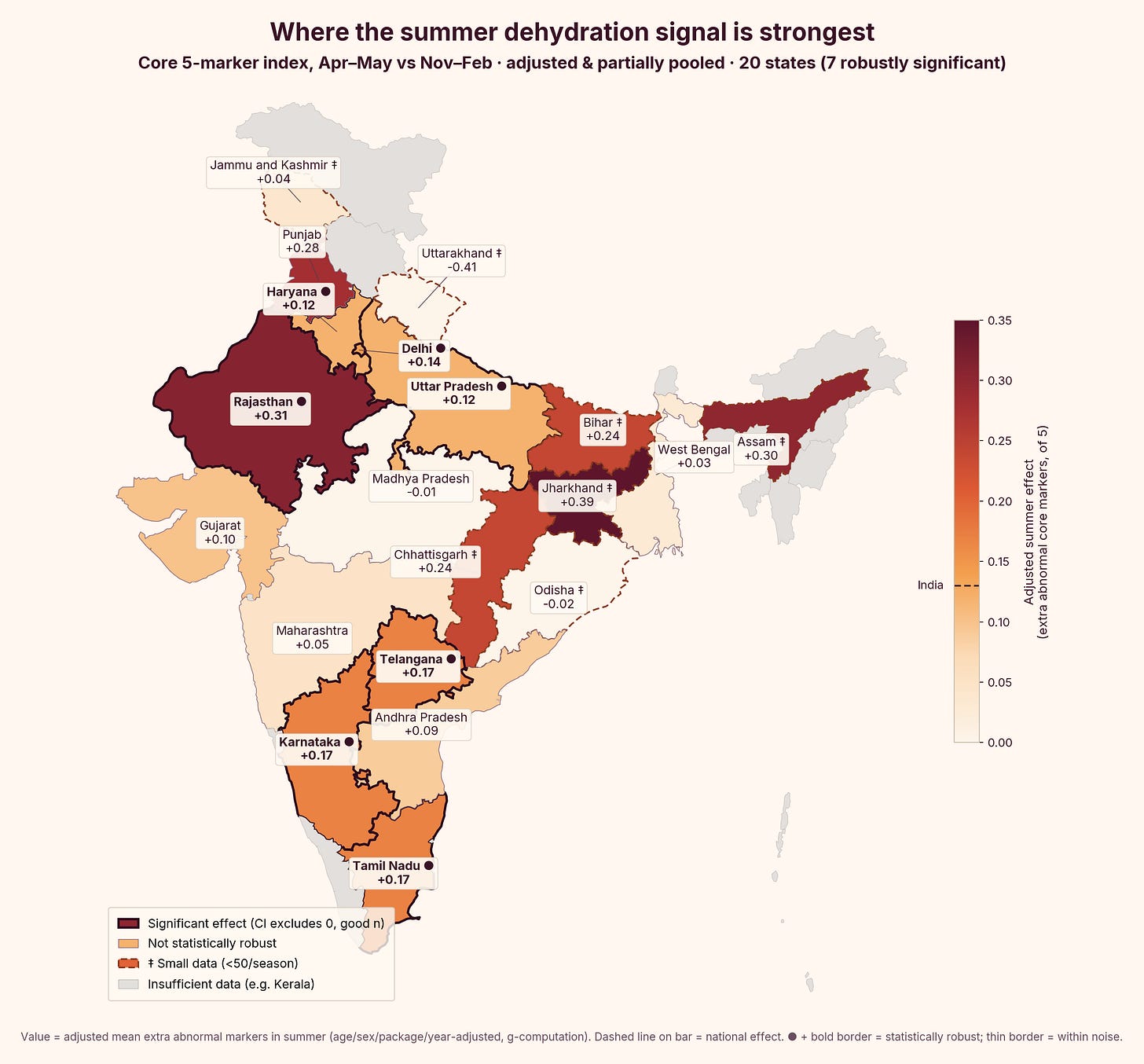
The fatigue, brain fog, and muscle cramps most people write off as "just the heat" are measurable in blood chemistry. Dry, hot interior states carry the biggest dehydration burden. Humid coastal heat is more dangerous: high humidity stops sweat from evaporating, raising core temperature faster than a dry heatwave at the same reading.

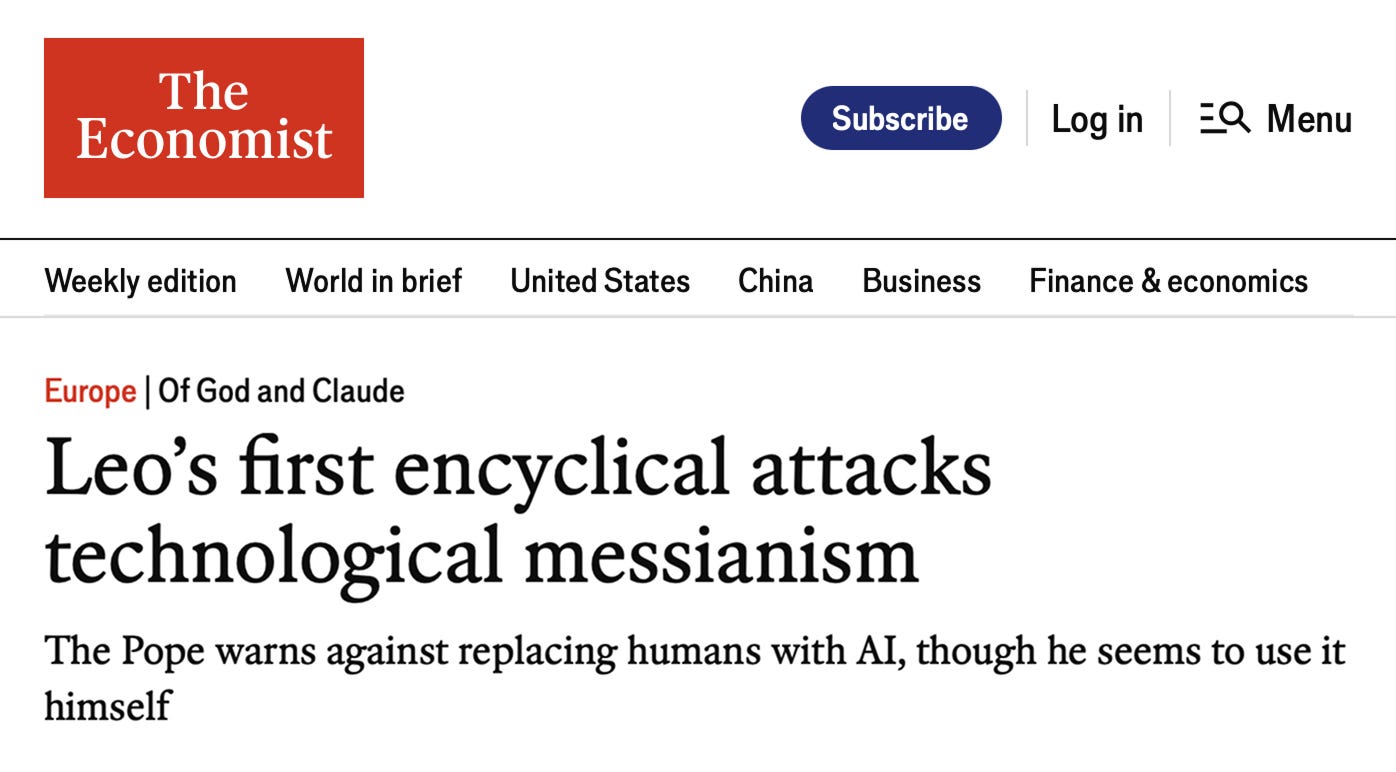
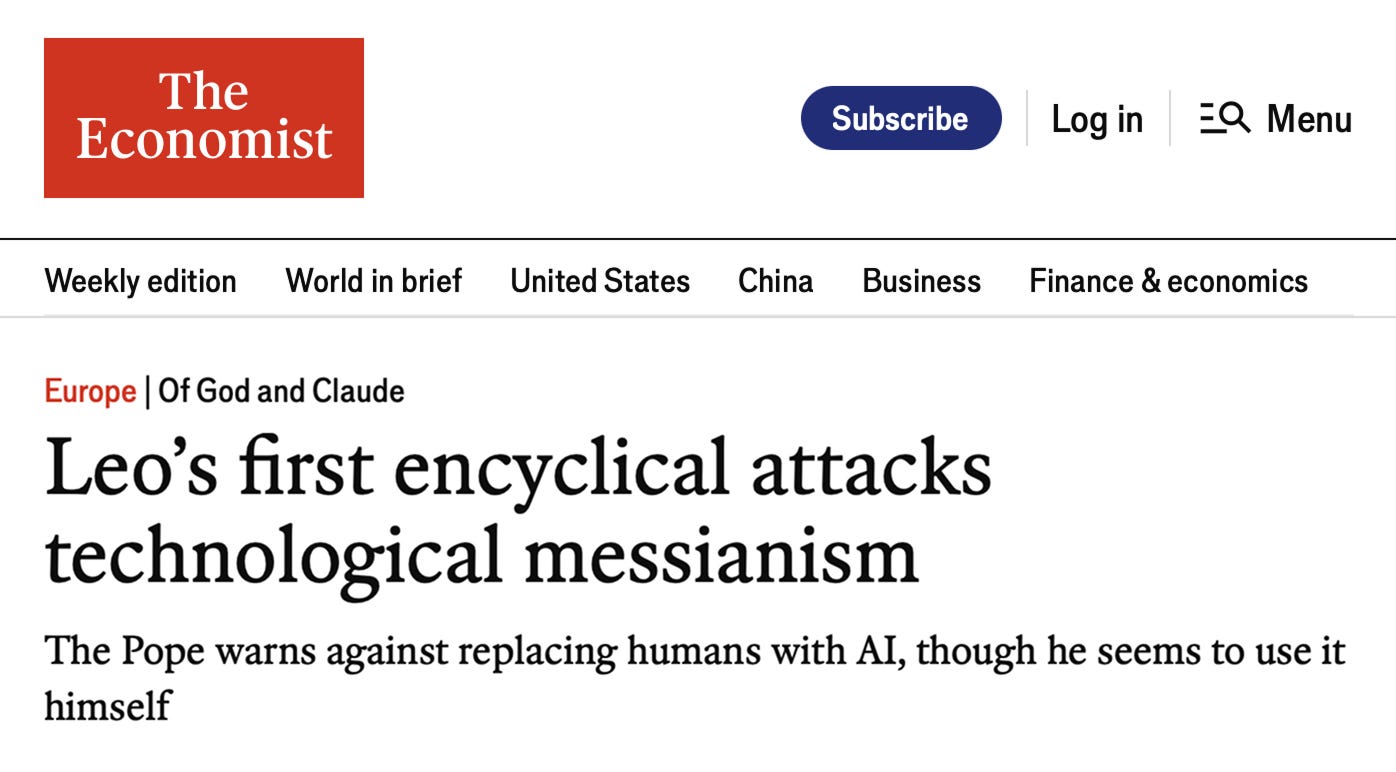
An encyclical is the Catholic Church’s highest teaching document: a papal letter sent to every Catholic on earth. 1.4 billion people. The last one focused on climate had its principles written into the preamble of the Paris Agreement.
Pope Leo XIV published Magnifica Humanitas in May this year. It’s 42,000 words on AI, human dignity, labor, and the cracks unchecked technology opens in society. The central argument is “AI needs to be “disarmed,” freed from systems that concentrate its power in a few hands.” It explicitly flags the environmental cost of data centers, cites Laudato Si’ in its intellectual lineage, and was presented at the Vatican alongside Anthropic co-founder Chris Olah.
Pope Francis wrote about climate in his encyclicals. Laudato Si' (2015) was the first papal document to make the environment the center of Catholic moral teaching, framing climate as a civilizational question. Laudate Deum (2023) was the crankier follow-up, written 8 years later after watching governments fail to act, it cited IPCC data directly and named the US by name.
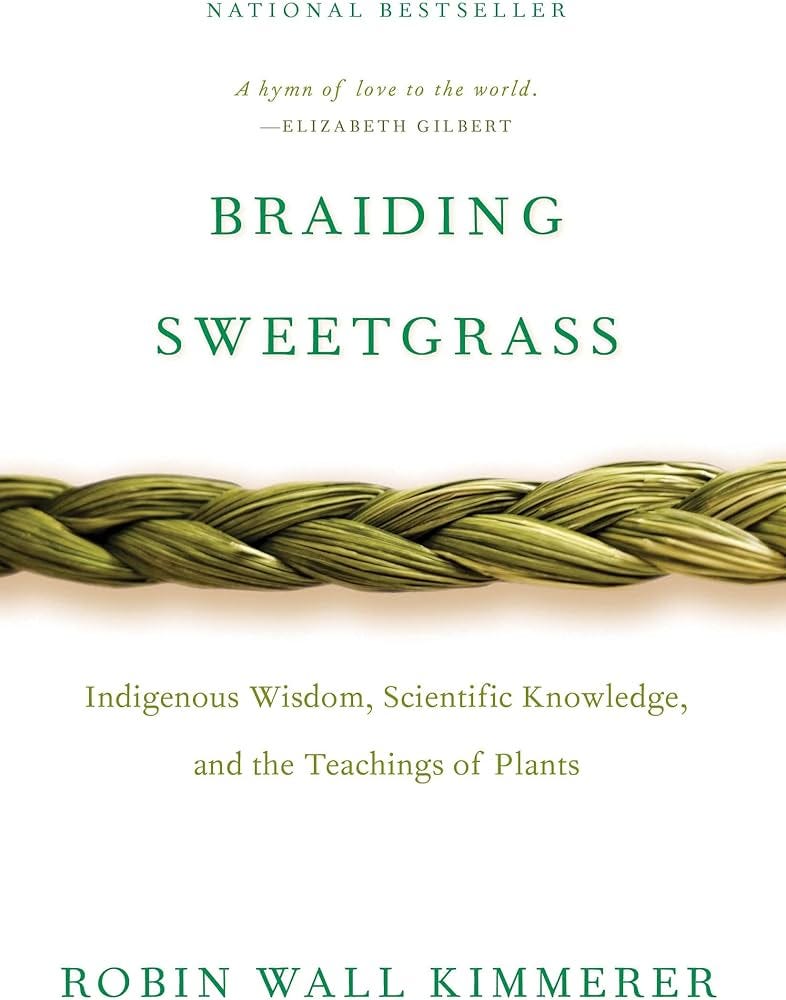
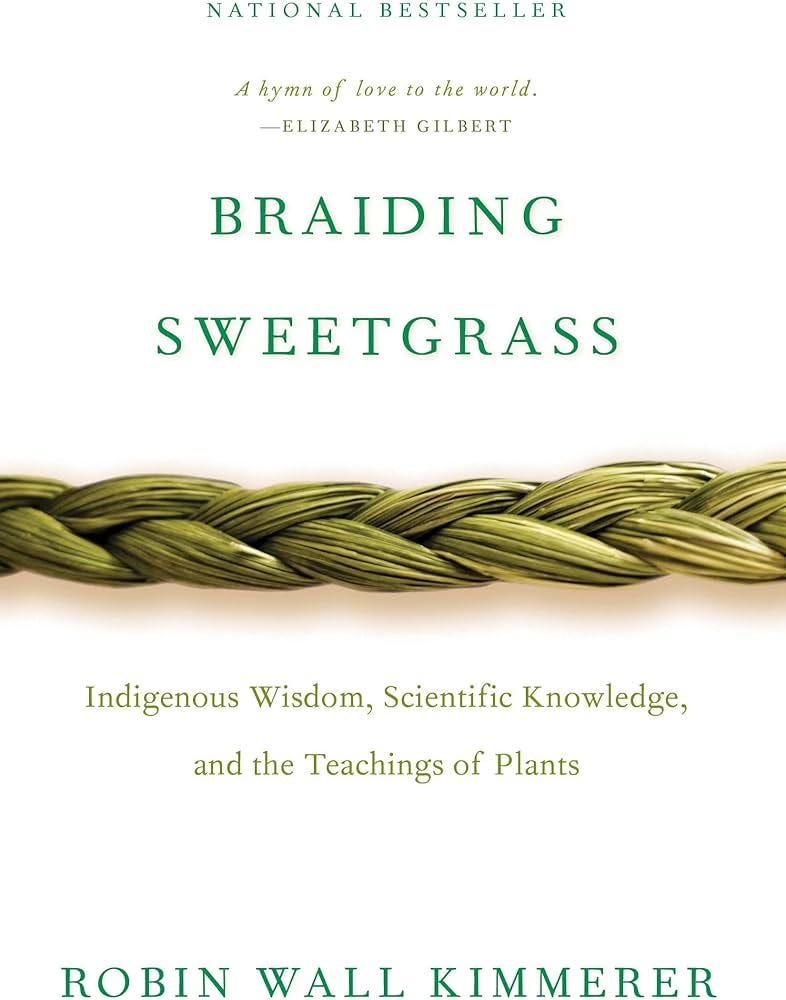
Braiding Sweetgrass by Robin Wall Kimmerer
Robin Wall Kimmerer is a botanist and a member of the Potawatomi Nation. Braiding Sweetgrass is the book she wrote about what plants have to teach us, and about what gets lost when a culture stops listening. She asks whether science is the only valid way to know the natural world, then answers it by doing both at once: rigorous field botany and Potawatomi oral tradition, braided together.

That’s a wrap from me. ✌️
To discuss Planetary Intelligence, hit me up at sparsh@altcarbon.com
No posts
Comments
Nothing yet. Say the first thing.
Sign in to join the conversation.