
Parvat Say is a play on words. In Darjeeling, where we’re based out of, mountains are referred to as ‘Parvat.’ These dispatches are hence “From the Mountains.” They’re also a voice, putting to words the thoughts and ideas that are emanating from the mountains of Darjeeling, hence “the Mountains speak.”
221.
November 2025 is a milestone month for us.
This month, we issued 221 Carbon Dioxide Removal (CDR) credits via our Enhanced Rock Weathering pathway to Japanese shipping giant, Mitsui O.S.K. Lines, marking Asia’s largest ERW delivery to date.
What makes this significant is the speed — we moved from signing a multi-year offtake agreement to delivering verified CDR credits in just eight months. Rigorous, durable, and rapid carbon removal at scale is finally within reach.
We celebrated our first delivery at The Middle Room, Bengaluru’s slick new listening bar. Listening bars were inspired by Japan’s Jazu Kissa (jazz cafes). At Middle Room, we chomped on some Naga Pork - a plate is worth the trip alone - and spoke about 1950s Tokyo, where coffee first combined with Coltrane.
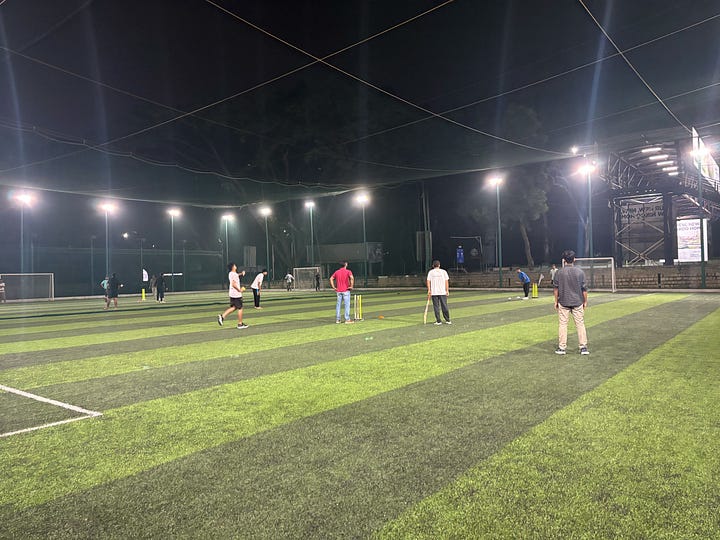
Cricket is a religion in India. Given our first delivery was a spiritual experience, we had to play some cricket after three gruelling months. I missed it all of course, but the team clearly did not miss me.


Carbon delivery is the single-most important event in Alt Carbon’s journey. Yet, we often get asked what carbon credit delivery means. Adithya has written an ELI5 (explain like I’m 5) blog breaking down the significance of delivering CDR Credits, why it matters, and the importance of velocity for climate action.
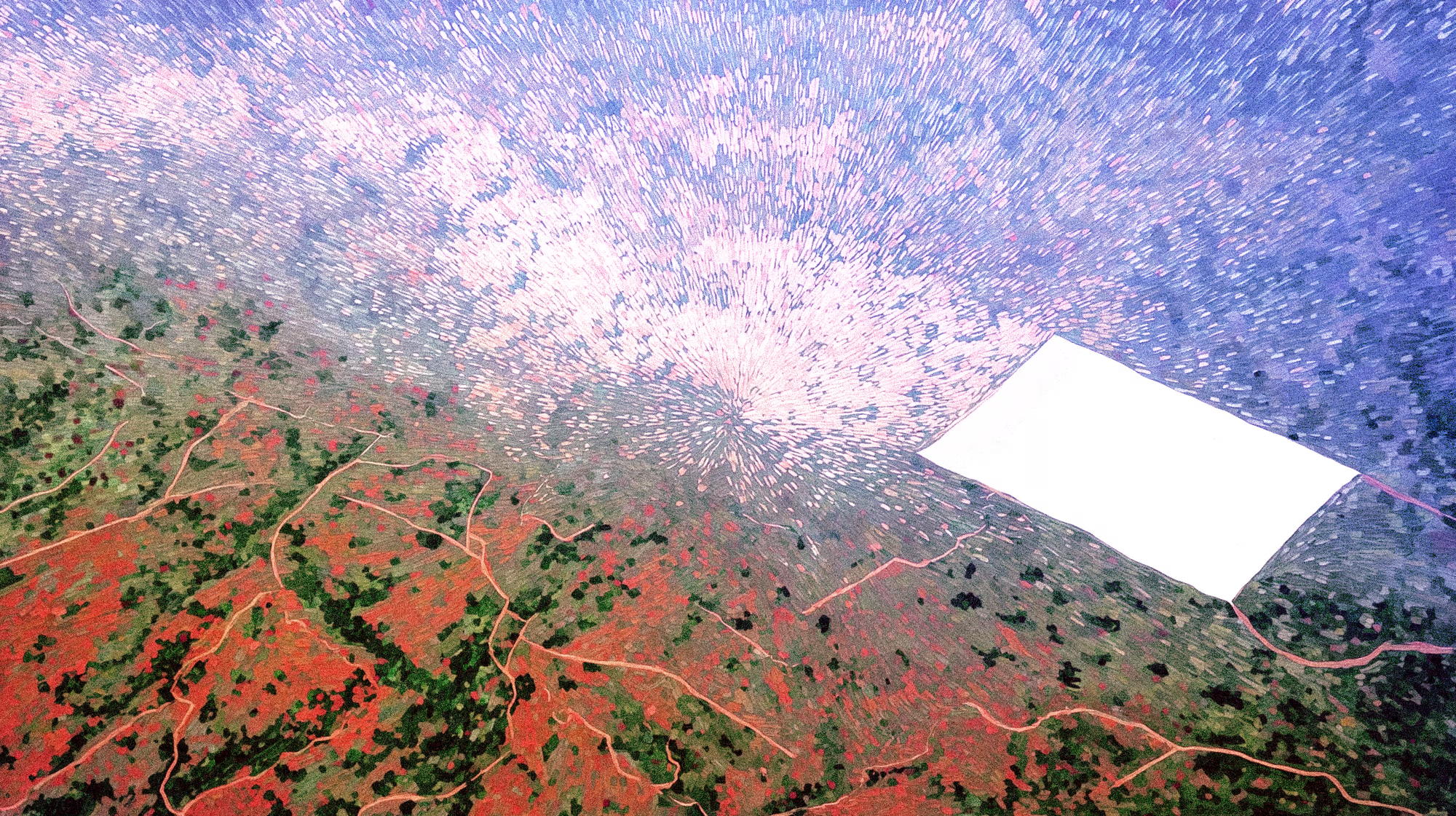
This month, we also launched Alter Magazine — new literary writing on science, tech and progress from South Asia. Our first issue, The Secret History of Indian Sci-Fi, is written by Gautam Bhatia, one of India’s leading Sci-Fi authors.
Gautam’s article traces Indian Sci-Fi back to 1905, when Begum Rokeya Sakhawat Hossain, a Muslim feminist from Bengal, dreamt up “Ladyland” — a world where women run science, politics, and public life. The talented team at Climate Studio designed a teaser to launch the piece. 👇
We’re clearing the decks for the launch of Issue #2 — a story of India’s rise in space. It’s written by a sharp, young founder and we can’t wait to share it with you soon.
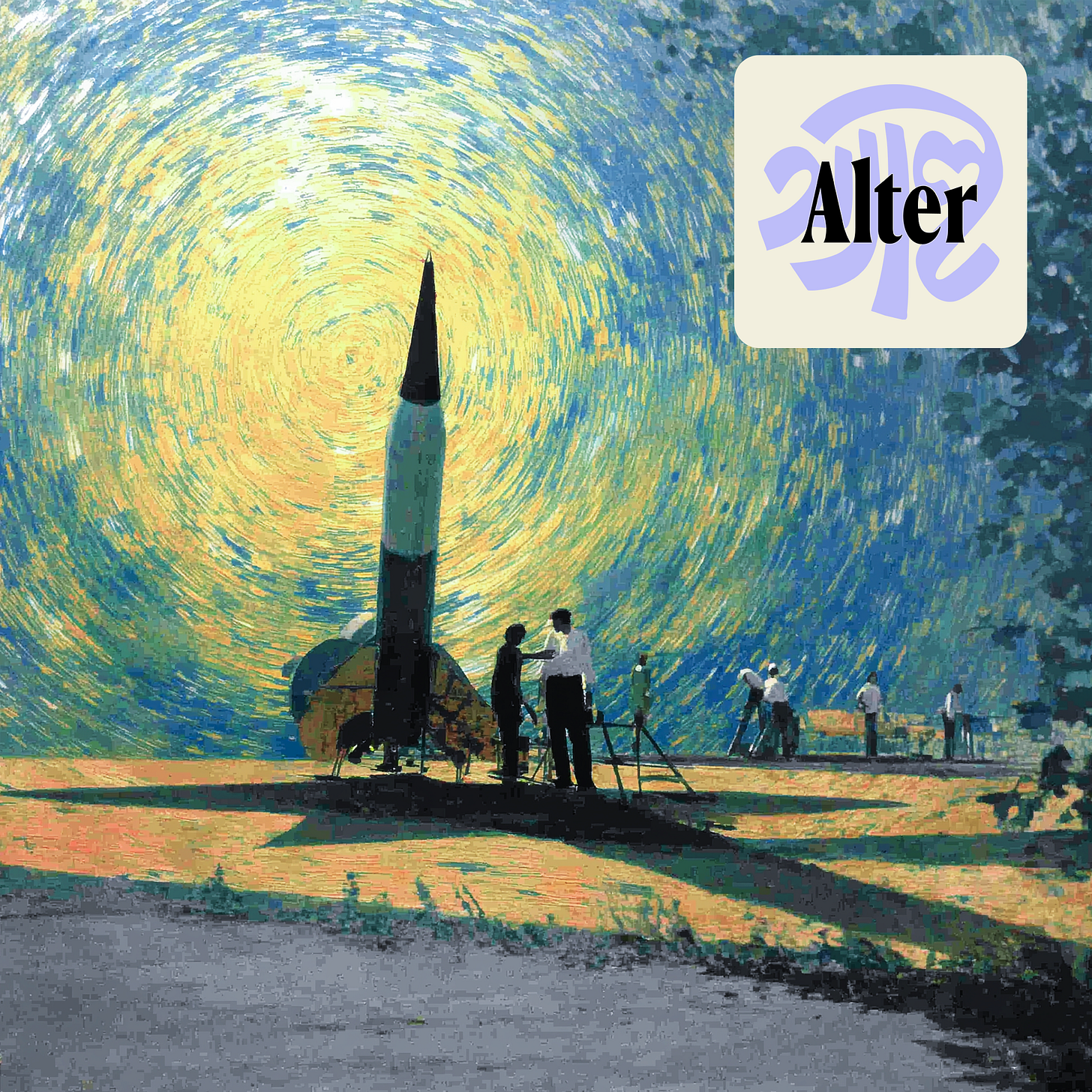
We’re co-hosting the launch event with Pixxel. If you’re in Bengaluru and space-tech interests you, we’d love to have you over. Register here.
Enhanced Rock Weathering (ERW) accelerates nature’s oldest carbon removal process. Click here to discover how we’re creating corals from clouds.

Isometric gets CORSIA Approval: According to the International Air Transport Association, by 2050, airlines around the world will need a volume of around 500 million tonnes of carbon removals annually to reach net-zero emissions.
CORSIA mandates airlines to offset their emissions from international flights through the use of verified Carbon Dioxide Removal (CDR) credits. Following the ICAO approval, Isometric can now offer CDR credits to airlines. Read the full report here.
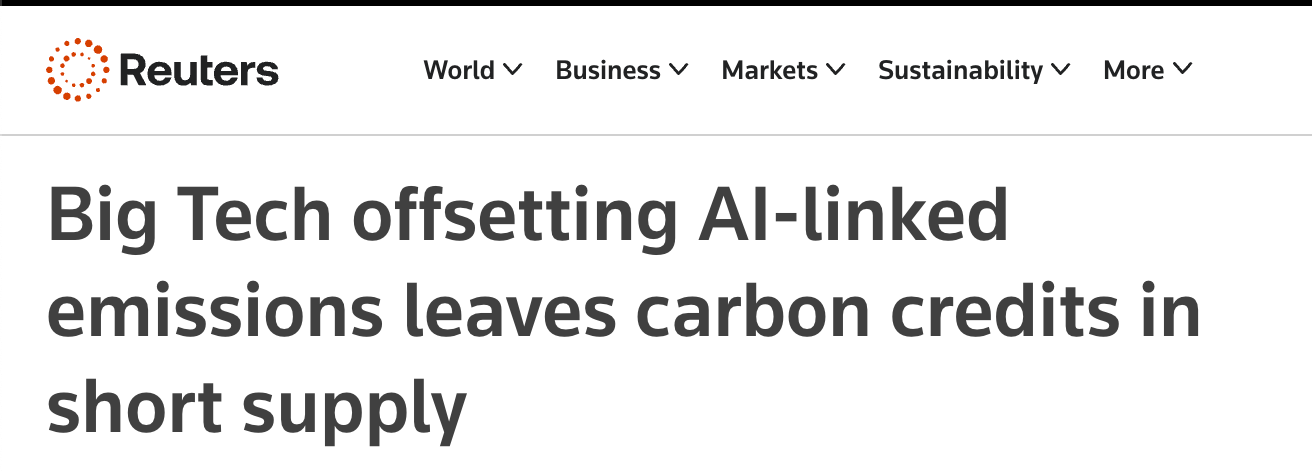
Alt Carbon’s CDR credit issuance to MOL is also verified and certified by Isometric.A Bull Run for CDR: Big Tech’s investment into carbon removal credits has now exceeded $10 billion. It’s one way to offset the emissions from burgeoning data centres, especially in a booming AI-first world.
This tug of war between industry-compliance and operational consequence has led to a point where demand for durable carbon credits has overshot supply. For example, Patch has reported that while 33% of the demand for credit requests through their platform were for biochar, it made for less than 20% of the sales.
Read the full report here.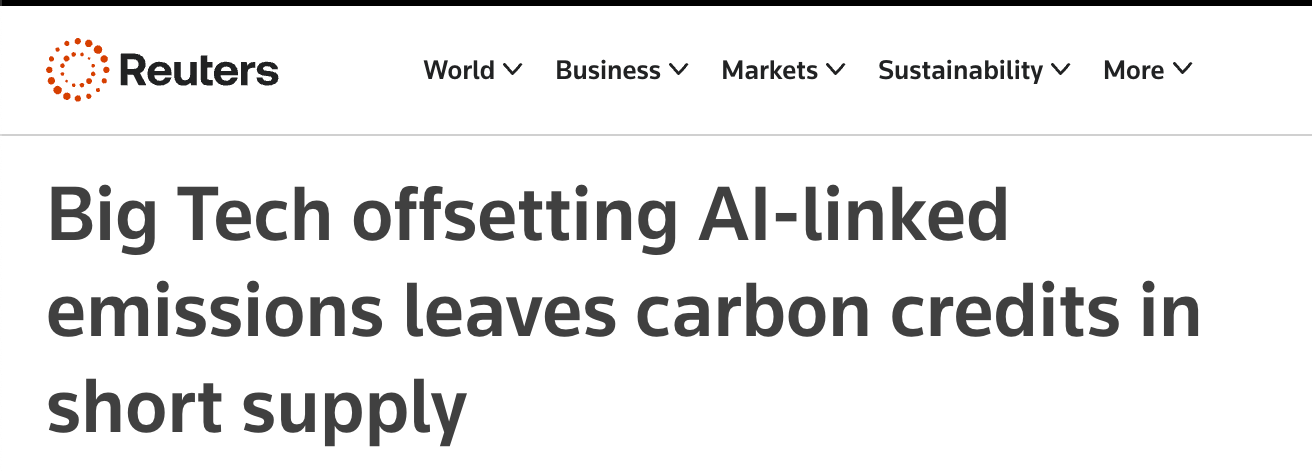

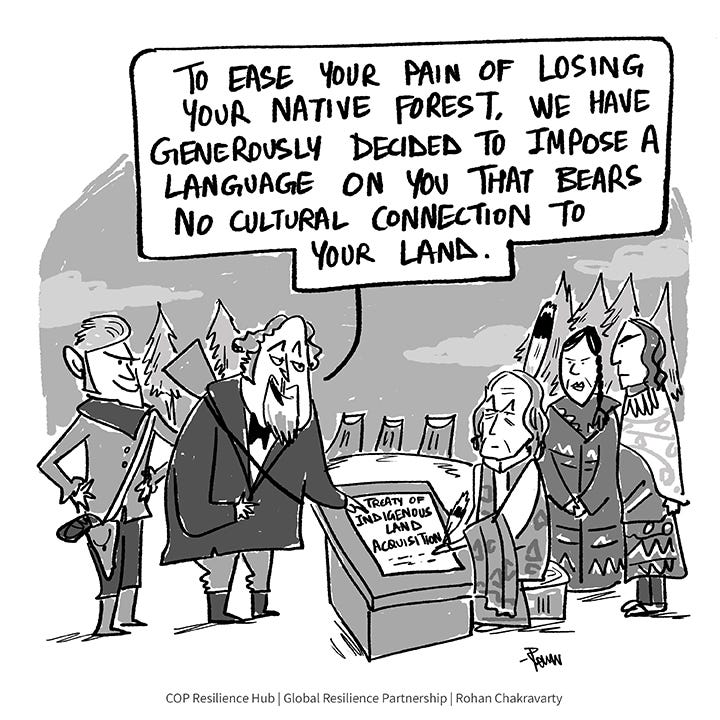
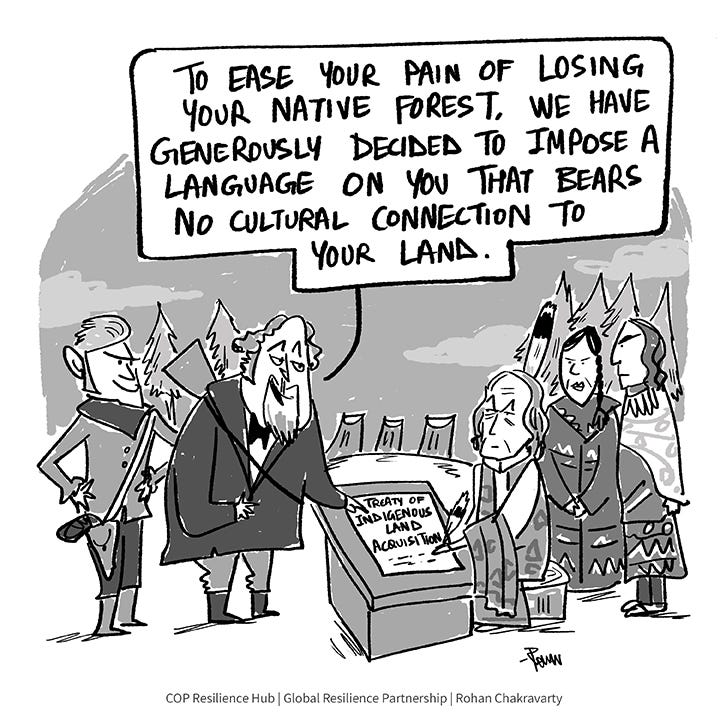
Rohan Chakravarty, a cartoonist from India, offered cheeky commentary on the outcomes of COP30.
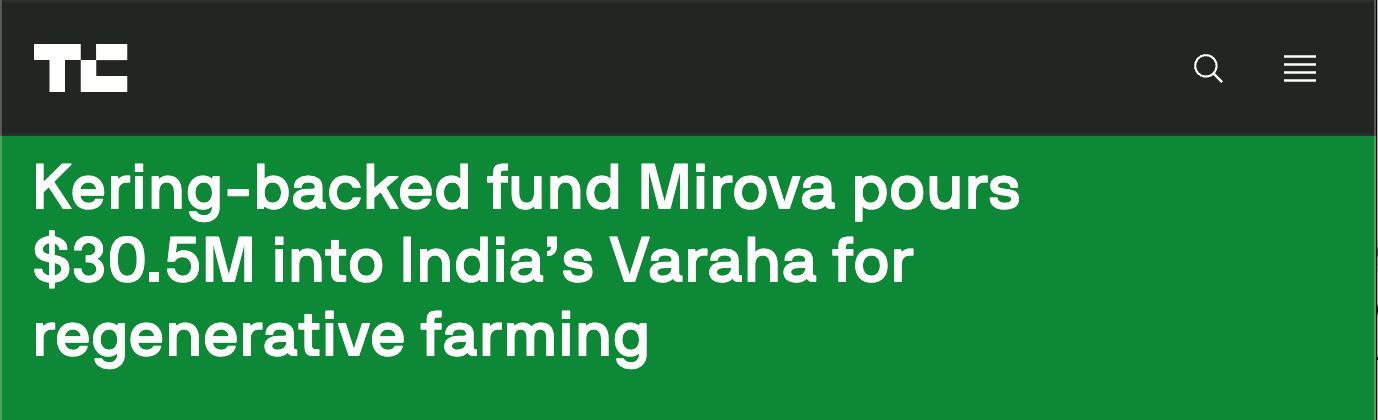
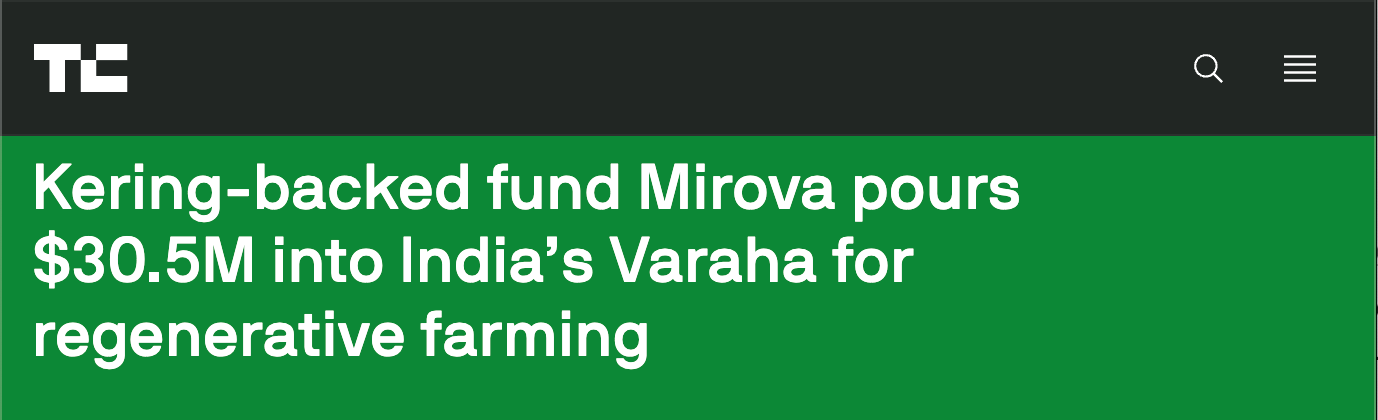
Our heartiest congratulations to our friends at Varaha on raising a successful round from Kering-backed investment fund Mirova. In 2025, almost $100 million was invested into Indian CDR startups. Earlier this year, Alt Carbon too raised $12 million in seed funding to scale our projects across South Asia’s most productive farmland.

Butter by Asako Yuzuki - a thrilling story inspired by a real Japanese murder case where gourmet cook Manako Kajii allegedly seduces and kills lonely businessmen with her irresistible stews. This book has given me a window into Japanese culinary history and culture in a truly unique way.
The Making of the Atomic Bomb by Richard Rhodes - In this sprawling, deeply-reported history that follows the science, politics, and personalities behind the splitting of the atom, I have learnt about how our own work using mass spectrometry is so deeply tied to innovations being made on the Manhattan Project. Easy recommend!

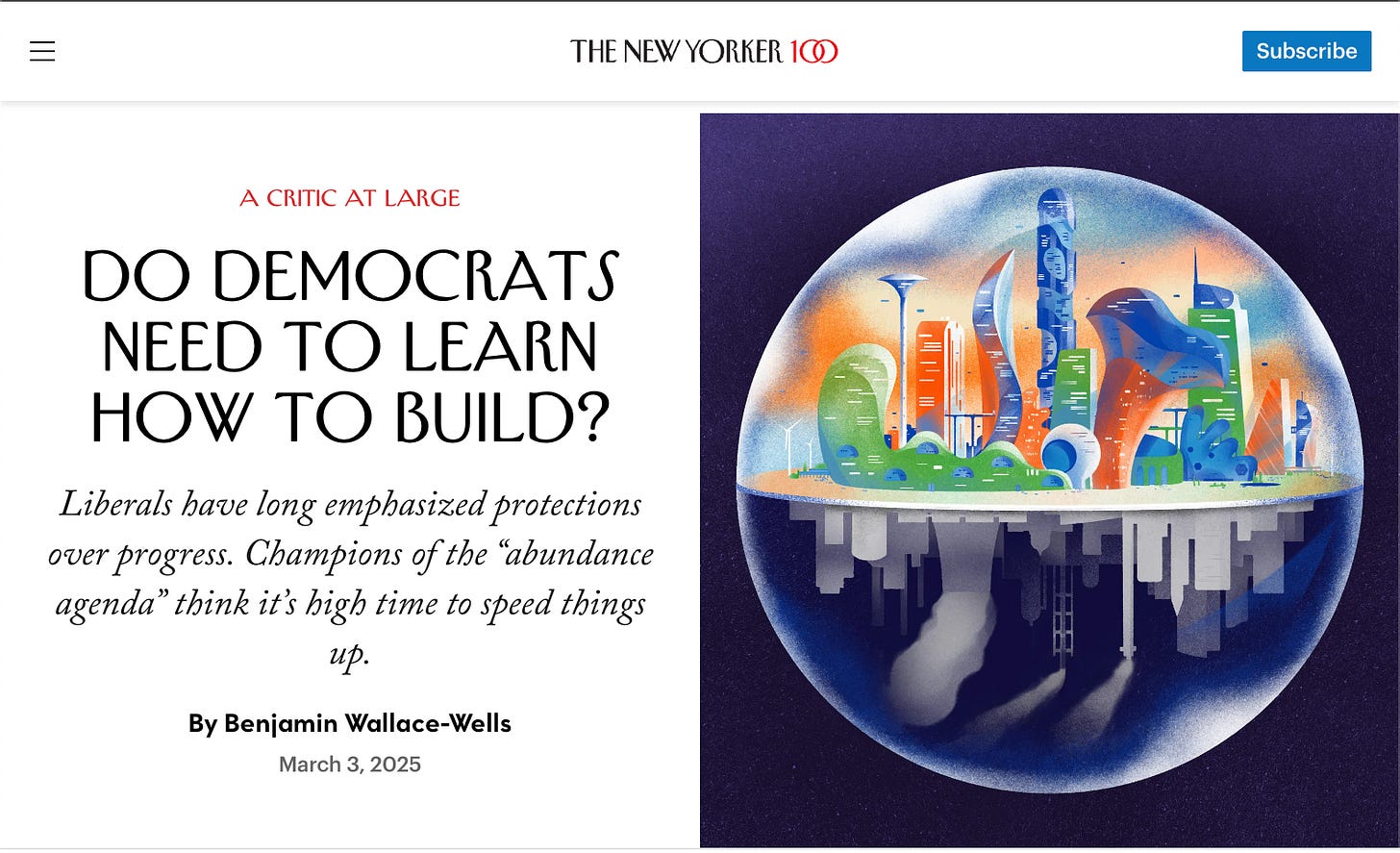
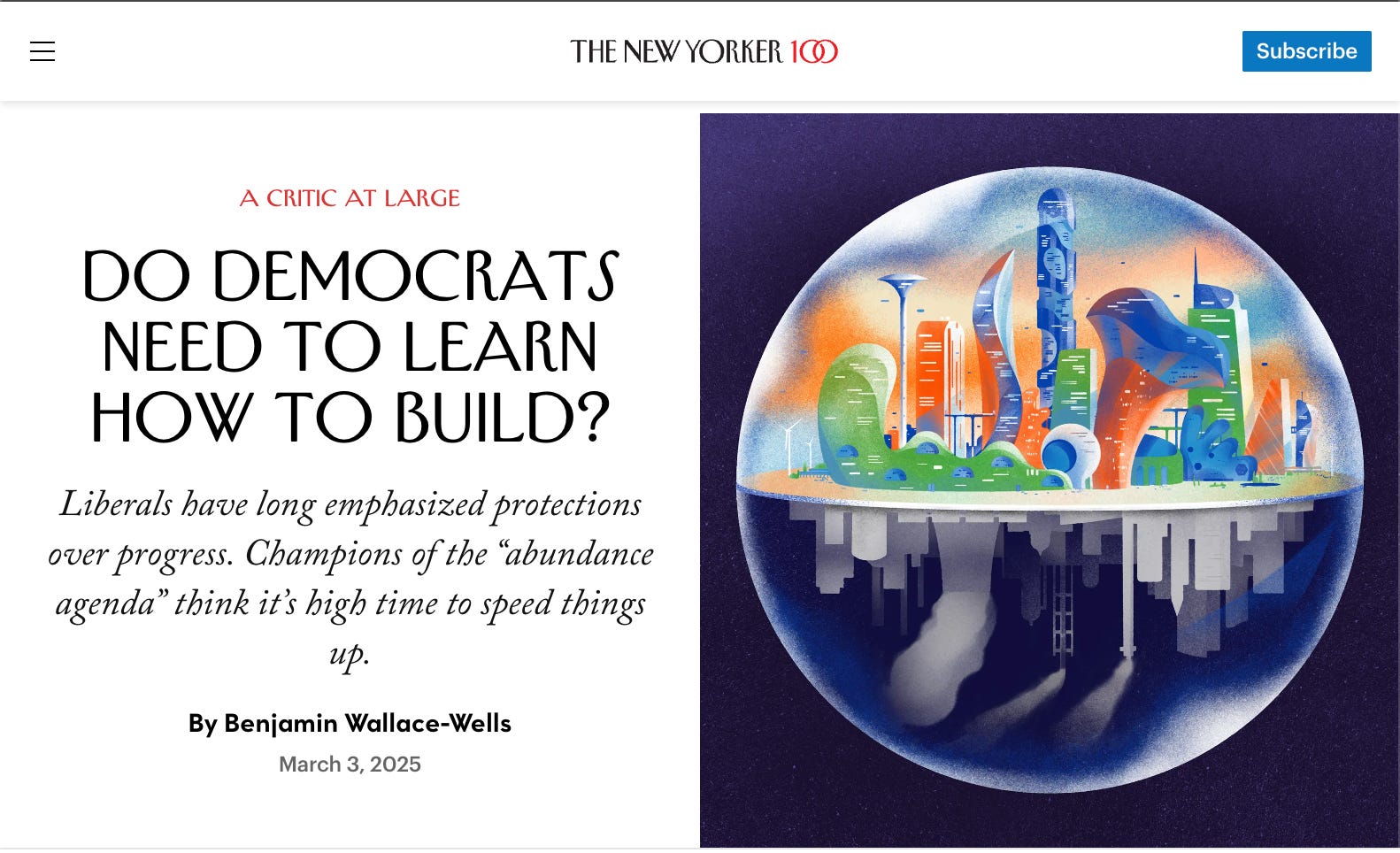
“What’s stopping us from building for abundance?” Author Benjamin Wallace-Wells picks through recent patterns in United States to find answers. Wallace-Wells also references Ezra Klein’s seminal book, ‘Abundance’ to reinforce his key argument. The obsession for moral perfection is holding back true growth — a narrative we discuss a lot at Alt Carbon.
Our tagline is “Create Abundance.” We’re convinced that fuelling science and technology is the way to fight our way out of some of the planet’s most pressing issues. Shrey and I wrote about this when we raised our seed round, and this is a topic I’m passionate to discuss. Link to the blog here.
This year’s Nobel Prize in Economics went to Joel Mokyr— this was basically a Nobel for the Progress Studies movement. Mokyr’s big idea is that history moves when ideas move. He shows how the Industrial Revolution was a factor of its scientific and literary societies, its flair for publications and sharing ideas. You can read what makes him so great here.
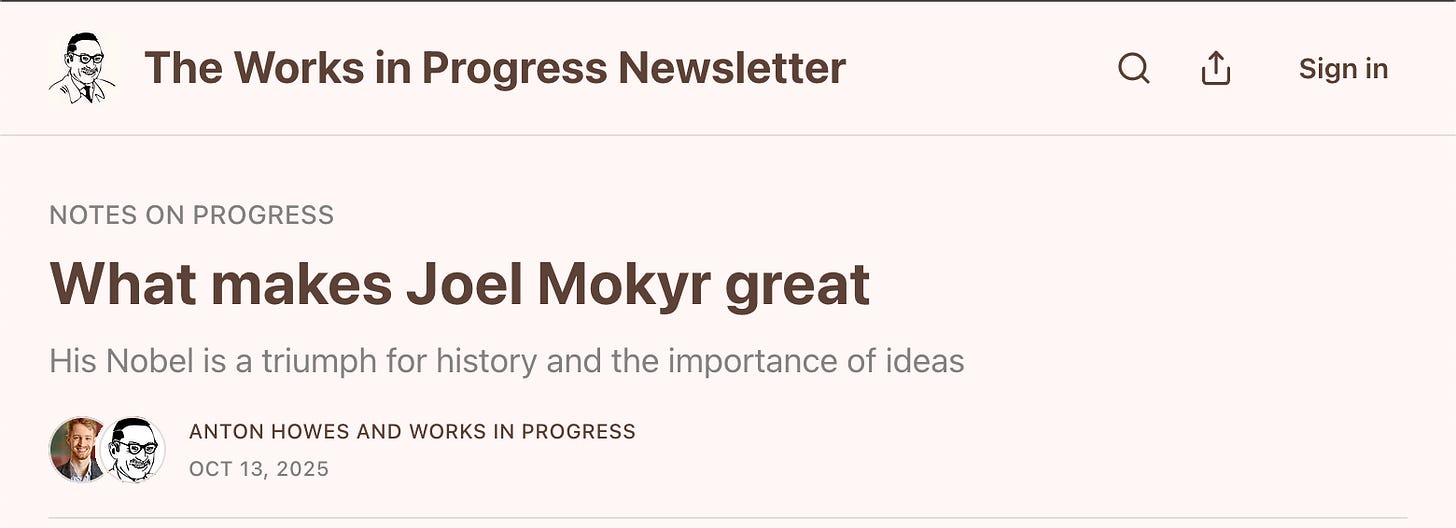
One of Mokyr’s big early insights, first appearing in Lever of Riches, was that many inventions could not be predicted by economic factors. Just increasing the market size can lead to improvements, but not innovation. Breakthroughs came when we dug deeper into how we understood the world. Read the full article here.
Mokyr also argued for collaboration and knowledge-sharing. This article takes the example of a scientist and a craftsman, both experts in their field, coming together to create a thermometer.

That’s a wrap from me. ✌️
To discuss Planetary Intelligence hit me up at sparsh@alt-carbon.com
No posts
Comments
Nothing yet. Say the first thing.
Sign in to join the conversation.