
I am trying something new - if you don’t feel like reading - click her to give this weeks email a listen over on Shopify podcast style :)
A friend of mine was showing me a dress he picked up for his 1-year-old daughter at an Indian market (where there are zero regulations… remember this part as I continue the story, because you are about to learn something critical to making clothing that most new brands don’t even know exists).
I took one look at it and said, You might not want to put that on her…
Immediately, another woman snatched it and said - I’m a mom, I know better than you, let me see. (Verabtem.)
I stayed quiet.
(Sure, I’ve only spent my career working with legal teams ensuring multibillion-dollar companies wouldn’t get sued for the kids' products they churned out - but, yeah, sure, let’s pretend we are equals when it comes to apparel compliance).
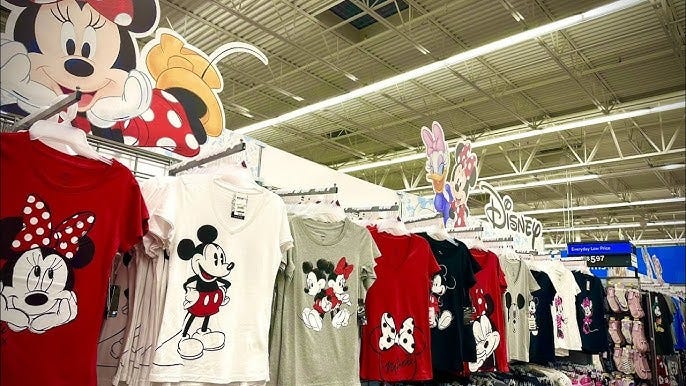
Yikes, this rack at Walmart gives me flashbacks to my old fast-fashion days. Anyway…
She inspected the dress and deemed it adorable; of course, he should dress his daughter in it.
I waited for her to finish telling me how mom’s know what kids need and since I wasn’t a mom I didn’t understand.
Then I started my TED Talk, pointing out 3 major safety issues that would never fly in the US.
Cardboard Embroidery Backing: Instead of soft embroidery webbing, the manufacturer used sharp cardstock capable of slicing a child’s skin.
The Finger-Trap Zone: The uncut embroidery threads created loops between 1/4” and 1/2” wide, the exact danger zone for finger entrapment… read, risk of bone fractures for tiny, not very strong, fingers.
Chemical-Laden Prints: The top featured a heavy plastisol print. In the USA, such prints are red flags for phthalates, which are illegal in children’s clothing due to toxicity.
Most parents believe their "mom-intuition" is the ultimate shield for their children. However, after manufacturing billions of units in global hubs like China and the Philippines, I’ve seen the truth: Brands are the actual gatekeepers of safety, mostly because they are terrified of a lawsuit.
The choices you have at major retailers are pre-vetted for safety thanks to an organization called CPSC - Consumer Product Safety Commission, so parents don’t actually have to think.
Because of the CPSC, the average American's shopping experience is, it’s cute, I’m gonna buy it. With no thought given to whether this will be a major safety issue in my home?
But that’s why this example of the dress bought in a market in India is so great.
None of those guidelines were followed... Creating a garment I personally would never put a child in, but the average mom just might because they don’t know better.
Kind of terrifying that brands play such a large role in keeping us safe, isn’t it?
And, while yes, I’m a huge proponent of anyone and everyone starting a brand, I just don’t want them going into it blindly. You need to get educated first, because if you don’t, you can, in some cases, genuinely cause harm.
Today, anyone can launch a brand and build a website in less than a week. There’s no gatekeeper making sure you’re doing things correctly.
I recently had a client who was set on adding oversized bows to her toddler's clothing. Every time she showed me the design, I pulled up U.S. Consumer Product Safety Commission regulations and explained why it wasn’t a good idea.
And every time, she pointed to other small brands doing the same thing she wanted to do.
But here’s the reality: if those brands get caught, they can be fined or sued. And if something actually happens to a child, the consequences are far more serious, potentially losing their business, their assets, everything.
It’s wild how many unregulated products are being sold on platforms like Etsy and independent websites.
It’s estimated that half a million children worldwide die each year from strangulation-related incidents. But you rarely hear about it happening in places like the U.S., and that’s largely because of strict safety regulations that responsible brands follow.
Entire multi-employee departments exist within large companies just to manage compliance.
But most people starting fashion brands get stressed out and focus all their time on hiring designers and pattern makers and finding a factory. They have no idea about the critical role of compliance and testing in the fashion industry…
But now, thanks to me sharing my encounter the other day, you do!
There are countless other nuances in the world of apparel compliance that most startups never think of:
Poly bag warning labels
Chemical testing requirements
Flammability standards
Pull testing and trim safety
… just to name a few…
I’m not saying this to scare you, I’m saying it to protect you.
There is a history of testing and regulations behind every product in your closet. If you are starting a brand, do your homework, or work with someone who understands it. Because the goal isn’t just to launch a brand, it’s to build one that’s safe, compliant, and built to last.
I never want to sound like one of those LinkedIn influencers with far-fetched, ridiculous tales, you know the kind…
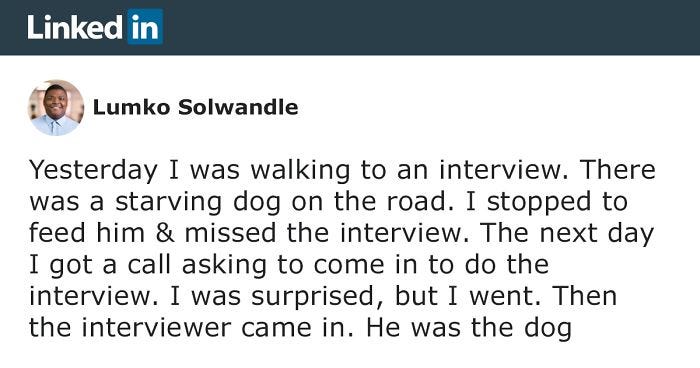
But my real-world experience has been a big part of what drives my content creation, so I figured I'd start sharing more of the backstory behind what inspires me to write on here and create videos on Instagram.
BTW, my goal is never to shame people, just use them as inspiration for creating content on common misconceptions about the clothing we wear.
Let me know what you think in the comments.
See you next week,
Melanie
We are headed back to Bangkok for a bit to get some medical tests.
Here is the unsexy part about living abroad that most people don’t talk about - life logistics.
As small business owners, we received a 2026 medical insurance quote of $42,096 per year, with a maximum out-of-pocket of $6,500 per person. ($13,000 for both of us).
That is crazy. And, to put that into perspective, at my first job in the fashion industry, my salary was $35,000.
The cost makes even less sense when you factor in that we are in America for only 3 months, max, per year, and our insurance only works in NY.
So we decided to drop it for catastrophic (God forbid) instead. Which is only a couple thousands a year in comparison.
So, we are doing all our medical checkups in Bangkok, where a colonoscopy costs $1,000 instead of a down payment for a house.
We have a few days blocked off with doctors from morning till night, to make sure we are all good and healthy, and then we head back to Goa.
I was terrified to leave the medical system in America. I had somehow been brainwashed to believe it was the best care in the world. But after experiencing a non-life-threatening emergency procedure in Bangkok, I quickly changed my mind, after being blown away by the level of care and degree of expertise.
Anyway, I know a lot of you dream of being your own boss, so you can travel and explore the world, and I think that is wonderful. But I do want to share the unsexy side of it all, too. Most “personalities,” I guess that’s what I am (I hate the term influencer), tend to share their laptops from the beach - not the paperwork and tough decisions that make that Pinterest-perfect photo happen.
Did you know that the plastic in fashion is more polluting than plastic in every other industry?
Plastic hiding in your clothes that isn’t polyester.
How naturally dyed yarns are packed - I bet you never thought it worked this way.
Why are influencers promoting this fabric that was canceled in the 80s?
No posts
Comments
Nothing yet. Say the first thing.
Sign in to join the conversation.