
This post is late. My apologies. I’m writing a book, and that has a way of rearranging both my time and attention. More on the book in the upcoming posts.
This is the fourth post in a five-part series called Ayurvedic Food 101.
If you’ve been following along, you know the progression so far. Phase One focused on steadying digestion. Phase Two was about building meals that truly satisfy and hold you. Phase Three introduced personalization, helping you eat in a way that supports your individual constitution (Prakriti).
If you haven’t read the earlier phases yet, don’t worry. This post will still make sense on its own. I’ve linked Phases One through Three at the end so you can read them when you’re ready. The phases are designed to build on one another, but each one also stands independently.
Digestion does not happen in a vacuum. It responds constantly to what is happening around us. Light changes across the year. Temperatures rise and fall. Daily rhythms stretch and contract. Seasons turn. Whether or not we consciously track these shifts, the body responds to them.
Ayurveda has always understood digestion as dynamic, not fixed. The same body does not digest the same way in January as it does in June. Cold, heat, dryness, and moisture all influence appetite, digestion, and how satisfied we feel after eating.
Phase Four is not about giving you a list of foods to eat or avoid. It asks you to notice how digestion shifts through the year and to use that awareness to make practical adjustments so food continues to feel supportive.
If you are reading this in the Northern Hemisphere, the days are still short and the mornings darker. Cold air meets heated rooms. Movement often slows, even when life does not. For many people, energy feels lower, digestion less predictable, and motivation harder to access.
These changes are not unique to winter, but winter creates the conditions where they become more noticeable.
In Ayurveda, winter is associated with Vata, which is linked to cold, dryness, movement, and change. When balanced, Vata supports clarity, creativity, and adaptability. When it increases, as it naturally does in winter, those same qualities can show up as irregular digestion, restlessness, lighter sleep, scattered energy, or a feeling of being ungrounded.
Winter has these qualities as well - cold, dryness, windy and fluctuating temperatures. They do not stay outside. They shape what happens inside the body, including appetite, digestion, mood, and energy.
Seasonal eating begins by recognizing these qualities and responding in ways that counterbalance them. No season asks us to eat perfectly. Each one asks us to eat supportively.
As the environment turns colder, drier, and more inward-facing, digestion often responds in kind. Appetite may feel inconsistent. Hunger may arrive later than usual, or suddenly. Foods that once felt light and energizing can start to feel unsatisfying.
That is a seasonal shift.
In winter, digestion responds better to warmth, moisture, and regularity. Meals that are cooked, grounding, and eaten at steady times each day tend to feel more settling, both physically and mentally. This is why soup feels different in November than it does in July. A smoothie that feels refreshing in summer may feel draining in winter. Warm, simple meals often feel deeply comforting for reasons that are physiological, not emotional.
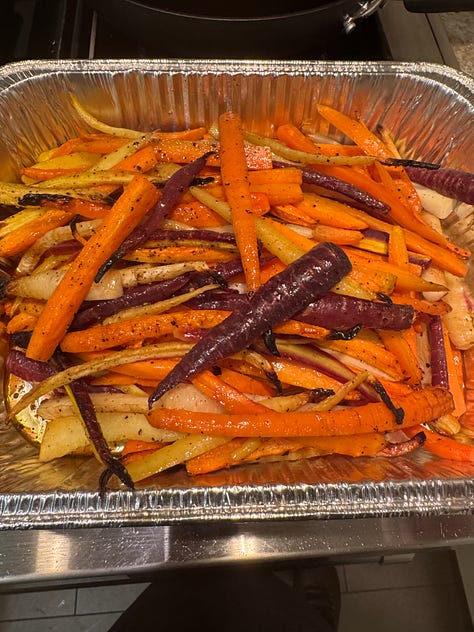
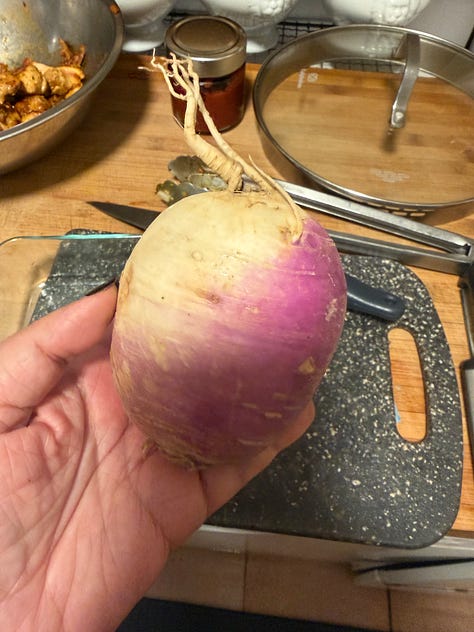

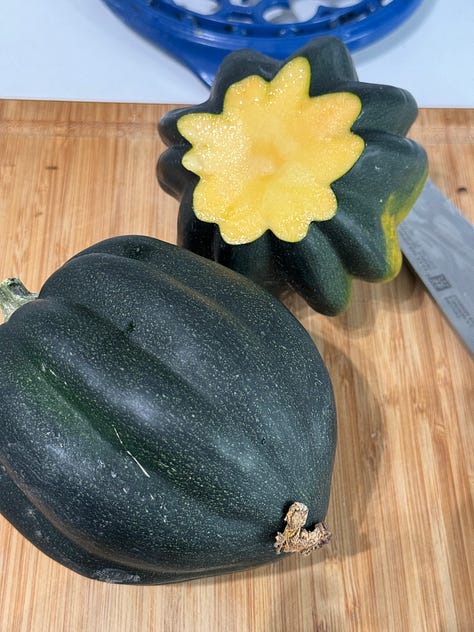
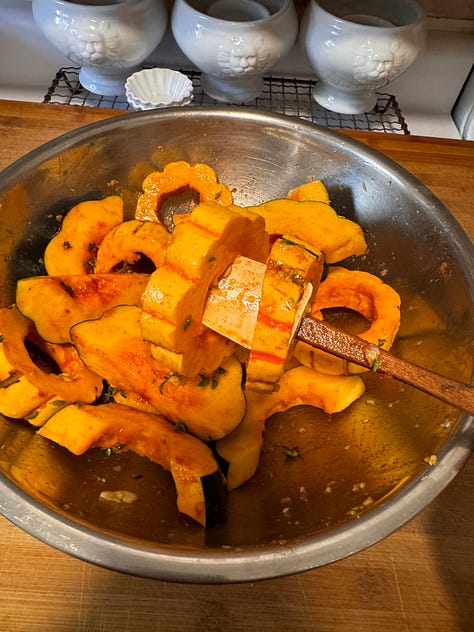
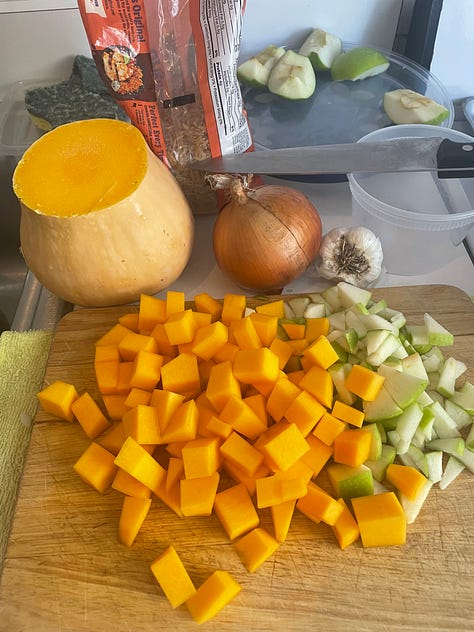
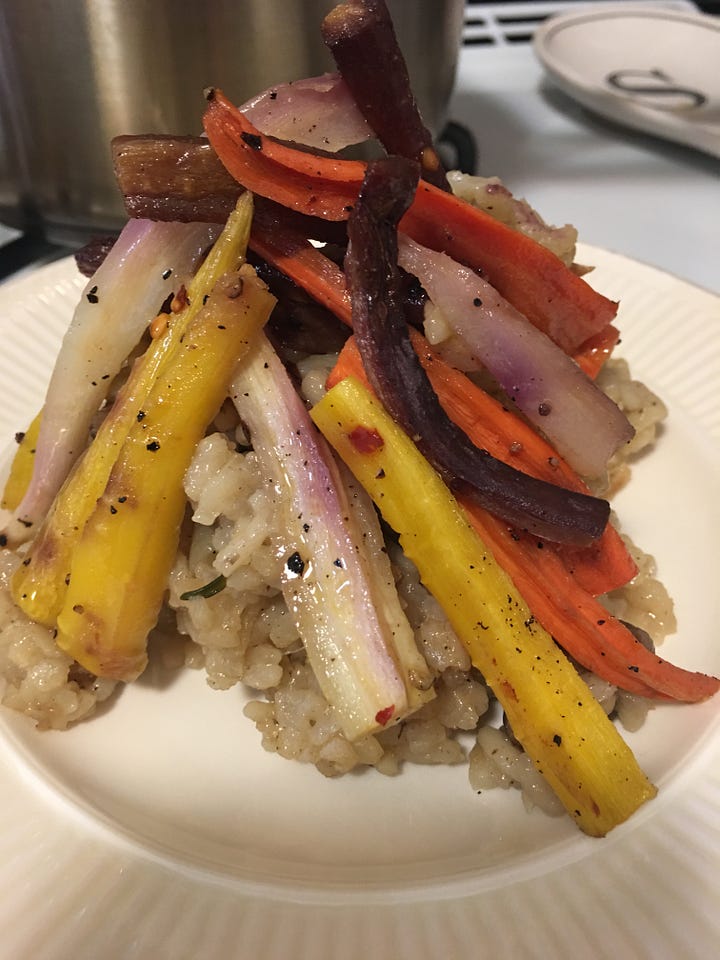
One of the simplest ways to eat in sync with the season is to cook with what is most available. In winter, that often means root vegetables—squash, carrots, sweet potatoes, beets, parsnips. They are abundant for a reason. Foods that thrive in a season tend to support the body best during that time.
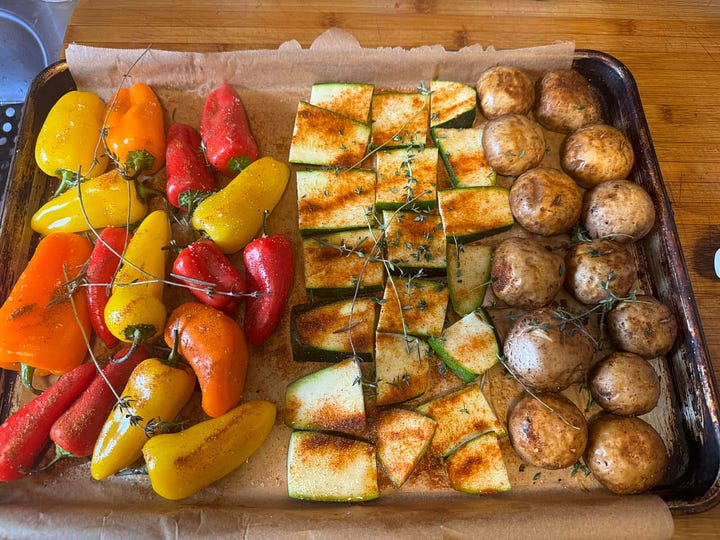
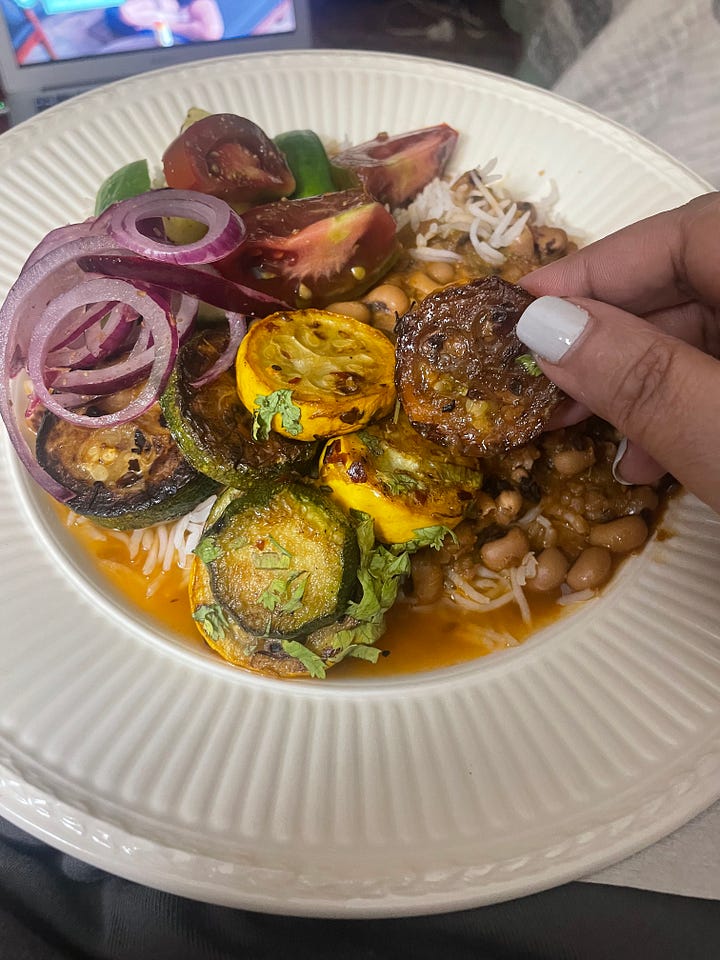
A salad becomes a roasted vegetable bowl.
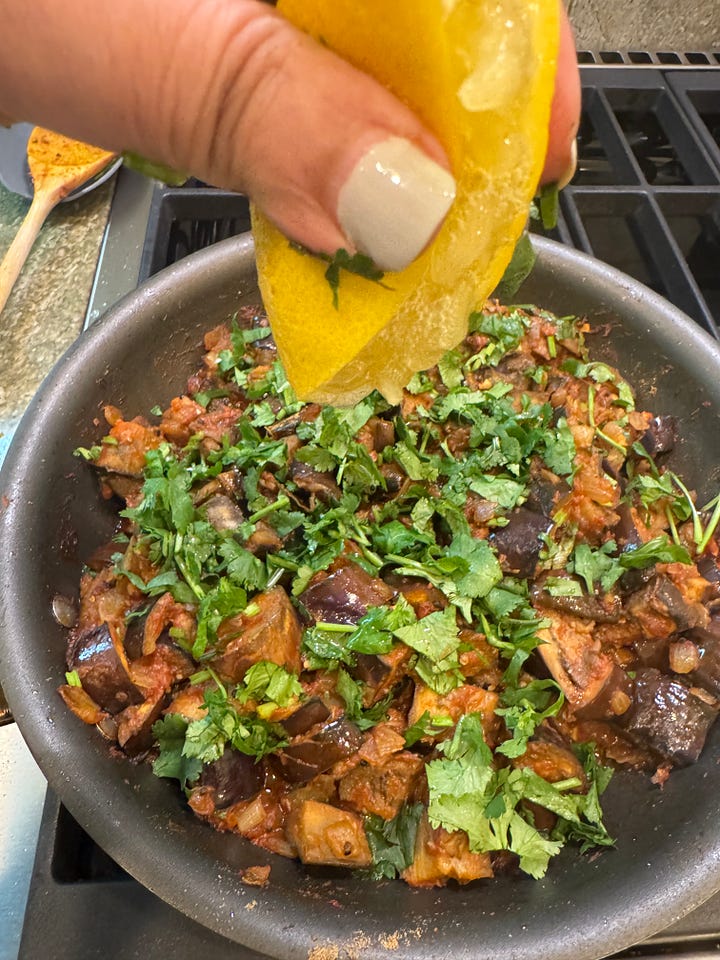
Raw vegetable crudités become lightly sautéed or roasted vegetables with herbs and a squeeze of lemon.
Dry toast becomes toast with butter, olive oil, or ghee, sometimes with a drizzle of honey.
An iced smoothie becomes a warm porridge or cooked fruit compote seasoned with cinnamon or ginger.
Winter digestion responds better to consistency than novelty. Repeating meals that work is often more supportive than chasing variety. This is also rarely the time to undereat. Skipping meals or relying on very light foods can aggravate fatigue, bloating, restlessness, and a sense of feeling ungrounded.
A cold smoothie that feels refreshing in summer may feel unsettling in winter.
A salad that digests easily in July may suddenly lead to bloating in January.
Soup that feels too heavy in August can feel deeply satisfying in November.
There are a few other simple ways to support digestion during winter without overhauling your meals. Warming spices can support digestion consistently.
Many people do well with ginger, cumin, coriander, cinnamon, black pepper, and fennel. You do not need elaborate recipes. A small amount added to soups, grains, roasted vegetables, or simple teas is often enough.
Hydration also deserves attention in winter. Indoor heat, dry air, and a muted sense of thirst can sometimes lead to dehydration, which affects digestion more than we realize. Sipping warm water or simple herbal teas throughout the day supports hydration in a way the body can receive more easily.
Phase Four offered a way of understanding digestion within seasonal context. When season is accounted for, food often feels simpler and more intuitive. As the seasons shift, digestion will shift with them. This phase gave you a lens you can carry forward, so you can respond without overthinking, forcing, or second-guessing yourself.
Phase Five is where everything comes together. It’s about integrating these layers so eating feels intuitive, flexible, and workable in real life.
What about seasonal eating feels hardest to figure out right now? Your questions help shape what I create next. Also, if you know someone who often feels confused about how to eat through the changing seasons, sharing this with them might help.
Thanks for reading. Please “heart” this post, ask me a question, add to the conversation, or add your perspective to the conversation.

Links to previous phases, as promised:
Comments
Nothing yet. Say the first thing.
Sign in to join the conversation.