
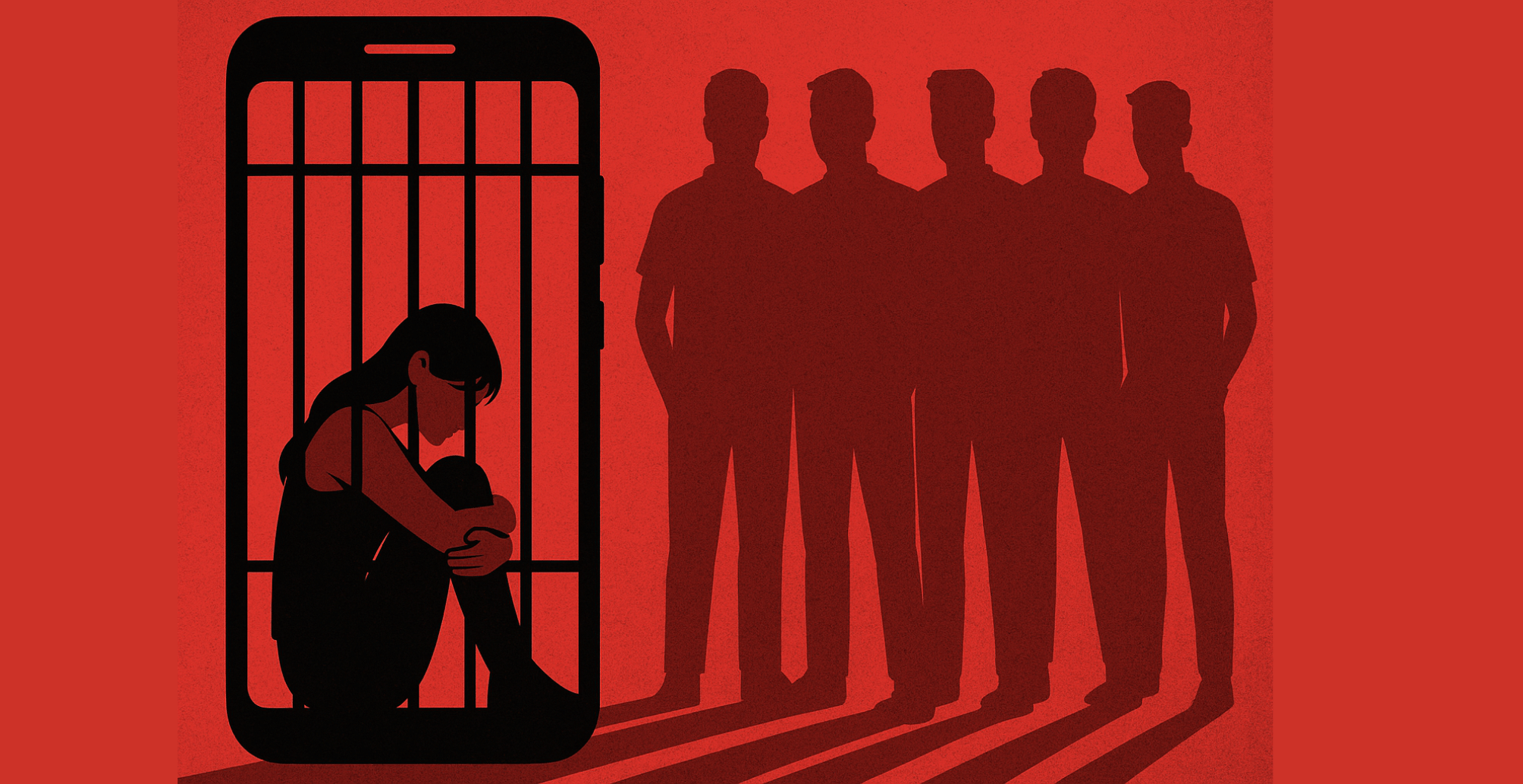
We’ve talked about boys, algorithms, and the “alpha” myth. Needed conversations. But here’s the part we can’t miss: Gen Z girls are living with the fallout every day—in classrooms, group chats, DMs, and comment sections. When misogynist talking points go mainstream, girls and young women become the test case for whether our culture still believes they count.
We talked about how the manosphere is a web of influencers, forums, subreddits, and “self-help” channels that repackage old misogyny into viral, bingeable micro-content. It’s slick. It’s familiar. It’s omnipresent. And it doesn’t stay online. Incel and allied communities often display anger and nihilism; many advocate violence toward women that can bleed into mainstream feeds, shaping how girls are spoken to and about by their peers.
If you think this is just boys’ content, look at the spillover in schools. In the U.S., manosphere influencers like Andrew Tate and podcast hosts on YouTube and TikTok are shaping how young men interact with their peers. Teachers and parents describe boys repeating influencer catchphrases in class, dismissing feminism, and ridiculing female classmates. Surveys from the U.S. Department of Education confirm that sexual harassment and sex-based bullying are widespread in K–12 schools, reinforcing what girls already report about their everyday environments. The behaviors—sexualized comments, demeaning “jokes,” refusals to respect women’s authority—reshape girls’ learning spaces, whether or not the harassment is formally reported.
Let’s be blunt; recommendation systems, especially on short-video apps, reward the provocative, and misogyny is engineered to be provocative. In the U.S., students and researchers alike note how TikTok and YouTube funnel young men toward manosphere creators—an endless stream of “alpha male” coaching and anti-feminist grievance content. What starts as fitness or hustle advice quickly shifts into hostility toward women. Studies show that this “self-help” framing functions as an entry point into the manosphere; when men perceive women’s progress as a threat, they become more susceptible to radicalized, misogynistic messages. In short, manosphere spaces have grown more extreme over time. Content has morphed from older men’s rights activists and pick-up artists toward incels and Men Going Their Own Way, often overlapping with far-right content.
For Gen Z girls, that pipeline shows up as ambient hostility: casual slurs under a TikTok, “rate-her” threads, dog-whistled “jokes” about consent, pressure to “prove” you’re not a “pick me” or “feminazi.” The content isn’t always a direct attack; it’s a steady normalization of contempt.
When girls talk about their everyday internet, they describe constant triage: lock accounts, turn off comments, stop posting opinions, change the way you dress in photos, or avoid certain boys at school because of what they repeat from TikTok…
Comments
Nothing yet. Say the first thing.
Sign in to join the conversation.