
by Leah Martin
Corvidae Co-op exists today because of sheer grit and resilience. Allied8, our co-developer Frolic Community and our project partners persevered despite the project nearly dying twice along its 7-year path and in the face of countless warnings that we would fail, it was too risky, or we were crazy. It was an existential journey to say the least. We are often asked if it was worth it and the answer is a resounding YES!
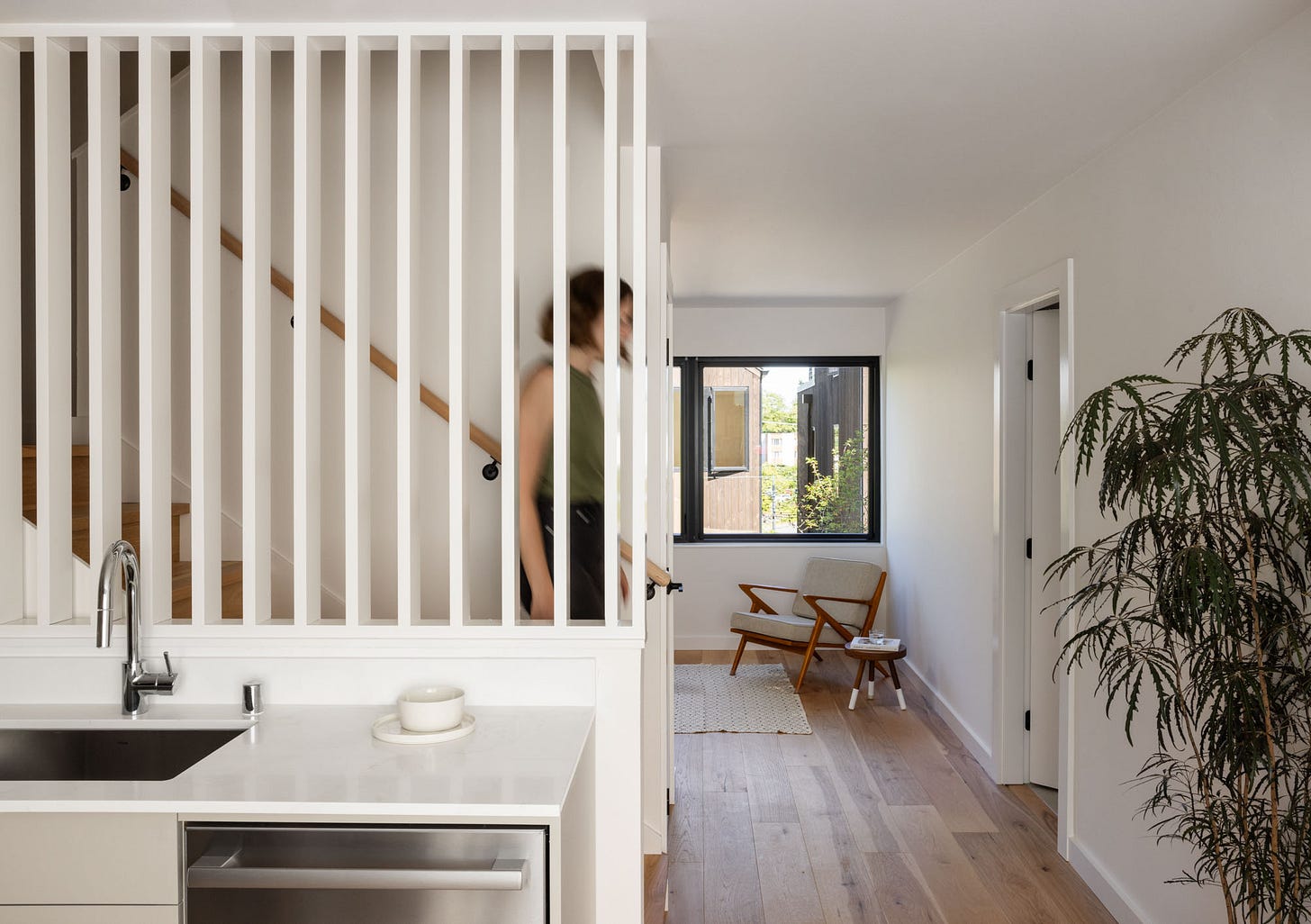
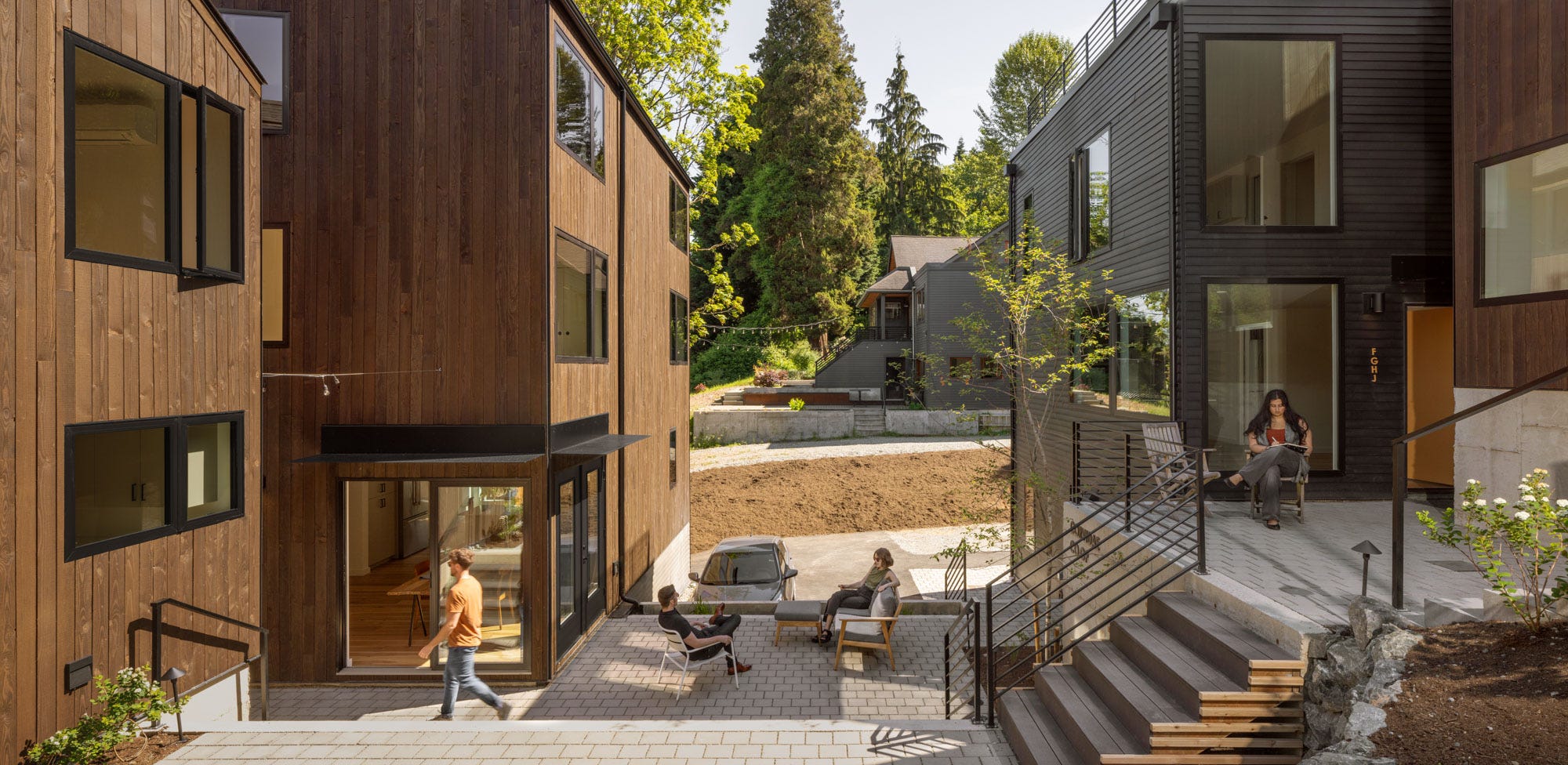
Corvidae Co-op is a 10-household limited-equity cooperative and co-housing project developed in a single-family zone in Seattle. The project was conceived as a response to the city’s housing affordability crisis and aimed to create an example of how to develop community-oriented affordable homeownership for low- and moderate-income households at a small scale.
The reason it is such an important project is not just because we stabilized 10 households in homeownership but because we paid close attention to all the hurdles we encountered along the way so that we could create an inventory of the issues to advocate for meaningful policy change. Changing policy is the best way to ensure innovative housing models could break through our city’s regulatory quagmire.
Despite its modest scale and social mission, Corvidae was treated by city agencies as if it were a large-scale commercial development. The project faced extensive permitting requirements, infrastructure mandates, and bureaucratic inefficiencies that significantly increased cost and timeline. It also faced lending hurdles that twice seemed insurmountable and threatened the future of the project.
Key Challenges:
Policy Gaps:
Corvidae is in a single-family zone. Single-family zoning (NR in Seattle) was born out of racist practices in the early 20th century and is considered exclusionary zoning still today because single family zones constitute 80% of Seattle’s land mass yet only one principal residence can be built on each single-family parcel. That means single family zones cannot meaningfully contribute to Seattle’s affordable housing stock. Side note: We recommend expanding Mandatory Housing Affordability (MHA) Fees to include single-family zones so the MHA fee burden can be equalized per unit, across all projects throughout the city.Infrastructure Burdens:
We were required to build a public road, nearly 400’ of new 8” water main, and a fire hydrant totaling $800,000, $600,000 in hard construction costs plus $200,000 in permitting and consulting fees. We paid for and built this infrastructure and per city policy when it was complete, we then handed it over to the city at no cost to them. If we’re lucky we’ll recuperate roughly $200,000 but only if other developers develop the land around us within the next 17 years.Permitting and Inspection Delays:
Corvidae required over 30 permits which lead to redundant or conflicting inspections from multiple agencies (SDOT, SPU, SCL, SDCI). Delays were caused by inconsistent interpretations of the code. There were utility permits opened by city agencies that we were never informed of, that ultimately delayed occupancy without notice.Utility and Service Dysfunction:
SDOT, SPU and SCL created countless delays, made accounting errors and double billed invoices, and frequently miscommunicated with our project team. USPS failed to deliver timely service, leaving residents without mail for months.Appraisal Failures:
Appraisers undervalued the project due to lack of comparable co-op/co-housing models. One appraisal valued the entire project at $1.3 million rather than the $5M it is worth. $1M is less than the cost of infrastructure alone. National lenders refused to underwrite the project due to its non-traditional configuration and use.
What We Advocate For:
Scaled Permitting Requirements:
OPCD, SDCI, SPU, SCL and SDOT need to introduce a tiered system that distinguishes between small, mid-size, and large developments so regulation is commensurate with project scale. Create a Small Project Track within city permitting systems to reduce fees and timelines for projects under 12 units. Establish a citywide affordable housing ombudsperson to assist developers in navigating regulations.Public Funding for Public Infrastructure:
Affordable housing projects should not bear the cost or construction responsibility of city-owned infrastructure. The Mayor and City Council need to prioritize this during budget negotiations this autumn. Furthermore, SPU must reform Latecomer Agreements to allow infinite reimbursement windows that also include interest for prolonged repayment.Streamlined Utility Coordination:
Centralize and coordinate utility inspections and billing to avoid delays and double charges. Additionally, codes need to mandate Utility accountability for construction and inspection delays and billing errors, which include automatic credits for missed or delayed service.Support for Co-ops, Co-housing and Affordable Homeownership:
Recognize and incentivize alternative ownership models in zoning, financing and real estate policies. This includes allowing appraisals to be based on physical value and mission-driven impact when comparables are unavailable. The real estate industry needs to expand the Multiple Listing Service and other digital portals to include affordable housing, so the sales burden does not fall solely on the affordable housing provider. Real Estate professional must work with affordable housing providers to establish a non-commission-based compensation model.
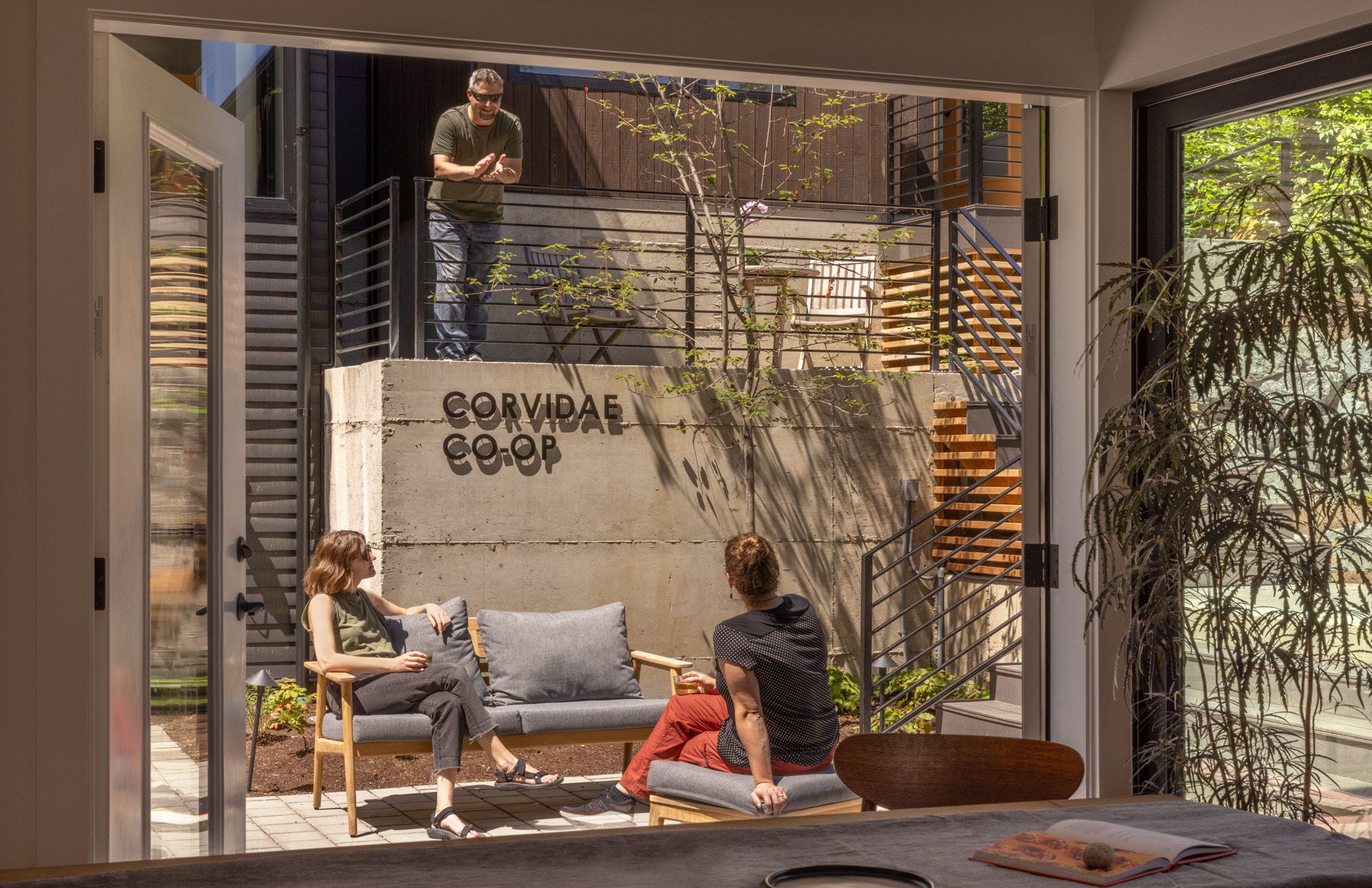
In summary, Corvidae Co-op demonstrates that small, community-driven affordable homeownership projects can offer innovative solutions to the affordability crisis, but only if the regulatory and financial systems evolve to support them. We are calling on policymakers, lenders, real estate professionals and city agencies to rethink how we define, support and most importantly value housing development in the 21st century.
To learn more about Allied8 please visit our website and watch below.
.
No posts
Comments
Nothing yet. Say the first thing.
Sign in to join the conversation.