
By Leah Martin
Seattle’s One Plan is rolling out in phases. Phase 1 for NR zones became effective on January 21st. Phase 2 for LR zones is now in city council deliberation and the draft code can be found here. Allied8 has been analyzing these codes and we can report that there is one very strong through line… the codes favor and incentivize stacked flat missing middle housing in a BIG way. On paper, this makes sense. Stacked flats are compact, efficient, and capable of delivering meaningful density in residential neighborhoods. In practice, however, there’s a problem. Builders are extremely weary of condominium liability and consequently Seattle is going to overwhelmingly see the construction of new rental apartment buildings rather than the building of stacked units for sale. Is that really what Seattle needs and wants?
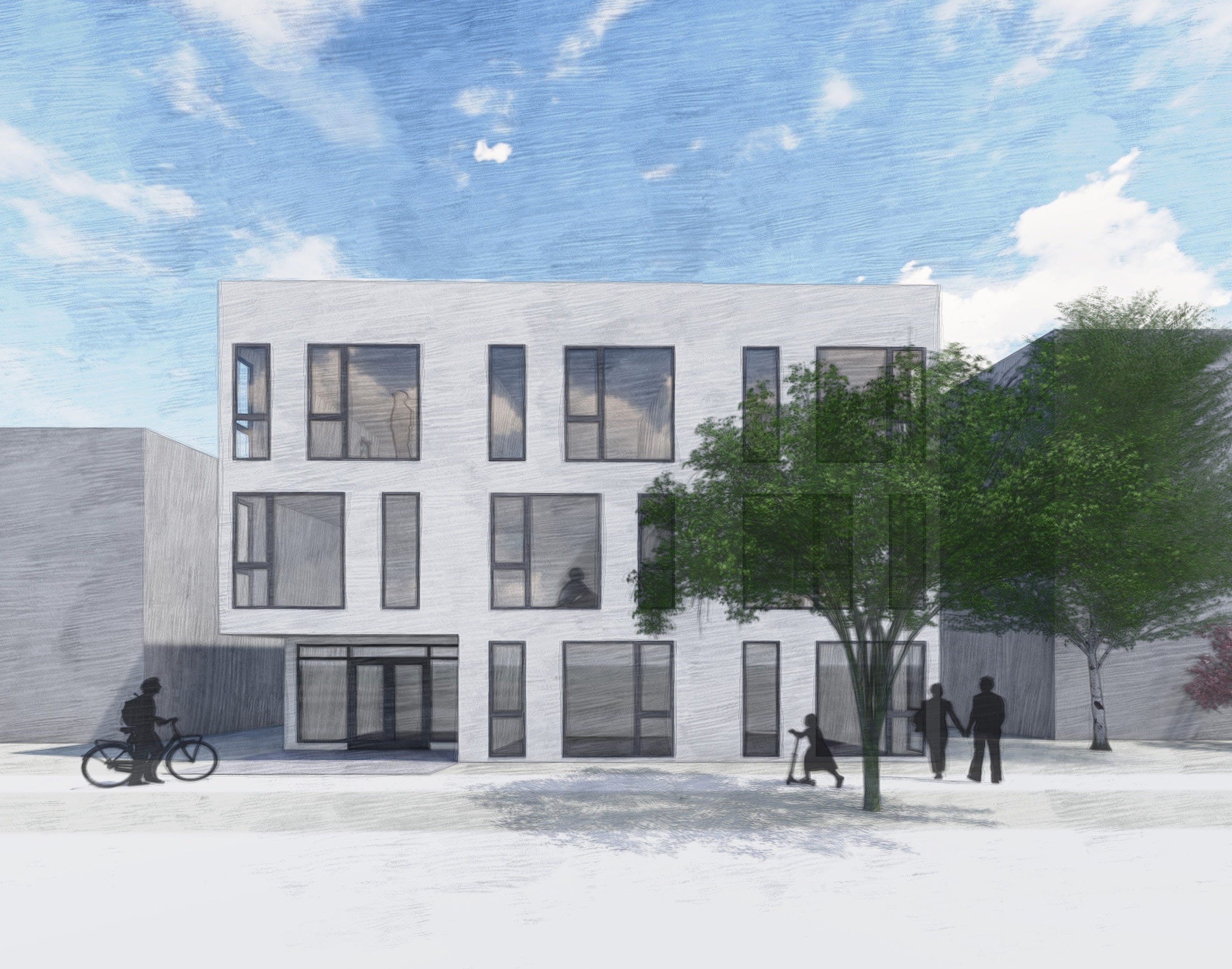
If you’ve read any of our other Substack’s you know Allied8 advocates for, designs and develops affordable homeownership projects. That’s because there is very compelling data on both the demand and supply side that suggests Seattle needs to build starter homes as feverishly as we’ve been building rental units. And before you point to the preponderance of townhomes, which are typically a for-sale product, consider that over the last year in Seattle the average townhome sold for over $800k which is not at all affordable. In addition, townhomes don’t support aging in place and don’t serve anyone with a permanent or temporary mobility issue. Stacked flat condos are a great option for starter homes that serve all communities. So how do we build them?
The good news is that things have changed since Seattle’s condominium plague of the 80s and 90s. It’s time to confront that long standing fear of the legal burden associated with building small stacked-flat condos, namely because of these 5 recent changes:
1. Washington State House Bill 1403 which became law in Washington State in 2025 and limits liability for condos that are 12 units or less and shorter than 2 or 3 stories depending on configuration and that use the 2-10 warranty program.
2. OCIP Wrap Insurance Policies have become more cost effective for smaller condos. They are comprehensive insurance policies purchased by a project owner to cover liability associated with construction defects and workers’ compensation for all contractors and subcontractors. They are less expensive than you think.
3. Building Envelope Consultants are now plentiful. They have become commonplace on most multifamily construction projects in Seattle. Plus building technology standards have improved significantly. There are small and large consulting firms offering a multitude of customizable services.
4. SPU Latecomer Agreement Program which reimburses qualifying developments that are required to build utility mains up to $1,500/LF to a maximum of $600k. Utility extensions have historically killed smaller projects. Now some small parcels that require utility extensions have a chance at being financially feasible.
5. Roots to Roofs Bonus Pilot offers more development area and height to community based organizations or housing providers that will partner with CBOs, that want to build affordable housing, and that have previously struggled to make projects pencil.
When you combine these five recent changes with the stacked flat incentives in the Seattle zoning code and the “Seattle Special” single stair code, there is an extraordinary opportunity to provide more affordable units for home buyers using stacked flat condos.
Note that I’m not factoring in the potential benefits of the proposed “multiplex” House Bill 2071. This would allow up to 6-unit projects to comply with the Washington State Residential Code (instead of the Building Code) provided the building is no more than 3 stories. Also, there is a similar effort to allow smaller stacked flat projects to fall under the Washington State Residential Energy Code rather than the commercial version. In addition HB 2304 may increase the condo liability exemption for buildings up to 4 stories. Keep your eyes peeled for potential news on these State proposals this year.
Cheat Sheet
How does this all translate to specific lot sizes in NR zones? We’ve put together this cheat sheet that synthesizes the above context and applies it to different parcel sizes in NR zones. This is not a comprehensive list, as there are infinite permutations and combinations, but it’s a great place to start.
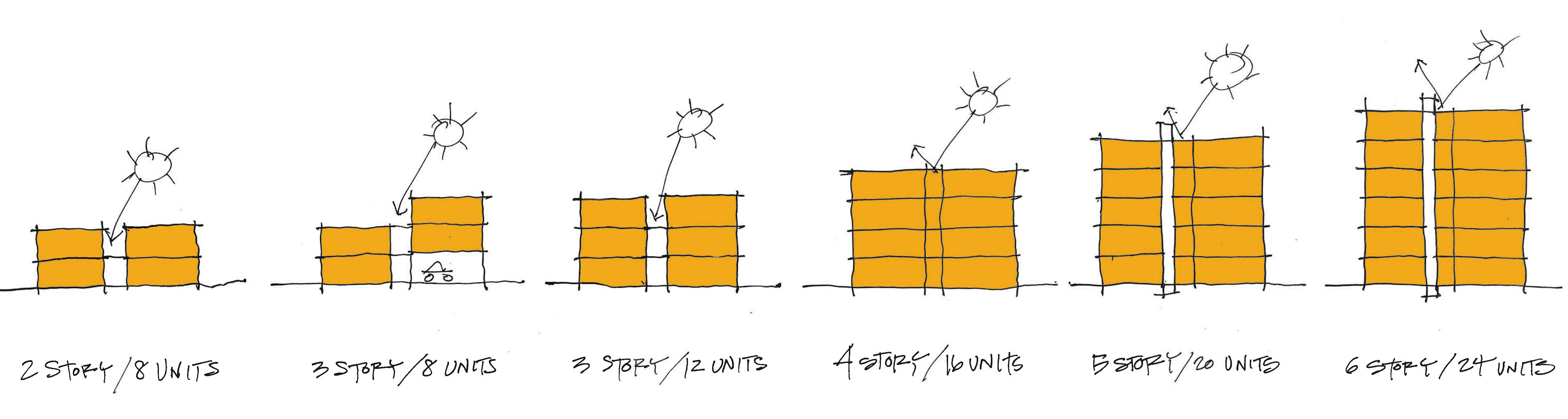
First, some general notes that apply to all configurations shown here:
Ground level units must be ADA
Sprinklers are required
When a project is subject to condo law (WUCIOA), a condo wrap insurance policy is recommended
Parking or elevators may not be required but are recommended due to marketability
*Note: Depends on proximity to schools, frequent transit, location of trees on site and presence of critical areas
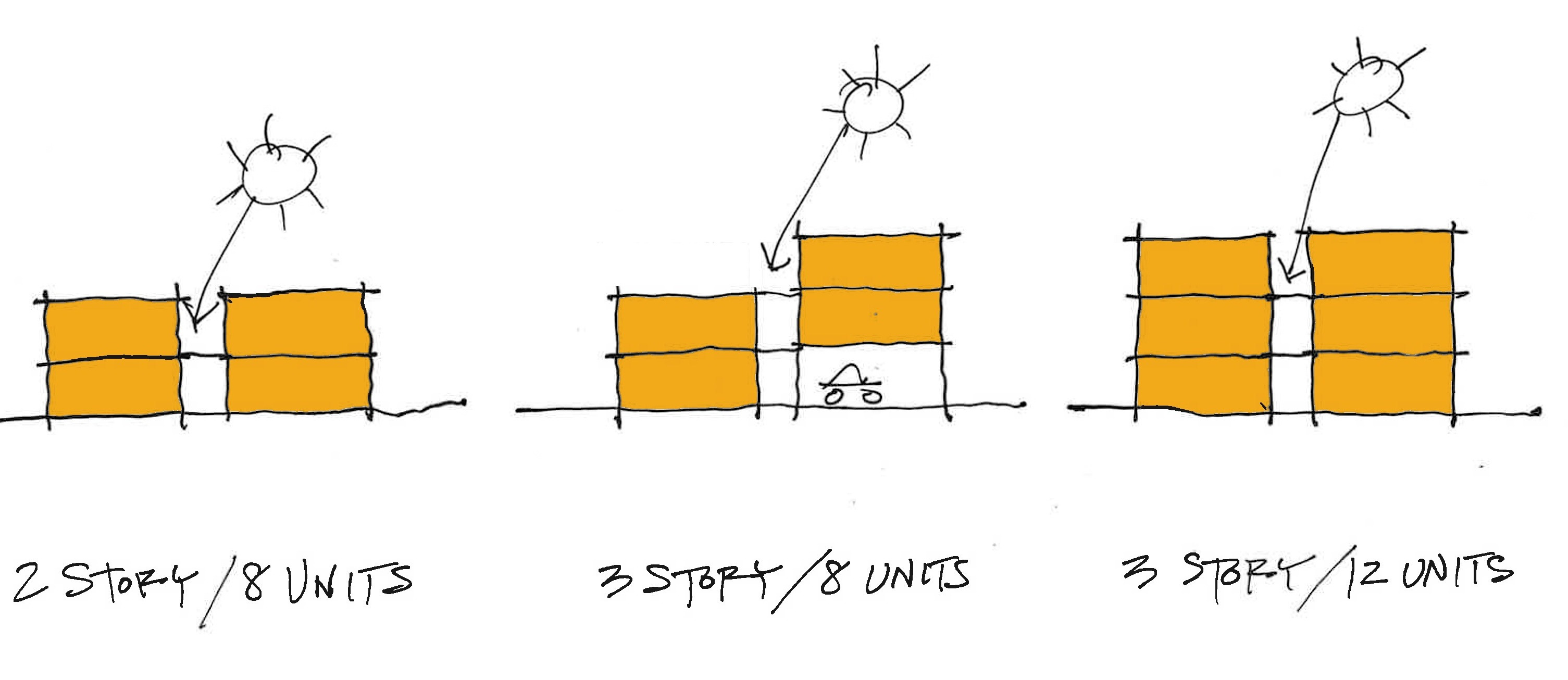
Allowed on 3,000* SF NR parcels
Exempt from State WUCIOA Condo law
Single Stair (Exterior)
3 Units per floor
Surface parking outside building footprint
May be allowed soon in the Residential Code based on draft HB 2071 “Multiplex Code”
Allowed on 4,000* SF NR parcels
Exempt from State WUCIOA Condo law
Single Stair (Exterior)
4 Units per floor
Surface parking outside building footprint
Allowed on 4,000* SF NR parcels
Exempt from State WUCIOA Condo law
Single Stair (Exterior)
4 Units per floor
Surface parking inside or outside building footprint
Allowed on 6,000* SF NR parcels
Subject to State WUCIOA Condo construction defect liability
Single Stair (Exterior)
4 Units per floor
Surface parking outside building footprint
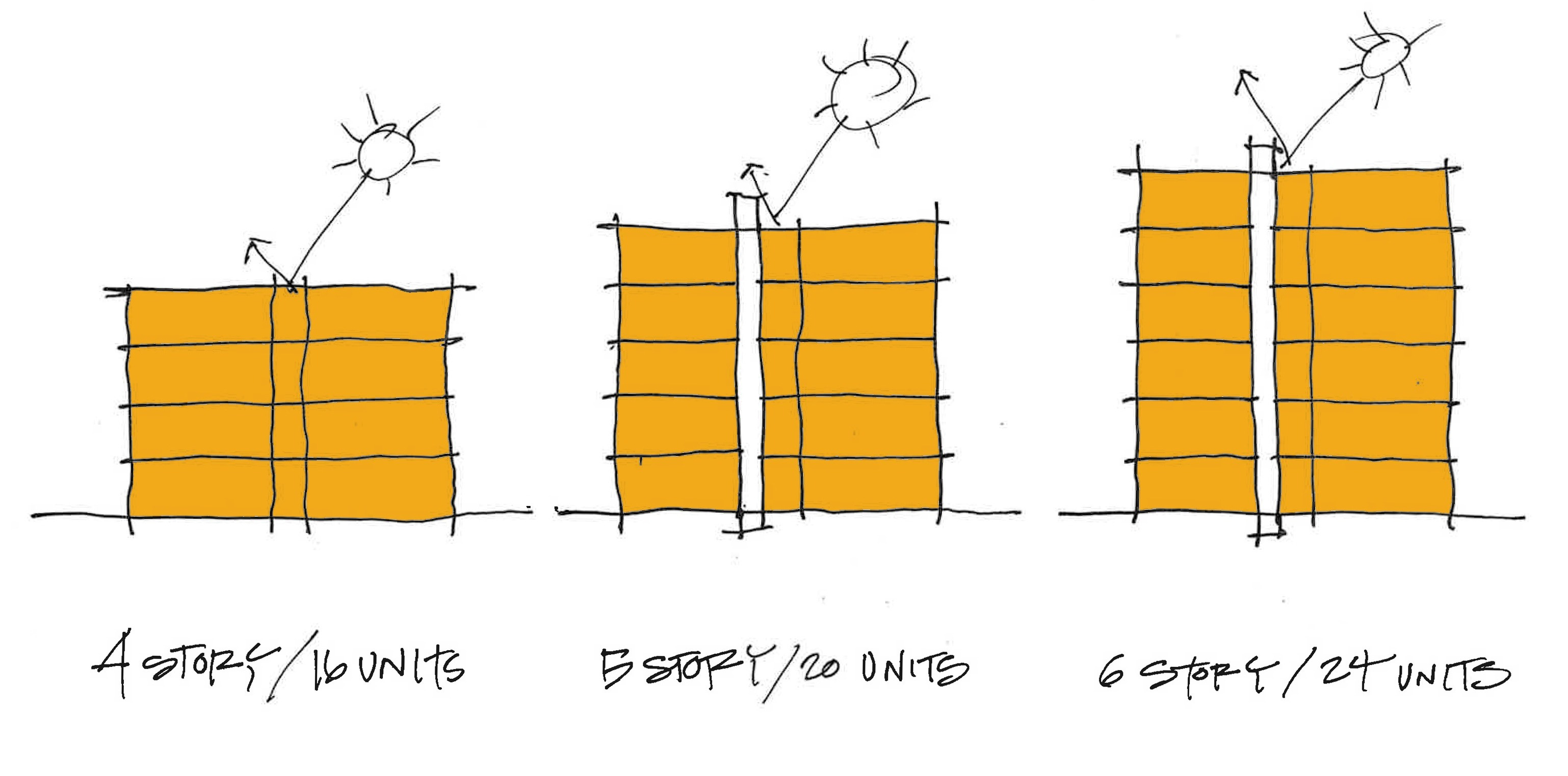
Allowed on 6,000* SF NR parcels
Subject to State WUCIOA Condo construction defect liability
Single Stair (Interior + pressurized)
3 Units per floor
Surface parking outside building footprint
May be exempt from WUCIOA if HB 2304 is passed
Allowed on 8,000* SF NR parcels
Subject to State WUCIOA Condo construction defect liability
Single Stair (Interior + pressurized)
4 Units per floor
Surface parking inside or outside building footprint
Not Allowed on NR parcels
Allowed on LR parcels
Subject to State WUCIOA Condo construction defect liability
Single Stair (Interior + pressurized)
Elevator recommended
4 Units per floor
Surface parking inside or outside building footprint
Not Allowed on NR parcels
Allowed on LR parcels
Subject to State WUCIOA Condo construction defect liability
Single Stair (Interior + pressurized)
Elevator recommended
4 Units per floor
Surface parking inside or outside building footprint
Building stacked‑flat condominiums in NR and LR zones offers a clear path to expanding missing middle affordable homeownership. Choosing to build condos instead of rentals creates accessible and affordable ownership opportunities while strengthening our communities and neighborhoods. By normalizing this housing type through best construction practices and proper insurance, we can remove the fear that has slowed their development since the 90s. New zoning codes have poised us to do it. Now it’s up to us in the built environment industry to catch up with the codes. Let’s not blow it! Who’s going to be first? Maybe us? Follow along…. And if you’re condo curious call us!
No posts
Comments
Nothing yet. Say the first thing.
Sign in to join the conversation.