
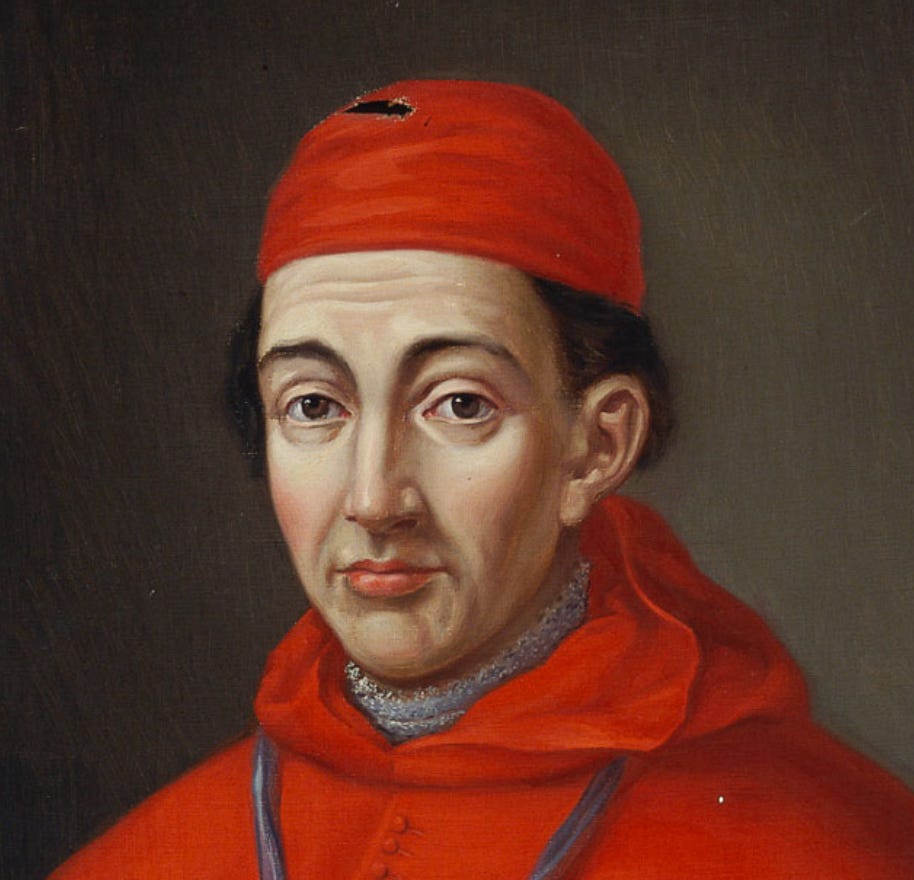
As I noted in the first article in this series, Guillem de Banyeres was made provost by the Archbishop of Tarragona, Rodrigo Tello (active in Tarragona 1288-1308). Tello himself has a very colorful history.
The earliest records we have indicate that he was Bishop of Segovia from January 5th of 1279 to October 6th of 1288. His time as bishop coincided with a time of royal upheaval. King Alfonso X, the Wise, designated his oldest son, Fernando (b.1255) as his successor. Fernando was known as De la Cerda because he had a hairy birthmark (I, for one, am glad that modern last names do not follow such practices!). In 1266, when Fernando was ten years old, Alfonso arranged for his son to be married to Blanca, the daughter of Louis IX of France, who was three years his senior. Due to the youth of the participants, the wedding was not celebrated until 1269 in a large and glittering event. (I imagine that Rodrigo Tello, perhaps a young prelate at the time, was present at this wedding). Once he was married, Alfonso knighted him and Fernando in turn knighted two of his brothers, though his youngest brother, Sancho, refused to be knighted by him, a foreshadowing of trouble to come.
Alfonso took great care in training his successor for kingship, giving him governmental assignments and military assignments. Fernando seems to have performed well and was soon taking on government roles and military assignments whenever his father needed him to. He also fathered two sons of his own, who as a pair were known as the Infantes de la Cerda. Fernando was away from home leading troops when he suddenly took ill. He made a will stating that his sons should be his heirs and died. His younger brother Sancho moved quickly to claim the throne. His father at first defended the royal rights of his grandsons but needed an adult to help him defend his kingdom from a Marinid invasion from Morocco, so he eventually capitulated. Alfonso’s wife, Violante defended her grandson’s royal rights. To protect them she fled to Aragon with them in 1277, where her brother was king. Rodrigo Tello, abbot of Cervato, in the diocesis of Burgos, aided them in their flight. He was made Bishop of Segovia in 1279. Sancho rebelled against his father in 1282; Tello maintained his support for the rightful heirs. Alfonso X died in 1284. Now king, Sancho IV exiled all the ecclesiasticals who opposed his rule to France, including Tello. The French king negotiated their return in 1288, but Tello was saved from that indignity when Pope Nicolas IV made him Archbishop of Tarragona (then part of the kingdom of Aragon and ruled by Alfonso III) with the condition that he stay out of politics. The royalty of Aragon must have held Tello in high regard, as he crowned Jaime II when his father died.
As a new Archbishop Tello dedicated himself to the religious aspects of his job, especially structural improvements to the cathedral. He bought a house that stood between his residence and the Cathedral and razed it, creating a more open path, among other improvements. Not all of his effort toward improvement were welcome: the Wikipedia page on the town of Selva del Camp notes: “In 1305 , a group of towns protesting against Archbishop Rodrigo de Tello , who wanted to make the towns pay 2/5 of the cost of rebuilding the walls of Tarragona and improving the open roads, met in La Selva to present an appeal to the king. A lawsuit was initiated and the claimants met several times in La Selva, possibly because it was a place equidistant from most of the affected municipalities, and this town thus became the headquarters and regular meeting place of the nascent Commune of the Camp .”
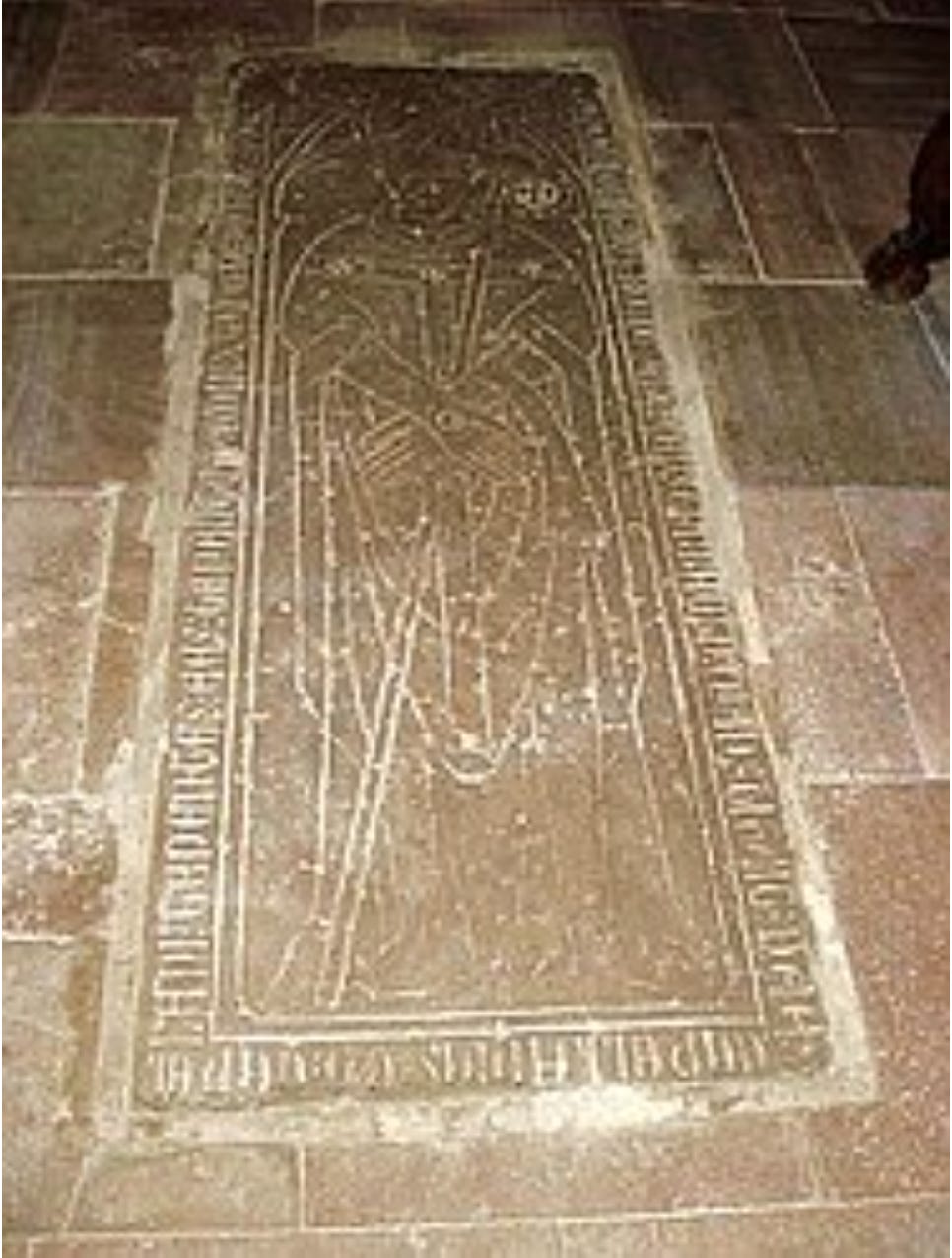
Tello funded two chaplaincies and held four synods. He used diplomacy to help resolve various disputes from the surrounding areas. He died in 1308 and is buried in the Tarragona Cathedral.
According to the Roman Circus Museum card description, he made Guillem de Banyeres into a provost, but there is a mismatch in dates here, as Banyeres become provost in 1277 and Tello did not become archbishop until 1288.
Regardless, there is much more to that story! Come back next week to find out all about Banyeres!
No posts
Comments
Nothing yet. Say the first thing.
Sign in to join the conversation.