

In 1999, two archaeologists dug into the Russian steppe and what they found left them puzzled. They unearthed the bones of at least 51 dogs and seven wolves.
All of these animals had been skinned, dismembered, burned, and chopped with an axe. Someone had roasted the meat and chopped the skulls into neat, uniform pieces. To quote Heather Pringle from National Geographic, the butcher had worked in a precise, standardised way, chopping the dog’s snouts into three pieces and their skulls into geometrically shaped fragments just an inch or so in size. (Heather Pringle, National Geographic) “It was very strange”, said Anthony, the archaeologist.
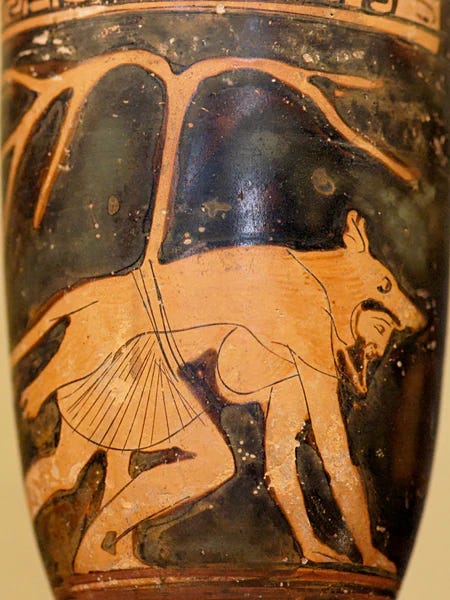
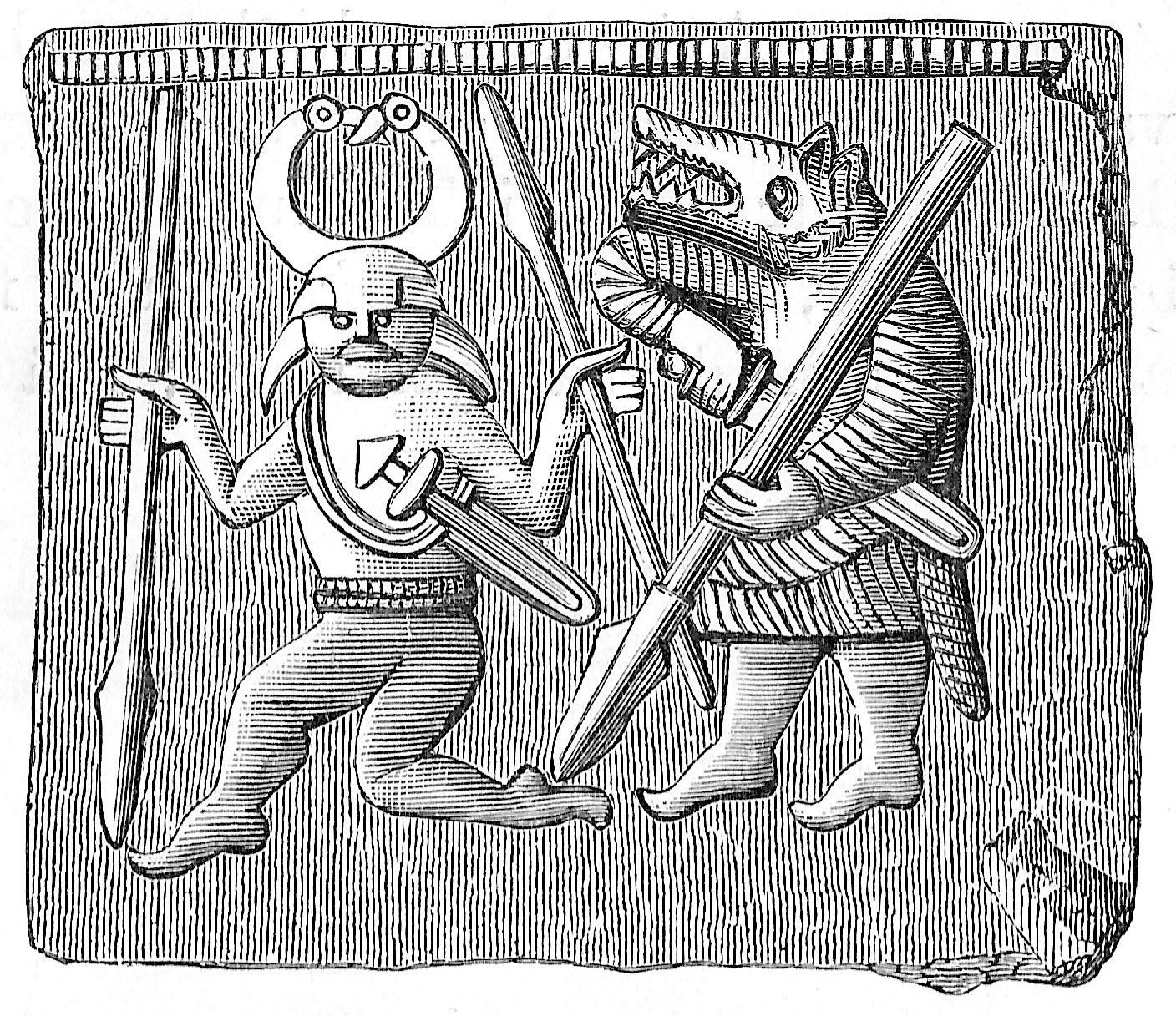
This was not standard butchery. This was a coming of age ritual. Around 3,900 years ago, teenage boys travelled to this remote camp to eat dog flesh and symbolically transform into wolves. (David Anthony and Dorcas Brown, Journal of Anthropological Archaeology, 2017) Linguists and historians call this group the Koryos. This was a formalised band of landless younger brothers. They lived on the margins, raiding local towns, stealing cattle, and conquering new territory.
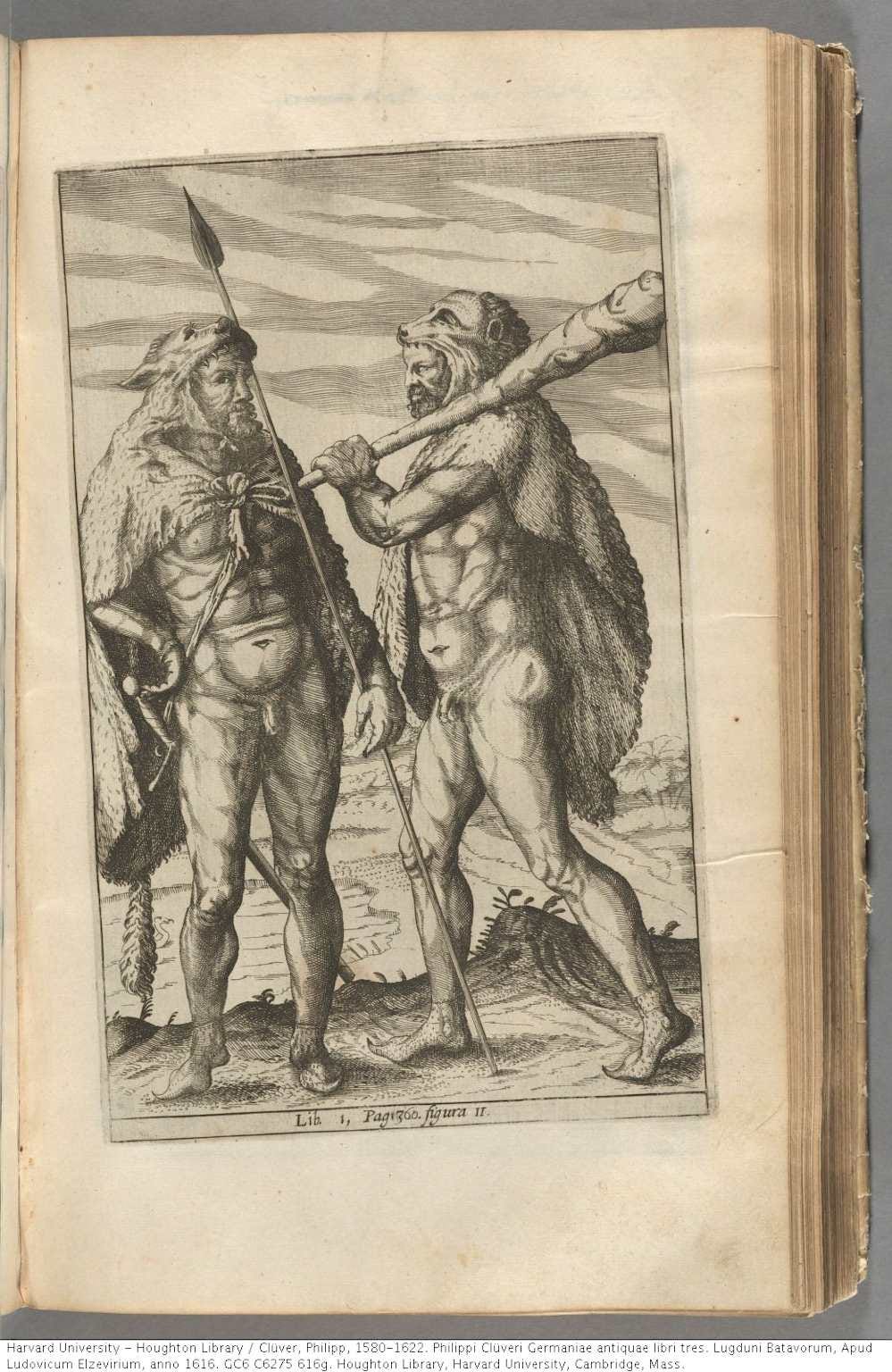
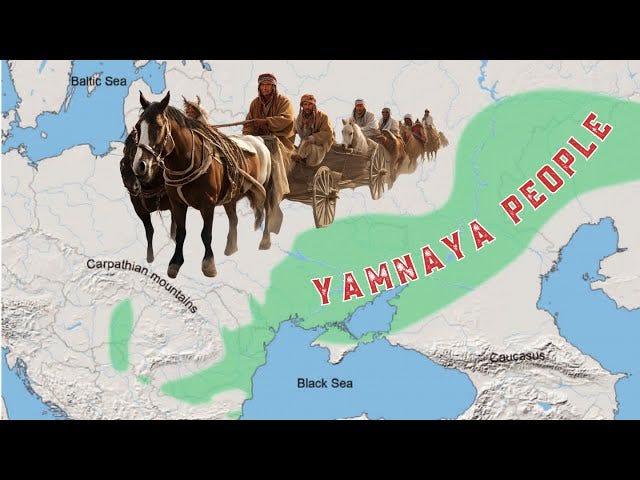
These warrior bands belong to an expanding population of livestock herders that archaeologists refer to as the Yamnaya culture.
The Yamnaya culture are a historical anomaly. Most human populations at this time expanded by moving a few miles every generation because they needed to clear patches of forest for more crops. The Yamnaya did not do that. They functioned as a mobile, continent-scale engine of human displacement. And I want to talk about just how predatory and strange this expansion actually was. The Yamnaya engineered a system designed entirely for long-distance territorial takeover. They combined heavy wheeled wagons with horses, turning thousands of miles of open grassland into a launch pad for continuous raiding. (Wolfgang Haak et al., Nature)
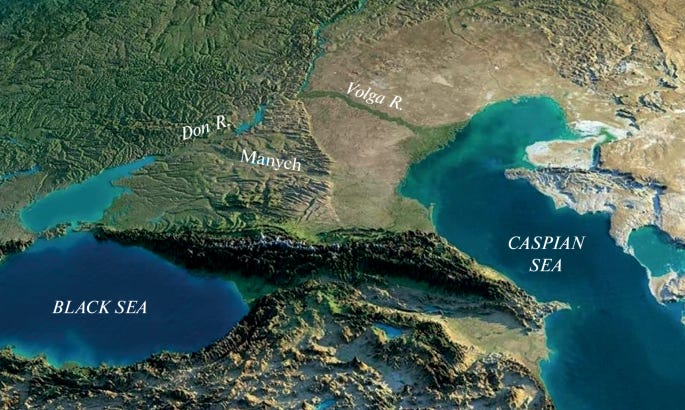
For decades, the precise origin of this massive demographic expansion was a blank space in the historical record. In February 2025, scientists tested the DNA of more than 400 ancient skeletons found at these sites to find out where they came from. (Iosif Lazaridis, Nick Patterson, David Anthony, David Reich et al. Nature) And every single Yamnaya individual sampled traced their lineage back to a tiny group of herding families living in a single river valley between the Caucasus Mountains and the Volga River. The original group was small. It consisted of only a few thousand herders. But between 3,642 BC and 3,374 BC, which is only about 260 years, the population exploded abruptly and expanded rapidly. (Lazaridis et al., Nature)
Just a few generations, this one small group of animal herders had expanded from the Atlantic coast of Ireland all the way to the mountains of western China. In what is now Germany, they replaced 75% of the living population. (Wolfgang Haak et al., Nature) In Britain, 90% of the local gene pool was completely erased. (Iñigo Olalde et al., Nature) The people who built Stonehenge were basically genocided by the Yamnaya.
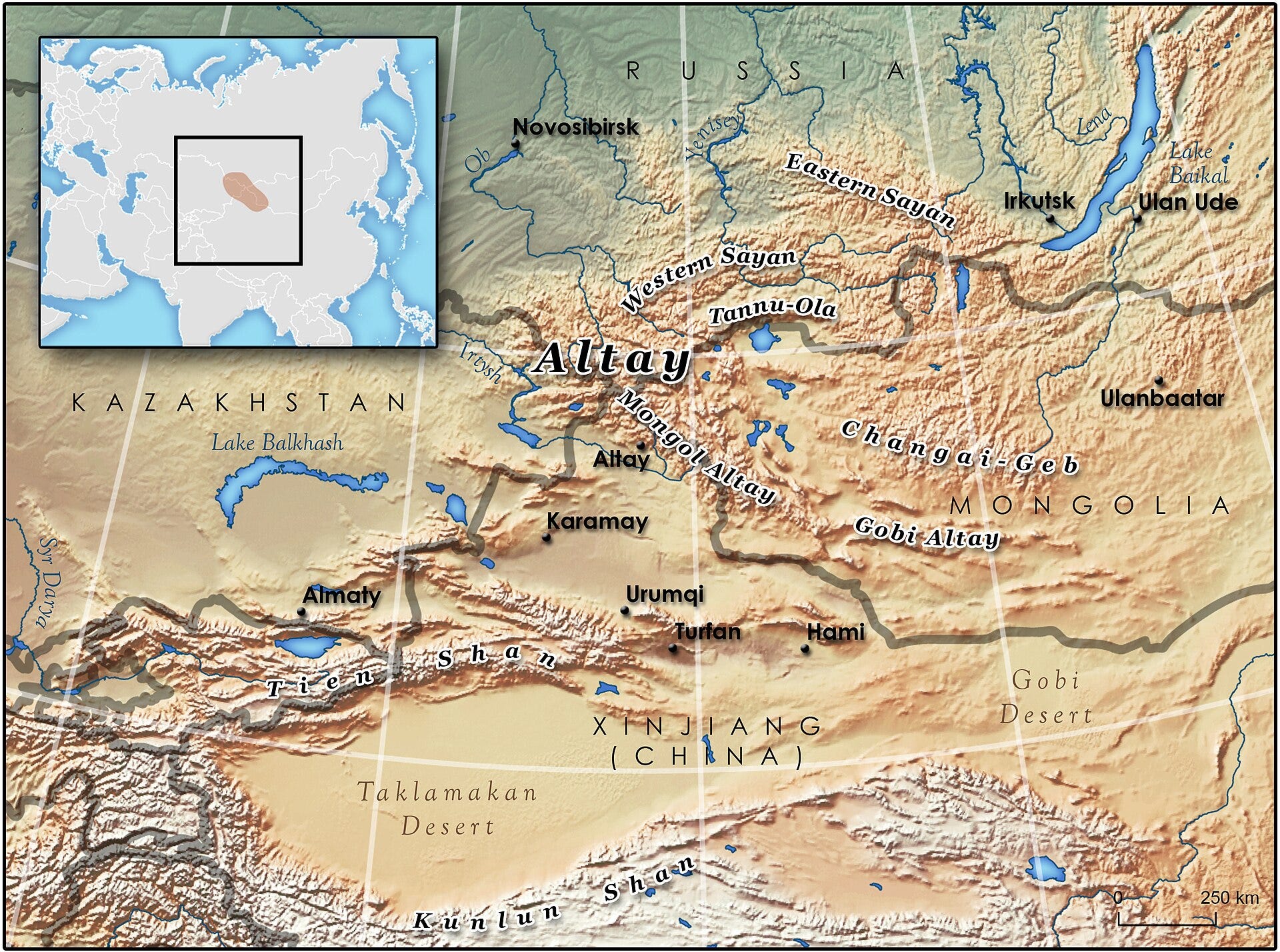
And in the east, the exact same genetic signature appeared in the Altai Mountains of Siberia. Even skeletons found at the Shirenzigou site in northeastern Xinjiang, China carry up to 80% of this steppe DNA. (Zhao et al. Science e-Publishing) This single population completely altered the human landscape of the entire Eurasian continent.
The Yamnaya structured their families around strict male dominance and to keep their properties intact at home, they made a deliberate choice. They sent their excess young men outwards into the world with a licence to capture land, livestock and resources from everybody else. This single river valley population produced a social system that within 250 years had systematically wiped out the rest of the population of Europe. (Haak et al., Nature)
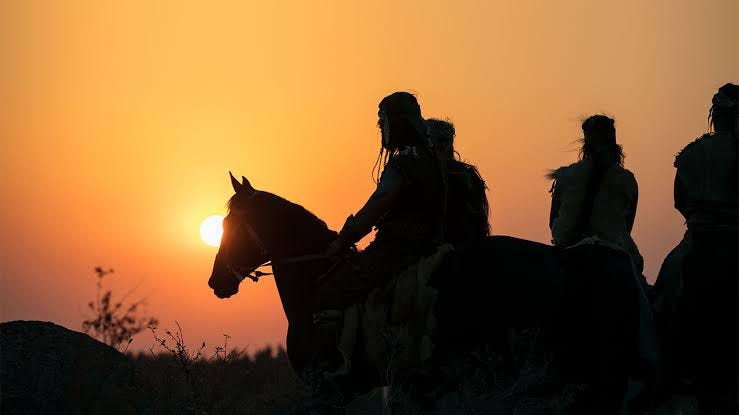
When these young warrior bands left their home valley, they moved with immense speed. They did not travel as a slow family unit looking for empty farmland. They travelled on horseback with weapons with instructions to raid and claim more livestock and territory for the group. This migration was heavily male. Genetics analysed specific inherited chromosomes to calculate the ratio of men to women during this expansion. They found roughly 10 migrating males for every one migrating female. (Amy Goldberg et al. PNAS) This was a rolling multigenerational wave of young men taking local women and establishing a new ruling class. These men left their own women behind and travelled as military units. These men would then take women from the farming villages that they encountered along the way. On the ground this looks like a multigenerational campaign of lethal force.
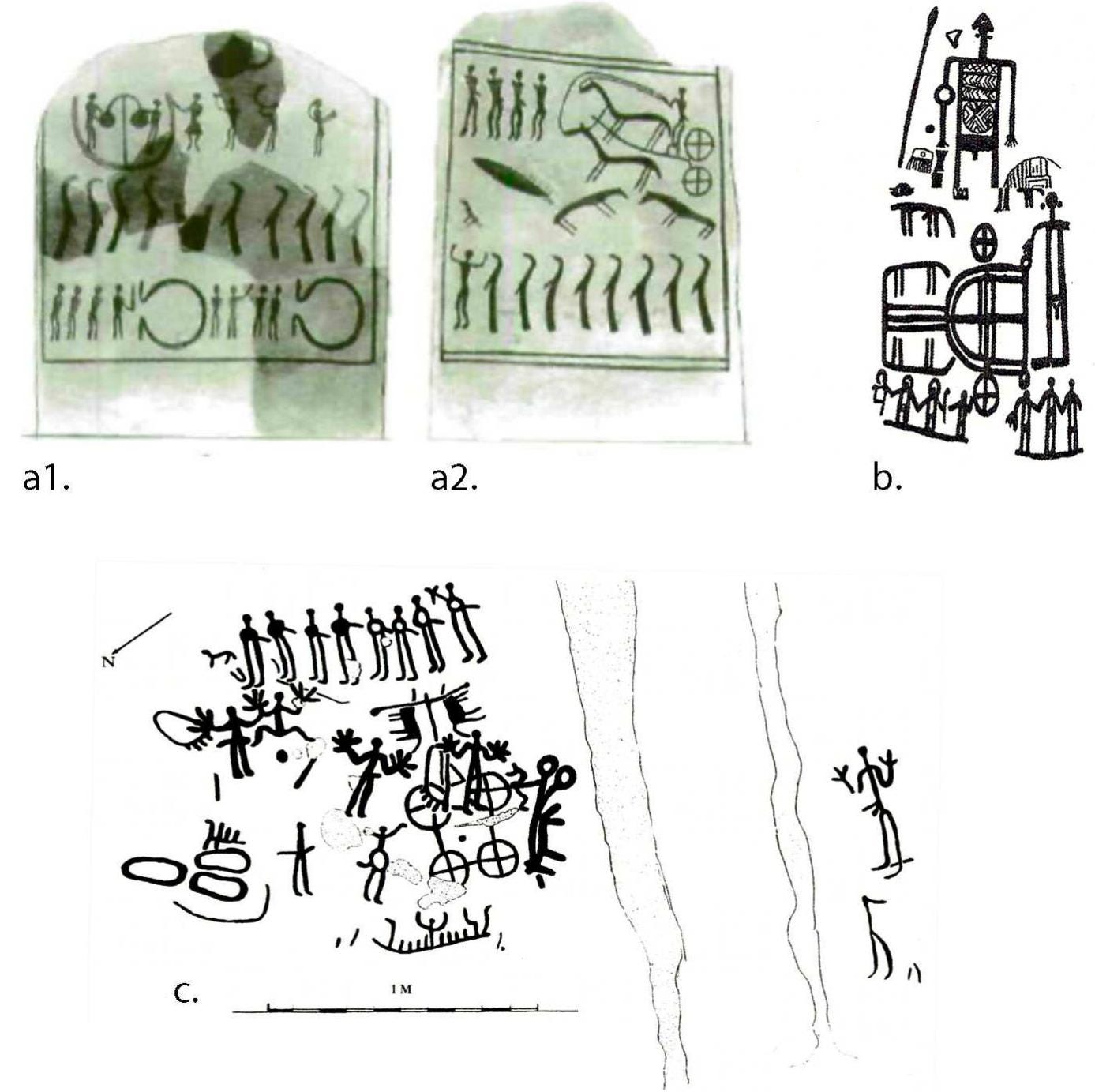
Waves and waves of these incoming warrior bands entirely eliminating the local men. We can actually see proof of this violence in the bones of the children born right after an invasion. Human males pass down their Y chromosomes directly from father to son. After the steppe men arrived, the local European male genetic line completely collapses. They were effectively discontinued. The local female genetic line survives, but the data shows they were now having children only with the invaders. This was not a choice by the local women. (David Reich Proceedings of the American Philosophical Society)
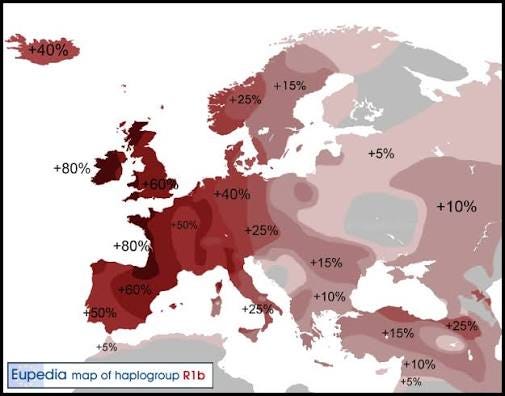
Every new generation carries the DNA of the steppe raiders and had this elite male marker, R1b. And the highest concentration of this R1b genetic marker sits exactly where the expansion ran out of land. The Atlantic edge of Europe. In Ireland, over 90% of all living men carry the R1b haplogroup. It exceeds 80% in the Scottish Highlands, 70% in southern England, and between 60 and 70% across the Iberian Peninsula in Spain and Portugal. (Wikipedia, citing Underhill et al. and Busby et al.)
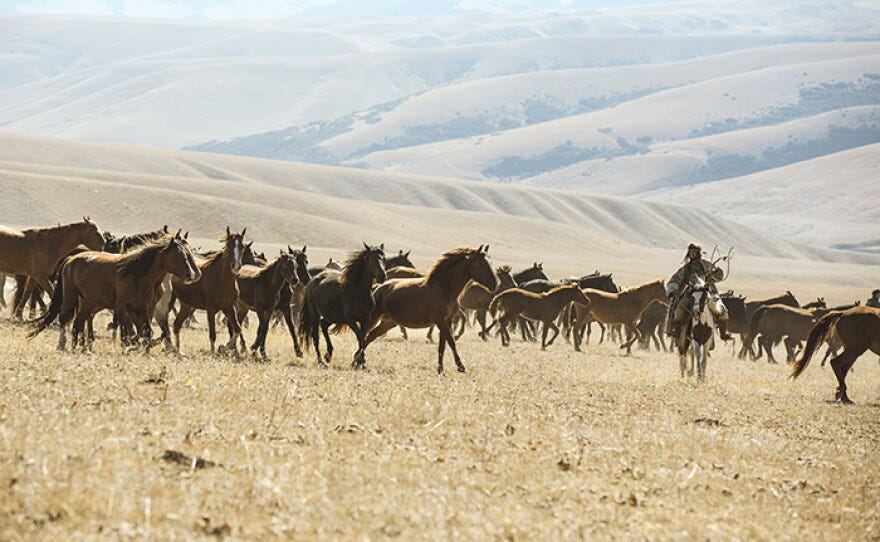
This was not a single battle or war. It was not an empire. It was not really conquest. Well it was, but not structured conquest. It was a social technology that was driving conquest behaviour. This was a rolling, permanent system of predatory extraction that lasted for centuries. Armed young men kept arriving from the grasslands in waves, killing the local fathers, taking the land, and establishing themselves as the new ruling class over the surviving women.
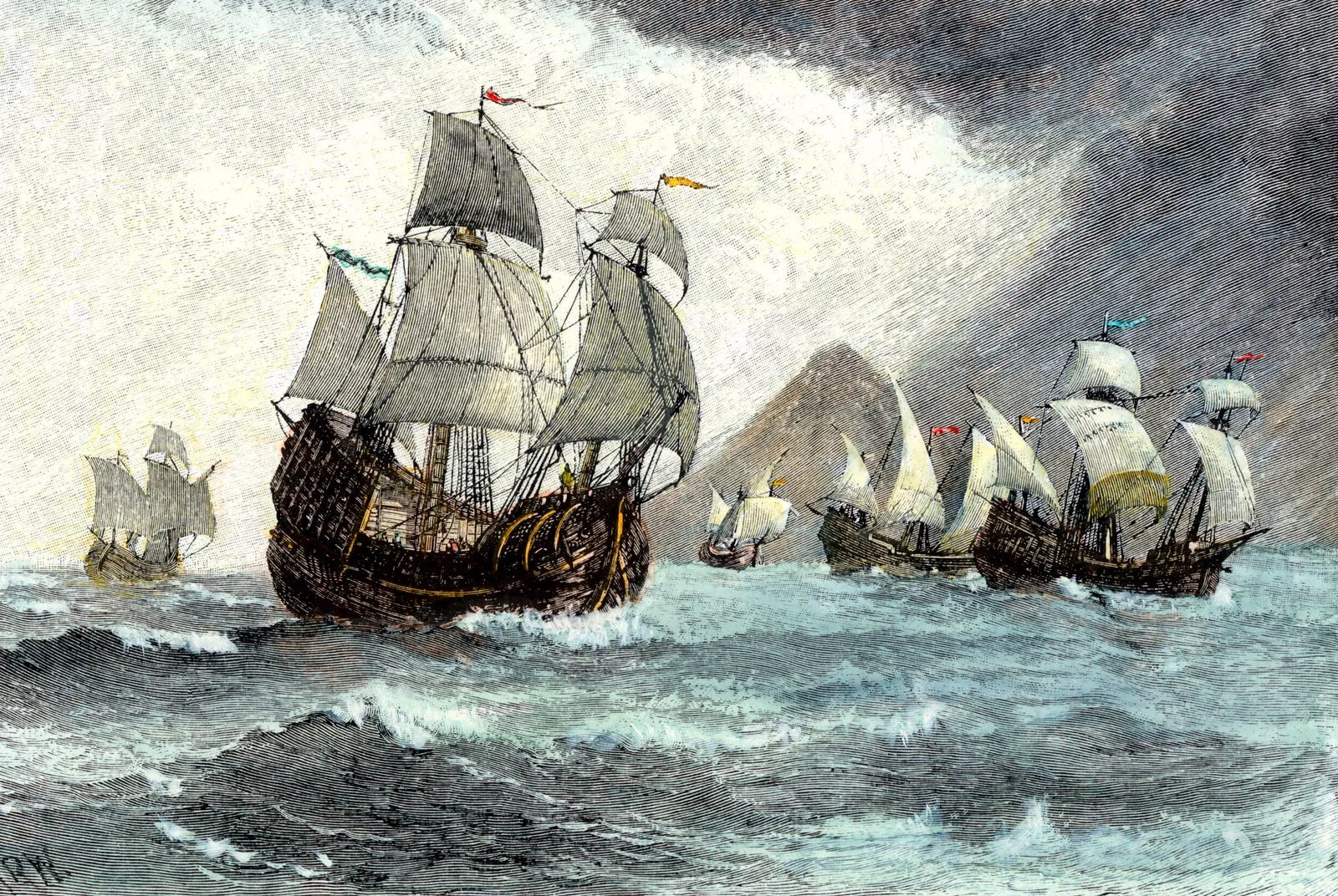
The Atlantic edge stopped this expansion for a couple of centuries, but it was not a dead end. It was a pressure cooker. For a few thousand years, these populations pooled along the Atlantic coast because deep water sailing technology did not exist yet. But this social software; strict male lines, inheritance laws and a system of sending the landless younger brothers outward to expand and extract resources, that never changed, and once that old cultural training was combined with oceanic ships and naval cannons, the wave started moving again. And this time it went global.
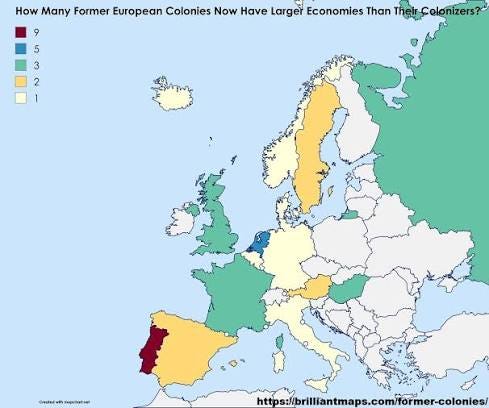
Look at the nations that built the modern colonial extraction systems after 1500. Britain, Spain, Portugal, France and the Netherlands. This is the exact geographic map of peak R1b frequency. (Haak et al., Nature).
These herders never ran out of places to go. They just built bigger wagons to cross. A different kind of steppe.
The Yamnaya lived in a way that previous human populations did not. They did not settle in permanent stone villages surrounded by crops. They lived permanently on the move. They also lived with their herds. So in constant, intense contact with massive herds of animals.
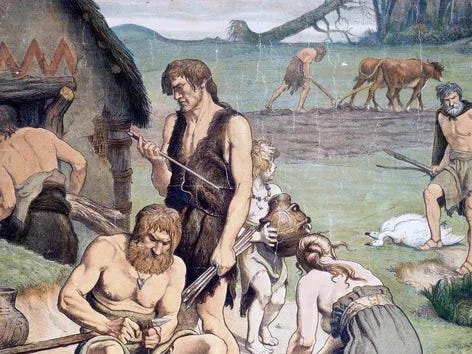
This specific lifestyle created a biological pressure cooker. When thousands of animals live alongside humans for generations, diseases continually jump across species. Skeletons recovered across the steppe show that the Yamnaya were the first population to carry an endemic, rolling version of Yersinia pestis, the bacterium that caused the plague. (Mária Spyrou et al., Nature Communications) (Max Planck Institute for the Science of Human History)
Because they lived with the pathogen for centuries, the steppe groups underwent a severe process of natural selection. The individuals who survived developed a hyperaggressive, highly reactive immune system. They evolved specific genetic mutations designed to attack and neutralise animal-borne bacteria before it could kill them.
They also became walking vectors.
When their young warrior bands rode into Europe, they had copper weapons and biological ones. The European farming communities lived in dense, interconnected settlements, and they had zero exposure to livestock-borne plague. The infection raced ahead of the physical invaders, decimating indigenous populations and emptying the land for them before their wagons even arrived. Their conquest was so easy, they just thought the earth was built for them. They still do.
We can still see the physical invoice for this Bronze Age adaptation today. Medical researchers completed a massive international project comparing thousands of ancient European skeletons with modern medical databases.
And they were able to track the exact historical origin of the genetic mutation that causes multiple sclerosis. (William Barrie, Eske Willerslev et al., Nature)
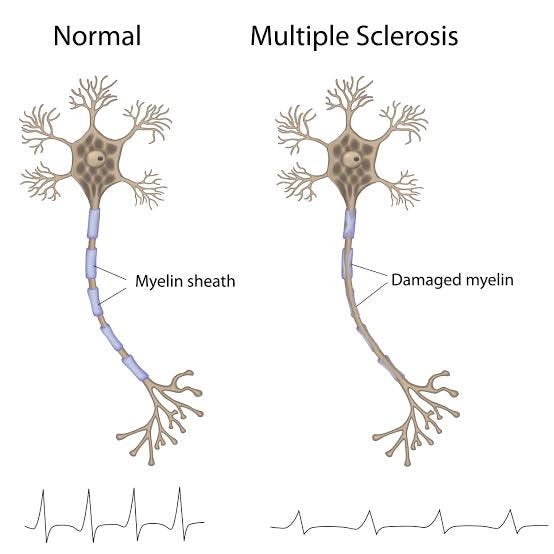
They found that these precise gene risks did not exist in Europe before the Bronze Age. They appeared suddenly, carried entirely by Yamnaya immigrants. This is the autoimmune paradox. Evolution does not care about your long-term comfort. It cares about whether you will live long enough to reproduce. And a hyperaggressive immune system was an absolute necessity if you wanted to survive a childhood spent sleeping next to a herd of plague-infected cows. This mutation that causes multiple sclerosis today is what kept the Yamnaya alive.
This explains a longstanding medical mystery: Why northern Europeans have the highest rates of multiple sclerosis on earth. That research was done by Professor Eske Willerslev, who holds joint positions at the University of Cambridge and the University of Copenhagen. (ScienceDaily).
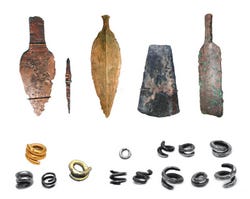
The Yamnaya engineered their weapons specifically for high-impact interpersonal violence. While European farmers still relied on polished stone and flint tools, the Yamnaya manufactured specialised metal tools. They forged heavy copper daggers and flat axes using arsenical copper alloys. They also manufactured heavy copper cudgels and clubs weighted specifically for blunt-force trauma. These weapons are consistently found in the graves of elite males, confirming that this was a social structure where your status was tied directly to your individual proficiency in lethal force. (Haak et al., Nature)
For a long time, historians thought that the Yamnaya only had metal because they were obtaining it by trade with other mountain cultures. The realisation that the Yamnaya were actually operating a massive mining complex is a relatively recent breakthrough in archaeology because the true history of the Kargaly mining site was obscured by modern industrial activity. Then in the 90s, Professor Evgenii Chernykh and his team launched the first comprehensive, multidisciplinary scientific investigation into the Kargaly mines. (E.N. Chernykh, Original Russian, OR English Translation)
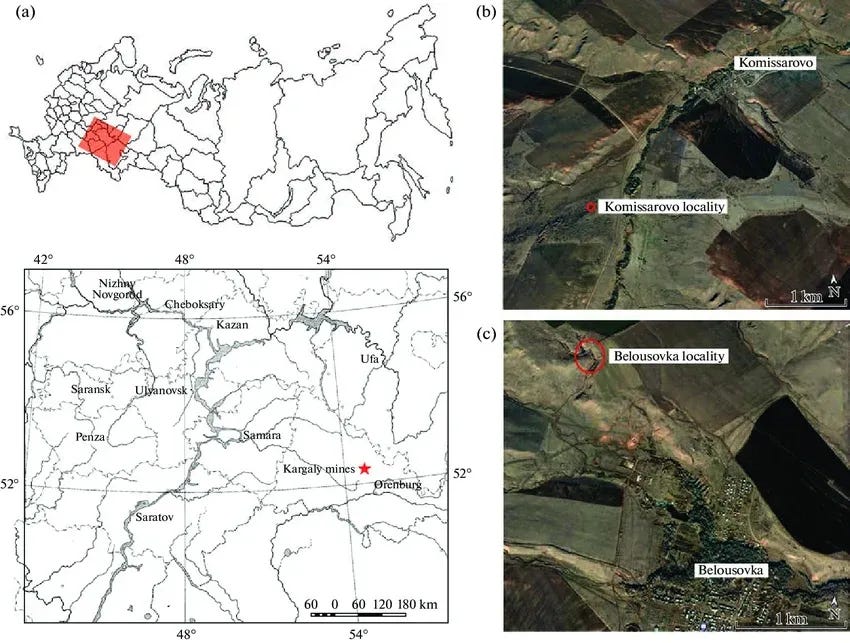
After more than a decade of field research, Chernykh’s team uncovered data that completely rewrote Bronze Age history. They mapped over 35,000 prehistoric surface workings, including open-cast pits, shafts, and trenches, sprawling across an immense area of nearly 500 square kilometres.
They extracted ancient charcoal from the earliest primitive direct reduction smelting pits, and advanced radiocarbon dating pinned the earliest layers directly to the transition between the 4th and 3rd millennium BC, matching the precise origin point of Yamnaya culture. They were able to prove that during the Bronze Age, this mobile society mined between 2 and 5 million tons of raw copper ore. It is the same metal found in these prehistoric mines that is also found in the metal tools across Europe. These metal tools can be found across a trade network that spans over 1 million square kilometres. Chernykh’s excavations proved that the Yamnaya were not just consumers of metal. They had weaponised a massive self-contained extraction machine right at the dawn of the Bronze Age.
These metal tools have been found across a trade network that spans over 1 million square kilometres. Chernykh’s excavations proved that the Yamnaya were not just consumers of metal. They had weaponised a massive self-contained extraction machine right at the dawn of the Bronze Age.
I had a theory that these younger landless sons were not just sent randomly raiding. I believe that they were sent looking for new materials, new mines, new rocks, new plants, whatever. It’s still just a theory because I’m not an archaeologist. But the world’s worst and most unreliable reference, AI, says… you should ask an archaeologist. Joke. AI says; “the physical mapping of their migration routes matches your theory”.
If anybody wants to actually do that research and confirm my theory, please do. But this poorly trained Google device said; “the archaeological data shows these expansions were not blind, chaotic wanderings across the map. The warrior bands targeted specific geological assets with remarkable accuracy” and that; “they used their high-speed wagon logistics to bypass empty lands and lock down the rarest resources on the continent”.
If that is a breakthrough and any historical scientists want to write up the dissertation, it’s all yours, this article is in the public domain, no need to cite me, but I accept all currencies.
The following piece of research, which did not come from Google, it came from the American anthropologist David W. Anthony, and it does seem to confirm my theory (Anthony, David W., Princeton University Press).
Around 3,300 BC, a group of herders carrying pure steppe DNA left the Don-Volga River region. And travelled 2,000 miles straight east. They did not stop anywhere along the 2,000 miles of open grassland in western and central Kazakhstan.

They bypassed all of this perfectly good grassland. And only stopped when they hit the Altai Mountains of southern Siberia. It’s only when they got to Siberia that they actually stopped. And developed what archaeologists now refer to as the Afanasievo culture (Lazaridis et al., Nature).
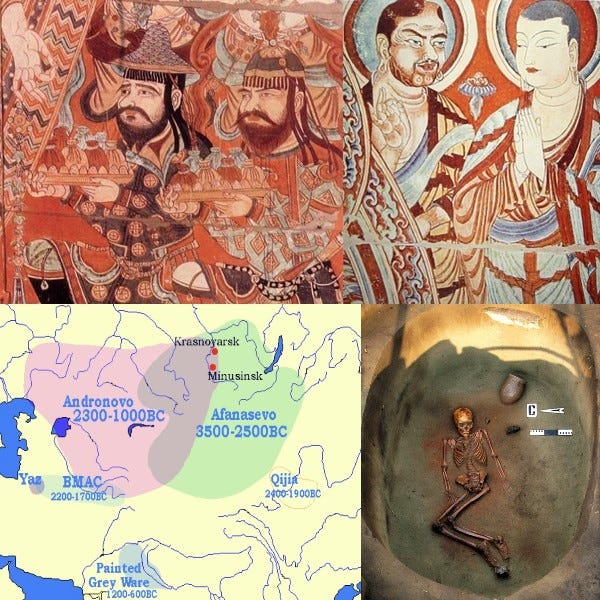
The Altai Mountains are globally recognised as a premier mineral province (Vikentyev, I. V., M. L. Kuibida, V. A. Yakovlev, Y. Y. Shelepov, and A. V. Chugaev, 'Rudny Altai VMS-polymetallic belt (Russia, Kazakhstan) and its formation factors', Geology of Ore Deposits, 66/6 (2024), 567–603)(D’yachkov, Boris A., Marina A. Mizernaya, Sergey V. Khromykh, Ainel Y. Bissatova, Tatiana A. Oitseva, Anastassiya P. Miroshnikova, et al., 'Geological History of the Great Altai: Implications for Mineral Exploration', Minerals, 12/6 (2022), 744).
These mountains are not just packed with copper, silver and gold. It’s surface level. And the moment this intrusive western population arrived, they immediately started copper mining and metallurgy in the region.
This is clear in the archaeological record. Previous to this, the region only seen stone tools (E.V. Vodyasov et al., Science Direct).
I don’t believe for a second that they drifted here by accident. My remaining research question is, how did they know it was there? And I’m not going to attempt to answer that today. I’m going to pass the book to an Oxford archaeologist.

And the exact same location targeting also appears on the western edge of Europe.

To manufacture hard bronze weapons, copper is not enough. You must alloy it with tin. While copper is incredibly common on earth, tin is exceptionally rare. To move a society from the Copper Age to the Bronze Age, you needed a steady supply of tin. Because of how geographically scarce tin is, achieving Bronze Age society required the creation of the world’s first global supply chain.
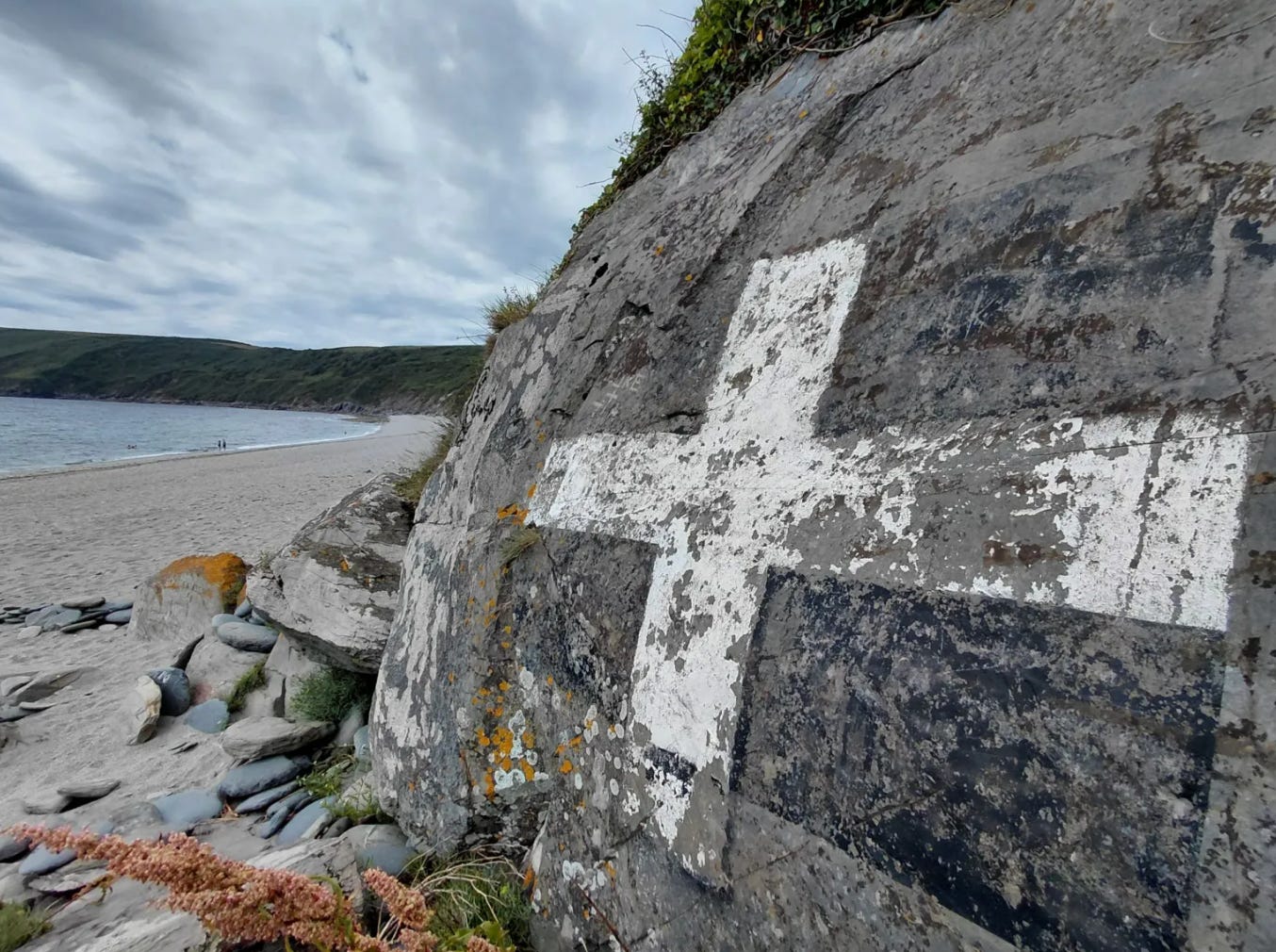
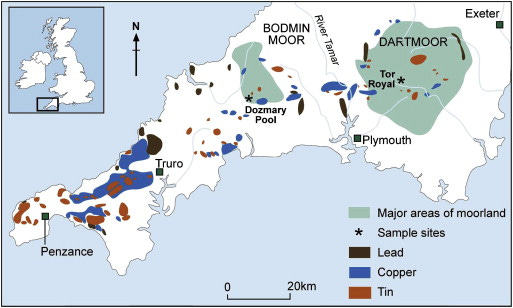
The Atlantic Vault refers to Cornwall and Devon in southwest Britain. This is by far the richest, most accessible, most important tin province in Europe. And during the early Bronze Age, miners here did not even have to dig deep to find tin. Millions of years of river erosion had washed the tin out of the granite veins and deposited it onto the river beds. All they had to do was dig up the river silt, wash it, and pan out the tin. Cornwall and Devon ultimately produced an estimated historical total of 2.5 million tons of tin, vastly eclipsing every other source in Europe. (R.A. Williams et al., Antiquity)
In January 2024, researchers at the University of Durham analysed tin ingots from recovered shipwrecks. They were able to prove that the tin in these shipwrecks had been mined in the Bronze Age in Cornwall, proving that tin mined in Britain was being traded 4,000 km away to feed palace economics in the southern Mediterranean.
Because tin is so scarce, a society couldn’t just simply choose to start making bronze weapons. To secure Bronze Age technology, you needed a military advance. You needed a group that could go and map and locate and then physically control these precise geographical anomalies. And you needed the cultural, social, and educational technology to understand across generations what you were looking at, what you could do with it and how you could manage these systems of extraction.
You cannot operate an extraction network that spans thousands of miles using nothing but raw violence and a wooden cart. To execute this targeted long-distance resource extraction, the Yamnaya required highly sophisticated social, legal, and educational software. You cannot simply look at a mountain and know that it contains copper. To find copper and tin across continents, you needed an intergenerational repository of geological and chemical knowledge.
The Yamnaya maintained a highly specialised mobile class of craftsmen. This is like very, very, very early guilds. Skeletons identified as metal smiths were buried with distinct elite status markers in Yamnaya mounds. (Haak et al., Nature) (Chernykh, Kargaly)
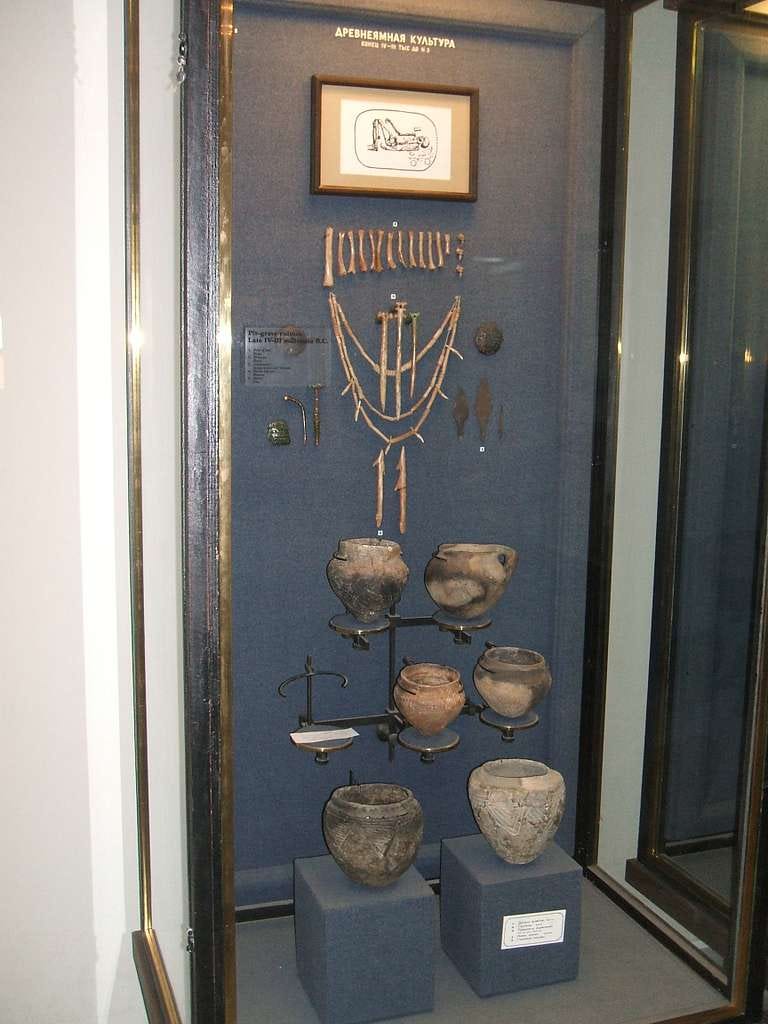
It’s through apprenticeships that they passed down the knowledge to read the landscape for specific bioindicators, like plants that hyperaccumulate heavy metals. They maintained precise oral recipes for the smelting temperatures and the exact ratios that they needed to create tin bronze alloys. This was a formal education system that tracked chemical properties and was managed completely through oral mnemonic structures and master apprenticeship lineage (Kuijpers 2018, Routledge).
The political architecture of the Yamnaya was designed to be endlessly scalable. Rather than organise power by drawing borders on a map, they organised through patron-client relationships. If a prospecting band discovered a new mineral asset, like the tin river beds in Cornwall, they didn’t need to send for an army to annex the territory. They could just dazzle the locals with their Bronze Age technology. No, seriously. The prospecting leader simply established himself as the patron of the ground. He then offered local individuals access to his superior technology. He didn’t just have a horse outside, he had a wagon and some metal tools and a legal protection network. And he would let you tap into all of that protection if you simply sent bodies for the labour in these extraction pits. This was a combination of geological literacy, decentralised legal protection and modular political alliances that created an institutional extraction machine that stationary farming cultures could not comprehend and certainly not resist. European agriculturalists were bound to their local fields. The Yamnaya were backed by an invisible pancontinental infrastructure of shared technical knowledge, legally binding alliances and mobile logistics. (Anthony 2007, Princeton University Press) (Timberlake & Marshall 2022, Cambridge University Press).
How do you keep a multigenerational global extraction machine running without a single piece of paper? You turn your mythology into a software installation disk. They engineered a cultural incentive loop. It’s called *\klewos ndghwhitom — the glory that never decays. (Cambridge University Press) (Out of Babel Books)
The warriors funded the poets and then the poets weaponised the fame. If you died a thousand miles from home securing a tin mine, your name would be sung across 6,000 miles of grassland for five generations. This made these warrior band young males psychologically unstoppable. To die on quest was to become a god in the community. To clear the land without guilt. (Watkins, Oxford University Press) (West, Oxford University Press) (Lincoln 1986, Harvard University Press).
They carried the myth of Manu and Yemo, the first priest and the first king. This story explicitly taught them that the gods gave all the world’s wealth to their ancestors alone. Anyone else holding livestock or metal was just holding stolen property. (Puhvel, Johns Hopkins University Press) (Mallory & Adams, Oxford University Press). When they attacked a village or took a mine, they weren’t stealing. Their narrative told them they were reclaiming what was rightfully theirs. Sound familiar?
Anthony, David W. The Horse, the Wheel, and Language: How Bronze-Age Riders from the Eurasian Steppes Shaped the Modern World (Princeton: Princeton University Press, 2007). Google Books Archive
Anthony, David, and Dorcas Brown. ‘The Dogs of War: A Bronze Age Initiation Ritual in the Russian Steppes’, Journal of Anthropological Archaeology, 48 (2017), 134–148. Academia Protocol
Armstrong Institute of Biblical Archaeology. ‘Israel’s Bronze Age Tin From Britain’ (2025). Primary Analysis
Barrie, William, Eske Willerslev, et al. ‘Elevated genetic risk for multiple sclerosis emerged in steppe pastoralist populations’, Nature, 625 (2024), 321–328. Nature Registry
Busby, George B. J., et al. ‘The peopling of Europe and the cautionary tale of Y chromosome lineage R-M269’, Proceedings of the Royal Society B: Biological Sciences, 279/1730 (2012), 884–892. PubMed Central
Chernykh, Evgeny N. Ancient Metallurgy in the USSR: The Early Metal Age (Cambridge: Cambridge University Press, 1992). Cambridge Core
D’yachkov, Boris A., Marina A. Mizernaya, Sergey V. Khromykh, Ainel Y. Bissatova, Tatiana A. Oitseva, Anastassiya P. Miroshnikova, et al. ‘Geological History of the Great Altai: Implications for Mineral Exploration’, Minerals, 12/6 (2022), 744. MDPI Index
Goldberg, Amy, et al. ‘Ancient X chromosomes reveal contrasting sex bias in Neolithic and Bronze Age Eurasian migrations’, Proceedings of the National Academy of Sciences (PNAS), 114/10 (2017), 2657–2662. PNAS Database
Haak, Wolfgang, et al. ‘Massive migration from the steppe was a source for Indo-European languages in Europe’, Nature, 522 (2015), 207–211. PubMed Central
Kuijpers, Maikel H. G. An Archaeology of Skill: Metalworking Skill and Material Specialization in Early Bronze Age Central Europe (London: Routledge, 2018). Routledge Registry
Lazaridis, Iosif, Nick Patterson, David Anthony, David Reich, et al. ‘The Genetic Origin of the Indo-Europeans’, Nature, 638 (2025), 120–129. PubMed Central
Lincoln, Bruce. Myth, Cosmos, and Society: Indo-European Themes of Creation and Destruction (Cambridge, Mass.: Harvard University Press, 1986). Cambridge Index
Mallory, J. P., and D. Q. Adams. The Oxford Introduction to Proto-Indo-European and the Proto-Indo-European World (Oxford: Oxford University Press, 2006). Oxford Academic
Olalde, Iñigo, et al. ‘The Beaker Phenomenon and the Genomic Transformation of Northwest Europe’, Nature, 555 (2018), 190–196. PubMed Central
Pringle, Heather. ‘Boys Killed Pets to Become Warriors in Early Russia’, National Geographic, 14 May 2013. National Geographic Archive
Puhvel, Jaan. Comparative Mythology (Baltimore: Johns Hopkins University Press, 1987). JHU Press
Reich, David. ‘Ancient DNA Suggests Steppe Migrations Spread Indo-European Languages’, Proceedings of the American Philosophical Society, 162/1 (2018), 1–17. APS Repository
ScienceDaily. ‘Ancient DNA reveals reason for high multiple sclerosis and Alzheimer’s risk in Northern Europeans’, 10 January 2024. Press Release
Spyrou, Mária, et al. ‘Analysis of 3800-year-old Yersinia pestis genomes suggests Bronze Age origin for bubonic plague’, Nature Communications, 9 (2018), 2234. Nature Web
Timberlake, Simon, and Peter Marshall. ‘Beaker and Early Bronze Age Tin Exploitation in Cornwall: Cassiterite Processing Identified through Microwear and pXRF Analyses’, European Journal of Archaeology, 26/2 (2022), 164–183. Cambridge Core PDF
Underhill, Peter A., et al. ‘Separating the post-Glacial co-ancestry of European and Asian Y-chromosomes within haplogroup R1b’, European Journal of Human Genetics, 18 (2010), 1241–1248. Nature EJHG
Vikentyev, I. V., M. L. Kuibida, V. A. Yakovlev, Y. Y. Shelepov, and A. V. Chugaev. ‘Rudny Altai VMS-polymetallic belt (Russia, Kazakhstan) and its formation factors’, Geology of Ore Deposits, 66/6 (2024), 567–603. Eco-Vector Portal
Vodyasov, Evgeny, Olga V. Zaitceva, and Mikhail Vavulin. ‘Why so early? Radiocarbon dating of the Vladimirovka mine and the emergence of metallurgy in the Altai Mountains’, Archaeological Research in Asia, (January 2026). ScienceDirect Database
Watkins, Calvert. How to Kill a Dragon: Aspects of Indo-European Poetics (New York: Oxford University Press, 1995). Project MUSE Summary
West, Martin L. Indo-European Poetry and Myth (Oxford: Oxford University Press, 2007). Cambridge Core Profile
Williams, R. A., et al. ‘From Land’s End to the Levant: did Britain’s tin sources transform the Bronze Age Mediterranean world?’, Antiquity, 99 (2025), e37. Cambridge Core
Zhao, C., et al. ‘Genome-wide autosomal DNA analysis of Shirenzigou nomads’, Science e-Publishing / ResearchGate Record, (2019). ResearchGate Screening Data
Comments
Nothing yet. Say the first thing.
Sign in to join the conversation.