
In the northwestern Iranian city of Tabriz, a heartbroken poet sits at ease and weaves words together. In the desert city of Qum, a revered religious scholar ardently seeks to meet one of God’s saints. They are brought together by a dream, and immortalised by a poem. This is the story of Shahriyar (d.1988) and Ayatollah Ma’rashi Najafi (d.1990).
Shahriyar is no stranger to enthusiasts of Persian poetry. Often considered the last great classical Persian poet, his influence looms large over not only Persian poetry; his work Haydar Babaya Salam is considered the greatest poem ever composed in the Azerbaijani language. He possessed the attributes that bind together all great poets: a mastery over words, and a heartbreak which hurled him into a deep melancholy.
Thanks for reading Numinous! Subscribe for free to receive new posts and support my work.
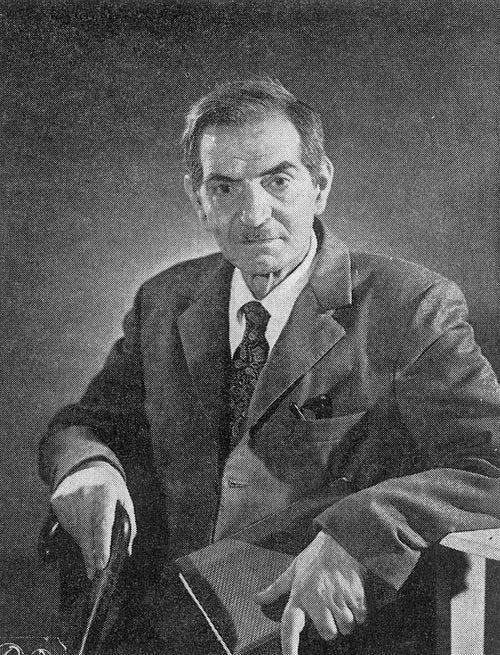
Ayatollah Mar’ashi Najafi was a religious scholar of the highest calibre. He was recognised as an ‘ayatollah’ - a term that has unfortunately been smeared over the past few decades. Putting politics to one side, the word ayatollah means ‘sign of God’, and is usually conferred upon an individual who has attained a high level of mastery over religious sciences. An ayatollah is an expert in theology, law, philosophy, mysticism, literature, and scripture, amongst other disciplines; a modern day Renaissance man in an age of over-specialisation.
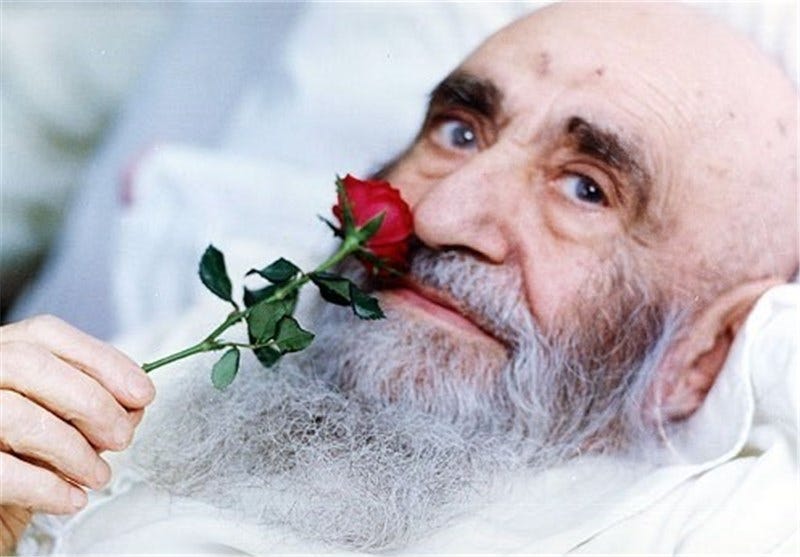
Ayatollah Mar’ashi Najafi was also distinguished by his love of manuscripts; indeed, he managed to gather 25,000 manuscripts, many of which were rare works not found anywhere else. Those manuscripts are now housed in the Ayatollah Mar’ashi Najafi library, one of the largest manuscript libraries in West Asia. As per his wish, Ayatollah Mar’ashi Najafi was buried beside his manuscript library.
How did these two legendary figures, living in different cities, come to meet? Through a dream, of course. The tale is narrated in the video below by Mahmoud Najafi, the son of Ayatollah Mar’ashi Najafi.
What follows is my translation of the above video (or most of it, with a few changes for ease of reading):
My father (Ayatullah Mar’ashi Najafi) said that: For a period of time, I desired from God to see one of His saints in a dream and become acquainted with them. After a while, there was a night in which, however much I tried, I could not sleep. I was awake till late, when suddenly I fell asleep. In my dream, I saw that I was in the vicinity of the Mosque of Kufa, and a vast crowd was rushing towards one of the halls of the masjid.
I asked one of the people from the crowd : What is happening there?
That person responded: Imam Ali is present there at the Masjid.
We saw Imam Ali there, and heard him say: Bring forth the Arab poets. After some time had elapsed, the Imam (as) then said: Bring forth the Persian poets. The first to be brought was Muhtasham Kashani, and after a few others, the Imam proclaimed in a loud voice: Bring forth our Shahriyar!
We saw a skinny man with a moustache come forward. He was brought forth, at which point Imam Ali said: Now recite your ghazal so that I may listen to it.
Shahriyar began to recite the ghazal, which begins with: ‘Ali, O Phoenix of Mercy’.
Imam Ali was effected by the recital, and told him to continue reciting the rest of the ghazal. Shahriyar continued to read the ghazal, shedding tears as he did so.
I woke up, and was greatly astonished, wondering: Who is this Shahriyar?!
***
After he saw this dream, my father sent a message to Shahriyar, asking him to come visit him. One day, he was sitting at the crack of dawn, deep in study — as was his wont — when Shahriyar came and knocked on the door. One of the servants came and opened the door, but they did not recognise him.
He said to the servant: ‘I am Bahjat from Tabriz, better known as Shahriyar. Your master has asked for me.’
He then welcomed in. Shahriyar came before my father, who respectfully asked him to be seated. My father then began to recite Shahriyar’s ghazal that he heard in his dream. Shahriyar was surprised, and asked him: Who spoke to you of this ghazal?
My father replied: I heard you recite this poem in the blessed presence of Imam Ali.
Shahriyar brought his hands together and exclaimed: God is great! Now I understand why on that night in which I composed this poem, I thought that there was some (divine) inspiration at work, as the words flowed easily. That night, I even performed ablution before composing this poem.
My father said: You are a Sayyed, from a blessed lineage. Take pride in the fact that you received such high regard and favour from the Imam.
What was this poem of Shahriyar that received such favour from Imam Ali, built a friendship across dreams and cities, and became legendary amongst Persian speakers and lovers of Imam Ali? I could not find an English translation, so I went ahead and translated it myself.
This is the first time I have ever tried to maintain the monorhyme of the ghazal in translation, which is a brave (read: stupid) thing to do. I have always been a sucker for rhyme, and have done my best to pull this off whilst trying to be as faithful to the original as possible - with a few tweaks.
مناجات (Intimate Orisons) علی ای همای رحمت، تو چه آیتی خدا را که به ماسوا فکندی همه سایه هما را Ali, O phoenix of mercy, what a sign of God you be! Your auspicious shadow envelopes all save He دل اگر خداشناسی، همه در رخ علی بین به علی شناختم من به خدا قسم خدا را If a heart knows God, it will see all in the face of Ali By God, I have come to truly know God through Ali به خدا که در دو عالم اثر از فنا نماند چو علی گرفته باشد سر چشمهٔ بقا را By God, in both worlds no trace remains of mortality When Ali firmly seizes the spring of eternity مگر ای سحاب رحمت تو بباری ارنه دوزخ به شرار قهر سوزد همه جان ماسوا را If your rain billows down not, O cloud of Mercy Then hell shall burn all souls in a blazing fury! برو ای گدای مسکین در خانه علی زن که نگین پادشاهی دهد از کرم گدا را Go, o penurious beggar, knock on the door of Ali, For his grace gifts a pauper the gem of royalty بجز از علی که گوید به پسر که قاتل من چو اسیر توست اکنون به اسیر کن مدارا Of his own killer none would utter the words of Ali: ‘Since he is now your captive, show him clemency’ بجز از علی که آرد پسری ابوالعجائب که علم کند به عالم شهدای کربلا را Can any but Ali raise a son of such wondrous majesty who hoisted the banner of Karbala before all humanity? چو به دوست عهد بندد ز میان پاکبازان چو علی که میتواند که به سر برد وفا را When great vows are exchanged among the devotees Who like Ali will fulfil them with full fidelity? نه خدا توانمش خواند نه بشر توانمش گفت متحیرم چه نامم شه ملک لافتی را I cannot call him God, nor a human can he be, I’m perplexed: what shall I call this king of youthful chivalry? به دو چشم خونفشانم هله ای نسیم رحمت که ز کوی او غباری به من آر توتیا را For my eyes brimming with tears, O breeze of Mercy Bring me a speck of eye-curing dust from his alley به امید آن که شاید برسد به خاک پایت چه پیامها سپردم همه سوز دل صبا را With the hope that they’ll reach the dust beneath the feet of thee I’ve saddled the breeze with letters burning with agony چو تویی قضای گردان به دعای مستمندان که ز جان ما بگردان ره آفت قضا را Hear the prayer of the downtrodden, O turner of destiny, And from our lives repel the path of calamity! چه زنم چو نای هر دم ز نوای شوق او دم که لسان غیب خوشتر بنوازد این نوا را Why should I, like the reed, sing of my yearning constantly When the Tongue of the Unseen sweeter still plays this melody? همه شب در این امیدم که نسیم صبحگاهی به پیام آشنایی بنوازد آشنا را All night I lie in hope that the morning breeze Will caress the beloved with a message of intimacy ز نوای مرغ یا حق بشنو که در دل شب غم دل به دوست گفتن چه خوش است شهریارا Heed the bird’s song for God that in the depths of night resounds loudly To sing your sorrows to the Friend — Oh Shahriyar, how sweet that would be!
Don’t forget to share your thoughts in the Comments section below, and please let me know if monorhyme translations are enjoyable, or if I should toss them in the bin and never utter a word about them again :)
Thanks for reading Numinous! Subscribe for free to receive new posts and support my work.
Comments
Nothing yet. Say the first thing.
Sign in to join the conversation.