
I’ve always struggled to write regularly. If I had an idea, I would write it down in my journal or in my iPhone notes, where it would remain buried and forgotten about. On the rare occasion that I felt motivated to work on an idea, I felt unable to bring it past a nascent stage, its skeletal structure in limbo. It was difficult to start a project, much less finish one. This put me in a terrible position: Fear took precedence over play and self-actualization, making it nearly impossible to write.
Fear isn’t quite the word to describe it, though — it’s more like shame. The shame of showing up and attempting to write. The shame of giving my ideas the attention they deserve and seeing them through to fruition. It would speak to me as I sat down: What are you doing? This is a waste of time. You could be doing something more valuable. But this was obviously untrue, because ‘more valuable’ meant producing money, and my interest in writing has nothing to do with the triviality of generating income. It’s about fulfilling a need for self-expression, which didn’t require justification. If you’re lucky enough to avoid this problem, then this post may not apply to you. I am speaking to writers who haven’t written in a long time or struggle to match their output with their input, and who to some extent realize they need some kind of emotional catharsis to resume their work. One of the most powerful emotions that have stopped writers from writing is shame. Shame halts all progress, bombarding one with meaningless questions and undeserved criticism. Shame doesn’t push past ideation; it doubts audacity. I know the feeling well and have struggled with this for a long time—up until three months ago.
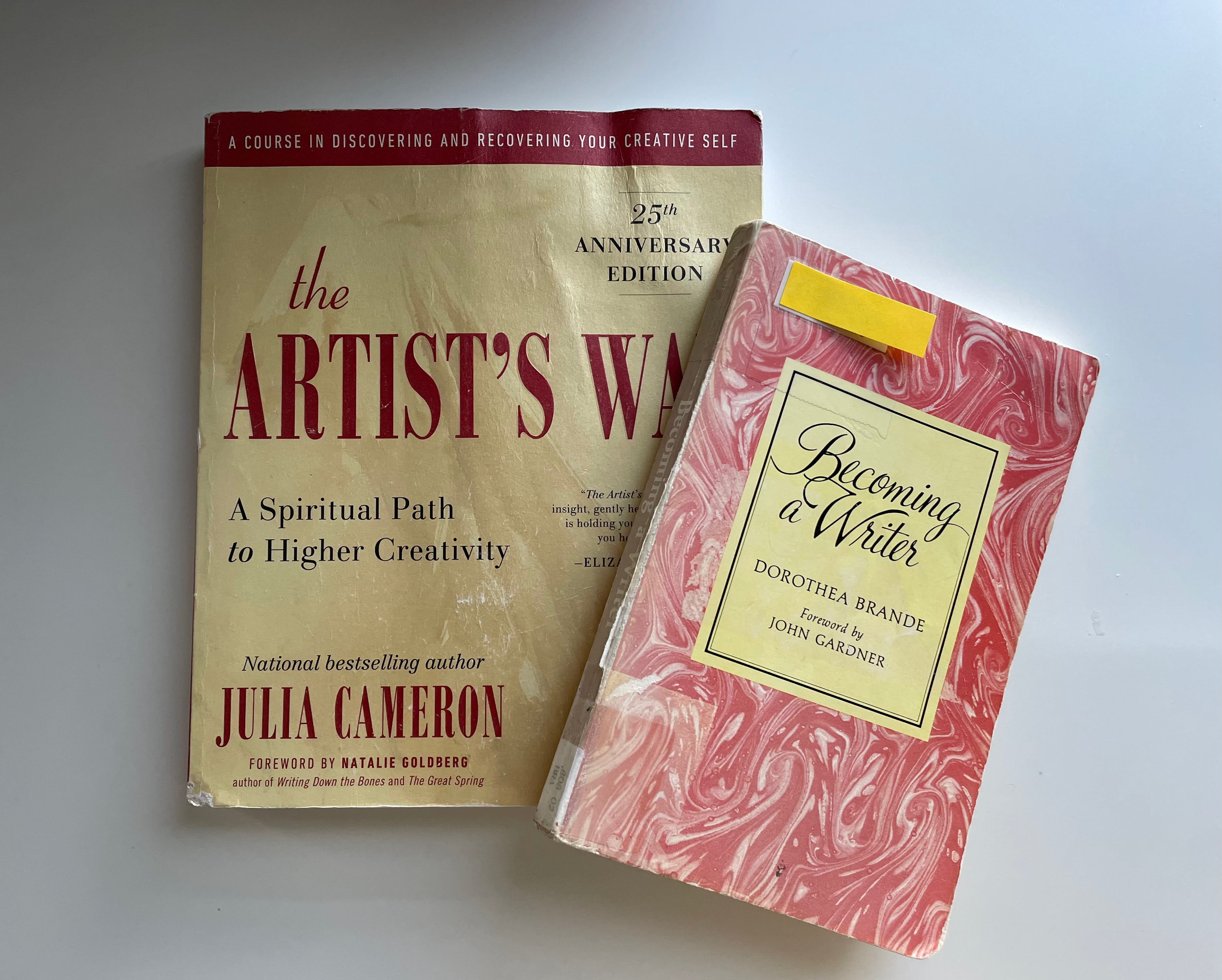
Three months ago, I decided to try Julia Cameron’s morning pages. Morning pages, if you don’t know, are a creative exercise invented by Julia Cameron in The Artist’s Way, an elixir for blocked artists of all kinds. On the surface, morning pages aren’t unique or transformative—they’re actually very simple. Every morning, before you do anything else, write three pages without going back to proofread or edit, and make it a part of your daily routine. That’s easy enough to do, right? Yes, it is. The reason they work so well is because of their simplicity. You could easily start tomorrow or later this week, and all that’s asked of you is to write three pages.
If you’re wondering what I think about morning pages, I’ll cut to the chase: Yeah, it works. It worked for me, at least. But its power lies in acting as a catalyst for breaking free from shame, not as some endgame solution to every writing problem in the book. But for those whose lives are unconsciously ruled by shame, writing early in the morning will have enormous advantages. The rule of writing rapidly and uncritically didn’t appear as being as transformative as everyone said that it was, but it helped me to get from a fearful, blocked state to a self-assured and unrestrained one.
If you’re going to take anything from The Artist’s Way, I recommend doing the morning pages, especially if you’re relating to anything I’ve said this far. Though if you aren’t interested in reading Cameron’s version, opt for Brande’s instead. I will say that I haven’t read the rest of The Artist’s Way and resorted to Dorothea Brande’s Becoming a Writer later on, which I feel might be the only writing book I’ll ever need. Brande’s book covers everything in The Artist’s Way but without the spiritual tidbits, which I prefer. Becoming a Writer is a succinct 175 pages, making it a perfect weekend read, and covers important topics such as writerly temperament, harnessing the unconscious, and the writer as both artist and critic. (It also seems like Julia Cameron borrowed the idea of morning pages from Brande, anyway. Becoming a Writer isn’t esoteric in the way Cameron’s is if you would prefer that instead.)
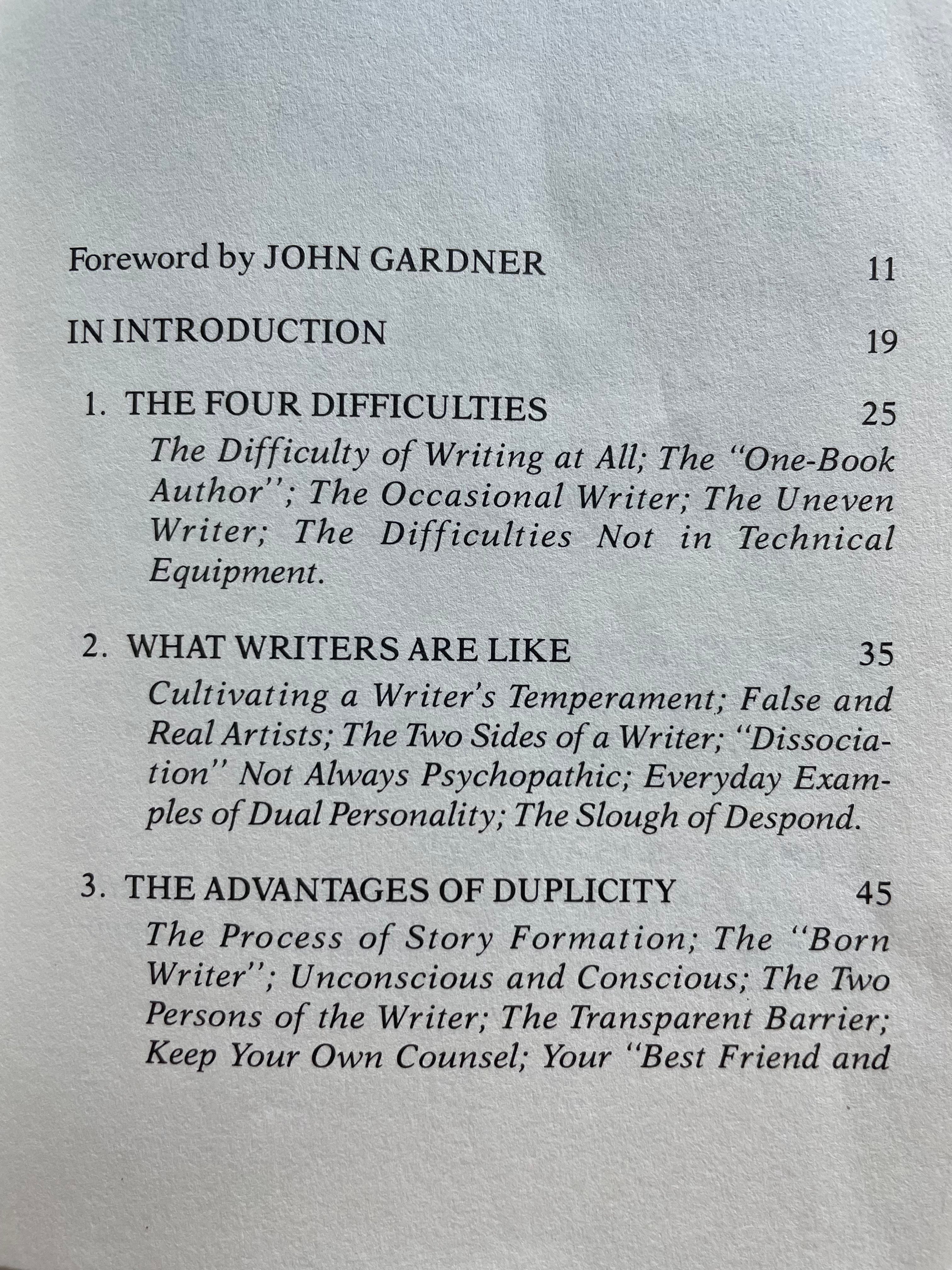
The point of this post isn’t to convince you to do morning pages. I simply want to offer a tip and talk about how they’ve helped me break the spell of shame to write more consistently. What I failed to recognize early on was just how much shame played a pivotal role in my writing dysfunction. Morning pages reminded me of the sheer power of journaling—especially in the early morning. Morning pages are the glorified version of early morning journaling, but the novelty of it works. I’ve realized now that starting with this exercise was necessary for me to resume my writing practice. I needed some kind of emotional reprieve, a space to put all the shit that’s cluttered in my mind somewhere. In doing so, they provide an opportunity for emotional clearance and writing progress. Two birds, one stone.
As you continue journaling, you’ll find that not writing is no longer an option, and thus what you’ve always known becomes crystal clear: writing helps you think and clear up muddy waters; it’s an absolute necessity. You’ll become reinvigorated by what you’ve always known but refused to integrate into daily life. As a result, you understand yourself better and surrender to compulsion. However, it doesn’t stop at morning pages. Morning pages worked for a while, but they’re easy to drop if no progress is made for a few days, which is exactly what all writers experience at some point—a desert after the storm, as if those lackluster days gave us permission to abandon writing entirely. We can’t afford to think of it this way. To be clear, it’s OK to make little or no progress for a few days, but what’s important is returning to the writing and picking up where we left off, refusing to abandon it.
How does one do that? Is it really that simple? How does someone continue amidst doubt and frustration and a lack of motivation? I still don’t know how to answer this, but I have somewhat of a better understanding now: by continuing to show up, and in doing so, committing to yourself and your work.
This is my theory of what happens, as it’s what has happened to many writers and artists of every kind: You have a stunning realization that you can’t not do it, that the fear of creating your art is not a weakness but a stride that every budding artist has to contend with before they get serious and the waves come crashing in. In other words, it’s the final boss that stands between you and your writing, painting, dancing, or whatever else it is you intend to do and have always dreamed of doing. After much meandering and denial, I decided that I must write, and that writing having always been a compulsion in my life means that I need to give it my fullest devotion. I can’t stress enough how critical it was for me to address the shame which surrounded my writing, as it is this sole action that the domino effect of creating began. If you struggle with this, my advice is not only to consider writing early in the morning every day, but to tell yourself, a million times if you have to, that writing is important to you and is an irrevocable part of your nature that you can’t ignore. Stop fighting it, ignoring it, pushing it away.
With all this in mind, it will still take plenty of trial and error to establish a writing routine that works for you. Do not fall under the spell of your neurosis, waiting for an epiphany to turn up again. Trusting yourself and the process is required in order to accept the ebb and flow of meeting yourself at the desk every morning, despite those negative emotions lining themselves up at the table. Acknowledge them, write them down, and put it away. Continue to write and find what comes from it. It will be helpful to think of this as being the start of a very long journey, but it shouldn’t matter how long it takes. What matters is that you are listening to that part of yourself that for a long time has been neglected or dismissed. Thank yourself for picking it up again and being patient with yourself, for this is the start of everything.
P.S: If you have any questions about writing or anything I mentioned in this post, please leave a comment below. I would love to answer them, and it would also be very meaningful for me to answer your question in the form of a post as part of a series on writing advice. Thank you for reading.
No posts
Comments
Nothing yet. Say the first thing.
Sign in to join the conversation.