
This is an experimental post, and a little misleading. I didn’t read very much this month, so there’s nothing to talk about there, but I did pick up many books of interest that I plan to read in July. Starting with this post, I’m going to write more casually about books I’ve been reading or are on my TBR list at the end of each month. Other times, I’ll talk about what I’ve been watching and listening to, so that it isn’t about books and writing all of the time. I’ve always enjoyed watching What’s in My Bag videos and reading other people’s TBR lists, and hope that these posts are as fun for you to read as they are for me to write.
I’ve been obsessed with requesting book deliveries from my local library. I can’t help it. They have about everything I’m looking for, and now that I’m back into reading regularly, I’m enjoying to the best of my ability the breadth of options I have now that I didn’t before. Naturally, I went a little wild as you can see in the stack below:
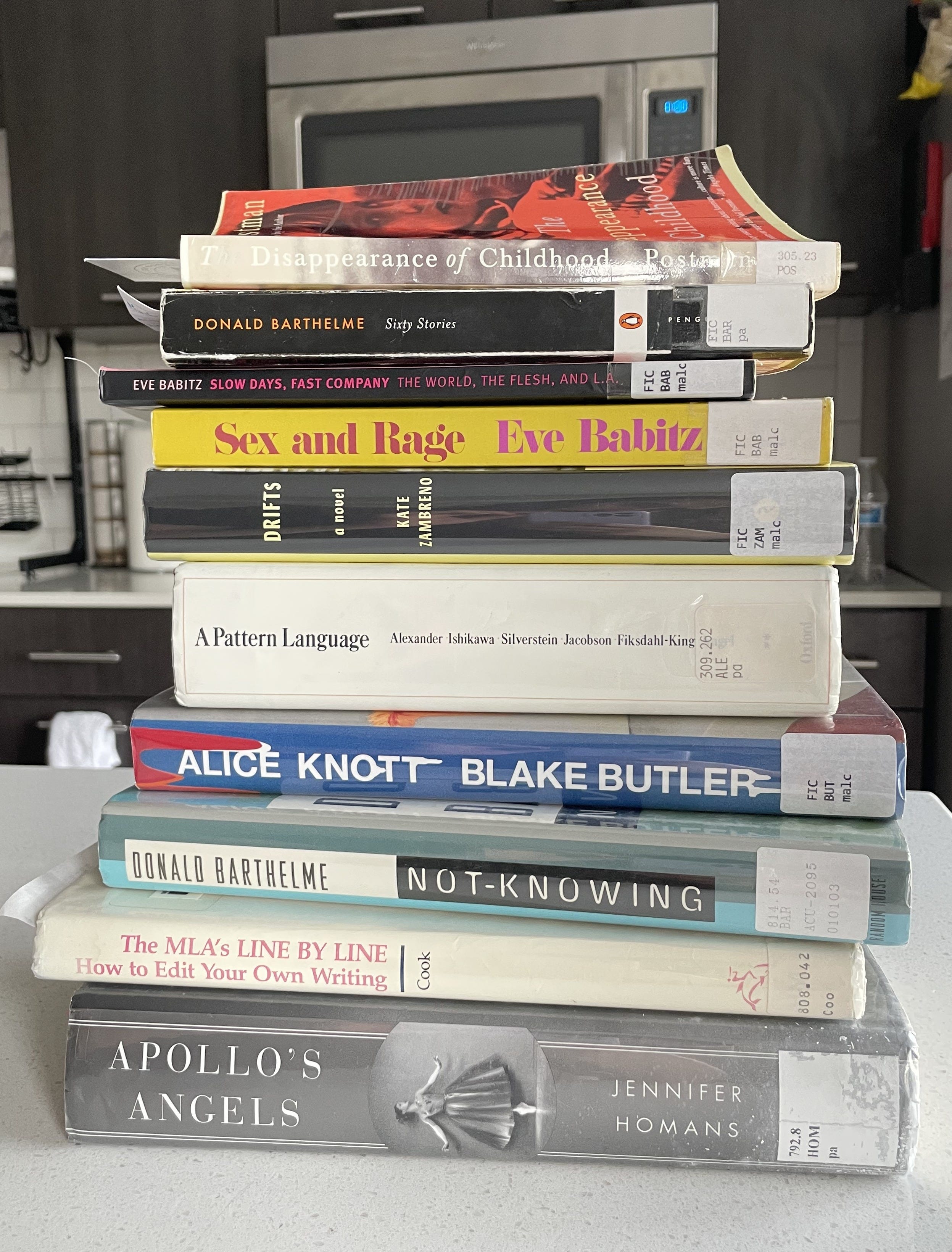
Each of these books give away a piece of me at the moment. There’s too many to explain what interested me about them all, so I chose the four that I’m most excited about getting into:
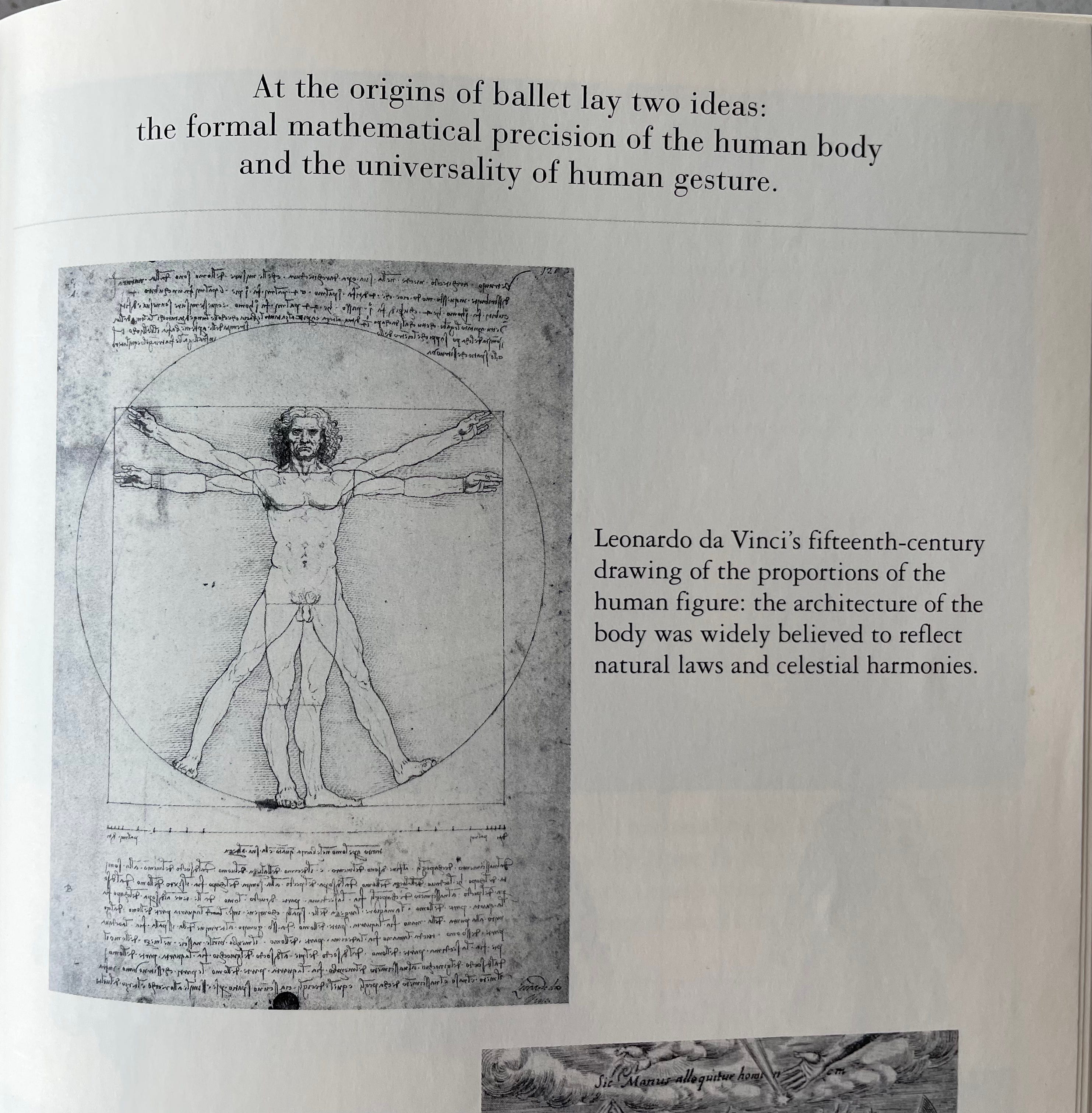
Apollo’s Angels by Jennifer Homans: The exclusionary world of ballet has always intrigued me, as well as its graceful athleticism, history of elitism, and niche cultural impact. Ballet’s ethereal quality elicited a strong response in me as a child, and despite never taking classes, dancing was the one thing that kept me moving as a child outside of school. This unfulfilled desire of mine to learn about the technicality of dance beyond the enjoyment found in freestyle is probably what inspired me to pick up this book (My unactualized athleticism makes me think fondly of Clarice Lispector saying in an interview that if she wasn’t a writer, she would be an athlete, and that there was a ‘frustrated athlete’ that lived inside of her.) I’m rewatching the Australian TV show Dance Academy too, and I want desperately to know what they’re talking about. I do this by learning ballet terminology (double plié, fouetté) and matching them to the dancer’s movements, as if teaching myself by watching—they’re all very rudimentary terms I’m sure, but I’m eager to know what it all means. Apollo’s Angels is a huge book, totaling up to 549 pages minus the notes and bibliography (I love bulky history books for how archaic they feel, even if they were recently published.) The first time I opened the book, I landed on a page that showed an image of Leonardo Da Vinci’s Vitruvian Man below a quote that reads, “At the origins of ballet lay two ideas: the formal mathematical precision of the human body and the universality of human gesture.”
A Pattern Language by Christopher Alexander, Sara Ishikawa, and Murray Silverstein: Another bulky and quintessential book on architecture and urban design. I found out about this book through reading Elisa Gabbert’s Any Person is The Only Self and was initially intrigued by an excerpt on bringing graveyards closer to the living: “No people who turn their backs on death can be alive. The presence of the dead among the living will be a daily fact in any society which encourages its people to live.” Loved that. Requested it immediately.
The book has unique, dainty illustrations:
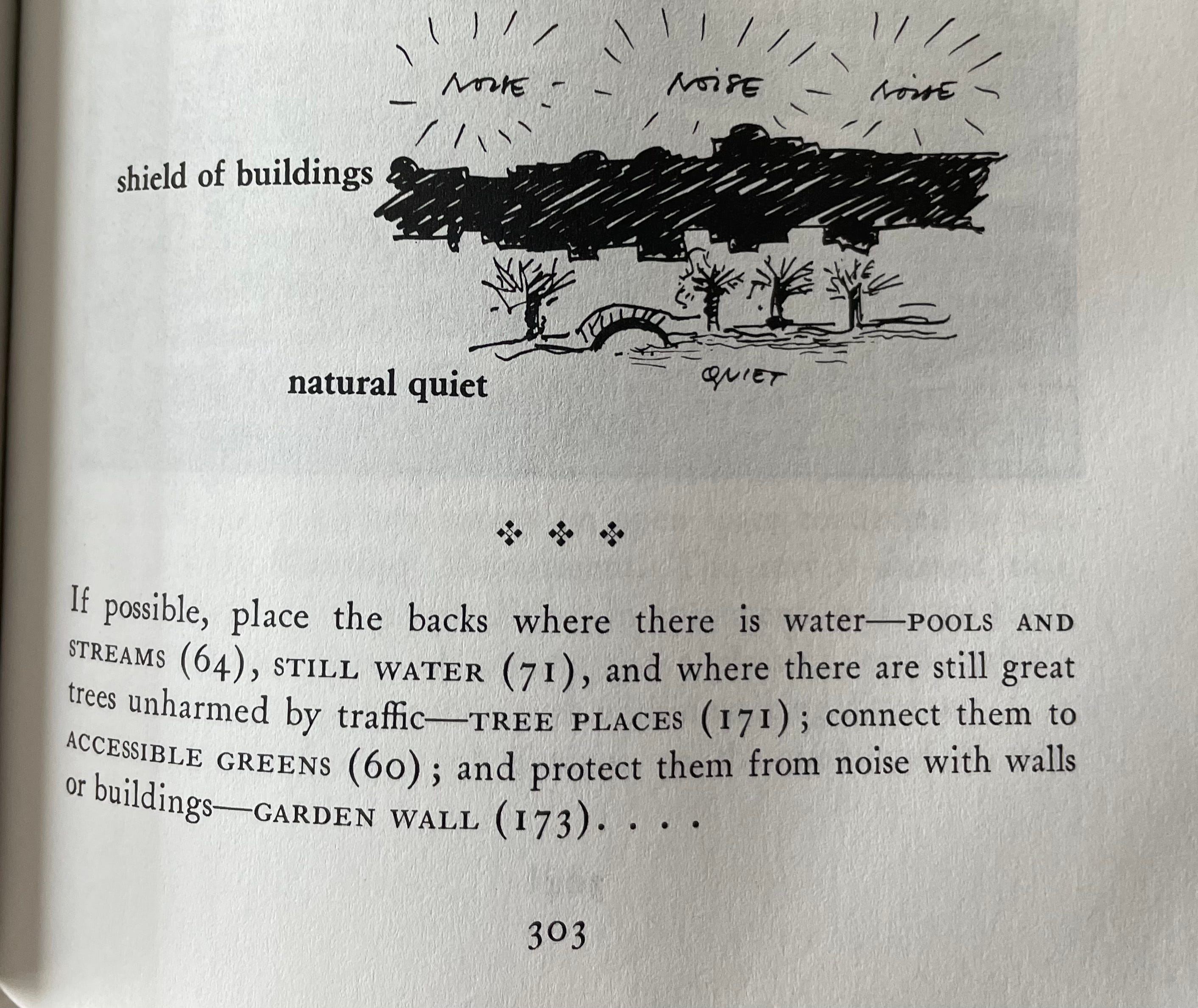
There are chapters about every topic that you can think of: “Street Cafe”, “Common Areas at the Heart”, “Old People Everywhere”, “Half-Hidden Garden”, and “Couple’s Realm”. The specificity in this book is comforting.
The Disappearance of Childhood by Neil Postman
Another title I picked up from Elisa Gabbert, The Disappearance of Childhood interested me from its title alone. Postman investigates the invention of childhood after the 17th century, along with its destruction in the modern age. “Unlike infancy, childhood is a social artifact, not a biological category,” he writes in the introduction. “Our genes contain no clear instruction about who is and who is not a child, and the laws of survival do not require that a distinction be made between the world of an adult and the world of a child.” The subject matter is very Holtian, and I’m eager to read about what Postman has to say on the topic of childhood and its gradual deterioration as a result of technological advancements.
Sex & Rage and Slow Days, Fast Company, by Eve Babitz
I’ve never read Babitz before and felt a desire to do so recently. I’m neither a Babitz or Didion girl and I don’t intend on labeling myself as either one, but I would be lying if I said their obsession with California wasn’t the least bit intriguing. I love when writers talk about locale and how it has shaped them, including everything from high praise to sharp-witted criticism or plain indifference. These two are the only books by Babitz that are available at my local library, so I decided to request them both. I’m pulled more toward Sex & Rage because it's a novel about a young woman whose aimlessness takes her back and forth from Los Angeles to New York, which is interesting enough, but I also wonder if I would enjoy it as much as I think I would. I don’t know, but we’ll see.
That’s all for this post. I hope to get a lot of reading done soon. Let’s see what July has to offer.
Alright guys logging off
No posts
Comments
Nothing yet. Say the first thing.
Sign in to join the conversation.