
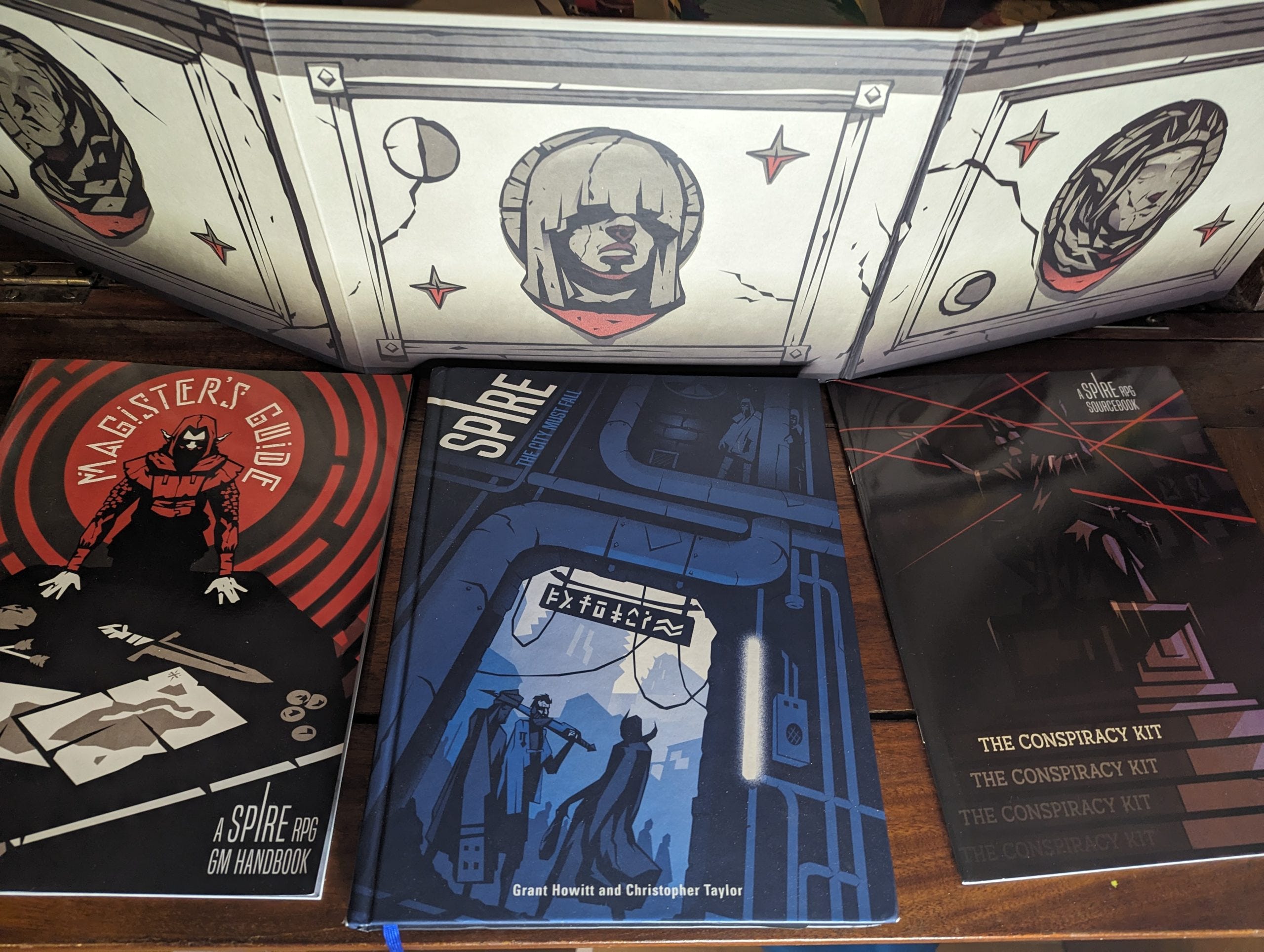
Tabletop role-playing games (TTRPGs) are, at best, reflections of the world, prisms through which we can view society distorted in strange and illuminating ways. Some games give us great escapism, where we get to pretend we are heroes who kill dragons. Others hand us the tools to interrogate systems of power, to play out resistance and rebellion, to imagine what liberation could look like. Spire: The City Must Fall is one of the few games that manages to do both—creating an experience that is thrilling, dangerous, and deeply political.
As a Black gamer who has been rolling dice since the late 70s and 80s, I’ve seen TTRPGs evolve. I’ve seen the ways fantasy worlds have often excluded us, reducing us to caricatures or treating our cultures as exotic window dressing. I’ve also seen how we’ve fought to carve space for ourselves in those same games, to tell stories that matter to us. That's why Spire struck me so forcefully: it's a game unapologetically concerned with systemic oppression, with being at the periphery of a city that doesn't give a damn about you, and with creating resistance in a world where everything conspires against you.
In short: Spire is real.
The conceit behind Spire is not that tricky: the monochromatic (skin tones of either white, gray or black) drow are oppressed beneath the high elves, who came and took over their city hundreds of years ago. You, as you play, assume the roles of the resistance fighters, and you work in shadows to strike back at the establishment. Sometimes your victories are small and personal. Sometimes they're gruesome and spectacular. But the incessant drumbeat of the game is a perception that the system is vast, heartless, and designed to kill you.
That was a tale that hits deep in my marrow. For Black people, particularly those of us who reside in the West, the legacy of institutional violence isn't one that is hypothetical. Colonialism, slavery, Jim Crow, redlining, mass incarceration, etc. These are the real "high elves" of today, and they've inflicted some deep scars. When Spire asks me to consider what it's like to live in a city that despises your very presence, I don't have to think all that hard.
But what is brilliant about Spire is that it does not wallow in despair. It instead asks the following questions: What do you do at that moment? How do you fight back? How do you mobilize when the state has declared war on your existence? That's where the game comes alive. It's about habituated resistance, about mobilization, and about the risks that we expose ourselves to when we choose to rebel.
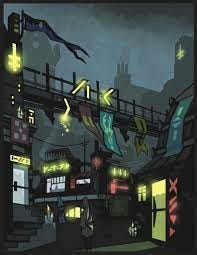
In the majority of traditional fantasy TTRPGs, you're all playing over-achievers, larger-than-life people, typically with access to vast resources or fated by the gods. Spire flips that on its head. You're not special. You're not rich. You're not safe. You're operating in the underworld, with the people that history would normally pass by.
To me, a Black player, this is real. Our histories have been relegated to the outskirts of fantasy books and even real life history books. But in Spire, the outskirts are the story. The revolution in the alleyway, the outlaw cleric, the scholar afflicted by the bane. These are not side characters, they are the protagonists.
That shift is significant. What it signifies is that the game authenticates the kinds of characters and stories that are usually silenced. What it signifies is that the bottom-rung people, not the top-rung people, are the ones advancing the story. And it reminds us that revolution doesn't start in palaces. It starts in basements, in kitchens, in whispers, in the secret places where oppressed people gather.
One of the greatest things about Spire is how upfront it's being about the cost of resistance. The game is not going to let you play ideal freedom fighters. You get to play individuals who are messy and compromised and sometimes destructive. Stress and fallout mechanics guarantee that: each decision that you make, each challenge to the system, has cost. You gain stress, and occasionally that stress erupts as fallout which changes you irreversibly.
That rings true to the actual fights of Black resistance. History teaches us that resisting oppression is not clean. The Civil Rights Movement was not all soothing speeches and marches. It was also internal conflict, fear, state repression, and sacrifice. The Black Panthers were not comic book characters. They were actual human beings, making tough choices, living under police surveillance, attempting to establish schools and breakfast programs while being targeted for assassination.
Spire takes all that grimy reality. It forces: if you resist, you get hurt. If you resist, you lose something. And still, it still gives you the tools to fight, to scrape out victories that matter. That mixture of hope and danger is tangible in a way few games are.
Another reason Spire feels powerful from a Black perspective is its worldbuilding. It is anti-colonial to its core. The high elves are colonizers who have taken your home and turned it into something unrecognizable. Your struggle is about reclaiming identity, culture, and autonomy in the face of that theft.
That past reflects so much of ours. From Africa, through the Caribbean and the Americas, colonial forces destroyed cultures, re-wrote the past, and exploited resources. Playing Spire allows me to envision resistance in a way that honors those histories, even if mediated through fantasy.
It also nicely crosses over with Afrofuturism. Afrofuturism prefers to see Black folks in futures where we've survived colonization, where we've rebuilt and remade ourselves. Spire is such a fantasy twin: an anti-colonial fantasy that demands, "We are not defeated. We are not powerless. We can dream of freedom, even in the most dismal city."
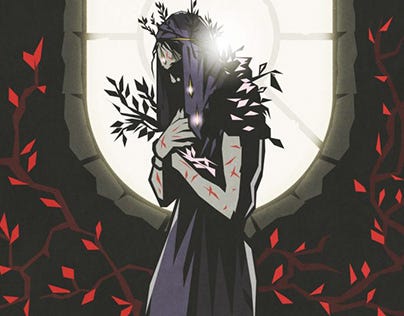
For Black players, storytelling about resistance is not entertainment. It is healing. There is strength in visualizing wins our ancestors did not get. There is strength in enacting what it feels like to fight back against the boot on your neck.
When I sit around the table with friends and we play Spire, I am not just rolling dice. I'm tapping into centuries of rebellion. I'm giving honor to those who fought before me. I'm saying: what if we could win, even if only for tonight?
This is why representation matters in games. When the gameplay and story of a TTRPG depict the lived realities of marginalized people, they do not just present us with a game. They present us with a canvas for survival, for imagining better worlds, for banishing trauma. Spire accomplishes this far more effectively than many other games.
For as grave as its subject matter is, Spire is a blast. The classes are wild and imaginative—the masked murderer who taps godhood, the occultist who burns spells into their bodies, the revolutionary priest who offers salvation through fire. The city itself is a surreal playground of mystery, cults, and taboo magical rituals. There's enjoyment in uncovering it, enjoyment in planning, enjoyment in pulling off impossible heists against impossible targets.
That joy is vital. Black resistance has never been joyfulless; through music, dance, laughter, and culture. Even in the darkest of times in history, we have celebrated ourselves. Spire captures that energy. Sure, the struggle is dangerous. Sure, the system is savage. But in all that, there is room for celebration, for innovation, for imagining the unimaginable.
I love Spire: The City Must Fall because it is unapologetically about the things that most fantasy games tend to gloss over: systemic oppression, resistance, and the lives of the oppressed. As a Black player, it resonates with me, my history, my culture, and my lived experience in ways that few TTRPGs ever have.
It reminds me that resistance is messy but is always worth it. It honors the people who live in the margins and make history behind closed doors. It looks back on the anti-colonial struggles of my ancestors while giving me space to fantasize about freedom in fantastical manners. And it makes me happy. the happiness of resistance, the happiness of imagination, the happiness of envisioning a better tomorrow even amidst impossible circumstances.
That is why I go back to Spire again and again. Because every time I play, I am reminded that the city may be infinite, the system may be invincible, but out there in the night, we are still fighting. And that fight, in all its danger and all its beauty, is worth telling.
No posts
Comments
Nothing yet. Say the first thing.
Sign in to join the conversation.