
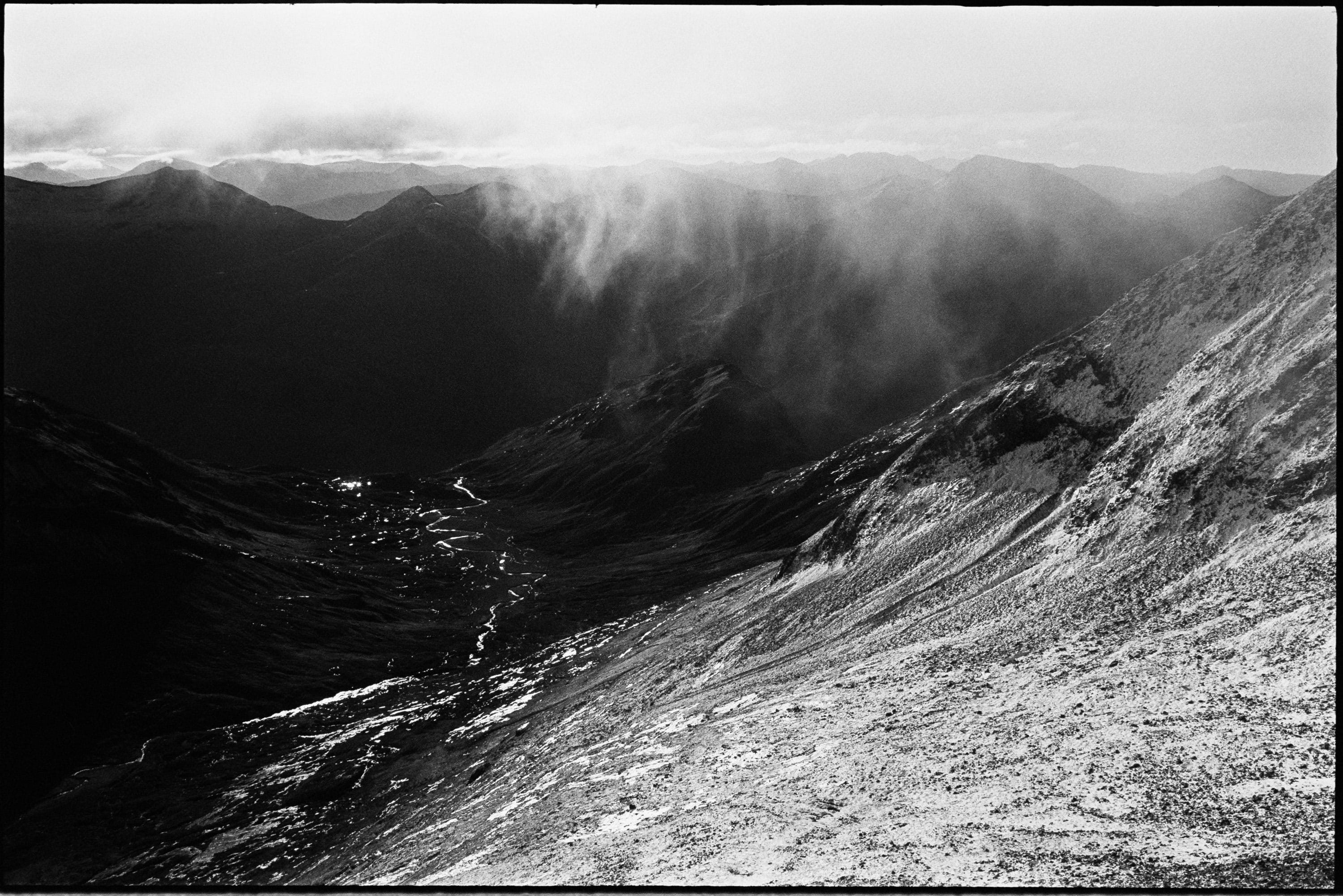
For those of you who prefer to read on paper (or e-reader) rather than in your Substack or email app, I have converted this essay into an easily printable PDF.
This will be my last issue of the Unplugged newsletter for the year, but not the last piece I publish here on Alpenglow Journal. Thank you to everyone who has read and supported my work in 2025; it means a lot. I’ve poured a huge amount of time into this journal. Hours every week spent at my desk writing the drafts, as well as hours more actually reading and pondering all the stuff I write about… then there’s the time and money I spend on my weird artistic rabbit holes such as film developing and wood engraving. All time very well spent indeed, but it is time I occasionally feel I should be investing into chasing more writing commissions.
I turned on paid subscriptions a few months ago as an option for readers who want to support me, and I’m immensely grateful to those of you who have chosen to become paid members. This remains an option, and next year I will think carefully about how to do more with this.
However, I understand that a paid subscription is a big commitment! So I’ve also set up a Ko-Fi page. If you’d just like to send me a one-off tip, you can do so here with my sincere thanks.
Right, let’s get to it!
Sidetracked Volume 35. Some amazing stories on the go for this one.
Like the Wind issue #48, and looking ahead to exciting projects next year… including our 50th issue.
My own book projects are chugging along; still prewriting for The Farthest Shore prequel, as well as occasionally dipping into draft scenes for Brightened Earth. What can I say, I’ve always been a slow writer!
🧭 The Great Outdoors, January 2026 issue
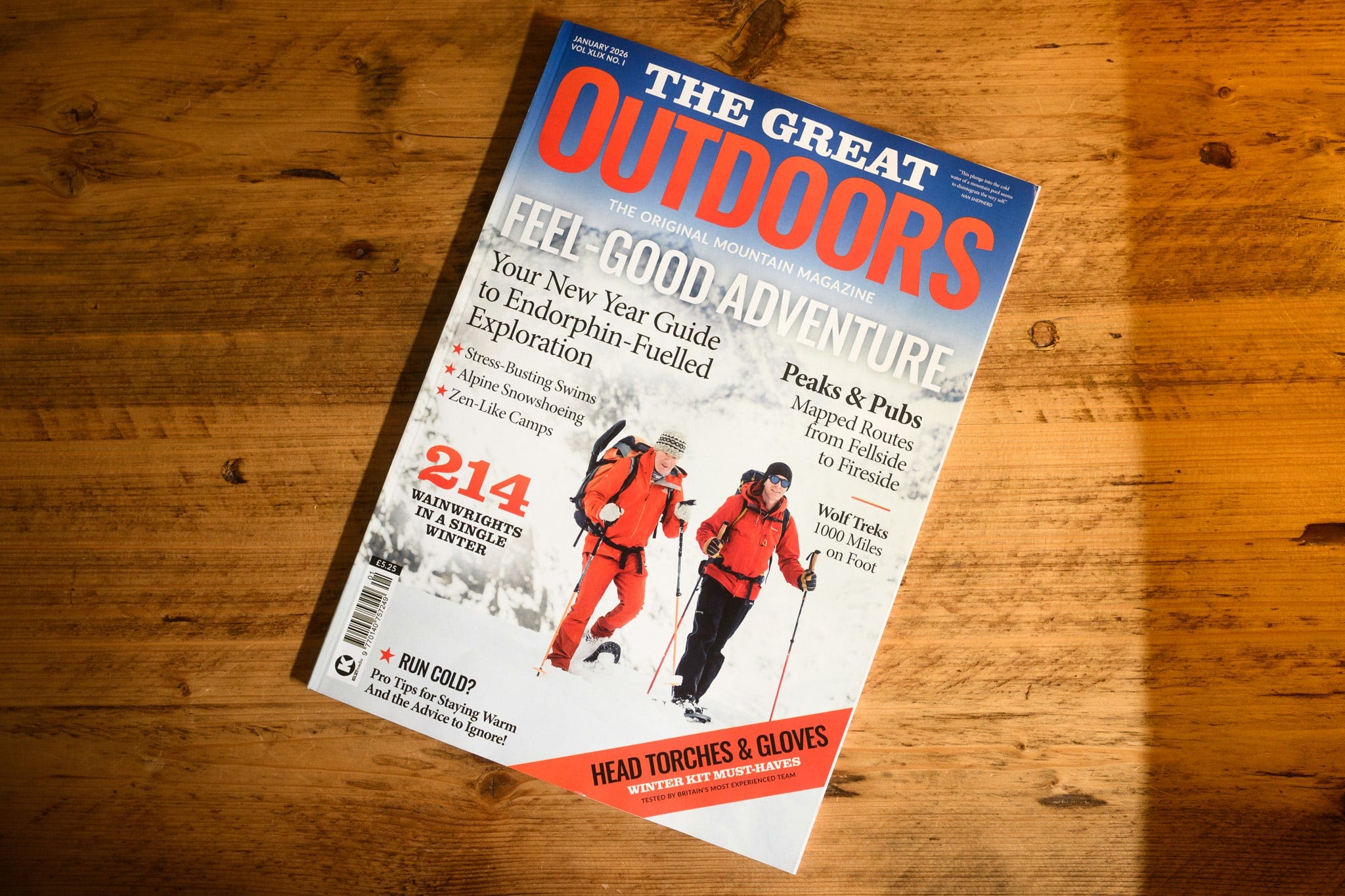
I’ve been writing and photographing for this magazine for more than 10 years now, but this is my first cover image – in fact, my first time with a cover image for any magazine! Bit of a career milestone. It’s part of the project I’m doing in collaboration with the Austrian Alpine Club (UK) and The Great Outdoors, and you can read my story about snowshoe hut touring in the Austrian Alps in the January issue. I’m immensely grateful to TGO for the support over so many years. Please support them.
🥾 Outdoor Connections, Kendal
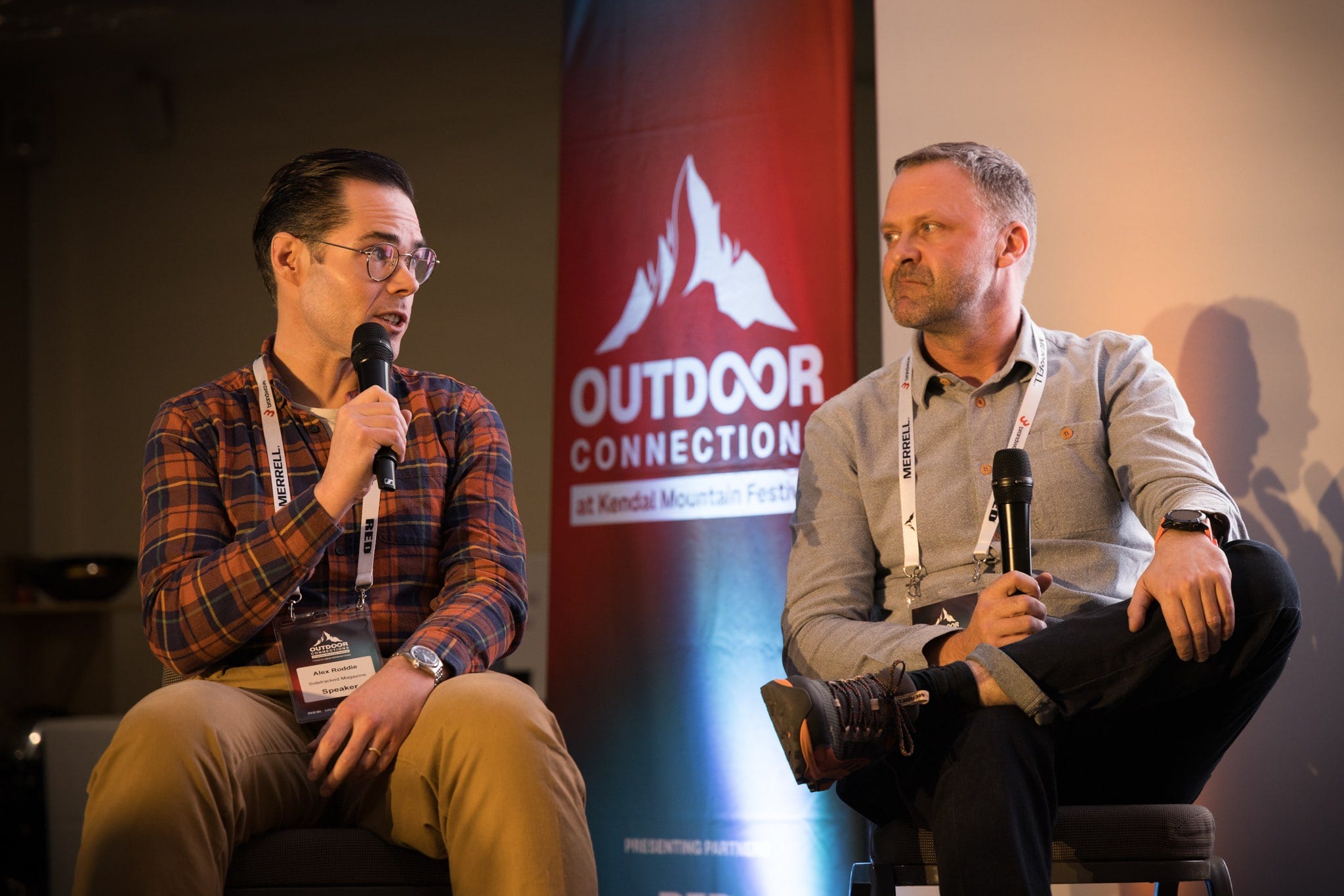
That’s me on the left! Image by Kevin Moran.
Last month at the Outdoor Connections event I participated in a panel on AI, and it caused a bit of a stir within my corner of the outdoor industry. I’ve been collecting feedback on the panel ever since. Below are a few key quotes.
Matthew Barr’s ‘Some Thoughts on Kendal’s Outdoor Connections Event’ is perhaps the definitive take I’ve seen so far, and includes this great feedback:
Alex’s articulate, impassioned points about the impact these tools will have on actual humans, and the creative work so many people in the room claim to cherish, injected a much-needed note of moral clarity into what risked becoming yet more one-dimensional AI boosterism.
I also took heart from Alex Roddie’s contributions to the debates around using AI in the outdoors, and the broader group response to that chat. Is it ethical for brands to trumpet their environmental and social responsibility credentials while using this resource-heavy tech in place of human writers and photographers, who are part of the outdoors community? And can outdoors content be authentic if written by an LLM? I’m not so sure. Maybe brands will start giving writers bylines and photographers credits on campaigns in the future so we know they’re authentic.
Special shout-out to Alex Roddie I didn’t manage to actually meet but whose presence felt like a ray of sunshine and sanity at the Outdoor Connections AI discussion which had up until that point felt incredibly dystopian. It’s good to remind yourself, as Alex put it, that friction is a part of the process, and that art, and especially creative work linked to the outdoors is inextricably an embodied process, and that outsourcing key components of that to a machine blob risks losing something fundamental (forever?).
📸 Revelry Collection Volume 002
The second issue of Revelry Collection, the new adventure magazine devoted 100% to analogue photography, as now available to order – and I have a piece of work in it this time, telling the story of a snowy trip in the Scottish Highlands shot on Ilford XP2.
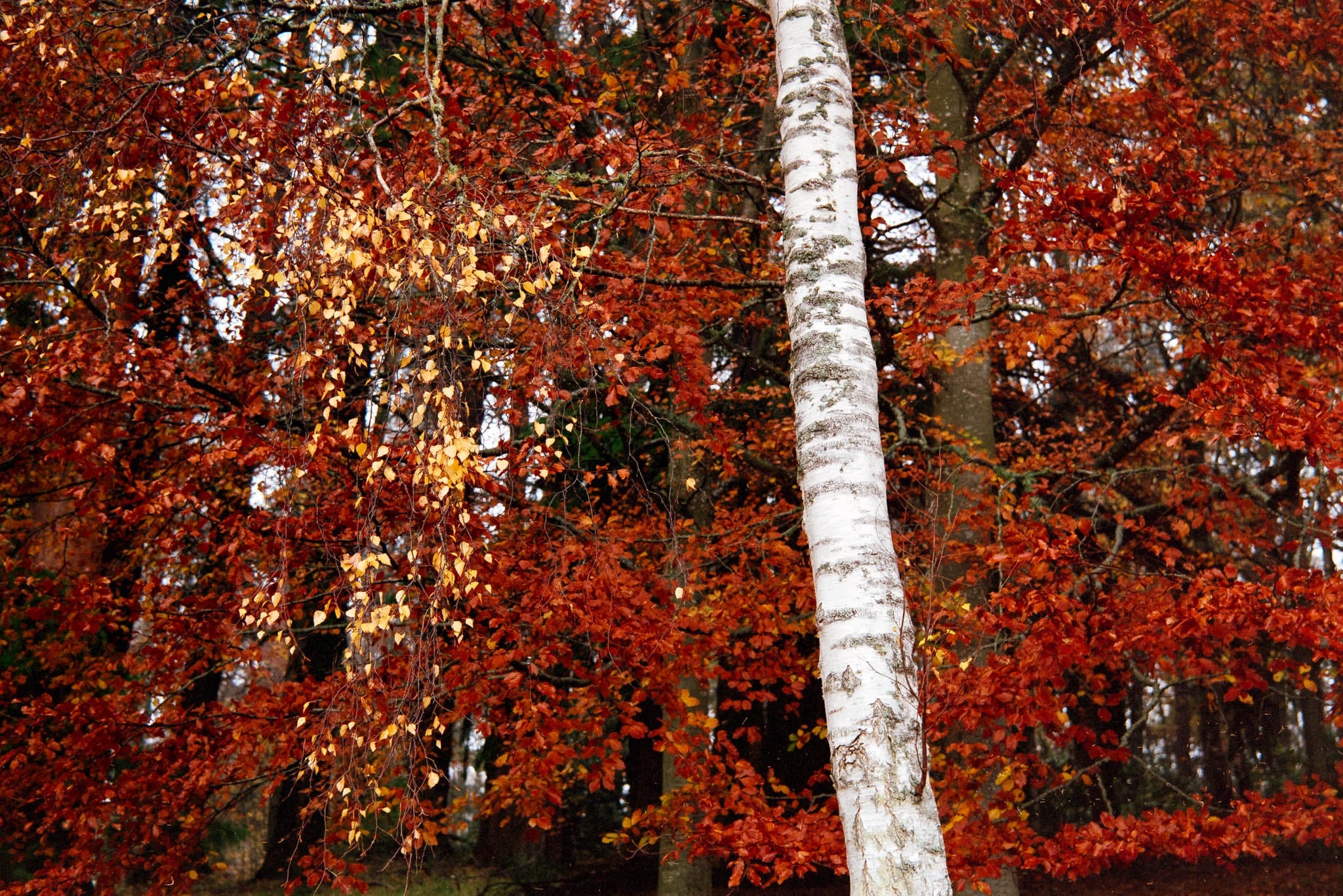
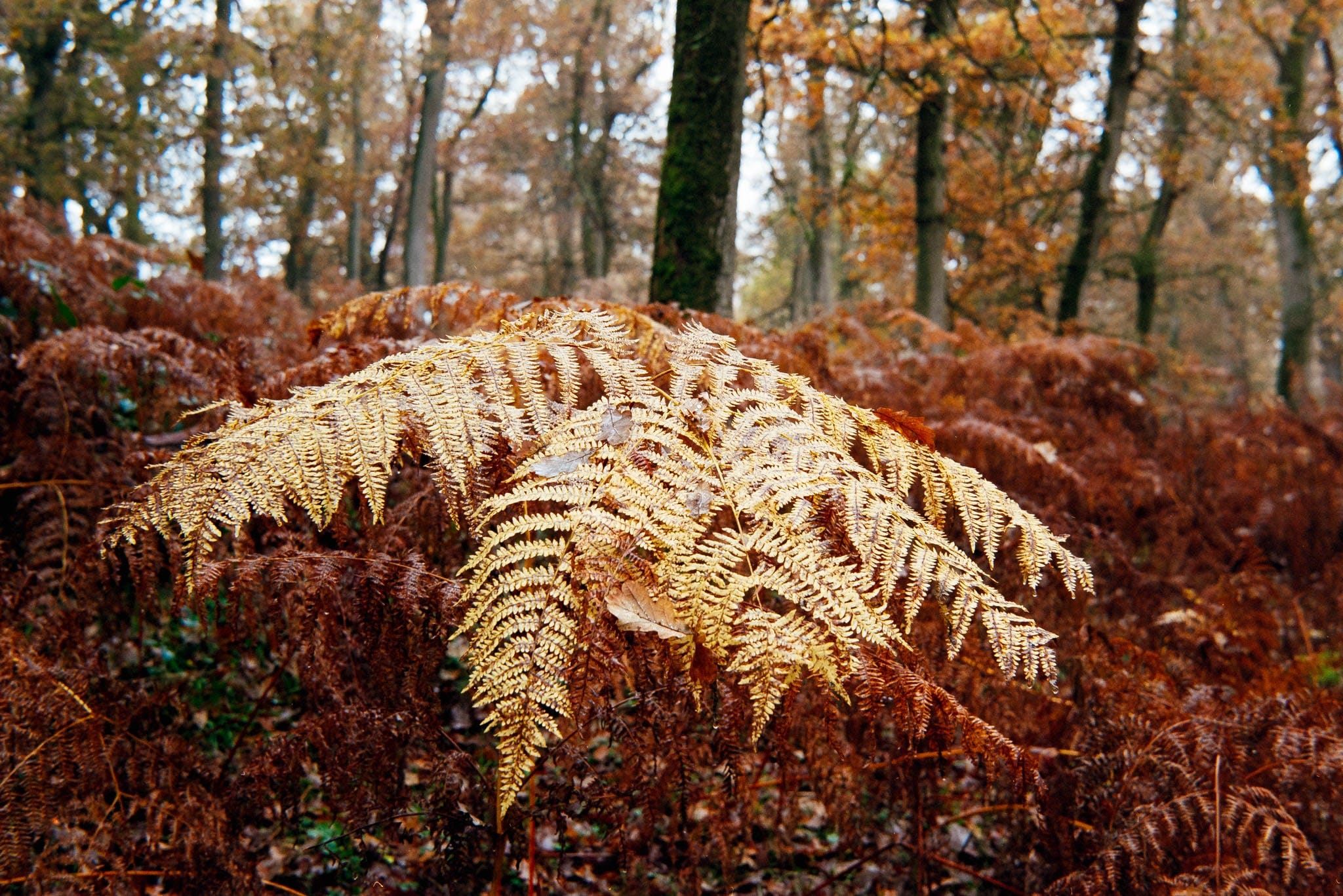
Kodak Portra 400 in medium format is expensive, especially if you shoot in 6x9, but it’s also gorgeous. I have a box of it in the freezer and occasionally defrost a roll and spin it through my Agfa Record III when I feel like treating myself. Here are two of my last colour images from the autumn, recently scanned. It won’t be possible to appreciate the level of detail in the tiny web-sized images I’ve posted here, but the high-resolution scans are so beautiful.
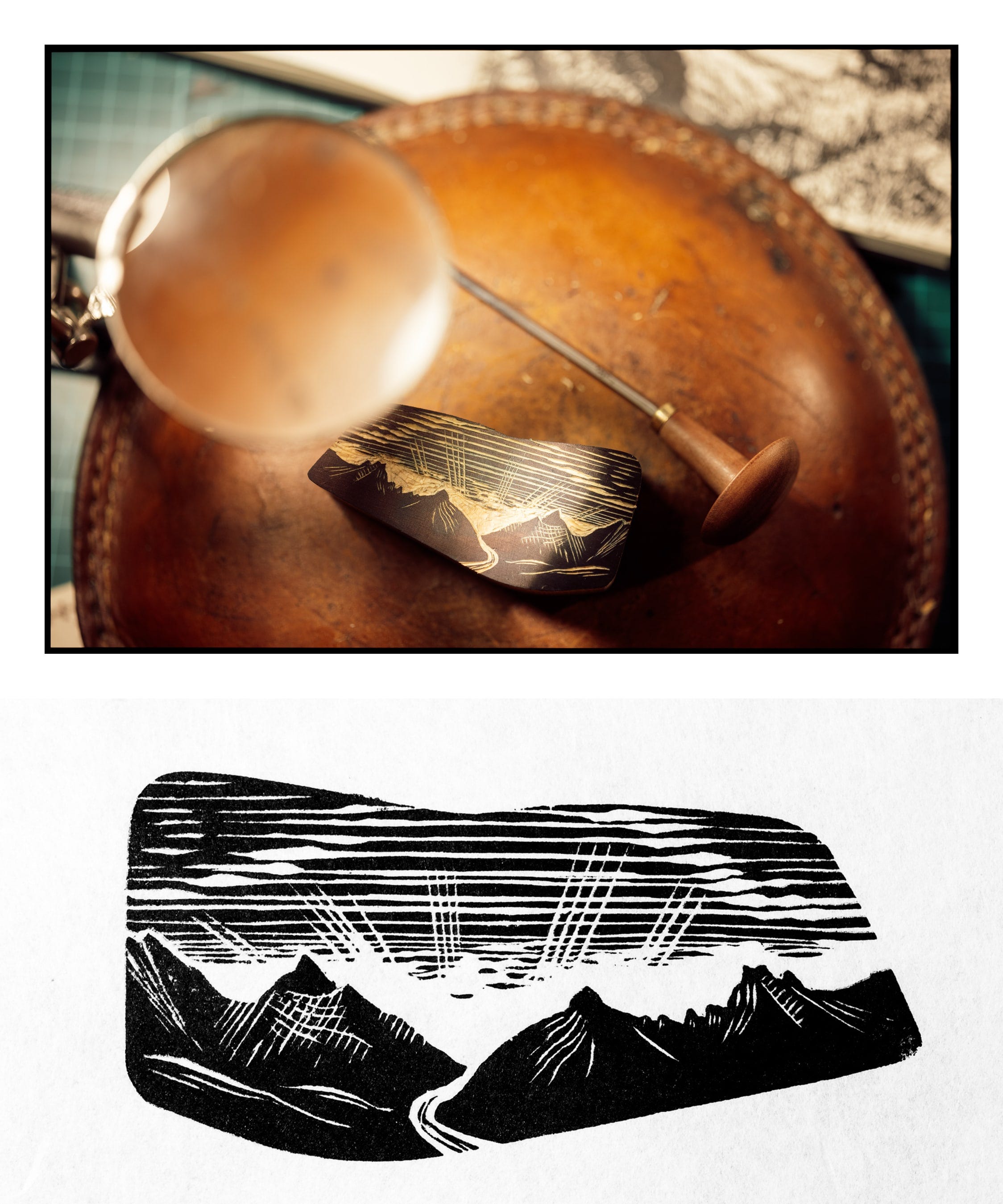
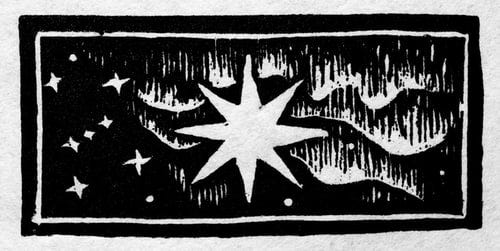
I’ve been doing a fair bit of wood engraving recently. Still very much a beginner, but I’m pleased with this small sunrise scene I created last weekend. Getting better at printing fine detail too.
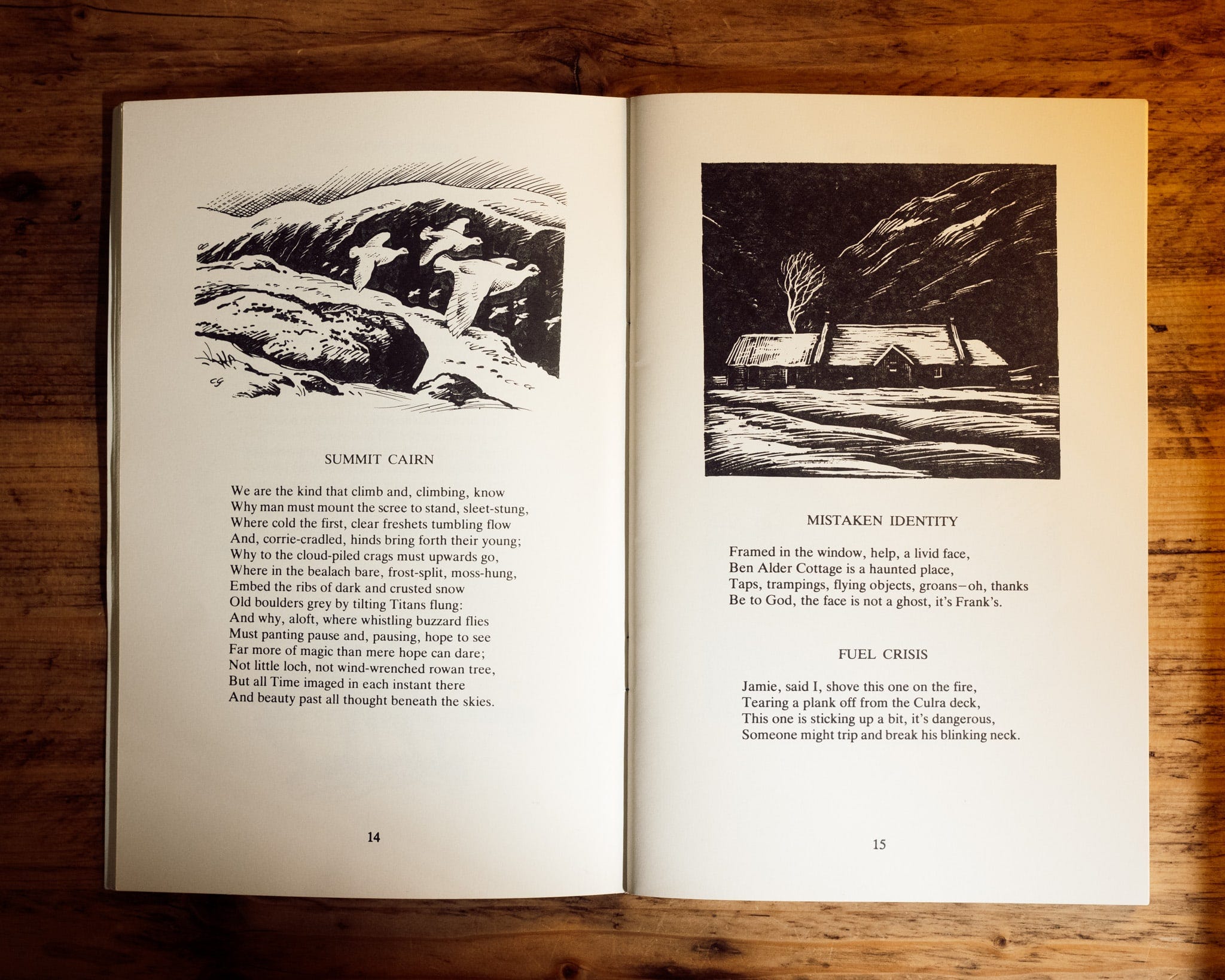
I picked up a copy of Give Me the Hills: the verse of Syd Scroggie in a local charity shop, and what a gem this book is. Scroggie was a Dundonian who spent much of his life tramping my own local mountains, and I appreciate the humour in these scraps of verse. The illustrations by Colin Gibson are also wonderful.
✍🏻 Resistance in the Arts: why Substack won’t save us
Look beyond the clickbaity subtitle and take the time to digest this long but important read in full. It’s a very well-reasoned take on the concept of creative resistance, why the digital world harms artistic brilliance and culture as a whole, and why AI will likely accelerate this decline. It’s also about the analogue renaissance and why this might just save us.
If you care about these things as I care about them, I promise this is well worth your attention. Some quotes I wrote down (emphasis mine):
Why are certain arts better, clearly and obviously better, at some times than others, in some places than others?
The unresisted work is rarely worth examining.
What artists need, when faced with absolute blockage from forces too great to resist, is not the absence of resistance but rather resistances that can be negotiated with – strong but not disabling.
I don’t merely mean that small is beautiful, though it often is, but rather: the non-algorithmic is beautiful.
Silence, I think, is the first cunning, the aboriginal resistance.
Dawn Monrose paid a visit to Dimbola Museum and learned about the history of photographic pioneers. A useful reminder that genuine excellence has never been about conforming to what the crowd believes, but about staying true to yourself. This also ties in with the concepts of creative resistance explored above:
Her [Julia Margaret Cameron’s] pioneering artistic work which we now may consider to be among the first ‘fine-art’ photographs, received contentious and rather slating reviews at the time. I admire her determination to continue producing her work, in her style, being true to herself, no matter what others were saying. Her images were ahead of their time, and the amount of work required to make them is not to be under estimated.
With all the chat at Outdoor Connections around storytelling and purpose in brand work, it’s worth returning to this great piece from filmmaker Emma Crome about how she approaches these things.
…if you want to make a success of your identity and your engagement with your audiences, and therefore cement an enduring relationship with your customers, then you have to start with the human.
With the rise of AI and the threat it poses to our relevance and authenticity in the world of online media, finding the essence and conveying human emotion in a way that connects us in an honest, unfiltered way should be supported, embraced and celebrated.
✍🏻 ChatGPT and “Inventing the University”
A valuable take on AI in writing from Shannon Mooney at The Important Work. It feeds into an idea I came across a couple of years ago – that in avoiding the emptiness of the generated response, we uncover what we previously could not articulate. In other words, doing the hard work of actively avoiding what AI spits out can help make us better writers (and humans).
I’m going to adopt a ChatGPTism here (sorry), but AI is not a collaborator or sounding board; it’s a black hole to steer your ship around.
As an English professor, I believe that most students, at the end of the day, prefer thinking for themselves rather than offloading intellectual labor to AI. When encountering student writing I highly suspect was generated using AI, I try to remind myself of Bartholomae’s essay and consider how subsequent conversations about AI usage can serve as teaching moments. This often isn’t a straightforward process, but I do believe that when we take the time to explore with students how and why we value process-based approaches to writing, they develop a better understanding of why original thought is so essential to this process. We cannot feed into the narrative that generative AI is throwing humanities disciplines into “crisis”; rather, it’s laying bare what our disciplines have always valued, and is underscoring why we must continue to value these things.
🤖 Made by A Human — A Manifesto RFC
Thanks to Tomas for sending me this. Clear, concise, and something all creatives in the broadest sense can get behind.
I met Phoebe Sleath at the Dundee Mountain Festival last weekend, and was struck by both her beautiful art and also the way she connects artistic practice to other forms of attention – especially the attention needed for the study of geology. When I returned home I found that she had a Substack newsletter; here’s her latest, exploring some of these ideas.
Whether a raindrop on an inky page, the wind catching the sail, or the touch of a fingertip on weathered rock, nature responds through us.
Last but not least, if you’re in the market for Christmas gifts, please support the publications I work with – and my own books are still in print too!
My books:
The Farthest Shore, my book about hiking the Cape Wrath Trail in winter and leaving the internet behind for a while
Magazines:
Sidetracked magazine shop – great options here including a 2026 gift subscription to the print journal, plus our fabulous new books (currently on sale)
Like the Wind magazine online shop – several gift options including single issues, subscriptions, and fun merch such as calendars, mugs, and apparel
If you like what you’ve read, please subscribe to receive updates in your inbox and Substack app. Thanks for your support. And if you’ve enjoyed what you have read, please tell someone else about it!
Images and words © Alex Roddie. No AI has been used in the creation of any work on this page. All Rights Reserved. Please don’t reproduce this material without permission.
Comments
Nothing yet. Say the first thing.
Sign in to join the conversation.