
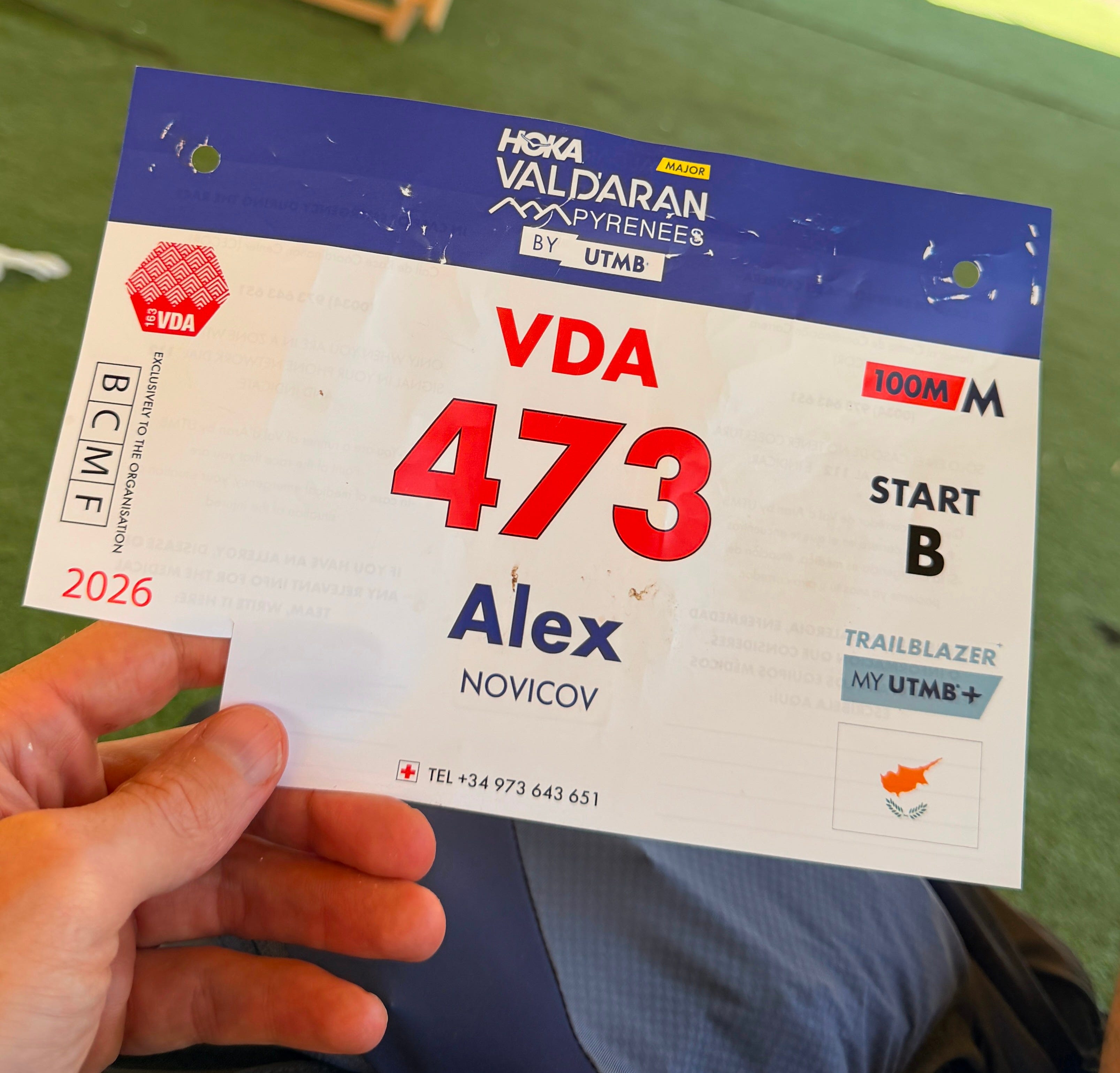
If you are thinking or planning to do your 100 miler here are some interesting lessons I learned during my first 100 miler DNF. This is a disappointing DNF because it was one small mistake that led to withdrawal.
This weekend I had to withdraw from one of my favourite races Val d’Aran by UTMB. At 65km with 4,000 meters of vert I decided to call it a day. The thing is my fitness, my durability was great, I didn’t really suffer except the obvious challenging hills. Before you jump and check my ITRA I had a DNF last year at the same race because I used it as a long training run for UTMB Chamonix. I signed up for the race in September before I knew I would get into UTMB so my coach back then recommended I stop after 40km as UTMB was a more important race, which it was, and I did finish UTMB 100 miler in Chamonix last September.
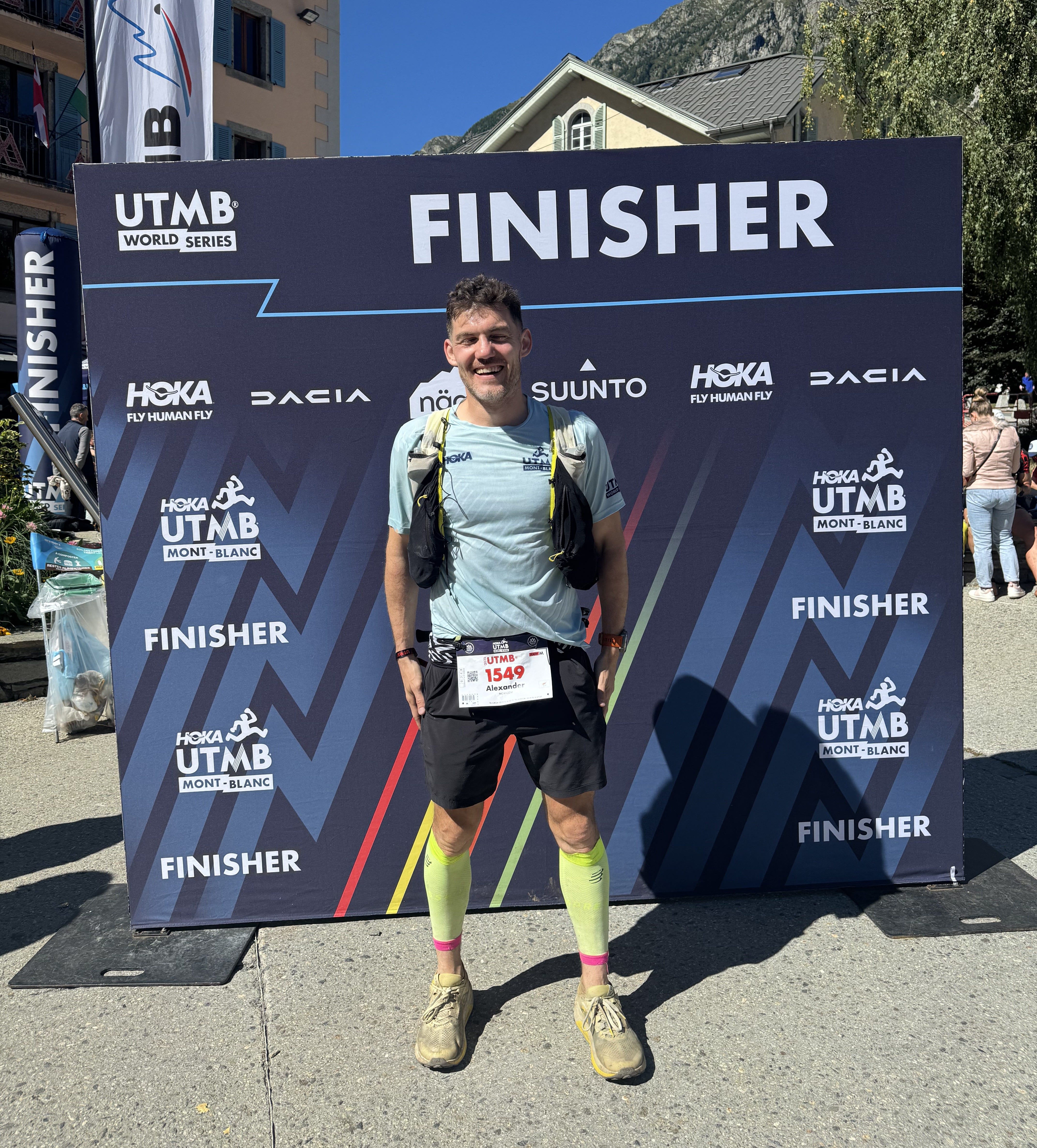
The reason I had to stop is that after a couple of km run I decided to splash my face with some water as it was hot. While doing that I lost my left lens. Initially I thought that the lens was just ‘somewhere’ there… that’s the optimistic Alex. Well after a while I stopped at a checkpoint and asked someone to help me double check. It was missing. (sometimes you have to take the lens out and put it back in and it’s back to normal)
Initially I thought it wouldn’t be a big deal as obviously I can see from one eye and the other eye was blurry. I was wrong. When I got up on those mountains we had zero visibility because of fog so my half-blurry vision didn’t help either as I was very cautious. At some point I thought I will go through the night and in the morning it would be easier.
When the morning came I think I spent way too much mental energy being so cautious where I step as the terrain was super technical (will get on to that later).
I didn’t really enjoy the race because I couldn’t get into a flow. At some point the downhills were okay I got a bit into a flow and was running at a good speed but then the rocks stopped me.
The thing is there is a safety issue here because as I was going deeper in the race, the legs get fatigued and sometimes you can miss a rock or something and fall. The fall is not the problem, the fall on top of a mountain is a problem because not only you put yourself into danger but you put others as well (mountain rescues).
I’m all in for challenging myself, but at the same time I want to enjoy trail running, because that’s why we sign up for races. So that’s the main reason I had to DNF. But then other issues started to bother me.
It’s disappointing because I had all the durability and fitness, I trained smart, I came to Pyrénées a month before to train and do my trail camp and I thought I ‘nailed it’. I didn’t pay attention to a ‘small’ detail. Because it never happened before, I never even thought of taking lenses with me. I finished Dragon’s Back without extra lens, I finished UTMB Chamonix 100 miler without an issue… but it had to happen so I learn and potentially you reading this learn and obviously the athletes I coach and will coach learn.
So here are my mistakes that I hope help you avoid them:
TAKE EXTRA LENSES (if you wear contact lenses obviously)
Straightforward. Take two extra lenses with you and two in your drop bag. I could have avoided it if only I knew I had one or two extra in the drop bag as a worst scenario.
SHOES & BLISTERS
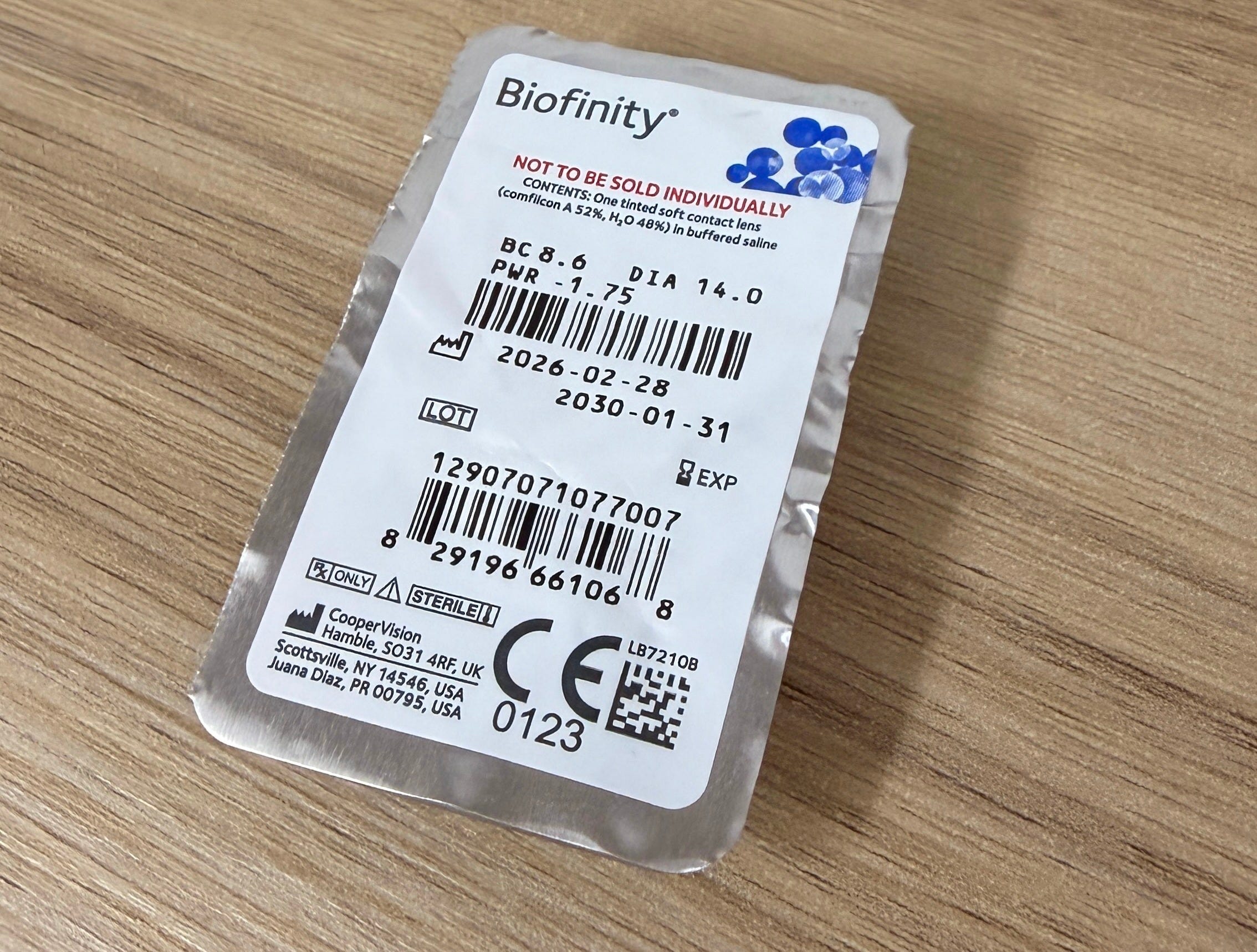
I’ve been wearing Nike Zegama for years and I never really had an issue, maybe one small blister but overall never had a problem. This year Nike launched a new series called ACG, so I got a new pair. I did long runs, short runs, all the runs in them. I didn’t really have an issue but there was a point a couple months ago I felt something on the side of my foot… I ignored it.
My intuition was to try another brand. Which I did: Hoka Speedgoat 7 and I got blisters. So I decided to go back to ACG Zegama.
Because the terrain was so technical, all my focus went into looking where I stepped. I didn't notice my left foot was blistering until it was too late.
So the lesson is, if your intuition is telling you something, listen to it. I didn’t. I completely ignored it a couple of months ago.
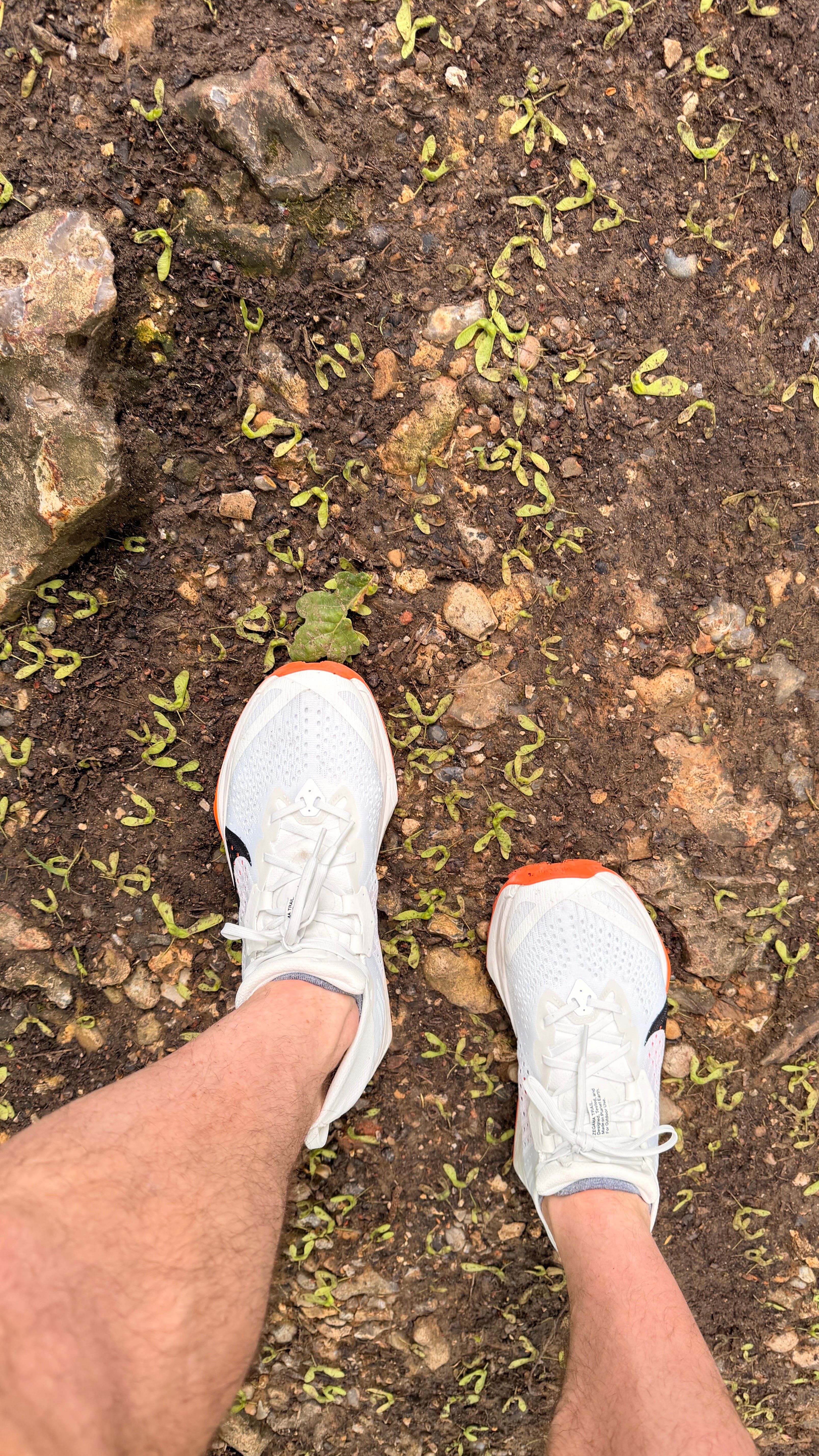
For this reason I’m never going back to Nike, as we know it’s a company that comes from track and speed, they are not specialising in trail running. I’ve been buying Nike for years but there comes a time when you have go with someone who is specialising in trail running.
DON’T PUT YOUR EGGS IN ONE BASKET
The other issue is I focused too much on this race. I decided to do less racing this year and just do two: one was a B race: UTVV Slovenia: which I did incredibly well and this was my A race where all my focus went.
The problem as Ian Morgan a fellow running coach said to me this morning is that if you put everything in one basket you get disappointed.
It didn’t help that I put so much pressure on myself to perform. I was speaking with Irene, my current running coach and she suggested I don’t spent a lot of time at checkpoints. Then my pace strategy was adjusted to that.
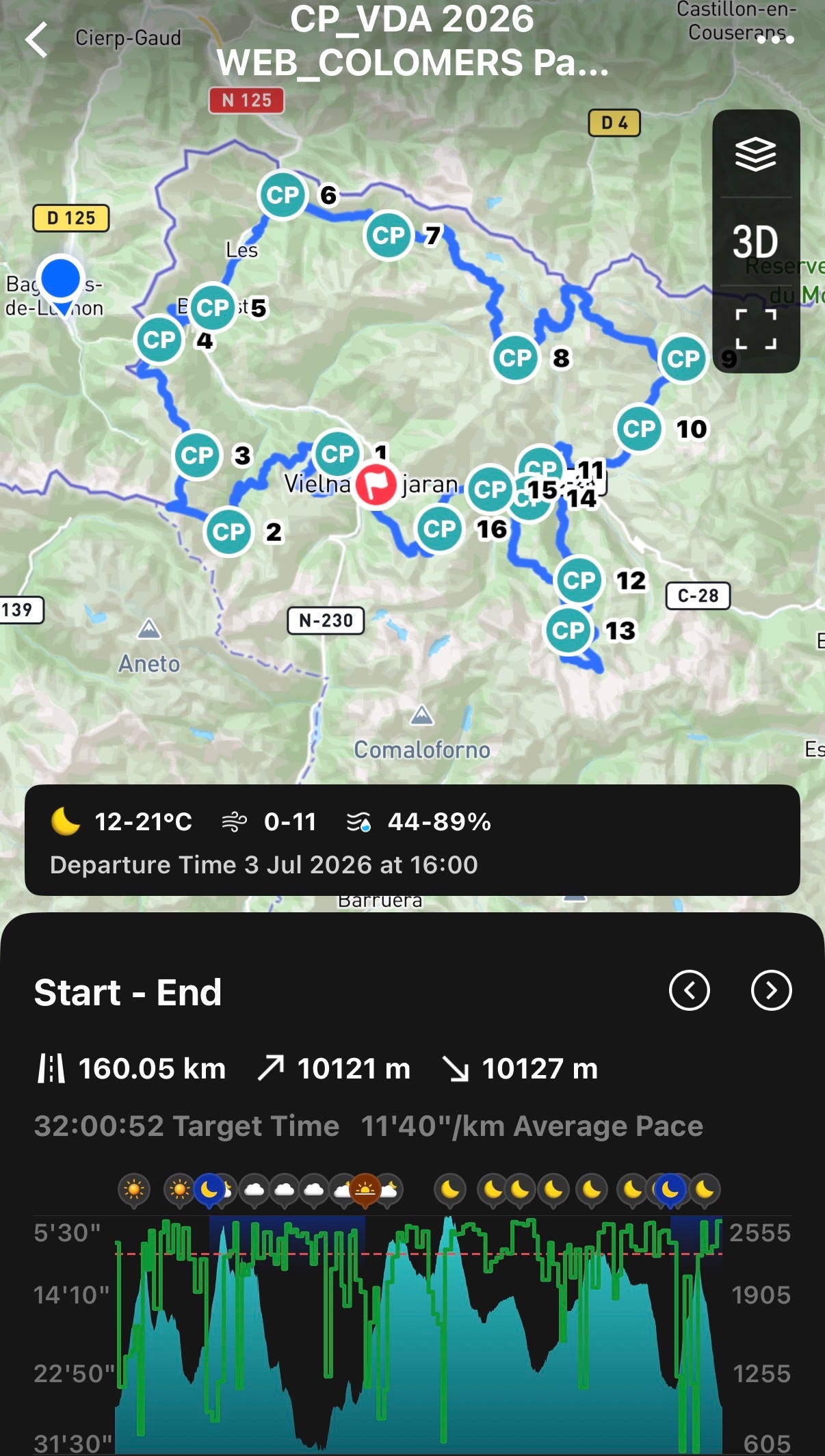
Early in the race my watch showed me that I was ahead. Later I fell behind. Seeing that shift got in my head and made me feel like I was slowing down, which I was but I wasn’t slowing down like chasing cut offs.
So the lesson is to have fun and don’t focus solely only on ONE race.
ROUTE & TERRAIN
This was a surprise for me because I always go on and on about how beautiful this race is and how runnable it is. You see two years ago I finished the CDH the 100km race and I loved it. The terrain, the views, everything was perfect.
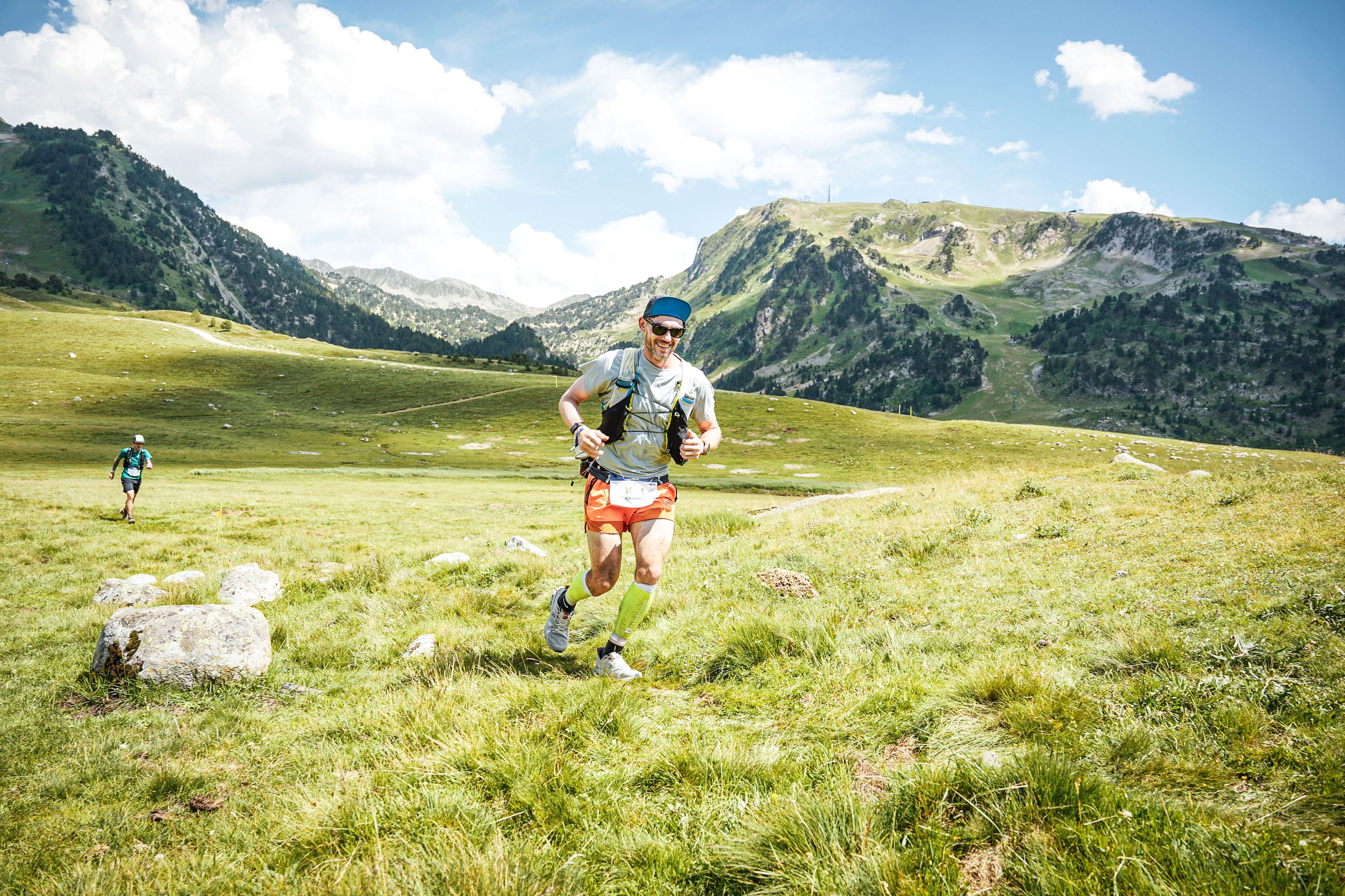
Then last year when I ran the 40km and I didn’t see so much technical terrain. But the thing is last year they changed the course for VDA because there was lightning. So it was a bit different route.
This year I was hoping that the weather holds up and they don’t cancel it like they did 2 years ago or change it like they did a year ago.
But the problem appeared when I saw how technical terrain it was so I trained for something but I got something else in a way. I’m familiar with technical terrain as I ran UTS and Dragon’s Back where you can’t get more technical than that. But I think I had different expectations and then obviously with blurry vision small details start to frustrate you even more.
Lesson: train for the terrain. Do a recce. Irene told me to do a recce here but it was a bit complicated to get on the other side because you have to get a taxi there and back and I thought that’s fine, I’m in Pyrenees the terrain is the same. And all the training runs I did here in Luchon didn’t have any technical terrain.
PLAN EVERYTHING
When I reached the first checkpoint I wanted to change my t-shirt because I was soaking wet from the sweat, but for some reason I don’t know why I didn’t put a t-shirt in the first drop bag. I put two t-shirts in the second drop bag and one t-shirt in the third drop bag but somehow I completely missed it.
So because my t-shirt was wet I changed to the long sleeve I had with me. Obviously not so good as I was getting hotter quicker. It’s a small little thing of course I could have gotten the other wet t-shirt and wore it or washed it in the river but when you are doing a 100 miler the distance is long and small details matter.
NUTRITION
This race was the first time I was so precise with nutrition. Irene planned everything by the hour and I thought I had it covered. In a way it was. I was fuelling perfectly most of the time but I ordered something from the Village expo that might have not helped.
Because I was staying on the French side I had to come by taxi, then bus so I arrived early. I decided to eat from the expo stand a Veggie Burger. When I picked up the burger I asked the lady 3 times if it’s veggie because I saw she wasn’t very organised. She said Si,si (yes, yes)!
Once I sat and started eating my fries she came running saying that it wasn’t veggie and she apologised. I asked her again if it was the correct one and she said yes.
Anyway when the race started 2 hours after I ate for some reason I felt pain in my stomach. I think it’s because I haven’t had a burger in a year or two maybe. The thing is don’t eat junk food if you don’t eat junk food. I know the rule: don’t eat new food on race day but there is a difference between knowing and doing.
All in all I think we can all learn some valuable lessons for our next race. We can plan, and prepare as much as we want but sometimes it’s just not our day. You can be fit, durable and still DNF.
I think that’s the beauty of trail running, a finish line is never guaranteed. Some might say why I didn’t continue walking / running. I don’t like walking, if I’m in a race I’m running all the runnable sections, I don’t want to chase cut off times, it’s not fun.
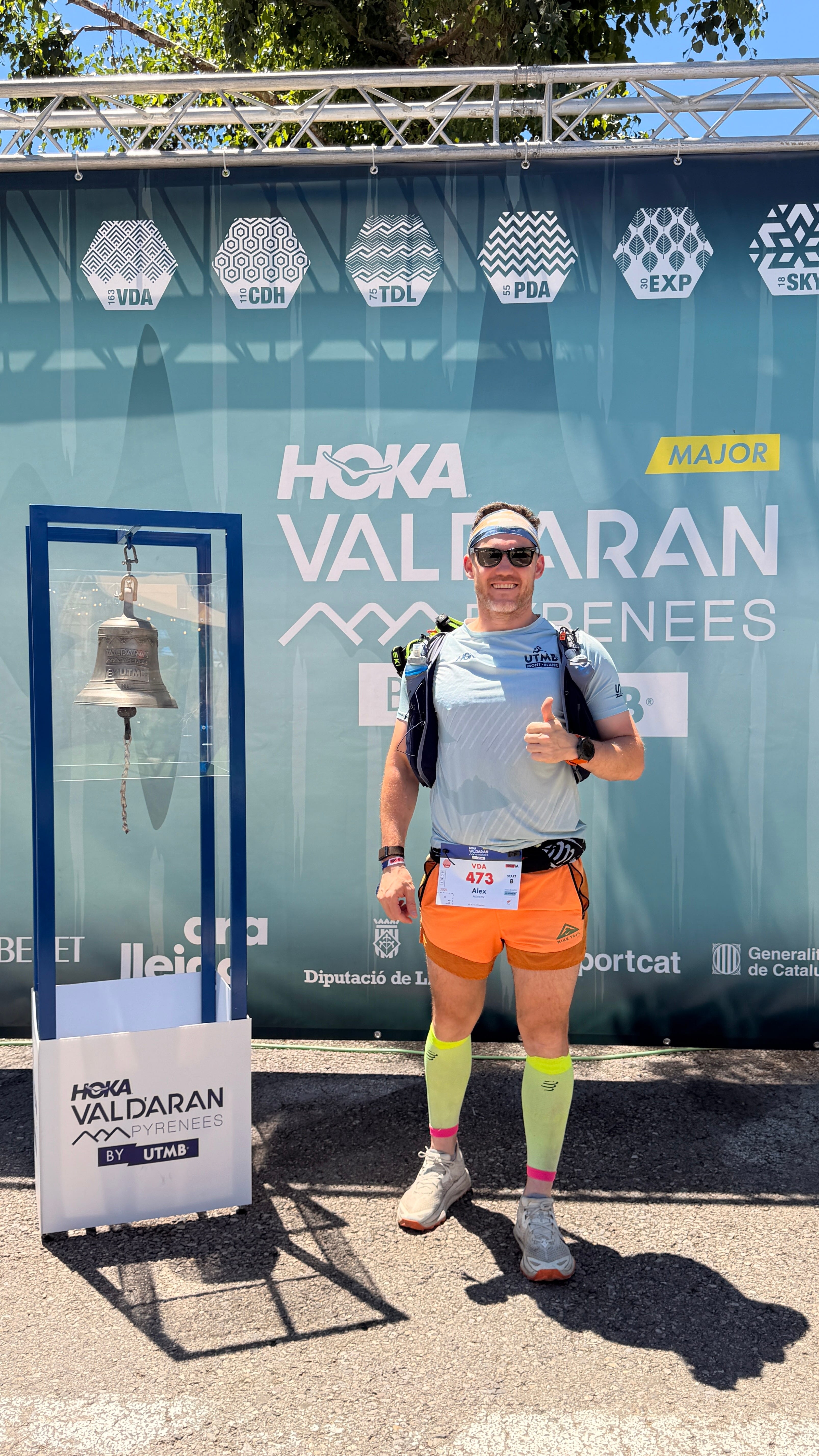
The other thing I thought is that this was a humble lesson for me as I actually said this year to someone that I never DNFed a race and I think I should have kept it to myself, I guess the Universe humbled me.
So all in all, stay humble, plan, enjoy trail running and don’t forget your lenses! They say experience matters, well there you go. Guess what I just added on my trail running races checklist? Lenses X4!
Comments
Nothing yet. Say the first thing.
Sign in to join the conversation.