
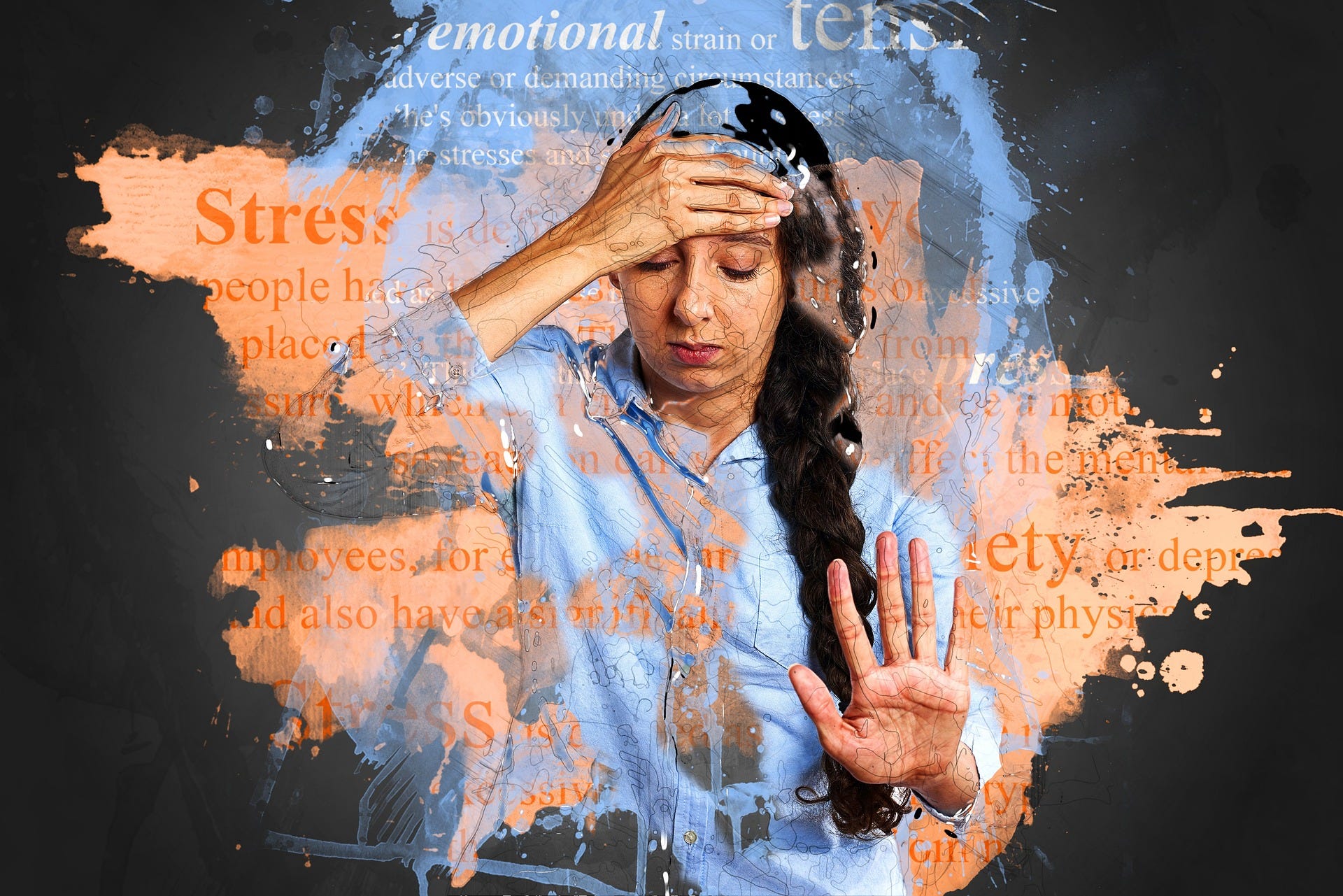
A lot of us usually walk around with our nervous system stuck in activated mode, without enough opportunities for the calming side to do its job. The result is that when your body finally gets the chance to settle, it can be surprisingly noisy about it.
If you do meditative or somatic work or even just take a few minutes to really relax, you’ve probably noticed your body doing things. Twitching, yawning, gut sounds, eyes watering for no particular reason. Maybe you feel like you’re floating, or suddenly heavy, or warm. Maybe you notice genital responses that have nothing to do with anything sexual. You might also notice these signs while cuddling with someone you feel safe with, finally settling in after getting home from a long day, or even during a quiet moment on the bus.
Therapy can do this too. Some of the most striking examples of these phenomena for me were during my early sessions of IFS (Internal Family Systems) therapy. The release of internal conflict was so powerful that I’d feel like I was floating, eyes watering, and more. Sometimes my body felt almost like it wasn’t fully there. If you’re doing any kind of therapeutic work that lands as hard as that did for me, you might notice similar.
On the other side, the activated state might be more common for you. When you’ve had too much coffee or other dietary triggers, you’re out in a socially taxing situation, or you’re just running tense for whatever reason you might notice a different set of signs. Dry eyes, shortness of breath, more yawning, dizziness, jaw tension you didn’t realize was there.
One interesting bit is that a lot of these signs show up at both ends of the spectrum. There’s a little horseshoe theory here.
Here’s what can be confusing: a lot of these signs show up both during deep distress and during deep settling. Shaking, dizziness, tears, emotional intensity, things loosening or shifting. One big difference is whether the process can complete.
During overwhelm, the nervous system may keep trying to discharge and reset, but it can’t finish. The yawn gets stuck halfway. You feel like moving somehow but it’s restrained. You tense to manage the dizziness but the tension is read by the brain as unsafety and the cycle escalates. Peter Levine is a legendary trauma researcher, and his whole framework is basically about the idea that trauma and tension are the body stuck in an incomplete loop.
If you’ve experienced these signs during hard times, it’s worth knowing that the body was attempting the same processes it runs during moments of true relaxation - it just didn’t have the space to finish.
With enough safety and capacity, those same processes can properly resolve. The deep breath or yawn satisfyingly rolls all the way through. The dizziness becomes a floaty freedom from having to monitor the body for things going wrong.
I’m a fan of the predictive processing framework for understanding how our lived experience is constructed, and it provides a possible mechanism for why both ends of sensitization can feel similar: both overwhelm and deep settling involve the brain loosening its predictive models. The constant predictions it generates about what’s happening and what’s about to happen becoming less rigid. During overwhelm, that loosening is involuntary. The system is past its capacity and the models are becoming destabilized. During settling because of felt safety, the loosening is voluntary. The system can afford to hold things less tightly, to relax and be ok with relaxing.
It’s also much easier to flip into activation than to settle out of it. One dietary trigger, stimulant, stressful interaction, or anxious thought loop can shift the whole system. Settling back out could take minutes or days, but building a felt sense of safety over the long term helps your system to know that it’s ok to settle back down when it becomes physically possible.
If you’d like to learn more about how to give your system that space, I taught a free course called How To Feel Better that covers a possible path from being anxious and depressed to finally feeling alive. I know it’s possible because I’ve done it, and wanted to share some of the many tools and frameworks to help more people out.
So what’s actually happening when your body starts doing this sort of stuff? Roughly three things, often at the same time:
Parasympathetic activation coming online. This is the “rest and digest” branch of the nervous system switching on. Tears, salivation, gut sounds, genital blood flow, heart rate slowing. These are all directly controlled by parasympathetic nerves. When they start happening, that system is waking up.
Sympathetic withdrawal. You may feel bracing patterns letting go, softening of muscles that were held without you realizing it. A sense of lightness (or sometimes heaviness) is often related to this. You might not feel the weight of tension until it lets up. Attentionally, maybe there’s less vigilance.
Discharge. This is accumulated activation completing. Twitching, tremoring, spontaneous sighing, the urge to stretch. The nervous system is using the opportunity to finish something it started earlier and couldn’t complete at the time. Peter Levine’s somatic experiencing framework is built around this idea, that the body holds incomplete stress responses and will complete them when conditions allow (Waking the Tiger, In an Unspoken Voice). David Berceli’s Trauma/Tension Release Exercises (TRE) use the body’s muscular tremoring mechanism as a deliberate tool to do basically what it says on the tin.
These three things often happen together, and a lot of signs you may notice involve some kind of mix of them. Yawning, for instance, is parasympathetic, involves a big release of jaw and diaphragm tension, and seems to function as a kind of state-transition marker.
But as always: this is an oversimplification. Different parts of the body can be in different autonomic states at the same time. You can have a racing heart while your salivation increases, or feel muscular tension in one area while another area is releasing. The body is really more like a bunch of separate systems that tend to move together but don't have to. Some phenomena, like kriyas (spontaneous movements and twitches that many meditators experience), don't map neatly onto any of these categories for most people.
This isn’t exhaustive, but it covers a lot of what people experience when the system is settling:
Yawning
Eyes watering or tearing up, often without emotional content
Gut sounds, digestion seeming to come back online
Sleepiness or drowsiness
More saliva, swallowing more
Heart rate settling
Hunger returning
Muscles relaxing
Feeling lighter, or sometimes heavier. Both can be relaxation.
Warmth in hands and feet as blood vessels relax
Breathing shifting on its own, getting deeper, moving from chest to belly
Jaw unclenching
Face softening, especially forehead and around the eyes
Less sense of a need for scanning or vigilance
Body making small postural adjustments on its own
Tingling
Sounds feeling less sharp or irritating
Voice getting lower or softer
Visual field feeling softer, more peripheral awareness
Scalp loosening
Sighing
Twitching or tremoring, often on the exhale
Sense of emotion, maybe vague or untargeted
A spontaneous urge to stretch
Goosebumps
Dizziness, spinning, or spatial looseness, more common in people with sensitized systems or in deeper practice states. Can show up on both ends of the spectrum.
A note on genital responses: these often aren’t tied to arousal. This is just the parasympathetic system increasing blood flow through the same sacral pathways that control the rest of this list. Research on arousal concordance (Meredith Chivers’ work especially) confirms that genital responses and subjective experience often operate independently.
When the system is pushing toward sensitization and overactivation, you might notice:
Dizziness
Dry eyes and mouth
Cold hands and feet
Breathing getting shallow, or holding the breath
Jaw clenching
Gut discomfort or nausea
A vigilant, scanning quality to attention
Sounds or other sensations feeling too loud or sharp
Muscles bracing
This is information you can use - if you notice these, it might be a good time to slow down, try something grounding, or even just shift your breathing.
Some people have a harder time accessing parasympathetic states. You might notice these signs more intensely, have more trouble letting them complete, or find your system flips into activation easily and takes a while to come back.
This can relate to neurodivergence, trauma history, connective tissue differences, or just the way you’re wired. If this sounds like you, gentler on-ramps matter more, and you may need to spend extra time working on finding physical blockers and triggers. For me, black tea was my favorite drink but most black teas set off my nervous system so badly that I’d be slammed into the oversensitized side of that spectrum for a whole day. Chocolate was even more insidious, onsetting more slowly but caused lingering ANS dysregulation for days.
Stephen Porges’ polyvagal theory (The Pocket Guide to the Polyvagal Theory is the accessible version) has a useful framework for understanding why some nervous systems need more scaffolding around safety before these processes can unfold. The polyvagal model of the physical vagus nerve isn’t quite right, but its phenomenological descriptions of these states are very useful.
By themselves, these signs aren’t critically important. But if you have a hard time settling down or even don’t really know what that feels like, you can pay attention for them as indicators that what you’re doing might be going in the right direction. And a few of these can be directly useful - the gut gurgles often mean that your digestion is starting to move, for example, so more time in those states could pay off in terms of gut health. One example: I was starting to develop lactose intolerance, but that reversed when therapy and meditation helped my belly tension calm down and I started deliberately spending more time in gurgle mode.
I’ve also written more about my experience with nervous system sensitization in my article If It’s Supposed To Feel Good, Why Does It Feel So Bad?, so please check that out if this sounds like your own experience. I’ve also got several projects on my personal home page that have fallen out of my journey through this territory; you might enjoy glooow, a free app I’ve made to help make accessing states of release easier via voice-driven meditation. And finally, if your experiences don’t line up with this article, I’d love to hear from you so I can amend it. I want to write stuff that helps as many people as possible.
Peter Levine - Well-known works are Waking the Tiger (accessible) and In an Unspoken Voice (detailed). The completion model: trauma symptoms as incomplete stress responses the body keeps trying to finish.
Stephen Porges - The Pocket Guide to the Polyvagal Theory.
David Berceli - TRE (Trauma/Tension Release Exercises). Built a modality for inducing tremoring to discharge stored trauma and tension.
Pat Ogden - Trauma and the Body. Sensorimotor Psychotherapy - tracking somatic signs as meaningful information during therapeutic work.
Meredith Chivers - Research on arousal concordance, particularly the independence of genital response from subjective arousal.
Andy Clark - Surfing Uncertainty. Accessible introduction to predictive processing.
No posts
Comments
Nothing yet. Say the first thing.
Sign in to join the conversation.