
New here? Welcome to SMALL WINS. Each fortnight I share one concept that will make you a noticeably better cook, plus the recipe that proves it— just the knowledge that actually matters from a self-taught MasterChef finalist and 2-time cookbook author.
Raspberry jam is the model student: the berries are so high in pectin (it’s all those seeds) that it need spend barely any time bubbling away on the stove before it’s ready to be jarred, eager to set. This is not so with most other fruits, and it’s particularly not so with lower pectin apricots — which is a damn shame, given apricot jam is my favourite!
The risk with lower pectin fruit is that you have to cook the jam for a longer period of time to achieve a set and, in so doing, you overcook the fruit, killing its fresher flavour notes. But we can solve that — or, should I say, Christine Ferber has solved that.
We have explored the technique of maceration from a few angles on this newsletter, and as I returned to Ferber’s apricot jam this year, I was reminded of what a genius technique it is. I think you’ll feel the same.
Plus, it was precisely as I had apricots coming in and out of the kitchen at speed that I also discovered, by chance, another way to make apricot ‘jam’ — one which borrows the same underlying genius of Ferber’s preserves but requires no heat and is even simpler. Today, then, I share with you two options for preserving the beauty of the apricot before she disappears…
-Alexina
Today’s recipe: Apricot & vanilla jam
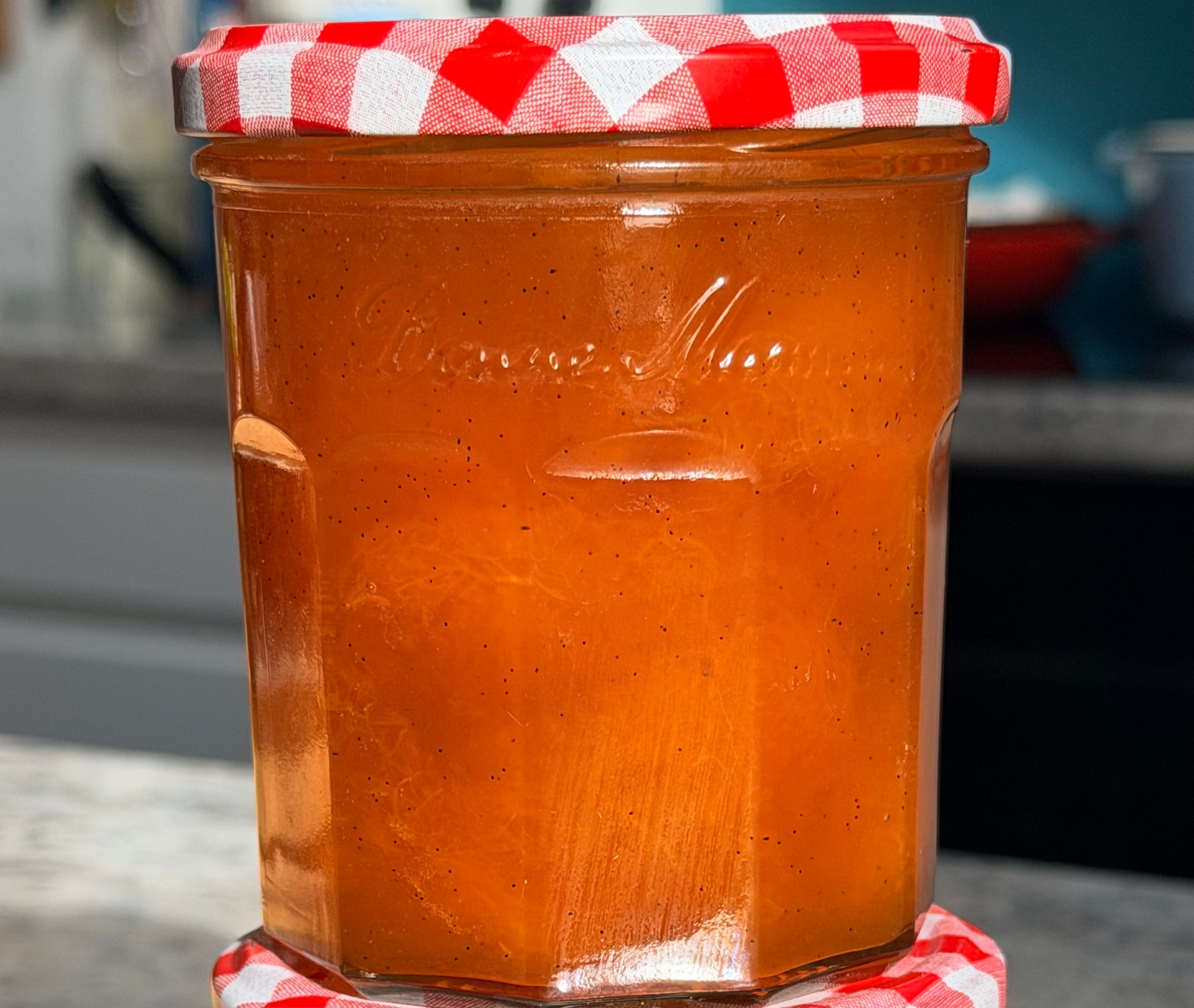
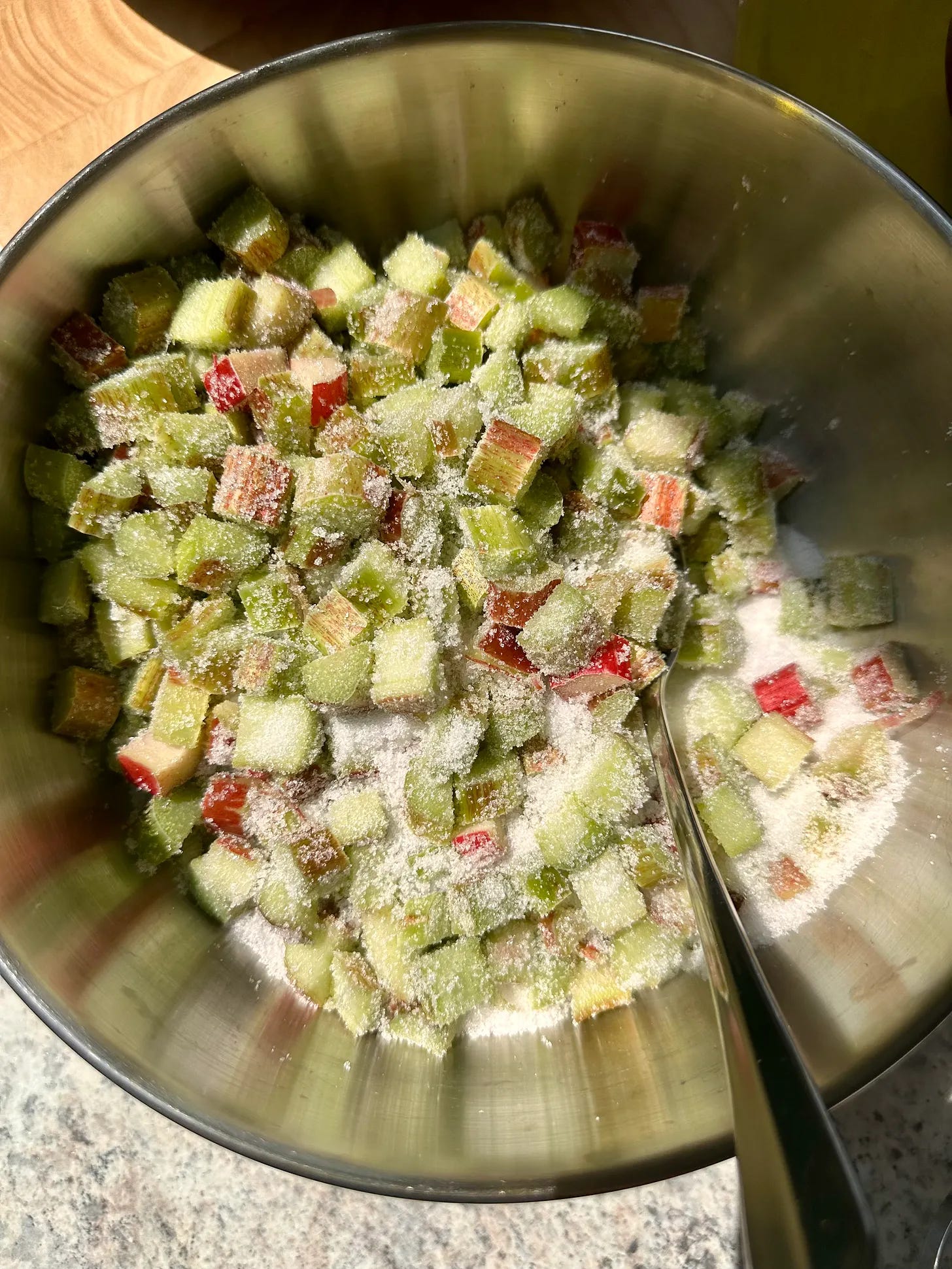
Christine Ferber is a legend in French culinary circles, but I’ve not heard many talk about her in the UK — which seems odd given she makes the best jams on the planet! Put it this way: there is my life pre Christine Ferber’s apricot jam, and my life post Christine Ferber’s apricot jam.
Christine hails from the Alsace region of eastern France and is a pastry chef who has become known for her ambrosial preserves. I first came across Christine’s jams when working for the famed patissier Pierre Hermé in Paris. One day, after work, I took home a diminutive jar of her apricot and vanilla preserve, slathered it on a baguette that was starting to stale from that morning and all other apricot jams were ruined for me after that.
Christine’s book Mes Confitures has been my sacred jamming text for years, and at the heart of her technique is the power of maceration. In her own words:
“I do this [macerate the fruit] so that the sugar is absorbed gradually by the fruit and the texture […] is preserved.”
This process gives your jam a gentle headstart, making the most of the fruit’s inherent qualities and reducing the amount of time that it has to bubble away on the stove — which preserves freshness of flavour.
Admittedly, using maceration in jam-making will stretch the process slightly — potentially over a couple of days — but it’s not much more effort and delivers much better jam: a worthwhile trade-off.
The maceration step for jam-making
This isn't specific to apricots — macerate any fruit before making jam and you'll be rewarded with fresher flavour and a better texture.
For delicate fruit like berries, an hour or two of maceration is plenty.
For denser fruit like apricots, follow the two-stage method below — a short period of maceration, a brief simmer, then an overnight stint.
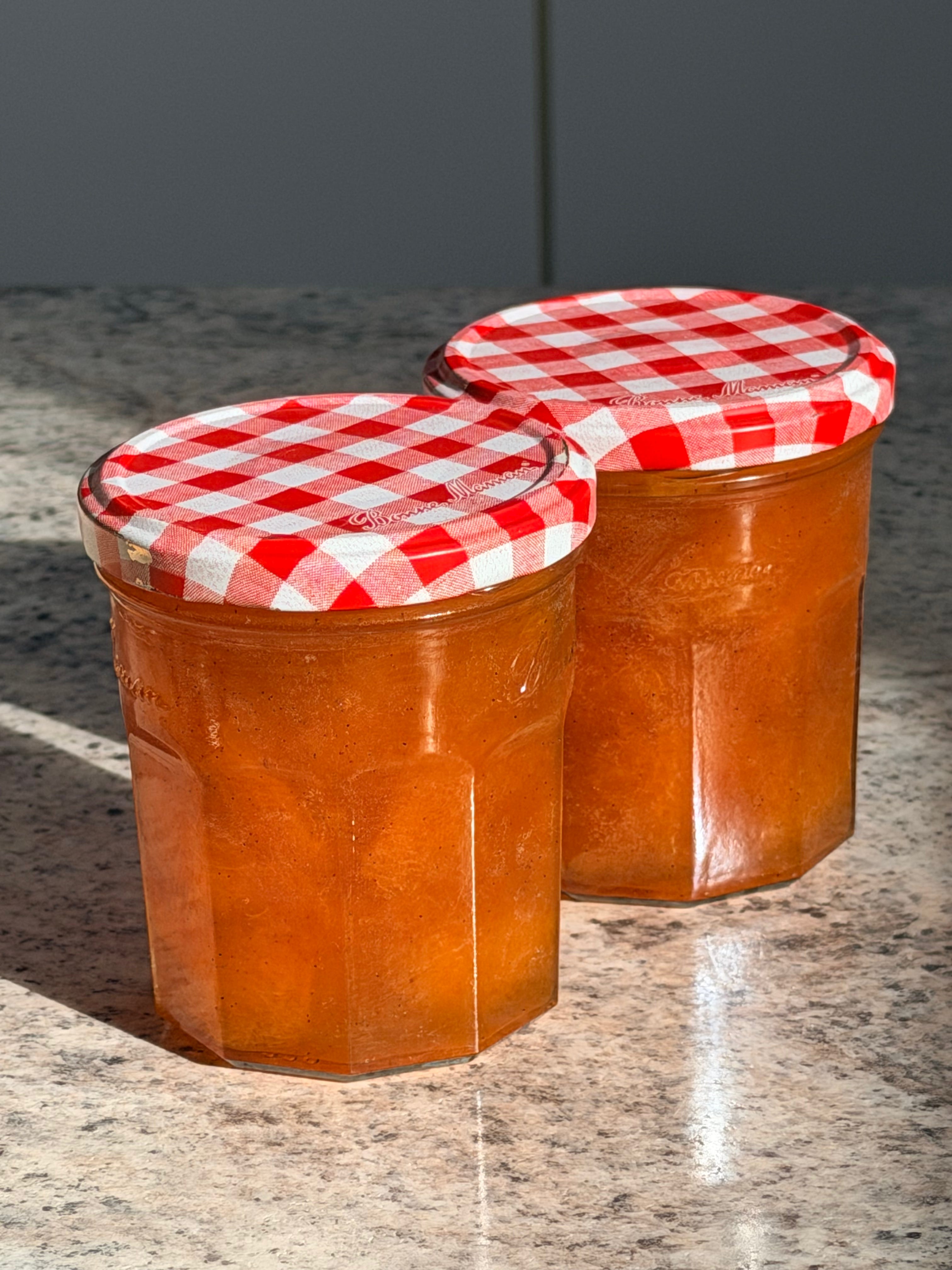
This is Ferber's apricot jam in spirit, but I have tweaked it in a few ways: scaled it down to produce two neat jars, a lower sugar content (Christine’s original is 80% sugar, this is 70%) and smaller apricot pieces. Her masterful technique remains, however!
Comments
Nothing yet. Say the first thing.
Sign in to join the conversation.