
One of the photos from my recent work is useful to give us a little bit of visual context:
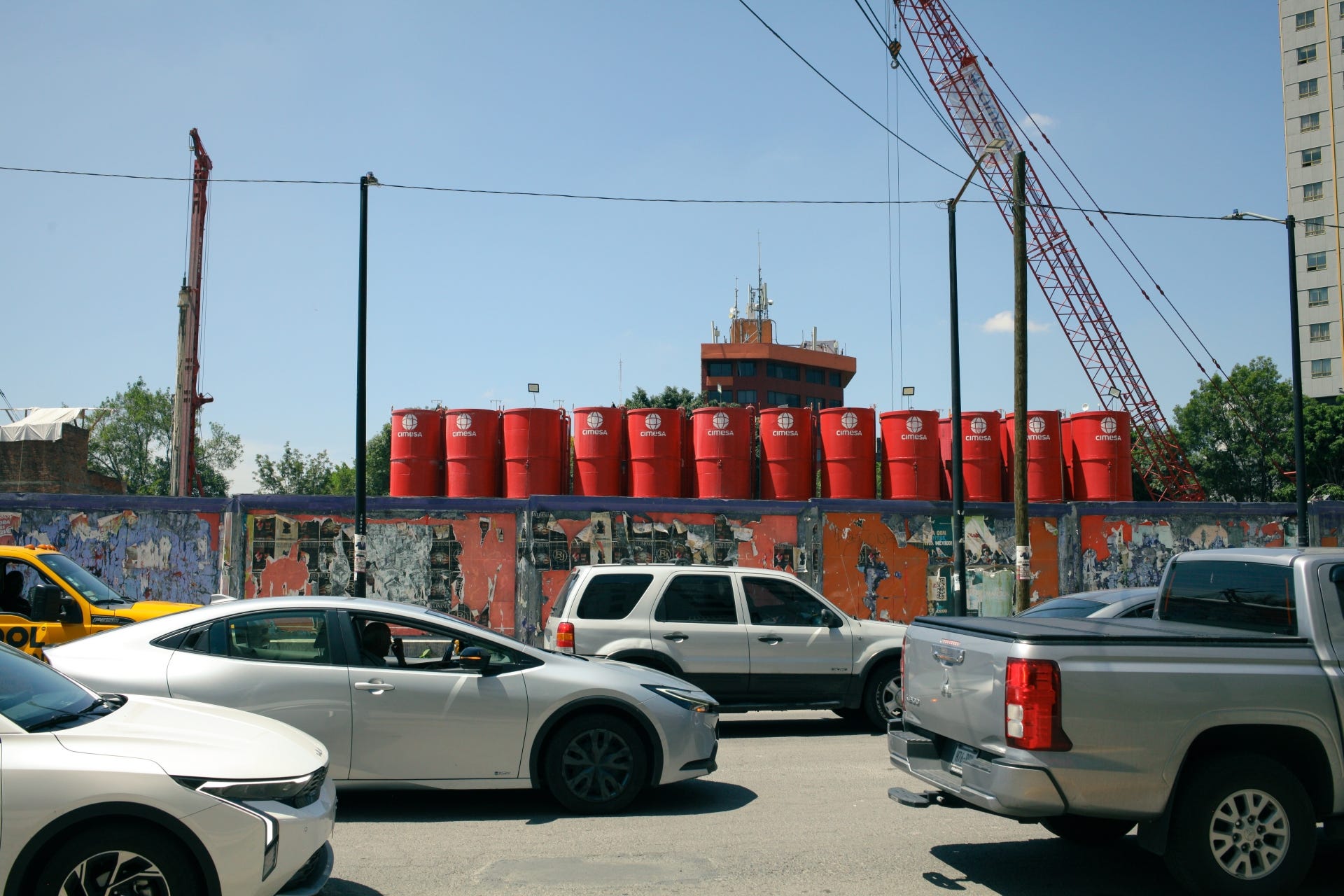
In 1975, New Topographics: Photographs of a Man-Altered Landscape quietly challenged one of the most deeply rooted assumptions in photography: that a landscape should be beautiful, dramatic, or sublime in order to deserve a photograph.
For decades, photographers such as Ansel Adams had given us a vision of the American landscape based on grandeur. Mountains, wilderness, dramatic light, immense skies. Nature presented as something almost untouched by human presence.
Then, thanks God, came the parking lots.
The suburban houses.
The industrial sites.
The empty roads.
The ordinary landscape.
The things most people simply pass by without looking.
This was not just a change of subject. It was a change of attitude.
The New Topographics photographers seemed to ask a deceptively simple question: what if nothing happens?
What if the landscape is not spectacular?
What if the subject is ordinary?
What if nobody is doing anything?
And perhaps most importantly: can you still make a meaningful photograph?
This is why I believe the legacy of New Topographics is still so important today. Their revolution was not about creating a new visual style to imitate. It was about giving photographers permission to stop waiting for the world to become interesting before photographing it.
That idea remains surprisingly radical.
Especially today we live in a visual culture that constantly demands spectacle. Everything has to be extraordinary, beautiful, dramatic, shocking, shareable. We are surrounded by images screaming for our attention. And…the event. It looks like if there is not an event, something extraordinary happeing there is not photography. Well, as a photographer I disagree.
And the New Topographics suggested another possibility:
Lower the volume. Look again.
A parking lot does not need to become spectacular to become photographable.
A banal street does not need an event.
A suburban house does not need a sunset behind it.
The photographer can bring the attention.
And that, for me, is the real lesson.
The interesting thing about a photograph does not necessarily have to be the subject. Sometimes it is the way the photographer sees.
If the subject is boring, you cannot hide behind the subject anymore.
You have to see.
More than fifty years later, that remains one of the most radical possibilities photography has given us.
Comments
Nothing yet. Say the first thing.
Sign in to join the conversation.