
PLEASE NOTE: This article was inpired by an excellent video I watched on Youtube, realized by Alessio Bottiroli.
There is a sentence photographers keep repeating to each other, usually as an apology. There’s nothing to photograph out here. I heard it for years and assumed it was a complaint about geography: wrong city, wrong light, wrong week. It took me a long time to understand it wasn’t about places at all. It was about permission. Somewhere, a list had been drawn up of what counts as a subject, and none of us had ever seen it, let alone signed it. We had simply inherited the verdict. And maybe we assumed that as a rule to observe.
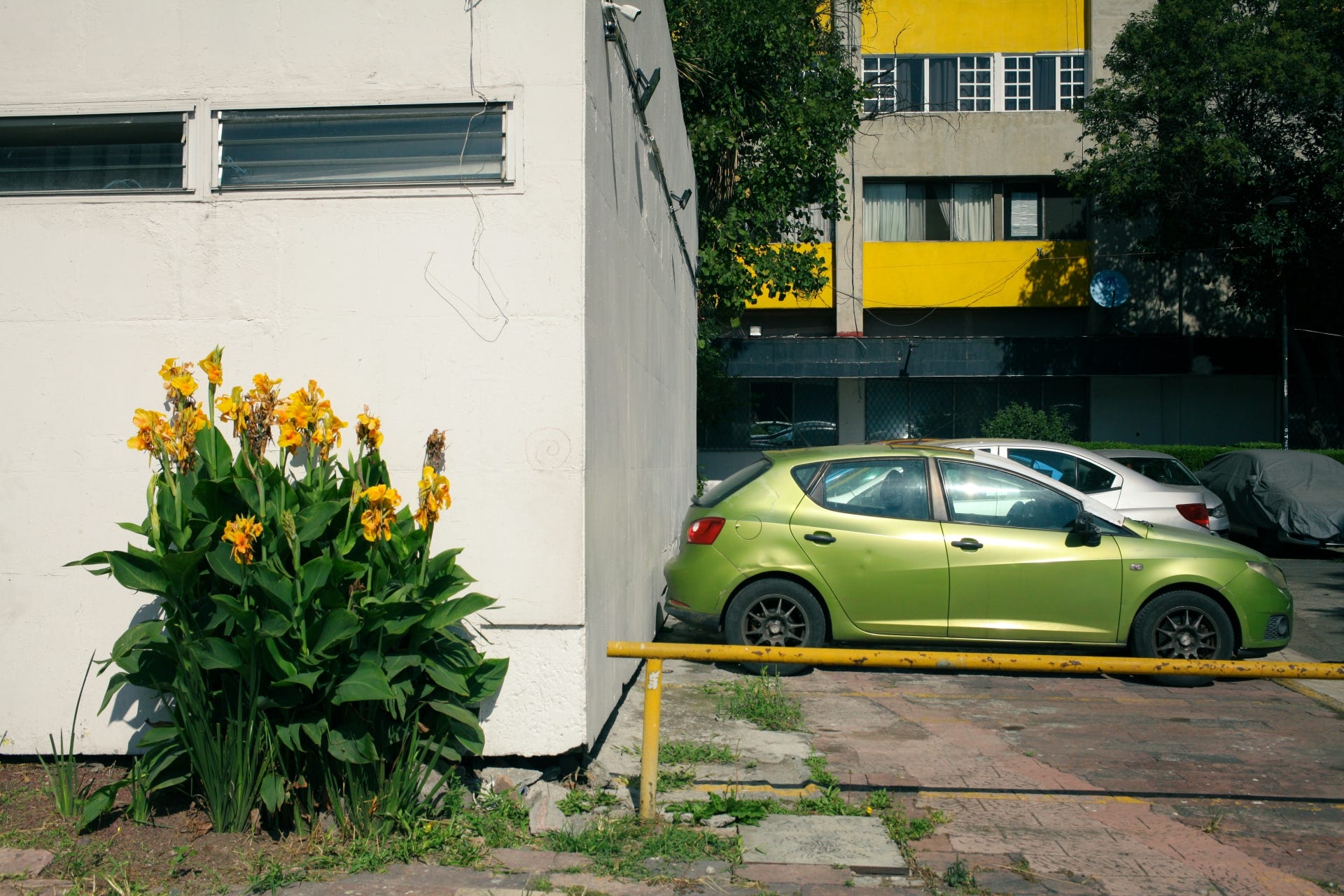
The list is older than photography itself. In 1667, André Félibien, secretary to the French Royal Academy of Painting, wrote a preface that ranked the genres of painting in order of nobility. History painting at the top, grand narrative, myth, the human figure caught in a decisive moral act. Below it, portraiture. Below that, scenes of everyday life. Below that, landscape. At the very bottom, still life: fruit, flowers, shells, the world with nobody watching it. Félibien wasn’t inventing a taste. He was formalizing one, giving it the authority of doctrine, so that two centuries of academies could teach it as though it were a law of nature rather than a decision made by a court official under a king who wanted his reign painted a certain way.
Photography arrived in the nineteenth century and, whatever it thought it was doing, it did not arrive innocent. It inherited the ladder. The event above the errand. The portrait of the important above the portrait of the ordinary. The monument above the parking lot. Nobody had to teach a photographer this hierarchy directly, it came pre-installed, the way grammar does, and it still tells most people, standing in front of their own street, that there is nothing here worth the shutter.
You can watch the hierarchy work in real time in photojournalism, where it has a name almost nobody uses: the hierarchy of the event. A war is more photographable than a Tuesday. A flood outranks a kitchen. The profession has its own internal grading of what deserves the frame, and that grading is not a description of the world’s importance, it’s an editorial inheritance, Félibien’s ladder wearing a press badge. The photographer who spends a week photographing nothing happening is, structurally, doing something faintly heretical.
Pierre Bourdieu looked at the other end of the same problem in Photography: A Middle-Brow Art, his study of what ordinary families actually photograph. The answer was not “the world”, it was ritual. Weddings, baptisms, the first day of school, the family gathered and arranged. Bourdieu’s point wasn’t that these photographs are trivial; it’s that their subject matter is dictated almost entirely by social function, by what a family is expected to commemorate. The camera, in the hands of the amateur, doesn’t go looking for the unremarkable. It goes where the culture has already decided a photograph belongs. Even the family album, which looks like the freest, most personal use of a camera there is, turns out to be obeying a script nobody wrote down.
The interesting thing about photography, the reason this essay isn’t simply an art-history complaint, is that the medium has also spent a century trying to climb back down the ladder on purpose.
In 1975, an exhibition at the George Eastman House called New Topographics: Photographs of a Man-Altered Landscape put parking lots, tract housing, and warehouse strips on gallery walls with the same flat, undramatic attention a nineteenth-century academician would have reserved for a battle scene. No sentiment, no golden hour, no event. Robert Adams, Lewis Baltz, the Bechers, their photographs refused to argue that the subject deserved to be there. They simply stood in front of it long enough that the question stopped mattering.
Around the same years, in the United States, three photographers were pointing color cameras at things color photography wasn’t supposed to take seriously. William Eggleston photographed a tricycle, a ceiling fan, a freezer, and did it with a formal intensity that made “this is not a subject” sound like an argument someone had lost. Stephen Shore drove the country documenting motel rooms and intersections with the deadpan patience of a surveyor. Joel Meyerowitz worked the street with a wider, warmer generosity, but the target was the same: the unranked, the unarranged, the thing that had never applied for admission to the list. Three different temperaments, one shared refusal.
Italy had its own version of the break, and it came with a different mood, quieter, more architectural. Luigi Ghirri photographed the Italian landscape the way you might describe a half-remembered dream of it: petrol stations, beach umbrellas out of season, a wall with a painted sky on it. Gabriele Basilico turned his camera on industrial peripheries and post-industrial ports with a rigor that owed more to Atget than to reportage. Neither of them was chasing an event. Both were arguing, in practice rather than manifesto, that geometry, silence, and the ordinary built environment were subjects with as much right to seriousness as anything Félibien would have approved of.
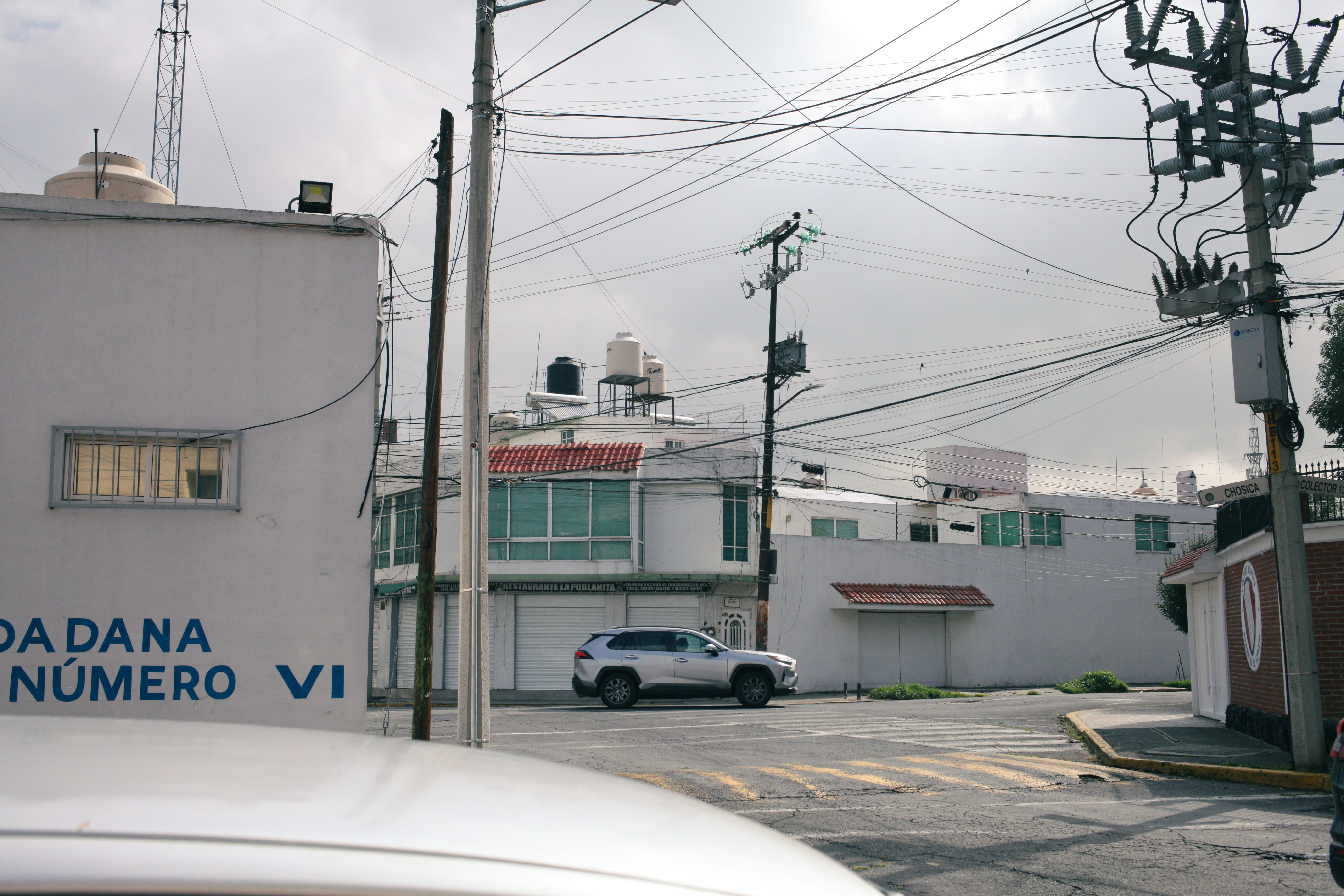
So here is where the list actually collapses, and where the question gets harder rather than easier. If the parking lot is a legitimate subject, and the ceiling fan is a legitimate subject, and the family photograph is a legitimate subject, and the war is a legitimate subject, what’s left to organize a photographer’s attention at all? Once you take away the old excuse (”that’s not important enough to photograph”), you’re left facing the only question that was ever real: not what is worth photographing, but how, and why you, and what does the frame do to it that looking alone does not.
That’s not a comfortable place to land, and I don’t think it’s supposed to be. The old hierarchy, for all its snobbery, at least told you where to point the camera. Its collapse doesn’t hand you freedom so much as it hands you the work Félibien’s list had been doing for three hundred years, deciding what matters, and tells you it’s yours now. Every photographer who has ever stood on their own street convinced there was nothing there was actually standing in front of that unsigned document, waiting for someone else’s permission to matter. The document was never going to arrive. There’s no one left to sign it but you.
We really need to understand that photography can’t be related only with an event. Sometimes it is about…nothingness. As an Italian photographer i recognzed myself in Luigi Ghirri and Guido Guidi exploration in the visual. And I recognized the concept of Quasiasità, coined by Cesare Zavattini.
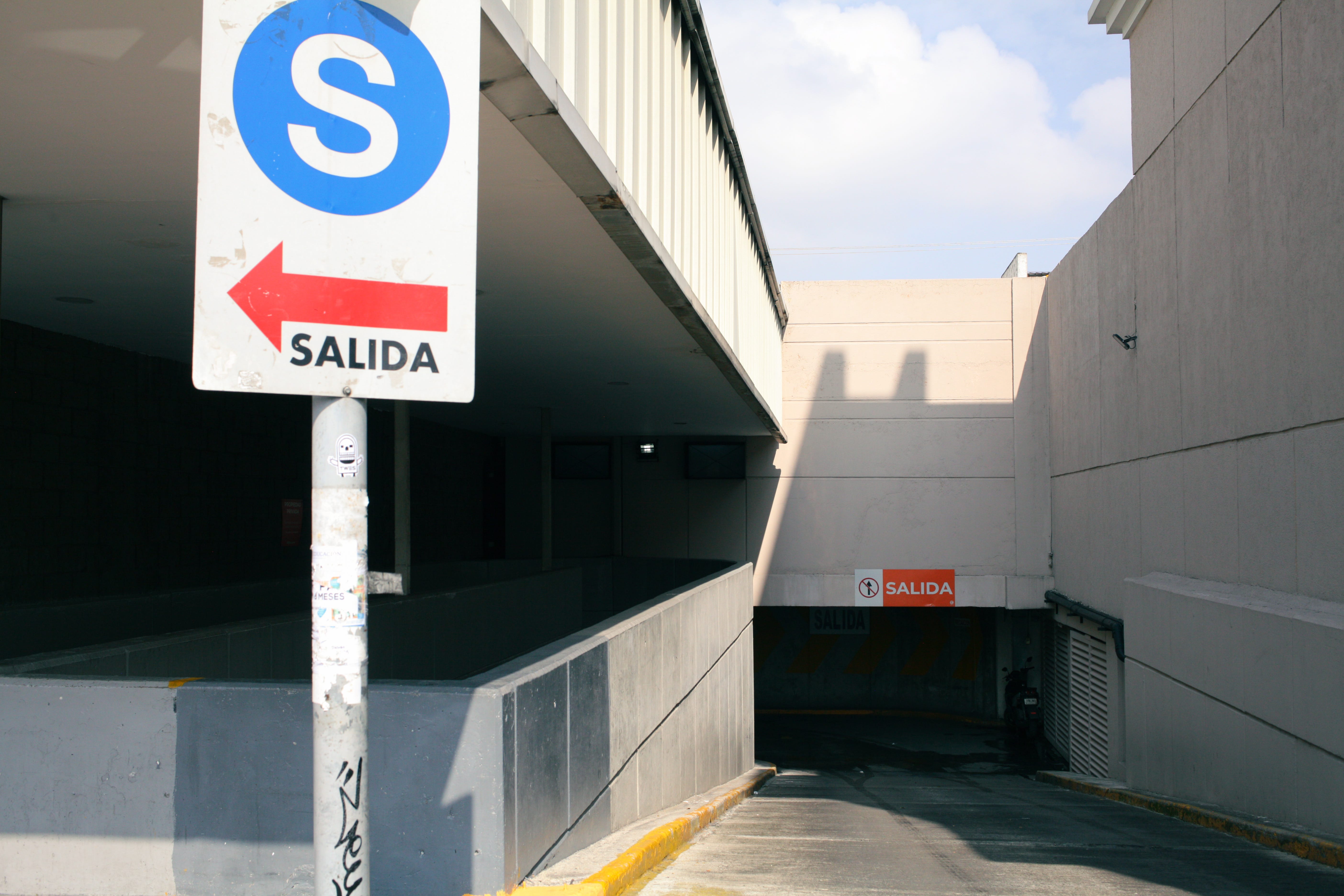
For Cesare Zavattini, “qualsiasità” is a central concept in his ideas about cinema and, more broadly, in his way of looking at reality. It refers, in simple terms, to the possibility of finding something meaningful precisely in normality, in the ordinary, in the everyday.
Zavattini opposed the traditional idea that a story must necessarily begin with an exceptional event. Cinema, for him, did not need to constantly invent extraordinary events. Everyday reality is already full of things worth telling, if we are capable of looking at it.
“Qualsiasità,” therefore, does not simply mean photographing banal things. It means taking seriously what we normally consider banal.
And this is where the concept becomes extremely interesting in relation to a certain kind of photography.
I am thinking of a kind of photography that does not necessarily go looking for events, spectacular situations, the decisive moment, or the scene in which “something happens.”
A photograph can emerge from:
an empty street,
a wall,
a parking lot,
a façade,
a shadow,
a sign,
an unremarkable building,
a corner of the city,
a casual relationship between shapes, colors, and people.
In this sense, photographic research can become an extraordinarily banal form of research.
But “banal” here is not a negative judgment. It is almost a political position of the gaze: the decision that even what does not demand our attention deserves to be looked at.
This is precisely where the concept of qualsiasità encounters a certain kind of urban photography. I am thinking of photography that does not necessarily seek the monumental city, the spectacular city, or the city in transformation. Instead, it looks at the city in its ordinary, everyday, almost anonymous condition.
A wall is a wall. A building is a building. A street is a street.
And yet, through photography, they can become signs of an experience of the world.
This creates a direct tension with a certain contemporary idea of photography according to which you have to photograph when something happens.
The event becomes the prerequisite for the photograph.
A demonstration.
An accident.
A protest.
A celebration.
Someone falling.
Someone running.
Something disrupting the ordinary order of things.
It is a kind of photography that tends to consider everyday life as the background and the event as the real subject.
The perspective of qualsiasità can completely reverse this hierarchy:
something does not have to happen for a photograph to happen.
In fact, the opposite may be true.
A photograph can emerge precisely because nothing is happening.
And perhaps this is one of the most radical aspects of this approach. The photographer does not necessarily have to be a hunter of events. They can be an observer of continuity.
They do not photograph only what interrupts normality. They photograph normality itself.
In this sense, an apparently insignificant urban landscape can have enormous depth.
Not because it necessarily hides a story.
But because it testifies to a way of being in the world.
A suburb, an ordinary street, a façade, a sequence of windows, an empty lot can become a kind of geography of the everyday.
The question is no longer:
“What is happening?”
but:
“What is there?”
And that small shift completely changes the way we photograph.
It is no longer about waiting for the exceptional moment. It is about developing an attentiveness to what already exists.
It is a photography that does not necessarily look for the story within reality, but for reality within what we normally do not consider worthy of being photographed.
And this is where Zavattini’s qualsiasità becomes, in my opinion, extraordinarily relevant today: it reminds us that the world does not need to be spectacular in order to be photographed.
It only needs to be looked at long enough.

Comments
Nothing yet. Say the first thing.
Sign in to join the conversation.