
Istanbul is well known as the city where “East meets West.” The crossroads of Europe and Asia. For me, however, it has always been more of a city where old meets new.
I’ve been coming here for 15 years. Sometimes I stay an entire month, sometimes only for a weekend. Each time I return, the city has changed, yet somehow it always feels familiar.
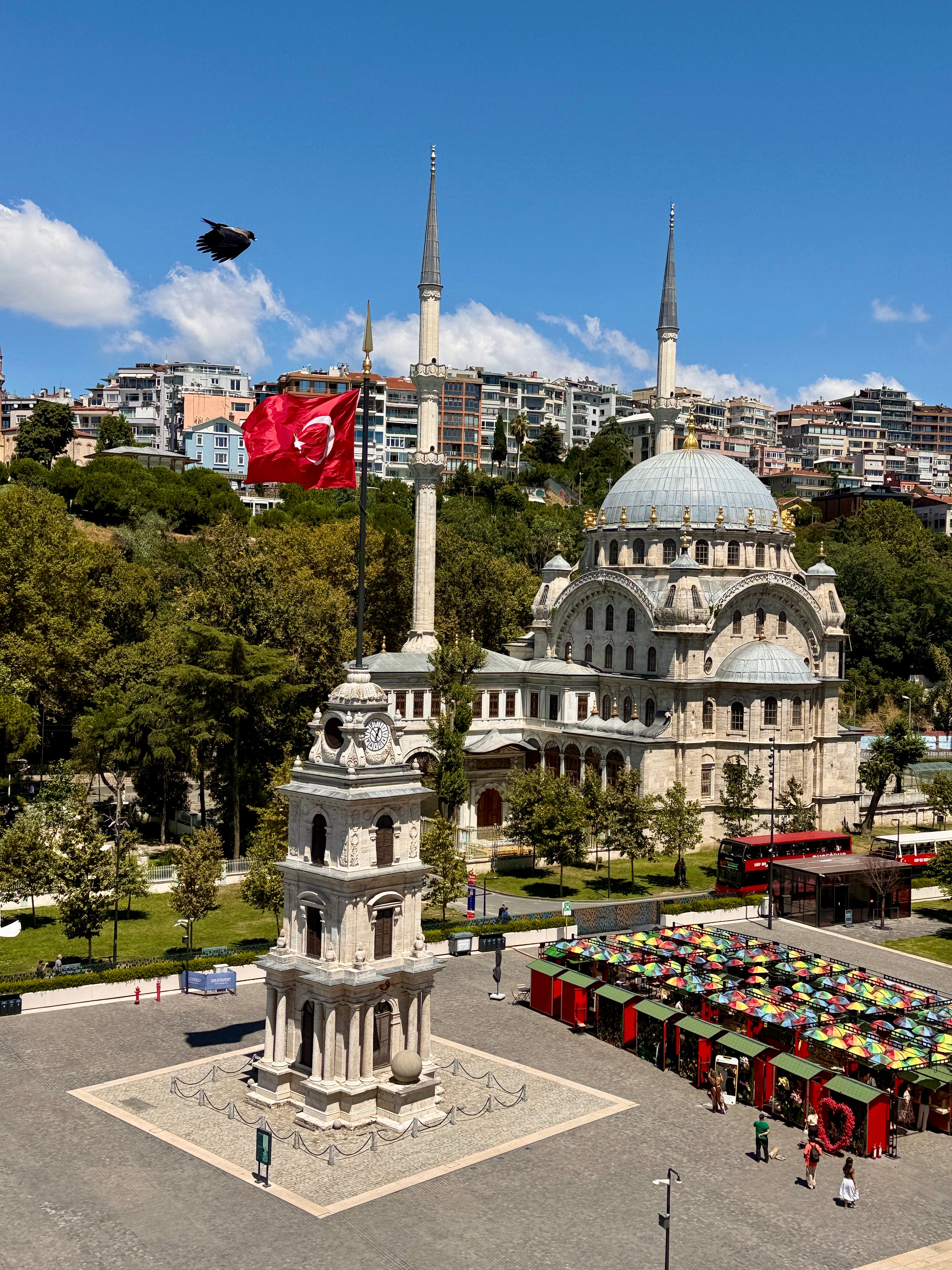
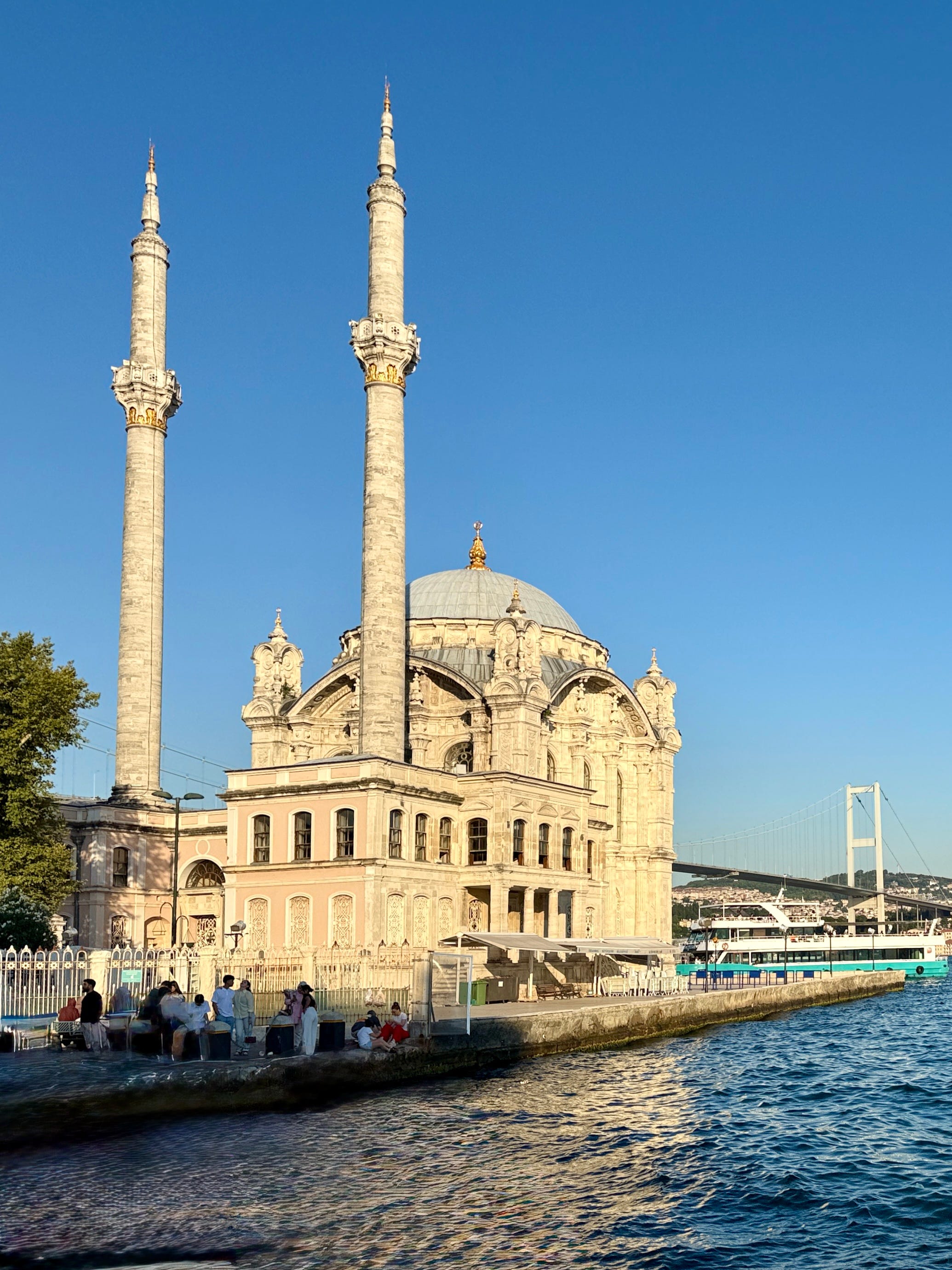
By any definition, Istanbul is an old city. Its palaces, monuments and streets have been here long before any of us, and yet it never seems to stop evolving.
Churches have become mosques, mosques have become museums, and museums have become mosques again. Luxury high-rises with pools and valets stand at the top of cobblestone streets. Not far from the Grand Bazaar, you can shop international brands in an air-conditioned mall. The Michelin Guide arrived in 2022, bringing new international attention to an already competitive restaurant scene, yet you’ll still find simple carts selling simit, roasted chestnuts and grilled corn on the streets.
We can argue forever about whether change is good or bad for a place, but while we’re busy arguing, places will continue to change.
This type of evolution isn’t unique to Istanbul. You could probably make a similar case for plenty of cities. But what I find remarkable about Istanbul is how its identity has survived through all of that change, and I think much of that comes down to the importance of relationships and human connection in Turkish culture.
A core part of the Turkish identity is treating guests with the utmost hospitality. People genuinely take pride in welcoming a visitor, inviting them into their home, and sharing their food. It isn’t performative, it isn’t fake, there’s a sincerity to Turkish hospitality that I still haven’t found an equivalent to anywhere else.
While most people worry about being ripped off in a foreign country, I often joke about the “foreigner discount” I seem to receive here. A shopkeeper throws in a small gift. A restaurant sends over an extra dish. Someone rounds their fee down instead of up.
A cynical person could read that and assume I’m being naive. Nothing is ever really free, right? But here, generosity holds its own kind of value.
I remember asking my husband once, “Do Turkish people really love having guests this much? Or is everyone just being polite?”
Over the years, I’ve realized that they really do love it. The love, the warmth, the hospitality- it’s genuine.
You might go to the dentist and leave with an invitation to their wedding. You stop for coffee and end up hearing all about the owner’s beloved dog. You think you’re making small talk with someone about your career and suddenly they’re handing you the phone number of someone who’s hiring.
When I first started visiting Türkiye, I didn’t fully understand any of this, and sometimes I even found it a little annoying. I’d think, why do we have to ask a dozen people where to go do something rather than just googling it and getting it done?
I’m starting to learn my lesson.
It isn’t necessarily because knowing someone will get you the best deal, the best meal, or the best service. It’s because so much of life here is built around relationships. Someone knows someone who can help. Someone makes a phone call. A friend introduces you to a cousin who introduces you to someone else. I now see the importance in something I once viewed as inefficient.
In a world that is so quickly spinning away from human connection, I think this is something really special.
You can even see these sentiments in the language. Walk into a shop, restaurant, or home, and you’ll hear “hoş geldin” (welcome). The response, “hoş bulduk”, roughly translates to “we found it pleasant.” When you leave a shop or pass someone working, you might say “kolay gelsin” - “may your work come easily.” It’s a tiny thing, but I love the sentiment behind it. I see you working. I appreciate what you’re doing. I hope your day goes easily.
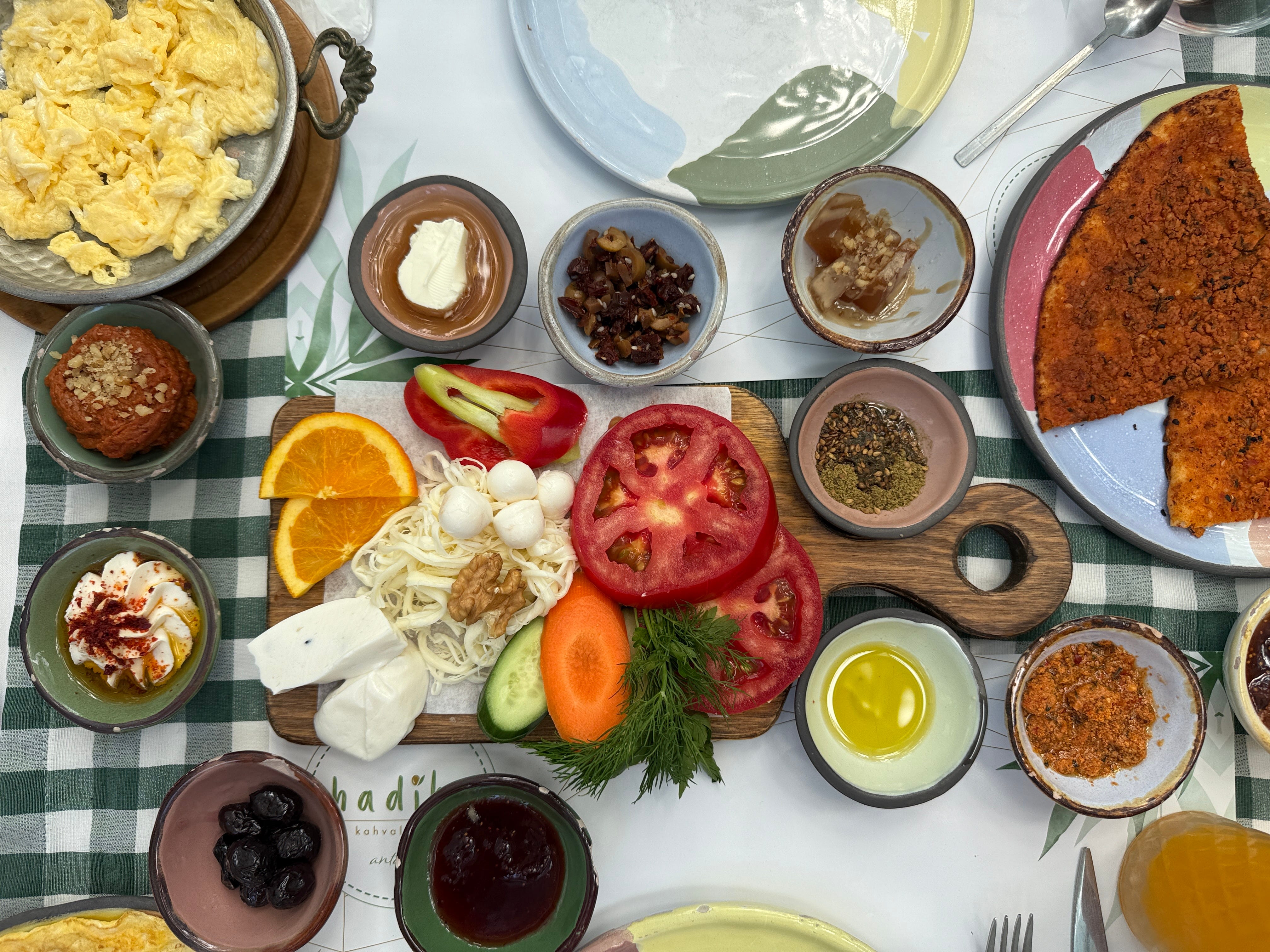
You experience that same thoughtfulness in the way people here seem determined to make things nice. You can see it in a Turkish breakfast - at its core, it’s simple ingredients: cheese, tomatoes, cucumbers, jams, but the way everything is presented on a table makes you feel as if you’re being treated to a royal meal.
Recently, I bought a few mugs as a gift. As soon as the shopkeeper heard they were for someone else, she carefully wrapped each one, added ribbons, and made sure the whole thing looked beautiful. There was no gift-wrapping charge. She just wanted the gift to look nice.
Another day, we bought an assortment of cookies from a small bakery. They separated the sweet cookies from the savory ones so the flavors wouldn’t mix. Then they put the ones covered in powdered sugar into a separate box so the sugar wouldn’t get all over everything else.
None of these are grand gestures. They’re small, unexpected acts of consideration. Someone taking an extra minute because they care about how something reaches you.
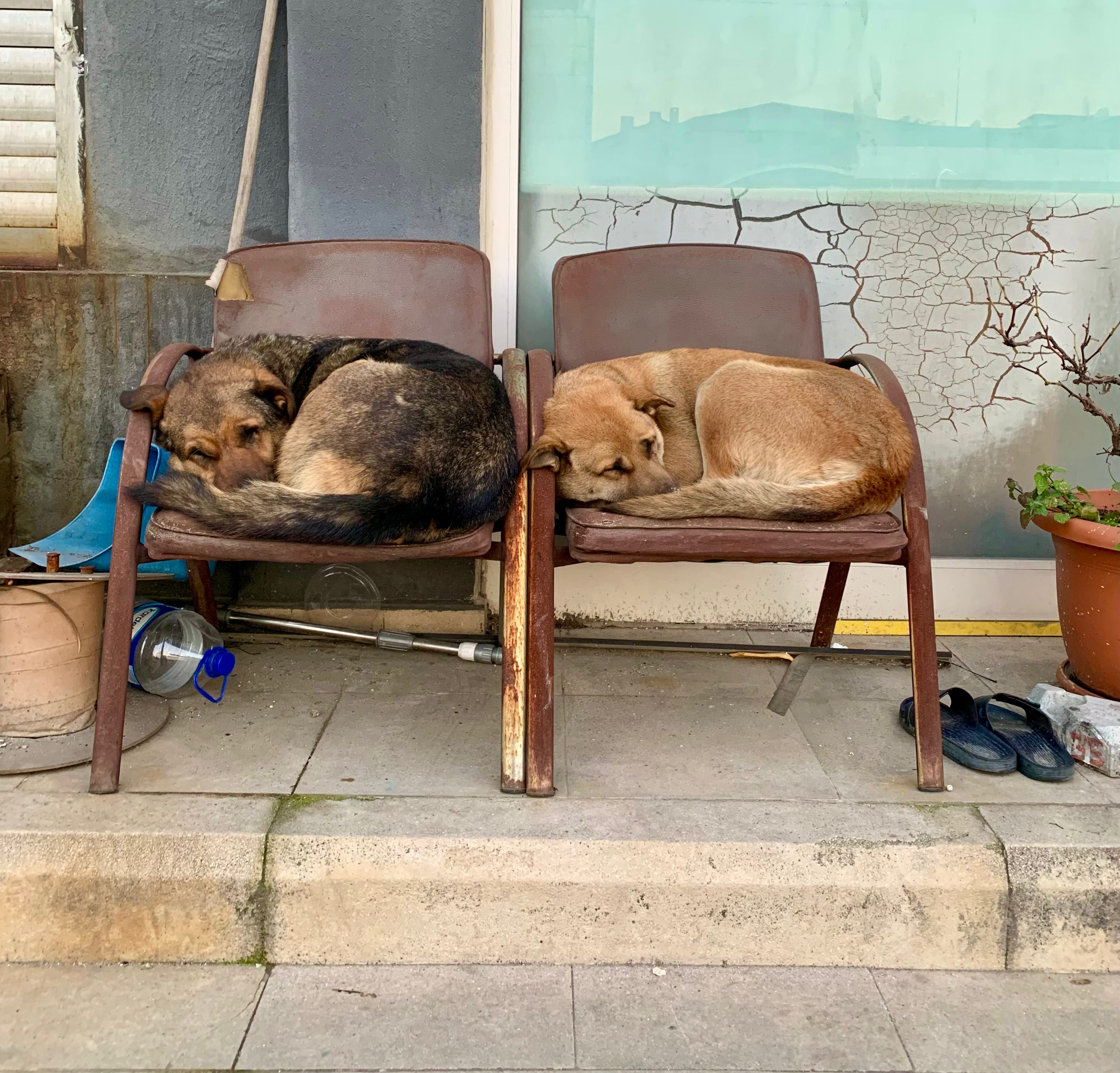
There was a time when I worried this aspect that I love most about this country was fading. When I visited in 2024, it felt like attitudes had changed. It was understandable, coming out of COVID; the whole world felt as if it was emerging from a depressive slumber. Inflation was climbing with no end in sight. Restaurants were struggling. Rents were rising beyond belief. Everyday life had become considerably more difficult for a lot of people.
It saddened me to think that the world might succeed in eroding the generosity and warmth that had always made this country feel so special to me.
I’m happy to report that now, in 2026, things feel much better. That’s not to say there aren’t any problems, economic or otherwise, but people seem happier, and the Istanbul I remember feels more present again.
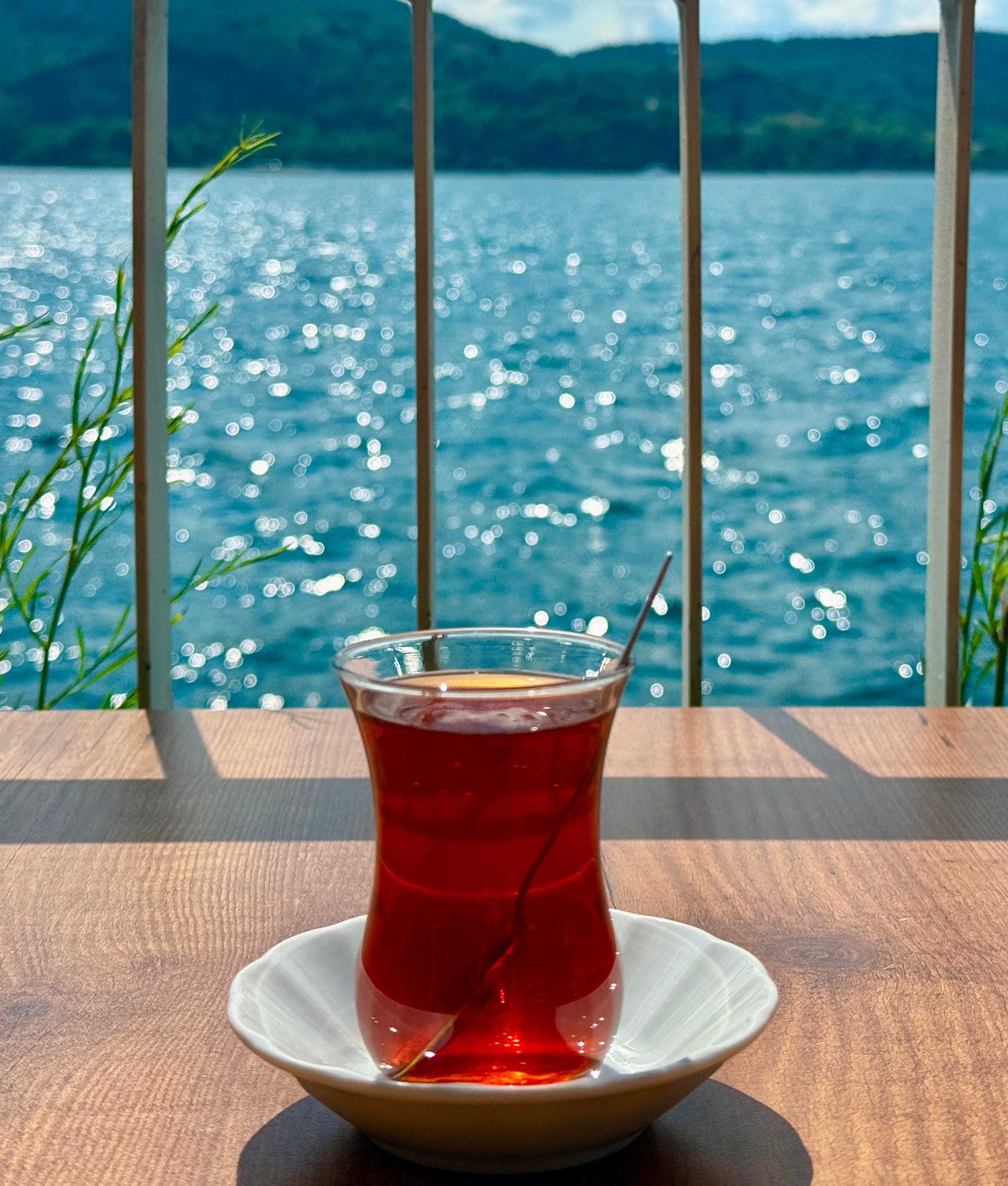
People linger over glasses of tea on crowded terraces. Families are out and about enjoying the sunshine. Strangers want to know where you’re from, what your dog’s name is, and whether you like Türkiye.
These are feelings I’ve held about this country for years, but this is probably my first real attempt to put them into words. I’m always telling people they should visit Türkiye. I tell them about the history, the food, the views. Those things are easy to explain.
What’s much harder to explain is the feeling of being welcomed here. I wish I could bottle that up and show people how powerful it is.
Comments
Nothing yet. Say the first thing.
Sign in to join the conversation.