
📣Have you heard!? - Le Simple Sudiste and I are going LIVE on September 13th! If you’re not already reading Rich’s posts, you should, he’s hilarious, and I can’t wait to chat more with him about the ups and downs of our lives in France.
I know that I’ve been quite the complainer around here lately. I know I’ve been showing you the downsides of life in France, airing my grievances, and publicly coming to terms with the fact that the life I dreamed of in this country is not what it has turned out to be in reality.
So, today, I thought I’d take some time to turn things around a bit and talk about the things I actually love about this country. There are tons of lists touting the benefits of life in France, but these are the specific things that convinced me to move here in the first place, and the things I remind myself of when I’m having one of those all-too-frequent France-induced meltdowns.
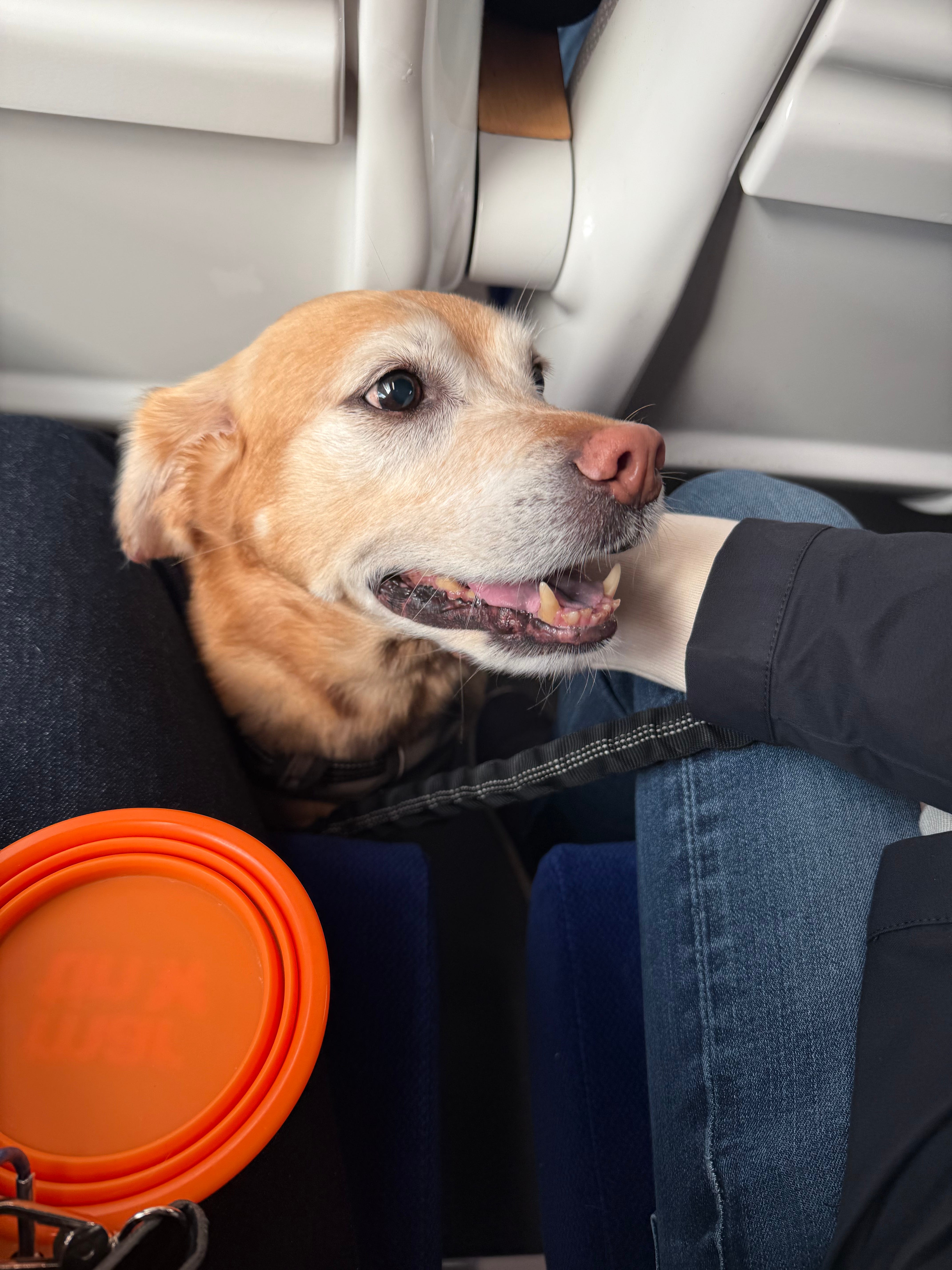
Bindi is welcomed just about everywhere in France. The extremely positive attitude towards dogs is one of the reasons France was high on our list of possible countries to move to in the first place. On every visit, it was so easy to incorporate Bindi into our plans.
In restaurants, Bindi is almost always immediately given a bowl of fresh water. She is allowed in most shops; even the pharmacist gives her treats. If we’re on the tram and it gets crowded, I’ll hear someone say “attention, chien” warning their travel partner not to accidentally step on her tail or her paw. Strangers love to strike up conversations with us just to learn more about her.
I really truly love that dogs are treated as just part of the world, and that they go everywhere you go.
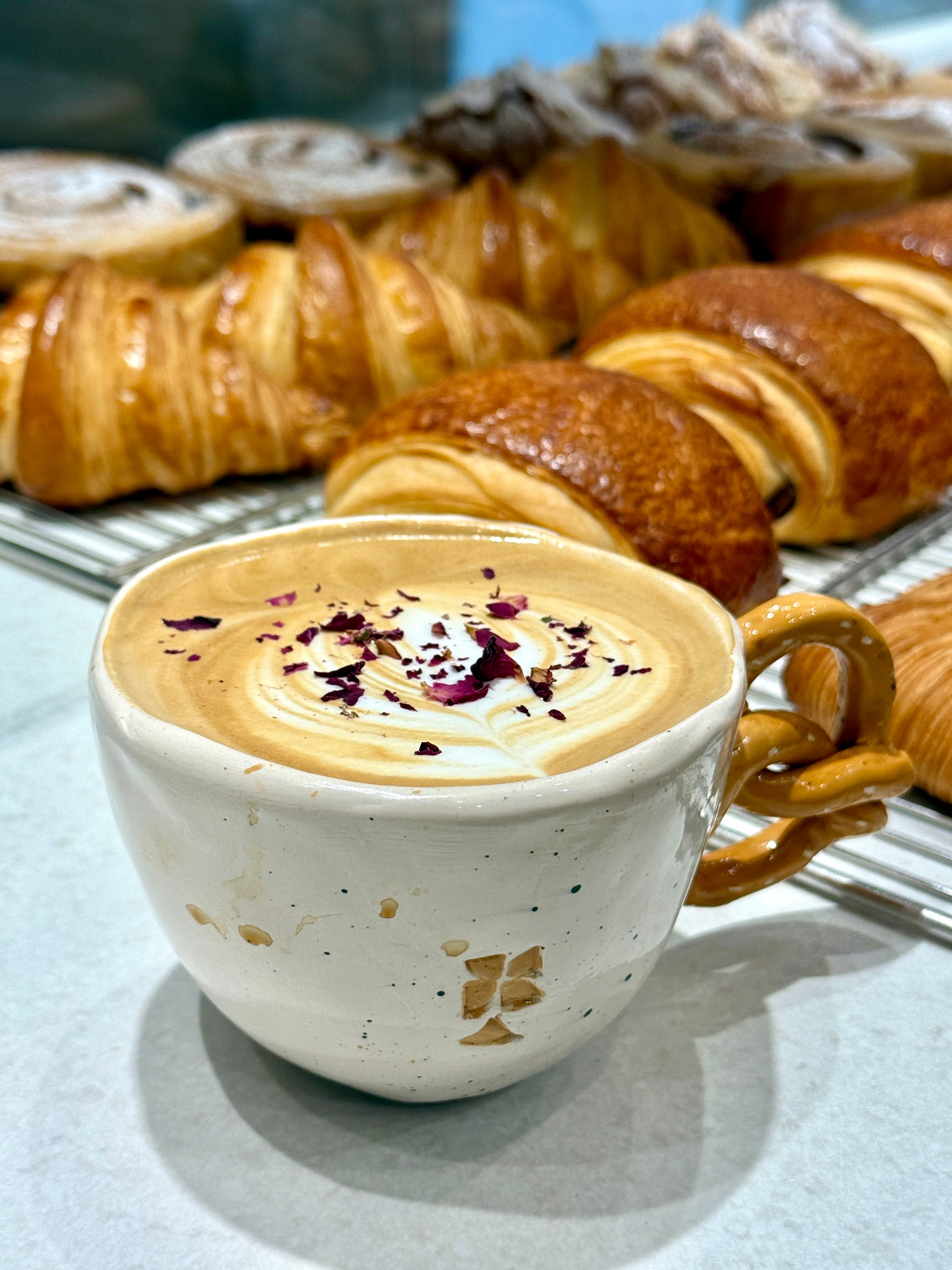
In France, people don’t simply make things. They are artisans.
The person making your bread is a boulanger. The person making chocolate is a chocolatier. The person shaping ceramics, making cheese, or restoring furniture has usually spent years learning how to do that one thing exceptionally well. There’s a level of pride and respect around craftsmanship here that I really find special.
It means you can sit down at a café and realize that not only was the croissant baked that morning by the boulanger, but the plate it’s sitting on may have been made by a ceramicist down the road.
Of course, it would be cheaper and easier to buy everything mass-produced. But France still seems to believe that there is value in people being really, really good at making one thing, and that those small businesses are worth keeping around.
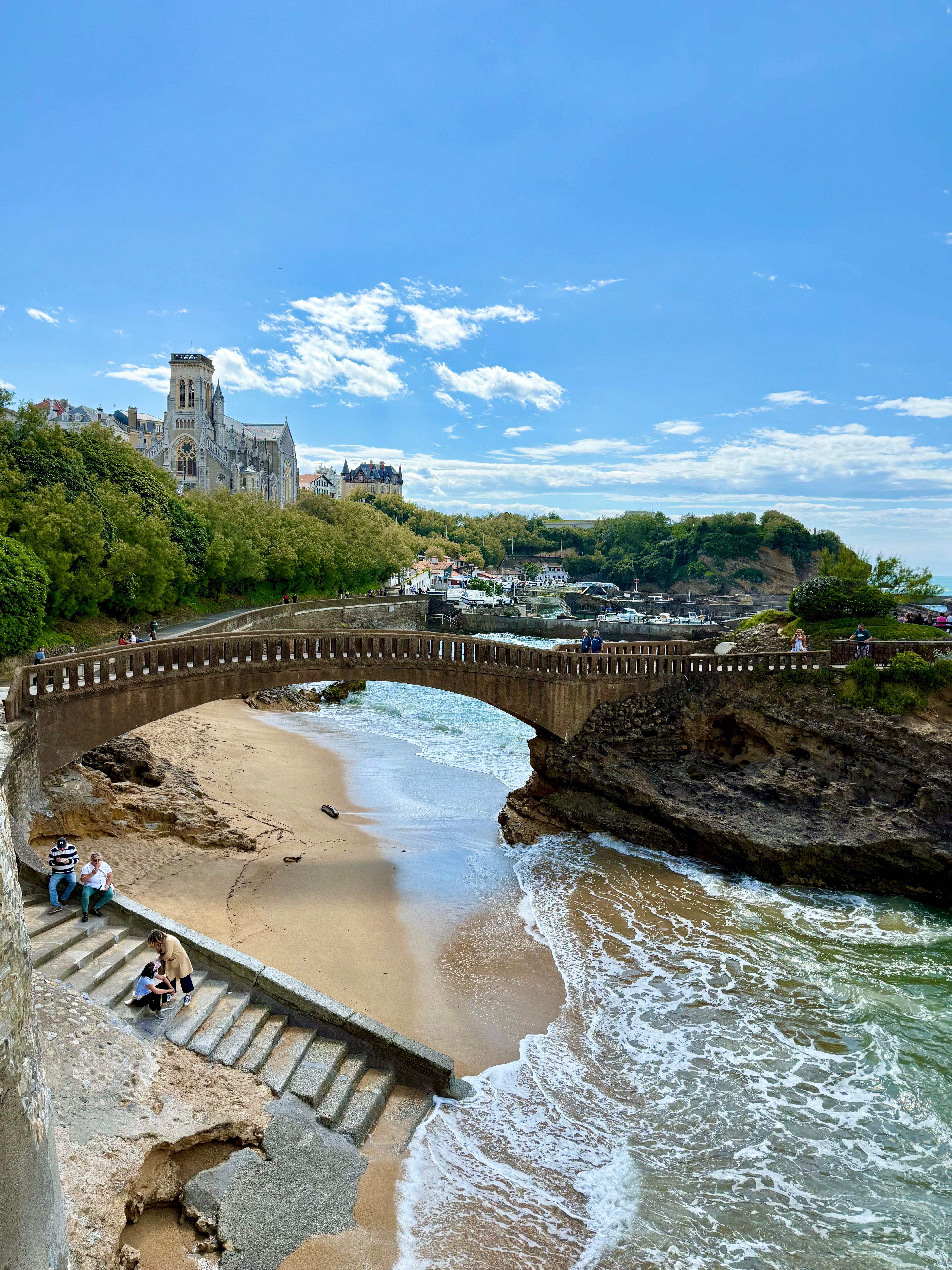
One thing I don’t think France gets enough credit for is how varied its climates and terrains are.
You can spend a weekend skiing in the Alps, drive a few hours south and be sitting beside the Mediterranean, or head west and find windswept Atlantic beaches and a surf culture that feels very Californian.
And then there are the cities. Paris obviously has some of the best museums, restaurants, and cultural institutions in the world, but then you have Marseille with its very trendy vibes, and Bordeaux where wine takes center stage. Yet still, some of my favorite places in France are tiny towns where there’s not much else to do other than walk around, eat, and look at pretty buildings.
The country isn’t actually that big, and yet there is so much to experience without even needing to cross a border.
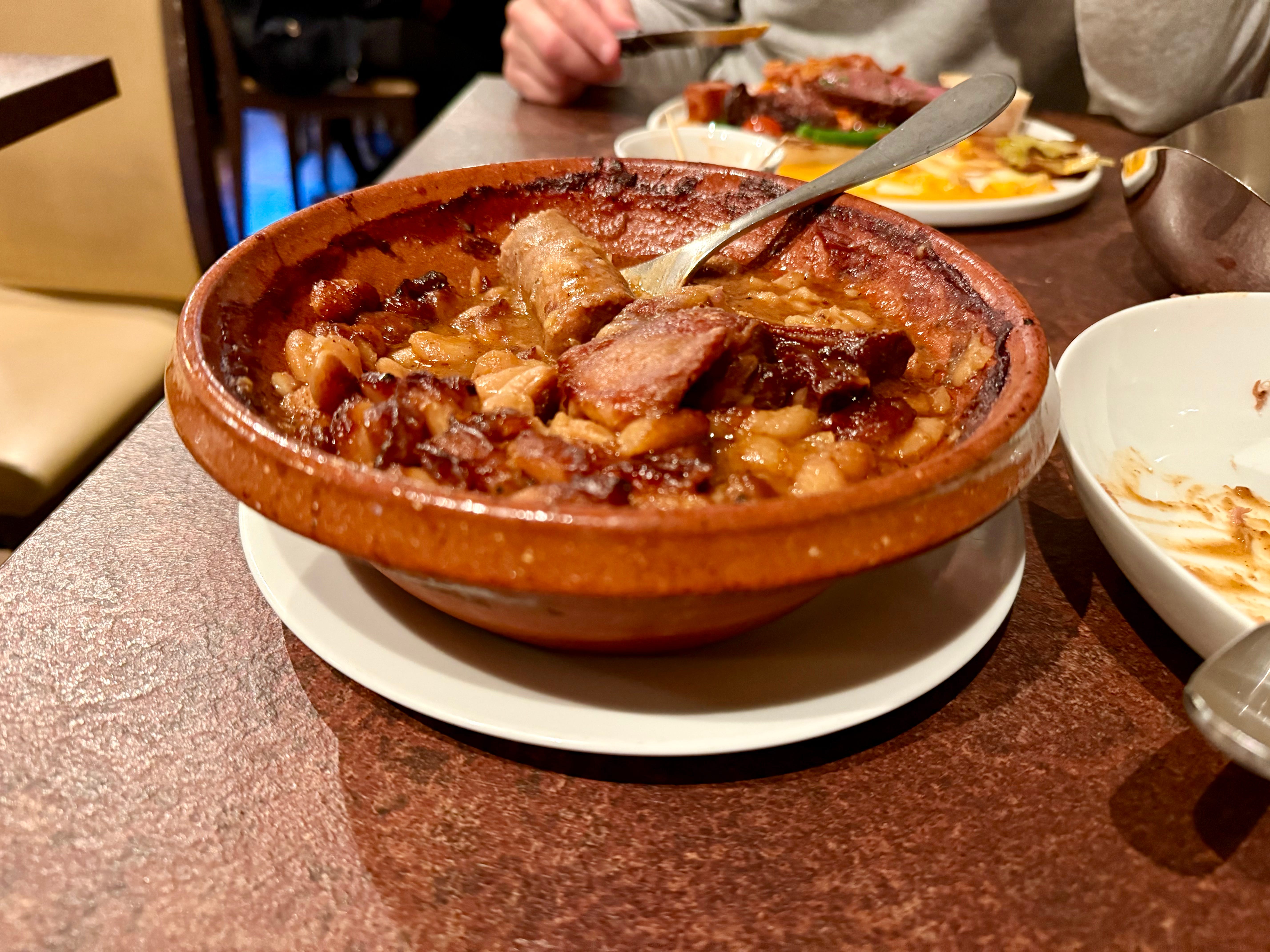
Of course there are foods that are quintessentially “French,” but French food goes far beyond croissants and baguettes. Every region has something special that those who are from there will insist you try.
In Marseille, you’ll find a store selling traditional biscuits that dates back to the 1700s. You can’t leave Toulouse without trying the local cassoulet. In Lille, you can smell the Maroilles cheese from a kilometer away.
People take these regional specialties so seriously they almost become a personality trait. Travel around France long enough, and you start learning the little rules.
If you order a pain au chocolat in Bordeaux, it will immediately give away that you’re not from there (they call it a chocolatine). You learn which cheeses belong to which region, which dishes to eat where, and which thing you absolutely should not claim comes from the neighboring town.
It makes traveling around France feel like you’re constantly discovering a slightly different version of the country.
This is an obvious one. I mean, it’s a given, but the fact that you can go to the bakery every day and get a delicious, warm, freshly baked baguette for the equivalent of $1-2 is something that never gets old. The same goes for croissants, and all the other baked daily boulangerie goodies.
And somehow, despite all of my struggles getting things done in France, the boulangerie is the most dependable institution in the country. I’ve never found a “fermeture exceptionnelle” sign on the door of my local boulangerie. They are open early in the morning, into the evening.
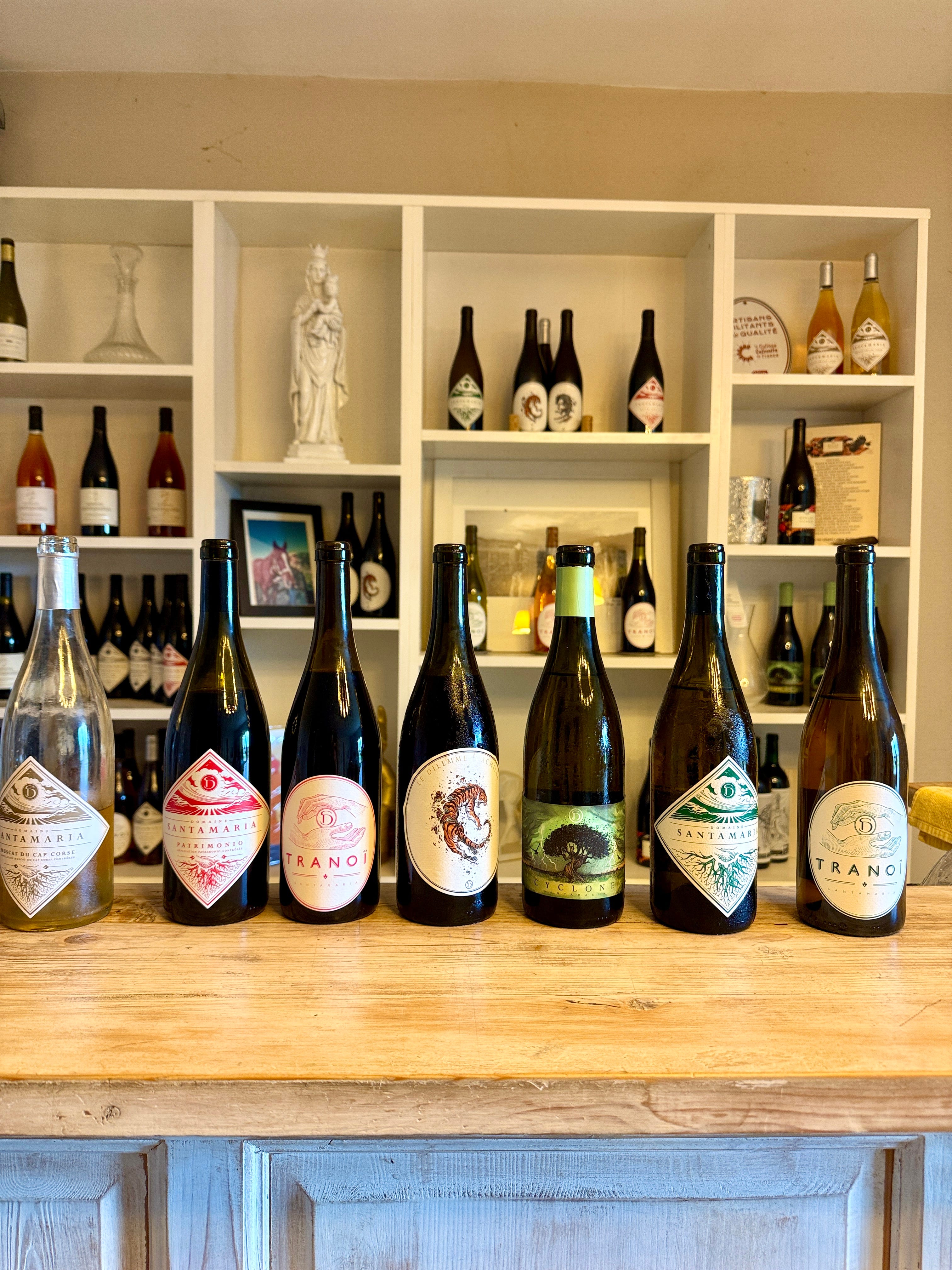
It’s no secret that I love wine. Actually, I more than love it. I find it fascinating to learn about how different climates and terroirs impact the grapes, and how different aging techniques and methods impact the end product. I love to nerd out on this stuff, and France does too!
I started exploring France’s wine regions years before I actually moved here. Living here has opened up even more possibilities, and there are still so many wine destinations I still want to visit.
Whether I’m sipping Champagne in Épernay, a powerful Mourvèdre in Bandol, or a crisp Alsace Riesling, it’s not lost on me how seriously this country takes its grapes and wine-making traditions.
While this is probably on everyone’s list, France does healthcare exceptionally well.
I still don’t even have my Carte Vitale (we do not need to get into that particular administrative saga right now), so I’ve paid out of pocket each time I’ve needed something. And yet, almost every time I see the bill, I’m shocked by how reasonable it is.
Even more surprising: healthcare seems to be one of the rare areas where France has fully embraced convenience. You can find just about any kind of doctor on Doctolib, make appointments online, upload documents, manage prescriptions and sometimes even message the doctor directly.
Every time I use it, I find myself wondering why the people who created Doctolib have apparently not been put in charge of the rest of French administration.
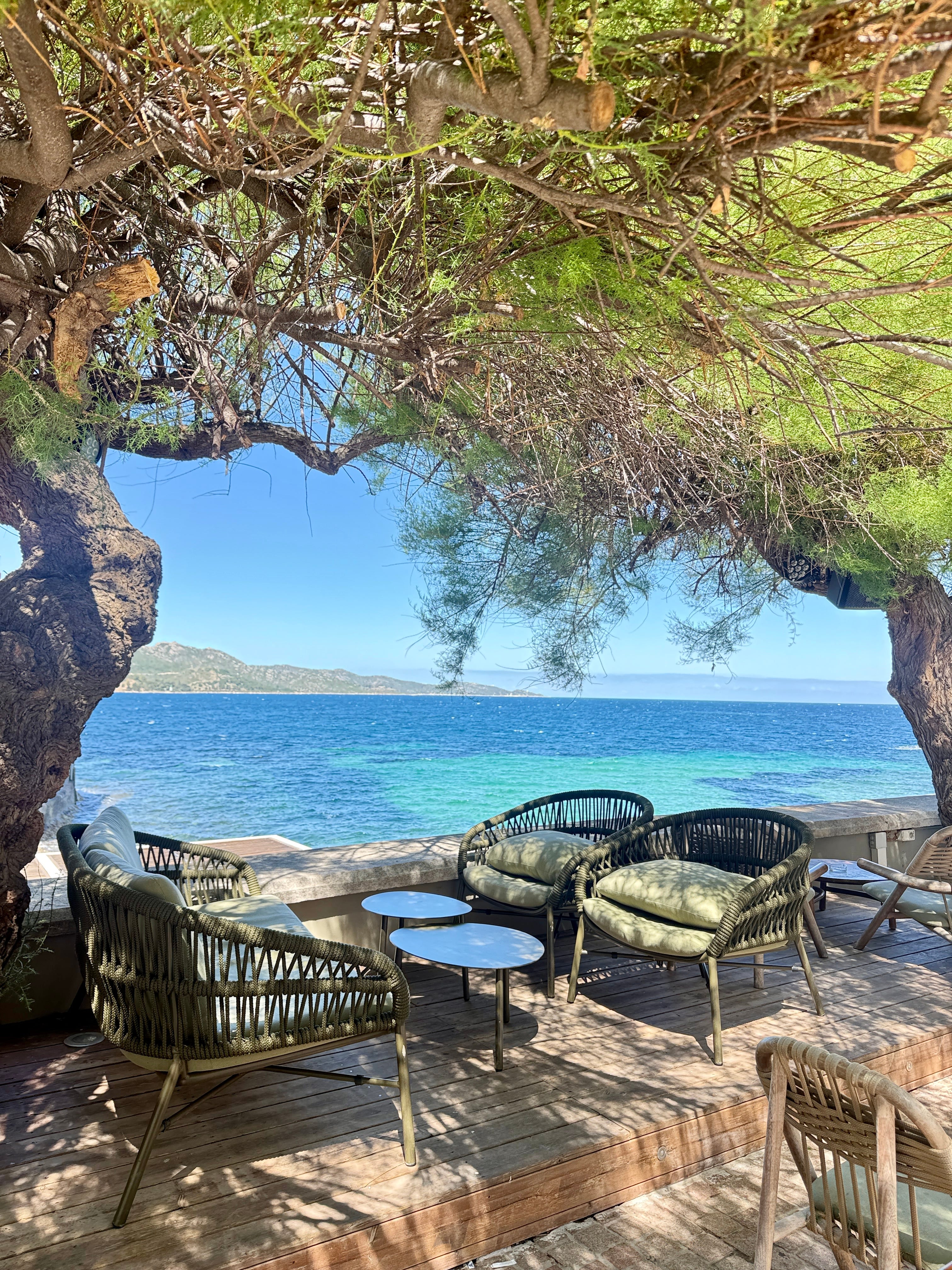
As frustrating as it can be to get things done in August, the idea that vacation is a right that is expected, rather than a privilege that is earned, is so important.
French law mandates a minimum of 25 days of vacation - five whole work weeks! And there’s no shame in actually using this time off; it’s expected of you. People really unplug; they are not bringing their laptops to the beach, they are not checking messages as soon as the plane lands, they will deal with you when they’re back in September, maybe.
I don’t think any of these things cancel out the parts of living in France that frustrate me.
I still think the bureaucracy is unnecessarily complicated. I still have moments when accomplishing something that should take twenty minutes somehow becomes a three-week saga. And I’m still coming to terms with the fact that the life I imagined having here isn’t necessarily the life I ended up with.
But I also don’t want my complaints to erase everything France gets right. Because, annoyingly, some of the things I love about this country might even be connected to the things that drive me crazy.
The small businesses, the five-week vacations, the refusal to organize every aspect of life around efficiency; these are all part of what makes France feel like France. I just wish they could keep all of that and occasionally answer an email.

Who are you without your job title?
August Field Notes
How I actually afford to live in France without a job
Comments
Nothing yet. Say the first thing.
Sign in to join the conversation.