
There’s so much vitriol in the travel space lately. It seems like everyone has an opinion on how, when, and where people should travel. Many people have their idea of the “right” way to travel, and feel the need to publicly shame anyone who dares to do it differently.
Travel snobbery often disguises itself as concern, concern for over tourism, authenticity, local culture, or better planning, but a lot of the time, it’s really just status-seeking. And it forgets that most people are working within real limits: time, money, energy, family schedules, school holidays, fear, burnout, and the simple desire to rest.
And honestly, I think it’s bullshit.
I see this all the time with resorts. Someone posts about spending a week at a beach resort in the Caribbean or Mexico, and inevitably, someone has to show up and remind them that they didn’t really see the country. That they should have left the property. That they should have eaten where locals eat. That they should have done something more authentic than drinking a piña colada by the pool.
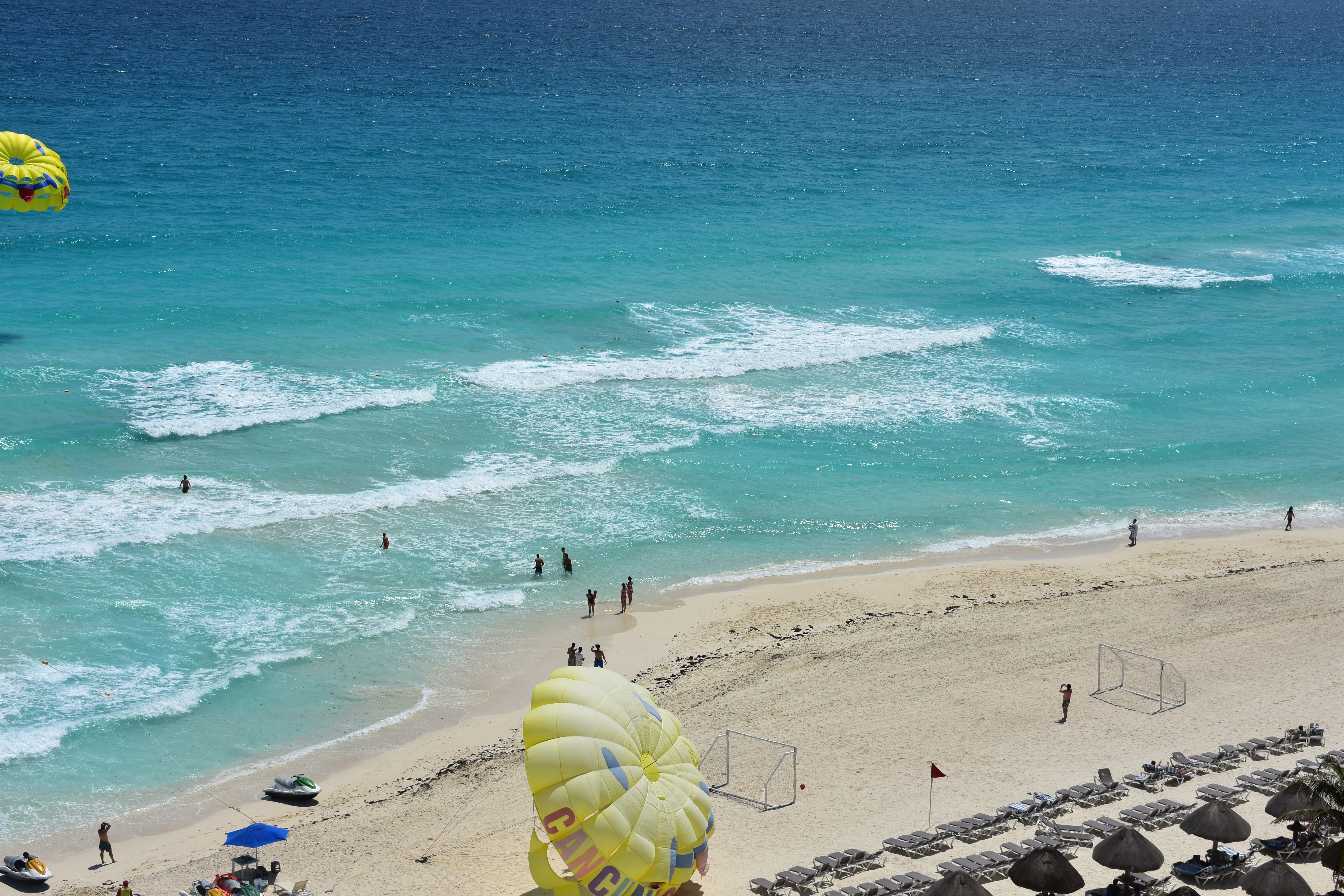
I get the argument here, I really do. We should be supporting local businesses and infrastructures, of course there’s more to any destination than beach chairs and breakfast buffets, but I also get the flip side of this.
I’ve been in the position where I only had 1-2 weeks of vacation time. Where I spent every day commuting an hour plus to work, burning myself out to be productive, driving another hour back home, making dinner, walking the dog, maybe watching an hour of tv, all just to go to bed, wake up, and do it again.
Many people’s schedules are like this; many are even worse, and if they are lucky enough to have even 1-2 weeks of vacation time, it’s totally understandable that all they might want to do is fall asleep in a beach chair with a cold drink. It makes sense that they don’t want to figure out transportation, read restaurant reviews, or even be on a schedule.
Before you shame someone for not having the most culturally enriching itinerary, maybe consider that they’re exhausted, underpaid, overworked, or only get ten days off a year. It is their only time to do whatever they want, even if whatever they want is absolutely nothing; let them be.
A similar thing happens to people who dare to visit popular “tourist” cities. It’s no wonder so many people want to see the likes of London, Paris, and Tokyo. These places have attracted tourists for centuries, and for good reason. They have history, landmarks, and food that people dream of seeing and experiencing.
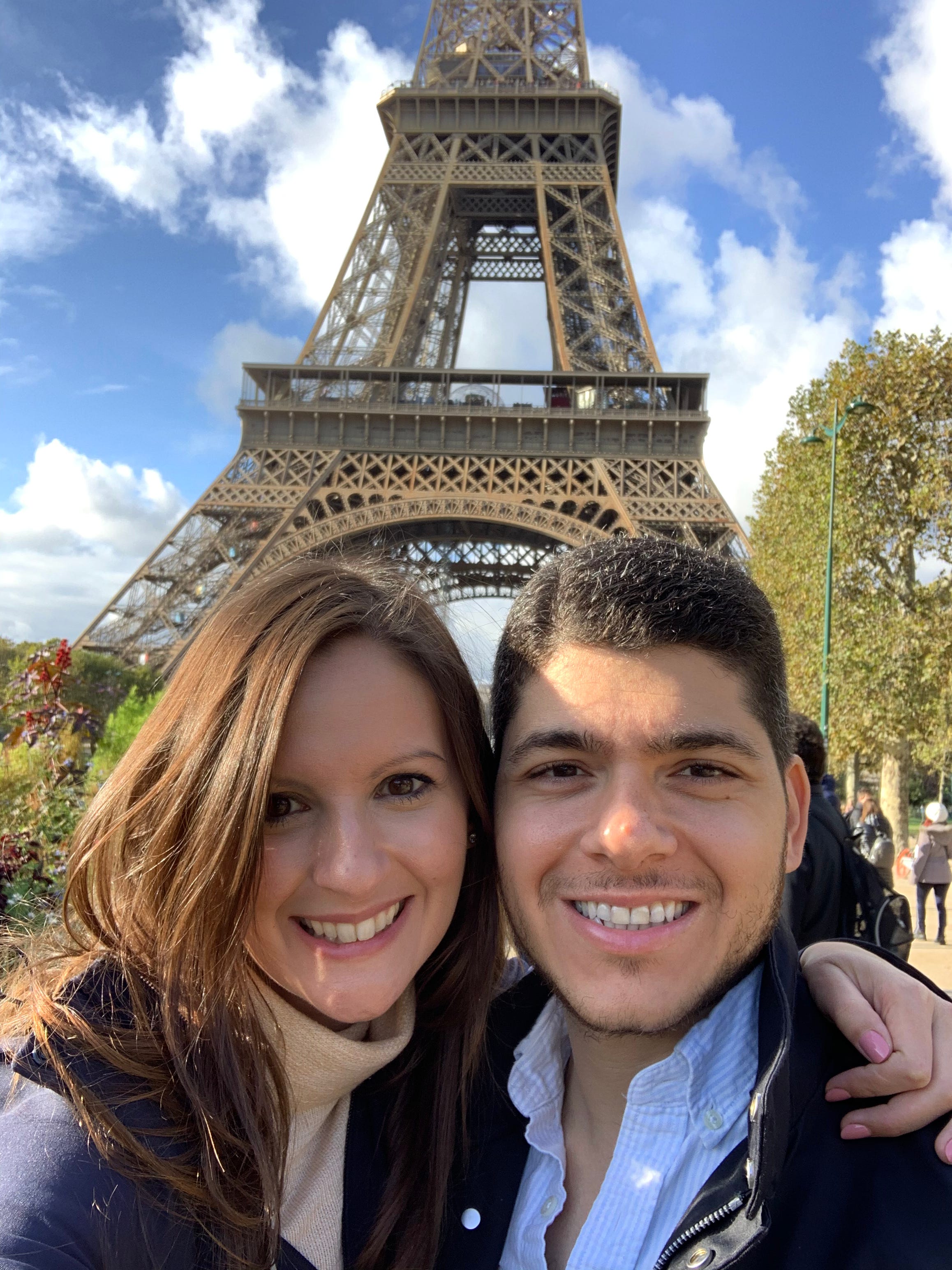
Imagine someone finally saves up enough money, vacation time, and courage for their dream trip to Rome, only to have someone online roll their eyes and say, “Ugh, everyone is going there now.”
Okay? And?
Let them go.
I love to discover and share lesser-known destinations, it’s kind of my whole thing, but who am I to tell someone not to go see the Eiffel Tower or the Colosseum, when I myself have been lucky enough to experience them? Trying to steer people away from iconic sights once you’ve already had your own chance to see them doesn’t feel enlightened. It feels entitled.
I also view these cities as “gateway” destinations. Rome might be someone’s first trip to Italy because they’ve always wanted to see it, there’s a direct flight, and it feels manageable. Then, while they’re there, they learn about another region, another dish, another village, and that’s where they go next time. Maybe one famous trip opens the door to a lifetime of curiosity.
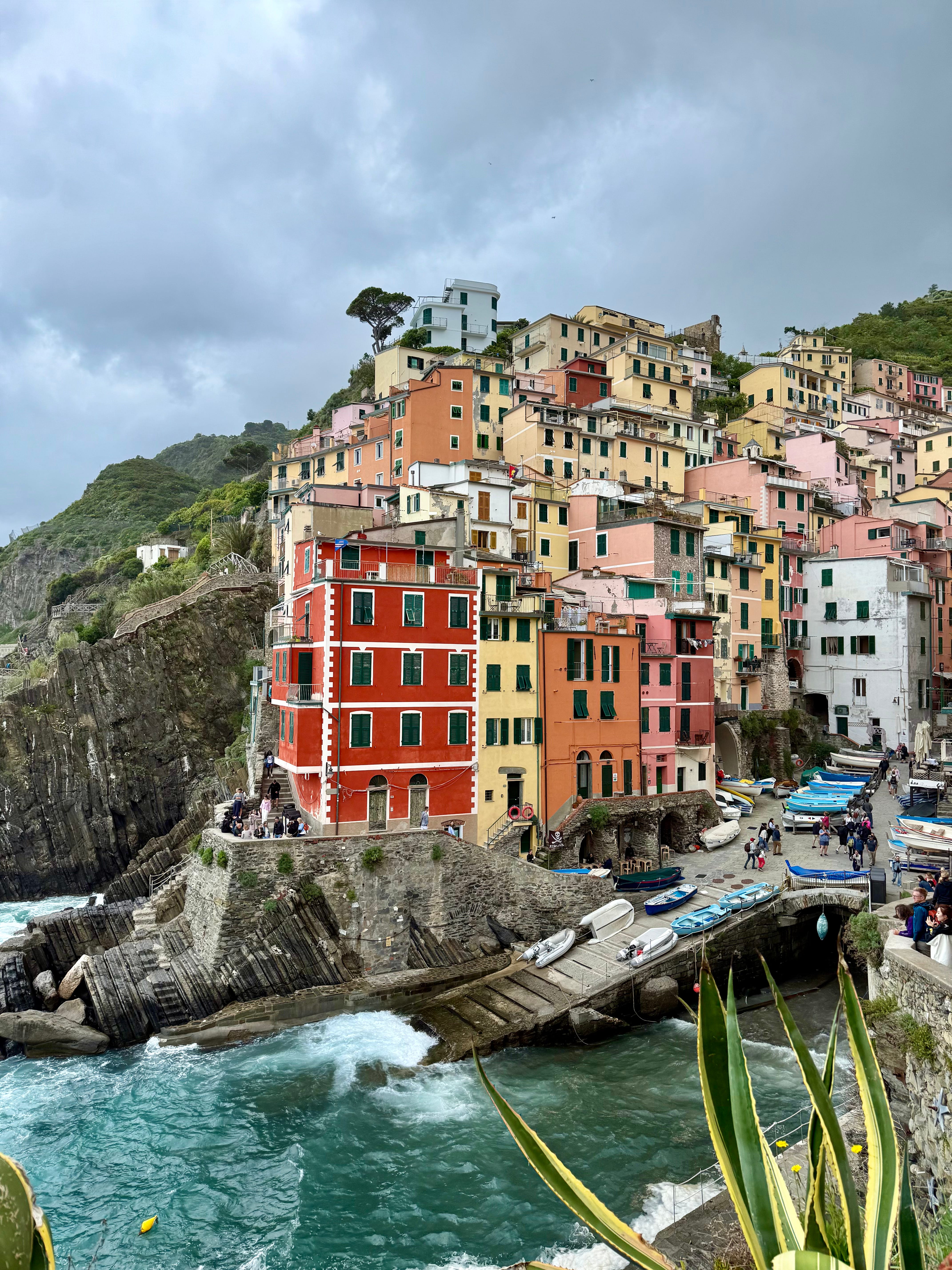
Then there are the people who love to critique the timing or the pace of someone’s trip. These ones are real vipers dressed in empath’s clothing. They reply to a comment, with a seemingly concerned tone, to tell someone that visiting the Amalfi coast in August is going to be sooo hot and crowded, or that trying to fit London, Paris, and Rome all in in 10 days is too much.
These people often pretend they are being generous with their expertise, but a lot of the time, they’re just trying to establish themselves as the person who knows better.
Because do they offer useful alternatives? Rarely.
Do they say, “I know August might be your only option, so here are a few ways to make it easier”? Usually not.
They just want to make sure everyone knows they would never make such an amateur mistake.
Unfortunately, many people don’t have control over when they are able to travel. School, work, and other aspects of life limit people to traveling during certain times of the year, and often that just happens to be in the summer. Believe me, they already know it’s going to be hot and crowded; they don’t need you pointing it out.
And to the people who have done marathon multi-country trips in a short time span, I get it. I’ve been that person. Everyone knows it’s not ideal, but when you only have a limited number of vacation days, and you’re spending a small fortune just to get to a new continent, it often seems like the best option.
At one point in time, you couldn’t convince me that seeing the Vatican and the Colosseum on the same day was going to be more exhausting than fighting traffic on the beltway to get to my desk by 8:30 am.
I agree that this isn’t the best way to travel, but I understand why people do it.
The travel critics I find most toxic, though, are the ones who tell people they “did it wrong” after the fact.
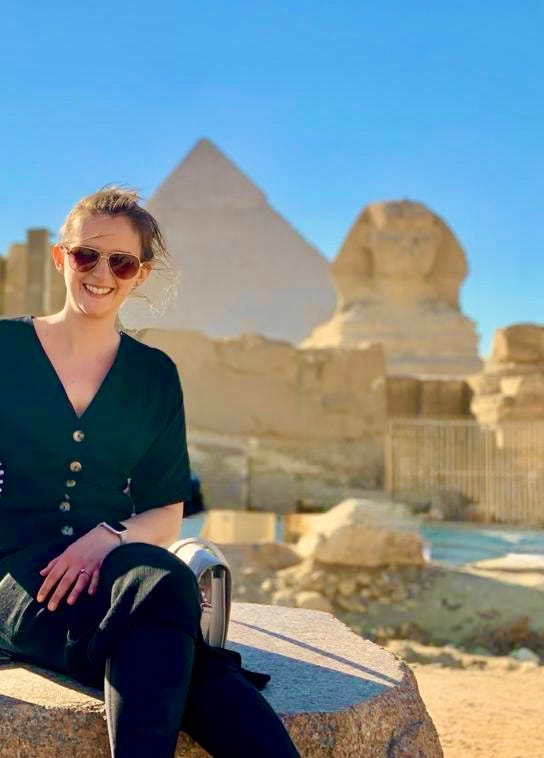
The traveler might have done everything right. They went to the right location, at the right time of year, for the appropriate amount of days, and yet they still make them feel like shit because they missed some particular thing that someone else thought was excellent.
They missed that restaurant you loved, or the quirky museum, or that one street that’s suuuuch a hidden gem. Guess what? None of that really matters after all.
I am someone who spends an unreasonable amount of time researching where to eat before a trip. I will read menus, scroll reviews, cross-reference blogs, review wine lists, and convince myself that finding the perfect lunch spot is a reasonable use of my one precious life.
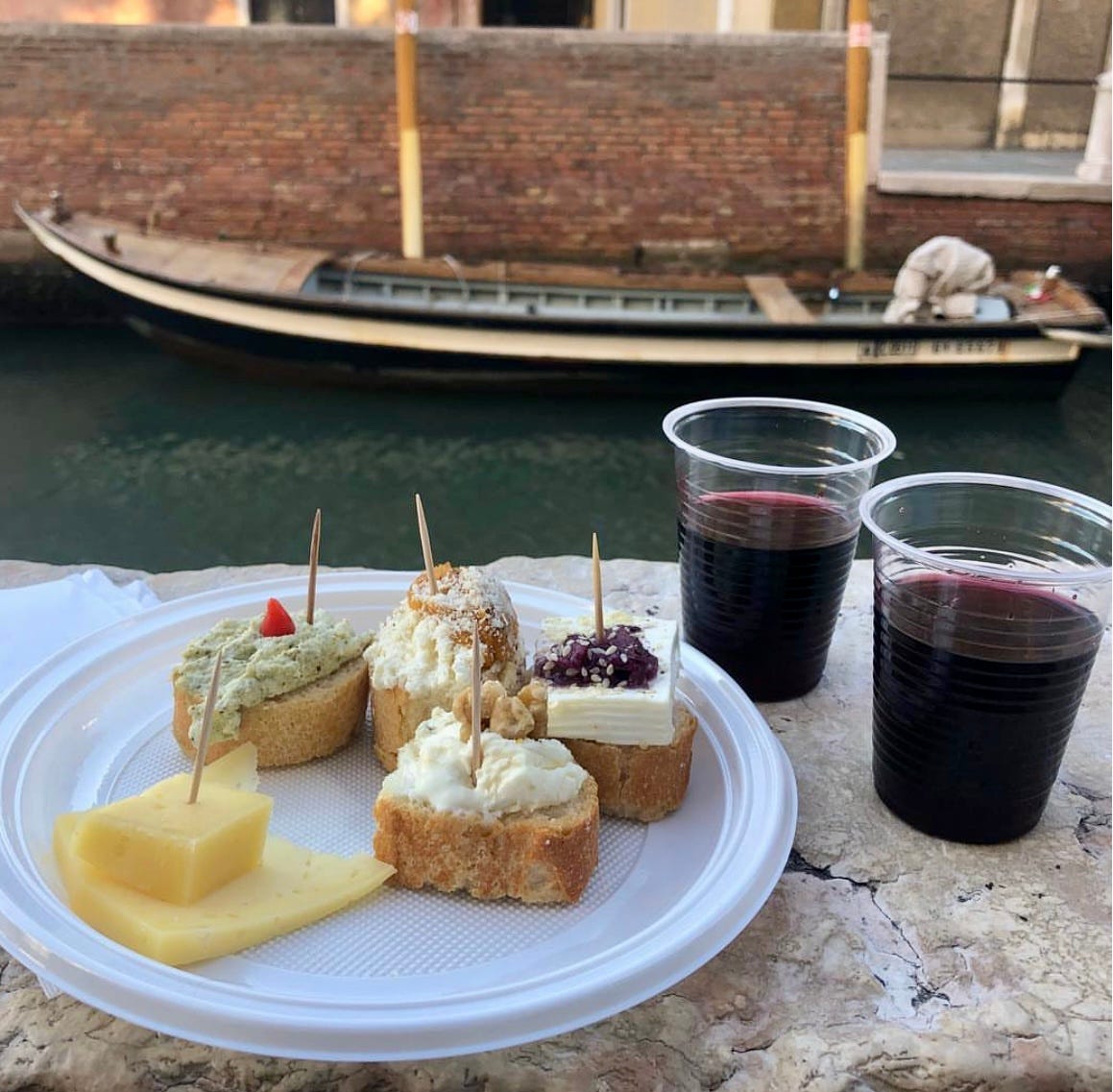
And yet, one of my best travel moments was sitting at a tourist trap restaurant in Piazza San Marco in Venice, sharing a carafe of €5 wine and overpriced mediocre pasta. A meal and a destination that a lot of travel “experts” would scoff at.
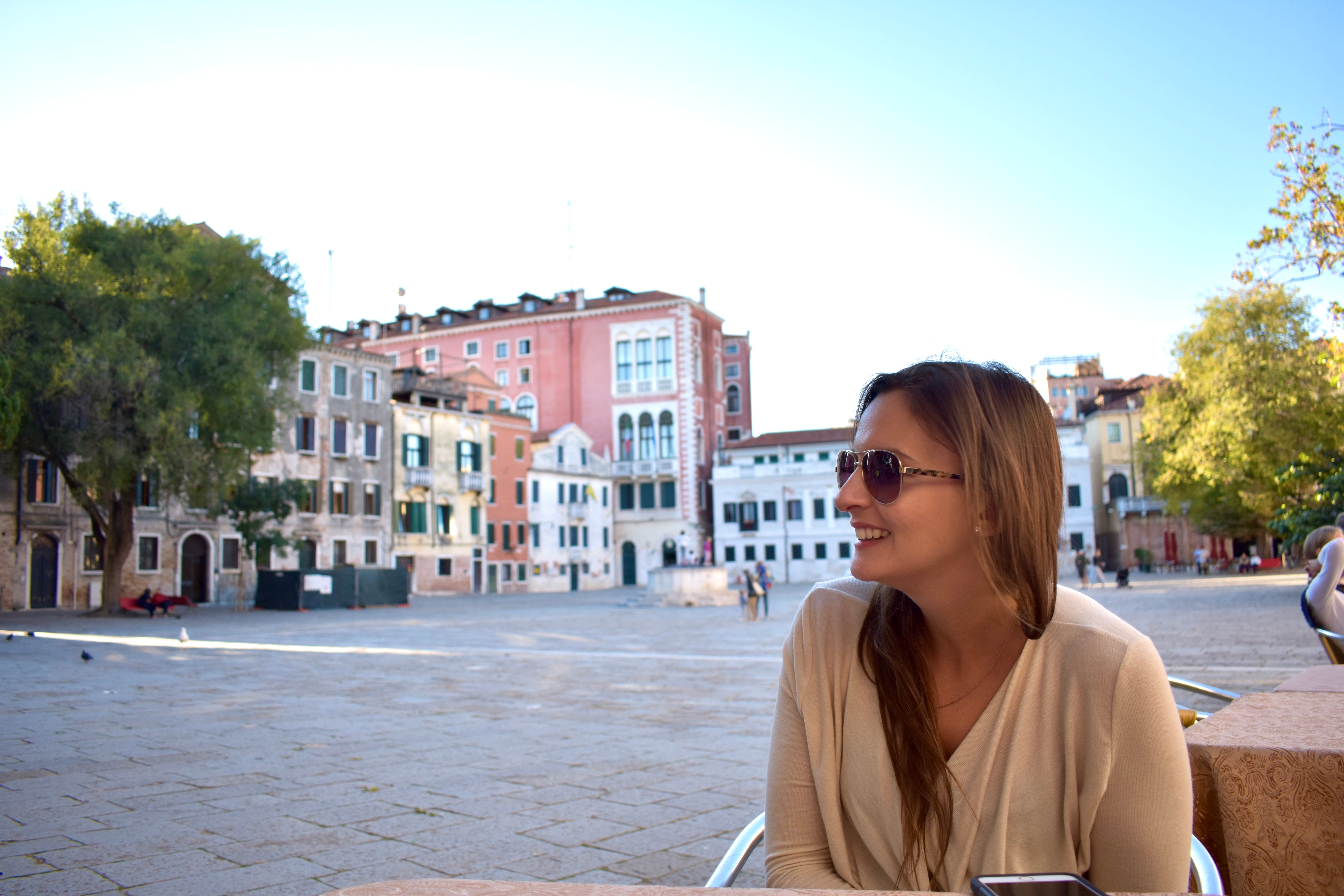
The best trip is the trip that makes you happy. Maybe it makes you curious. Maybe it makes you braver. Maybe it teaches you something about another culture. Or maybe it simply lets you sleep in for the first time in months.
I’m not arguing that there aren’t problems related to tourism. The problems that exist in the travel industry require real policy and data backed solutions. But shaming individual people online because they went to Barcelona, stayed at an all-inclusive in Mexico, or ate at a restaurant with a laminated menu is not the brave act of social justice some people seem to think it is.
I really think that travel is one of the best things you can do for yourself, your community, and the world. Opening yourself up to new places, experiences, languages, and culture is one of the greatest ways to develop empathy and understanding, and a small step at actually maybe making the world a better place someday. But it’s important to remember that many people have limits on where, when, and how they can travel, and it doesn’t do any good to impose your own value system on someone else.
If someone comes home a little more rested, a little more curious, or a little more aware of the world outside their own routine, then I’d say they did the trip exactly right.

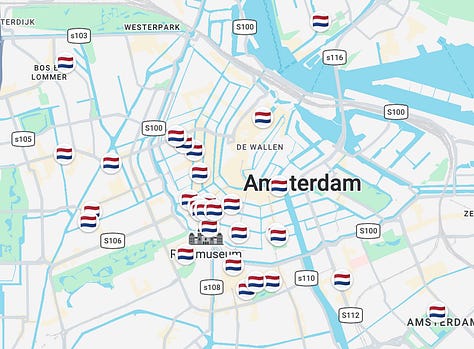
My maps have my favorite spots all over Europe pinned for use on the go! All places I’ve actually tried and would recommend to a friend.

Comments
Nothing yet. Say the first thing.
Sign in to join the conversation.