
Seven years ago, I moved abroad with a spreadsheet, too much stuff, and an overwhelming desire to experience more of the world. Since then, I’ve called three different countries home, moved apartments five times, and made a major career change.
As someone who is unapologetically Type A, I wasn’t scared to move. I was, however, convinced that I needed a plan for absolutely every possible situation. The thing is, it’s always the situations you could never have planned for that end up actually happening.
I’m by no means an expert; anyone who claims to be one is probably selling something, but I have learned a few things that my younger, eager, more naive self could have benefited from hearing.
1. Get comfortable looking like an idiot
I could sugarcoat it, but there’s really no point. There are going to be times when you say, or do, the wrong thing. If you’re lucky, it’ll be a simple mishap, like trying to order a drip coffee where it doesn’t exist.
Or, you might end up inadvertently offending your neighbor and starting a year-long grudge because you were too busy bopping to your music and forgot to say bonjour in the hallway that one day in 2024.
Without a doubt, at some point, probably at many points, you will do something that makes you look like a fool. People might laugh, gasp, or look confused. All you can do is move on. Accept defeat. It happened. It’ll probably happen again. We all do it. One day, it will be a funny story.
I write weekly about what it’s really like to build a life abroad filled with travel, food, and real-life honesty. Subscribe for more!
2. You might earn less, but still have more
I’m coming at this from the context of moving from the US to Europe. Even working in big tech, my salary was far lower than my counterparts in the US. However, even with the lower salary, my life here feels richer.
In general, the cost of living is lower in Europe, healthcare won’t send you into bankruptcy, and certain countries also have special tax rules for foreigners on skills-based visas that can make a big difference in your paycheck.
To be completely honest, even with a lower salary than I would have had in the US, the lower cost of living allowed us to save a lot more than we could previously, ultimately allowing me to take this time off of work without having to feel like I have to find a new job immediately or work just to have health insurance.
3. Use your network
One of the best things you can do when you move abroad is use your (please forgive me for the cringey corporate term) personal network. That friend of a friend that your mom’s hairdresser knows in the place you’re moving to? Get their number, have coffee.
Once you’ve made a few connections, someone will know someone who knows someone who can help you in almost any situation. Other foreigners who have already figured out the local systems can make settling in so much easier.
By using our network, we’ve found everything from amazing apartments to doctors to the best bagel shop in town. Not asking can even have costs - we found out after moving to France that the relocation agency we used has a horrible local reputation, because we didn’t think to reach out and ask anyone local ahead of time. Whether you’re looking for an apartment, a job, a hairdresser - ask around and get the real tea.
4. You’ll need so much less stuff than you think
Leave behind that dress you’ve never worn. Throw away that free water bottle from the company you worked at five years ago. Donate the KitchenAid.
When deciding what to bring and what to leave behind, you’re going to second-guess yourself - a lot. It can be easy to convince yourself to bring everything, just in case.
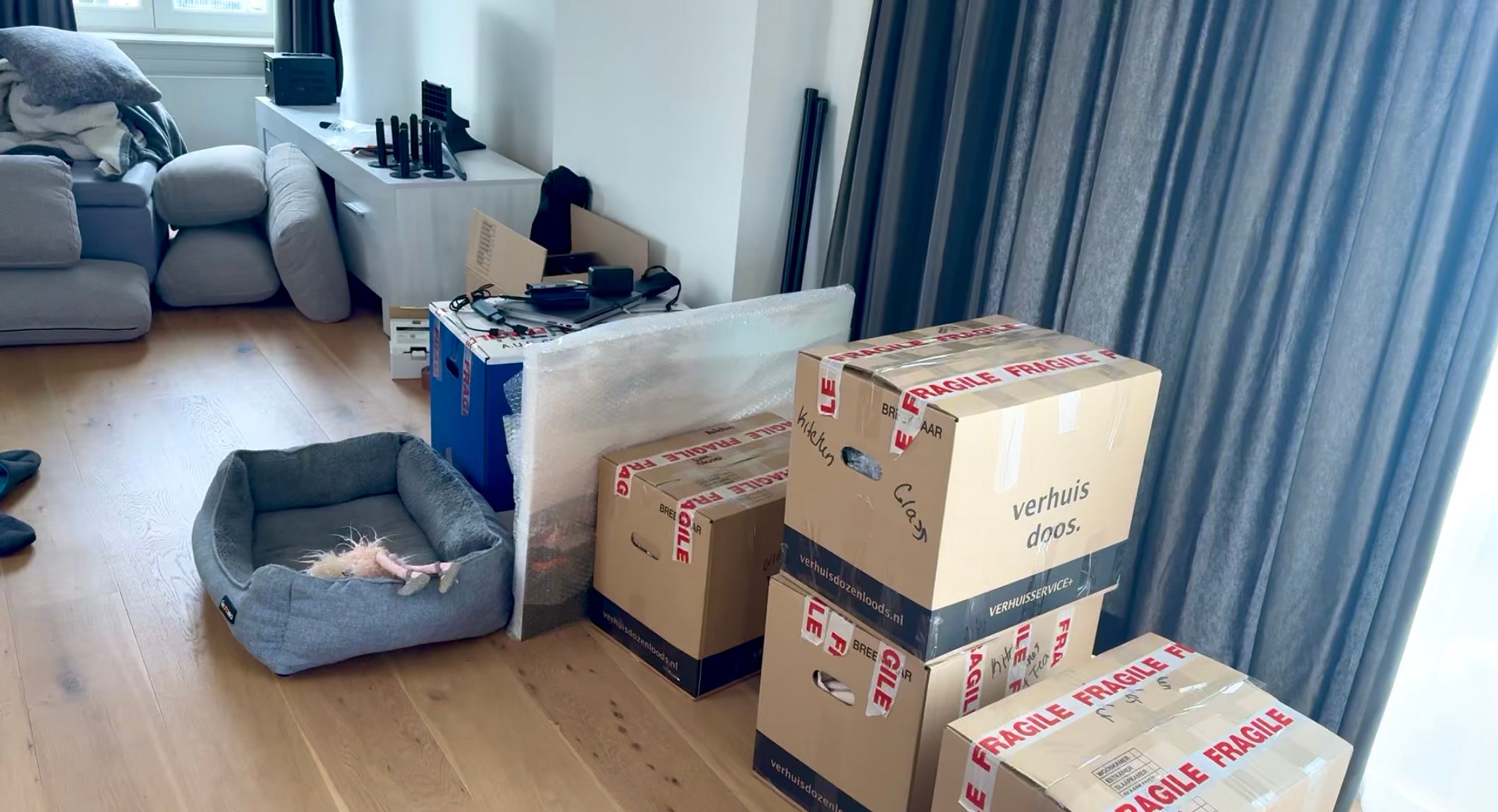
The truth is, you’ll probably end up regretting bringing most of it. When I moved from DC to London, my company paid for my move, meaning there was no incentive for me to pack light. To this day, I have boxes that have moved from DC to London, to Amsterdam, to France, and have never been opened. At this point, I don’t even remember what’s in them.
Don’t bring your appliances; it’s not worth dealing with the voltage converters. Don’t bring every piece of clothing and home decor; you won’t have space, and you’ll probably want new stuff anyway. And, seriously, don’t bring your car.

5. “Home” will never feel quite the same, and that’s ok
If you’ve ever been away from your hometown for university or a job, and you’ve experienced that feeling of coming back where everything feels different even though it’s familiar, it’s like that, plus some reverse culture shock.
People will move on without you. They’ll have kids, get new jobs, deal with challenging life situations. You won’t be there for all of it. Sometimes, it will break your heart. But no one holds it against you. The people who matter will support you, and the strongest relationships will adjust to the distance.
Sometimes you’ll meet up with old friends, and it will be like time never passed, even if you haven’t seen them for the better part of a decade. Other relationships will fade. To be honest, all of that would probably happen even if you didn’t move.
What can be weird about this is how some circles will treat you when you go back to visit. Sometimes you’ll feel like a zoo animal everyone wants to see and ask about. People will be fascinated with the aspects of life that are now just normal to you. It’s a strange dynamic; I don’t really have the answers on how to navigate it yet.
6. You’ll travel so much!
One day, you’ll finish work on Friday afternoon, head to the airport, and be eating pizza in Milan for dinner. It’s not only the additional vacation days or the lower cost of travel, but the realization that those trips that used to feel like once in a lifetime luxuries are just normal getaways when you live in Europe.
You’ll work in places where taking two consecutive weeks off isn’t considered indulgent and putting up an out-of-office reply doesn’t require an apology. You’ll quickly learn how to maximize points and rewards programs and become that person who always seems to be somewhere new.
Instead of “safe travels,” people will say “have a great trip” because the notion that travel is inherently unsafe is not how people think here.
Always remember not to take it for granted.
7. Moving will cost more than you think
This is a very practical one. While I told you not to worry about making less money, don’t go spending every spare dollar on flights just yet.
While it’s true that your cost of living is going to be lower, it’s also true that in many cases taxes are higher, apartments come without appliances (unbelievably sometimes even without floors, looking at you Netherlands), finding housing can be an absolute nightmare, and moving companies seem to exist on hidden fees.
In the long-term, it will all even out, but the short-term expenses are going to feel like a lot. Budget for at least 10-20% more than you think it will cost, and if you don’t end up needing it, congrats, your first long weekend is already paid for - girl math.

8. Certain things about life in the US will start to seem so crazy
The first time you walk out of a doctor’s office without paying anything, it will feel like you’re stealing. But soon enough, you’ll think it’s completely absurd that this isn’t the case everywhere.
When you see a gun on a police officer or a military person after not seeing one for a while, you’ll think about how unreal it is that guns are an everyday sight, and threat, in the US.
Living without a car will change the way you view where you live. A “good” neighborhood suddenly means having a bakery, market, and restaurant you love within walking distance, rather than big houses and plenty of parking.
9. Almost everything is figure-out-able
You will make mistakes, but there’s always a solution. Things that seem like the end of the world in the moment rarely ever are.
You’ll suffer from imposter syndrome and convince yourself that you were hired as a mistake and will be fired any day now. That won’t happen.
You’ll rent an apartment that has mice, but you’ll bond with a neighbor over it, and end up becoming good friends. And you’ll move somewhere mice-free that ends up being even better.
You’ll mess up some official paperwork. It might bring you to tears, but you’ll figure out how to fix it.
You don’t need a plan for every possible problem. You need to trust that you’ll be able to handle the problem that actually appears.
10. It might all go even better than you think
It’s easy to think about the things that could go wrong, to think of reasons not to do it, or to justify staying put. But have you thought about the possibility that it might go even better than you think it could?
It might take your career further than you ever thought was possible. It might lead you to making some of the best friends you’ve ever known. It might open you up to worlds that you never even knew existed before.
Instead of worrying about what could go wrong, think about how you’ll feel if everything works out. Because most of the time, it does.
Not everything will work out exactly as you planned. You’ll make expensive mistakes, embarrass yourself, miss people, and occasionally wonder if you’ve made the right choice. But the life waiting for you is bigger, brighter, and more exciting than you ever could have imagined.
I write weekly about what it’s really like to build a life abroad filled with travel, food, and real-life honesty. Subscribe for more!
Comments
Nothing yet. Say the first thing.
Sign in to join the conversation.