
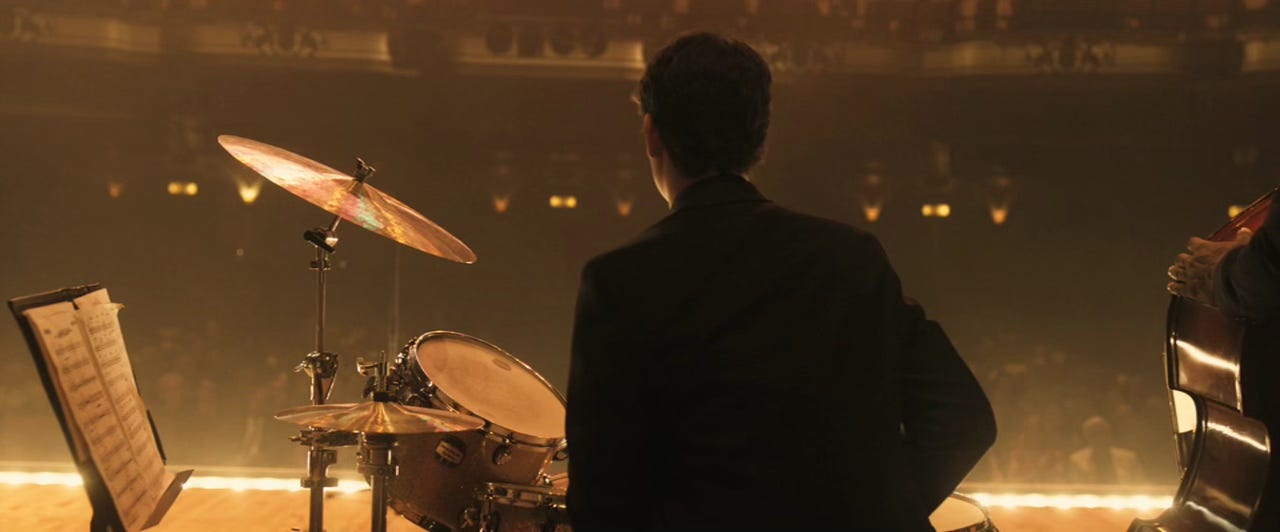
I’ve been in the lab planning the next few entries in my ranking series. The next two directors are nearly finished, the first is a member of The Silent Generation, and the other is one of Gen X’s giants. Between them, they have enough great films to spark endless debate over the order, and there should be no argument on whether they belong in the pantheon of great directors.
Then I started thinking ahead with my film calendar in hand. Which millennial director will be first? It seemed like an obvious question; every generation produces its great filmmakers, so surely there would be plenty of candidates by now.
So I started making a list and a very clear problem began to reveal itself. Once I started looking at their filmographies, I realised how quickly the lists ran out of obvious masterpieces. Often one or two exceptional films, maybe a more divisive third, in several cases, only two or three features in total.
Aged forty, Generation X’s defining filmmakers had already made:
Quentin Tarantino - Reservoir Dogs, Pulp Fiction and Jackie Brown.
Paul Thomas Anderson - Boogie Nights, Magnolia and Punch-Drunk Love.
Christopher Nolan - Memento, The Prestige and The Dark Knight.
David Fincher - Se7en, Fight Club and The Game.
Gen X were following a standard set by the generation before them. The great directors of the New Hollywood era had already built extraordinary filmographies before reaching forty:
Steven Spielberg - Jaws, Close Encounters of the Third Kind, Raiders of the Lost Ark and E.T.
Francis Ford Coppola - The Godfather, The Conversation, The Godfather Part II and Apocalypse Now (!?!?!).
Martin Scorsese - Mean Streets, Taxi Driver and Raging Bull.
George Lucas - Created Star Wars.
James Cameron - Transformed science fiction and action cinema with The Terminator, Aliens, and Terminator 2.
Many by this stage of their careers had created multiple classics and, in some cases, completely reshaped cinema.
Why is it Millennials feel a step behind?
Is that because they’re simply not as good?
Why is it they don’t have the filmographies to match the generations before them?
I thought to answer this question it was best to dig through dozens of careers to see what I could make of it, and along the way found myself trying to rank the directors as a fun exercise.
As an FYI, there is no master list with all directors and their birthdays. So if I forgot your favorite, I either didn’t, and I hate them, or I forgot them, and I’ll edit them into the honorable mentions when you aren’t looking and gaslight you into thinking you didn’t see it.
Also, what is a millennial? Someone born between 1981 and 1996.
Also, how did I rank them? A mash-up of how good their best film is, how bad their worst film is, box office success, critical success, awards success, depth of their filmography, vibes, how interested I am in seeing their next film, how interested my wife is in seeing their next film, etc.
Honorable Mentions:
John Watts - Director of the first three Tom Holland Spider-Man movies which grossed over $3.9 billion. Outside of those, he’s directed Clown (very, very bad), Cop Car (pretty good), and Wolfs (meh).
Adam Wingard - Director of The Guest, You’re Next, and Godzilla vs. Kong.
Charlotte Wells - Director of Aftersun. Charlotte, please, make another film, the streets need it.
Emma Seligman - Director of Bottoms and Shiva Baby.
Julia Ducournau - Director of Raw and Titane.
Trey Edward Shults - Director of Krisha, It Comes at Night, Waves
Spiritual Millennials born before 1981 but “feel” like Millennials:
Céline Sciamma (1980) - Director of Portrait of a Lady on Fire
David Lowery (December 26th 1980, misses out by 6 days) - The toughest person not to have on this list because I think Lowery is one of the few directors in this age range that already has a filmography worth ranking and fighting over. The Green Knight, Mother Mary, A Ghost Story, and Ain’t Them Bodies Saints are all interesting work.
Jeff Nichols (1978) - Director of The Bikeriders, Midnight Special, Mud and Take Shelter
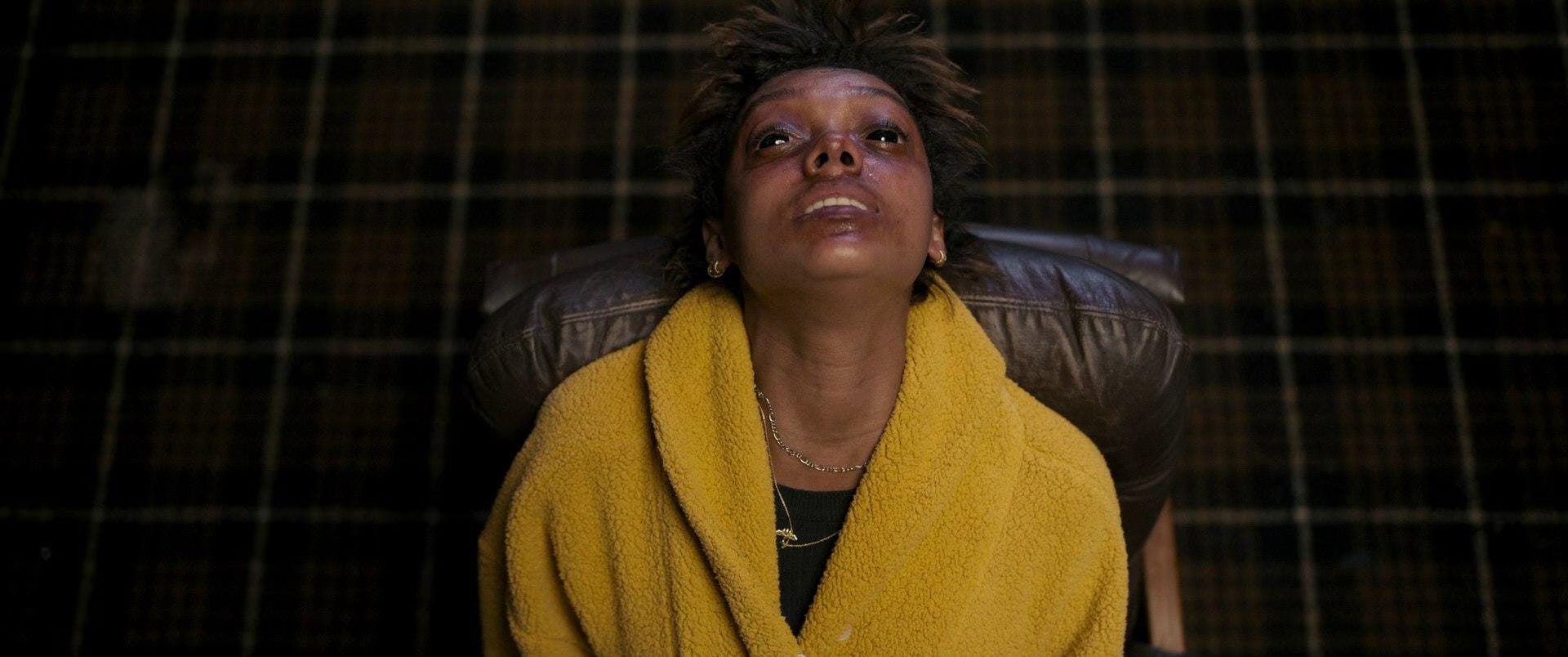
Photo by A24
Best known for:
One of the leaders in the YouTube-to-horror pipeline.
The Case For:
Talk to Me turned a possessed hand into an instant genre icon. Their follow-up, Bring Her Back, confirmed it wasn’t a one-off and they know how to build dread and entice audiences. They’ve made the YouTube to A24 pipeline look easy. They ran so Curry Barker and Kane Parsons could run.
Best 3 Films:
Bring Her Back
Talk to Me
Oscars: 0
The Verdict:
Both of their films are critically loved and genuinely popular, which is rarer than it sounds in horror. What they need to do next is to move out from the trauma and grief lane they’ve focused on so far. I’d love to see a big swing from them (see Zach Cregger) and get weird with it.
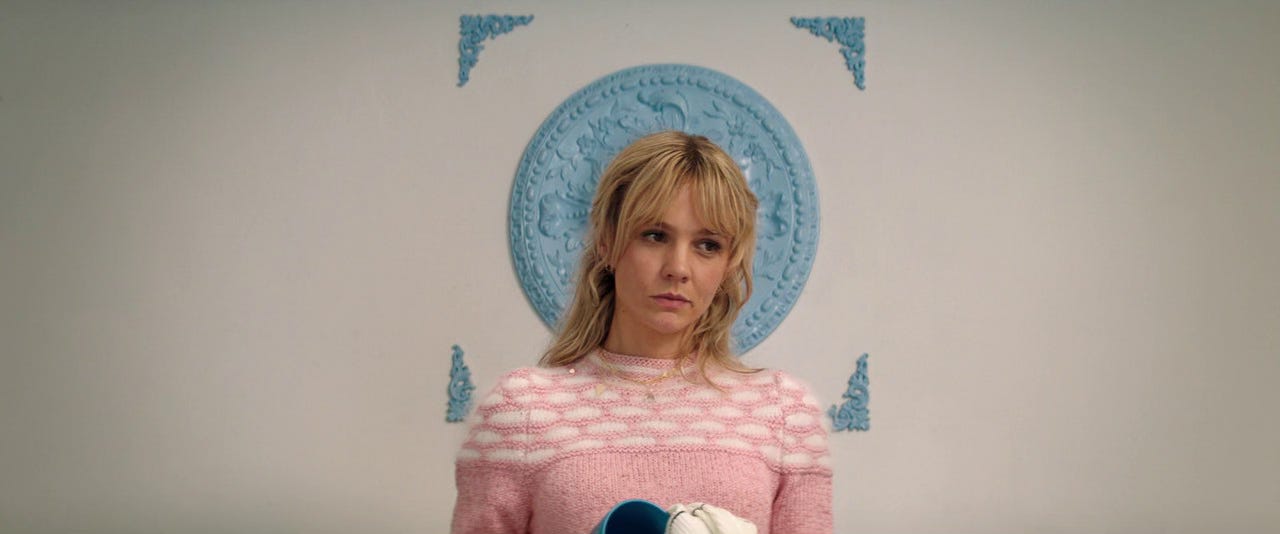
Photo by Universal Pictures
Best known for:
Being an agent of chaos.
The case for:
Fennell can generate a genuine cultural moment on demand, Promising Young Woman won her an Original Screenplay Oscar, and Saltburn became inescapable meme fodder, both proof she knows exactly how to make people talk. She is one of the few filmmakers her age who can turn provocation into box office reliably.
Best 3 Films:
Promising Young Woman
Saltburn
Wuthering Heights
Oscars: 3 Nominations, 1 win (Promising Young Woman was nominated for 5 Oscars, winning 1)
The Verdict:
One big critical success, one big commercial success. But her work, for the most part, is more shocking and interesting than good. I think she’s a better production designer than a director, but, Fennel’s shown she understands how to make a film people want to see. In some respects she is the female Nolan, like her films or loathe them, she gets the people going.

Photo by A24 Best known for:
The Case For:
Past Lives was drawn from her own life, turning a deeply personal story about identity and the what-if of choices not made. It landed Oscar nominations for Best Picture and Best Original Screenplay. It’s Song’s precision and emotional control that make her stand out.
Best 3 Films:
Past Lives
The Materialists
Oscars: 2 nominations, 0 wins (Past Lives was nominated for 2 Oscars winning 0)
The Verdict:
Song has shown she can write and direct critical and commercial successes. After the mixed The Materialists, she needs a film that proves Past Lives is repeatable and wasn’t just a perfect storm of subject and style.

Photo by Neon Best known for:
The Case For:
The Brutalist wasn’t just acclaimed, it was a three-and-a-half-hour, VistaVision-shot epic about art and compromise. Before The Brutalist, Brady Corbet's directed The Childhood of a Leader, which traced the rise of a fictional fascist dictator through his formative years, while Vox Lux used a school-shooting survivor turned pop star to explore fame and trauma. Along with his partner Mona Fastvold, they’ve proven to have an eye for conceptually and formally interesting work.
Best 3 Films:
The Brutalist
The Childhood Leader
Vox Lux
Oscars: 3 nominations, 0 wins (The Brutalist was nominated for 10 Oscars, winning 3).
The Verdict:
Corbet’s carved out a spot among the most ambitious of his generation’s directors. Three features in, and he’s in the conversation with names like Ryusuke Hamaguchi and Robert Eggers as filmmakers unafraid of scale and difficulty. Brady Corbet seems to be destined to be in Best Director conversation for decades to come.

Photo by Warner Bros Pictures
Best known for:
Booksmart put her on the map. Don't Worry Darling put her in the tabloids.
The Case For:
Booksmart is so sharp as a debut feature Wilde immediately got mentioned alongside Greta Gerwig and Richard Linklater. She has an eye for funny, kinetic, and visually polished films. Her follow-up to the disastrous Don’t Worry Darling, The Invite, sold to A24 out of Sundance in a major deal, and critics (myself included) agree it's a return to form.
Best 3 Films:
Booksmart
The Invite
Don’t Worry Darling
Oscars: 0 nominations
The Verdict:
She has genuine Oscar potential, and I wouldn’t be surprised to see her nominated in 2027 for The Invite. I would love to see Wilde keep building on The Invite's momentum. I’m more excited for her next feature than anyone on the list to this point.
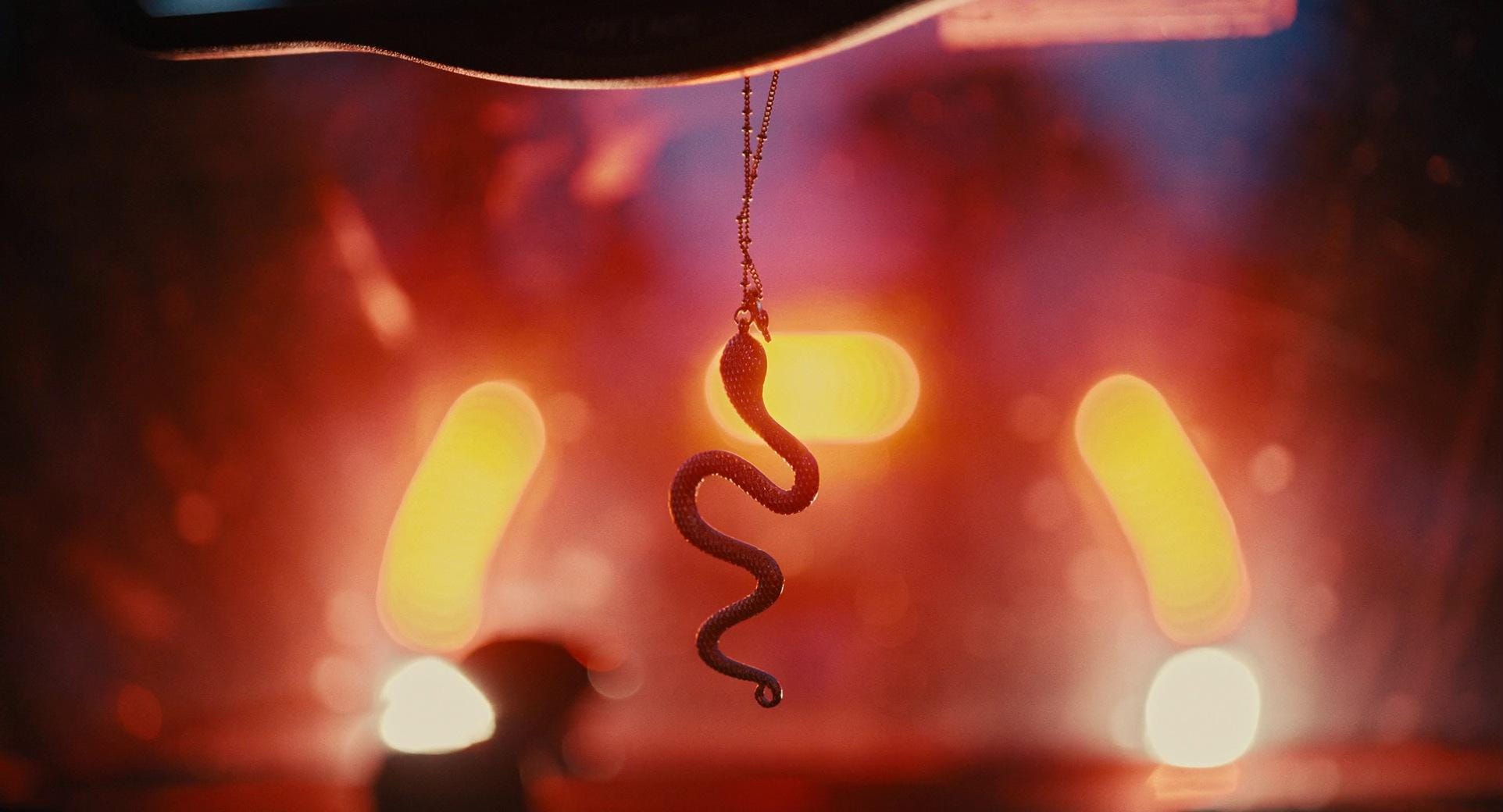
Photo by 20th Century Fox
Best known for: Weapons grossed $270M and now he’s been handed the keys to Raccoon City.
The Case For:
Barbarian announced him as a genuine genre talent. He followed that up with Weapons, both a critical and commercial smash that won Amy Madigan an Academy Award. He has a reputation for smart, unpredictable horror, which is exactly why Sony handed him the reins to reboot Resident Evil after a bidding war among major studios.
Best 3 Films:
Weapons
Barbarian
Resident Evil (It’s not out, I know, but the trailer…)
Oscars: 0 (But let’s not forget Amy Madigan winning an Oscar for her performance in Weapons)
The Verdict:
Cregger's already among the most in-demand horror directors. Two films in, both acclaimed (if you haven’t seen Barbarian, please do, it’s mad and wonderful and you just won’t see the direction it’s going in), he’s not quite in the same conversation as Ari Aster and Jordan Peele. But if he can pull off a blockbuster, he goes from "horror's best new director" to a filmmaker who can choose to do anything.
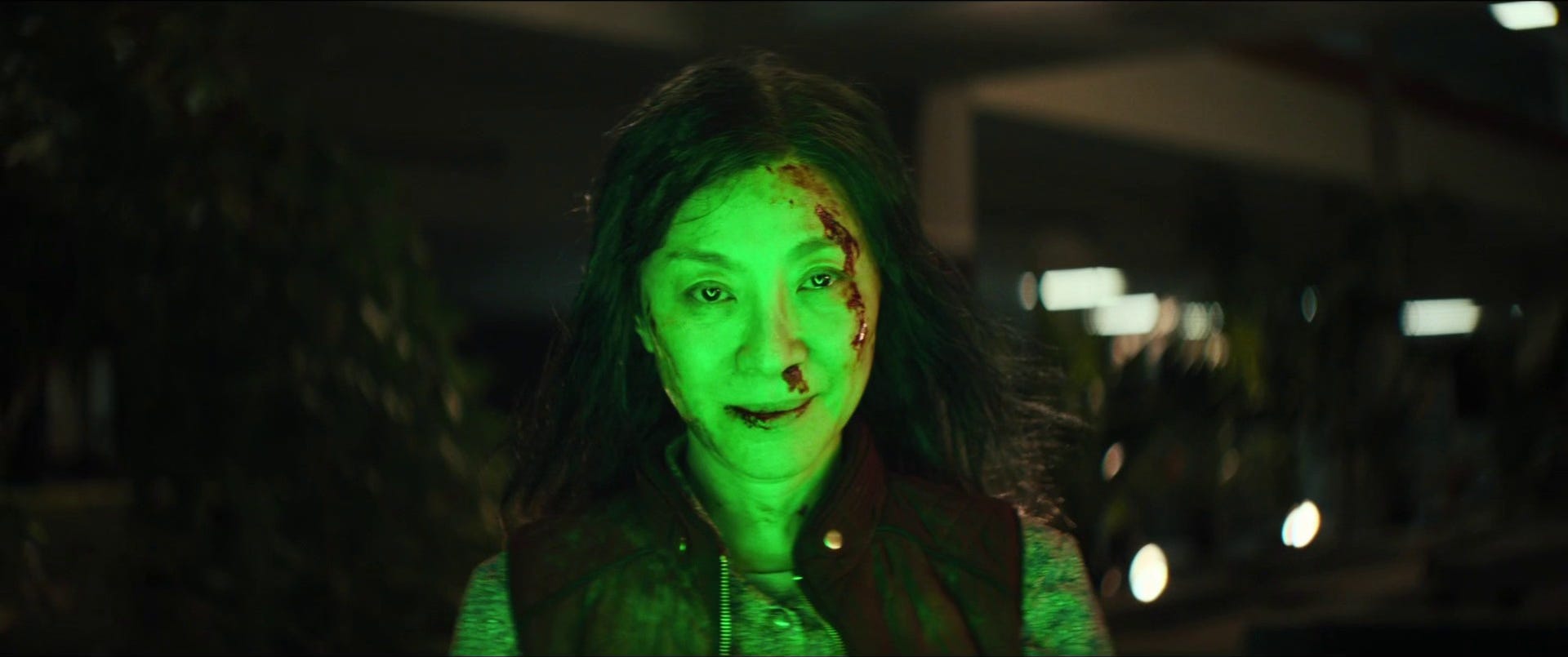
Photo by A24Best known for:
Everything Everywhere All At Once is considered one of the best films of the century with an almost cult-like devoted following.
The Case For:
Their willingness to combine real emotion and total absurdism is what makes them one of the most original filmmakers working today. Their debut was Swiss Army Man, a film about a farting corpse starring Paul Dano and Harry Potter. Then they followed it up with Everything Everywhere All at Once, which didn't just win awards, it dominated them. Seven Oscars, including Best Picture, Best Director, and acting wins for Michelle Yeoh, Ke Huy Quan, and Jamie Lee Curtis, turning this micro-budget multiverse movie into one of the defining moments of the decade. Consider them the popcorn Charlie Kaufman.
Best 3 Films:
Everything Everywhere All At Once
Swiss Army Man
Oscars: 3 nominations, 3 wins (EEAAO won 7 of 11 Oscars it was nominated for)
The Verdict:
Everything Everywhere All at Once is a movie that didn’t work for me, but the numbers don't lie. Their next film has had a bumpy road, with Ryan Gosling being confirmed before pulling out and saying he never agreed to the project. Matt Damon stepped in and has since described it as The Breakfast Club meets Inception, a time-jumping sci-fi epic with global warming as the villain. Which, if you're a film fan, should sound genuinely exciting. If it lands anywhere close to EEAAO's success, the Daniels inarguably vault themselves into the top 4.
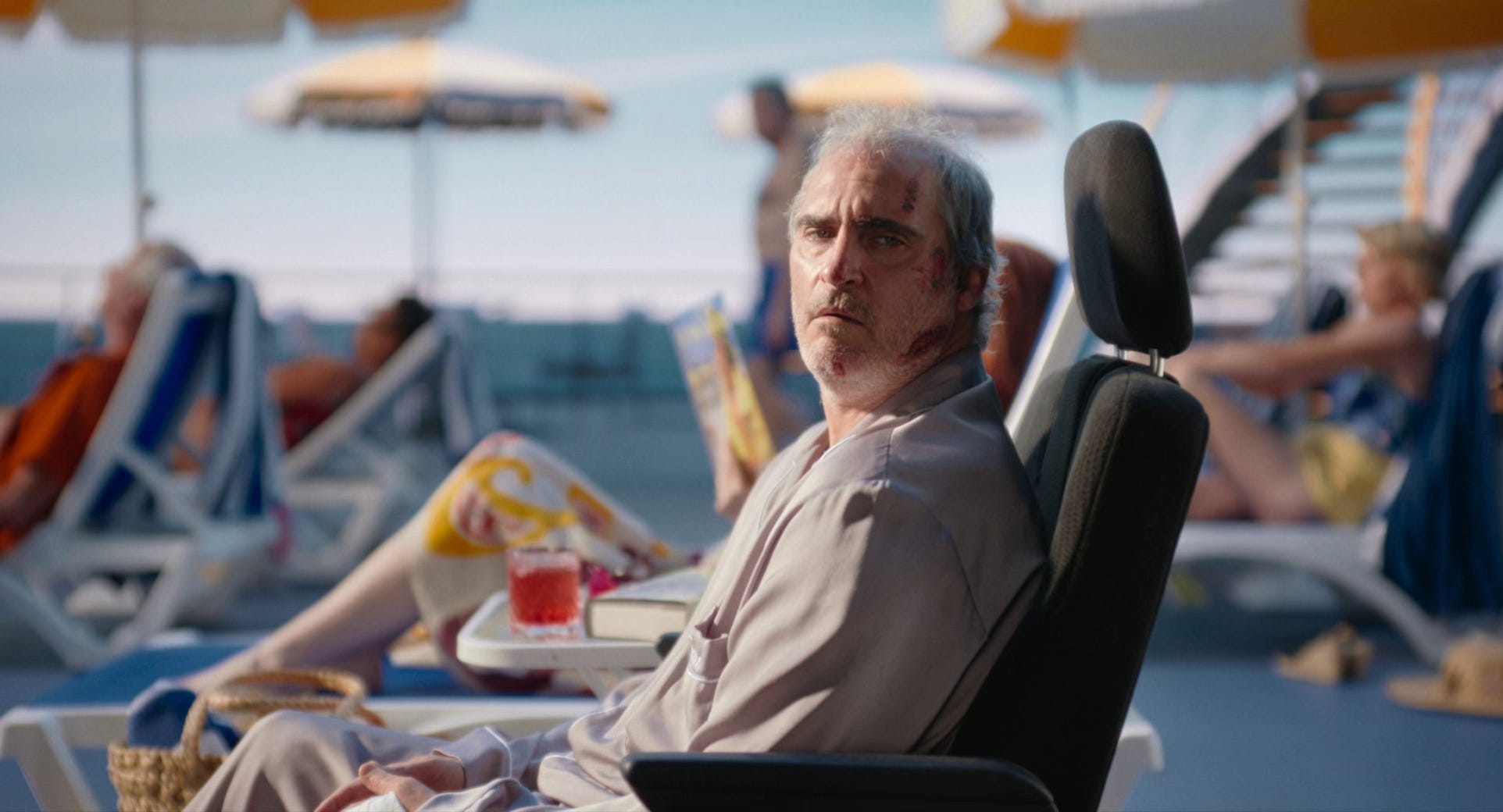
Photo by A24Best known for:
Gave us a decapitation so traumatic it started its own movie genre.
The Case For:
Before Obsession and Backrooms this year, Hereditary was one of the most notable and profitable examples of a first-time director having breakout success in horror. A modern horror masterpiece that is one of the pillars of the “elevated horror" movement. Hereditary turned grief and trauma into something almost unwatchable, whilst Midsommar did the same for the breakup. Eddington is one of my favorite films of last year, a paranoid, pitch-black comedy about a small town spiraling that very few have the nerve to make.
Best 3 Films:
Hereditary
Midsommar
Eddington
Oscars: 0 nominations
The Verdict:
Aster ranks among the defining voices of his generation on the strength of Hereditary and Midsommar alone, but where he goes from here is genuinely up for debate. I might love Eddington and think Beau Is Afraid is underrated, but it's fair to say both have been a step back commercially and critically. His next film, Scapegoat, follows a surgeon played by Scarlett Johansson whose career collapses after a social media influencer dies during a routine operation. For everyone telling Aster to “go back to horror”, he's clearly telling us he thinks we already live in one.

Photo by Marvel (a part of me wanted me to go full Emerald Fennell and use a picture of Harry Styles in The Eternals)
Best known for:
Went from directing nomads living in RVs to directing Angelina Jolie and Jon Snow in that Marvel film.
The Case For:
Zhao won Best Picture and Best Director for Nomadland, making her only the second woman to ever win the latter, as well as being nominated for Best Adapted Screenplay and Best Editing. We have to forgive her for Marvel's Eternals after coming back with Hamnet, a family tragedy that picked up multiple Oscar nods again, including Best Picture, Director, and Adapted Screenplay. You’re in a special class when you have multiple directing and writing nominations.
Best 3 Films:
Nomadland
Hamnet
Eternals (it’s not, but I wanted to have that represented on the list)
Oscars: 6 nominations and 2 wins (Nomadland and Hamnet were nominated for a combined 14 Oscars, winning 4).
The Verdict:
Zhao's already near the top of her generation on trophies alone. Eternals was a rare stumble, proof that blockbuster scale isn't necessarily her lane, but she course-corrected fast and came back stronger. What's next is likely just more of what she does best, expect her to keep producing humanist stories for as long as she has the passion for it. She's already helped two actresses (Frances McDormand and Jessie Buckley) to Best Actress wins, so if you're an actor chasing that kind of performance, Zhao is one of the most in-demand directors working today.
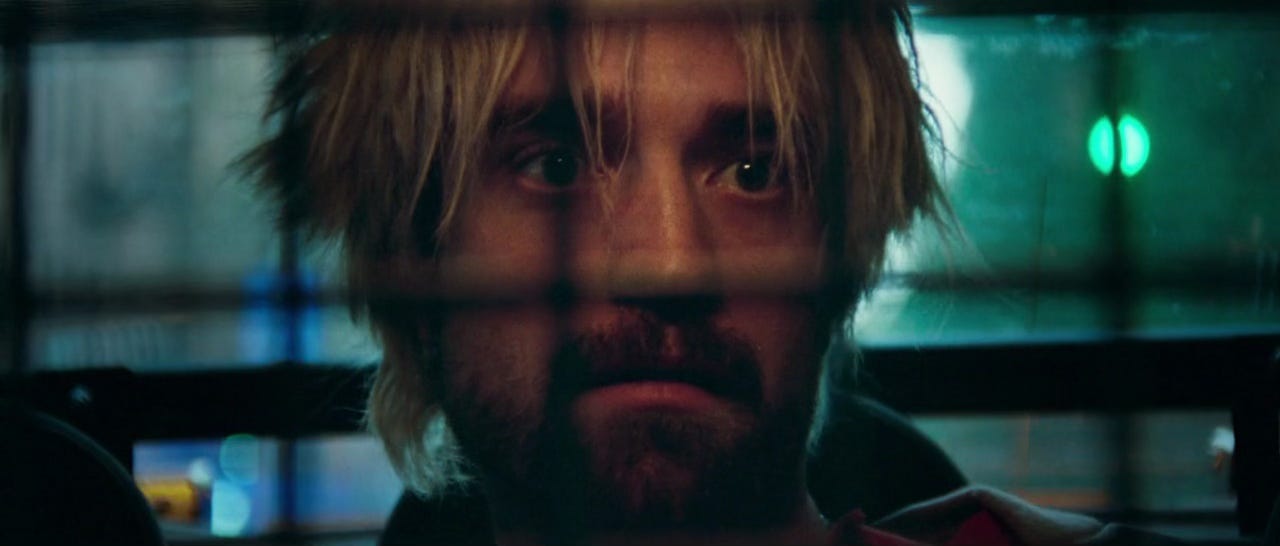
Photo by A24Best known for:
Casting Adam Sandler as a gambling-addicted jeweler in one of the decade's best films.
The Case For:
This is the most complicated selection. In 2024, Josh and Benny Safdie officially split as a directing duo, citing a desire to explore different artistic paths. Allegations have also emerged around their past work. They are worth reading about directly rather than being summarised here. Benny made The Smashing Machine, which I loathed. Josh made Marty Supreme, which I loved, and picked up nine Oscar nominations. And there’s the conundrum.
Uncut Gems and Good Time are two of my favorite films of the century so far, and both Josh and Benny deserve to be discussed in the same breath as everyone else on this list. Good Time, Uncut Gems, and Marty Supreme is a genuine top-tier one-two-three. We should also credit them for partly being responsible for Robert Pattinson’s butterfly-style emergence we are all bearing witness to.
Best 3 Films:
Marty Supreme
Good Time
Uncut Gems
Oscars: 4 nominations, 0 wins (10 nominations, 0 wins between Smashing Machine and Marty Supreme).
The Verdict:
What’s next is genuinely unknowable. I could see them having no place on this list in five years, or one half of the pair standing here alone, or even the two of them back together as a unit. If (big if) they both continue to be in the director’s chair, I would be genuinely surprised if they don’t end up with a real haul of Oscars between them over the years ahead.
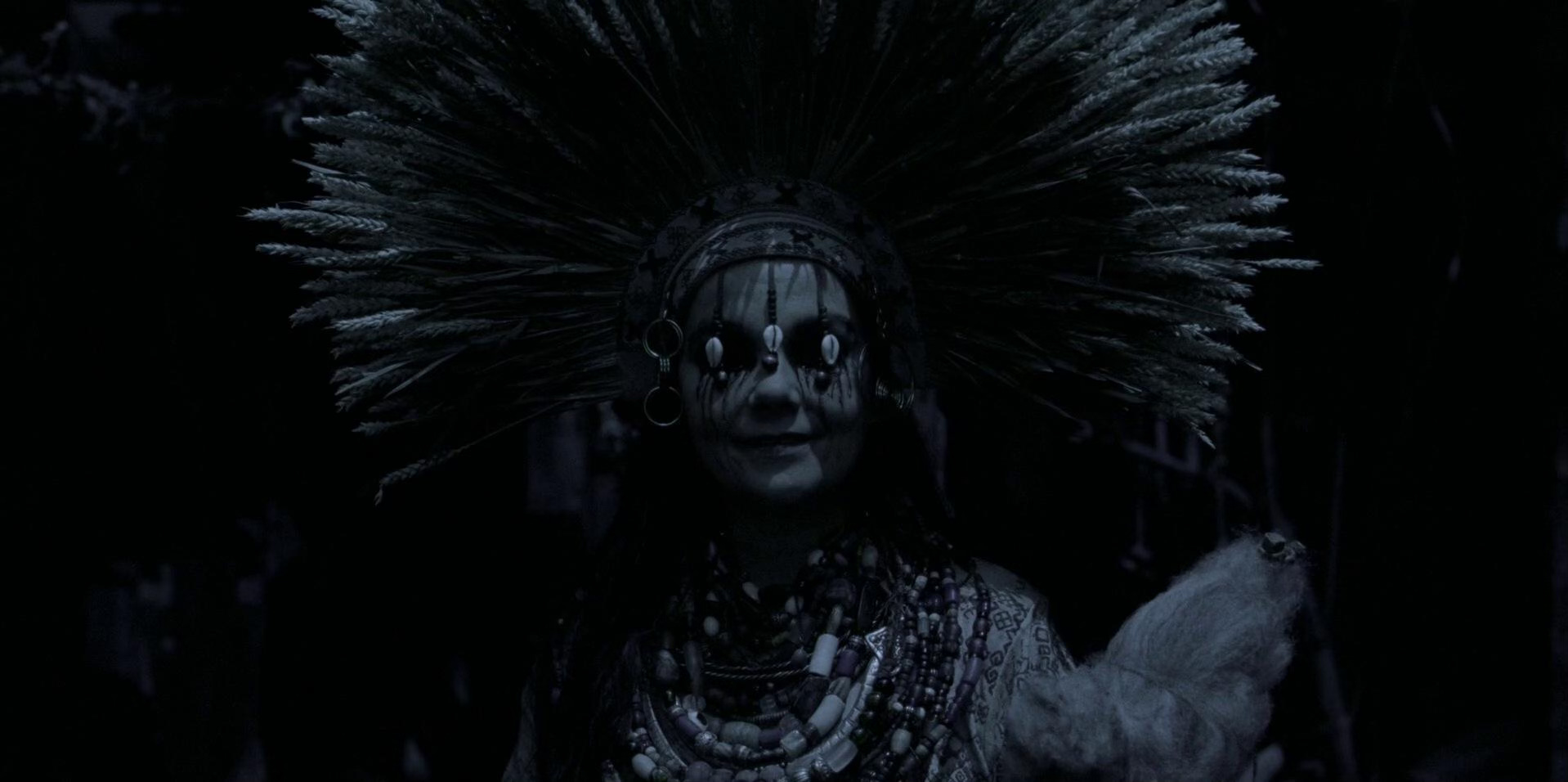
Photo by Universal Best known for:
The Case For:
The Witch, The Lighthouse, The Northman and Nosferatu form one of the best runs of the last decade, four period films with maniacal period precision and authenticity. The Northman in particular is, to me, a masterpiece, and the fact it didn't get nominated across the board for the Oscars' craft categories is baffling. Part of that is horror's usual awards-season snub, but the label undersells him anyway. Eggers isn't really a horror director, he's a folklorist building entire worlds from the ground up. Few filmmakers combine that level of craft with commercial success and genuine weirdness.
Best 3 Films:
The Witch
The Northman
The Lighthouse
Oscars: 0 (1 nomination for cinematography for The Lighthouse)
The Verdict: Chris Ryan put it perfectly on The Big Picture podcast: Eggers is the Wes Anderson of horror. He builds intricate dioramas with a rotating ensemble that we move on from almost immediately (
If I'm honest, the only direction is probably down from here for Eggers, not because the work will get worse, but because the other directors on this list should keep growing while his lane stays remarkably fixed. There's a real question of diminishing returns: how much more period-accurate can he get before people stop being dazzled by the craft and start wanting him to swerve? I love his films, and I'm fully there for Werwulf, as well as whatever adaptation he does next (Dorian Grey anyone?). Eggers probably needs a sideways move at some point to keep building his reputation rather than just repeating it.
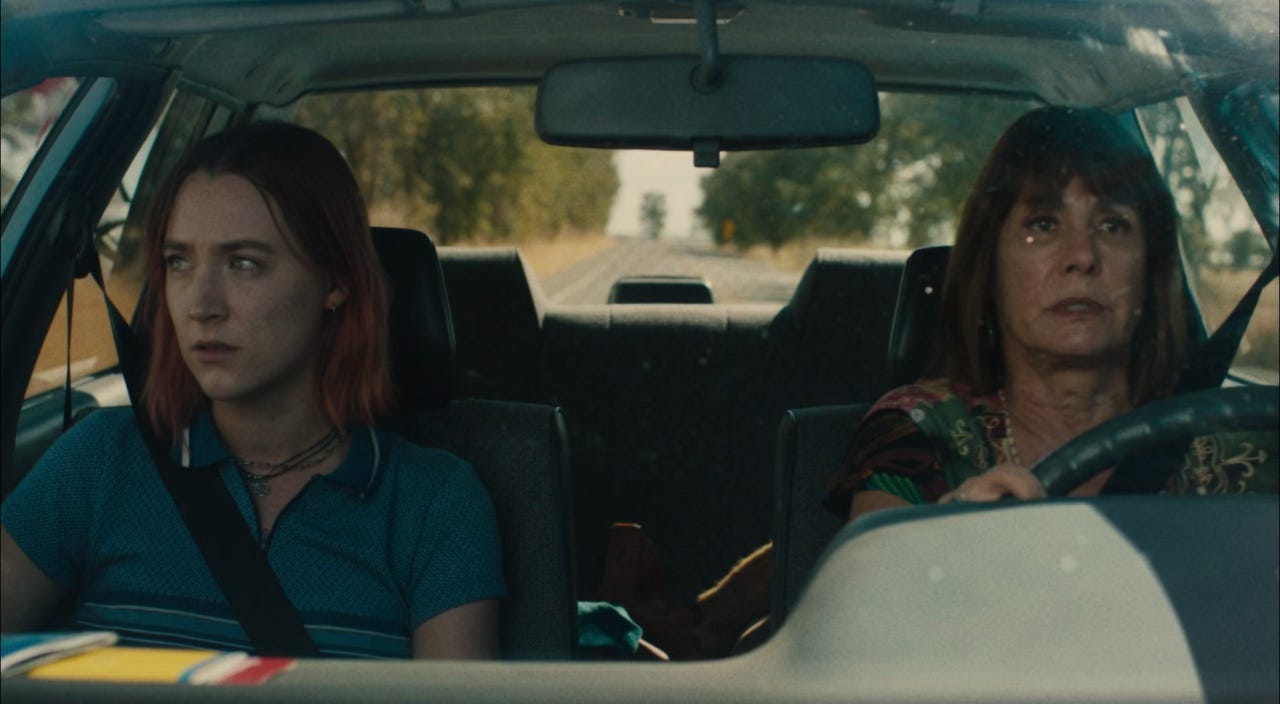
Photo by A24
Best known for:
Going from mumblecore to directing one of the most successful films of all time.
The Case For:
Barbie made over $1.4 billion worldwide, and she did it while still sneaking in real ideas under all that pink. Before that, Lady Bird and Little Women proved she could take well-trodden material and make it feel completely her own, earning four Oscar nominations for directing and writing along the way. She's equally comfortable with $20 million indies and $145 million studio tentpoles, and she writes every one of her own scripts.
Best 3 Films:
Ladybird
Little Women
Barbie
Oscars: 4 nominations, 0 wins (19 nominations and 2 wins across Ladybird, Little Women and Barbie).
The Verdict:
Greta Gerwig is one of the most commercially successful directors of her entire generation right now. Barbie wasn’t just a hit, it's the second highest-grossing film ever made by a woman (Frozen 2), and she got there without losing the voice that made Lady Bird work. What she needs next is Narnia to hit, it's a massive bet for Netflix, a $200 million fantasy franchise starter. The kind of IP that can swallow a director whole if they're not careful. I’d love to see her version of Sinners, not her version of a vampire film (although absolutely yes), but her wholly original film, budget be damned. It seems like we are a few years away from such a prospect.
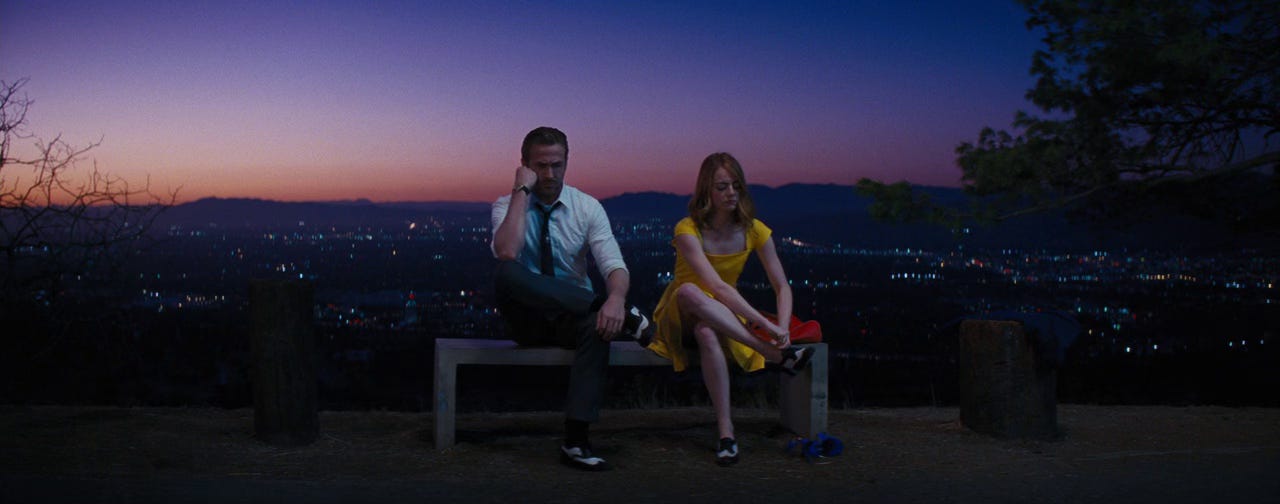
Photo by Lionsgate Best known for:
The Case For:
Earlier in this piece, I asked why millennials didn't have their own version of the under-40 output from masters like Scorsese, Spielberg, and PTA. In Chazelle, we do. Before turning 37, his four films have combined for 23 Oscar nominations and $750 million at the box office. Whiplash is one of my favourite films of all time, a five-star masterpiece that I routinely recommend to anyone who likes moving pictures. And La La Land a genre-reviving musical that made him the youngest Best Director winner ever. First Man is excellent, and Babylon, well, I'm part of the hive. A genuine swing that only a director this confident in his own instincts would attempt (This is his Magnolia).
Best 3 Films:
Whiplash
La La Land
First Man (It’s actually Babylon)
Oscars: 3 nominations, 1 win (23 nominations and 10 wins across Whiplash, La La Land, First Man and Babylon)
The Verdict:
Chazelle is at a genuinely interesting crossroads. After the wild excess of Babylon, what he needs next is exactly what he's doing. A stripped-back, 1940s-set prison drama starring Cillian Murphy and Daniel Craig, described as a psychological duel between a warden and a defiant inmate. If it lands, his reputation is restored, he jumps to the top of this list, and Babylon starts to look like an early-career stumble rather than the beginning of the fall. If it doesn't, the conversation shifts real fast.
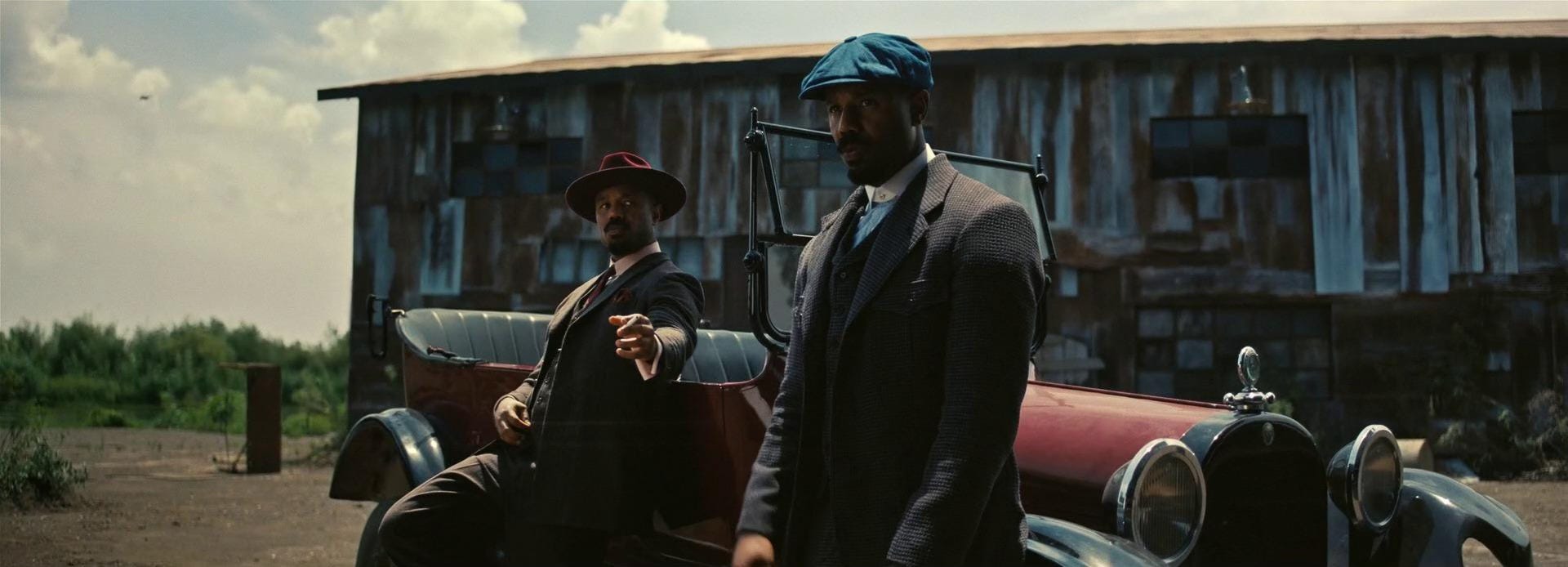
Photo by Warner Bros. Best known for:
The Case For:
Ryan Coogler has never made a film that wasn't both a critical and commercial success, a streak running from Fruitvale Station through Creed, Black Panther, Black Panther: Wakanda Forever, and now Sinners. He has managed to stamp his own identity on the MCU in a way almost no other director assigned to that machine has. Then he walked away from the safety of the franchise for Sinners, an original, R-rated period vampire musical set in 1930s Mississippi, and made one of the best film achievements of the decade. It set the record for most Oscar nominations in history with sixteen, winning four, including Coogler's first-ever Oscar for Original Screenplay, and grossed $370 million worldwide. In Sinners, Coogler made a film that I would’ve chosen to win twelve of the last seventeen Best Picture Oscars.
(It’s a conversation with Oppenheimer, Parasite, Mad Max: Fury Road (which didn’t win and should’ve), and Whiplash (which didn’t win and should’ve))
Best 3 Films:
Sinners
Black Panther
Fruitvale Station
Oscars: 5 nominations, 1 win (29 nominations and 8 wins across Creed, Black Panther, Black Panther: Wakanda Forever and Sinners)
The Verdict:
No one on this list has been able to move between genres this effortlessly while keeping every single film distinctly his. That alone puts Coogler at the top of his generation right now. Oh and his films have grossed $2.770 billion. What he needs next is to be very careful, he's confirmed Black Panther 3 while also developing an X-Files reboot on the side. After the highest of highs with Sinners, the risk of going back to the MCU is real. But if anyone's proven they can do it, it's Coogler. Honestly, I just want Coogler happy and making whatever films he wants for the next 40 years.
For some independent research on where other people stood on this ranking, I put out a poll to ask my subscribers:
You wake up tomorrow to discover that each of the following millennial directors has secretly released a brand-new film. There’s no trailer, no cast announcement, no plot synopsis. You don’t even know the genre.
All you know is the director. Every film is an original story, not a sequel, remake, adaptation, or franchise entry. You can only watch one. Who are you choosing?
The results after 166 votes:
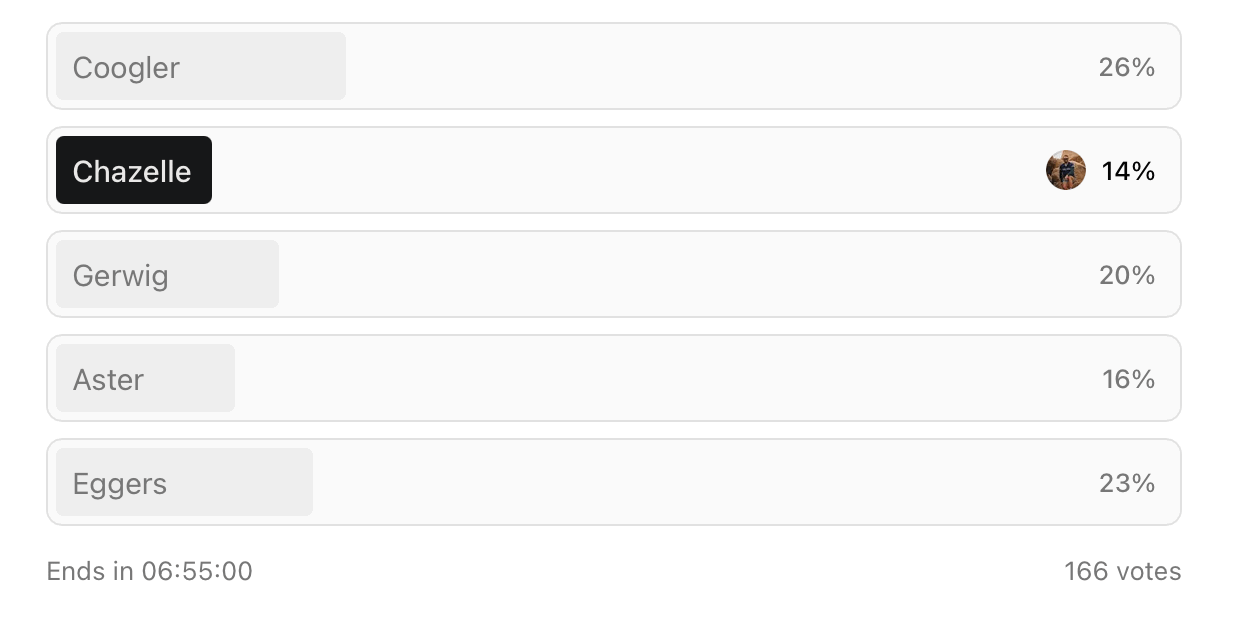
So what did all this research tell me? Are millennials underachieving? Not exactly. What they’re missing isn’t quality, it’s volume. Coogler’s Sinners, Chazelle’s La La Land, Gerwig’s Ladybird and Eggers’ The Northman all stand next to almost anything the generations before them produced by the same age (maybe not Jaws). What they haven’t done yet is stack five or six of those in a row. Christopher Nolan had directed seven features before turning forty. Paul Thomas Anderson had five. Wes Anderson finished six. By comparison, Ryan Coogler has directed five. Damien Chazelle has four. Greta Gerwig has three. Celine Song, Brady Corbet, the Daniels and the Philippous only have two. It’s not that millennials haven’t made great films, it’s that they haven’t had the same runway to build bodies of work. They are also starting later in life; the average age of Nolan, Fincher, PTA, Scorcese and Coppola at the time of their first feature was 26.4. For Coogler, Aster, Eggers, Zhao, Gerwig, Fennell and Song its 32.1.
The industry that produced Spielberg, Scorsese, Fincher and PTA doesn’t exist anymore. Through the ‘90s and early 2000s, filmmakers could build careers making mid-budget adult dramas, thrillers and comedies before graduating to bigger projects (Just look at my verdict on Olivia Wilde, what does she do next? Where does her growth come from as a filmmaker if she continues to have her foot held to the fire for Don’t Worry Darling?). Miramax became the poster child for that movement, but New Line, Fox Searchlight, Focus Features all created a model where directors could keep refining with every film. Today, A24 has become the standard-bearer for auteur cinema, but asking one distributor to replace an entire industry’s worth of opportunities is an impossible task. There are simply fewer places for ambitious original films to be made. Streaming has only accelerated the issue. It not only disrupted where we watch films, but it also changed how films get developed. Studios became increasingly cautious about financing original mid-budget movies. Streamers, in the name of content, have prioritised acquiring completed projects over developing filmmakers into name brands. With fewer options, directors spend years chasing funding, navigating studio restructures, or disappearing into franchise development before they can make another personal film. The result isn’t necessarily worse films; it’s fewer films. Horror has become the new proving ground. It’s where young directors can still make original films, find an audience, and build enough trust to get the next opportunity. Eggers, Aster, the Philippous,
This list isn’t settled at all. Gerwig’s future might hinge on whether Narnia works. Chazelle’s redemption arc has just wrapped filming in a converted tobacco factory in Athens. Coogler’s about to walk back into an MCU HQ that’s currently on fire. And the Safdies, who the hell knows.
Maybe in five years this list will look embarrassingly wrong. Honestly, I hope it does. That would mean this generation finally got the runway it deserves. Up next: I’m watching and researching for my next few essays, but I’m happy to say the Sicario essay I’ve been talking about since March / April has now been finished. So that should be next, alongside a ranking of a director with 32 films and a new release later this summer. And maybe I’ll take a stab at that Gen X list.
If you’re new around here check out some of my other articles:
No posts
Comments
Nothing yet. Say the first thing.
Sign in to join the conversation.