
Hello, friends and readers,
One of the things I think about often is that what we do matters less than how we show up. As a younger person, I very much believed that there are “right” and “wrong” ways of being in this world, and I spent a lot of my time trying to figure out how to do this life stuff “right.” What happens, however, when I believe that is I hold everyone at an arm’s length because I can’t hold space for anything I think of as “wrong.” What happens is that I can’t tolerate my imperfections, my humanity, if it means that I’m doing it “wrong.”
On one hand, wanting to build community and authentic relationships becomes difficult when you’re afraid to get too close to the messy realness that comes with being human. On the other hand, it’s also difficult to navigate the fact that real harm does happen in this world, something we are seeing a lot of these days. How do we have grace for the times we miss the mark while also holding each other accountable in a way that’s actually restorative rather than punitive?
I don’t subscribe to a binary sense of right or wrong anymore, as there’s so much more grey than that allows, but it leaves me wondering—how will I know that I’m on the right path for me? How will I know if I miss the mark? And, at the worst, how will I know when I’m actively causing harm? I want to believe that many of us are trying to do as much good as we can wherever we can, but at some point, are we too consumed by getting it right that we are frozen and unable to do anything at all for fear of messing up?
Just me?

Behavioural psychology informed a great deal of the parenting strategies used from the mid to late 1900s. B. F. Skinner posited a theory that we can reinforce good behaviours through pleasant outcomes and diminish negative behaviours through unpleasant outcomes. Sounds logical, and I agree with that line of thinking when it comes to natural consequences (I touch the candle flame, I get burned, it’s unpleasant, I’m unlikely to do it again). However, when it came to parenting, it became about rewards and punishments—sticker charts and jars full of marbles to collect good behaviour, and losing privileges and personal belongings, even physical punishment, when an adult deemed there was bad behaviour.
Natural consequences don’t judge. Fire is hot to everyone. Gravity brings us all tumbling down from time to time. Humans, however, can be fickle creatures, and our consequences can be mismatched and confusing. Children are punished for being normal, human children and doing things like talking to each other, having difficult emotions, or struggling to contain their energy to their desk (how dare they?!?); they are constantly told to apologize, even if they had a valid point; and the same behaviours can be given different treatment depending on the day or the child.
I say all this because I think a lot of us received really mixed up signals when we were young, and now we are adults that are still confused about what is right and what isn’t. We think we are harming others when we really aren’t. We isolate and punish ourselves when we think we’ve done something bad. We over apologize for the smallest of infractions, even when the other person isn’t actually bothered by what happened. We freeze up with guilt, sure that we’ve messed things up beyond repair. We become certain that who we are is just…wrong.

After a very challenging camping trip this week where I spent the entire time feeling sick, I did not have a lot of capacity on Sunday. Me and the kids spent the afternoon at home, and I could not muster up the energy to mediate their fighting and crying. I felt like a terrible mom. But. What if fighting with each other isn’t actually wrong? I feel the need to intervene, to stop the behaviour, but what if I’m actually intervening in their process of figuring out how to relate to each other? What if conflict, while messy and uncomfortable, isn’t inherently bad? What if their relationship actually grows stronger because of it?
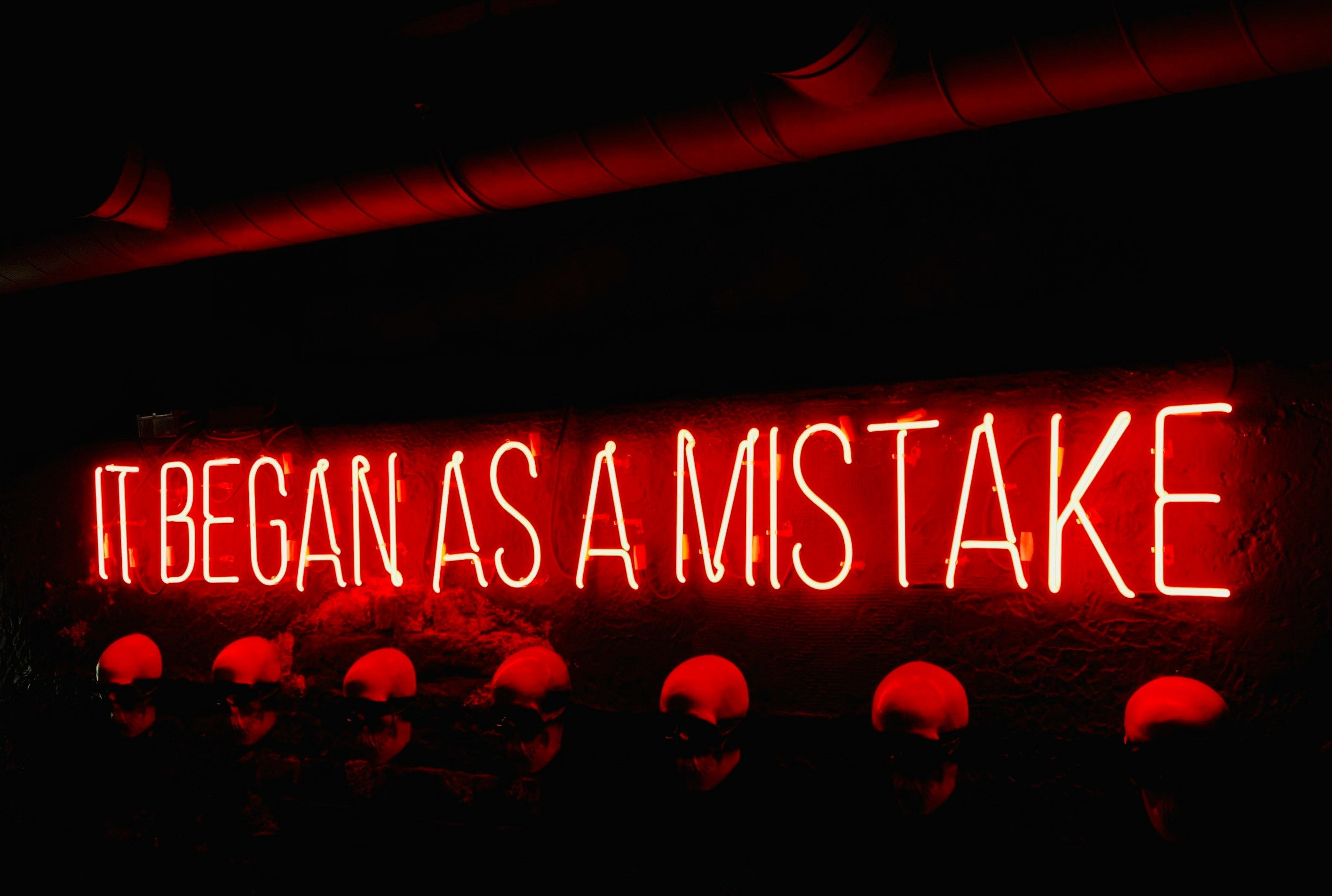
If I expand on that, what if being citizens in our communities means we need to allow each other the space to be bad at things? What if we trusted that the discomfort that followed actually held truth needed to learn? What if this process provides important information because it offers the opportunity to actually experience what happens when we hurt someone else, step out of alignment with our integrity, or make a bad call?
The thing about rewards and punishments is they cannot provide a sense of security, because we never know when the next unpleasant consequence will come. We stay vigilant, always on guard, never truly resting in the presence of others. What we really need is to know we will have support on the other side of our mistakes. We don’t need to be fixed, we need to trust the people in our lives will see the good in us and guide us towards repair.
My friends, what if there is no right and wrong? What if you’re allowed to be bad at things and make mistakes and disappoint others? Maybe it’s possible that the world will not end if you fuck up. Or step away from your path. Or hurt someone you care about. Maybe it’s possible that only through experiencing what feels wrong can you gain greater clarity about what you believe is right, and the people who are meant to be in your life will hold you through it.
Like Ms. Frizzle says: Take chances, make mistakes, and get messy!

Comments
Nothing yet. Say the first thing.
Sign in to join the conversation.