
⸎
In High School I had some vague understanding there had once been a French Revolution, but I didn’t understand how thoroughly (and convulsively) it changed the entire course of Western civilization. Before that there were religious and tribal conflicts, but politics was a matter of shifting family alliances among the most powerful kings and dukes. There were nations, but not in the same way we think now. The French Revolution was about ideas—not all good—rather than divine right of rulers.
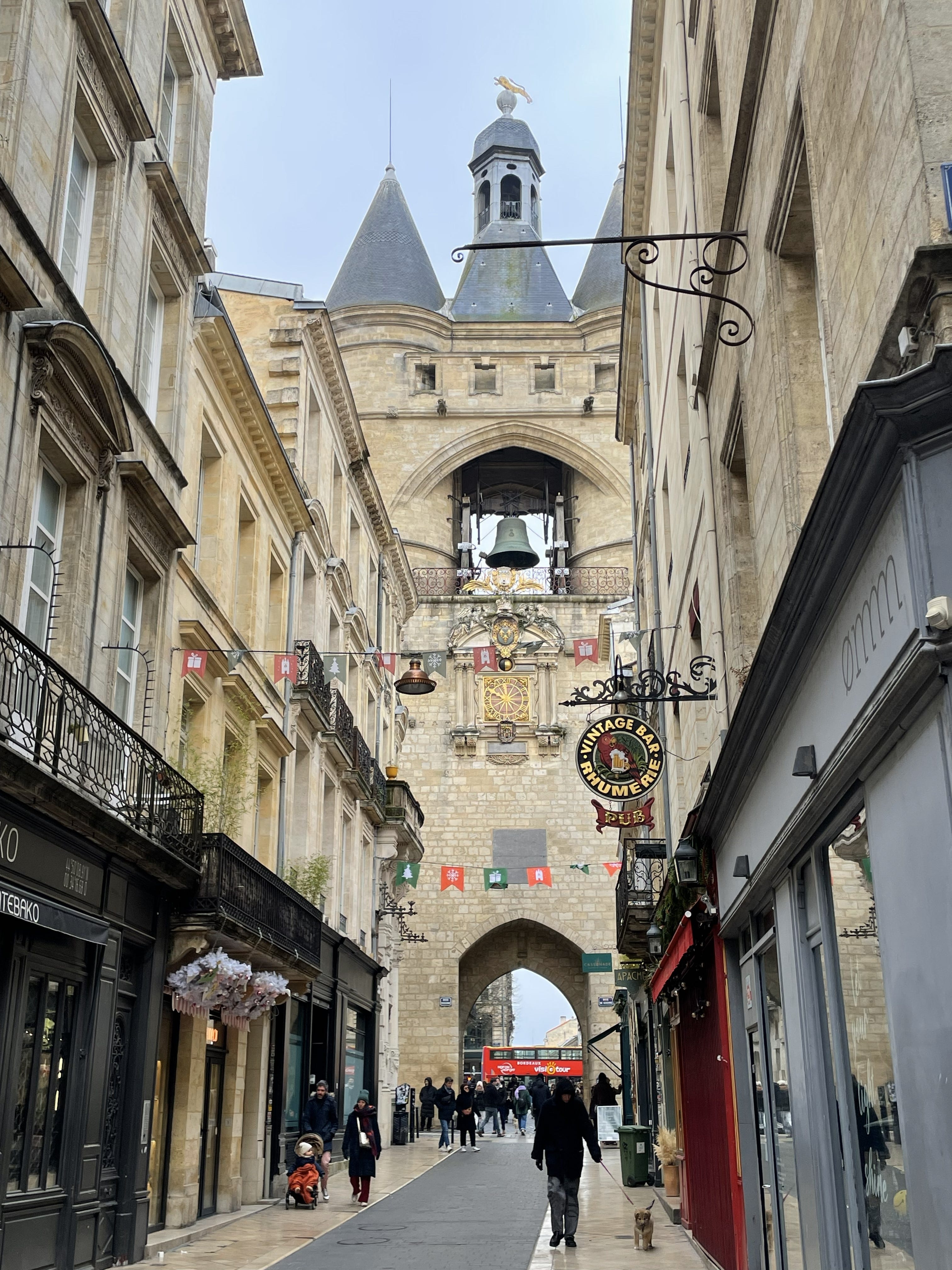
Those new ideas traveled in the vessel of nationalism. Although the French did expand their territory somewhat before Napoleon overran Europe, the mission at first was to spread the ideas of universal brotherhood in place of that on offer in Christianity, hence something called the Edict of Fraternity. For the first time (and again, before Napoleon ran amok), the object of war was not conquest of territory, necessarily, but of “hearts and minds,” as we said in the Vietnam era. French aggression against its neighbors was about what we’ve now come to think of as “regime change,” war to bring about ideological change in the other nation, rather than to subjugate it. Just as the U.S. idiotically tries to “make the world safe for democracy” from time to time, France in the first years of the Revolution tried to spread its gospel of “liberté, egalité, fraternité” through capture, hegemony, and domination.

I just returned from the weekly open-air market on the Quais outside our apartment. My wife has been anticipating this event, and upon our arrival there this morning was almost too excited to breathe. She had a lengthy interaction with pretty much every vendor, most of whom graciously embraced their unavoidable role of language tutor to the beret-clad American femme. There were exceptions, however, people who wanted to practice their English as much as she her French. So I witnessed a few amusing interactions in which each listened in their native language, but spoke in their second. For once I understood the French better than the wife.
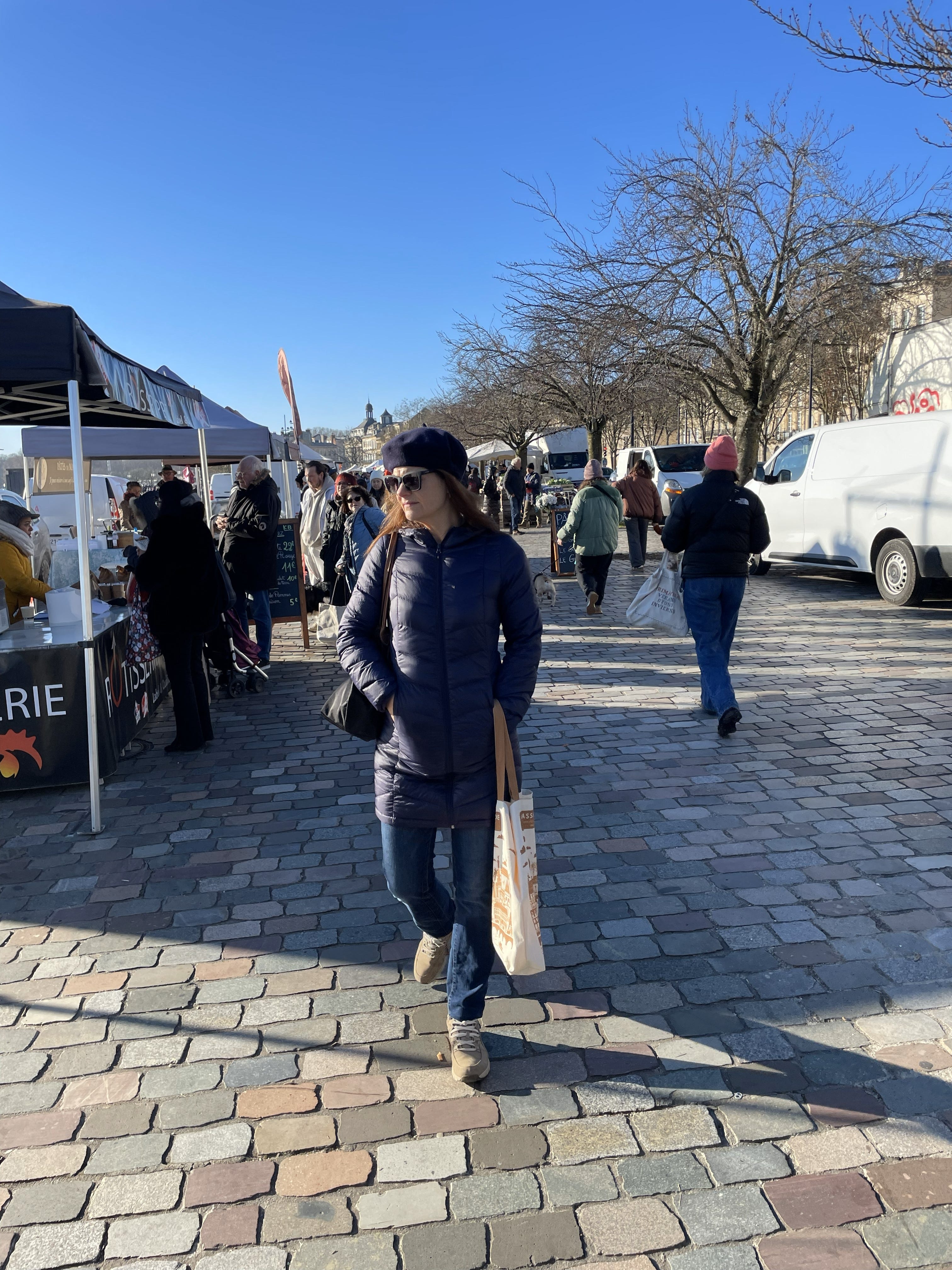
The content of conversations had to do with varieties of fresh bread, honey, the qualities of propolis, haut-medoc wine from a vineyard in the direction of the Pyrenees, infinite combinations of olive varieties with spices, and much, much more. Important cultural note: a street musician played on the clarinet what we know as “the chicken dance,” popular stateside in Mexican restaurants, but here it is the dance of “le canard,” viz, the duck dance. Children dance to both the same way, however.
The day also included a bridge-to-bridge walk, apparently popular among the locals. There are bridges across the Garonne both upstream and downstream from us, so a 5-mile walk takes us up to and over one, then along the opposite bank, and then back across the other, thence back to our apartment. Or, if you’re the female, you get hung up on St. Catherine St., reputed to be the longest shopping street in Europe. A dubious distinction, to my mind, but I keep not getting asked my opinion.
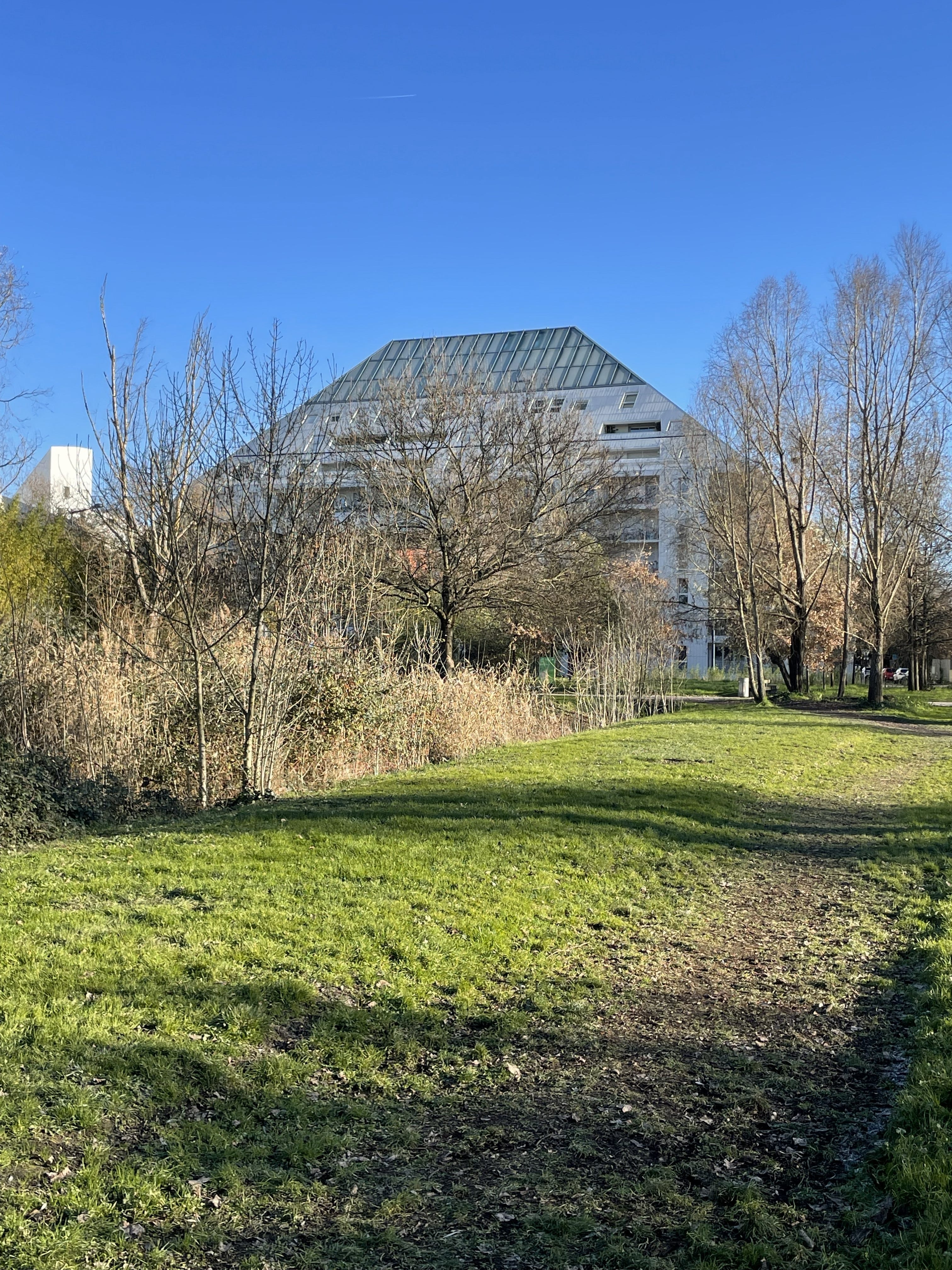
Across the Garonne, in the vicinity of the Dutch excrescence, is a community called Darwin. It’s a weird little place, not a town but an “ecosystem” quite consciously evoking a leftist “resist” vibe. More than a vibe, actually. More like vacuous sloganeering via spray paint. It was a bit silly and junky, frankly, except for an interesting rotunda in a park celebrating the hard-left postmodernists of the twentieth century, like Adorno and Foucault and de Beauvoir, plus a bunch of left-adjacent writers worth reading, like Jacques Ellul, Arendt, Weil, Thoreau (to reach back in time a bit) and others I’ve dipped into at divers times and places to gauge the rapidity of our collective decline. Ellul was from here, Bordeaux, so he was most prominent in this little rotunda. The contrived bohemian vibe of faux-commie collectives like Darwin grate on me, but this place was too vibe-y and trademark-y to get upset over. You’re not to be taken seriously if you define yourself by what you aren’t, rather than what you are.
Comments
Nothing yet. Say the first thing.
Sign in to join the conversation.