
Yesterday, Vic Tesolin put up a post about how he’s recently been rethinking how he’s going to layout his yet-to-be-built shop. I’ll let you read for yourself, but the main point is that his views on how he wants the shop to look have changed quite a bit over time.
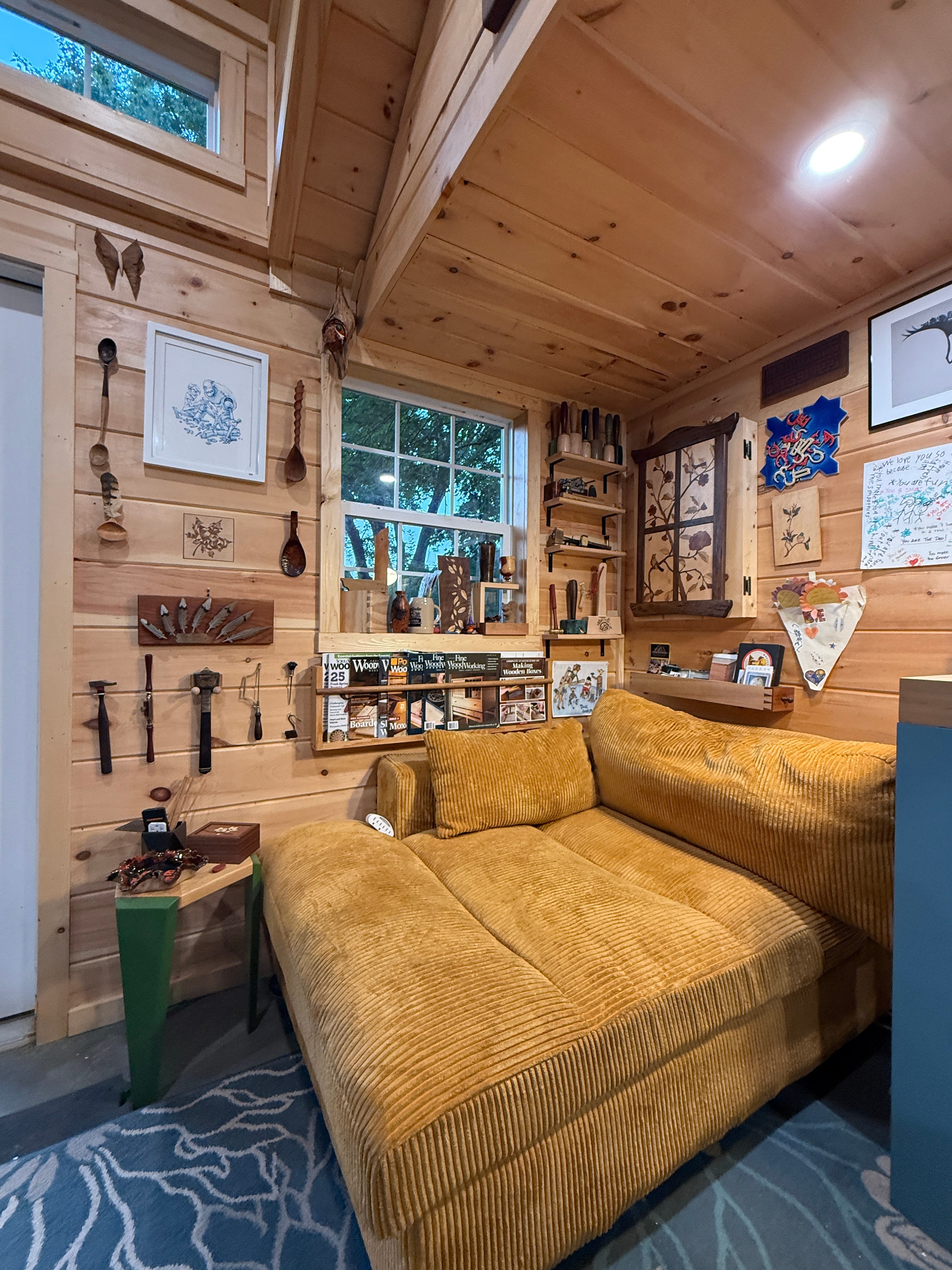
One thing he mentioned while musing about his own needs was the fact that I have a couch in my shop. That couch wasn’t an afterthought -- it moved in before the table saw, jointer, and bandsaw. Here’s what I said on Instagram:
I certainly don’t think they’re the most important thing, but aesthetics and how you present yourself matter a heck of a lot. Every choice you make regarding appearance sends a signal to others whether you intend it or not.
When I have students enter the shop, I want them to be comfortable and relaxed. A big ol’ couch in the corner sets the vibe well.
That was the primary intention for getting a couch, and now I don’t think I could have a shop without one. It’s a great spot for me to dump my bag when I get home, take a quick nap while glue dries, or just zone out and watch TV.
I do a ton of woodworking and have an extremely busy schedule. The couch let’s me fit things in without it feeling like there’s an interruption to my day.
With all that said, I won’t make a blanket recommendation for shop couches.
The reasons I just laid out are very much tailored to me and my working situation. I have a lot of folks coming in and out of the shop, and the couch helps provide an area for rest. That’s just not a need for a lot of people.
And for a lot of folks, instead of the couch providing a brief respite from work, it could very quickly lead to no work being done at all.
If you look at the comments on Vic’s post, you’ll see a ton of people both agreeing and disagreeing with him. In every instance, the justifications reference their specific needs, the space they occupy, or the type of work they do.
None of that is particularly revelatory— people do things that are good for them and not things that are bad. If good things become bad, they change them. (Side note: I can’t believe you like money too.)
But I do think there’s something worth pointing out here. In the past, I used to spend hours and hours daydreaming about what the perfect shop looked like. I did the same for my workbench. I’d dig through books, forums, magazine articles, etc. just to read the recommendations of folks that had more experience. I made more than a few drawings sketching exactly how I wanted things to be based on the Principles of Thrift and Efficiency.
When it came time to actually design and layout my shop, I honestly didn’t consult much other than my own experience. By the time the foundation was poured, I had already spent almost a decade doing woodworking every single day in an extremely sub-optimal shop. I knew exactly what I was going to use my shop for and the tools I was going to fill it with.
The same thing happened with my bench. I still haven’t finished it, but when it’s done it is going to look quite different from most. But it will absolutely suit my work the way I’ve done it for years. Why would I bother following a bunch of “rules of thumb” and whatnot when I can just let my experience guide me?
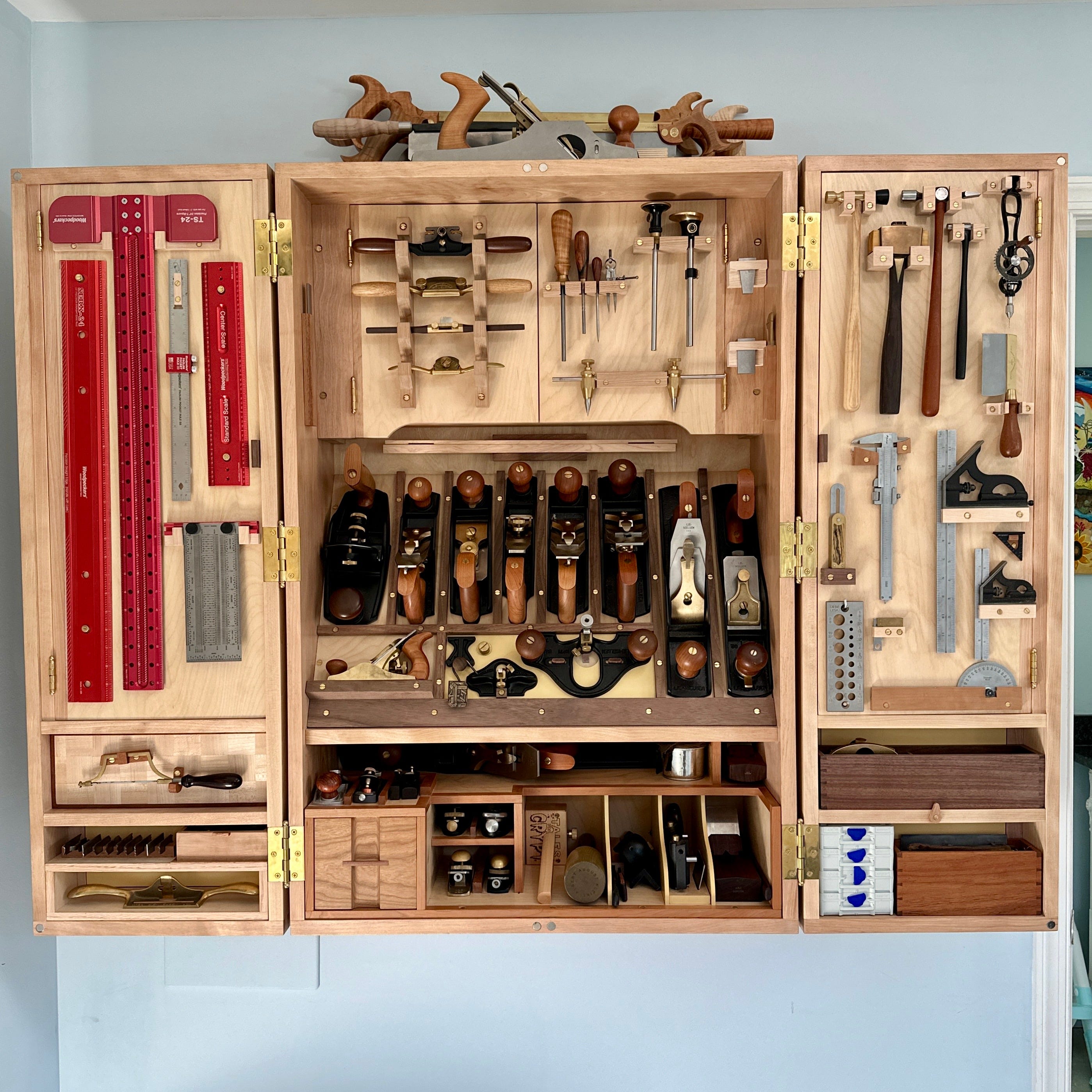
The point in all this is if you’re new to woodworking and looking at setting up a shop or building a workbench, don’t put the cart before the horse. I know a few folks who built their workbenches without having a single clue of how they were going to use it or what they were going to use it for. But Benchccafted told them it should be that way and thus it was spoken.* The same is true of shops, where tools that were purchased early on because they were deemed “essential” wind up in a corner collecting dust.
(*This absolutely isn’t a dig at Benchcrafted - they make wonderful hardware and design great benches. Worth every penny.)
Of course, you have to start somewhere. And for that, rules of thumb and guides can be great. But remember that: 1) you are not going to do every single type of woodworking— there aren’t enough hours in the day, and; 2) your work, workflow, and output will change over time.
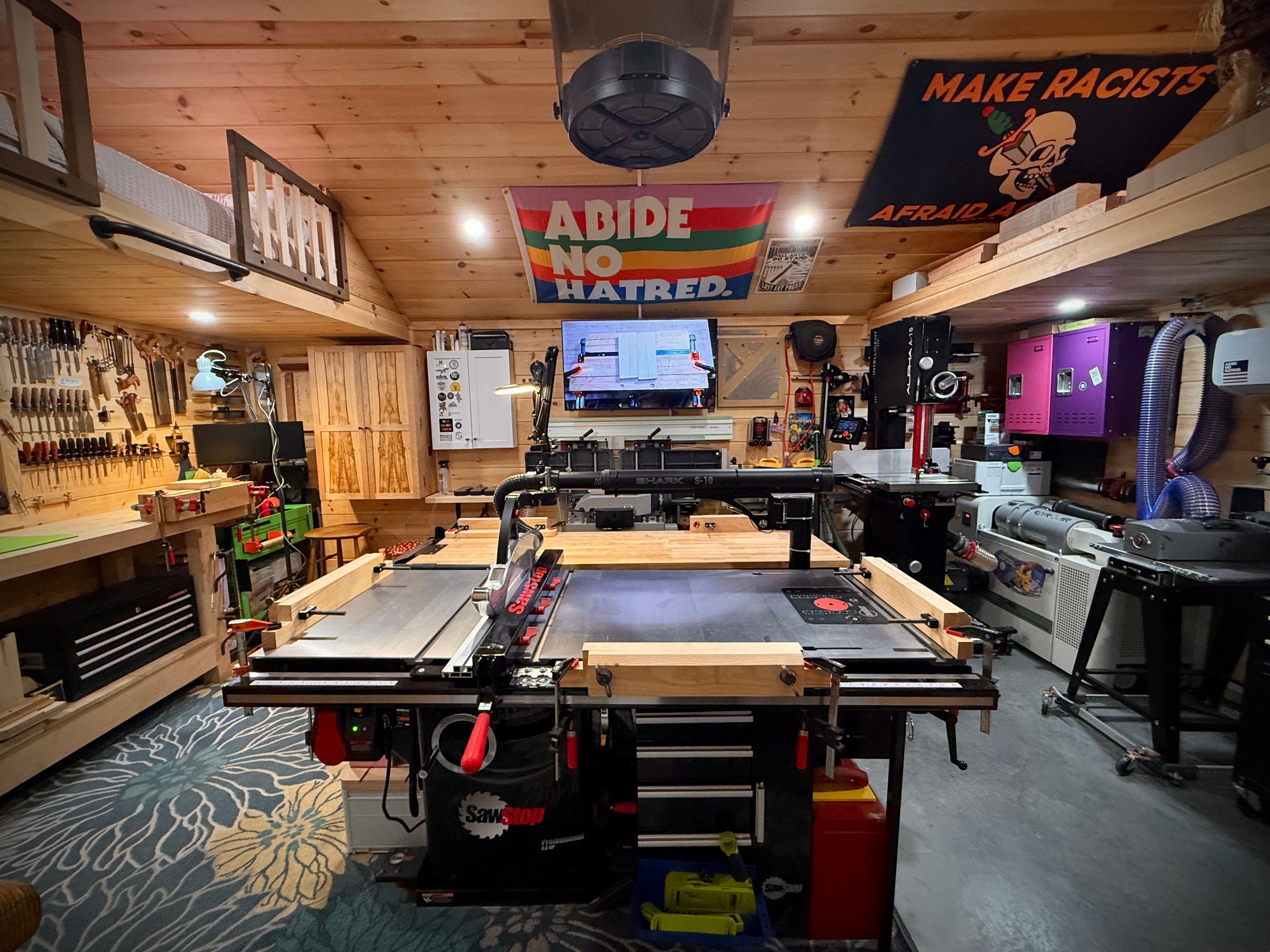
Because of my working situation, I was able to figure out both the things I want to make and also how I want to make them before I ever built a shop or bench.
This is, annoyingly, a really great way of going about things. People often look at my shop and wonder what the hell I was thinking when I decided to lay things out a certain way or put something in there (I get a lot of flack for the rugs from people that I can only assume are total slobs). But I know that it’s exactly how it needs to be, and that’s all that matters.
So I guess the TLDR here is figure what you actually want before you decide you need it, and only get what you need when you actually need it. Learn to use tools (especially ones that take up valuable floor space) that are less than the best before committing to a an expensive anchor in your shop. That takes time, work, and experience to do properly. A lot of people choose to substitute that effort with parroting forum arguments and marketing copy in order to feel like they have actual preferences. Don’t be like that. Get to work. The preferences will follow.
No posts
Comments
Nothing yet. Say the first thing.
Sign in to join the conversation.