
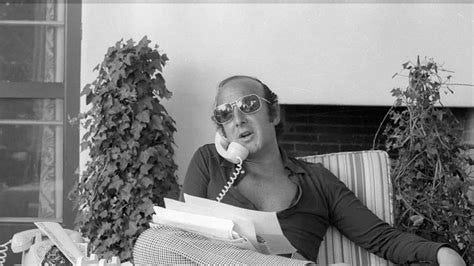
Clive Davis, music business legend and controversial figure, passed away yesterday at 94. The New York Times’ lengthy obituary is definitely worth a read and here’s a free link to do so. And if you want to read a more opinionated, negative take on Clive, check out Bob Lefsetz here. You should subscribe to him anyhow!
Davis also had a rather unhappy marriage with the Allman Brothers Band for a few years and their two worst albums, Brothers of the Road and Reach for the Sky, the latter recorded after the most shameful moment in the band’s history - dismissing Jaimoe. I am saving that saga for the book we’re working on, but here’s an abridged chapter on the band and their history with Clive Davis and Arista Records. While he has been demonized by the band and their fanbase, I think a fair assessment would also conclude they were unlikely to thrive under anyone’s direction in 1980-82.
While it was popular for years to say that Arista signed the Allman Brothers Band and the Grateful Dead and sapped the life out of both of them, the Dead fared a heck of a lot better. Shakedown Street and Go to Heaven, their first two Arista albums, suffer from some similar production flaws as the ABB’s Arista efforts, but also include a lot of beloved material, including “Shakedown Street” and “Althea.” The acoustic Reckoning holds up well, and they eventually had their great commercial breakthrough with “Touch Of Grey.” The point is, it wouldn’t have been impossible for the Allman Brothers Band to make some concessions to Arista and 80’s taste without losing their heart and soul.
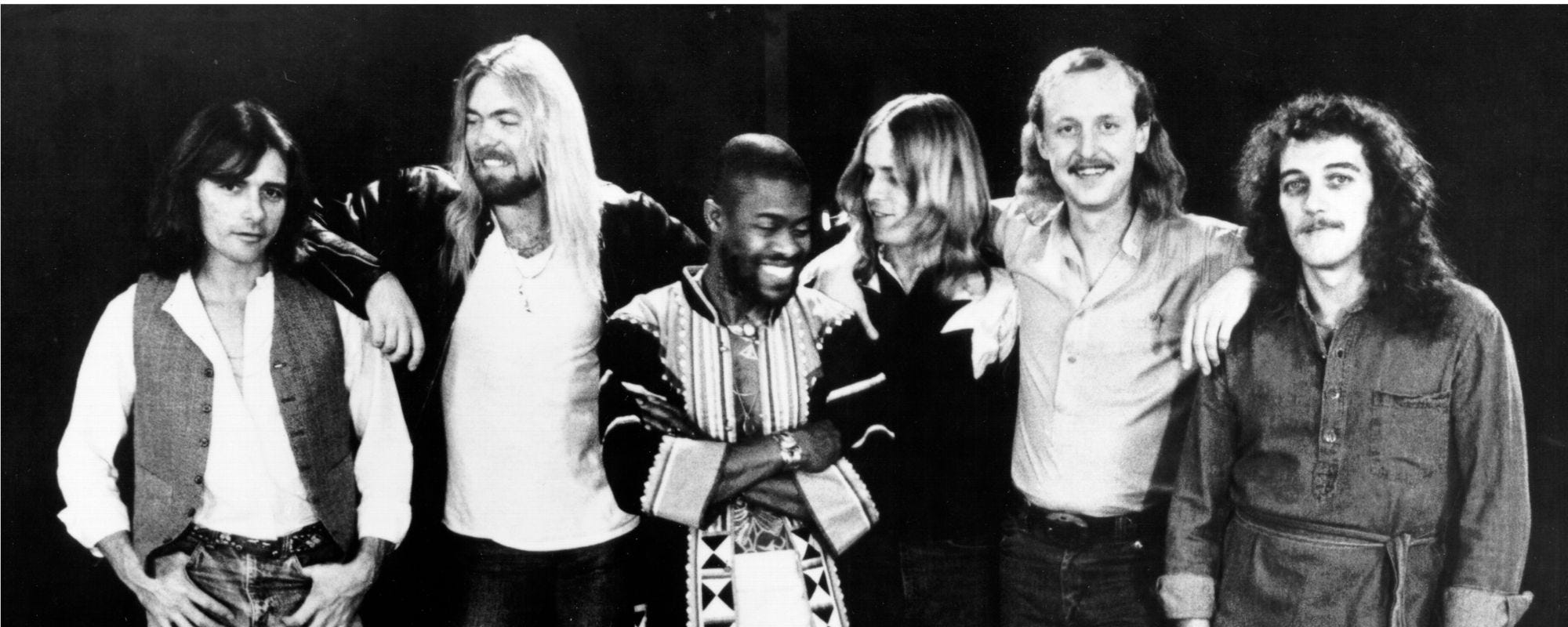
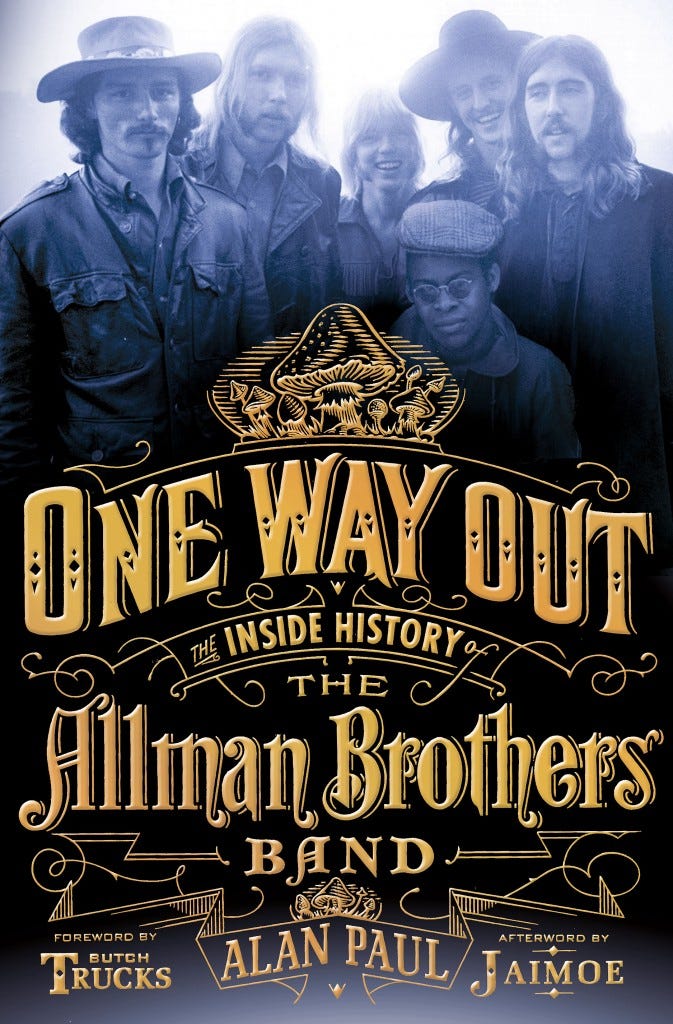
The following is adapted from my book One Way Out: The Inside History of the Allman Brothers Band, copyright Alan Paul, 2014.
Capricorn Records was teetering by the time the reunited Allman Brothers Band released Enlightened Rogues in February, 1979 and filed for bankruptcy in October. Manager Steve Massarsky steered the Allman Brothers Band to Clive Davis’ Arista Records, which had put out two Great Southern albums. Arista also signed the Grateful Dead and the label pushed both bands to modernize their sounds.
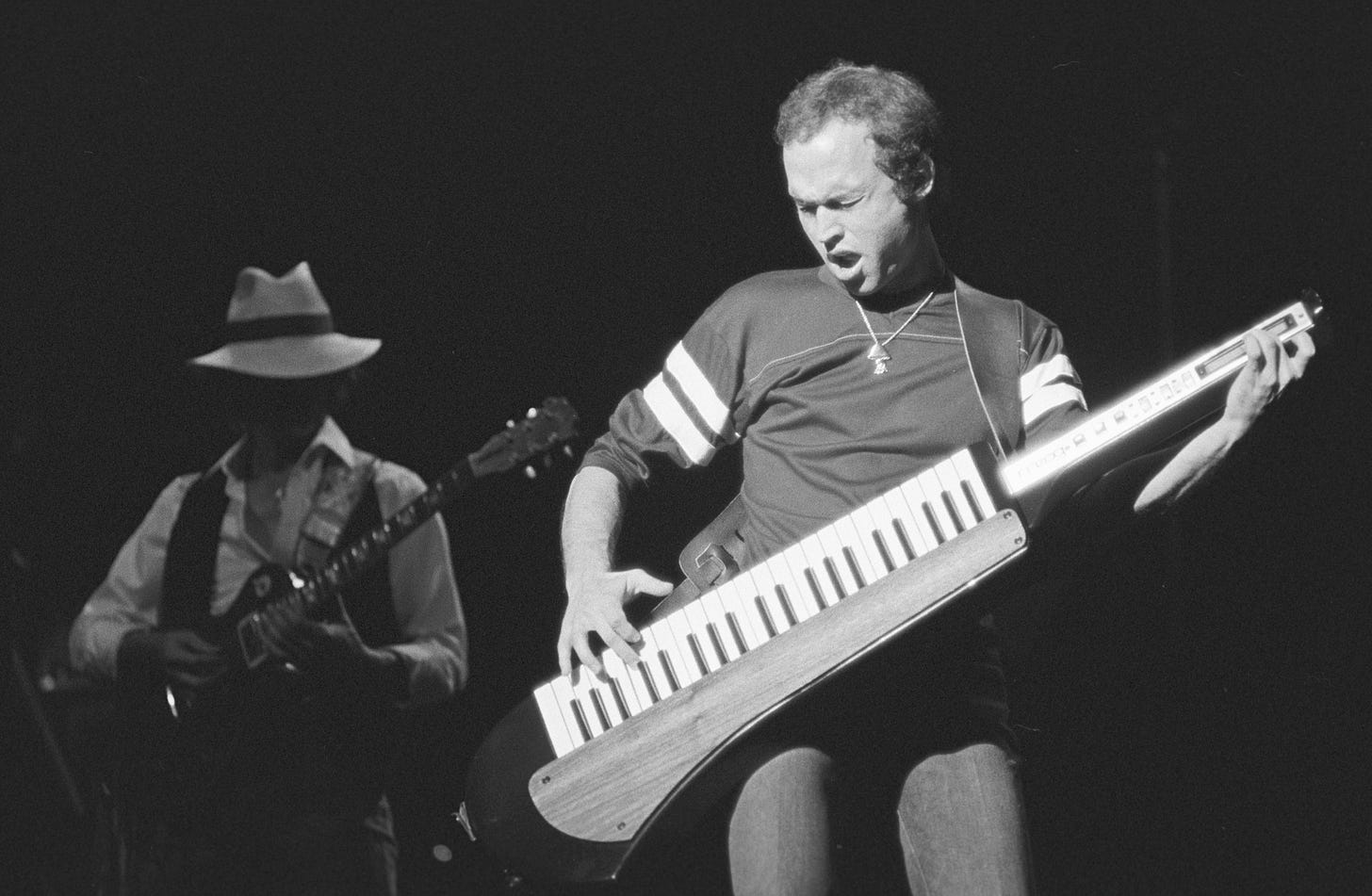
For their Arista debut, the Allman Brothers started working with Nashville songwriters Mike Lawler and Johnny Cobb in search of a hit. The duo ended up producing the album and Lawler was soon a member of the touring band, playing keyboards and eventually coming center stage to play notorious keytar solos that most fans consider the band’s nadir. The band, featuring Dan Toler on guitar, still had plenty of special nights on stage, but were becoming less consistent.
MIKE LAWLER, keyboardist/producer: I was writing songs in Nashville with my partner Johnny Cobb for Acuff/Rose Publishers and I got to know Dickey when he recorded one of my songs for a solo album that never came out. I got him onto the Grand Ole Opry, where he played “Ramblin’ Man” with the Opry band and he was thrilled about that and bam, we became best friends. He asked me to fly down to Florida to write together for the next Allman Brothers album. Then Johnny and I started hanging around and would often play keyboards with the Brothers when they were rehearsing and doing preproduction.
Butch walked in one day and said, “We have a problem; Tom Dowd is caught up with Rod Stewart and isn’t going to be available for a while.” Johnny said, “Why don’t we produce you?” And Dickey went, “Great idea!” And just like that, I was producing the Allman Brothers, a few years from being the biggest band in the country, at age 24. I couldn’t believe it and frankly they all should have said no!
As a guy making a living playing on people’s records, I felt like they hated to record. It just wasn’t high on their agenda. They wanted to play live. We were getting started and they came in and said, “Hey, guess where we’re going? We just booked a bunch of dates. We got a good offer. We’ll be back when that’s done.” And I went, “Well, what am I gonna do? I blocked out this time.” And they went, “Come with us and play!” They had this Fender Rhodes they were dragging around since Chuck was in the band, and Gregg wasn’t really playing it. So I played that run and just like that I was in the Allman Brothers Band.
DAVID “ROOK” GOLDFLIES: Dickey was a gem when he was straight - a super intelligent, artistic guy who would sit at his house and paint beautiful pictures. There was a lot of good there and the bad wasn’t a deal killer and mostly came about through alcohol.
LAWLER: Butch seemed to hold it together, and Jaimoe was always a lovely man who was just out of it sometimes. The real unpredictability came from Gregg and Dickey. Would Gregg make the gig? Would Dickey get mad and hit someone? He hit Butch and he hit a blind guy I know. Who punches a blind guy? I thought, “What the fuck is wrong with all these people?”
GOLDFLIES: Dickey was a powerful force in that band. His guitar playing was so absolutely melodic and beautiful – like Jascha Heifetz beautiful. His improvisations were excellent. They went places and they made sense. I watched him take 100,000 people on a ride with his solos.
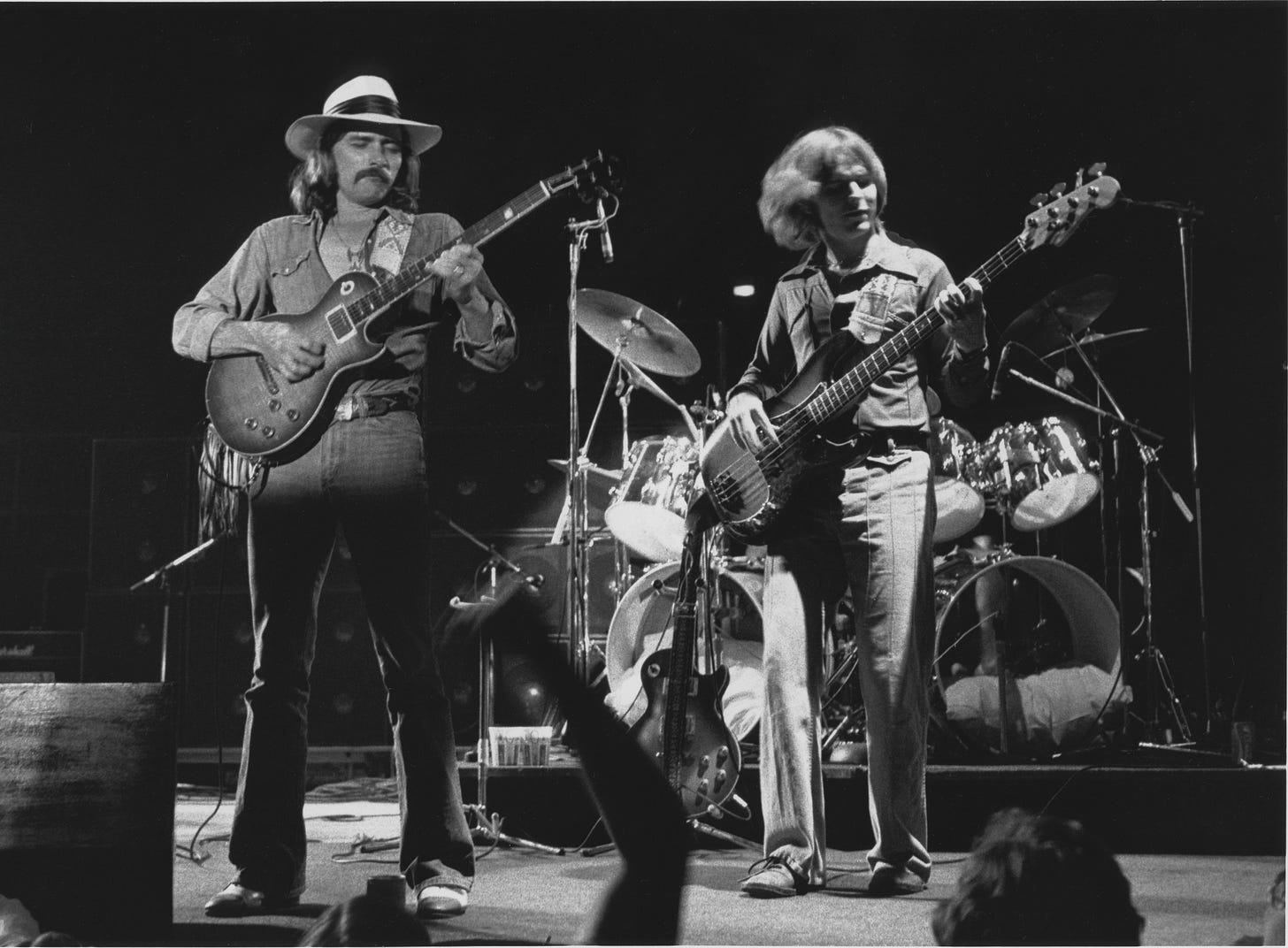
LAWLER: They were playing big concerts, riding around in limousines, first class everything. When they signed to Arista, they figured they were going to just take right back off and be stars.
TRUCKS: Clive Davis destroyed any hope that we had that we could make the thing work again. He wanted us to be a Southern American version of Led Zeppelin and brought in outside producers and it just kept getting worse.
JAIMOE: People wanted the band to go in the direction where all the money was. It was like, “You’re supposed to be the biggest band in America, so write some songs like this.” It’s not really that big a deal to do that, but what’s the cost?
DICKEY BETTS: When the music trend started turning away from blues-oriented rock towards more simple, synthesizer-based, dance music arrangements, the record company started to dictate what type of record we could make, and we got caught up in that whole thing.
Eric Clapton has a way of being a chameleon, of finding songs that keep him in the forefront and surviving through times when the kind of music he loves to play isn’t popular. The Allman Brothers Band was never able to do that. We either sounded like our band or we didn’t. We never really had anything special when we were not able to do the instrumental jams and improvisation, which were taken away from us for a while. We were even asked not to mention Southern Rock in interviews or to wear hats on stage.
LAWLER: Anything that we played or did that sounded like traditional Allman Brothers, it would be, “Oh man, they just sound like the same old Allman Brothers. What’s new with that?” Clive Davis wanted them to have a newer sound - and most other bands of their era were trying to do the same thing. One thing people did not know in 1980 was that the baby boomers would have all the power a few years later and would say, “We want the Allman Brothers and the Doobie Brothers and the Grateful Dead to be just like they were and we’re fucking rich and we can get anything that we want.” I didn’t know that in the late 70s/early 80s - and neither did anyone else. All those bands were trying to modernize. Anything we did that didn’t sound like the good old Allman Brothers was applauded.
RED DOG: The band got so far apart from one another. It was like a big canyon opened up. It just got out of hand and broke my heart. I was irritable and frustrated because I saw it falling apart and couldn’t do nothing about it. That was driving me up the wall.
By the time the band recorded their second Arista album, Brothers of the Road, Jaimoe was ot of the band, replaced by Dan Toler’s brother Frankie. The band had also changed managers, hiring promoter John Scher after Massarsky eased himself out, remaining involved as Betts’ attorney. Bert Holman, who would become the band’s manager a decade later, worked for Scher running day-to-day ABB operations.
JOHN SCHER, manager, 1981-82: This was an extraordinary band. They were trendsetters. They created a style of music that was uniquely American and I think they were still capable of being very good. During my time managing them, there were issues with Dickey that could get a little scary, but he was generally good and he was reliable when you needed him to be. Gregg was often barely functioning.
One time, we had a meeting with Clive Davis about the next record in the middle of the afternoon. They were staying at a hotel in New Jersey and I met them there to go to New York. Dickey and Butch were dressed, ready to go but nobody could find Gregg. We kept calling his room and knocking on the door, and then calling everyone we could think of who he might be with or who might know where he is. We’re still in New Jersey at the time the meeting is supposed to start and I’m on the phone with Clive’s assistant saying something came up and we’re late.
We finally got hotel security to let us into his room in case there was a clue there, and Gregg was passed out on the bed, completely fucked up. Butch and Dickey pulled him up, threw him the shower and we filled him up with coffee and within an hour, we were on the way. We go into Clive’s office and start talking about the record and Gregg has a little bit of a cough and Clive asks, “Are you sick?”
He goes, “Yeah, I got this really bad cough.” He saw that he got Clive’s attention and he really starts coughing a lot and Clive says, “You want me to get you a doctor? I’ve got a great guy.” Now it’s probably 6 at night and Gregg says, “Nah, I just need my cough medicine refilled.” He pulls out a bottle from his pocket – something with codeine- and Clive says, “Well, you need to see my doctor if he’s going to write a prescription,” but Gregg is going, “No, no, this is what I need.” And Clive goes, “Let me see what I can do.”
He calls his doctor, hands the phone to Gregg, they go back and forth and the guy says he’ll call it in, and Clive gets back on the phone and tells him what drugstore and it’s all done. Suddenly, Gregg asks, “Clive, what size refill did he get?”
He says, “I’m not sure.” So they call the pharmacy and it was just a couple of ounces to get him through until he sees a doctor, which did not please Gregg at all. He tried to get Clive to call the pharmacy back and get more. As the manager I was so embarrassed. I just wanted to get the hell out of there.
LAWLER: They got a name producer, John Ryan, who had a hit with Styx and the Doobie Brothers and tried to really go there, and he took them even further away from their roots. That album did not even have an instrumental and the single was [the light, poppy] “Straight From The Heart.”
GOLDFLIES: “Straight From the Heart” was an odd little tune and it was an odd decision to record it, much less release it as a single. The Allman Brothers swung, playing a lot of triplets with Butch’s great shuffle feel, and suddenly we were playing straight 8s and everyone felt weird. Their rhythmic feel had swing and polyrythms - rock with jazz and cool country overtones – and when we played the straight beats on a song like “Straight From The Heart,” it felt lifeless. We all tried to make it come alive, but it was an experiment that failed.
LAWLER: They were trying to get a hit: Dickey co-wrote “Straight From the Heart” with Cobb for a reason. He allowed it to happen; it’s not like the two of us came in and dictated to the Allman Brothers Band what they should do and how they should sound.
GOLDFLIES: There were a lot of forces at work: the label, management, the people in the band and their own desire to have a hit. Looking back now, that obviously wasn’t the best thing to do. The band was kind of counter cultural the whole time, and attempting to become cultural was a little death, but they got swept up in the prevailing moods.
ALLMAN: Arista tried to throw us into doing something that we weren’t. The whole music scene of the ’80s just wasn’t conducive to our music at all. We cut two albums and... it was very frustrating. Embarrassing, really. All that led us to go on a big hiatus. We backed out before it got too bad.
TRUCKS: We compromised and tried to write hit songs and wound up with the two worst records we ever did. They were a huge embarrassment. It just wasn’t fun. We didn’t like the music we were making.
The band found themselves banging heads with Arista as they discussed ideas for a third album on the label. Davis did not have approval rights on material, but he did have final say on producers and rejected everyone the band suggested, including Dowd and Sandlin.
BETTS: We broke up in ’82 because we decided we better just back out or we would ruin what was left of the band’s image. In some ways it was easier for Gregg and me to go out with our own bands because that didn’t have the same weight of expectations. We could do things a little differently — get good players and play without people comparing us to the history of the Allman Brothers Band. And doing that with the support of our great, hardcore fans allowed us to keep our tools sharp and to get great new players, so we were ready when the time was right to try the Allman Brothers again.
That moment would come in 1989, and launch the band’s final run, by far its longest, until their final show on October 29, 2014.
Brothers and Sisters: the Allman Brothers Band and The Album That Defined The 70s was my third straight book to debut in the New York Times Non-Fiction Hardcover Bestsellers List, following Texas Flood: The Inside Story of Stevie Ray Vaughan and One Way Out: The Inside History of the Allman Brothers Band. My first book was Big in China: My Unlikely Adventures Raising a Family, Playing the Blues and Becoming a Star in Beijing, about my experiences raising a family in Beijing and touring China with a popular original blues band. It was optioned for a movie by Ivan Reitman’s Montecito Productions. I am also a guitarist and singer who fronts two bands, Big in China and Friends of the Brothers, the premier celebration of the Allman Brothers Band.
.
No posts
Comments
Nothing yet. Say the first thing.
Sign in to join the conversation.