
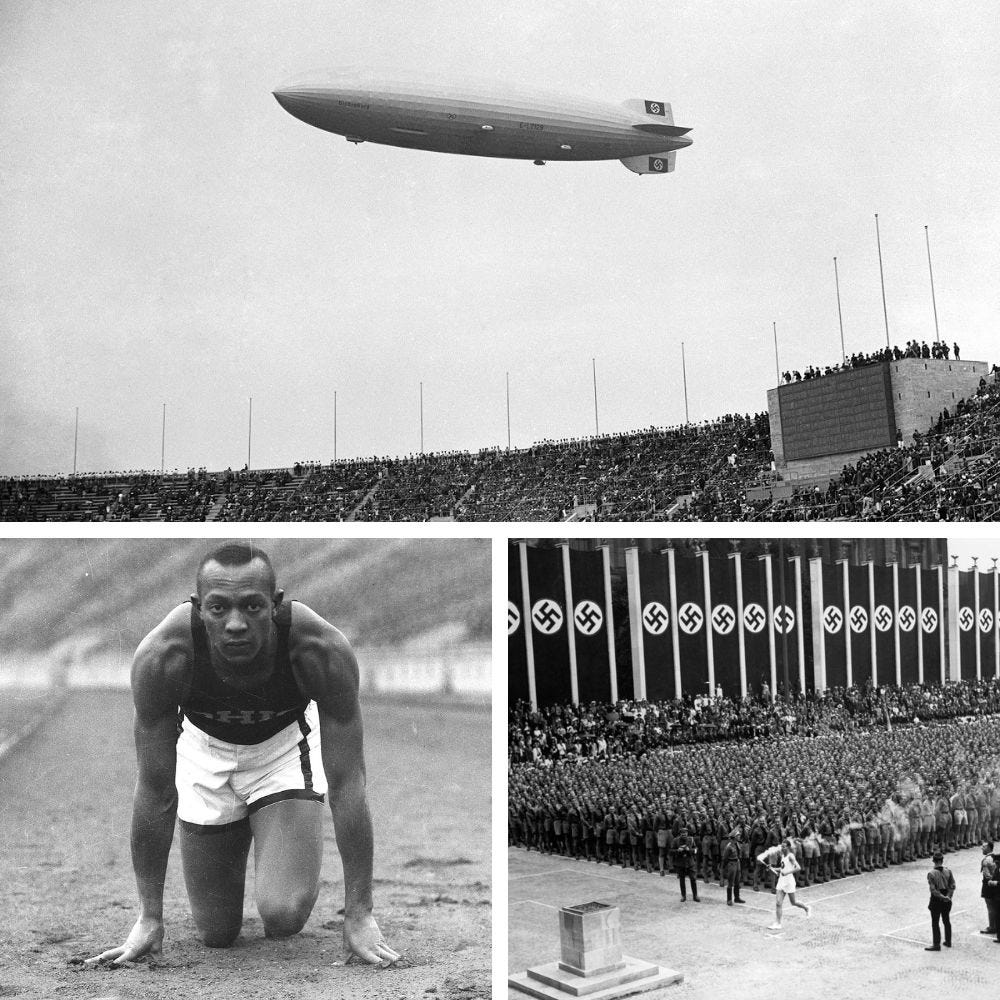
Jesse Owens winning four gold medals. The first Olympic torch relay. The Hindenburg flying overhead. Jewish athlete Helene Mayer giving a Nazi salute on the medal stand. Adolf Hitler watching over everything from his private box in the Olympiastadion.
I wrote about all of these legendary images—both famous and infamous—in War Games, my novel of the 1936 Summer Olympics in Berlin. But they’re only part of the story.
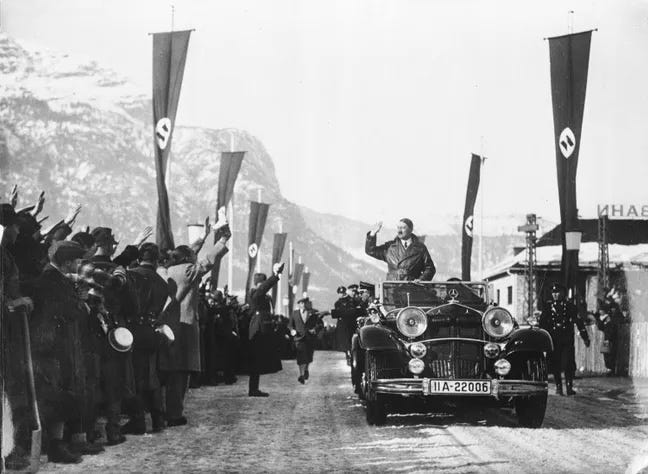
The 1936 Winter Olympics were also held in Germany—in a little Alpine town in Bavaria called Garmisch-Partenkirchen, six months before the far more notorious Summer Olympics. Back then, Olympic host nations put on both Olympics, usually in different places. That was soon to change though.
Japan was set to host the 1940 Summer and Winter Olympics, in Tokyo and Sapporo respectively, but those Olympics were cancelled when they and everybody else were busy fighting in World War II. The Olympics didn’t return until 1948, when London, England hosted the Summer Games and St. Moritz, Switzerland hosted the Winter Games. The Summer and Winter Olympics were never again hosted by the same country, and in 1992 the Summer Olympic Games and the Winter Olympic Games began alternating on separate four-year cycles in even-numbered years, the way they do today.
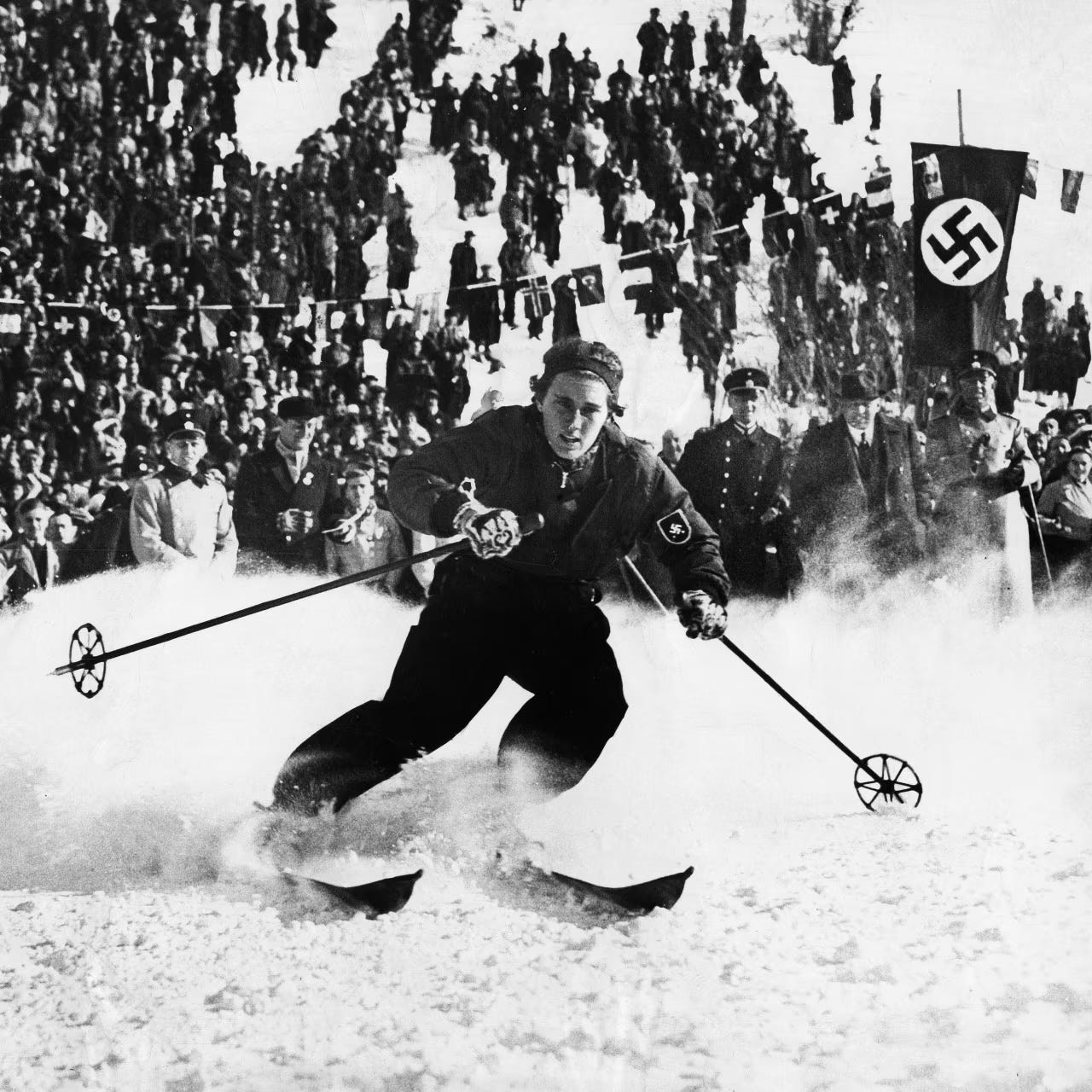
But back in 1936, the Winter Olympics preceded the Summer Olympics in Germany. Afraid of boycott threats, the Nazis removed all the antisemitic signs from Garmisch-Partenkirchen, and allowed a single Jewish athlete, Rudi Ball, to compete for the German hockey team. (Part of the reason they let Ball compete was because a non-Jewish friend on the team, Gustav Jaenecke, refused to play unless Ball was included. The other part was because the Nazis knew their hockey team didn’t stand a chance without Jaenecke and Ball.) The Nazis also delayed plans to send troops into the hotly contested Rhineland region between Germany, the Netherlands, Belgium, and France.
Nobody boycotted the Games, and a then-record 49 countries participated. Alpine skiing made its first Olympic appearance. Great Britain’s hockey team scored an upset gold medal win against defending champs Canada. Norwegian Ivar Ballangrud won three medals in speed skating, and his fellow countrywoman Sonja Henie (who went on to translate her Olympic success into a series of box-office hits in Hollywood!) won her third consecutive gold medal in women’s singles figure skating. In the end, the 1936 Winter Olympics happened without much fanfare or controversy.
Then, twelve days after the Winter Olympics closed, Hitler and the Nazis marched into the Rhineland, taking Germany’s first step toward World War II.
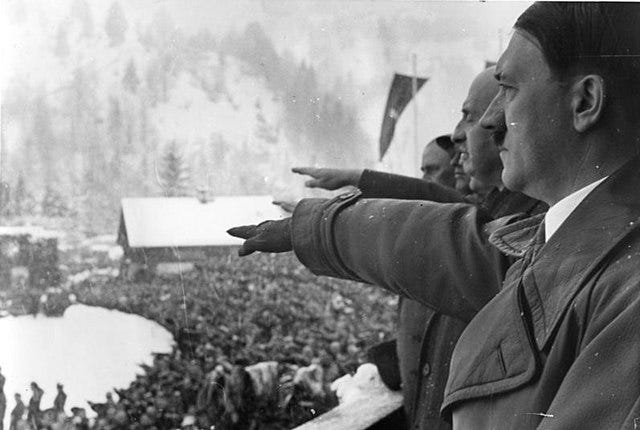
Today, as we watch the 2026 Winter Olympics from Milano Cortina and see American athletes criticize their government, a Ukrainian athlete disqualified for wearing the images of friends who have died in the Russian invasion, and the (two-person!) Haitian team forced to remove the portrait of revolutionary leader Toussaint Louverture from their Opening Ceremony outfits, we should remember that the Olympic Games have always been political, no matter how much we wish they didn’t have to be.
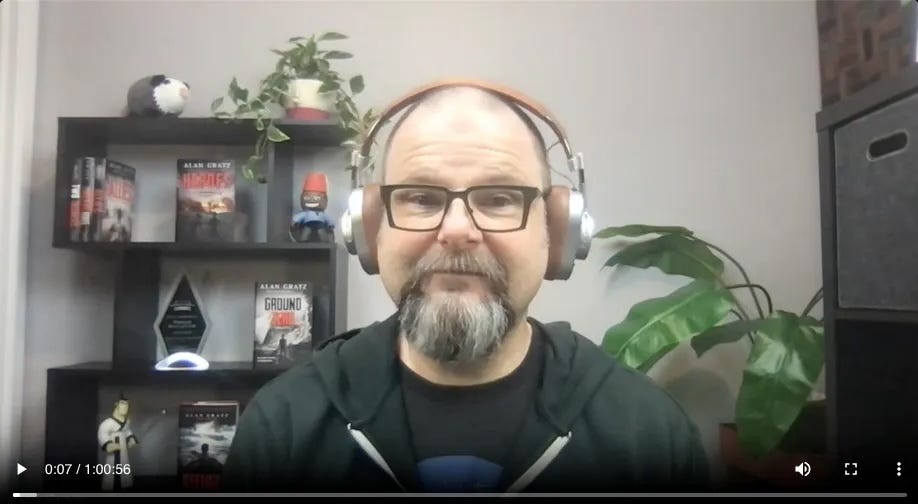
Yes friends, it’s that time again! Once a month during the school year I hop online for an hour to talk about my books, my background, and my writing process. I give a presentation for the first half hour, and then spend the next thirty minutes answering live questions from attendees. Whether you’re watching from home, a classroom, or an auditorium, there’s no fee to attend, and no limit on how many people can watch. And February’s free, live event is just a week away!
Here’s the schedule for this spring. Click the links below to register!
Tuesday, February 24 at 11am ET, 10am CT, 9am MT, 8am PT
Tuesday, March 24 at 1pm ET, 12pm CT, 11am MT, 10am PT
Thursday, April 23 at 11am ET, 10am CT, 9am MT, 8am PT
Tuesday, May 19 at 1pm ET, 12pm CT, 11am MT, 10am PT
Can’t join me live? Each virtual event is recorded, and is available for at least a month afterward to anyone with the link. (I usually just take the old one down as soon as a new recording is available.) You can even sign up and view a presentation after the fact! Regardless of how or when you watch, I hope you’ll tune in.
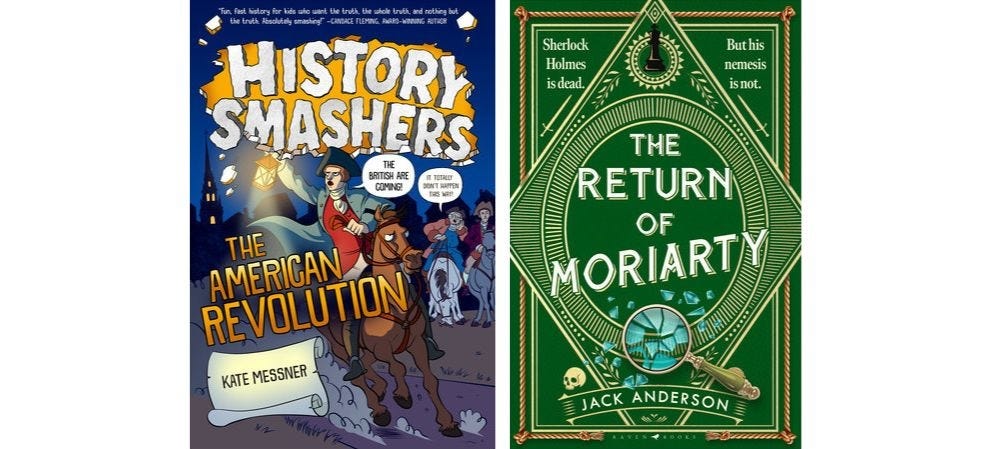
As you might suspect, I’m watching a lot of Olympics right now. (Chock and Bates were robbed!) But I always make time for books. I’ve been reading American Revolution books to prepare for the new novel I’m writing, and, as always, reading lots of other stuff just for fun.
If you’re looking for terrific historical non-fiction, look no further than Kate Messner’s History Smashers series. Each book tells the true story of a time, place, and/or historical event, with a special focus on busting any myths that persist today. Did you know that Paul Revere wasn’t the only “midnight rider” in 1775? (There were almost 40 others delivering the news!) And that he and the others never cried, “The British are coming!”? (Even though most of the colonists favored independence from England, they still considered themselves British at the time. So they wouldn’t have said “The British are coming!” They were already there! It’s more likely they would have said “The Regulars are coming!” or “The Redcoats are coming!” meaning the British army.) You’ll learn all that and more (as I did) in History Smashers: The American Revolution.
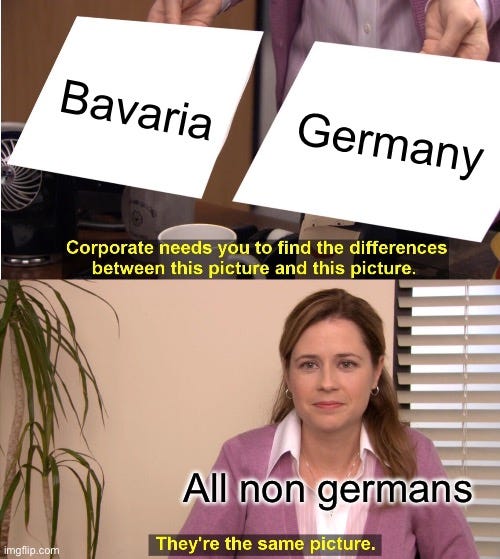
And what a treat it was to discover The Return of Moriarty by Jack Anderson. I love Sherlock Holmes stories, and this one delivers on all the cleverness and Victorian atmosphere of Arthur Conan Doyle’s work. The premise is a fun one: when Holmes and Moriarty go over the Reichenbach Falls together, only Moriarty survives. Worried this might be the outcome, Holmes left a letter behind with a last challenge to his old nemesis—solve a mystery that hasn’t happened yet. (But, Holmes has figured out, soon will.) His crime syndicate dismantled by Holmes and his name and face on every police department’s “Most Wanted” list in Europe, Moriarty assumes a false identity and takes up the challenge, traveling to a mysterious castle in the Bavarian Alps (a second Bavaria reference in the same newsletter!) and immersing himself in the lives of a declining noble family with lots of buried (and re-buried) secrets. The most delicious part of it all is, knowing that Moriarty is a villain, will he see justice done when he solves the crime, or take advantage of the situation for himself? There’s some indication at the end that this may become a series. If so, I’ll be the first in line to buy book two.
That’s it for this month! If you liked this newsletter, please share it online, or with anyone you think would be interested:
And if you aren’t already a subscriber and you’d like to be, you can sign up here:
No posts
Comments
Nothing yet. Say the first thing.
Sign in to join the conversation.