
empowered evolution of love
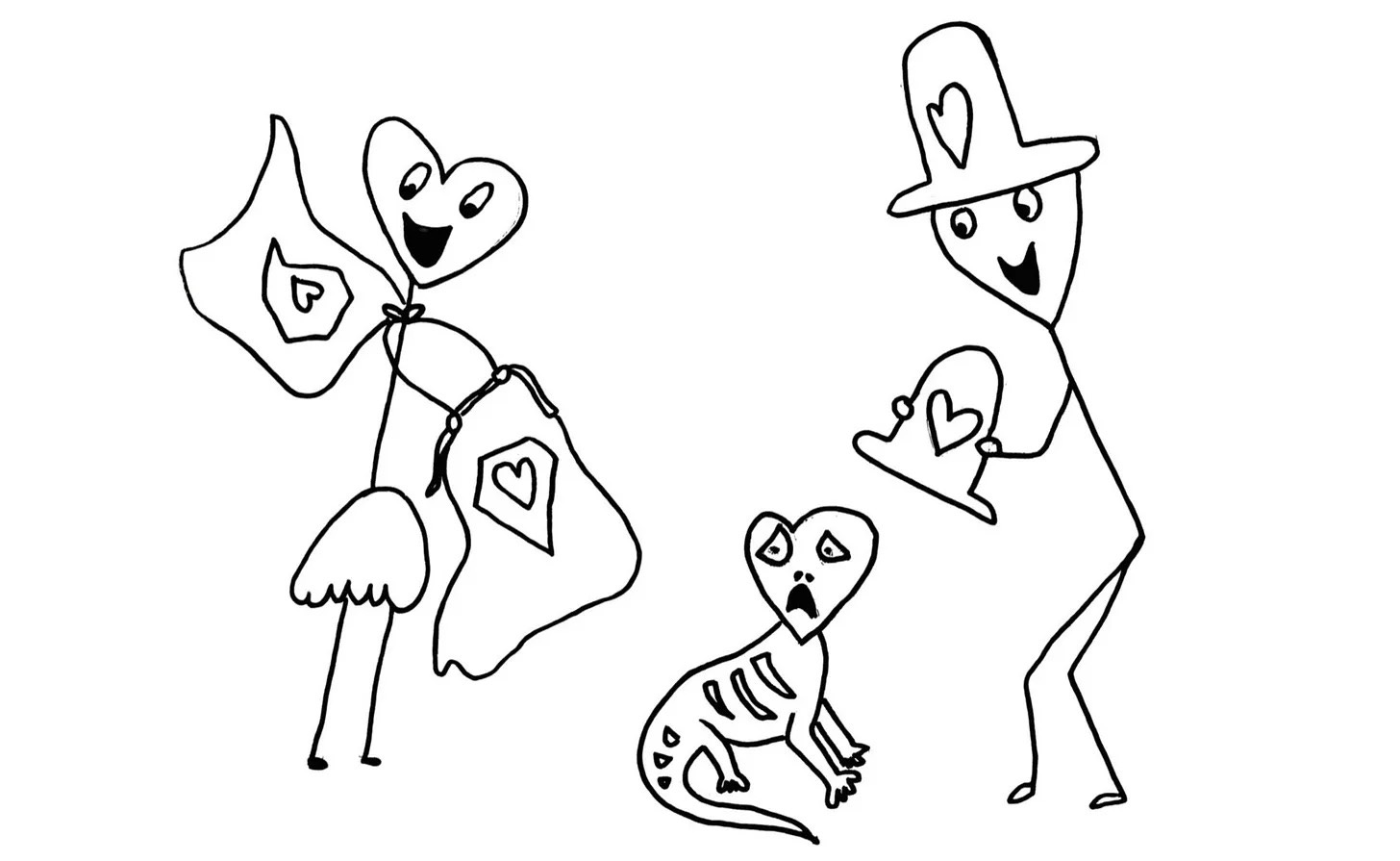
I think most people would agree that love is an important part of being human (and of making peace), but that doesn’t mean that it comes easy. In this series I’ve been asking: Why? If love’s so important, then why’s it so hard sometimes? Is it even possible to love in the grips of fear? In the pain of rage? In the stress? In the hunger?
In the last article, I offered a resounding: Yes! If our pre-mammalian ancestors found it within themselves to care for their young in the face of their end-times, surely we can find it within ourselves to be kind. Even with the Doomsday Clock1 ticking in the background of the news, love does find a way to help us through.
Still, I wouldn’t say that it happens by accident. Most heroic stories that we hear were cultivated. Mother Theresa didn’t suddenly decide to care for the unwanted -she’d been training her whole life for that kind of calling. Drawn into a religious vocation from a very young age, she practiced selflessness for years before caring for those who made others afraid2.
Similarly, Rick Roscola (who saved 2,700 people from the twin towers on 9/11) didn’t suddenly decide to be a hero. He’d anticipated the attack long before it happened, drilling folks with practices for emergency evacuation. But even that essential foresight didn’t come from nowhere: he’d been priming for it for years. From a young age he admired the heroes of his time, like the D-Day fighters who put their lives on the line. So, he joined the army at the young age of 16, and fought in two wars before his 9/11 calling. Already regarded as a man who kept his cool under fire, he was known for singing songs to keep his platoon together3.
That being said, even as those stories remind us that courage is cultivated (and not inherent -check out How To Be Bold: the Surprising Science of Everyday Courage for more inspiration), I wouldn’t want to paint a picture that would lead us to believe that heroic love only comes to the ready. Oskar Schindler wasn’t regarded as a saint before he saved over a thousand Jewish people from their horrific fate. Before the atrocities of the Nazis had reached their worst, Schindler took “full advantage of the exploitative labor.4” A factory-owner in German occupied Poland, Schindler used Jewish people to make a bigger profit. Indeed, before his heroic acts, Schindler wouldn’t have been considered a moral man: he defaulted on loans, had extramarital affairs, and had been part of the Nazi party for years.
So what was it within him that made him change his ways? Where’d the love come from during those awful days? Furthermore, what kept Mother Teresa going despite her battle with depression5? When odds feel stacked against us, how does the heart keep beating?
No doubt we’ve all got a selfish side next to the part that’s generous. We can all be forgiving, or we can be ruthless. It doesn’t take scratching much deeper than the surface to dig up dirt on the heroes we worship. Each had a dark side that threatened their virtues. We all have a power that can be misused. As such, can we choose what we become? And, if so, why would we want to choose love?
In this article I’ll continue to explore the science behind the dark and light of our nature, and the age-old-questions of how, and why, love is the answer.
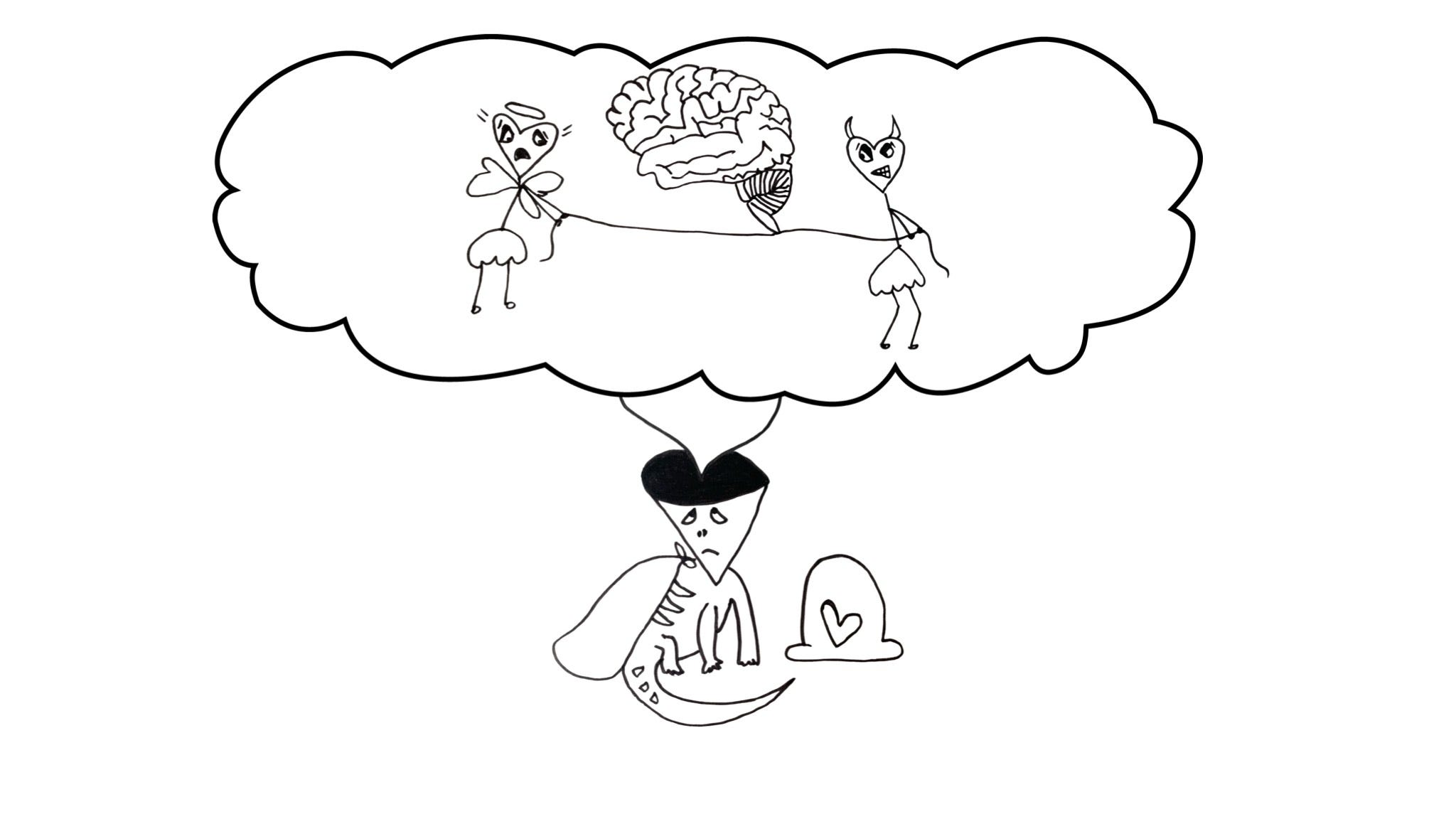
At the crux of the human condition is the fact that we’ve been wired in opposing directions: we’re made to compete and to cooperate. We’re made to love and to hate. We’re made to withhold and to care. We’re made to hope and to despair.
For some scientists, these conflicting qualities come as the result of a theory called multilayered selection6. In this framework, evolution works on different levels: the individual, familial, and group. In each level, evolution selects traits (and/or behaviors) that may be different.
On the individual level, we’ve evolved to be self-serving. Those who serve themselves (even at the expense of others) are more likely to survive as individuals. It’s this basic instinct for survival that is responsible for our sympathetic nervous system (which can cloud our thinking and makes us defensive quickly -to learn more about this, read the 3rd article of this series). Similarly, it’s on this individual level that we crave pleasure in a dopamine-drive to always feel better. It’s here that we might become aggressive, neglectful, cowardly, or greedy. It’s here that most would point to the shadows of our being.
On the familial level7, we’ve evolved to care for our families, even if it costs us some personal well-being. When we care for our relatives, our genes are more likely to be passed down the generations. It’s here that we’ve developed the bonding hormone called oxytocin, which keeps us together, even when we’re stressin’8. Here, on the familial level, some will point to the origins of our light: the mother’s care, and her protective fight9.
On the group level, we’ve evolved to care for others, even if we’re unrelated, and even if we receive no personal reward10. When we care for those in our group, our group is more likely to survive conflicts with other groups, or disasters that require cooperation. It’s here that we developed the helper’s high11 that floods us with happy hormones every time that we lend a helping hand -the pure altruism that (some have said) creates the promised land.
That being said, though it’s on the familial and group levels that we evolved to love, we weren’t made to love anyone12. From evolution’s perspective, care for our own group makes our group resilient. But for outsiders, we’re made to be suspicious. This phenomena (sometimes referred to as “tend and defend13”) means that the very same hormone associated with love can also cause defensiveness towards those different from us (especially when we’re stressed14).
Consequently, it’s on the familial and group levels that we were made to conform15 so that we can avoid any out-group harm16. This has made us vulnerable to collective blindspots and misunderstandings, keeping us stuck in faulty planning. It’s here that we find outdated cultural practices that backfire and hurt -all because it’s so freaking scary to dissent and divert.
Overall, the challenge (for all of us) is navigating our conflicting impulses: to fight with our siblings for the biggest piece of pie, but if someone else bullies them, to stand by their side; to care for others when they are sick, but to be cautious of those who take advantage. Indeed, it’s not as simple as saying that fear, aggression, and selfishness are always bad and that generosity, compassion and care are always good. If it were that simple, evolution would have ditched those traits by now.
So, how do we use our conflicting impulses to serve our lives, those around us, and life in general?
And perhaps, more importantly, do we even have a choice?
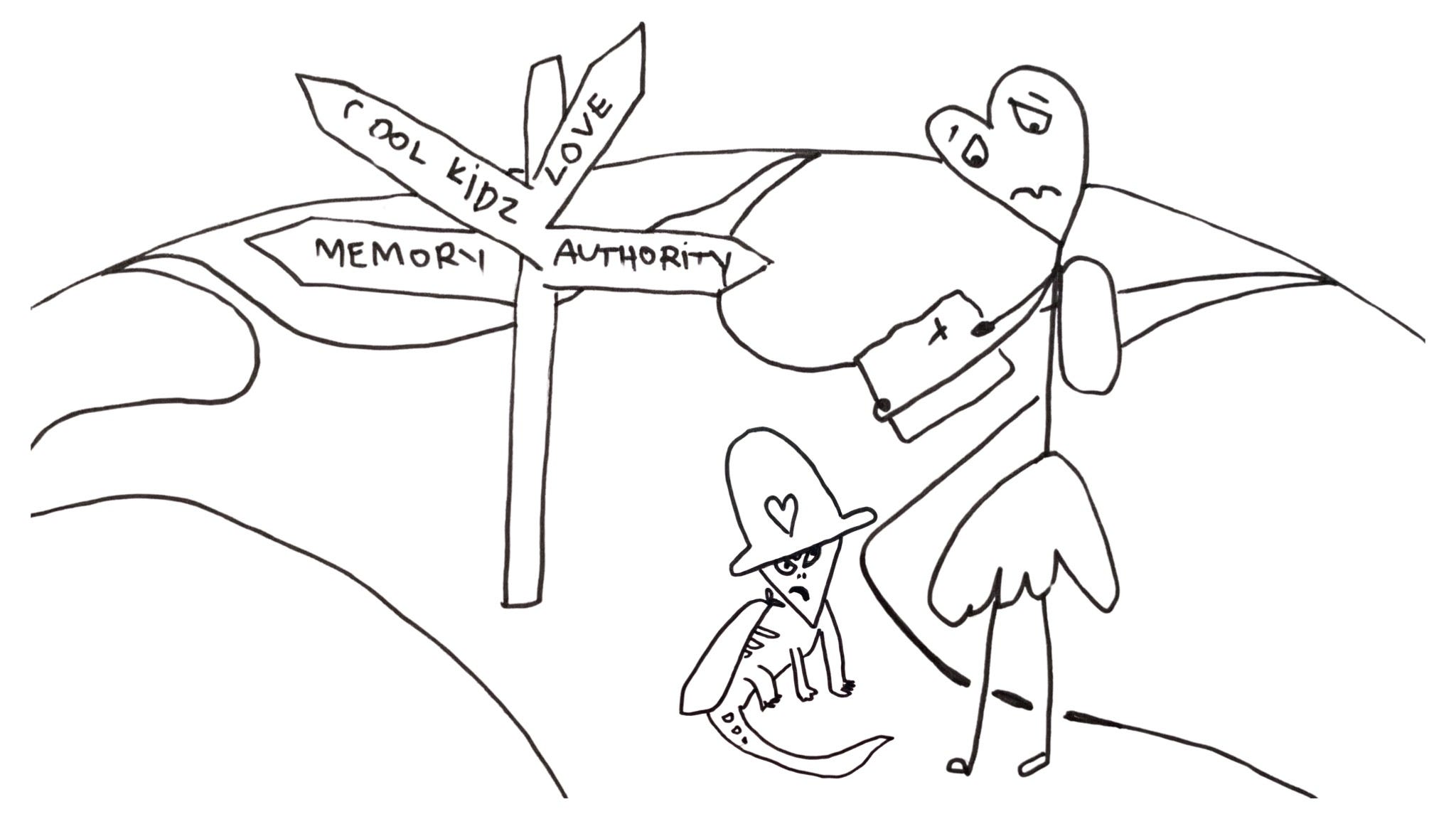
Whether or not humans actually have control over their behaviors has long been a debate in the scientific community (and in religion and philosophy). It’s an important question because the implications are wide-reaching:
If we don’t have a choice, then can we be held accountable to our deeds? If we’ve been hurtful once, are we bad inherently? What hope is there for us to do better if we can’t even choose how we respond to the weather?
If we do have free-will, then what will motivate us to make better choices? Will we do better if we are punished?
With those questions in mind, (and in a continuation of the second article from this series, The Will to Love), here’s some thoughts from the philosophical side of science:
The perspective of biological (hard) determinism17 is that our behavior is determined by a combination of our genes and the developmental wiring of our brains (especially in childhood). In short, this theory says that our brains are wired to automatically react before we can consciously respond1819. It asserts that every choice is the consequence of a long chain of events, mostly made of memories2021 As such, no choice can be called “free-will” (because it’s just the effect of everything that came before it). The core idea is simply that consciousness lags. Because awareness only happens after a reaction has already occurred, there’s no way for us to choose our reactions, or what we do with them.
No doubt this perspective is debated within the scientific community (as well as within religion/philosophy), especially because there have been times when biological determinism has been used to justify social injustices22 (which is clearly problematic).
That being said, some biological determinists use the theory to advocate for more justice and empathy (like Robert Sapolsky in his book Behave: the Biology of Humans in Our Best and Worst ). With that in mind, what I appreciate about biological determinism is that fosters compassion, forgiveness and mercy within me: We don’t mean to be buttheads. We’re just wired to be turds sometimes.
What concerns me about this perspective is that it doesn’t leave room for a sense of agency, and agency is essential for the pursuit of meaning (which is central to the human experience). If we don’t have a choice, then how can we pursue that which gives our lives meaning?
What’s more, what hope can there be for peace if so many of us are wired to stink?
Compatibilism23 is the perspective that determinism does not exclude the possibility of free-will. The concept of emotional regulation, for example, suggests that while we may have involuntary automatic responses, our ability to become aware of those reactions gives us the opportunity to make different choices (either in the moment of gaining awareness, or for the future2425).
With that in mind, neuroplasticity26 says that our brains are inherently changeable; just because our childhoods wired us to respond in certain ways, doesn’t mean that they’ll always be wired that way. As we move through life, we learn new things that wire our brains differently27. By understanding how neuroplasticity works, we can intentionally rewire our brains so that we respond in ways that are more aligned with our values, or more likely to make us successful2829.We can change our habits30 (which could be considered an act of free will).
From this perspective, we may not be able to choose our knee-jerk triggers, but we can make intentional choices after. Though philosophers disagree on definitions of free-will, our ability to become aware of ourselves, and to make new choices, gives us an element of agency that can allow us to shape our lives with meaning, and impact our world with purpose.
That being said, from this perceptive, patience and forgiveness both are key in the process of development. Gaining awareness of our subconscious reactions (and assessing the extent to which they serve our values/purpose) takes time, and is ongoing. Similarly, rewiring our brains takes dedicated practice, wherein we’re bound to slip into old patterns in the process (especially when we’re hurt or tired). But, if we abandon each other for every selfish or hurtful deed, we won’t have the support to make the changes we need.
Of course the challenge here is that both patience and forgiveness require endurance and resilience, which kinda sucks sometimes. Endurance implies the experience of something uncomfortable and resilience implies the experience of hardship. Who wants that? And for what? Why go through all that hullabaloo and strain? Why not just grab a beer and call it a day?
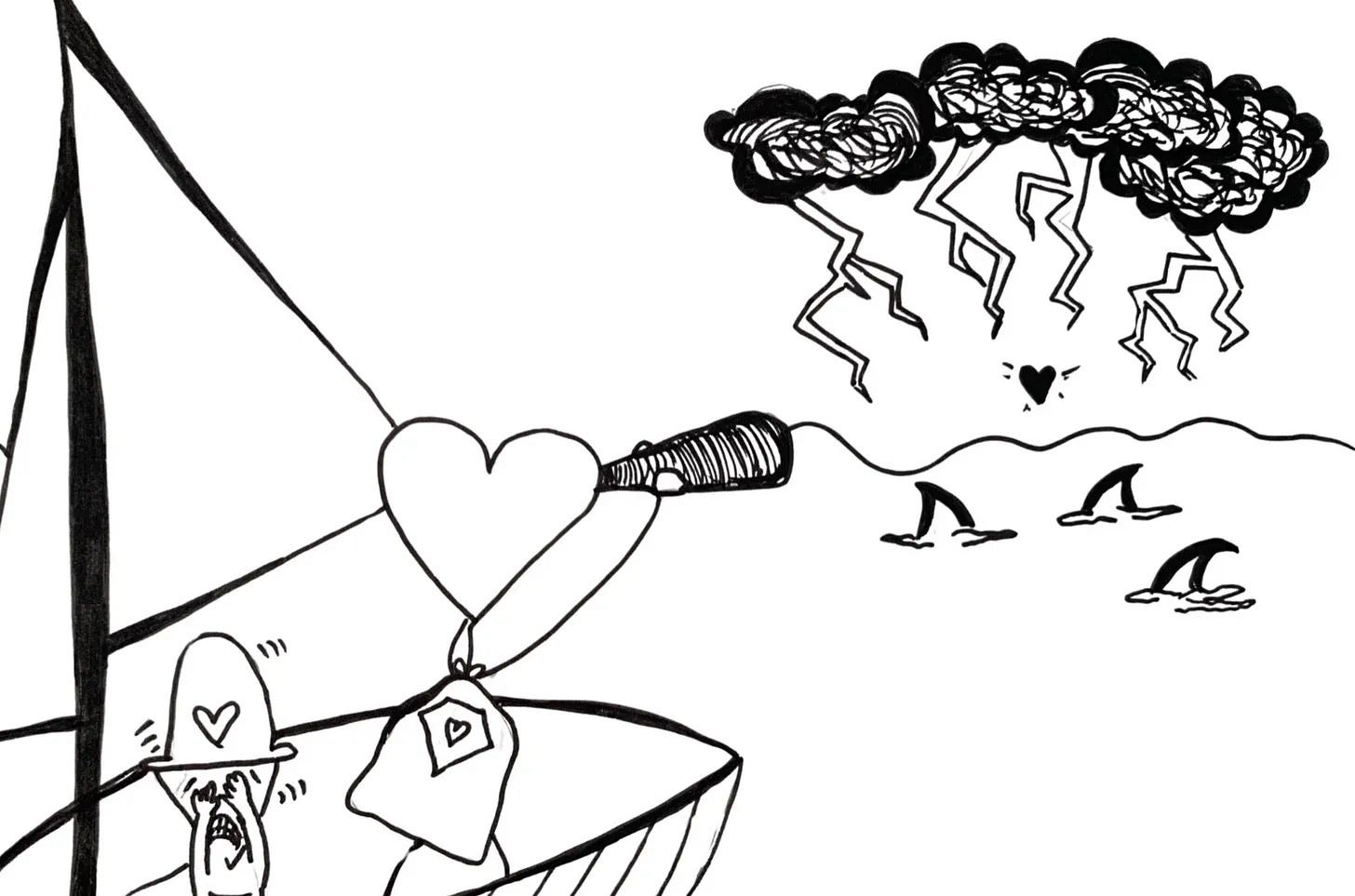
Don’t worry: I won’t try to answer that question with any kind of capitalization or tout some kind of moral imperative. I know that this love thing is not easily swayed by logic. Whether we like it or not, the scientific fact is: our brains are much more swayed by emotions than they are reason31 32(remember that lag in consciousness I mentioned?).
I know the feeling: when I feel disrespected, taken advantage of, hurt, or threatened, my immediate response is not lovey-dovey. In fact, sometimes, far after my immediate response passes, I still feel that same pit of disgust, which doesn’t make me rush to send love-letters -that’s for sure.
To overcome that feeling of rage or disgust is not an easy thing to do, and I’m not here to convince you to. Indeed, convincing, in and of itself, is not easy. There’s all kinds of mental blocks that exist in humans that could inhibit any persuading, such as:
the belief bias33: humans tend to reject information (however accurate) if it contradicts core beliefs.
the simplicity bias34: humans tend to believe in simple explanations and solutions more than complex ones (even if the complex is more accurate)
the self-serving bias35: we tend to reject information that goes against our self-image or self-interest
the confirmation bias36: we tend to ignore information that isn’t what we expect
Furthermore, I understand that in the act of debating (especially when power is the aim), winners get a surge of dopamine37 (like eating ice cream) while losers get a surge of cortisol (like being chased by a lion38). As such, it’s not uncommon for humans to fight to win, even if our logic is faulty (just for the sake of winning).
So, rather than convincing, I’m here to reinforce. For all of us who know that love is so freaking valuable, yet find ourselves in a struggle to achieve it, I’m here to offer reinforcement. It’s not easy to love sometimes, and we don’t always get it right, but to continue aiming anyway is a feat that I put on the heroic scale, an evolutionary achievement of which few can compare. Sure, we might be wired to care for our family, or those who also support us, or those who are in our group (at least in some cases. Not everyone has felt loved by their family), but to love our enemy? Strangers? Nature? That’s beyond the scope of evolution thus far. It’s a stretch (to say the least).
So, if our default mode is not to care, I don’t blame us. But, it is possible to love beyond our limits (a fact that science can’t explain any more that it can explain how our pre-mammalian ancestors figured out that daddies caring for babies in the face of the Great Dying39 might be a better choice than just fending for themselves). Love, in all of its stages, is an evolutionary victory that’s worth celebrating.
That being said, it does feel a bit dramatic to compare humans today to animals who faced the Great Dying, doesn’t it? While I don’t mean to be apocalyptic, our culture is saturated with reflections that project This. Is. It. : We are at the tipping point. Whether the message comes from science articles, the news, movies, or religion, there’s no doubt about it: the culture is saturated with apocalyptic perspectives40. As such, whether or not I believe these are end times, I still have to deal with the psychological impacts of being surrounded by doomsday storylines.
Consequently, every day I utilize my coping mechanisms, of which, reminding myself that love is a legitimate response to the world today (and to every conflict that I have ever encountered, and will ever encounter) has been, and continues to be, extremely helpful.
Along those same lines, it helps me to remember that this is not the first time that a generation has feared the end. In fact, every generation has had their own kind of crisis that called into question their very existence. It helps me to remember their resilience, and what love had to do with it. If our ancestors made it through, we should be able to too (I even wrote a song about it: listen here).
Another one of those coping mechanisms is framing our challenges as an adventure. The hero’s journey brings meaning to our challenges41 (something that Viktor Frankl calls essential to overcoming them)42. Plus, heroic quests also brings commitment (which is essential when things get hairy43).
That being said, in the archetypal framework of the hero’s journey, resistance to the call is common44. Though the world today is calling us into the courage of love, it’s freaking scary. Resistance is understandable (I know I’ve felt it).
What helps in accepting the mission is growing our confidence. If we believe that our tools are worthy, and that we are capable of succeeding, we’re much more likely to accept the call and overcome the challenges it brings45.
To that end, the logic of love is helpful. Understanding why love is so useful has grown my confidence (and hope) more than ever. Ranjay Gulati in How To Be Bold would agree: confidence grows with understanding.
So, without further ado -here’s how I know that love is what I’m here to do:
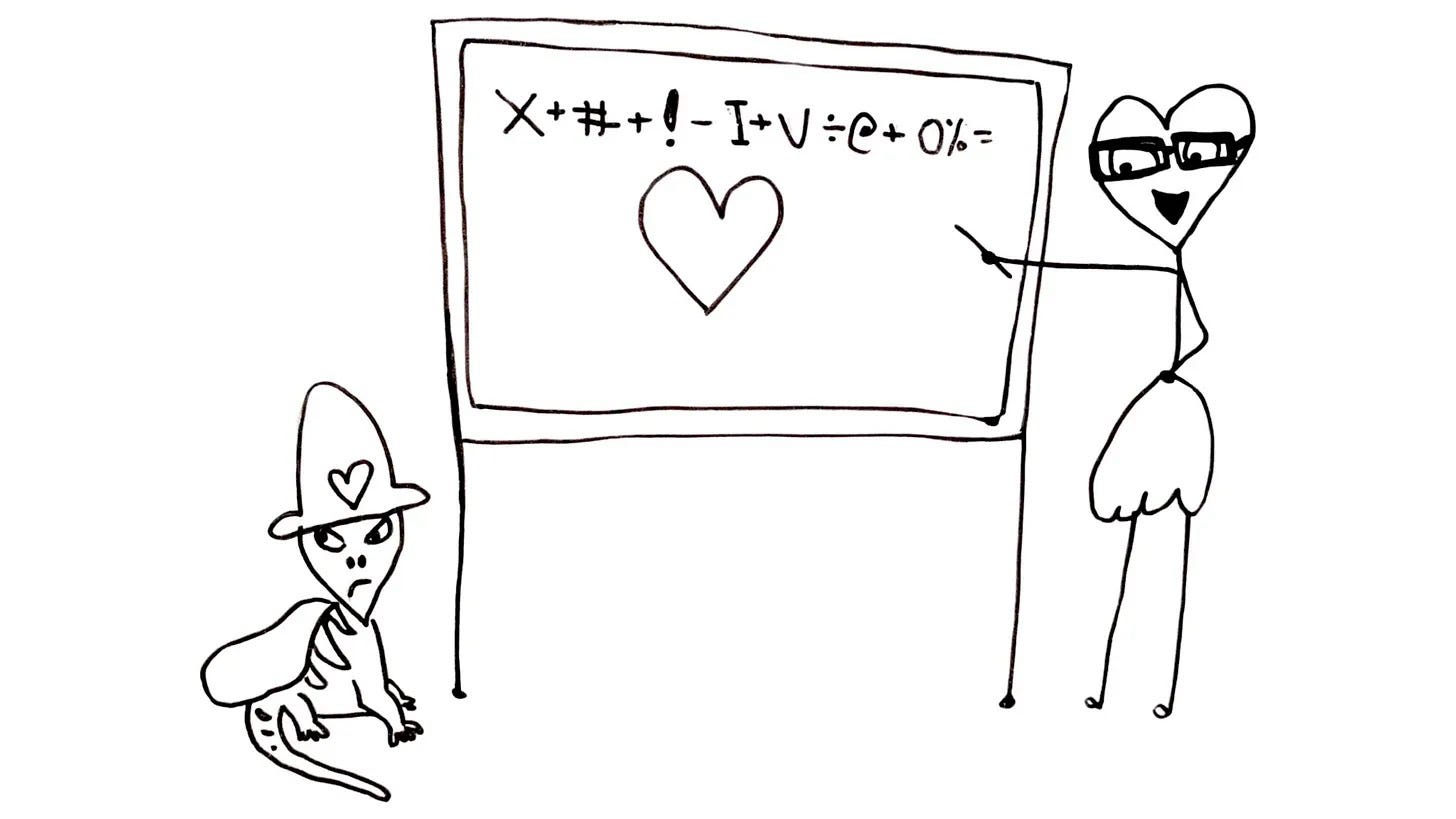
Let’s start with defining the kind of love that I’m talking about here. Since it could be said that there’s lots of different kinds of love (and since people have all kinds of definitions about what it is and isn’t), instead of saying which one is right, I’ll just clarify what love means in this series:
I’m not talking about unconditional love. This is because the word unconditional can get confusing, seeming like a love that doesn’t have boundaries. We can hold boundaries and respect others at the same time.
I’m not talking about romantic love. Though some might include romantic love within the broader scope of what I am talking about here, it’s important to note that I’m not talking about desire.
I’m not talking about savior love. Though love can be a life-saver, it’s not always. Love doesn’t promise outcomes. It can’t save us from pain, death, or guilt/failure (what Viktor Frankl called the “tragic triad46”). If we expect love to save us from suffering, then it’s easy to lose faith in it. The love that I’m talking about here doesn’t safeguard us from challenges, but it does help us to endure, overcome, and make meaning of them.
So what kind of love am I talking about?
I am talking about heroic or resilient love. This kind of love is able to endure the greatest of difficulties and transform challenges into growth and meaning. Out of this growth, this love is able to contribute to the overall resilience and wellbeing of Life (even through losses and changes).
I’m also talking about the Universal love, which includes love ourselves, our families, our communities, our enemies, our whole species, and even all of nature.
Now, with all that clarified, here’s
It starts, ironically, with a word that begins with I. Can you guess it? I’m sure you’ve heard it before as it’s become quite trendy (Hint: We’re all one in the universe, connected eternally).
It’s a complex reality: understanding interdependence requires the ability to hold a multitude of relationships and chains of reactions, on multiple levels of time and space, that interconnect in different ways, simultaneously. This is called systems thinking47. That being said, though systems thinking is certainly possible for humans, it’s not always easy for our brains (which prefer simplicity and immediacy).
Even so, it’s worth the effort because the result of systems thinking is resilience.48 As life is constantly changing (in response to various disruptions and disturbances), systems thinking can help us overcome challenges, increase our longevity, and maintain a sense of wellbeing. To that end, understanding life’s systems is crucial to caring for life as a whole (and for ourselves, as part of that whole).
Now, to explain how these systems work, we’re gonna take a deep dive into ecology. This turn may (in some ways) feel like a tangent within our topic of love, but it’s ultimately necessary in illustrating the workings of interconnection (that ultimately extend to humans). So bear with me -we’re about to get super nerdy.
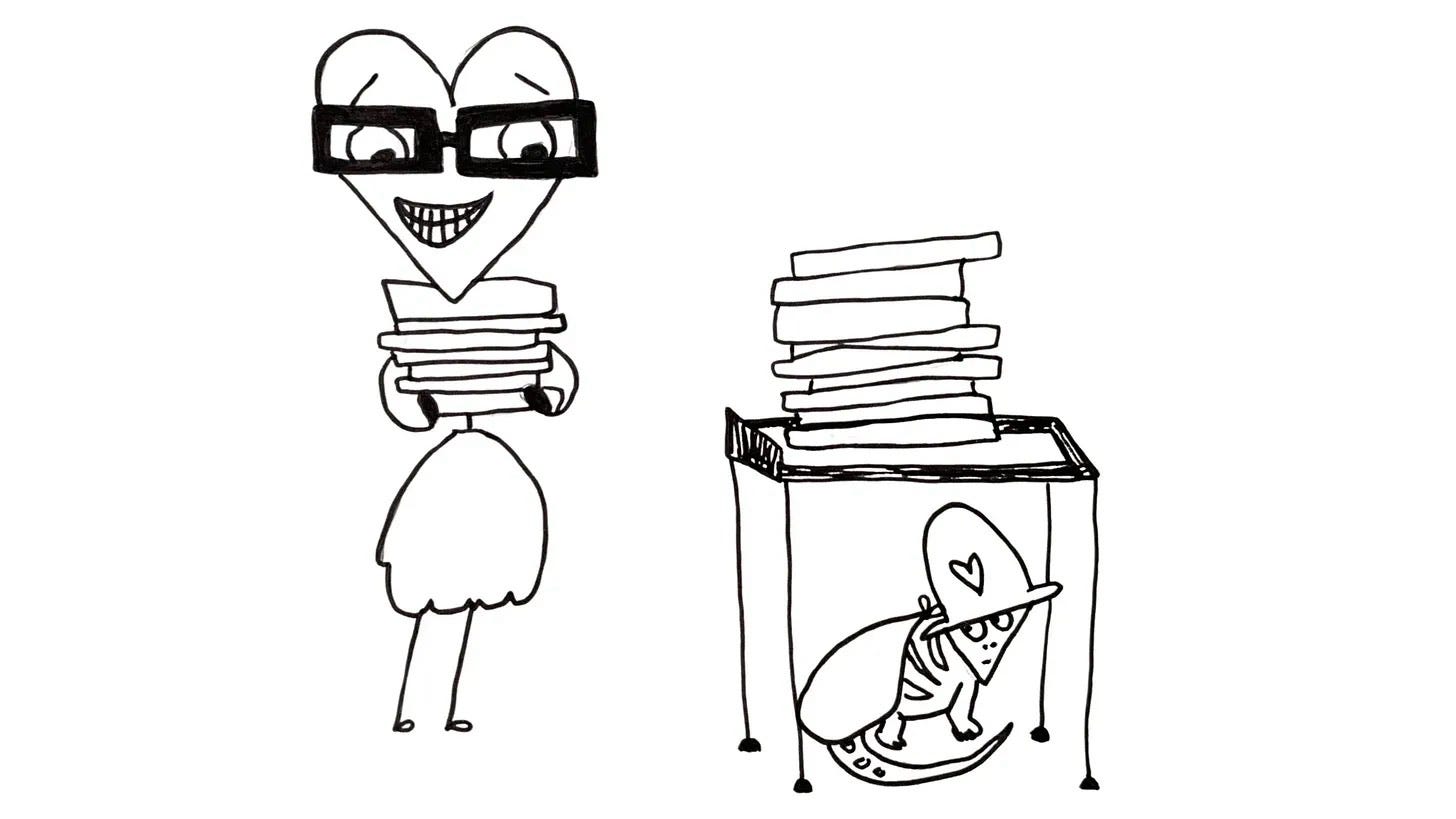
Though there are many frameworks that help to map system connections, one that I find particularly helpful is called panarchy49. This framework maps systems of interconnection through multiple scales (over time and space) that are nested into each other. One natural example of these scales is surface-water systems, which can be divided into scales such as: an individual creek, watersheds50 (made of many creeks and rivers), and drainage basins51 (which connects many watersheds).
That being said, surface-water systems are inextricably connected to weather systems52 (as they bring water from the sky). Then, weather patterns are affected by patterns of vegetation on land53. For example, forests create cool and humid climates by providing shade, reducing wind speed, and increasing humidity (through the water evaporating from their leaves -called evapotranspiration). This cool and humid area allows waters to accumulate on the forest floor, which supports the forming of creeks and rivers.
Furthermore, huge forests (like the Amazon) provide so much moisture to the air that they create flying rivers54. These flying rivers (which eventually rain down) impact surface-level rivers that drain into the ocean. This impacts the oceans because the huge amount of fresh water that flows into the ocean impacts salinity levels55, nutrient levels56 and ocean currents57. The ocean (which has its own nested systems) then affects global heat distribution and weather5859. This then impacts surface-water systems and forests systems in a huge cycle of interconnected systems within systems.
To understand this even better, one way of talking about the smaller scales within systems is patch dynamics60. In forests, examples of patches are:
Canopy gaps: these tree-less gaps allow light to reach forest floors. This creates conditions that support meadows.
Patch understory: this less dense patch of trees allows more light, but still provides some shade. This creates conditions for shade-tolerant shrubs.
Herbaceous patches: these patches of ferns, sedges and wildflowers can be found in areas of extra moisture, such as near a spring, creek, pond, or even puddles.
Deadwood Clumps: these are areas where there is an accumulation of dead wood (such as fallen logs or branches) which provides habitat for bugs, slugs and microbes, who break down logs into extra rich soil.
Furthermore, each smaller system is also made of many unique pieces. A creek, for example, includes: water, soil, rocks, logs, fish, amphibians, birds, mammals, insects, microbes, and plants. Amongst those parts, there’s also special relationships (or systems), such as: pollination (made of flowers and pollinators) or the food chain (made of predators and prey). These special relationships may be localized, or they may span through multiple systems by migration patterns.
That being said, within systems each individual plays an important role (called ecosystem functions), such as:
supporting the water cycles: purifying, shading, releasing or retaining water.
supporting air quality: absorbing carbon dioxide, releasing oxygen, slowing wind, cooling air or purifying air.
providing habitat, such as safe places for different animals to live (like thickets for small birds or caves for big mammals).
supporting reproduction, such as spreading seeds or pollen.
supporting nutrient cycles: producing organic materials (such as leaves, sticks, logs, rocks or poop)for soil, preventing erosion, breaking down soil, purifying soil or being part of the food web.
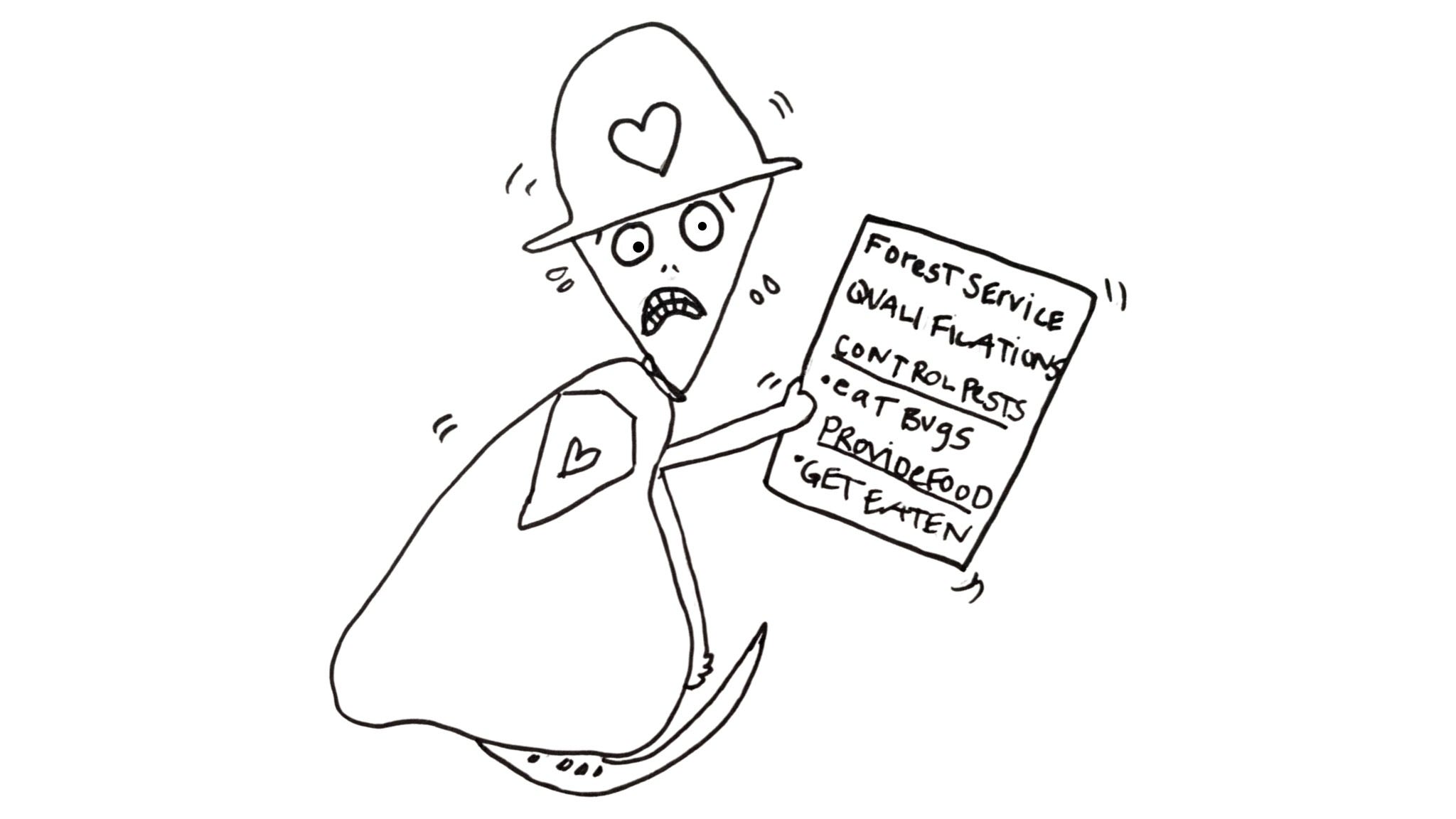
With that in mind, one of the reasons that different patches are important is because they host different species (which support different functions). For example, because different plants affect water differently, patches have varying impacts on the composition of creeks, rivers and lakes. For example, some plants have long tap roots that bring water up from deep levels in the ground (called hydraulic lift61). Other plants have webs of roots that help to prevent erosion62 and to maintain the banks of lakes and rivers. This brings us back to noticing how forests impact surface-water systems.
As such, not only are there little systems that are interconnected within larger systems, but those big systems (surface water, weather, oceans, and forests) are also connected to each other, spanning all the way around the world. Within this in mind, resilient systems have features that help to mitigate negative chain reactions so that when a part gets hurt, the interconnected system can be resilient as a whole. Two of these important features are:
Functional redundancies63: this is when multiple parts of a system perform the same function. In this way, if one of the parts that offers a service gets damaged, there are others that can still perform it.
Balancing (negative) feedback loops64. These feedback loops support stability with counteractive responses. For example, in predator/prey populations, if the prey population gets bigger, the predator population will also grow (because they have more food). But, if the predator population grows too big, then the prey population will decline (because the predators eat too much). Then, when the prey population declines, the predator population will also decline (because there’s less food). When the predator population declines, the prey population will then increase (because there’s less predators to eat them). But, when the prey population increases, the predator population then grows again in a continuance of the balancing feedback loop.
That being said, systems aren’t always able to stabilize from significant disturbances, such as:
catastrophic changes that affect multiple systems at multiple scales at the same time (like a natural disaster)
reinforcing (or positive) feedback loops65. Rather than balancing changes, reinforcing feedback loops amplify changes. For example: the melting of arctic ice creates more melting of the arctic. This happens because the white of the ice reflects sunlight, preventing heat from accumulating. But as ice melts, there’s less white ice to reflect the heat, and more darker waters to absorb it. This creates more warmth in the area. As there’s more warmth, more ice melts, creating less heat-reflective areas, and more heat-absorbing areas, further accelerating the accumulation of warmth and the melting of the ice.
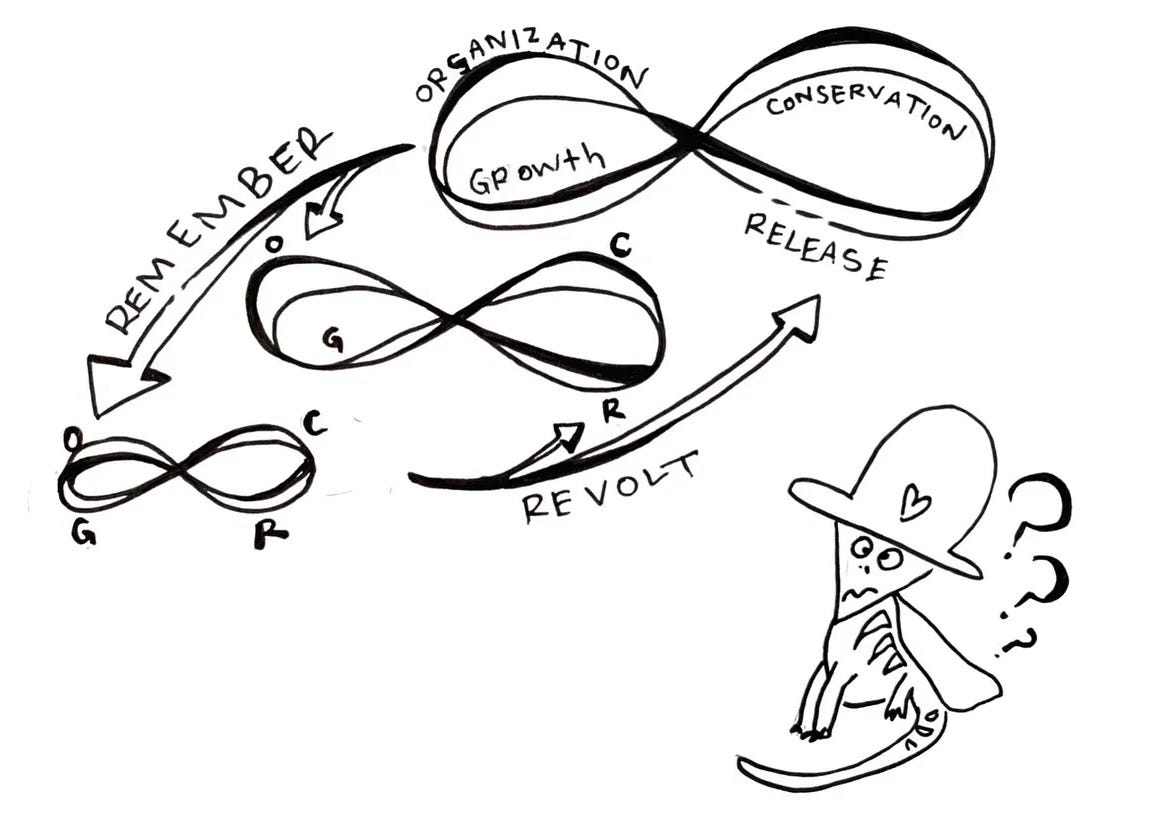
With that in mind, each system goes through adaptive cycles66, which include different phases:
Exploration: this is a phase of rapid growth, like seedlings growing after a fire.
Conservation: this is a phase of accumulating resources and maintaining stability. Old growth forests, for example, are in a state of conservation.
Release: This phase includes a loss of energy/resources (such as the loss of trees).
Reorganization: This phase includes recovering what was before (such as reseeding the forest) or rebuilding a new dynamic, which is called a regime shift67 (such as a forest changing into a scrubland, savannah or grassland)
From there, the cycle starts again.
In these adaptive cycle, the shift from conservation (accumulating resources and maintaining stability) to release (loss of resources) is caused by a moment of criticality. Criticality is when a system is no longer able to resist changes; it is the crossing of a threshold or tipping point68.
For example, balancing feedback loops might get overloaded (and even flip into reinforcing feedback loops) by repeated wildfires or extra-hot wildfires69. In a balancing feedback loop, when a small fire happens, the fuel (dead trees, overgrowth, and branches) gets burned up. Then, when the next fire happens, there’s not an acclamation of fuel (which keeps the fires cooler). This balancing feedback loop allows the fire to only burn dead or injured plants, while preserving the overarching conditions of the forest (such as shade trees and a healthy seed bank). In this way, small forest fires acts as a purifier that support the health of the forest as a whole (watch this video to learn more about how the indigenous people of California support healthy forests with this understanding).
But, when fires are suppressed, or when there has been severe drought (causing more dead/dry trees), the fuel-load gets higher, making the fires burn hotter, and killing many trees at once (including mature and healthy ones). This, then, make the environment becomes hotter (due to a lack of shade) and can damage seed-banks (from the extreme heat.)70 As a result, it becomes more difficult for new trees to regrow. This can create a reinforcing feedback loop. For example, as a loss of trees results in a loss of moisture7172, the forest becomes more susceptible to fire, and to the loss of more trees. This continued loss of trees then leads to a continued decline in moisture, more fires, less trees, and so on.
That being said, all adaptive cycles within interconnected systems impact each other in one of two ways:73
Remember: Remembering happens when the larger scale is not only able to withstand small-scale changes, but is also able to support the small scale reorganization in becoming what it once was (like when seed banks and animals work together to replant a patch of burned forest).
Revolts: When systems are not able to withstand small-scale changes, it’s called a revolt. Here, smaller-scale changes create fundamental changes on larger scales. A famous historical example of a revolt was in Yellowstone (when wolves were hunted to extinction). This loss on the small-scale (one species) caused a cascade of changes, transforming complex wetlands into degraded streams74. Here’s what happened: when the wolves were extinguished, the elk population grew much larger than it had been (because the predator/prey feedback loop was disrupted). This caused elk to over-graze on the aspen and willow seedlings that beavers depend on. As the trees weren’t able to mature, beavers didn’t have the resources that they needed to build their dams, forcing them to disappear from the region. But, without the beaver dams to slow and spread water, the wetlands turned into narrow streams (with increasing erosion on the banks). This erosion impacted the water-quality of the streams. All these changes combined to ultimately create a regime shift in which grasslands repopulated the dry areas, changing the makeup of the ecosystem entirely (though some of the ecosystem is being restored today as wolves have been reintroduced toYellowstone75).
With all that in mind, systems thinking supports resilience, first by identifying:
Dependencies between parts
Causal relationships76 (when a change in one part of the system causes a change in another part)
Time delays77 (when a change in one part of the system effects the others, but not immediately)
Potential thresholds / tipping points
Feedback loops and patterns over time
Slow variables78. In an environmental context, some slow variables include nutrient cycle rates and water tables. In human systems, some slow variables include cultural norms or morale.
Critical functions (such as all the different ecosystem services in a forest, or the different industries in a city).
Then, with these critical parts of the system identified, systems thinking supports resilience by:
Aiding diversity: diversity creates resilience through an increase in functional redundancy (in which all critical functions are more likely to be fulfilled). Furthermore, diversity creates new forms of resilience through the formation of niches79.
Identifying and responding to negative changes on the small scales as soon as possible. By early detection and response, problems can be resolved before they have significant impacts on larger levels.
Making small-scale changes that can cause positive cascades into larger systems.
Caring for slow variables over time.
(Check out the amazing free resources for developing the Habits of Systems Thinkers that’s provided by the Water Centers for Systems Thinking)
With that in mind, a great example of systems-thinking in action is the restoration of beavers in Scotland. In this case, the extinction of beavers in Scotland caused environmental degradation that was similar to what happened with the loss of beavers in Yellowstone, including: wetland loss, loss of biodiversity, river erosion, and lowered water quality. But, many of these negative impacts are being reversed by the reintroduction and protection of beavers 8081. Though the tension between beavers with humans remains a point of contention (beavers can be damaging to human enterprises by causing structural damage with their log-cutting and floods with their dams), beaver relocation programs8283 prevent the killing of beavers in human-populated areas by relocating them to wild areas that are in need of their services.
In all cases, all progress is encouraging.
With that in mind, humans have, indeed, had success in using systems thinking to support environmental and human resilience. One of the most significant examples is the Loess Plateau Watershed Rehabilitation Project in China. Here’s what happened:
Millenia of deforestation for agriculture and grazing livestock led to the mass removal of vegetation. This caused extremely high levels of erosion and surface-level run-off. This increased flooding, which carried excessive sediment into the Yellow River84, raising the river bed to sit above the nearby towns. To mitigate this problem, people built levees85. But, when these levees were breached (in major floods) disaster ensued, killing millions of people (overtime)86.
To address the crisis, starting in the 1990s, the Loess Plateau Watershed Rehabilitation Project87 (supported by the World Bank and the Chinese Government) began the massive undertaking to restore the degraded area (which was roughly the size of France and home to more than 50 million people88). This effort included building reservoirs and warping dams, installing large-scale terracing, planting trees and shrubs, and converting steep, fragile croplands back into grasslands and forests. These efforts increased vegetation cover from 17% to over 34%, which drastically reduced the amount of sediment flowing into the Yellow River.
Furthermore, farmers were incentivized to move from grain farming (on steep, eroding slopes) to high-value (and sustainable) orchard farming89 and improved livestock management. As a result, participating households saw their annual incomes double. Furthermore, by converting to more intensive and efficient farming, the labor requirement decreased while productivity increased, allowing for better quality of life and new economic opportunities. Overall the project improved food security and reduced the risk of devastating floods, directly improving the livelihoods for over 3 million people90.
With all that in mind, though environmentalism can, at times, feel anti-human, in fact it is extremely pro-human. Nature, as a whole, doesn’t judge the changes that happen to it; it’s not mad at the asteroids or volcanos for causing mass extinctions. It takes the punches as they come, and evolves with it91. Humans, however, do have a preference. We care about maintaining the systems that we depend on for our existence. As such, all environmental efforts are ultimately aimed at human preservation. In fact, I think it would be helpful to call it envirohumanism.
To that end, love for the environment means loving humans (because if humans aren’t well, then they can’t take care of the Earth). And love for humans means love for the environment (because if the environment isn’t well, then it can’t provide for humans).
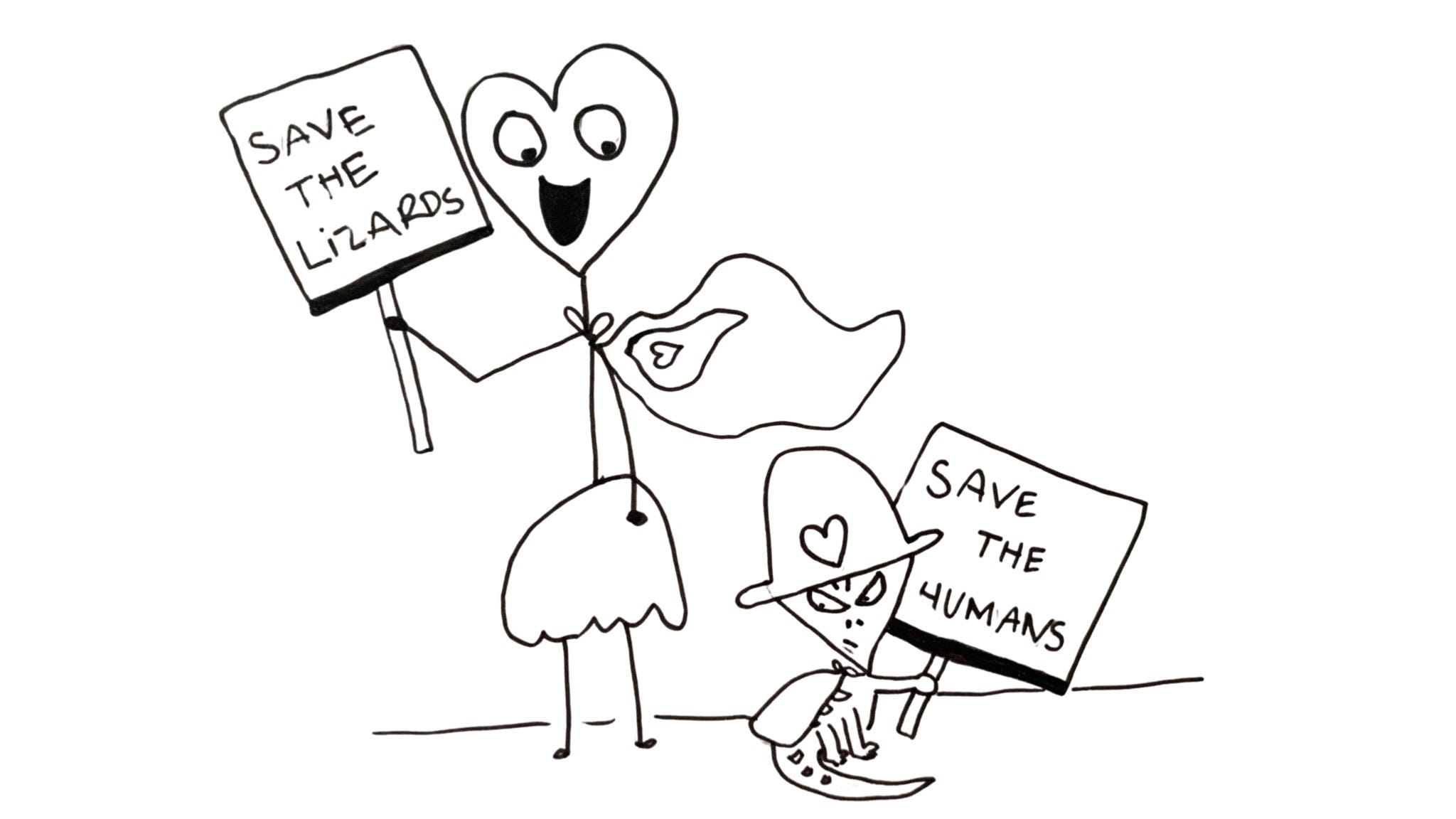
With all that in mind, social systems function very much like environmental systems of interdependence where different scales are nested into each other. For example: individuals offer different services to their families (some might naturally be good at solving conflict while others might be good at cooking or maintenance). Then there’s specific relationships within families that fulfill special functions (like parents who work and grandparents who babysit). Those families then exist in neighborhoods, nested into cities, nested into states, countries, global regions, and ultimately the whole world.
As such, even one person can make a world of difference, as was so beautifully illustrated in the Christmas classic It’s A Wonderful World92.
Where’d we all be without George Bailey?
Furthermore, just like in ecosystems, human impact can span through multiple systems. That being said, these interconnections are not always easy to see in a world that is so densely packed with complexity. For example, the semiconductor chip shortage (from 2020-2023)93 affected 169 different industries94 with serious lags and significant losses in revenue. It also contributed significantly to global inflation95, increasing costs across the board. What’s more, the shortage itself was caused by cascades from other interconnected systems such as the pandemic, trade conflict, severe storms, droughts, and war96.
With this is mind, everybody who works in every industry matters immensely, from the cleaners to the managers, the planners to the producers, the assistants to the directors, the designers to the builders, the mothers and fathers, the sisters and brothers, the grandpas and grandmas, the aunties and uncles, the sons and daughters, the best friends, the neighbors- we are all in it together, and each and every one of us matters.
Here, love for others is actually love for ourselves, and love for ourselves is actually love for others: If we are to be well, we need those who we depend on to also be well. Conversely, for others to be well, they need us (who they depend on) to also be well.
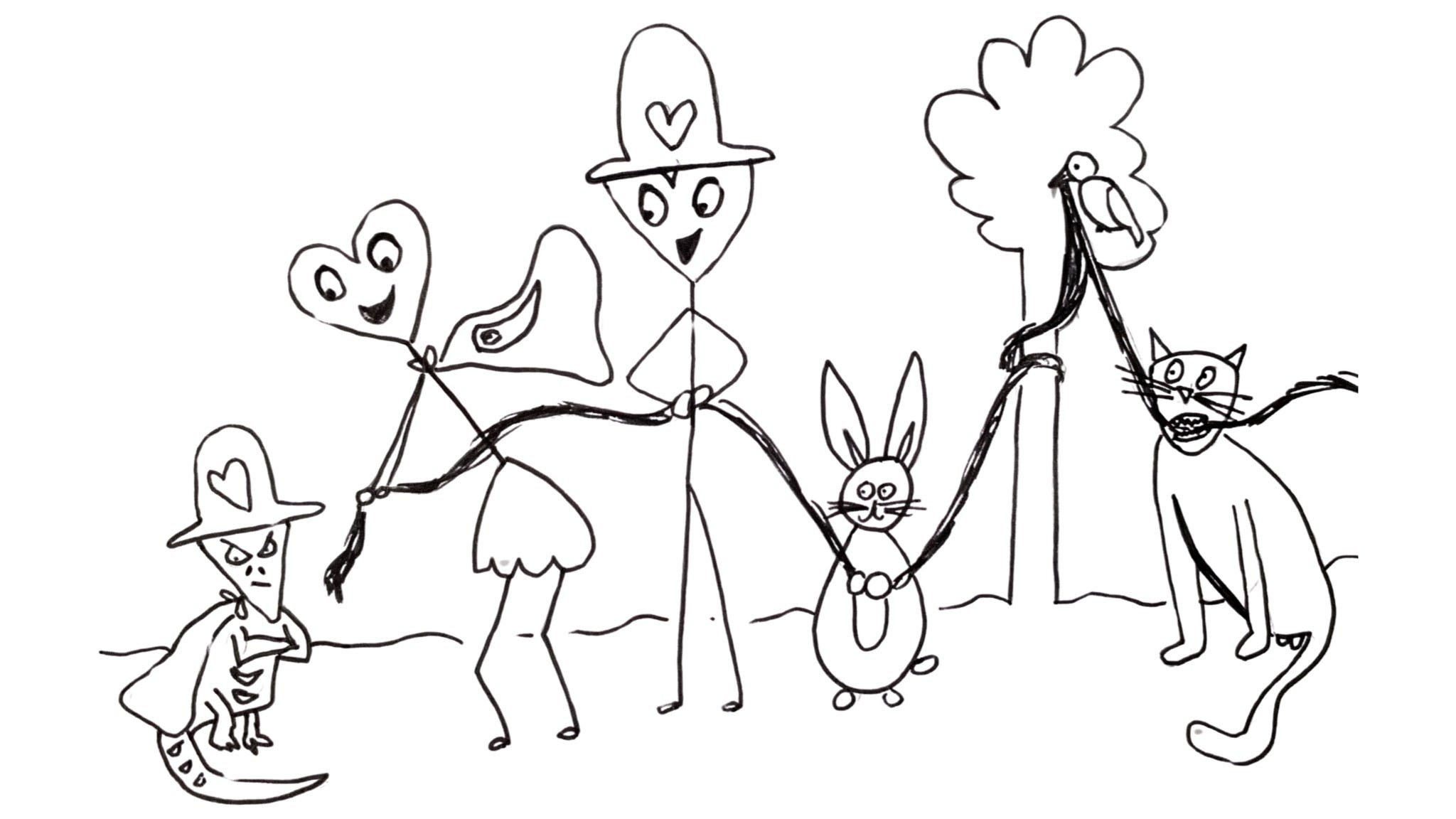
To that end, the systems-thinking of universal love:
recognizes the inherent value of each person
resists blaming individuals and instead looks at patterns in systems that create conditions for specific behaviors/actions
and understands that change takes time
That being said, many of us have not been trained in systems thinking, and even if we have been, it would be impossible for any one person to know all the workings of all the systems (humans and ecological) that impact each other in the world. This makes it hard to see or understand our interconnection (even when we study it). As such, universal love can seem irrelevant.
It reminds me of a review that I read the other day (for one of the nerdy books that I read on altruism97) where I found a meaningful question: this reviewer wanted to know why he would ever be altruistic. While he acknowledged that the book was helpful for someone who already wanted to become more altruistic, he wasn’t convinced that altruism was a good direction. He said that, contrary to studies, he doesn’t feel happy after helping others; he feels drained (I think Mother Teresa would have empathized. Despite her great services, she battled depression her whole life). Plus, any amount of time that he spent volunteering for a soup kitchen would just be more time away from his family. Why would he do that?
As his question seemed sincere and genuine (He wasn’t rude about it. He seemed curious ), I thought about it for a while, and here’s my response:
Caring for those in the soup kitchen is caring for your family. On the most basic level, each human being carries enormous potential, that, when nurtured, can make essential contributions to the whole. That being said, life can create circumstances that make it hard for us to care for our own needs, let alone to offer our gifts to others. Still, we have value, even at our lowest. Though our contributions when we’re wounded may not be visible, our value and potential for incredible contribution remain. Like fruit trees in a drought, when our conditions change, so does our ability to put food on the table.
Along the same lines, the principle of diversity (as a factor of resilience) calls for as many of us to realize our potential as possible; the more of us who can contribute positively, the stronger we are as a whole. What would have become of the world if Abraham Lincoln wasn’t able to survive his childhood poverty98? Or if George Washington Carver (the agricultural scientist who was central to restoring southern soils by introducing crop rotations after the dust bowl) wasn’t able to survive his impoverished beginnings99?
That being said, anytime someone in society doesn’t get their needs met, they are more likely to live in chronic stress. But chronic stress doesn’t always elicit peaceful behaviors. As such, walking down safe streets means caring for homeless people’s needs. Research shows that community welfare reduces community stress and improves safety100. So, if we want our families to feel safe in our neighborhood, it’s important that those in our neighborhood feel safe101.
A similar logic can be applied to loving our enemies: First of all, regardless of what harm someone may have done, neuroplasticity affirms that everyone has a potential to transform their brains to respond in more caring ways. In fact, sometimes folks who’ve transformed from being harmful to helpful carry a special kind of strength and compassion that isn’t found in those who haven’t had the same transformation (such as reformed gang members who help with gang prevention, or people who had addictions who help recovering addicts). For example, Clarence “Divine Eye” Maclin was sentences to 15 years in prison for robbery102. But, during his time in prison, he participated in Rehabilitation through the Arts (RTA), which helped him reconnect with his humanity through theater. Then, after being released, he began working for RTA so that that he could support other inmates103 (the movie Sing Sing was made about this program, and you can also watch a documentary about it called Dramatic Escape).
That being said, it’s worth noting that when it comes to loving our enemies, hating folks tends to make us less safe, not more. This is because when we hate or threaten others, they tend to feel even less safe with us. This makes them more defensive, and likely more irrational (which does not make us safer). Loving them, however, presents the possibility (though not guaranteed) that they will either: feel less threatened by us, and therefore act less aggressively, or that they will see our humanity, and become more caring. Again, it’s not a promise, but at least it’s a possibility.
For example, Daryl Davis (a black man), befriended members of the Ku Klux Klan by sitting with them, listening to them, and giving them respect; despite their hateful views, his heart was courageous. As a result, many decided to leave the organization, some offering him their robes to renounce their racism104.
Similarly, it was compassion that led the founders105 of Life After Hate to leave white supremacy. Here’s a couple of their stories: Arno Michaelis, a former white power skinhead, remembers being deeply impacted by a surprising kindness. Despite his hateful beliefs and appearance, a Black McDonald’s cashier refused to hate him106. This set the stage for his transformation107. Similarly, Angela King, a former member of violent white extremism, had a change of heart while in prison. Instead of being met with contempt from inmates of color, their kindness transformed her hate with a loving power108.
Indeed, compassion is a powerful form of emotional intelligence that can provide effective responses in conflict. As Arno Michaelis said, “When I talk about compassion, I talk about it as a tactical maneuver,” he said. “It’s a means of accomplishing an objective. And the objective is to bring about a society where all people are valued and included…And the way you do that is to bear witness to suffering, especially to people who don’t seem to deserve that witness.109”
With that in mind, in the book Talking to the Enemy: Faith, Brotherhood, and the (un)Making of Terrorists, anthropologist and political advisor Scott Atran discusses how understanding the true motives of terrorists (and the cultural conditions that create them) helps to better address terrorism. He explains that when we misunderstand their motives (seeing them as immoral nihilist or religious extremists), we risk perpetrating terrorism rather than quelling it. From his direct research studying multiple terrorist groups around the world, he found that most are actually small groups of close-knit individuals. Rather than being recruited by a centralized organization, they’re just people who seek a sense of purpose; they’re folks who crave belonging and dignity (just like all of us) in the face of circumstances that can feel unjust. As such, many terrorists are actually motivated by morality (though misdirected, obviously). With that in mind, efforts to eradicate terrorists that include bribes or violence tend to offend their “sacred values”, and deepen their commitment to terrorism. Conversely, Altan found that gestures of respect, dignity, and apology open the doors to reconciliation much more effectively. Overall, he suggests that by humanizing terrorists, and looking systemically, there is hope for peace.
With this in mind, many rehabilitations program are not only focused on providing folks with dignity and respect, but also with opportunities express universal love themselves. For example, in a Missouri maximum-security prison, inmates enrich their lives by making quilts for foster children (watch the documentary The Quilters about it ). Similarly, in Colorado, inmates who are re-entering society gain confidence when they’re offered the opportunity to rehabilitate rescue dogs for children with medical needs (watch the PBS special about it Nothing Safer). Similarly, the Sustainability in Prisons Project offers inmates an opportunity to participate in environmental efforts, often leaving inmates with a renewed sense of self-worth and meaning (read some of their stories here).
With this in mind, universal love is a more than two-way street of positivity; it’s a web of benefits for everyone: from those who are being loved (and everyone connected to those being loved), to those who are doing the loving (and everyone connected to those doing the loving). In all ways, in all systems, for all the pieces: universal love brings tremendous benefit.
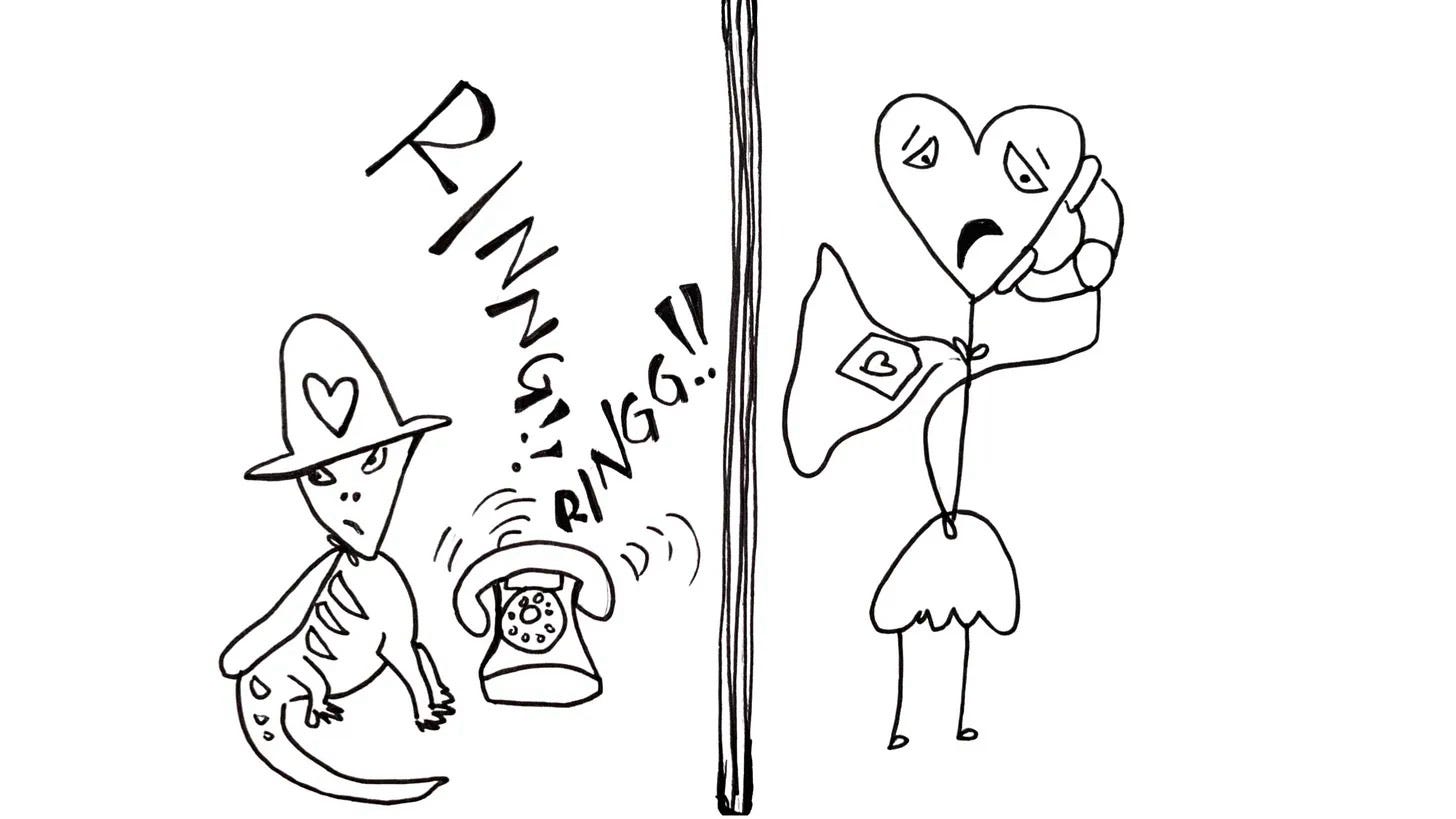
All that being said, no matter how much we may understand the logic of loving strangers, our enemies, or the environment, universal love can still be very difficult to achieve. I’d even say it’s an adaptation (which usually takes ages and ages). Sure, we know how to care for our kin (at least generally speaking). And, sometimes we can care for those who’ve got our backs. But to care for those who are a pain-in-our-necks? That’s beyond the scope of what we’ve evolved to do. We’re not made to love our enemies, let alone the freaking fish. Why should I care about the river when I’ve got laundry from three kids?
Scientifically speaking, the challenge is that our brains have evolved to:
prefer simplicity over complexity
prioritize emotion over logic
seek personal gain over lending a hand
and forego the long-term for immediate demands
As such, universal love can feel pretty far removed from our everyday lives, making it easy for love to be upstaged by immediate strife. Here’s the problem: If A creates B. Then, B creates C. Then C creates D. How can I care about U if I’m still worried about I?
So, though we can point our fingers at short-sightedness or selfishness, the reality is that such characteristics are really quite human.
The challenge is that the conditions we evolved under are vastly different than the ones that we find ourselves in today, calling for different strategies for resilience. For example, under the conditions that we evolved in, human violence was limited to muscles and hand-tools, making mass murder more difficult. But, now, with automatic weapons, our knee-jerk reaction can result in the murder of many in seconds. Furthermore, in-group/out-group dynamics combined with hierarchy conflicts can result in slaughter like never before, or even mass extinction (as nuclear winter could be caused by nuclear conflict110).
As such, universal love is the next phase of our evolution. It’s the next scale: First love came intimately, with our family. Then it scaled out to our group and community. Now, as we’ve become global, so do our hearts, as we grow love for every single part (even those that are hard). It’s humanity’s heroic challenge: to develop the restraint and generosity that’s needed to serve Life, transcending the limits of our hearts and minds so that we can be the Earth’s greatest keepers, driven by the love that holds us together.
Though this is a tall order for brains that evolved to prefer simplicity, the short-cut is simple: I’ve seen enough proof that everything in life serves a purpose that I don’t need to understand every casual relationship for me to trust that there’s always more value than meets the eye, and that your wellbeing is always related to mine.
Mother Teresa, for example, may not have known exactly what purpose it served to help people who were already dying. How would they contribute to life if they weren’t even surviving? Similarly, Oskar Schindler and Rick Roscola didn’t need summaries of the skills and talents of everyone they saved. They just knew the value of life, and trusted the empathy of grace.
Indeed, systems of life are so flippin’ vast and complex that there’s no way that any of us can fully grasp our impact. As such, I may not always understand why or how love matters, but I can trust, unequivocally, that it does.
That being said, the heroics of universal love don’t necessarily result in immediate applause. In fact, due to lag-times, we might not ever see what our hearts have caused. As such, universal love can feel extremely lonely, unfair, and even painful (which can be discouraging to our reward-systems, and make it hard to be faithful).
For that reason, with every heartbreak and clench of my fists, when my heart-rate rises in terror and fits, I remind myself that I’m here for this:
To find a way to love it all, through the ups and the downs, the rise and fall.
It’s a practice, and a miracle.
Though we may not be born heroes, and we might not even have the inclination, our lives can become heroic with a little love and patience. Heroics don’t just happen in big and scary times -they happen in all the little things that merge our hearts and minds:
Every time I consider someone else’s needs in the face of my own challenges, when I restrain my impulses for the sake larger systems,
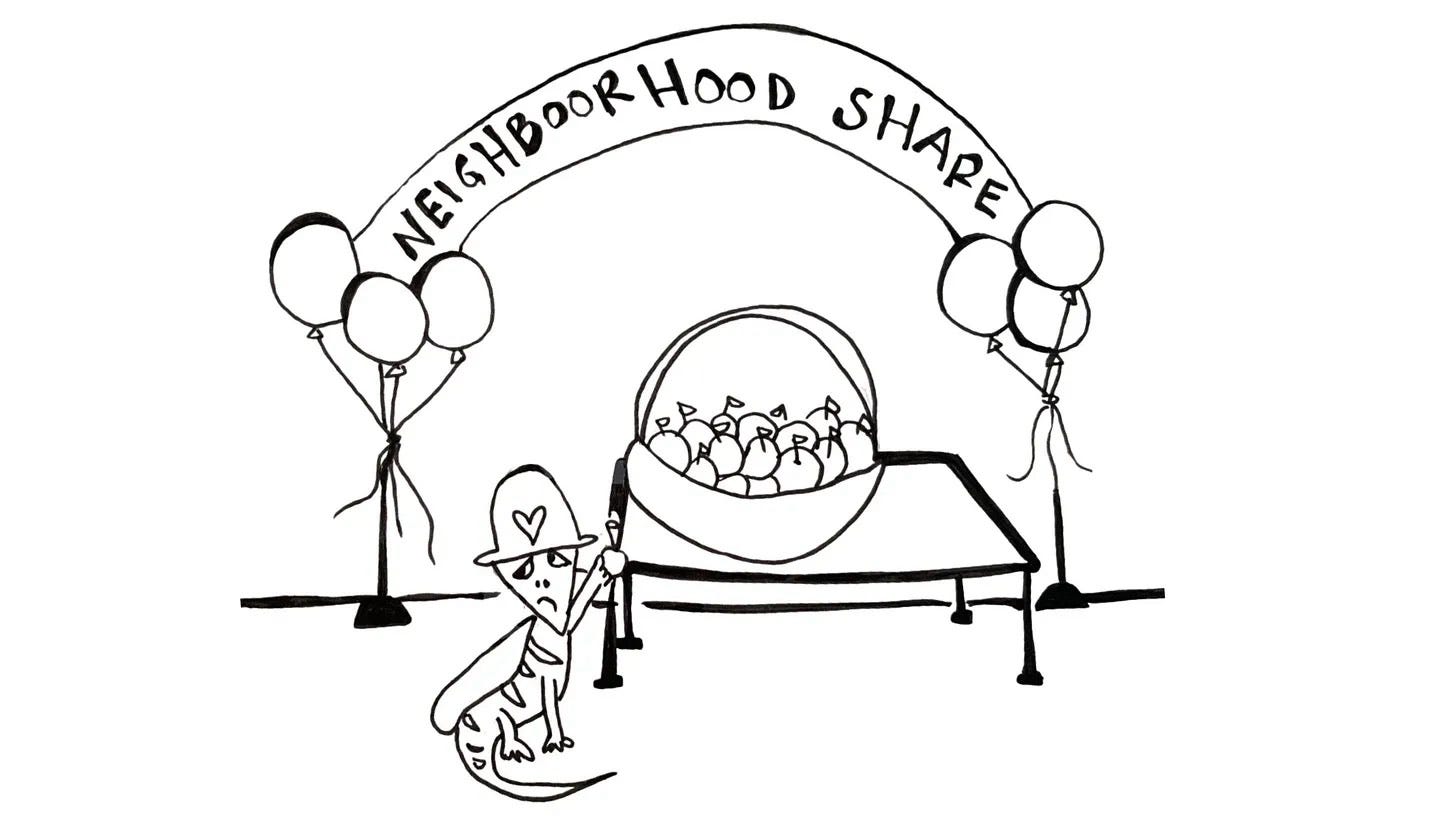
When I become aware of myself with love and mercy, then extend that awareness to those around me,
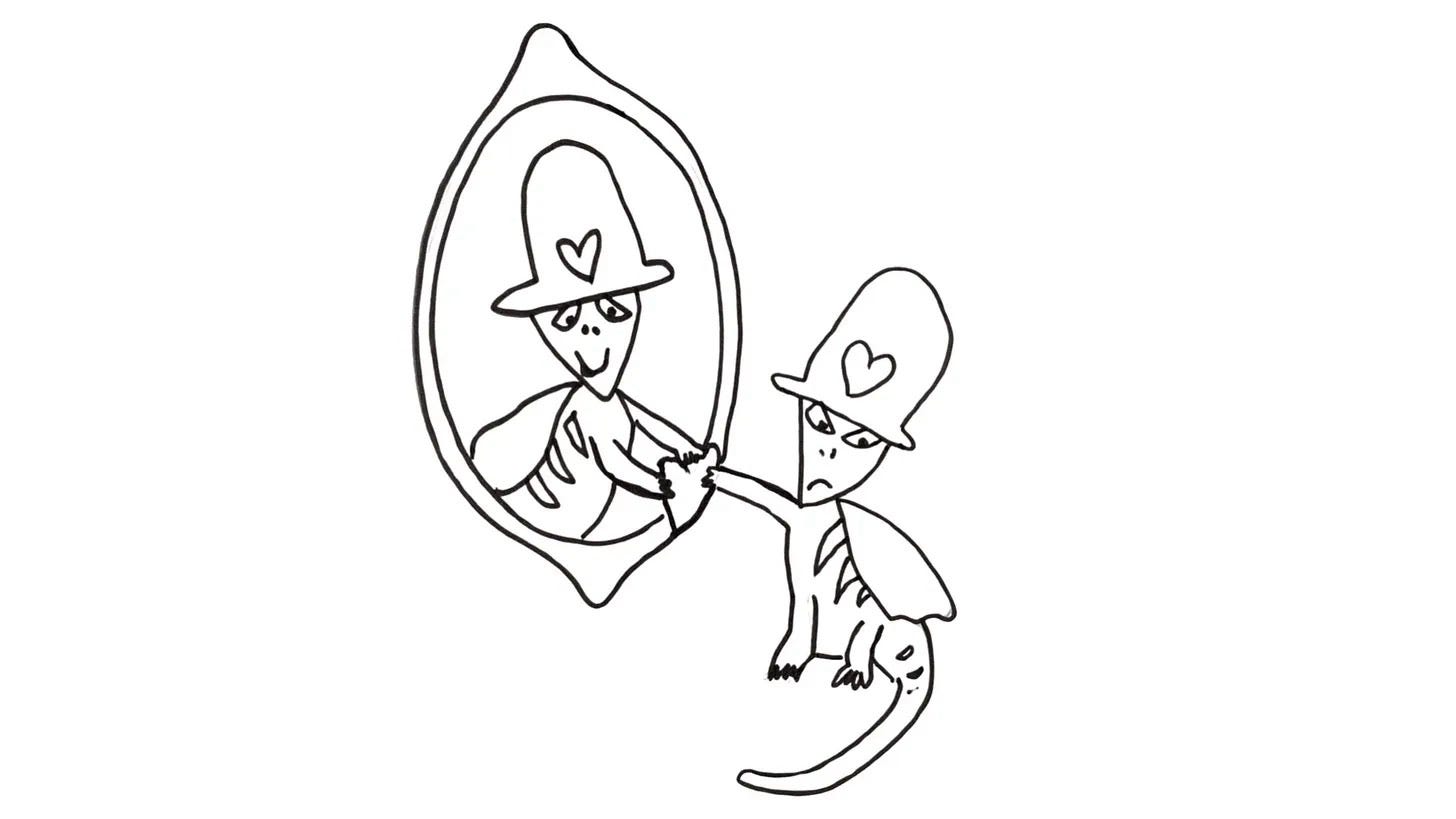
When I feel wronged, yet resist retaliation with compassionate boundaries and forgiveness
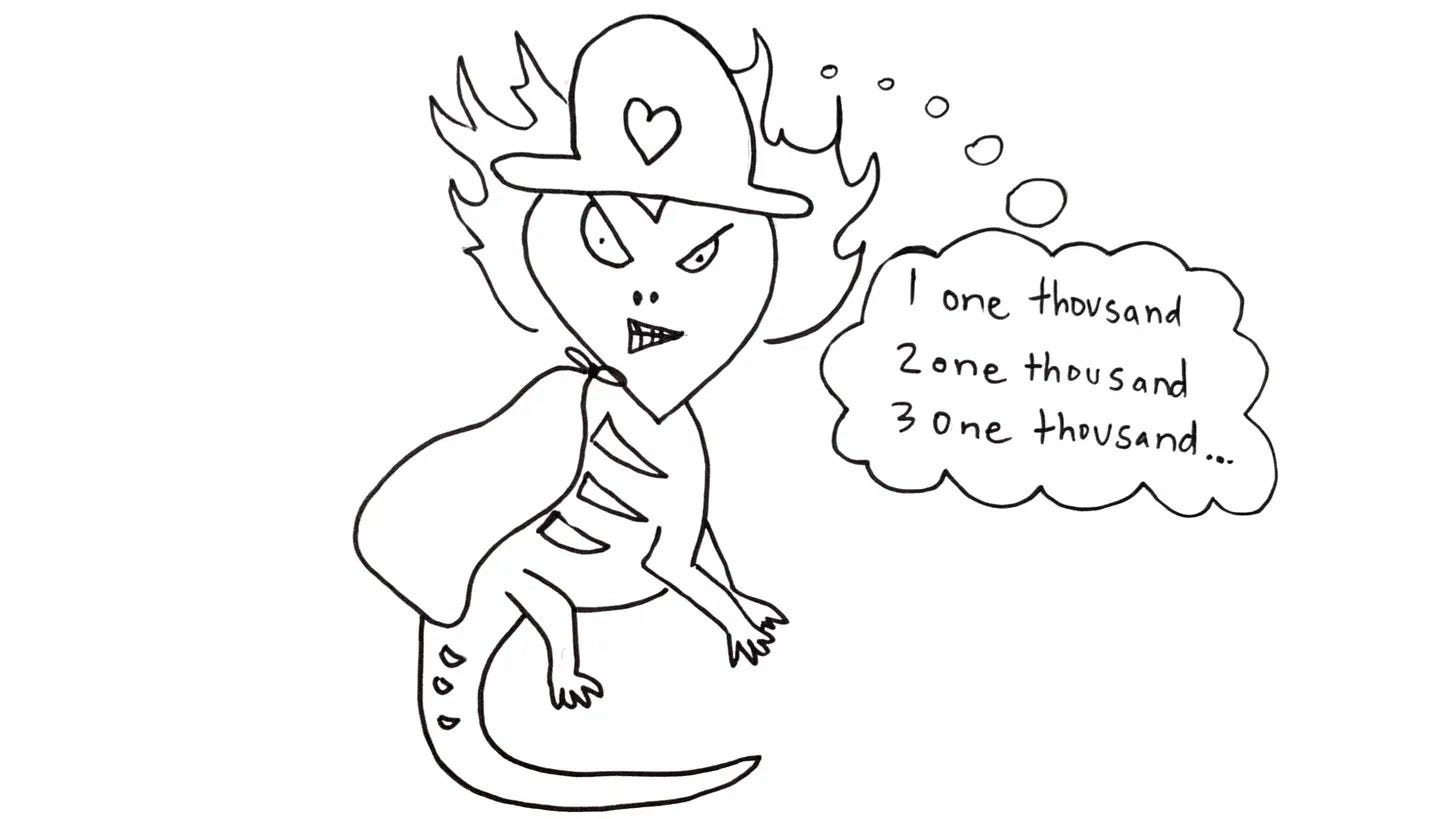
I build my courage (and power) to live in love, as a feat of nature and the return of the dove-
Peace grows here.
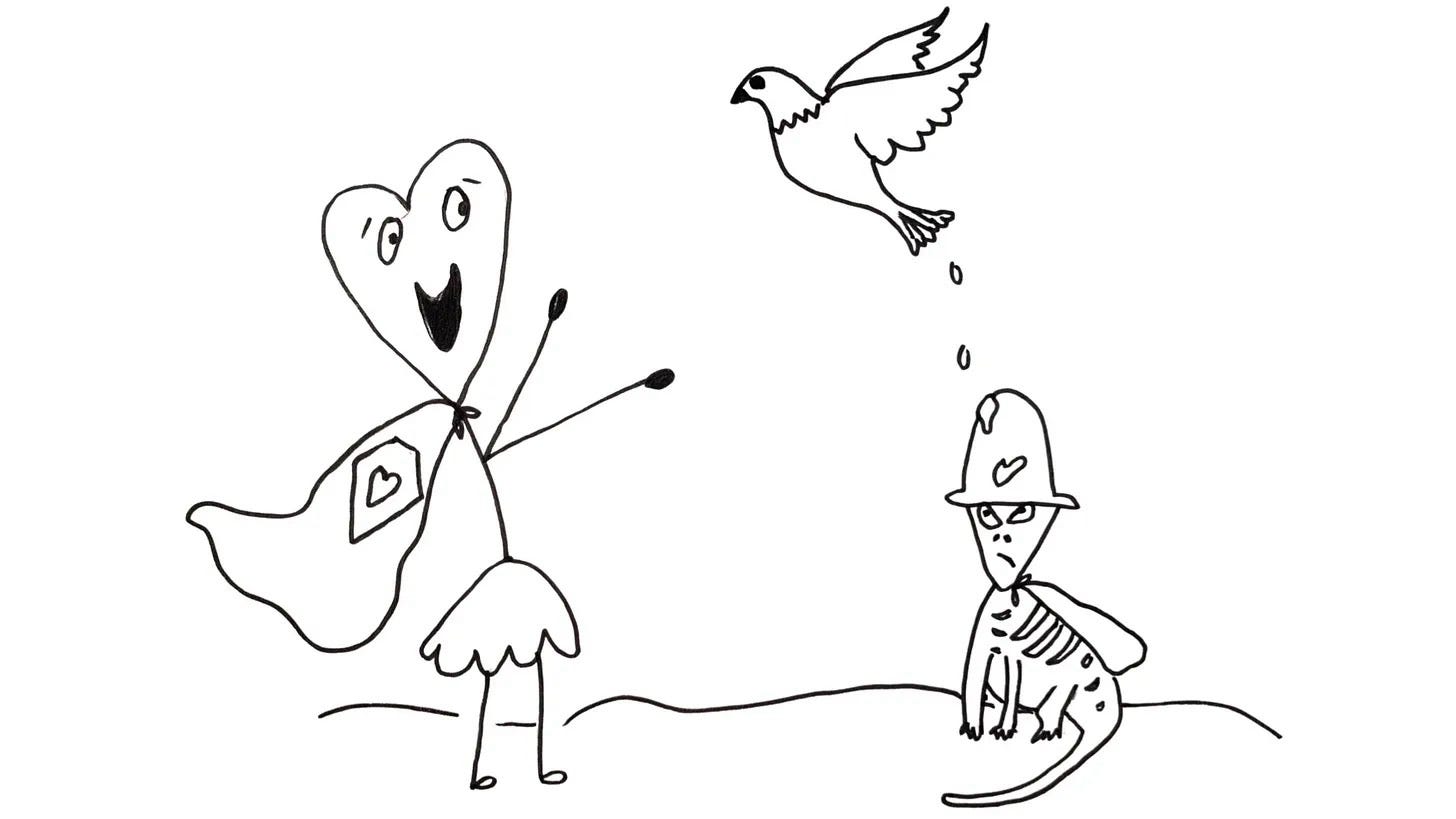
Even so, how we do it is a bit of a mystery. Though there are tons of tools and practices that help immensely, I’ve still gotta work on it -certainly! I tend to run cold in the morning (and will hardly say hello). When I get my feelings hurt, I still tend to withdraw. I can still be blunt in my delivery; and when it comes to gluten-n-cheese-free pizza, I can still get greedy.
Yet there’s still something in me that continues to aim, even in the face of failure, heartbreak and pain. Though I may falter, one thing is certain: my love gets stronger in your reflection:
To you this song is dedicated.
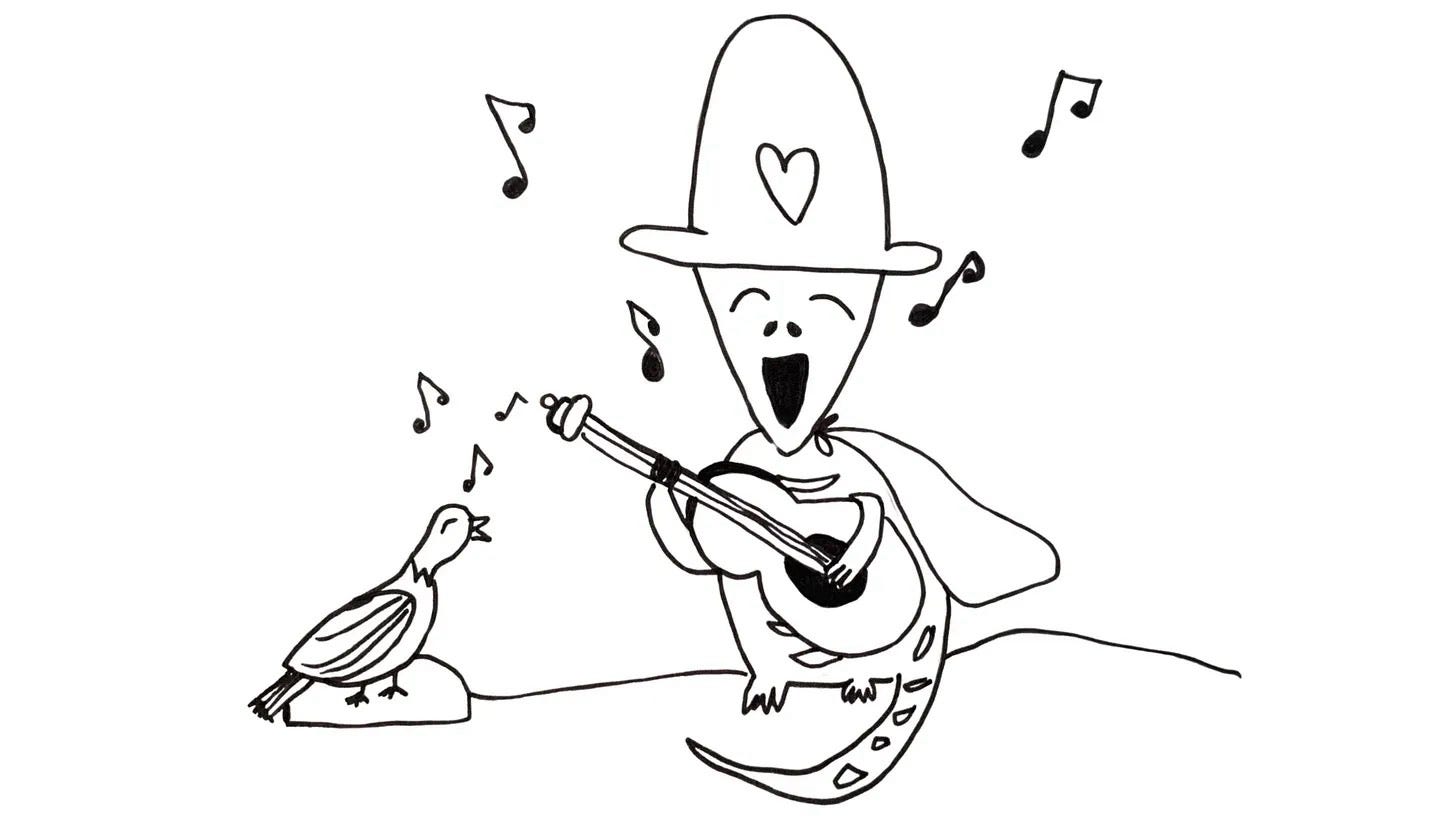
In our darkest moments, may love find us mercifully.


(and read the stories and science behind the songs)
Follow "Love Notes to Our Nature"
https://thebulletin.org/doomsday-clock/
https://en.wikipedia.org/wiki/Mother_Teresa
https://www.coffeeordie.com/article/rick-rescorla-september-11
https://encyclopedia.ushmm.org/content/en/article/oskar-schindler#:~:text=During World War II, Schindler,forced laborers as he could.
https://www.providencejournal.com/story/news/2016/09/03/mother-teresa-despaired-that-god-had-abandoned-her/25522998007/
https://pmc.ncbi.nlm.nih.gov/articles/PMC4850877/
https://www.sciencedirect.com/topics/agricultural-and-biological-sciences/kin-selection#:~:text=Kin selection is defined as,and altruistic behaviors within groups.
https://www.frontiersin.org/journals/endocrinology/articles/10.3389/fendo.2024.1272270/full
https://www.psychologytoday.com/us/blog/natured-nurture/202302/the-evolution-of-the-love-hormone#:~:text=Oxytocin promotes love, care, and,love hormone we know today.
https://plato.stanford.edu/entries/altruism-biological/#:~:text=The problem of altruism is,group containing a lower proportion.
https://thriveglobal.com/articles/the-science-of-the-helpers-high
https://thedecisionlab.com/biases/in-group-bias
https://pubmed.ncbi.nlm.nih.gov/20538951/
https://www.sciencedirect.com/science/article/pii/S0306453013002369#:~:text=One of the underlying mechanisms,et al., 2012).
https://pmc.ncbi.nlm.nih.gov/articles/PMC4585332/#:~:text=A growing number of neuroscientific,., 2005), decreased.
https://thedecisionlab.com/reference-guide/psychology/group-conformity
https://pmc.ncbi.nlm.nih.gov/articles/PMC3332233/#:~:text=Our goal is to demonstrate,on the second as well.
https://www.unsw.edu.au/newsroom/news/2019/03/our-brains-reveal-our-choices-before-were-even-aware-of-them--st#:~:text=Follow-,Our brains reveal our choices before we’re even aware,resonance imaging (fMRI) machine.
https://pbs.dartmouth.edu/news/2013/03/neuroscientist-says-humans-are-wired-free-will#:~:text=The way around this problem,occurs via rapid synaptic reweighting.”
https://www.simplypsychology.org/hard-determinism.html#:~:text=Arguments in favor of hard determinism
https://www.nationalgeographic.com/science/article/unconscious-brain-activity-shapes-our-decisions#:~:text=Unconscious brain activity shapes our,brain involved in planning movements.
https://www.thoughtco.com/biological-determinism-4585195#:~:text=Biological determinism is the idea,Biological Determinism Definitio
https://plato.stanford.edu/archives/spr2013/entries/compatibilism/#:~:text=Compatibilism offers a solution to,between moral responsibility and determinism.
https://pmc.ncbi.nlm.nih.gov/articles/PMC6710585/#:~:text=This principle of alternative possibilities,in exploration and outwitting adversaries.
https://pmc.ncbi.nlm.nih.gov/articles/PMC10023494/#:~:text=Role of the Ventrolateral Prefrontal,facilitate them (Figure 2).
https://www.sciencedirect.com/science/article/pii/S0006899325002021
https://pbs.dartmouth.edu/news/2013/03/neuroscientist-says-humans-are-wired-free-will#:~:text=The way around this problem,occurs via rapid synaptic reweighting.”
https://penntoday.upenn.edu/news/Penn-research-self-awareness-behavior-change-reprogram-brain-reward-system#:~:text=“The idea is that the,gets reinforced” in the brain.
https://www.research.colostate.edu/healthyagingcenter/2022/05/31/how-to-rewire-your-brain/
https://www.psychologytoday.com/us/blog/flourish-and-thrive/202002/6-powerful-ways-build-new-habits#:~:text=Brain science is showing us that when,new connections as we learn (2010; 2012).
https://pmc.ncbi.nlm.nih.gov/articles/PMC3203022/#:~:text=Not%20only%20is%20it%20possible,the%20consequences%20of%20potential%20actions.
https://effectiviology.com/belief-bias/
https://neurosciencenews.com/simple-explainations-psychology-29879/#:~:text=Summary:%20New%20research%20shows%20that,explanations%20may%20be%20more%20accurate.
https://thedecisionlab.com/biases/self-serving-bias
https://thedecisionlab.com/biases/confirmation-bias
https://www.psychologytoday.com/us/blog/solutions-for-conflict/202512/the-dopamine-loop-why-arguments-are-hard-to-let-go#:~:text=Winning%20an%20argument%20produces%20a,harder%20to%20resolve%20over%20time.
https://www.psych2.phil.uni-erlangen.de/~oschult/humanlab/publications/wws2006.pdf
https://theconversation.com/what-an-unusual-fossil-reveals-about-parental-care-among-pre-mammalian-ancestors-158645#:~:text=Daddy%20takes%20care%20of%20the,years%20ago%20in%20South%20Africa.
https://middleburymagazine.com/essays/apocalypse-now/#:~:text=By%20the%201990s%2C%20however%2C%20articles,more%20plausible%20than%20we%20realize.
https://pubmed.ncbi.nlm.nih.gov/36972106/
https://en.wikipedia.org/wiki/Hero%27s_journey
https://pmc.ncbi.nlm.nih.gov/articles/PMC7784709/
https://oceanservice.noaa.gov/facts/watershed.html
https://en.wikipedia.org/wiki/Drainage_basin#:~:text=A%20drainage%20basin%20is%20an%20area%20of,at%20river%20confluences%2C%20forming%20a%20hierarchical%20pattern.
https://education.nationalgeographic.org/resource/science-art-meteorology/
https://ecolonomics.org/how-forest-ecosystems-help-regulate-climate-patterns/#:~:text=Forest%20Ecosystems%20and%20Local%20Climate,climates%20for%20people%20and%20wildlife.
https://www.iflscience.com/what-are-the-amazons-flying-rivers-and-why-every-single-one-of-us-relies-on-them-80019
https://www.stvincent.edu/assets/docs/academic-conference/academic-conference-201/ES_Shreffler_Effects%20of%20Precipitation%20on%20the%20Salinity%20of%20the%20Amazon%20River%20Discharge.pdf
https://science.nasa.gov/earth/earth-observatory/amazon-river-in-the-atlantic-ocean-7021/#:~:text=Here’s%20some%20information%20about%20the%20Amazon%20River,*%20Feed%20a%20diverse%20population%20of%20fish
https://seos-project.eu/oceancurrents/oceancurrents-c05-p03.html#:~:text=Rivers%20flowing%20out%20into%20the,for%20the%20direction%20of%20flow.
https://lifestyle.sustainability-directory.com/term/oceanic-interconnection/#:~:text=Understanding%20the%20Basics,communities%20that%20rely%20on%20it.
https://oceanexplorer.noaa.gov/ocean-fact/climate/
https://www.britannica.com/science/patch-dynamics
https://pubmed.ncbi.nlm.nih.gov/28308192/
https://nativeseedgroup.com/resources/blog/how-do-plants-help-in-erosion-control
https://pollution.sustainability-directory.com/term/ecosystem-functional-redundancy/#:~:text=Meaning%20→%20System%20Resilience%20Redundancy,essential%20functions%20during%20disruptive%20events.
https://lifestyle.sustainability-directory.com/term/balancing-feedback-loops/#:~:text=Academic,structural%20integrity%20of%20the%20system.
https://pollution.sustainability-directory.com/area/positive-feedback-loops/
https://pmc.ncbi.nlm.nih.gov/articles/PMC7784709/
https://pollution.sustainability-directory.com/term/regime-shifts/
https://pollution.sustainability-directory.com/area/ecological-tipping-points/
https://pollution.sustainability-directory.com/area/forest-fire-feedback-loops/#:~:text=sustainable%20land%20management.-,Resilience,impacts%20on%20tourism%20and%20recreation.
https://pmc.ncbi.nlm.nih.gov/articles/PMC12572683/
https://iopscience.iop.org/article/10.1088/1748-9326/ab738e#erlab738es4
https://news.mongabay.com/2020/07/scientists-measure-amazon-drought-and-deforestation-feedback-loop-study/#:~:text=The%20Amazon%20rainforest%2Dto%2Dsavanna%20tipping%20point%20is%20a,0.13%25%20of%20deforestation%20per%20millimeter%20of%20rain**
https://passel2.unl.edu/view/lesson/2e6e3c012632/3
https://earthjustice.org/feature/infographic-wolves-keep-yellowstone-in-the-balance
https://greateryellowstone.org/yellowstone-wolf-reintroduction#:~:text=Yellowstone%20National%20Park%20is%20recognized,Montana%2C%20Idaho%2C%20and%20Wyoming.
https://lifestyle.sustainability-directory.com/term/causal-relationships/
https://lifestyle.sustainability-directory.com/area/time-delays-in-systems/
https://lifestyle.sustainability-directory.com/term/slow-variables/#:~:text=Academic,known%20as%20a%20regime%20shift.
https://lifestyle.sustainability-directory.com/area/niche-diversity/#:~:text=Within%20sustainability%20frameworks%2C%20niche%20diversity,%2C%20promoting%20long%2Dterm%20viability.
https://www.nature.scot/doc/beaver-management-report-2022
https://www.nature.scot/professional-advice/protected-areas-and-species/protected-species/protected-species-z-guide/beaver/protected-species-beavers#:~:text=Beavers%20in%20Scotland,-Beavers%20are%20protected&text=Beavers%20benefit%20nature.,economic%20benefits%20such%20as%20ecotourism.
https://www.usu.edu/today/story/usu-center-relocates-beaver-as-land-managers-see-benefits-of-rodents-residence#:~:text=The%20Beaver%20Ecology%20and%20Relocation%20Center%20at,*%20**Increasing%20biodiversity**%20*%20**Improving%20water%20quality**
https://www.gov.scot/news/protecting-scotlands-beaver-population/#:~:text=The%20Scottish%20Government%20will%20actively,reach%20in%20the%20short%20term.
https://www.activesustainability.com/environment/soil-conservation
https://www.smithsonianmag.com/smart-news/3000-years-humans-alterations-chinas-yellow-river-created-catastrophic-situation-exists-today-180951815/#:~:text=By%202%2C000%20years%20ago%2C%20they,for%20quite%20a%20long%20time.%22
https://www.pbs.org/wgbh/nova/article/dealing-deluge/
https://www.worldbank.org/en/news/feature/2007/03/15/restoring-chinas-loess-plateau#:~:text=Natural%20resources%20were%20protected:%20Uncontrolled,to%20provide%20emergency%20food%20aid.
https://storymaps.arcgis.com/stories/0aad088bf1ba46db8af3cc62bc2e88cc
https://storymaps.arcgis.com/stories/0aad088bf1ba46db8af3cc62bc2e88cc
https://cgspace.cgiar.org/server/api/core/bitstreams/cd53005c-344e-4eb2-92c3-81f41a24717d/content
https://www.weforum.org/stories/2015/06/how-does-life-on-earth-recover-after-a-mass-extinction/#:~:text=Crocodiles%20and%20alligators%20–%20the%20closest,what%20evolves%20to%20replace%20us.
https://en.wikipedia.org/wiki/It%27s_a_Wonderful_World_(1939_film)
https://en.wikipedia.org/wiki/2020–2023_global_chip_shortage#cite_note-Yahoo-1
https://finance.yahoo.com/news/these-industries-are-hit-hardest-by-the-global-chip-shortage-122854251.html
https://finance.yahoo.com/news/inflation-chip-shortage-commerce-secretary-122005269.html
https://en.wikipedia.org/wiki/2020–2023_global_chip_shortage
https://www.history.com/articles/abraham-lincoln-childhood-facts
https://www.sciencehistory.org/education/scientific-biographies/george-washington-carver/#:~:text=The%20Carvers%20raised%20George%20and%20gave%20him,who%20encouraged%20him%20to%20enroll%20in%20college
https://www.sciencedirect.com/science/article/pii/S2212267224001242#sec4
https://www.cdc.gov/community-violence/prevention/index.html#:~:text=When adults in families and,and communities and stop violence.
https://en.wikipedia.org/wiki/Clarence_Maclin#:~:text=When%20he%20was%2029%2C%20Maclin,Haven%20in%20Somers%2C%20New%20York.
https://rta-arts.org/clarence-divine-eye-maclin/
https://www.npr.org/2017/08/20/544861933/how-one-man-convinced-200-ku-klux-klan-members-to-give-up-their-robes#:~:text=toggle%20caption,and%20having%20dinner%20with%20people.
https://lifeafterhate.org/history/#:~:text=In%20January%202010%2C%20Arno%20Michaelis,)(3)%20non%2Dprofit%20organization
https://www.theforgivenessproject.com/stories-library/arno-michaels/
https://www.dailynebraskan.com/news/former-white-supremacist-promotes-compassion-over-hate/article_1176710e-d35e-11e8-9c5c-4f2f5afe9596.html
https://www.bbc.com/news/magazine-40779377
https://www.dailynebraskan.com/news/former-white-supremacist-promotes-compassion-over-hate/article_1176710e-d35e-11e8-9c5c-4f2f5afe9596.html
https://www.rutgers.edu/news/nuclear-war-would-cause-global-famine-and-kill-billions-rutgers-led-study-finds
Comments
Nothing yet. Say the first thing.
Sign in to join the conversation.