
When I listen to music on the radio, one thing that I find reassuring is that I’m not alone in my struggles with love. Whether it’s songs of heartbreak, longing, lust, regret, rage or insecurity, the tunes of our time reflect quite clearly that this love thing is tough -for all of us.
I love that about art. I love how art makes a mirror of the human condition that offers us a unified vision in which whoever we are, and wherever we come from, each of our hearts is seen and welcome.
Artists throughout time and around the world have used their creative process to endure and overcome their challenges. From poverty to illness, abuse to discrimination, loss and injury to chronic depression -art forged of hardships becomes a beacon of empathy and resilience.
That’s why, in the final post for this series, I’m closing with an overview of art’s applications: to nourish and guide the heart’s evolution.
So far we’ve looked at the science behind why love’s hard. And, we’ve established that, even though love’s hard- it’s worth it. Now, in this final post, I offer tangible tools to help us through it. If humanity’s heroic call is to evolve our love into universal stages, then we need some tools to help us with it.
Enter art.
Enter the voice of Tina Turner1, who never let abuse deter her. Beaten and battered but never defeated -enter what love has got to do with it.
Enter the heart of El Divo de Juárez2, who tenderly held us without any bias. With nothing in pocket but love and sequins -enter the hymn of heartbreak and healing.
Enter the eyes of Margaret Keane3, who found a way for her love to be seen. Hidden and isolated, but never erased -enter the courage of an honest face.
Enter the gentle hands of Hafiz4 who found life and light inside of grief. Even in exile, and even in loss -enter the beloved of longing and awe.
Enter the spine of Shi Tiesheng5, who found a way for us all to belong. Paralyzed in body but never ill-hearted -enter the grace of a loving presence.
Enter the bravery of Mark Twain6, who refused to make his brother a slave. Despite every pressure to shackle and cage -enter the courage to liberate.
Enter the “Great Nature” of Obata7 that could not be contained by schemata. Beyond the prison of discrimination -enter the landscape of inner-freedom.
Enter the caged bird who continues to sing. Enter the pain that became a painting. From Maya8 to Frida9, enter the art of turning tragedy into the start of a world where love has become the compass:
through all our flaws, and with all our forgiveness,
enter the beauty of being human.
(to learn about the artists that I name in this post, read the footnotes).
In this post, I’ll share how the arts can heal our hearts. For over a decade I’ve been developing an approach to artistry that’s designed to grow love and peace. This approach has drawn on:
my credentialing as a teacher, where I learned the basics of social, emotional and cognitive development.
my interdisciplinary studies in psychology, sociology, and language (as my majors in college)
my training and experience in facilitating community arts for personal and collective transformation
my credentialing in hypnotherapy, which showed me two important things: how our lives can change when change how we see our history, and how we can use repetition, color, sound, shape and symbol therapeutically
my experience as an activist, in which I realized that the peace that I make within me, and within my family, is fundamental to the peace that I make in my community, and globally.
and Something Else that I can’t explain, but that guides me in love, everyday.
Most importantly, I’ve developed my creative practice through the artistry of my own transformation, which has included overcoming debilitating anxiety and depression.
(Note: this post is not meant to substitute for licensed mental heath support).
That being said, before I get into the all nerdy science, let’s define some core components:
(cuz, like love, lots of people have lots of ideas about what art is and isn’t)
In this post I’ll be talking about both making and witnessing art. The first part is about the benefits of making art (for the artist), and the conclusion is about art as a service (to the audience).
In any case, when I talk about the arts in this post, I’m specifically talking about reflective arts, which are any creative act that’s meant to reflect the-life-experience with love.
Reflective arts are often related to stories. Sometimes these stories are told directly (like in songs, novels or movies), while others are told indirectly (like in paintings or poems that trigger memories). In any case, stories are an essential part of reflective arts because they help humans understand who we are10.
With that in mind, reflective arts can be done by anyone. You don’t need to consider yourself creative or talented. You don’t need training or recognition. Frida Kahlo, for example, was a self-taught artist11 whose paintings were initially rejected1213.
Furthermore, as reflective arts are process-based, you don’t need to share the art that you make (though, if you do, it’s likely that others will benefit too). Emily Dickinson14, for example, didn’t publish her poems while alive, but they revolutionized poetry after she died. Vincent Van Gough15 only sold a few paintings in his life, but his work inspired expressionism after he died.
With this in mind, while great products are often created from reflective arts, that’s not the point. Instead, the purpose is to use the process of reflective arts to create love and peace in our lives. Here, tangible works (such songs, stories, poems, and pictures) are tools or relics of our journeys where the real product is the impact: the conflict that we navigated better than before; the confidence we had to knock on the door; the courage we found to say no sometimes; the wealth we created when we shared our prize; the tired moments when we didn’t lose heart; the mercy we found when we fell apart; the love we felt when we looked in the mirror; the peace we made in coming together.
That being said, it feels important to appreciate the fact that not all art is aiming for the nerdy evolution of the heart, nor is it all centered in story. Indeed, different art serves different purposes, such as to entertain, expose, reveal, or challenge. As each purpose has its own methods, my approaches may not apply to every intention (and I certainly don’t consider them overarching measurements).
With that in mind, if you’re an artist already, I kindly ask you to resist using what I’ve written here to evaluate what you’ve already created (which I’m sure is fantastic!). I’m confident that what you’ve made has served a worthy purpose.
Instead, I offer these creative perspectives and approaches:
To provide hope for those of us who struggle with love (for ourselves or others). Though love is an awesome mystery (who knows why Cupid strikes), we don’t have to wait around for love to fall from the sky. There are practices that help our hearts, which happen to be fun, and full of art.
For my niece and nephew (and everyone who’s newly called to the arts), I’ve written this post to give a head start. Though technique and performance are often taught in schools, I also want to provide psychological tools.
For folks who are already artists, I aim to reflect the value of creative work. As the arts are often overlooked as an essential social service, this post provides proof (that’s scientific) that the arts are essential to growing peace: between cities and countries and the birds and the bees; between black and white and the sky and sea; between up and down, and between you and me -artists breathe life into love and peace.
That being said, one of the things that I love most about making art is the mystery of it. Though this post enthusiastically shares the science behind what makes the arts effective, science has yet to explain the mysteries of the creative. Indeed, the origin of new ideas remains unknown: we can see where they happen in the brain, but we don’t know how. That being said, I cherish the mystery of creativity, and aim to support our creative inklings.
If you’re new to this series, you can get a much better idea of what I mean by heroic hearts by reading the previous post.
Still, to review, the heroic heart is one that:
Finds a way to make the best out of every situation; it is resilient.
Evolves itself to overcome the heart’s mammalian limits.
That being said, heroic love is the evolutionary feat of our species to love universally in the name of peace. It says that though we have been wired to fight, we still can create love in our lives. Has any other species evolved so purposefully? So far, there’s only been speculation. But we have the opportunity to write to history as a species who shaped our love so completely that all of life thrived in our wake.
Peace, like love, can be tricky to define as it exists within the complicated web of life. With this in mind, what feels like peace on one scale might not feel so peaceful on others. For example, on the largest scale, the definition of peace is pretty straightforward: it’s life thriving in harmony with all of its pieces, through all of its endless changes and challenges. But on a smaller scale, do lizards thrive when they’re eaten by a hawk? What’s peace for baby bunnies when they lose their mom?
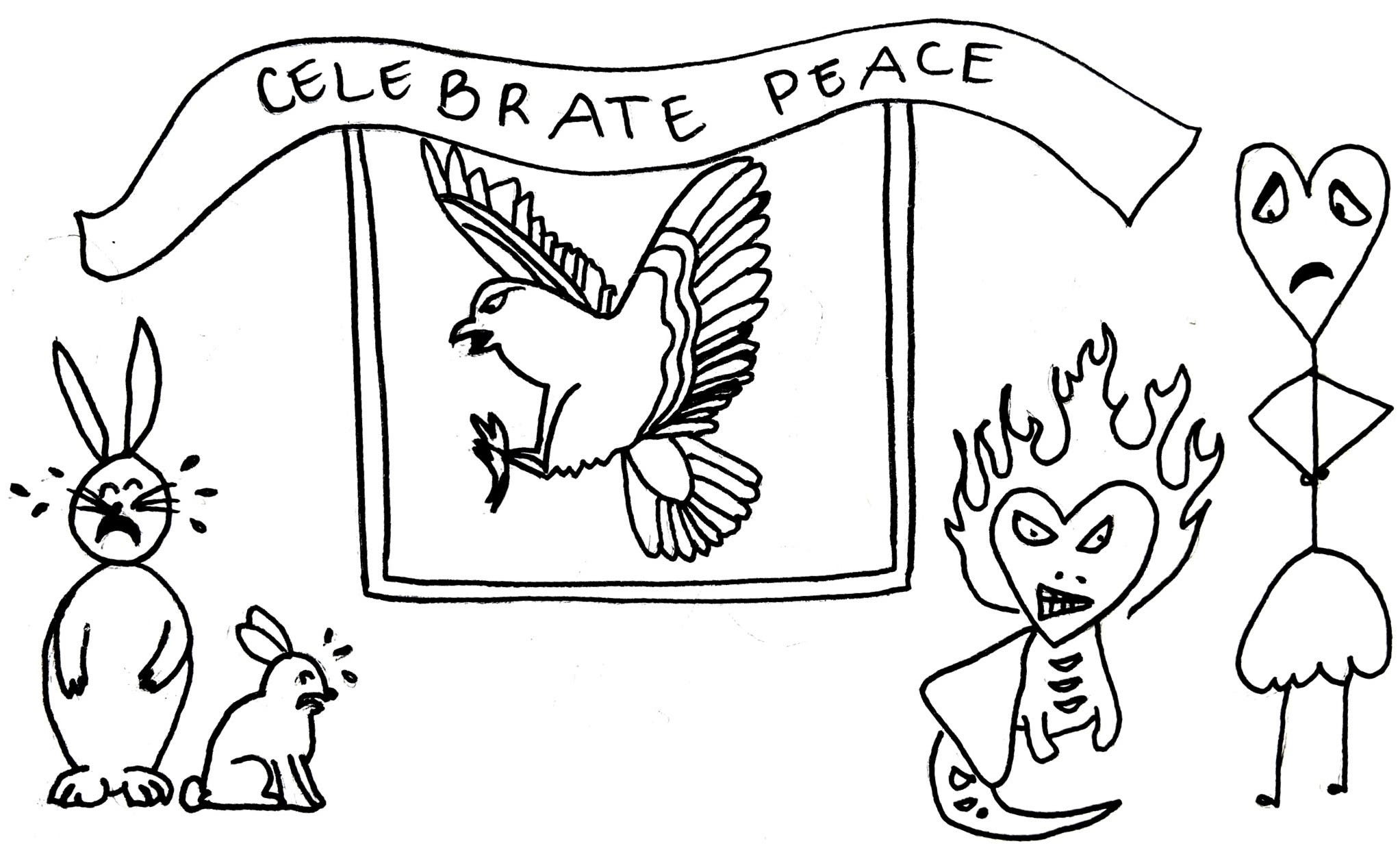
With that in mind, the nitty-gritty of peace can get tricky because peace can be paradoxical: On the one hand, peace is surrender. It’s the ultimate acceptance of life, just as it is. On the other hand, it’s resistance, the total rejection of life’s injustices.
To know when to accept and when to resist is one of the heart’s greatest challenges.
Furthermore, within interconnected systems, creating peace can be challenging because war on the littlest level can cause ripples of war throughout (such as the wars that are born of the wars that we wage with ourselves). But, thankfully, the opposite is also true: as we make peace within ourselves, the peace we make ripples, not in direct conflict with those who fight, but through the interconnected osmosis of life.
As such, what I love about art is that it has the power to bring the two hands of peace together: to love and accept ourselves (and life) just as we are, and to nourish our growth to become brighter than stars.
Now, with those definitions clarified:
True to my ultra-nerdy form, let’s explore how making art can empower heroic hearts through the lens of science. While, for many years, I made transformational art intuitively, understanding how it works scientifically has significantly increased my art’s effectiveness, my creative confidence, and my sense of purpose (as I’ve devoted my entire life to the craft of love and peace). With that in mind, in this post I share the science behind how the arts support heroic hearts with stress relief, emotional intelligence and neuroplasticity.
We’ll start with stress relief because it is, perhaps, the most fundamental way that making art can support heroic hearts. As our ability to love is significantly challenged by stress, reducing stress significantly supports our ability to love (read more about how stress affects our hearts in the third article of this series, The Hard Feelings of the Hardened Heart).
With this in mind, making art (in general) reduces stress16 17by:
Increasing blood flow to the pre-frontal cortex (the part of the brain that regulates emotions)18
Providing a boost of feel good hormones, such as dopamine, endorphins and serotonin19
And activating the parasympathetic nervous system (our rest and digest mode)22
More specifically, the repetitive motions of doodling23, coloring24, chanting25, or painting26 can lower stress within minutes. And, making improvisational and/or pleasant music reduces amygdala activation27.
(Check out the book Your Brain on Art: How the Arts Transform Us to dig even deeper into the stress-relief of arts for both the maker and the audience).
Now, with stress-relief as our foundation, let’s look at how making art grows emotional intelligence (and the peace that’s made with it).
Emotional intelligence is a psychological term that can be defined as the ability to recognize and utilize emotions in ways that benefit our lives, our relationships, and the world-at-large. As such, emotional intelligence includes both self-love and love for others. In the book Emotional Intelligence 2.0, it’s broken down into 4 stages or steps:
Self-Awareness: this involves feeling our feelings and becoming aware of what causes them (so that we may better understand how our emotions point us to peace and/or personal growth).
Self-Management: this involves being able to regulate our nervous system and manage our reactions to our emotions.
Social Awareness: this involves understanding the emotions of others, including where those emotions might be coming from and/or how those emotions might be impacting their actions.
Relationship Management: this involves integrating the skills of self-awareness, self-management, and social awareness soto cultivate supportive and lasting relationships. This is where personal responsibility meets compassion to create peace.
Though it could be said that making art has the power to help with all the stages of developing emotional intelligence, let’s start with self-awareness because it provides the foundation for social awareness.
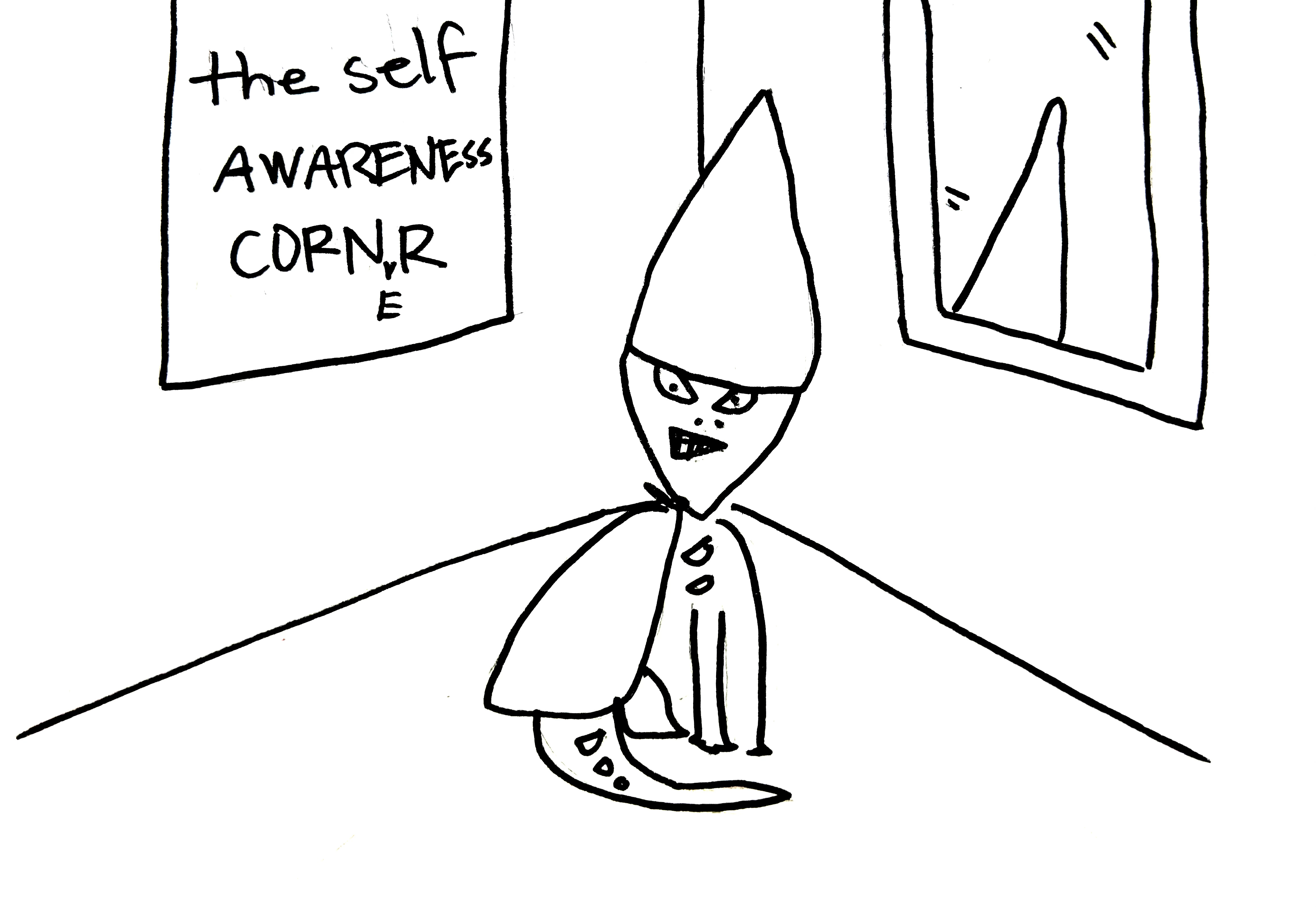
Though self-awareness can sometimes feel like punishment (like time-outs for naughty kids to think about their actions), developing self-awareness can also be a heartwarming experience. It’s human nature to want to be seen and understood, and self-awareness offers that witness.
But this is often easier said than done. Self-awareness starts with feeling our emotions, but many of us haven’t been taught how to feel them. Though our emotions initially evolved to be intuitive, the world that forged them had very different conditions. So, emotionally speaking, modern society is mismatching (which can make our emotions quite confusing). Here’s why:
Our emotions developed within a world where threats to our wellbeing were mostly physiological (like a predator or harsh weather). As such, our emotions developed to protect us primarily from physical threats. To this end, when we sense a threat, the amygdala activates the physical fight-or-flight response, which, in turn, makes it more difficult to utilize our rational pre-frontal cortex28. In short: when we’re super freaked out, fight-or-flight overrides self-awareness with physical ability (learn more about how this happens in the third article of this series).
Evolutionarily speaking, this automatic response likely developed for the purpose of energy allocation as, in times of stress, bodies that prioritized the physical ability to flee or fight were more likely to survive than those who got caught in their minds29.
However, in the modern world, the automatic and unconscious prioritization of physical ability over cognitive ability doesn’t always serve us. This is because modern threats tend to be less about escaping aggressive animals and more about protecting ourselves from abstract dangers -such avoiding scammers or having enough money. While it makes sense to prioritize physical attributes when the threat is a tiger, fighting or fleeing in the face of an over-withdrawn bank account or a manipulative employer doesn’t help us to overcome those challenges.
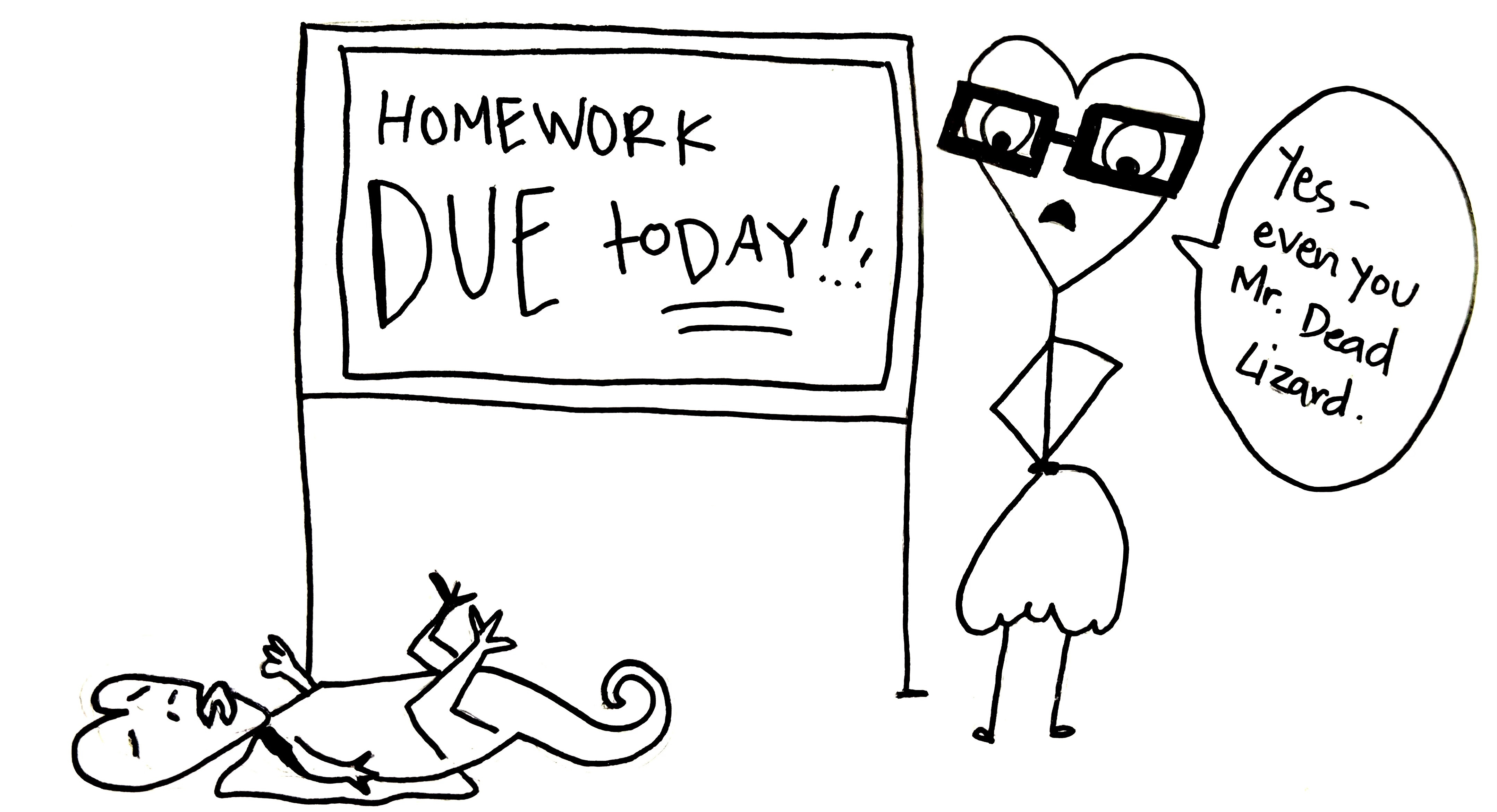
As such, for most modern stressors, having our rational minds fully available to us is more important than having our muscles ready to fight or flee. But, since evolution hasn’t caught up with how the modern landscape has changed, we need tools to support us with navigating our mismatched nervous system -starting with calming it. Perhaps the development of these tools is, itself, the evolutionary response of our species that will secure our ability to survive the complex challenges that we all face today.
To that end, making art can calm the nervous system in two ways:
In the short-term, making distracting art (and/or art that generates positive feelings) soothes difficult emotions and calms the sympathetic nervous system after it has been activated. Here, making art can be an effective response to stress that has already occurred.
In the long-term, making art that directly addresses challenging emotions (rather than distracting from them) can ultimately rewire the brain to be less vulnerable to stress over time. This rewiring, however, only happens when the art is crafted to be transformative (rather than purely cathartic). Here, making transformational art can be a proactive approach that makes us more able to cope with life’s difficulties in the long run.
In any case, making art can help grow awareness of our feelings. Here’s how:
Firstly, making distracting (or positive) art can give us a break from our hard feelings, which can, ironically, lead to greater awareness of them; it gives our brains a minute to rationally reengage, which gives our emotional awareness a fuller range. Indeed, it’s physiologically difficult (if not impossible) to be fully aware of our feelings while we’re extremely triggered.
As such, when we’re overwhelmed with stress (or any challenging emotion), it’s not only compassionate to give ourselves a break, but also necessary for our bodies and brains. Though coping mechanisms can get a bad rap (because some of them lead to harmful addictions), not all coping mechanisms hurt our bodies or brains (for example: making art). In fact, making art as a distraction (where the subject of the art is unrelated to the stress) has been found to reduce stress significantly more than making art to vent (where the subject of the art is related to the stress30).
That being said, making distracting (or positive art) can only lead to greater awareness of our feelings if we’re committed to circle back to them. But making this commitment isn’t always easy because some of our feelings can be scary or confusing:
Perhaps the feeling doesn’t fit our ideal self-image (like anger for optimists or gratitude for critics).
Perhaps we perceive some feelings as a sign of weakness (like if we’ve been taught that we should control our emotions).
Perhaps we come from cultures that suppress some feelings (like joy, anger, or the pains of grieving).
Perhaps our emotions are confusing. It’s tricky to feel conflicting feelings (like relief and grief in the same dealing).
Perhaps we’re scared to address the situation. Maybe we fear the changes that could happen. Or, maybe we feel out-of-control, disempowered and weak, or stuck in a hole. Maybe the challenge feels impossible.
Or maybe there’s really nothing that we can do -what’s lost is gone, and some things we can’t make untrue.
Or maybe we simply can’t tolerate the feeling. Some emotions really hurt and sting.
With these challenges in mind, it’s natural to suppress our feelings over time. In fact, coping mechanisms can be very caring and loving. We don’t want ourselves or our loved ones to suffer. Why feel bad when there’s things that can make us feel better?
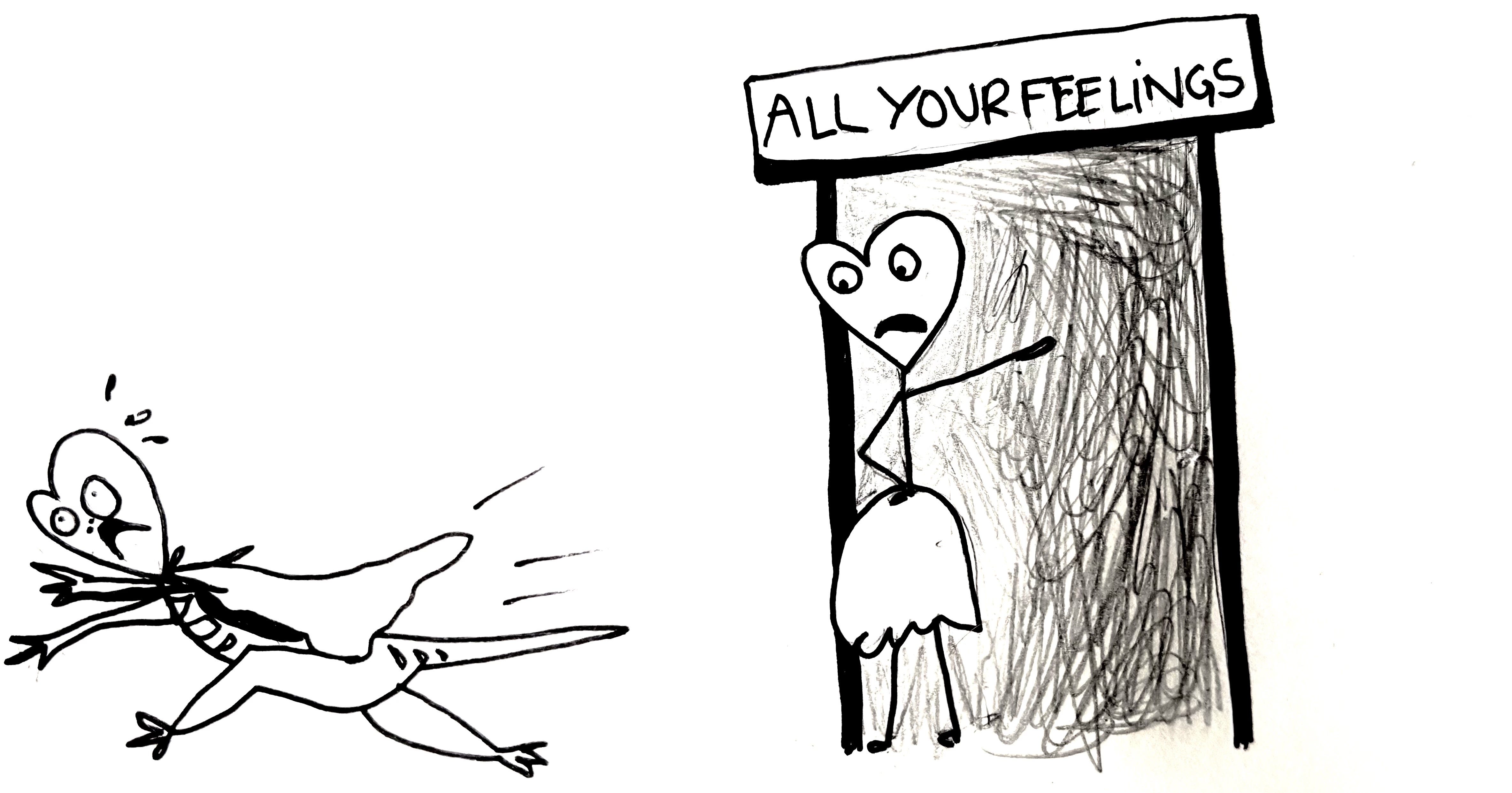
But, coping mechanisms are only helpful as a short-term solution; while they can give us a necessary break from our feelings, they don’t address the underlying challenges. As such, any coping mechanism that’s used to suppress emotion over long-periods of time can ultimately be harmful (even making art). This is because long-term suppression of emotion can result in:
addiction
feeling detached or distant
neglecting things that require attention
sudden outbursts that worsen conflict
psychological challenges (like anxiety and depression)
and even health consequences31
But, thankfully, making art can both calm our feelings and support us in embracing them. Here’s how:
Firstly, making art makes it safe to feel our feelz because it’s an inherently loving intention. By offering the gift of attention, it says: I see you. I feel you. I care about your experience. For example, even as Margret Keane was made invisible from the public scene, the big eyes of her art found a way to see that our sad inner-child deserves a big hug, and that her own lonely-longing was worthy of love.
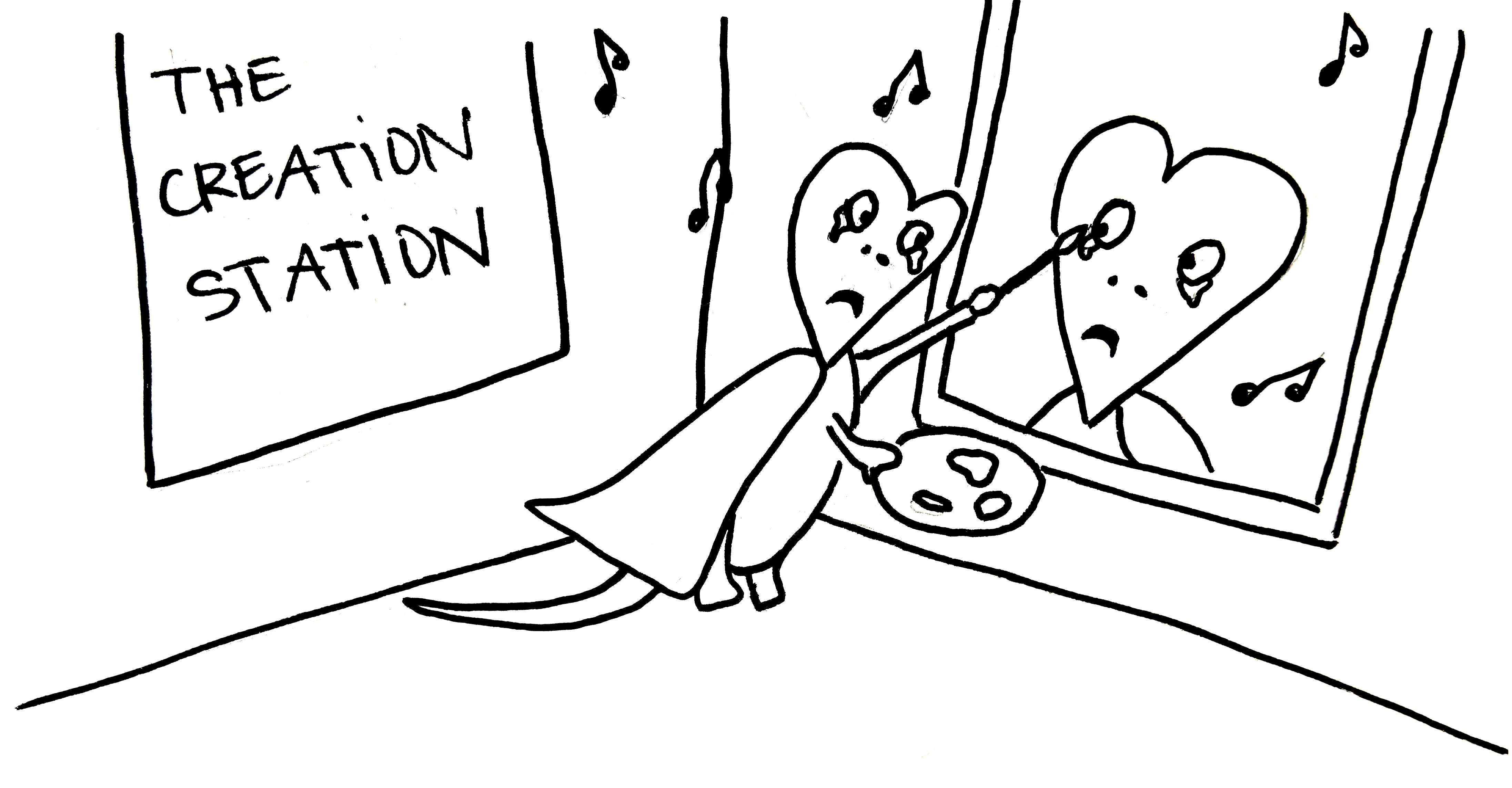
Secondly, the creative expression of our feelings helps us to label them, which is an effective strategy for activating the pre-frontal cortex32 (the self-awareness region of the brain).
Thirdly, making art gives us courage to feel our feelings because it strengthens our problem-solving abilities and develops self-efficacy.33 Every time we face a blank page, we assert our power to make something of nothing. Every time we overcome a mistake, we assert our power to still make something. This creative confidence builds our courage to feel our feelings because it confirms that creativity can get us through anything.
With all this in mind, by making art that’s emotionally honest, our capacity to know ourselves is expanded to welcome the whole of the human condition: with all the light, and all the darkness.
The next part of self awareness (as an act of self-love) is understanding our emotions. As emotions evolved as communications (from our bodies) that are designed to keep us safe and get our needs met, understanding our emotions is an essential aspect of caring for our wellbeing (especially as the mismatch with modern life can make our feelings so confusing).
That being said, understanding our emotions can be tricky because they
can be triggered unconsciously (making it hard to find their root)34
can come from false perceptions (making it hard to know what’s true)3536
are often multi-layered, and even conflicting37 (making it hard to trace their comings and goings)
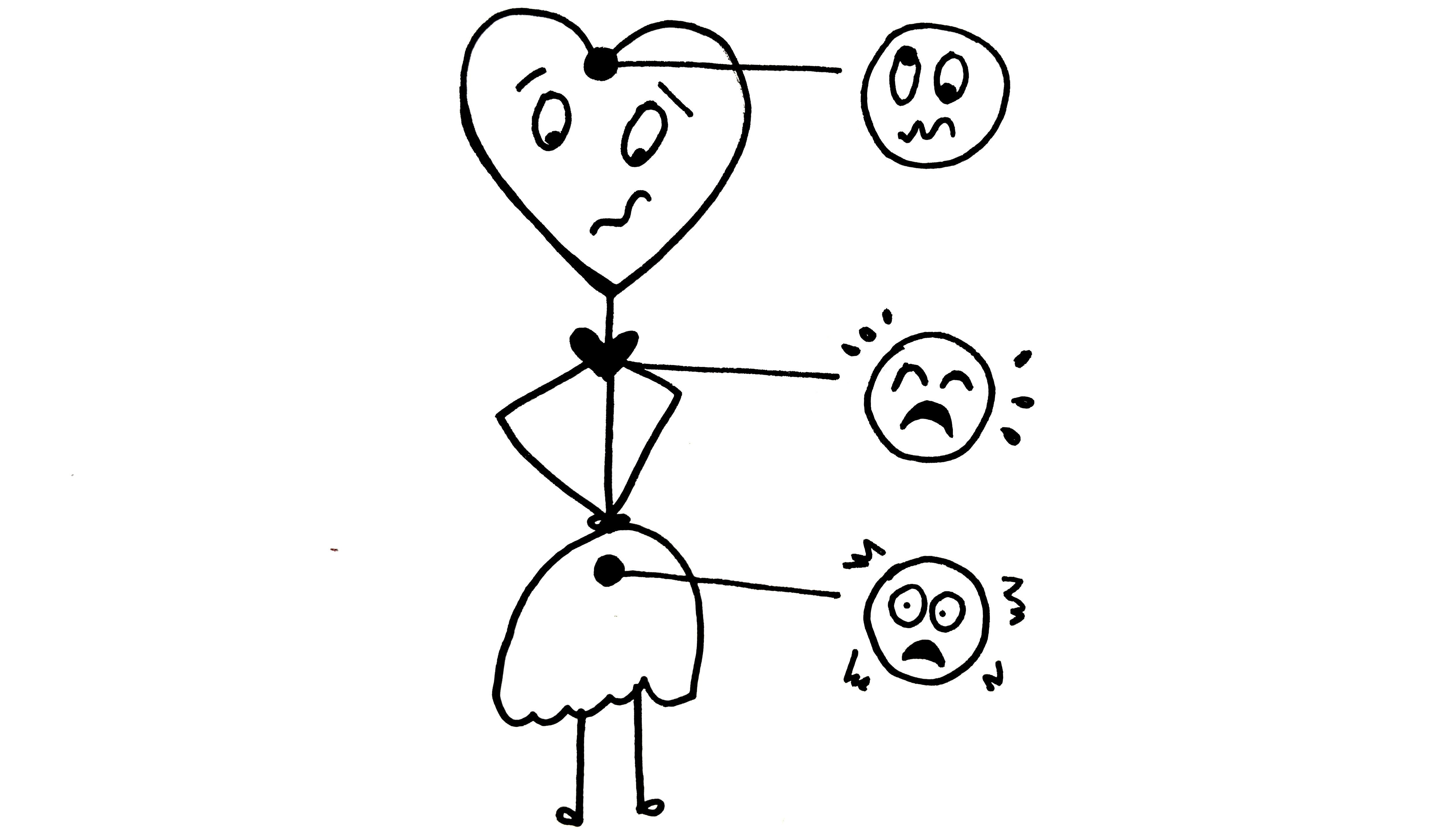
Furthermore, as all emotions arise from basic human needs, if our needs have been forbidden38, it can be hard to feel our feelings: perhaps the need has been neglected by our culture or family, or perhaps our circumstances have been so hard that we’ve lost hope completely.
With all those challenges in mind, making art helps us understand our emotions in a few ways:
Firstly, making art provides the time and space that’s needed for our feelings to spread out -onto a canvas, a page, or into a song. This space allows us to see layers in our feelings (which is particularly helpful when they’re conflicting). More specifically, making art activates the part of the brain called the default mode network (DMN)3940, where spontaneous insight4142 or “A-ha! moments” happen. What’s more, research has shown that “A-ha moments” are more likely to happen when a person’s in a positive mood. So, as making art improves our mood, we’re more likely to gain insight too43.
Secondly, making art strengthens our cognitive abilities444546. It helps improve our skills in critical thinking47, associative thinking48 and observation49. These cognitive skills help us identify the roots of our feelings, which are often found in unmet needs that include50:
physiological needs (such as nourishment and safety)
psychological needs (such as identity and self-esteem)
social needs (such as relationships with our families, friends, partners, and community)
and existential needs (such as purpose, peace and play)
(for a complete list of needs and feelings, check out this resource from The Center for Non-Violent Communication).
That being said, confusion around our feelings is sometimes caused by false-threats5152 in which we perceive challenges to our needs that aren’t really there. While I’ll talk more about these false perceptions later in this post, improved skills in observation help us to better identify false threats, and trace their origins into our past.
Furthermore, while making art of our personal stories definitely helps with understanding our feelings, it’s also helpful to create stories that aren’t directly about ourselves; when we create representatives, it can be a big help53. Fictional stories, stories about others, and even metaphors,5455 create a space between the self and story that helps to open doors5657, that softens our defenses so that we may explore the dynamics of our feelings without kicking what’s sore58.59 For example, Charles Dickens60 soothed his trauma from abandonment and poverty through fictional tales of noble victory. Toni Morrison61 wrote stories to survive the pains of history by writing tales that emphasized a collective overcoming.
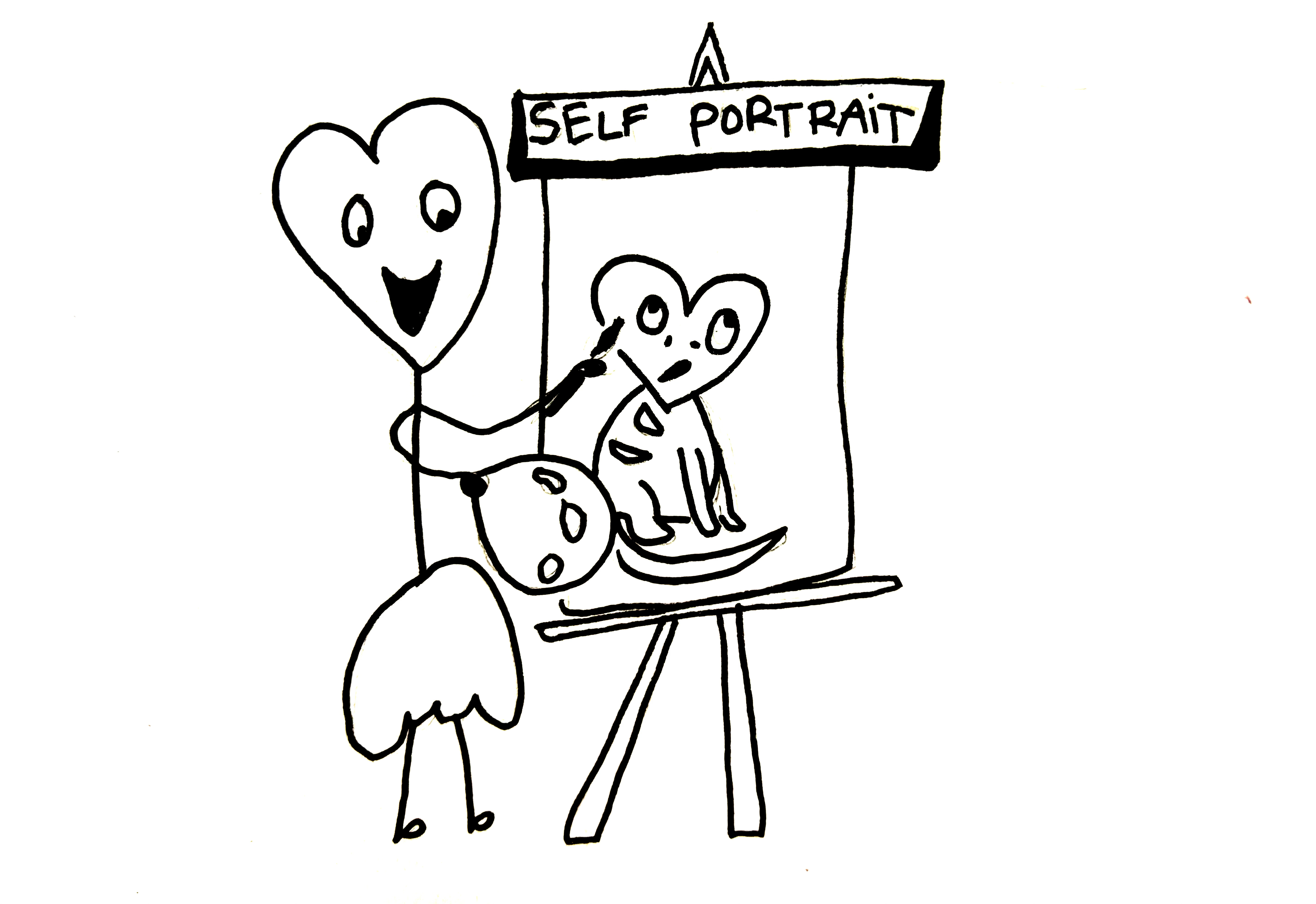
“The more I think about it, I feel that there is nothing more truly artistic than to love people.” -Vincent Van Gough62
As we understand our own emotions better, we better understand the emotions of others; self-awareness naturally seeps into awareness of our lovers. As such, making art effectively grows empathy and compassion for all human feelings.
This compassion is helpful in our relationships because feelings are at the root of relationship challenges. As Marshall Rosenberg taught in Non-Violent Communication: A Language of Life, underlying every interaction (and conflict) is each person’s needs and feelings. So, when we understand how the two are connected, it’s easier to navigate conflict. This kind of empathy and compassion is at the heart of all resolution.
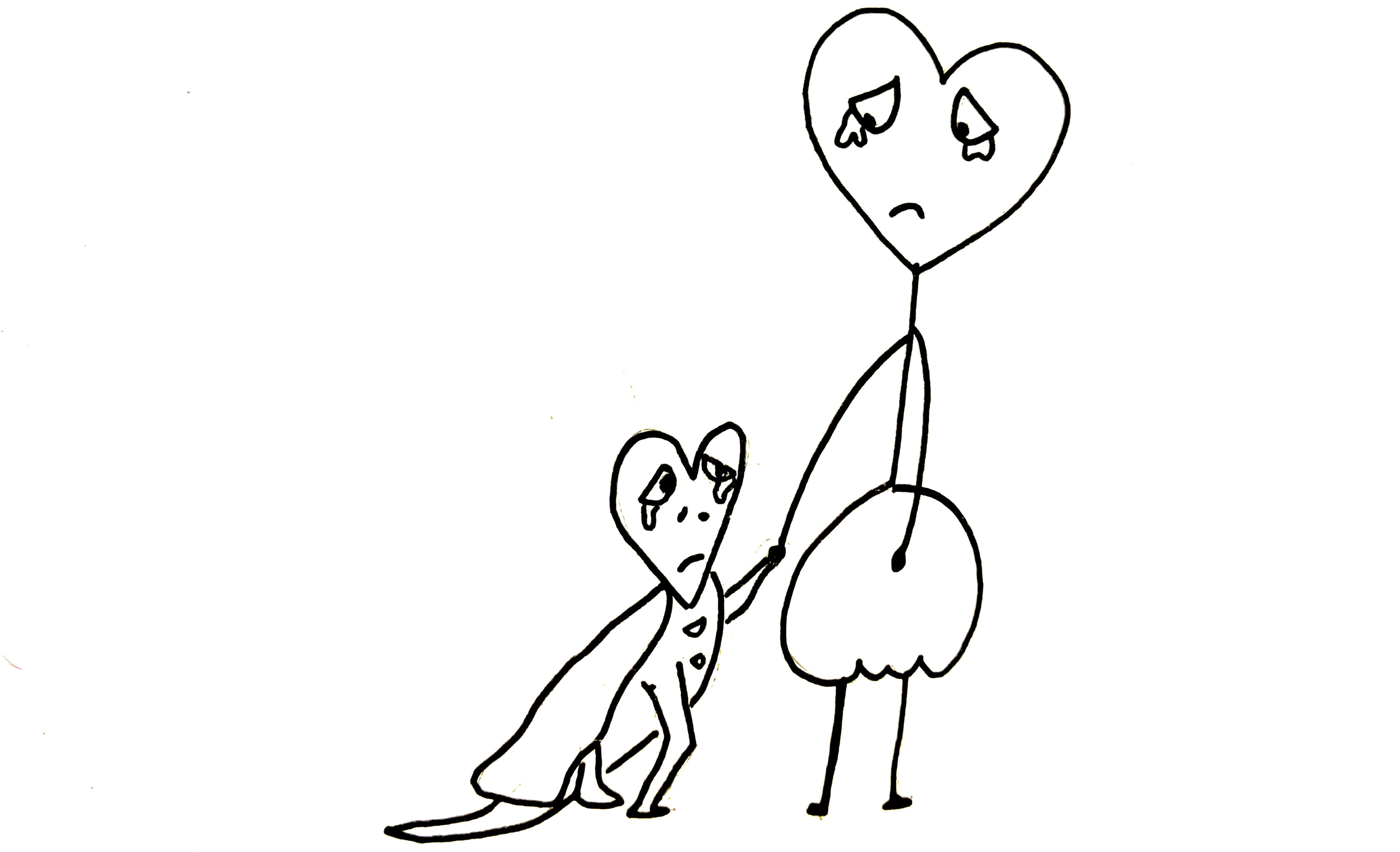
That being said, there is a fine line between empathy, compassion and projection:
Empathy is when we physically feel the other person’s emotions63.
Compassion is caring for the human condition.
Projection, however, is when we’re mistaken by thinking others feel what we have rejected64.
With that in mind, social awareness requires the same kind of evaluation that’s needed for self-awareness, a skill that can be built through creative practice -with neuroplasticity.
Neuroplasticity is a really fancy way of saying: the ability to learn to do things differently; it’s the brain’s ability to rewire itself with new behaviors and understandings65. This is essential for the evolution of heroic hearts because it helps rewire hurtful patterns (that developed from trauma or were inherited from culture) into ever-loving ways of being and seeing.
To that end, here’s a quick overview of neuroplasticity:
The early years of our lives are a time of rapid growth for our brains. In this time, our brains make fundamental connections (called synapses) that are strengthened by strong emotion and repetition. These connections form the foundation for how we see and respond to the world, and who we ultimately become.
Then, as we move through life, we gain new experiences that update our neural connections (synapses). When synapses aren’t used, they’re pruned.66 When they’re repeated, they’re glued.67 Throughout our lives, with strong emotion and repetition, all ages can make new synaptic connections.
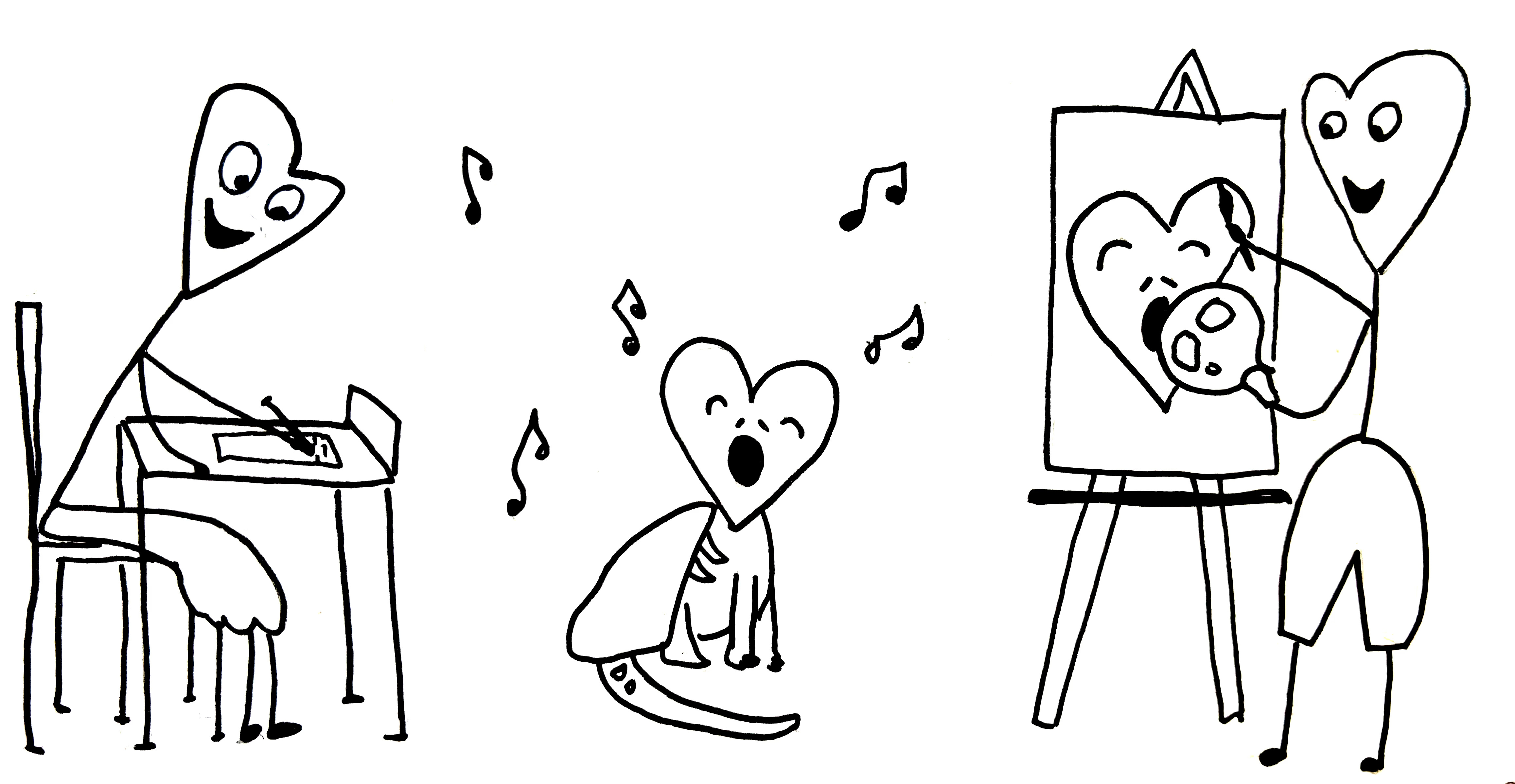
Firstly, creativity (as a whole) is both rooted in neuroplasticity and a driver of it.6869 This is because creativity requires associative thinking70 (which is when we make connections between memories or new experiences). As these new connections are formed, so are new synapses (which is central to being neuroplastic).
Secondly, making art generates highly emotional experiences. These emotional experiences increase the attention and focus that’s needed to create new neural connections and/or strengthen existing connections.71
Thirdly, making art offers a multi-sensory brain-boost that strengthens connectivity between regions.72 It does this in a couple of ways.
Many art mediums (such as visual arts, music, dance, and creative writing) simultaneously activate the prefrontal cortex (for interpretation), the amygdala (for emotional response), and various sensory regions (such as the visual, auditory and motor cortexes). Strengthening connections between the pre-frontal cortex and the amygdala73 is especially important because the connection between these regions is what facilitates emotional regulation.74
Creativity (in general) helps to form and strengthen connections between the brain regions that support idea generation/divergent thinking (which happens in the default mode network) and the brain region that supports the selection of ideas/convergent thinking (which happens in the executive control network)75. These connections are important to note because outside of the creative context, generating ideas and selecting ideas often work in opposition to each other. But in creative acts, they can work together.7677
Finally, making art increases neuroplasticity because it increases dopamine,78 which:
improves our cognitive flexibility (our capacity to shift between tasks)79
decreases inhibitions80 (which leads to open-mindedness)
and generates motivation81 (which increases effort and focus -both of which are essential in forming synaptic connections).
Overall, the cognitive abilities that are strengthened by neuroplasticty also strengthen our problem-solving skills and self-efficacy,82 which gives us the courage to love heroically.
Now, let’s look at how different art mediums support neuroplasticity:
Creating visual art generates and/or strengthens synaptic connections in two important ways:
Visual symbols bridge the gap between imagery (like a heart or a dove) and personal/cultural concepts (like love or peace). These bridges create and/or support neural connections.838485
Colors, symbols, shapes, and scenes express different feelings8687 (and strong emotions also create and/or support neural connections). This includes (but is not limited to):
Creating symbols, pictures, and scenes that are connected to memories or fantasies also express the feelings connected to those memories or fantasies.888990
The portrayal of facial expressions allows the artist to express their own emotions.91
Different colors express different feelings92 (such as lighter/saturated colors feeling positive and darker/less saturated colors feeling negative).93 Specific colors also evoke specific emotions through unconscious associations.94 For example, bright blue might be associated with a clear sky and clean water, which may then evoke the calm feeling of needs being met. Conversely, gray may be associated with clouds or dirty water, and therefore evoke the somber or stressed feeling of needs being challenged. That beings said, the emotions that colors evoke can vary between individuals and cultures who may have different unconscious associations.
Different shapes can also (unconsciously) express different emotions.95 For example, downward-pointing V’s may express fear while roundness may convey contentment.96 Evolutionarily speaking, this may be because a V-shape subconsciously resembles angry eyebrows97 while roundness resembles smiles.98 Similarly, anger is sometimes connected with broken lines because the “muscle tension [that] characterizes anger is likely to result in drawing broken lines.”99
As noted by the study “The transformative power of music: Insights into neuroplasticity, health, and disease”, “music has a remarkable capacity to induce transformative changes in the brain, fostering neuroplasticity and reshaping neural networks.100” This is partially due to music’s uncanny ability to generate emotions, which can create and strengthen new neural connections. In fact, one study found that there are 13 distinct emotions that music conjures universally: “amusement, joy, eroticism, beauty, relaxation, sadness, dreaminess, triumph, anxiety, scariness, annoyance, defiance, and feeling pumped up.101” The neural connections that are formed or strengthened through the emotional experience of music are then enhanced with focused performance, repetitious listening, and/or emotive movements (such as dance).102103
Furthermore, when music has lyrics, it gains the added benefits of poetry and/or story:
Creating poetry supports neuroplasticity (in part) because it utilizes musical elements (such as rhythm, repetition and rhyme) and visual elements (such as vivid imagery and symbols). As such, when poetry utilizes musical or visual elements, it generates the same brain-changing benefits.
What’s more, metaphors (like symbols) are especially powerful in supporting neuroplasticity as they connect complex and abstract ideas (like love) with physical experiences (like warmth) or physical objects (like roses). This associative process “allow[s] us to draw on concrete, familiar knowledge to reason about abstract concepts”104.
Finally, story (which is at the heart of most art) supports neuroplasticity tremendously. To understand how, let’s first look more deeply at how stories shape our perspectives (and our reality):
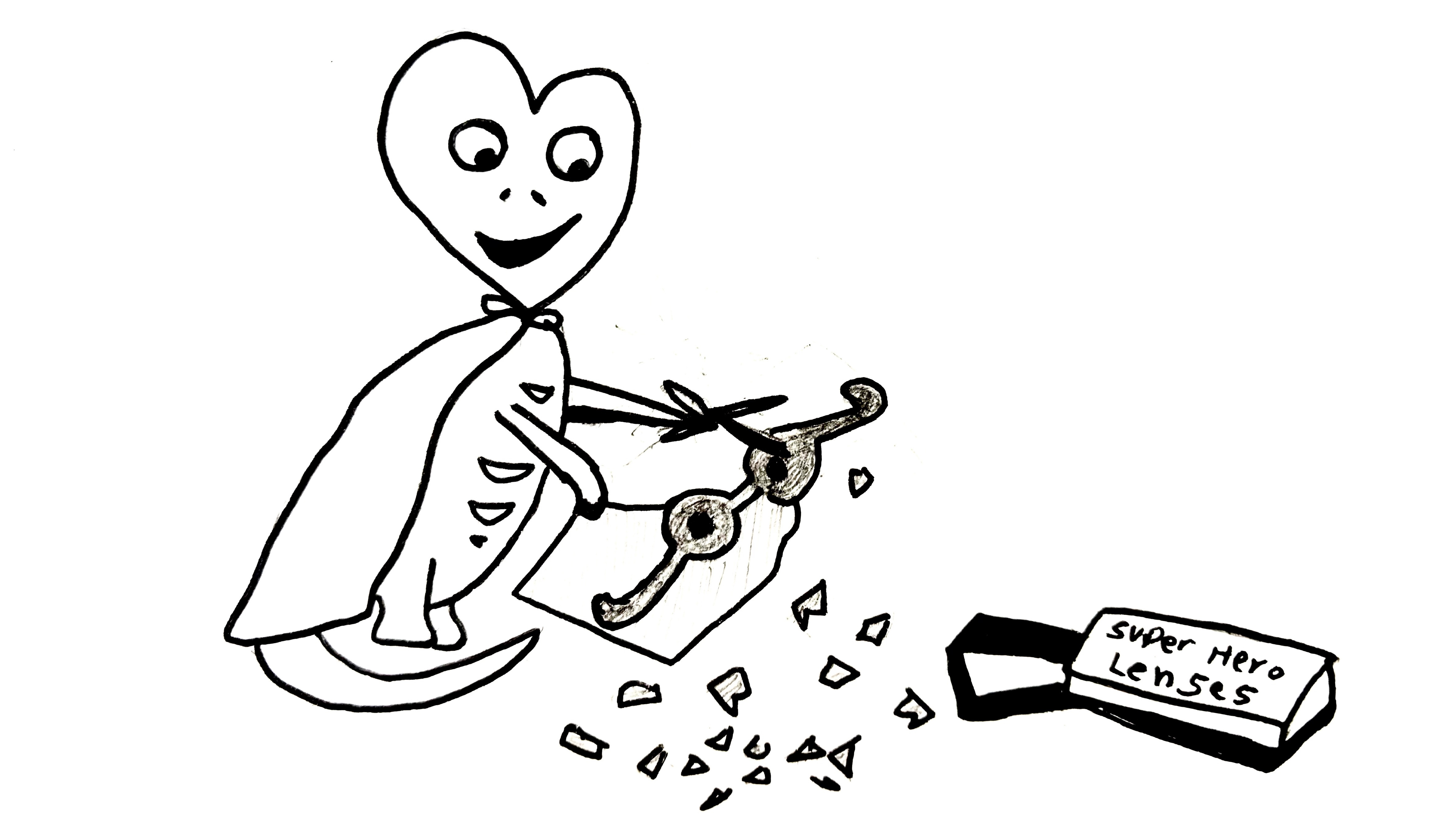
On an evolutionary level, our brains developed to keep us safe and make sure our needs are met. To that end, they are constantly scanning our experience for clues of what might be dangerous or beneficial to us.105106 We’re able to protect and care for ourselves by making associations between things that challenge our needs (such as lions and a lack of safety) and that meet our needs (such as fruit trees and full bellies).107 These associations eventually become stories that we carry about the nature of reality.
That being said, as our brains couldn’t possibly process everything in our experience, they have to choose what they take in, and what they keep. To that end, our brains prioritize:108109110
strong emotional experiences (of either pain or satisfaction) as these experiences indicate when needs are met or challenged.
repeated emotional experiences, because repetition signals what’s more likely to happen.
Then, from these emotional and repetitive experiences, our memories are accumulated and stored in segments (or chucks) that form unconscious stories. These unconscious stories are designed to warn or encourage with associations and “if/than possibilities”111 that allow our brains to guess what is (or will be) happening.112 They are often related to:113
Purpose: to affirm our goals, values and intentions (which are often connected to needs, survival, or meaning).
Validation: to justify our actions and ways of seeing.
Confidence: to affirm our capability and self-efficacy (which creates a sense of control and safety).
Self-Worth: to support our self-esteem and belonging.
Ultimately, our unconscious stories then accumulate into a schema,114 which is the body of memories that we unconsciously draw upon to understand our experience; it’s the lens that filters how we perceive our lives.115116 In the formation of our schemas, our strongest stories have the greatest influence. This phenomena relies on two primary concepts:
Habbian Learning has to do with the strength of neural pathways and connections. It states that “each time a memory is recalled or an action is repeated, the neural pathways involved become more robust as they fire together, making that action or memory more intuitive or easy to reproduce.”117 In other words, when neurons fire together, they wire together.
Neural gain has to do with the strength of individual neural signals.118 It acts like an amplifier that increases the volume of active neurons (the thoughts that we focus on) while overriding weaker neural signals (the thoughts that we don’t focus on). As such, the thoughts with the greatest neural gain tend to dominate our attention.119
With all that in mind, the thoughts that have the strongest pathways and gain form the foundation of our schemas, and ultimately become automatic (and unconscious). This makes them more likely to influence our predicting machines (brains) when interpreting new experiences. In other words: our brain filters our lives with our strongest stories.120
That being said, the brain strengthens neural connections based on repetition and intensity, not accuracy. So, if we focus on or repeat a false story enough, the brain will strengthen its neural pathway and signal, making it feel real (even if it’s not). Consequently, we can unconsciously build entire schemas that are based on false stories.
Finally, over time (and with relatively little new sensory input), our strongest stories become self-perpetuating realities (for better or worse). This happens because our perception influences how we respond to our experiences, and our responses nudge our situation to meet our perceptions.
For example, if my unconscious/automatic stories lead me to believe that someone interrupting me means that they don’t respect me, I might respond rudely when I’m interrupted. This may then lead the other person to believe that I don’t respect them either, which may evoke them to also treat me rudely. Their response would then reinforce my belief that their initial interruption was a sign of disrespect. Ultimately, this dynamic would result in a reality of mutual disgust.
But what if, in reality, the person’s initial interruption was actually caused by an intense state of anxiety (not disrespect for me)? If I had a more compassionate default perspective, I may have responded to their interruption with more care and patience (even if I was a little annoyed). This compassion could have drawn a kinder response from the other person, which would have created an entirely different reality of care.
With that in mind, here’s a little more about how we can all develop inaccurate ways of seeing, and how those distortions impact our realities.
(Read The Experience Machine: How Our Minds Predict and Shape Reality by Andy Clark to learn more about how our brains shape our realities)
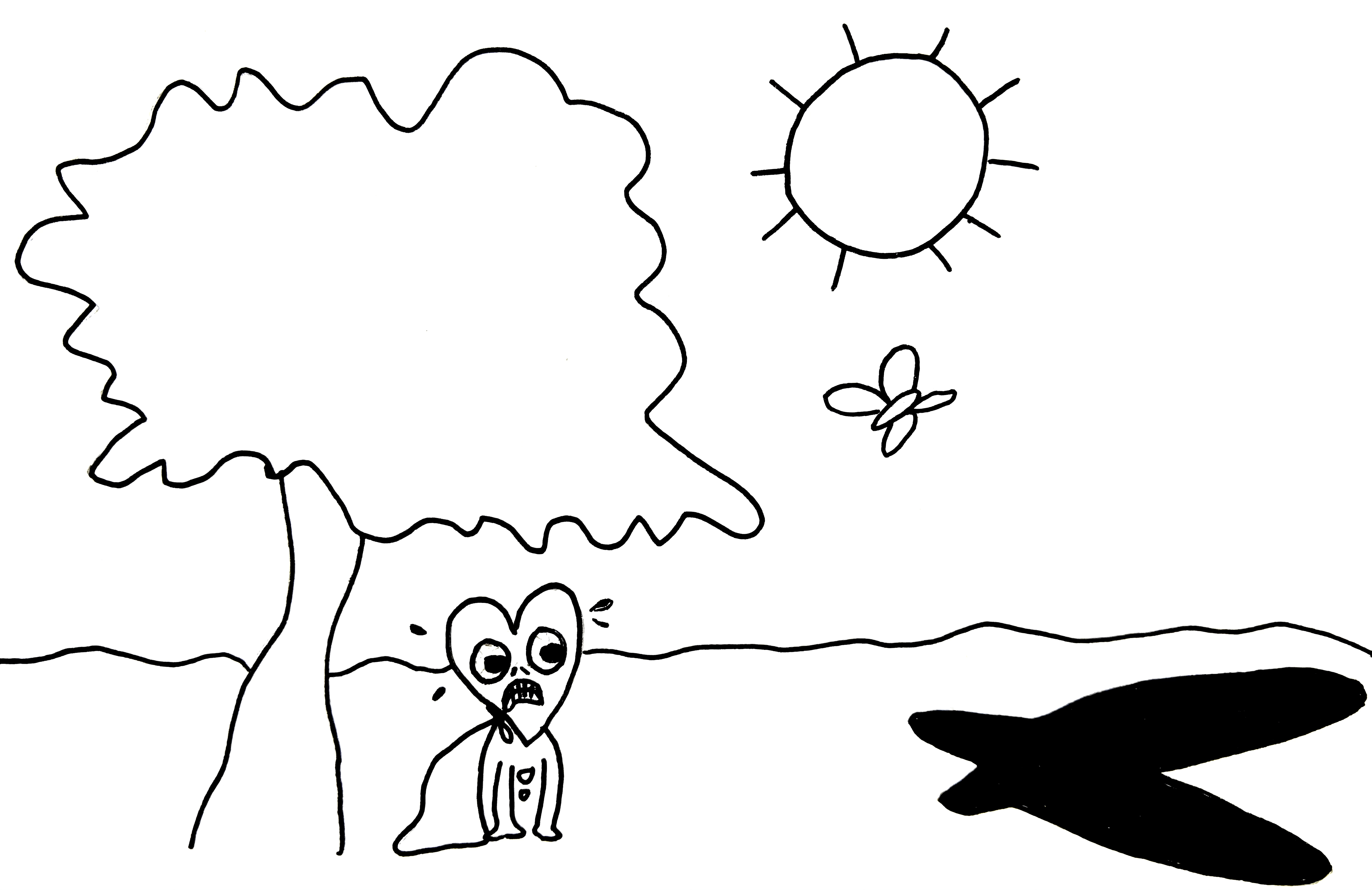
Our brains are constantly seeking cohesive narratives to help us make around 35,000121 daily decisions (that are generally oriented towards meeting our needs and protecting our safety, self-worth, and relationships). But life doesn’t always provide all the information needed (at least not as quickly as we’d like it). So, because our brains like simplicity and speed, they create shortcuts called heuristics.122 In these well-meaning shortcuts,123 our brains generalize or make associations between things so quickly that they can become blinded to reality. When repeated, these false-perceptions become cognitive distortions.124
In general, cognitive distortions are overarching false perceptions that relate to ourselves, others, or our situation. Negative distortions are meant to keep us safe by overestimating danger (so that we can avoid it or prepare for it); they provide a false sense of control and protection from disappointment. Conversely, positive distortions are meant to lessen anxiety by underestimating threats, ignoring facts, or minimizing signs of distress.
However, though cognitive distortions evolved to keep us safe and meet our needs,125 they can end up causing distress, depression and anxiety. That being said, many cognitive distortions are hard to recognize or change because they were formed in childhood.126127128129 These childhood challenges can include (but are not limited to):
Challenges with parents, which can include emotional neglect, parents in conflict,130 parentification (which is when children parent their parents),131 or parents who are overly strict132 or protective.133
Cultural Challenges: such as experiences of discrimination134 and/or cultures that overly emphasize beauty,135 success, or achievement.136
Challenges with stability or safety, such as living in poverty137 (with food insecurity or unstable housing138) and/or in areas with high levels of crime139 (like violence or robbery).
Challenges with peers,140141 such violence, ostracism or bullying.
Chronic health challenges,142 such as illness, pain, or medical conditions.
However, cognitive distortions aren’t only created in childhood. Just as neuroplasticity allows our brains to rewire in ways that are beneficial, our brains can also be rewired in ways that are harmful. In adulthood, these new cognitive distortions can be formed from significant life challenges or traumas,143 such as: severe career setbacks, painful break-ups, financial crisis, chronic illness, or sudden trauma (like accidents, disasters, or violence).
That being said, despite their inaccuracy, cognitive distortions color all our experiences, and tend to feel very real; they make a mirror of the world in which no matter how much we’re loved, we still feel unlovable. No matter how hard we try, we still feel unforgivable. No matter how much we have, we still feel poor. No matter how safe we are, we still feel insecure.
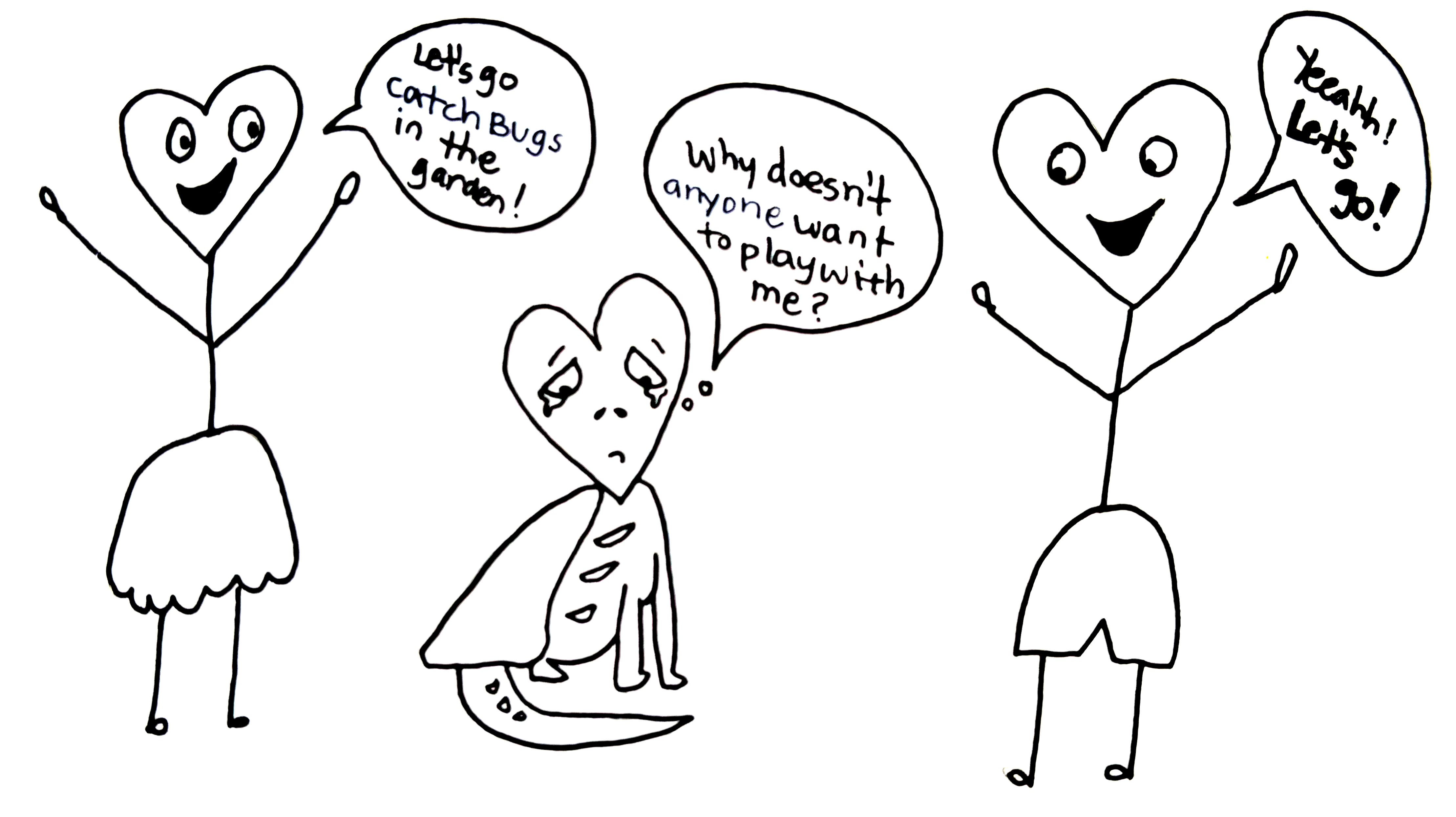
Over time these distortions fuel a downward spiral144 of low-self-esteem,145 poor decisions,146 procrastination (or avoidance),147 148strained relationships,149150 and even addiction.151 As such, cognitive distortions can create major roadblocks for heroic hearts.
But, the good news is: they’re not permanent. The stories (and realities) that are made by our predicting machines are not fixed but malleable. With conscious intention, as we gain new experiences, we can tweak our unconscious stories with more accurate associations and predictions. In this process, we are constantly creating new reflections -and realities.
(Read Thinking Fast and Slow by Daniel Kahneman to learn more about automatic vs deliberate ways of perceiving).
All things considered, understanding how we form and change our perspectives/stories is essential for understanding the heart’s evolution. Though evolution has wired humans to be largely self-serving, cautious152153 and defensive (with some exceptions),154 the neuroplasticity of story-art can help us evolve our mammalian perspectives into realities of peace, love and justice. Here how:
Firstly, it’s important to note that love is both a perspective and an action; when we see life with loving eyes, it influences how we treat it. Research shows that people tend to respond to others based on their perception of them (rather than their actual behavior).155 As such, we become more prone to loving action when our stories support a default perspective that has compassion for the human condition and recognizes how we’re all connected.
With that in mind, making story-art is an ally to the neuroplasticity of evolving hearts because (with intention) it can:
Facilitate compassionate self-evaluation, which includes identifying false information. This recognition allows us to see synaptic patterns that we want to change. In making art, this happens in the editing phase.
Support creative new possibilities. This allows us to write new stories (that create new synaptic patterning). In making art, this happens when revising.
Reinforce new synaptic patterns of gratitude, interdependence, compassion and confidence through focus, repetition, and emotional experience.
To that end, in the next section, I’ll share some of the methods of creative transformation that I’ve developed (and the science behind them).
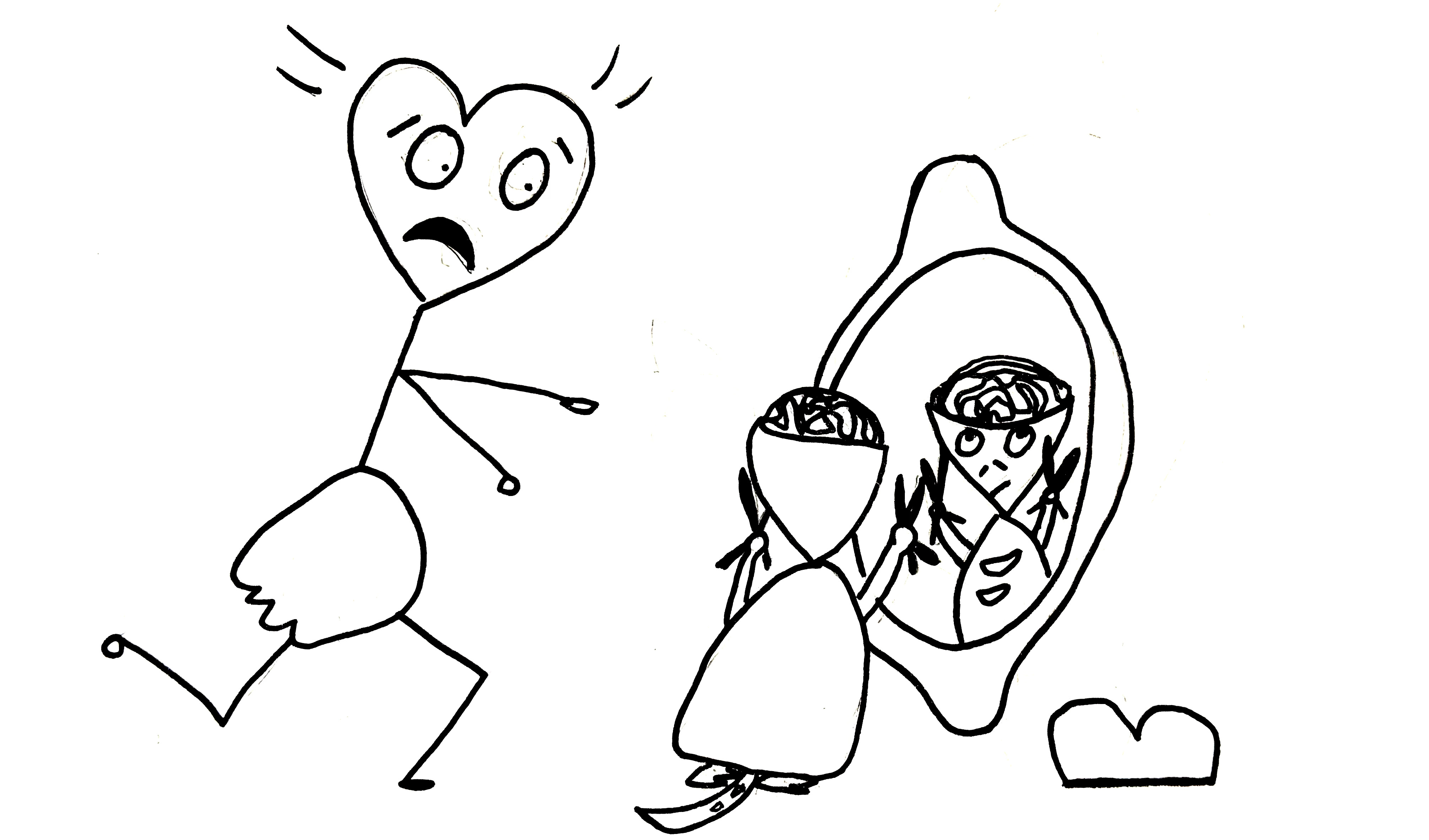
Before I get into the nuts and bolts of my own practice, it’s important to note that what I share here is not meant to be a rulebook. In fact, one of the reasons that I’ve dug into all this nerdy science is so that each person can integrate their understanding in their own way.
Furthermore, flexibility in practice is important because science makes new discoveries all the time, and each of those discoveries has the potential to reinforce or change our minds. As such, it’s important to stay open to new discoveries, and to the new creative approaches that may be born of those discoveries.
Moreover, it’s important to honor the work that we created when we had different understandings as each creation plays a part in the process of evolving. That’s how evolution works: it makes the best of what it’s got, then it readjusts.
Still, one of humanity’s biggest challenges is to move forward despite infinitely incomplete perspectives; we need to apply what we know, even as we know that we don’t know all of it.
With that in mind, it took me a really long time (about 14 years ) to figure out how to effectively apply all these nerdy discoveries to my creations. So, here’s a head start:
My creative practice has three distinct phases:
The Art of Being There for Myself: Brainstorming, Improvisation, and Rough Drafts: In this part, I establish my friendship with myself. This may include making distracting art, affirming art, or cathartic art.
The Art of Correcting: Compassionate Evaluation and Editing: In this part, I evaluate my feelings by looking for misperceptions and/or cognitive distortions.
The Art of Creating New Patterns of Love: Revision and Rewiring: In this part, I rewire my brain with more accurate, empowering, and peaceful perspectives.
But before I dig into each phase, it’s important to note that there’s no way to know what the end product will look like. This is because the process is transformational. How we see ourselves, our situation, and the world-at-large will change as a result of our creation. As such, it’s important to begin open-mindedly, and to wonder (with great confidence in the process): What will my creativity make of me?
Furthermore, it’s important to note that this process can take time. In fact, as we are ever-evolving, it could be said that our creative practice is never-ending. To that I end, give myself sharing-deadlines that say: “This is where I am today (though I know tomorrow may change).”
That being said, the length of these sharing-deadlines varies. Sometimes I give myself short deadlines (like when I make Little Ditties) while other deadlines are longer (like when I’m making an album or book -which feel like they’ve taken forever 🙄). In my quick creations, I’m able to soothe myself with creativity and gain little bits of new understanding. Even so, these short-lived creations aren’t meant to last; primarily process-based, they’re meant to come and pass. Conversely, when I’m creating something to share and carry for a long time, I give myself longer deadlines because I want the creations that I put on repeat to serve love and peace to the best of my ability.
With these longer deadlines, it’s especially important to keep an open mind as the process can deliver varied results: it could result in one culminating work (that has many drafts), or in a series of pieces, in which each piece reflects a different phase of transformation. In any case, what’s most important is that I stay open to change.
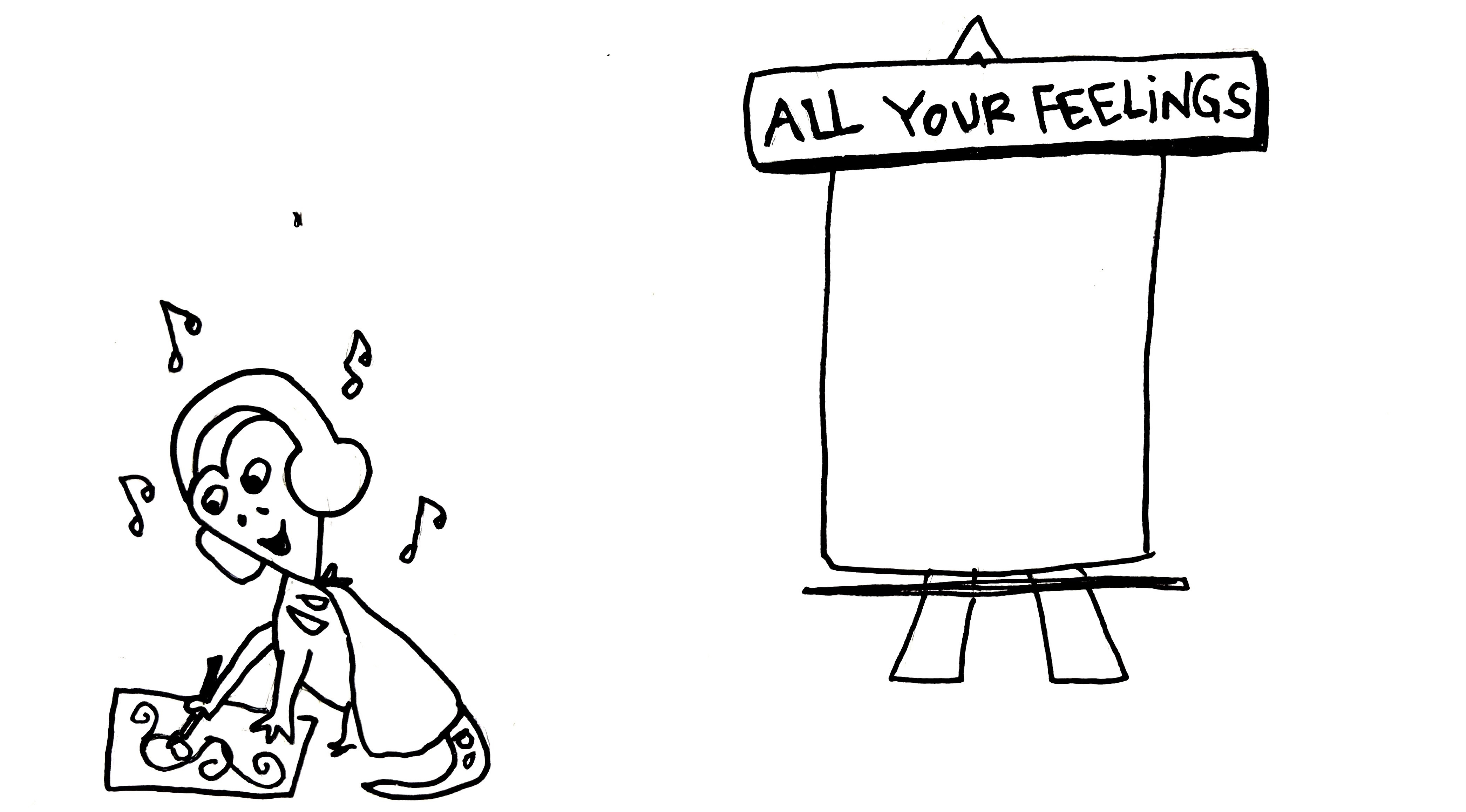
For me, the hardest part of any creation is starting; there’s nothing more terrifying than the blank page. With that in mind, here’s a little more about the approaches that I use to get started:
Distracting Art: When my feelings are so overwhelming that I need respite from them, I make art that’s distracting. For me, this might include doodling, crafting, making imaginative art, making nature art, or improvising about what’s around me (or silly things). What’s important here is that the art does not aim to express my feelings at all; instead it aims to take my mind off of them. Here, by giving myself a break, I give myself the mercy of reprieve (which gives my nervous system a chance to breathe).
Cathartic Art: Conversely, I vent. I improvise about what I’m feeling. These kinds of brainstorms (or rough-drafts) act like a release valve for my emotions.156 Here, I offer myself a loving witness by letting it all out. Whether it’s negative or positive, sobbing or enraged, I invite my whole self into this phase. By starting this art candidly, I offer compassion to my own humanity.
That being said, while these initial creations are helpful in the short-term (both approaches can reduce stress), lasting transformation requires a deeper dig. For example, with distracting art, it’s important to eventually acknowledge and address what feels difficult. This is important because our hard feelings are designed to provide us with essential information for our wellbeing. Conversely, in venting, it’s important to actively move towards a more positive state of being. This is important because though venting can offer a quick-release for pent-up emotions, prolonged venting can actually perpetuate the feeling (rather than alleviate it).157
That being said, there are times that I’m scared to address my emotions (because they’re confusing, disempowering, or just too painful). In this case, I take the extra step of making art that affirms my ability to handle my feelings (and the situation that’s connected to them). For example, maybe I make art of an empowering symbol or an affirming story that says: I am capable of feeling this feeling; I have strength and endurance. I am capable of addressing what’s causing this feeling; I am creative and powerful.
However, there are still times when I feel like I’ve got nothing to stand on (so affirmations feel fake). In this case, I make art that expresses a need for help, and that affirms that I’m supported. For example, maybe I make art about someone in my life who supports me. Or, if I’m feeling lonely, maybe I imagine someone supporting me. Or, if I’m at a total loss, maybe I make art that affirms my faith in Something Else. In any case, this kind of art says: I need help feeling this feeling and addressing what’s causing it. I know that I’m supported in the process.
Finally, and only after I’ve summoned a dose of calm, confidence, love, and support, I enter the editing phase.
In this phase, I look at what my art is avoiding or missing. In the process, I do my best to edit compassionately because editing can feel very vulnerable. Some of these vulnerabilities may include:158
the skunk-cost fallacy,159 in which abandoning parts that need revision can feel like a major loss (because we’ve already invested so much in them).
perfectionism, in which the process of clarifying becomes paralyzing160 -perhaps we expect our art to be immediately perfect (rather than a work-in-progress). Or maybe we believe our art will never be good-enough (no matter the amount of refinement).
fear of failure, in which just one edit is perceived as a failure of our whole being.
With that in mind, for many years I didn’t include editing in my creative practices (like journaling or improvisation) because my sole intention was self-love. At the time, I saw editing as a cosmetic procedure, and I wasn’t worried about what I looked like to others (plus, I was afraid of my own perfectionism and feelings of failure).
That being said, though seeing ourselves in a positive light is essential to mental health161 (it promotes contentment, creativity, and our ability to be of help), there’s a fine line between a positive self-image and positive illusions; the difference lies in the willingness to acknowledge our mistakes and misperceptions. As such, positive self-image grows self-confidence with a greater ability to impact our reality (because we’re able to see it more clearly). Conversely, positive illusions weaken self-confidence because they create confusions that can lead to harmful decisions.
As such, over time I’ve come to treasure the editing process as one of the most powerful parts of my creative practice. This is because I’ve learned to use editing as a tool for gaining awareness of my illusions. As I realize that my biases, cognitive distortions, and misunderstandings often cause great suffering, correcting myself has become a form of self-loving.
However, it can be scary to challenge our cognitive distortions because they started from a place that was well-meaning (albeit maladaptive). As such,
If the distortion was created for control or safety, challenging it can feel terrifying.
If the distortion was meant for stability or certainty, challenging it can feel like endless worry.
If the distortion was meant to protect our self-esteem or confidence, challenging it can feel like utter incompetence.
If the distortion was meant to affirm our identity, challenging it can feel like losing integrity.
That being said (and as we’ve seen), we’re all prone to misunderstandings. Though our brains do their darnedest to see things accurately, they don’t always construct reflections of reality.
The good news is: we’re designed to update them with neuroplasticity!
So, though it can be scary to see the flaws in our perspectives, making art supports this process in a couple of ways:
Firstly, making art can support us in becoming aware of what we want to change. When we make art with loving intention, it provides a safe context that softens defenses, and broadens awareness.162 Making art creates distance between us and our stories, which helps us to take editing much less personally.
With that in mind, after I’ve created unfiltered brainstorms (or rough drafts), I scan for potential changes by putting my art on trial.163164 Here’s how:
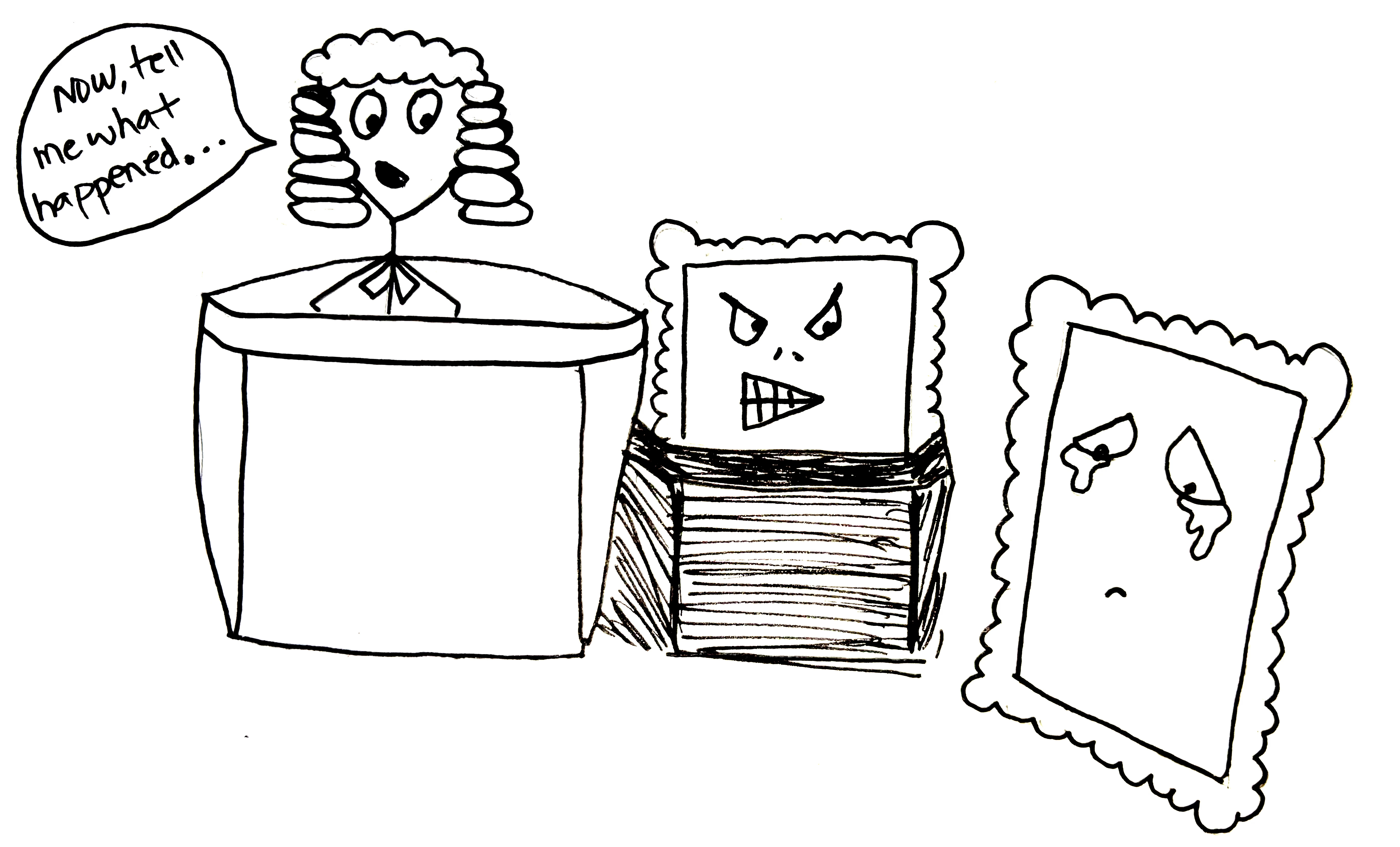
I present the case: I look at the situation that the art reflects and how I understand it.
I evaluate emotions: I look at the feelings that the art expresses:
If the art feels angry, what’s felt unfair?
If the art feels afraid, where’ve I felt danger?
If the art feels sad, what’s felt lost?
If the art feels ashamed, what harm have I caused?
I look for evidence that supports the feelings that the art reflects. Then I ask:
Where’d that evidence come from? Was it locked in the past? Is it something I learned, or saw in an ad?
Whose voice does it remind me of? Why would I trust it? Does it seem logical, loving and/or experienced?
I look for evidence that conflicts with my understanding. Then I ask: Why might it threaten or scare me?
I evaluate and make a conclusion. Here, I decide if the perspective that my art reflects is (or isn’t) correct. If not, I consider new ways to see. How might my art reflect a new reality?
With the in mind, I keep an eye out for cognitive distortions:165166167168
Might the art be overgeneralizing? What’s a more nuanced way to see? Is the art catastrophizing?169 Are there other possibilities?
Does the art perpetuate black and white thinking? What exists between the extremes? Does the art magnify tiny details?170 What’s the whole scene?
Might the art contain a bias that protects myself or culture? What other perspectives could make the picture clearer?
Does the art discount the positive parts of the story? What goodness or gifts might the art be missing?171
Does the art reflect where I’m rushing? Is the problem as imminent as I’ve been thinking?
Is the art personalizing things that are out of my control?172 Does it “should me” into carrying more than I can hold?173
Conversely, does the art minimize the risks at hand?174 Has the art crossed into blind optimism?175
Or does the art idealize things that are more complex?176 Does it ignore or negate flaws or challenges?
By constantly questioning my cognitive distortions (through the editing process), I activate new areas of my brain to make new neural connections.177178 Here, I begin the process of rewiring my mind with synaptic patterns where the brain and heart align.
To that end, here’s a couple of strategies that support the revelation of new ways of seeing:
To start, it helps to seek outside perspectives, which can include:
talking to people that I trust (friends, family members, mentors, or trained professionals).
checking out other people’s art (in any medium)
researching relative history, science, philosophy, and/or opposing points of view
Finally, once I’ve stirred the pot, it helps to let it simmer for a while by taking a break. I find that the space between times of creation is often where new insight arises. This phenomena has been noted by many creators, most notably psychologist Rollo May (who was a contemporary of Vicktor Frankl). In his book, The Courage to Create, Rollo May describes the creative process as a rhythm of:
intense concentration
rest (or doing something else)
and sudden insight
Though folks understand the origin of insight differently (May attributes it to the unconscious, neuroscientists might point to the DMN, and people of faith might point to God), one thing can be agreed upon: insight requires space for it to emerge.
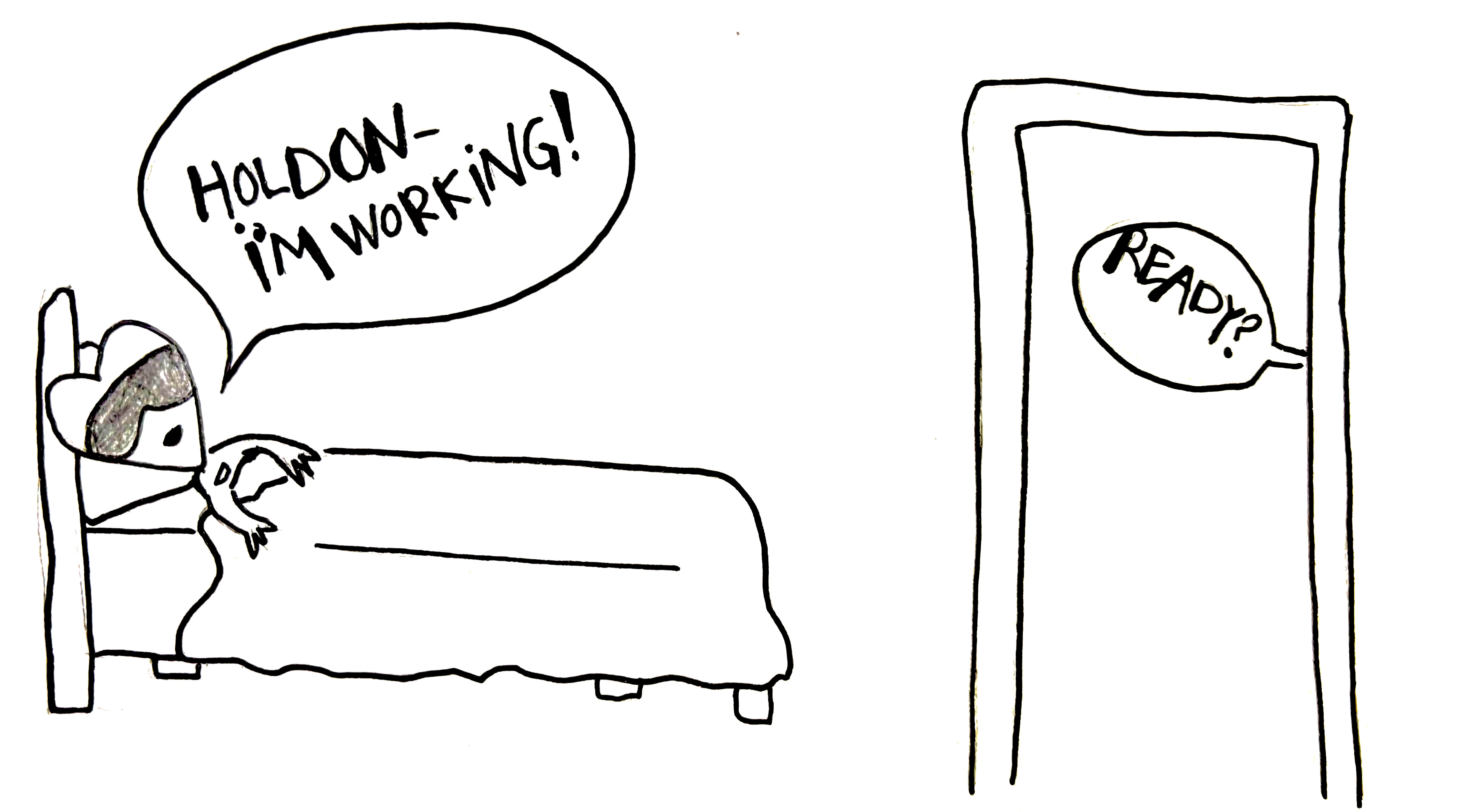
Finally, after I’ve identified where edits are needed (and made space for the emergence of new perspectives), I move into revision. Here, making art can rewire our brains to align with our intention. I ask: What kind of life do I want to make with my creation?
With the power of purpose in mind, I aim my art at love and peace. Then, I rewire my brain with:
Positivity: I use the creative process to amplify the positive aspects of my challenges (such as reframing them as growth experiences).
Gratitude: I use my art to remind myself of what’s going well in my life (even amongst the poops, pains, and strife).
Interdependence: I use the creative process to focus on how it’s all connected.
Compassion: I use my art to mercifully recognize the human condition.
Confidence: I use the creative process to reassure that I’ve got the support and capability to overcome and endure.
Meaning: I use my art to amplify my values and purpose in life.179180
That being said, it’s important to note that different situations call for different approaches. For example:
Challenges with discrimination may benefit more from meaning-making than positive reframing.181
Challenges with belonging may benefit more from interdependence than gratitude for what has happened.
Challenges with failure may benefit more from compassion than from awe or interdependence.
With that in mind, before I share about each method, it’s important to note that these approaches aren’t universal solutions; each one applies differently to each situation. As such, in the development process, I sometimes try-on different approaches to see what feels most supportive. Within this list, I always find something that fits.
Now, with Choose-Your-Own-Adventure in mind:
For meaning, I make art that amplifies the three fundamental sources of meaning in life (as proposed by Viktor Frankl in his book Man’s Search for Meaning):
Service: I make art about creating meaningful work or doing a meaningful deed (Listen to my songs and read the stories for Bring Out the Life and Country Side Alive)
Reverence: I make art about having an experience (or relationship) of love, awe,182 wonder, or beauty. (Listen to my songs and read the stories for Loyal Loving Eyes and Miracle of the Tides)
Resilience: I make art about overcoming a significant challenge. (Listen to my song and read the story of Infinite Air)
Then for positivity and confidence (which can be considered part of meaning-making), I create my art with the process of reappraisal in mind.183184185 This psychological process is defined as an “emotional regulation technique [that] involves identifying and transforming negative thought patterns into more effective ones.”186 For example,
If something in my past was painful, I look for a silver-lining. What was the gift? What was surprising? (Listen to my songs and read the stories for Color in the Cracks and Heart of the Hard Rock)
I look at the challenge from a wider lens. In a year from now, will it matter what happened? How would a fly see the situation?187188 (Listen to my songs and read the stories of Treasure in the Dirt and Microbe Miracles)
I focus on the things that I can control. Then, I affirm my ability to cook with the sourest pickle.189 (Listen to my song and read the story of Dear Navigator)
I look at myself from the eyes of one who loves me. What would grandma say to this snotty-nosed crying? How is my experience reflected in humanity?190191 (Listen to my songs and read the stories for Tender Transplant, Cloud Cover and Ode to Our Nature)
I find personal growth when I fail at something, and remember that mistakes are part of learning. (Listen to my songs and read the stories for Fledgling Flight and Becoming Butterflies)
That being said, it’s important to remember that both the positive and the negative serve an essential function:192 the negative motivates improvement and the positive creates acceptance. As such, the aim of reappraisal is not to make art that’s fully positive or negative, but to discover how the two can be in agreement.193 Even so, I don’t aim for a 50/50 balance; I always give positivity a little leg-up in my creations. This is because positivity tends to support mental health, while negativity tends to degrade it.194
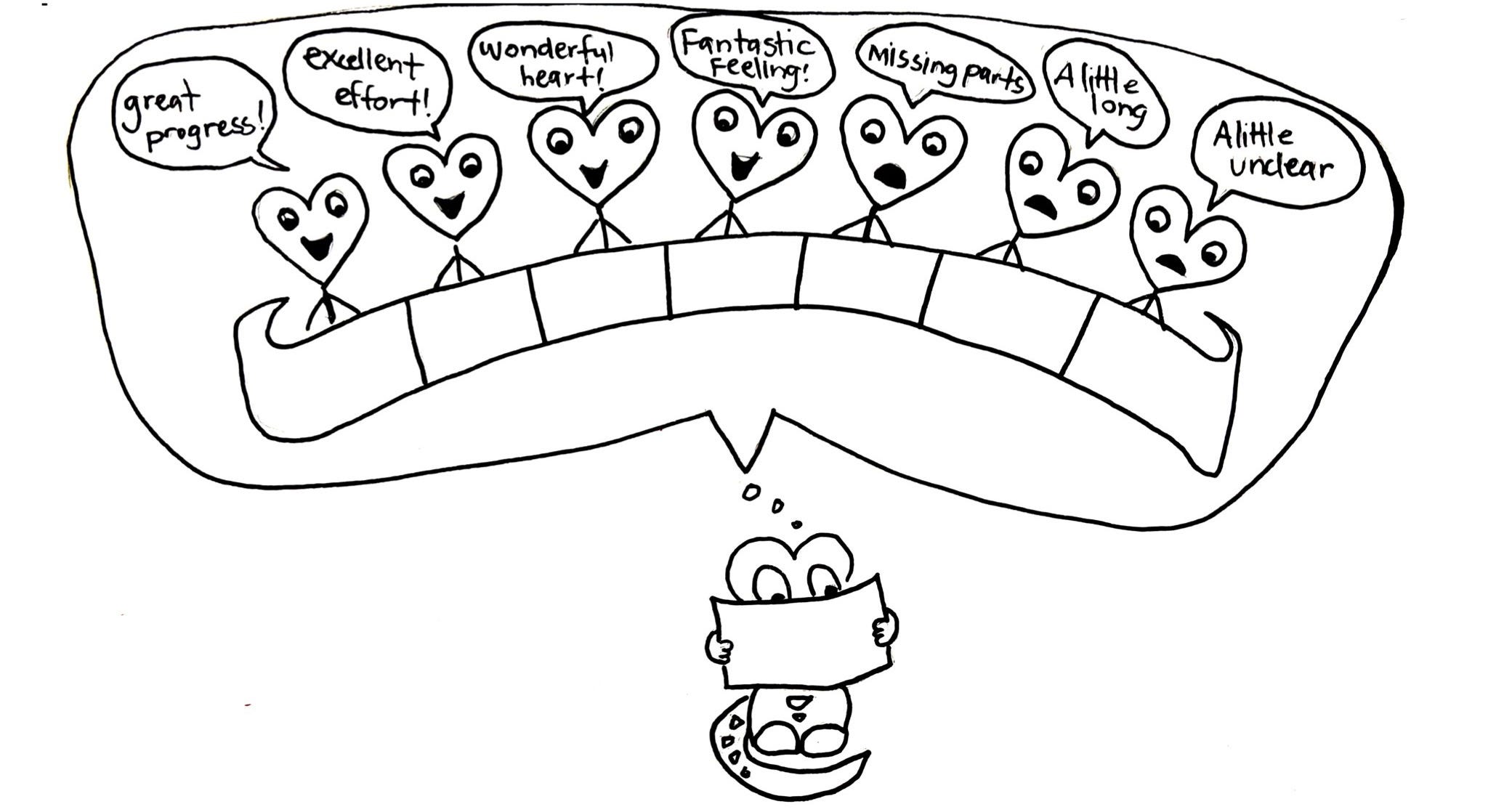
With that in mind, using my art to cultivate gratitude is a wonderful way to add positivity (without having to negate negativity). Studies have shown that practicing gratitude boosts dopamine and serotonin,195 gives the brain more oxygen196 (which helps it to function), and lowers cortisol levels by 23%.197 To that end, during hard times in my life, every day I write a little poem, draw a little picture, or tell a little story to amplify life’s little gifts and beauties (for more on this practice, read The Science of Positivity and check out my little ditties).
That being said, there’s a fine line between optimism and delusion; when optimism denies our challenges, it too becomes a distortion. However, some life-changes do benefit from believing in things that seem unrealistic. Ending slavery, for example, may have seemed like an absurd fantasy at first, but because folks (delusionally) dared to fight for this reality, America was able to end that horrific part of history.
Similarly, a little dose of delusion is sometimes needed to overcome poverty as class structures are not made to break very easily. For example, aiming for an abundant life may have seemed like a pipe-dream for Juan Gabriel (who was raised poor in an orphanage). But his (delusional) self-belief allowed him to rise above his place in society. In fact, even when he was wrongly imprisoned, he continued to write music (which caught the eye of the warden, who helped him to get famous). Similarly, it was considered insane (at the time) for a man to behave in such flamboyant ways, but Juan Gabriel’s (delusional) self-belief still found an authentic way to sing.198
With that in mind, when it comes to making peace (within and around me), idealistic art is a proactive methodology. Idealistic art is a form of creative visualization that is valuable because it acts as a mental rehearsal. This rehearsal strengthens the synapses involved wherein imagining a slam dunk is as helpful as throwing the ball.199200
As such, though my day-to-day experience is subject to the whims of my automatic responses, the idealism of my art sets me up for more peaceful reactions. In super-nerdy science philosophy, this proactive (and idealistic) approach collaborates with our brain’s wiring-system by asserting our own programming (read more about this in the previous article of the series). In this way, though my automatic responses may not always meet my ideal in the moment, creative visualization helps close the gap between who I am and who I’m becoming.
That being said, there’s also a fine line between idealism and perfectionism. With this in mind, I do my best to remember that I’m not alone in the space between my art and my lived reality; it’s a common challenge in artistry. For example, though Charles Dickens was a champion of compassion in his stories, his life behind the scenes was always not so pretty (as it was clear that his trauma still took a toll emotionally).201202 Plus, he reflected the Victorian gentleman of his time: gracious in public, but stern when out of sight203. What’s more, after 22 years of marriage, Dickens fell in love with another woman. Then, he defamed his wife and cut her off from her children.204205
Still, his character was complicated. Despite his harsh personality, he was also known to show generosity.206 He even helped struggling women by establishing a home for recovery.207
Even so, many critics call Dickens a hypocrite. But, from a psychological perspective, it’s much more complicated. Indeed, healing our traumas and cognitive distortions often takes time (neuroplasticity doesn’t happen overnight). Plus, I wonder who he would’ve become without his stories as a guiding light? (I imagine the abusive parts would’ve caused even more pain and strife).
That being said, even though his life was imperfect behind the scenes, the work of Charles Dickens still created an aim for society that tangibly bore more compassion and mercy. What would have become of the world if we never heard A Christmas Carol story?
With that in mind, I aim to encourage myself and other artists: even as none of us are perfect, we can still make a big difference. Here, themes of forgiveness allow me to be coherent: I may miss the mark at times, but my aim is earnest. And isn’t that true for all of us humans as we struggle to overcome all our distortions?
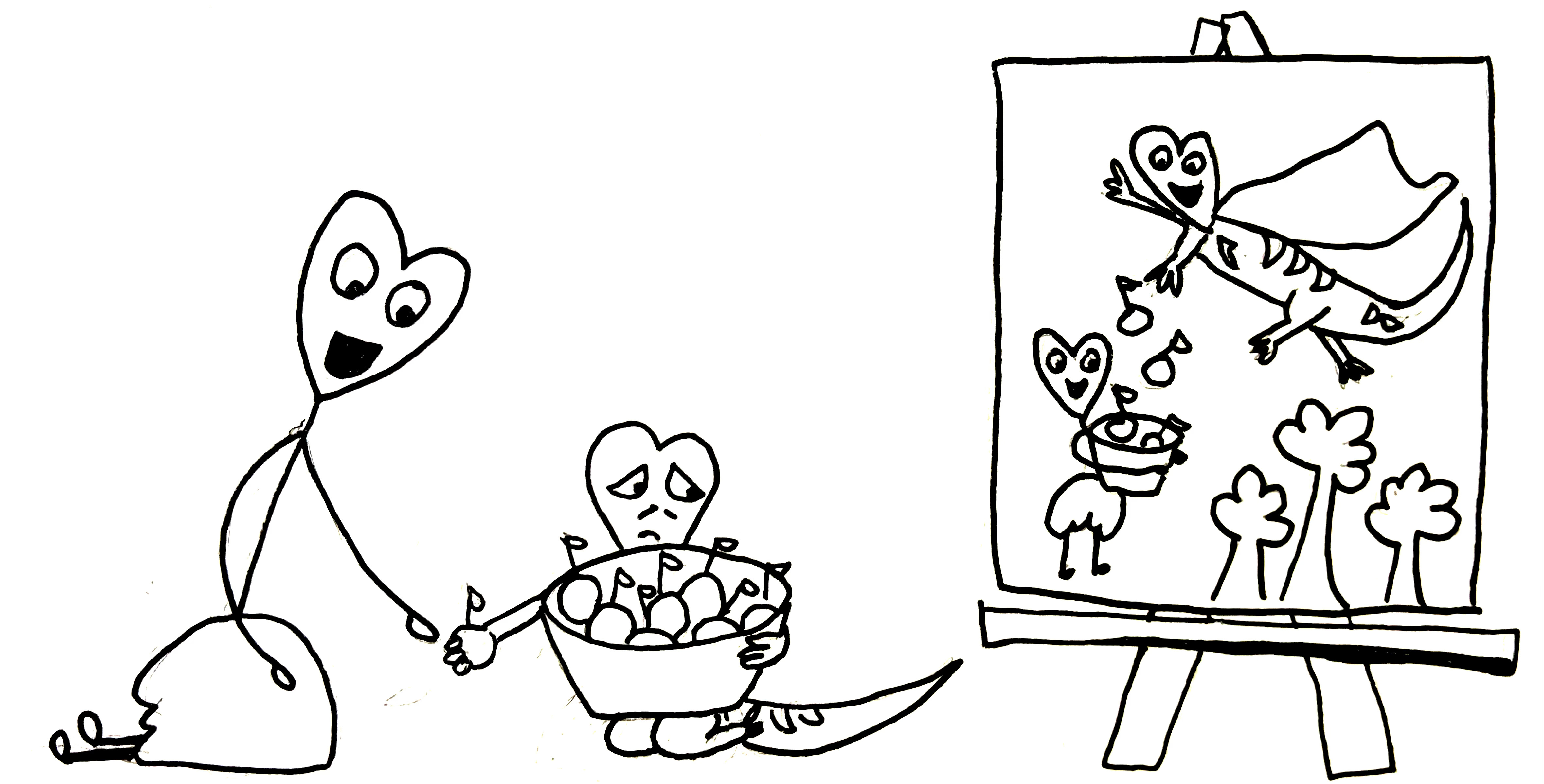
To that end, I’ve created a few guidelines for what I call Compassionate Storytelling. Though not all of these questions are applicable to every creation, I find it helpful to ask:
Setting: Does the story provide a context that explains how characters are shaped? Does it illustrate how each character is made?
Characters: Does the story reveal the strengths and weaknesses of all? Does it provide the background to understand their faults?
Plot: Does the story illustrate how challenges spur growth, or how needing help confirms we’re not alone? How does it demonstrate interdependence (in which even characters in conflict offer each other benefit)?
Meaning/Purpose: What purpose does my story serve for me, as the creator? Then, for the audience, what does it offer? How does my creation support love and peace? In the face of life’s challenges, how does it help us to believe?
Finally, once the heart of my art has become clear, different creative tools and devices can be used to further strengthen new synaptic connections. For example:
Repetitive Affirmations:208209 In song lyrics and poetry I repeat affirmations that support peaceful perspectives (a helpful resource is the list of coping thoughts that are offered in the book Taming Your Amygdala: Brain Based Strategies to Quiet the Anxious Mind).
Deep Focus: I create series or themes in which new patterns are strengthened through sustained focus over time.
Emotional Content: Throughout my art, I use music, colors, shapes, metaphors and symbols to evoke emotion (as strong emotions strengthen new synaptic connections).
Imagination/Visualization210: In my stories, I imagine myself (and others) living with peaceful patterns.
However, even within these methods, I’ve found a fine line between reinforcing positive perspectives and negating my true experience. This is important to notice because I make art as an expression of love for the human condition, wherein it feels important to honor all the ups and downs of our experience.
That being said, it can be tricky to synthesize the tenets of neuroplasticity with honest reflections of our full-spectrum being. This is because while the science of neuroplasticity illustrates that our art perpetuates the themes of our creations, not all of our experiences want to be perpetuated. For example, while expressing pain is important in identifying where there’s danger,211 making art about pain can reinforce feelings of fear and anger (rather than alleviating them). So, how do I express the fullness of my experience while staying aware of the power of my creation?
This conundrum has been a central challenge within the development of my creative practice. That being said, I have made progress. Here’s some strategies that I’ve developed:
I treat each creation as a puzzle-piece within my larger body of work as an artist. Here, some pieces reflect the joy, and some reflect the challenges. Edvard Munch’s212 paintings, for example, naturally encompassed the range of human experience as his earlier work produced the “The Scream”, but “The Sun” reflected his healing.
I make multi-media art in which different mediums make space for different parts of me. For example: In music, I lean toward idealism and positivity because music is often listened to on repeat. In stories, however, I tend to include a wider-range of my experience (this method can be seen in my musical diary)
I think of my art in layers. For the purpose of creating new synapses and perspectives, I use the most prominent layers to create new habits. In the chorus of a song, repeating phrases, the end of a story, or the point of focus, I commit wholeheartedly to where I’m aiming. Then, I fill-in the flesh of my story with the hurt and humor of becoming (I used this method in the song Something More).
I create art that juxtaposes abstract emotional expression (such as colors or music) with symbols or words that create the opposite feeling. With anger, for example, I might use colors or tones that reflect rage, but words or symbols that assert my ability to hold my boundary with grace. Conversely, I’m inspired by artists who use positive colors or tones as the backdrop to their difficult experiences (a method that was absolutely mastered in Motown music). That being said, it doesn’t take much positive to make a big difference. In fact, even a hopeful question can keep a light in the darkness (I used this method in the song Meeting in the Trees).
With all this in mind, art has the power to bring the two hands of peace together: the hand of mercy for things as they are, and the hand that dreams for better; the hand that acknowledges the depth of our challenges, and the hand that knows that we can overcome them.
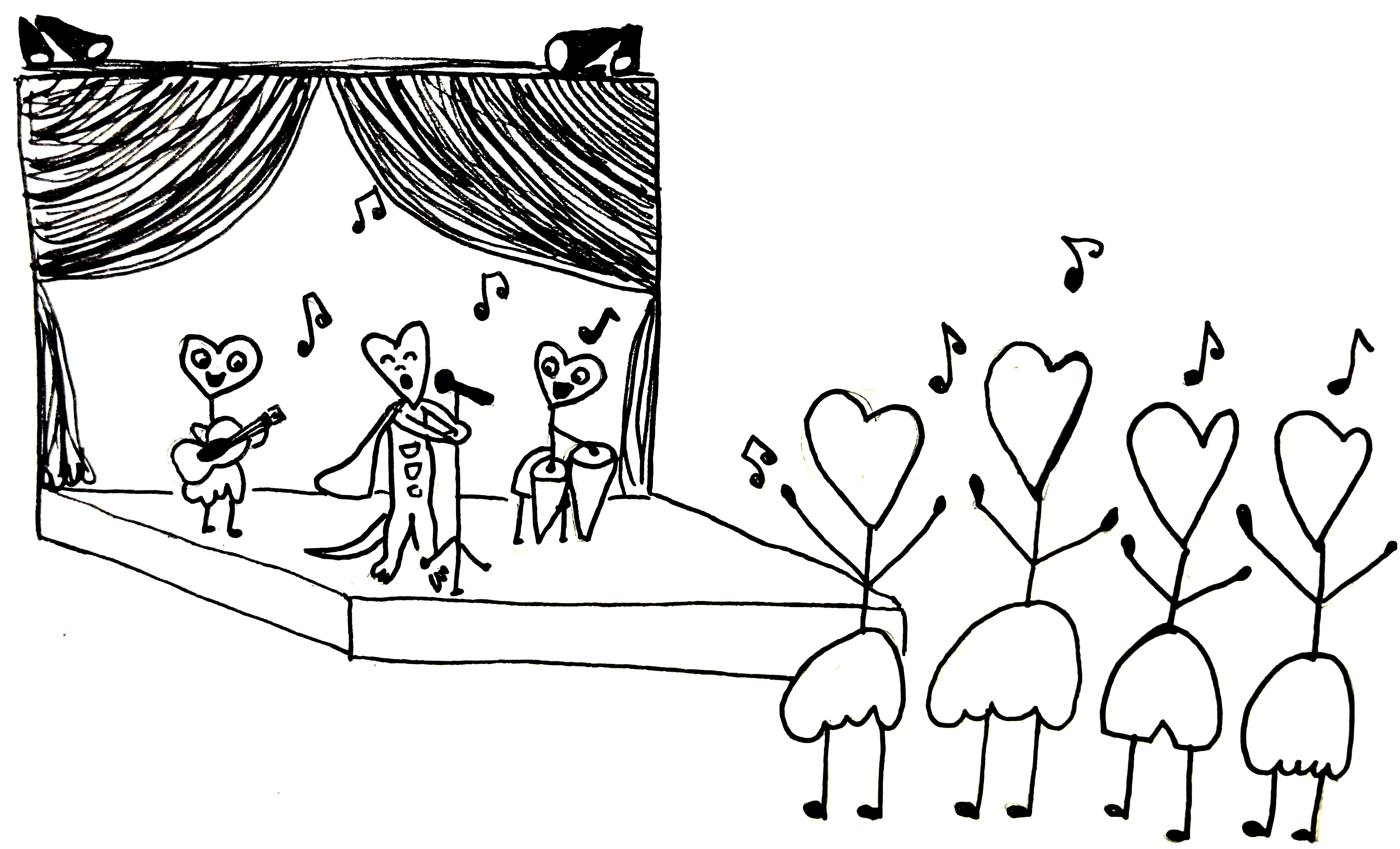
Up until this point, I’ve primarily talked about the ways in which making art can help artists to evolve our love into new stages of peace. But, these benefits don’t stop with us -when we share the art of our evolving hearts, our audience receives the same new start.
As a tool for growing love and peace, this makes art a key because not everyone has the time to evaluate how we perceive. With work, kids, and all our responsibilities, we don’t all have the time to craft new realities. No doubt, what takes the reader an hour to ingest has taken the writer weeks (if not years) to express. Then, with poems, pictures, shorts and songs, the audience gets the benefit by singing along.
This is to say: the arts are an extremely efficient and effective social service.
Here’s the nerdy-stuff behind it:
As we’ve explored here, at the heart of most art is story, and story is a central component of how we create our perspectives (and the actions that are born of those perspectives). So, as art shapes story, it also shapes reality. This is true for both the creator and the audience due to the existence of mirror neurons.
Mirror neurons are specialized brain cells that activate when we witness someone do something. They exist in many parts of the brain to form the Mirror Neuron System (MNS).213 In general, here’s how they work:
When we witness someone do or experience something, our mirror neurons activate the same brain regions with us (as if we were doing the same thing). For example:
Mirror-Sensory Synesthesia214 is when witnessing someone else’s experience of touch, taste, smell, or pain activates the same parts of our brain (like when we see someone smell something foul and our own olfactory turns on as well).
Motor-Resonance215 is when witnessing someone do an action causes the same motor-parts of our brains to be activated.
Emotional Contagion216217 is when we experience someone feeling an emotion, and our brains light up as if we felt the same feeling.218219 This can include triggering the sympathetic nervous system (and the cortisol that it releases).220
Evolutionary speaking, the phenomenon of experiencing what others are experiencing by witnessing them likely occurred for two purposes:221222
Learning: through the Mirror Neuron System, we can learn to do things by watching someone else do them.223224
Social skills: through the Mirror Neuron System, we’re able to have empathy for others, which helps us understand them, and work together.225
That being said, mirror neurons don’t only activate when we witness someone’s experience in the moment, but also in the memory of it. Similarly, mirror neurons activate from images and stories, which can transport audiences into whole new realities.226 This transportation is especially powerful when the audience vividly imagines the scene, and when they relate to the characters in the story. Whether the characters are people, animals, or the moon, stories transport us into different views.
As such, the benefits of story-arts can be tremendous for the audience, even to the point of being life changing.227 Here’s how:
Firstly, story-art can support audiences by simulating experiences that:228
inspire self-appreciation and understanding
provide hope, and affirm life’s meaning
support growth with “blueprints for personal change”229
grow confidence by overcoming challenge and pain230
Story-art also helps audiences change their perspectives by creating scenarios that lower their defenses. By transporting into someone else’s story, we bypass the defenses that may have blocked new understandings.231232
Furthermore, story-art can help audiences by reducing stress. It does this in a couple of ways: Firstly, it can give us a break from our own challenges. A form of mental vacation,233 when we’re transported into another reality, the stressors of our own lives can rest and breathe. Biologically, this can even lower cortisol levels.234
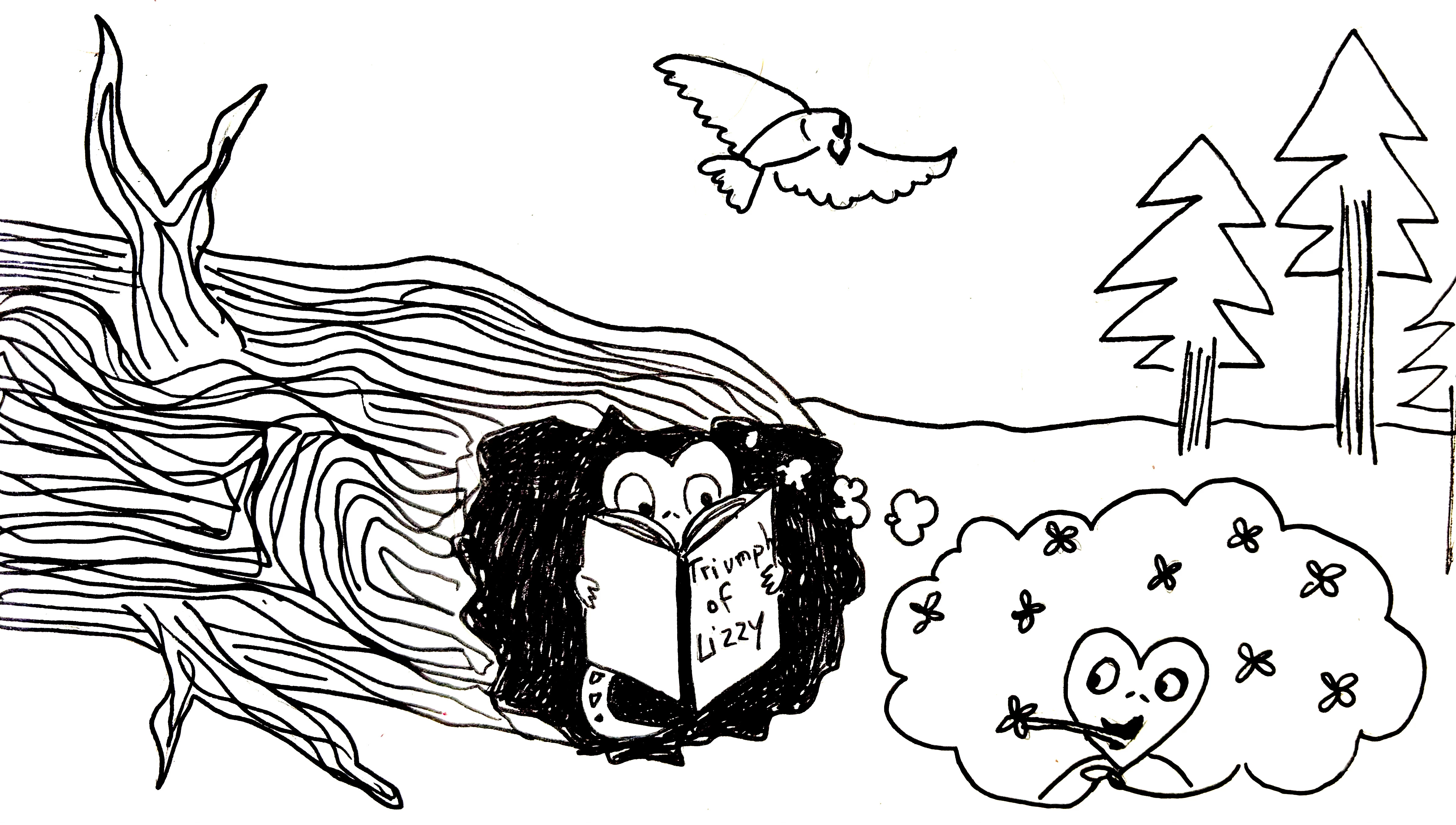
Similarly, story-art can reduce stress through parasocial relationships, which are friendships with characters (and/or creators) who we’ve not met, yet who seem to know us the best. These parasocial relationships can soothe the stress of loneliness,235236237 passing the loving witness from the artist to the audience. Then, as artists evolve with their creations, this friendship supports a mutual evolution.
Finally, story-art can support our relationships by:
helping us to see from another person’s point of view. This perspective-taking grows empathy and understanding238 which releases oxytocin239 and makes us more trusting.
helping us to visualize how to navigate our conflicts with peace in mind.240241
supporting our understanding of society, nature and history242 (which can deepen our ability to care universally)
All of these benefits of story-art happen neurologically as the simulation of others’ experience rewires how the audience sees. So when we view the landscapes of Obata, we too are freed, and when we hear the voice of Tina Turner, we stand-up to succeed. In portraits of pain, and joy and grief, we too find the poetry of making peace.
Thanks to the science of creativity, making art has a very practical application: it’s not just a song, story, poem or picture -it’s an empowered evolution! Through neuroplasticity, making art helps us form a new foundation: to love this life, and all of its pieces. Whereas most adaptations take ages and ages, we can evolve (with neuroplasticity) in just a few pages; in a couple of pictures and a sweet little tune, we have the power -within our lifetime- to create ourselves anew.
Then, when we share our art (that’s made with love in view), we empower the heroic heart in our audience too. Spread like a contagion that touches every scale, from the widest of lenses to the tiniest details -the heart of our art sends ripples. Love is a slow variable that moves through every system, gently bringing peace through its steady rhythm. Thump-thump-thump, my heart is fed by the humble courage of artists who wear their humanity on their sleeve to offer a mirror of love and mercy.
As a human who struggles with life’s conditions, in a world where love can feel so distant, I dedicate this series to all the nerds and artists who’ve helped my heart to find a way through it.
I’m here because of you, and for you.
Thank you.
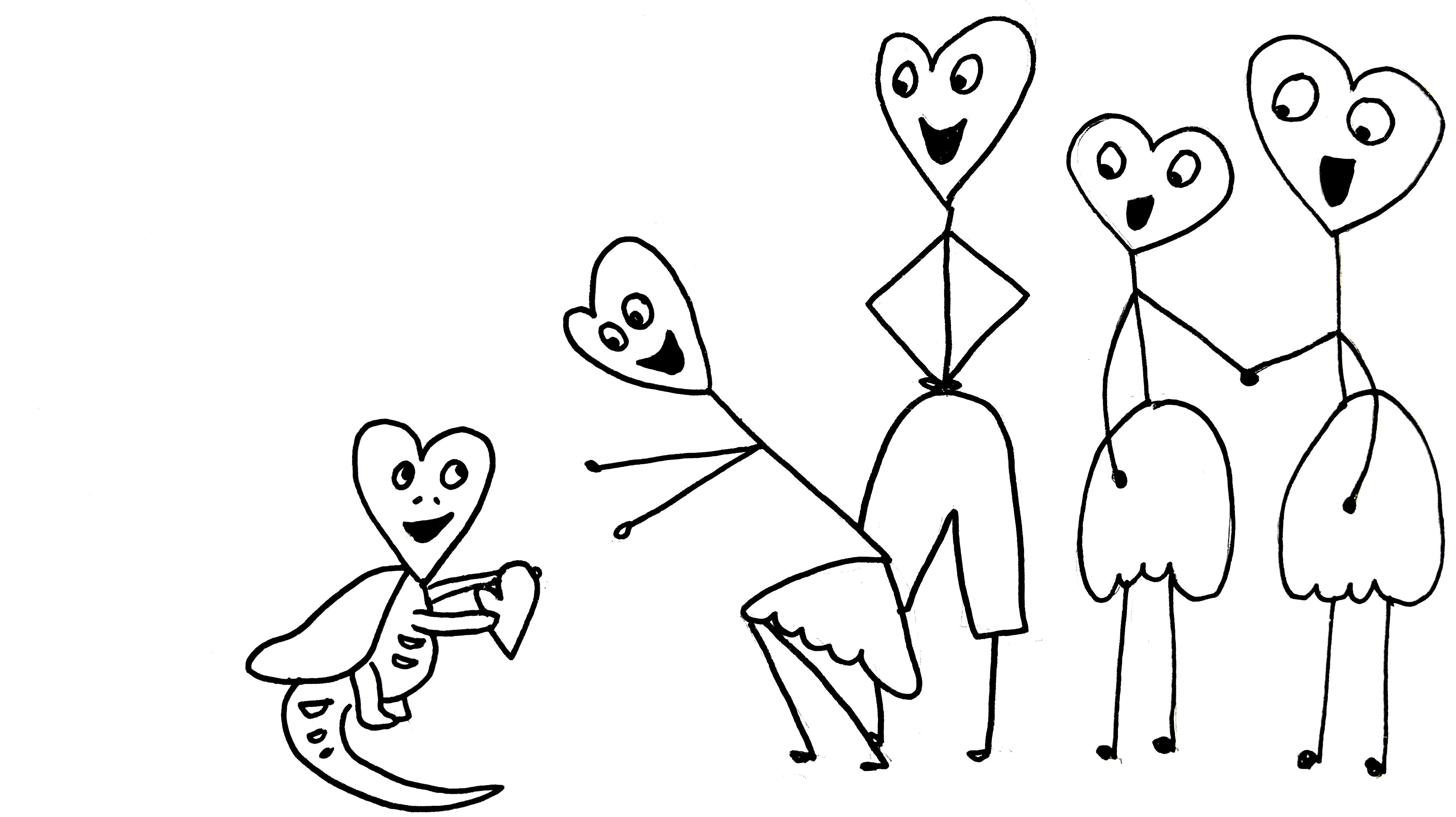
(and read the stories and science behind the songs)
Follow "Love Notes to Our Nature"
Tina Turner (1939-2023) was a singer, songwriter, author, actress and performer who redefined the role of women in music (and was often referred to as the Queen of Rock and Roll). After escaping 16 years of an abusive marriage and creative partnership, Tina launched a solo career. In her music, and in her two memoirs (I, Tina and My Love Story), Tina became a beacon of hope, strength, and resilience for survivors of domestic abuse (and for anyone who’s ever had to take great risks to stand up for themselves).
Juan Gabriel (1950–2016) was a singer, songwriter and performer who revolutionized Latino music by blending ranchera, pop, and balladry. Affectionally called El Divo de Juárez, Juan Gabriel became a voice of hope and dignity for the marginalized, specifically for those who live in poverty and for queer community (as he, himself, grew up in poverty, and had a shamelessly flamboyant way of expressing).
Margaret Keane (1927–2022) was a painter whose portraits of children and animals with big eyes provided an emotional comfort and empathy for American people within the post-WWII and cold-war anxieties. Having suffered hearing impairment as a child, Margaret began to focus on eyes as a source of communication, giving voice to human vulnerability and sadness. That being said, for roughly 3 decades, her husband sold her art as his own (having coerced Margaret to paint on his behalf). Though they divorced in 1965, the fraudulent attribution lasted until she exposed the truth (first in 1970 and later in a “paint-off” in 1986). Her art and story became an inspiration for artistic justice and female empowerment.
Khwāja Šamsu d-Dīn Muḥammad Hāfez-e Šīrāzī known as Hafiz (1325–1390) was a Persian lyric poet who’s poetry celebrated love as the ultimate life path. Though little is known about his life, it’s believed that Hafiz overcame many hardships in his life, such as the loss of his father (leaving his family poor), the (possible) loss of his wife and son, and political and religious oppression. As such, Hafiz became a voice of hope, resilience and the unwavering power of love to transcend the struggles of the human condition.
Shi Tiesheng (1951 – 2010) was a Chinese author who wrote fictional and autobiographical stories about transcending the human condition and finding hope amongst our struggles. Paralyzed by a spinal illness at 21, Shi Tiesheng lived the remainder of his life in a wheelchair. As such, Shi Tiesheng became an empowered voice not only for those who have physical limitations, but for all of us who are faced with challenges that are out-of-or control. His work serves as a reminder that even the most profound losses can be transformed into something meaningful.
Mark Twain (1835–1910) was an American author whose work ultimately challenged the racist legacy of slavery, and continues to inspire readers to make their own moral decisions, independent of cultural pressures. Born into a slave-owning family, Mark Twain’s initial works reflected apathetic views towards racism. But, after witnessing the brutality of slavery first hand, and marrying into an abolitionist family, his views began to change. Though, throughout his life, he struggled to entirely unlearn stereotypical perspectives and ideas, in The Adventures of Huckleberry Finn, he walks the reader through the process of finding the moral clarity and courage to live in alignment with our integrity (rather than following the pressures of others). An American classic, The Adventures of Huckleberry Finn continues to inspire humans to look critically at social norms that inhibit the freedom and dignity of others.
Chiura Obata (1885-1975) was a Japanese artist whose landscape paintings on “Great Nature” highlighted the power of nature as a sanctuary, and a source of human resilience. From a young age, Chiura Obata found freedom in art, having fled military school in Japan to study with Japanese masters. Then, forced into incarceration at a Japanese Interment camp during WWII, Obata found freedom beyond the fences through his landscape paintings. He also set up art schools at two detention camps to offer the solace and strength of art to other prisoners. After release, Chiura Obata became an American citizen and continued to teach and paint in ways that inspired east-west cultural bridges, and inner-peace.
Maya Angelou (1928–2014) was an American author, poet, dancer, singer, composer, actor and performer who inspired resilience in the face of abuse and injustice. Raped by her mother’s boyfriend (causing mutism), and raised within the context of the Great Depression and southern racism, by telling her stories of overcoming trauma, Maya Angelou inspired others to find strength, meaning, and even joy amongst our struggles. A prominent figure in the civil rights movement, Maya Angelou’s work brought beauty to the pursuit of justice, and inspired countless artists to use their craft as a conduit for unity and peace.
Frida Kahlo (1907–1954) was a Mexican painter who offered an intimate view of her inner-world, inspiring viewers to unapologetically express their strength and struggle (even in the face of taboo). Her art was forged through the many challenges of her life, such as: childhood polio, the challenges she faced as a bisexual woman, her passionate (but tumultuous) marriage, political conflicts, multiple miscarriages, and the chronic pain and surgeries that she endured after surviving a trolley accident. As such, for diverse audiences around the world, Frida Kahlo’s work has served as a reflection of resilience, self-definition and the human ability to turn pain into art.
https://compass.onlinelibrary.wiley.com/doi/epdf/10.1111/spc3.12274
https://www.artsy.net/article/artsy-editorial-8-famous-artists-self-taught
https://en.wikipedia.org/wiki/Frida_Kahlo#Posthumous_recognition_and_”Fridamania”
Emily Dickinson (1830–1886) was an American poet who continues to inspire authenticity in the face of social conventions. Quietly rebellious to Victorian norms for women, Emily Dickinson refused to marry and chose to live a life in seclusion where she focused writing, gardening, and private correspondences with friends and family. As an artist who didn’t publish her work while alive (and who developed her own poetic style), Emily Dickinson’s dedication to her craft highlights the value of the arts as not only a product for consumption, but as a profound inner path of peace and liberation.
Vincent Van Gogh (1853–1890) was a painter who inspired artists to prioritize the expression of inner emotion over technical accuracy (or objective reality). Though his dedication to his craft didn’t result in commercial success in his lifetime, and thought he suffered from severe mental health challenges (ultimately resulting in suicide), both his art and his letters to his brother reflect the strength of the creative spirit, even amongst great hardship.
https://www.npr.org/sections/health-shots/2020/01/11/795010044/feeling-artsy-heres-how-making-art-helps-your-brain#:~:text=They found that 45 minutes,the frontal and central areas.
https://pmc.ncbi.nlm.nih.gov/articles/PMC11480958/#:~:text=A total of six out,creative expression and emotional processing.
https://drexel.edu/news/archive/2017/june/making-art-activates-brains-reward-pathways#:~:text=A study from Drexel University found that,measured bloodflow increase in the reward pathway.
https://pmc.ncbi.nlm.nih.gov/articles/PMC10954310/
https://drexel.edu/news/archive/2016/june/art_hormone_levels_lower#:~:text=A study from Drexel University found that,lower cortisol levels after they’d created art**
https://pmc.ncbi.nlm.nih.gov/articles/PMC5004743/#:~:text=Abstract,, media choice, or gender.
https://www.americanartresources.com/blog/how-art-affects-the-body#:~:text=Art Activates the Body’s “Rest,this data helps explain why.
https://echorecovery.org/blog/mindful-doodling-anxiety-relief/#:~:text=feelings through words.-,The Science Behind It,benefits for emotional well-being.
https://health.clevelandclinic.org/3-reasons-adult-coloring-can-actually-relax-brain
https://link.springer.com/article/10.1007/s10943-023-01967-5
https://intouchandmotion.com/how-expressive-arts-therapy-helps-with-anxiety/#:~:text=1.,restore this mind-body connection.
https://pmc.ncbi.nlm.nih.gov/articles/PMC5376620/#:~:text=Among other functions, the amygdala,2013a; Koelsch, 2014).
https://www.scientificamerican.com/article/this-is-your-brain-in-meltdown/#:~:text=Keeping this network firing as,on a tricky balancing act.
https://pmc.ncbi.nlm.nih.gov/articles/PMC2907136/
https://www.researchgate.net/publication/232437816_Confronting_Sadness_Through_Art-Making_Distraction_Is_More_Beneficial_Than_Venting#:~:text=According to a 2012 study by Jennifer,than in the venting or sitting condition
https://pmc.ncbi.nlm.nih.gov/articles/PMC11480958/#:~:text=A total of six out,creative expression and emotional processing.
https://midtownpractice.com/the-power-of-labeling-feelings/
https://www.sciencedirect.com/science/article/pii/S2713374524000098#:~:text=This recognition of the various,Fancourt & Ali, 2019).
https://www.sciencedaily.com/releases/2008/04/080428155208.htm#:~:text=social sciences & education,-,Cause and affect: Emotions can be unconsciously and subliminally evoked,be unconsciously evoked and manipulated.
https://pmc.ncbi.nlm.nih.gov/articles/PMC9886894/#:~:text=In our research, the theory,existing natural language processing techniques.
https://www.ncbi.nlm.nih.gov/books/NBK470241/#:~:text=The idea for developing this,“empirically validated psychological treatment.”
https://www.sciencedaily.com/releases/2024/06/240613161150.htm#:~:text=Neuroscientists found that brains display,between positive and negative feelings.
https://pmc.ncbi.nlm.nih.gov/articles/PMC3874727/
https://pmc.ncbi.nlm.nih.gov/articles/PMC3330757/
https://medicine.utah.edu/neurosurgery/news/2025/01/mapping-creativity-role-of-default-mode-network#:~:text=Recently, Ben Shofty, MD,,DMN’s role in creative processes.
https://neurosciencenews.com/creativity-dmn-neuroscience-26436/#:~:text=Summary: Researchers have identified how,for disorders affecting the DMN.
https://direct.mit.edu/jocn/article/21/3/415/4666/A-Brain-Mechanism-for-Facilitation-of-Insight-by?guestAccessKey
https://pmc.ncbi.nlm.nih.gov/articles/PMC3334843/#:~:text=The practice of visual arts,improvisation in theater and music.
https://www.researchgate.net/publication/255655328_How_Arts_Training_Improves_Attention_and_Cognition
https://pmc.ncbi.nlm.nih.gov/articles/PMC12102519/#:~:text=Using deliberate techniques is linked,deliberately engages underlying cognitive domains.
https://pdfs.semanticscholar.org/fc75/c69edee131a0b9ded285e1d20021a9cd7215.pdf
https://pmc.ncbi.nlm.nih.gov/articles/PMC12214691/#:~:text=Mediation analysis: role of associative,mechanism linking creativity and learning.
https://www.edutopia.org/article/sharpening-students-observation-skills-through-poetry/
https://positivepsychology.com/hierarchy-of-needs/
https://pmc.ncbi.nlm.nih.gov/articles/PMC9886894/#:~:text=In our research, the theory,existing natural language processing techniques.
https://www.ncbi.nlm.nih.gov/books/NBK470241/#:~:text=The idea for developing this,“empirically validated psychological treatment.”
https://metaforest.life/2022/03/22/narrative-therapy/#:~:text=Exploring the effects of the,therapy goal for that person.
https://pmc.ncbi.nlm.nih.gov/articles/PMC11073815/#:~:text=The creative process of using,therapeutic impact of these methods.
https://www.sciencedirect.com/science/article/pii/S0197455625000498#:~:text=Metaphors in psychotherapy and art,the practice of art therapy.
https://www.resiliencelab.us/thought-lab/narrative-therapy#:~:text=In narrative therapy, externalization refers,on self-identity and confidence.
https://caleon.eu/the-role-of-self-distancing-in-life-story-journaling/#:~:text=Psychologists have described self-distancing,of purpose and growth afterward.
https://www.resiliencelab.us/thought-lab/narrative-therapy#:~:text=This approach enables individuals to,and discover their true voice.
https://www.o7therapy.com/resources/understanding-your-defense-mechanisms#:~:text=It gives clients a free,access them from now on.
Charles Dickens (1812–1870) was an English novelist whose work shed light on the terrible working conditions of the Victorian Age and continues to bring dignity to the poor. Raised in extreme poverty (and having worked in harsh factory conditions as a young man himself) the work of Charles Dickens continues to inspire kindness and charity around the world (with over 400 adapted films and series -making him one of the most adapted authors in history).
Toni Morison (1931–2019) was an author whose work shed light on the horrific struggles and incredible strength of Black Americans. Having overcome severe poverty as a child and the pains of racism within her family (such as her father witnessingw the lynching of two black men), Toni Morrison’s raw accounts of the Black American experience of holds a mirror for all to reflect on the part that we play in creating a just society for all.
https://www.webexhibits.org/vangogh/letter/18/538.htm#:~:text=Source:,/18/538.htm.
https://pmc.ncbi.nlm.nih.gov/articles/PMC3524680/#:~:text=Summary,anterior cingulate cortex, anterior insula
https://dictionary.apa.org/projection
https://www.verywellmind.com/what-is-brain-plasticity-2794886#:~:text=Key Takeaways,Verywell / JR Bee
https://my.clevelandclinic.org/health/articles/synaptic-pruning
https://pmc.ncbi.nlm.nih.gov/articles/PMC9936439/
https://scholarblogs.emory.edu/artsbrain/2025/02/28/neuroplasticity-and-art-how-creativity-shapes-the-brain/#:~:text=Research indicates that engaging in,how tactile engagement fosters neuroplasticity.
https://www.sciencedirect.com/science/article/abs/pii/S0306987709006926#:~:text=Perhaps the most essential feature,in an inverted U-form.
https://www.nature.com/articles/s42003-024-06493-y#:~:text=One influential theory of creativity,,18,19,20.
https://pmc.ncbi.nlm.nih.gov/articles/PMC2877027/
https://journals.plos.org/plosone/article?id=10.1371/journal.pone.0101035#s4
https://pmc.ncbi.nlm.nih.gov/articles/PMC11480958/#:~:text=Keywords: creative arts, emotional regulation, mind-body modalities,,medial prefrontal cortex (mPFC), amygdala. 1 Introduction.
https://pmc.ncbi.nlm.nih.gov/articles/PMC11480958/#:~:text=A total of six out,creative expression and emotional processing.
https://www.sciencedirect.com/science/article/pii/S1053811920300598#:~:text=Alpha synchronization and weaker BOLD,generated in the right hemisphere.
https://www.nature.com/articles/srep10964#:~:text=A growing body of research,suppression of the other1.
https://neurosciencenews.com/creativity-networks-8355/#:~:text=FeaturedNeurosciencePsychology,the National Academy of Sciences.
https://www.psychologytoday.com/us/blog/arts-and-health/201109/art-and-happiness
https://pmc.ncbi.nlm.nih.gov/articles/PMC7116421/
https://pmc.ncbi.nlm.nih.gov/articles/PMC3490029/#:~:text=We recently demonstrated that prolonged,B receptors in this phenomenon.
https://pmc.ncbi.nlm.nih.gov/articles/PMC3032992/#:~:text=Dopamine%20has%20long%20been%20known,et%20al.%2C%202005).
https://pmc.ncbi.nlm.nih.gov/articles/PMC12628857/#:~:text=The findings demonstrate that creative,students’ problem-solving skills.
https://pubmed.ncbi.nlm.nih.gov/28648571/#:~:text=The crucial property of symbols,terms of localization and dynamics?
https://www.sciencedirect.com/science/article/abs/pii/S0304394008003364
https://pmc.ncbi.nlm.nih.gov/articles/PMC11620750/#:~:text=To achieve this, they used,occur in other natural situations.
https://www.npr.org/sections/health-shots/2020/01/11/795010044/feeling-artsy-heres-how-making-art-helps-your-brain
https://www.aau.edu/research-scholarship/featured-research-topics/researchers-explore-how-we-depict-and-perceive#:~:text=A new study by U,and associated with vertical lines.
ttps://www.sciencedirect.com/science/article/abs/pii/S0732118X24000230#:~:text=rights and content-,Abstract,disciplines including art and communication.
https://www.cogneurosociety.org/spontaneous_memories_weymar/#:~:text=“In our study, we found,memory networks,” Weymar says.
https://pmc.ncbi.nlm.nih.gov/articles/PMC1783624/#:~:text=Rating data were submitted to,relative to other stimulus types.
https://www.evans.ink/post/interpretive-portraiture-and-other-types-of-portrait-art-why-emotion-matters-more-than-likeness#:~:text=Interpretive portraiture is a form,that require the viewer’s interpretation.
https://pmc.ncbi.nlm.nih.gov/articles/PMC6097630/#:~:text=Abstract,does not require explicit judgment.
https://pmc.ncbi.nlm.nih.gov/articles/PMC6097630/#S13
https://pmc.ncbi.nlm.nih.gov/articles/PMC6098926/#:~:text=Threat detection from visual perception,scene or of an object.
https://pmc.ncbi.nlm.nih.gov/articles/PMC6097630/
https://www.frontiersin.org/journals/psychology/articles/10.3389/fpsyg.2024.1341122/full
https://thedecisionlab.com/insights/society/how-colors-affect-the-way-we-feel
https://pmc.ncbi.nlm.nih.gov/articles/PMC12325498/#Sec20
https://pmc.ncbi.nlm.nih.gov/articles/PMC2889342/
https://pmc.ncbi.nlm.nih.gov/articles/PMC10765015/#sec2
https://greatergood.berkeley.edu/article/item/how_many_emotions_can_music_make_you_feel#:~:text=Potential applications for these research,by a piece of music.
https://www.sciencedirect.com/science/article/pii/S0149763423001665
https://pmc.ncbi.nlm.nih.gov/articles/PMC7704436/
https://pmc.ncbi.nlm.nih.gov/articles/PMC5033247/#:~:text=How do we account for,catapult our thinking into abstraction.
https://pmc.ncbi.nlm.nih.gov/articles/PMC7213777/#:~:text=Abstract,present-day morbidity and mortality.
https://pmc.ncbi.nlm.nih.gov/articles/PMC5050353/#:~:text=Abstract,will be sad or depressed.
https://opentextbc.ca/introductiontopsychology/chapter/7-1-learning-by-association-classical-conditioning/#:~:text=Pavlov had identified a fundamental,response as the unconditioned stimulus.
http://evo.psych.purdue.edu/downloads/2007_Nairne_etal_Survival_Processing_Enhances_Retention.pdf#:~:text=In surprise retention tests, participants consistently showed,of survival advantages accrued in the past.
https://zuckermaninstitute.columbia.edu/when-storing-memories-brain-prioritizes-those-experiences-are-most-rewarding#:~:text=“Our memory is not an,of events and shape memory.”
https://www.jneurosci.org/content/45/14/e2406232025#:~:text=Neural data showed that this,decreases markedly with repeated exposure.
https://www.psychologytoday.com/us/blog/finding-purpose/202201/the-brain-prediction-machine-the-key-consciousness#:~:text=Understanding the brain as a,the environment and the self.&text=The ability to make predictions,a form of predictive modeling.
https://news.columbia.edu/news/our-brains-divide-day-chapters-new-psychology-research-offers-details-how#:~:text=The researchers measured where the,have on long-term memory.
https://www.researchgate.net/publication/246392494_How_Stories_Make_Sense_of_Personal_Experiences_Motives_that_Shape_Autobiographical_Narratives
https://www.ebsco.com/research-starters/psychology/schema-theory
https://www.psychologistworld.com/memory/schema-memory#:~:text=The accounts of the story,it (Bartlett, 1932).
https://pmc.ncbi.nlm.nih.gov/articles/PMC2099308/#S27
https://thedecisionlab.com/reference-guide/neuroscience/hebbian-learning
https://pmc.ncbi.nlm.nih.gov/articles/PMC3725201/#:~:text=Introduction,,4,5,6.
https://pmc.ncbi.nlm.nih.gov/articles/PMC3725201/#:~:text=We hypothesize that the expression,represented features of perceived information.
https://elifesciences.org/articles/70445#s3
https://www.suebehaviouraldesign.com/en/blog/kahneman-thinking-fast-and-slow/#:~:text=Cognitive biases: when shortcuts produce,Kahneman calls them cognitive biases.
https://thedecisionlab.com/biases/heuristics
https://digitalcommons.chapman.edu/cgi/viewcontent.cgi?params=/context/psychology_articles/article/1053/&path_info=ContentServer.asp_1.pdf
https://thedecisionlab.com/reference-guide/psychology/cognitive-distortions
https://digitalcommons.chapman.edu/cgi/viewcontent.cgi?params=/context/psychology_articles/article/1053/&path_info=ContentServer.asp_1.pdf
https://files.eric.ed.gov/fulltext/EJ1409088.pdf
https://missionconnectionhealthcare.com/mental-health/cognitive-distortions/childhood-experiences/
https://pmc.ncbi.nlm.nih.gov/articles/PMC1855149/
https://pmc.ncbi.nlm.nih.gov/articles/PMC2910667/#:~:text=development of psychopathology.-,Background,hippocampus [see [4]].
https://pmc.ncbi.nlm.nih.gov/articles/PMC2697308/#S25
https://pmc.ncbi.nlm.nih.gov/articles/PMC12973705/
https://pmc.ncbi.nlm.nih.gov/articles/PMC5732886/
https://www.researchgate.net/publication/396420694_THE_INFLUENCE_OF_OVERPROTECTIVE_PARENTING_STYLES_ON_CHILDHOOD_COGNITIVE_DEVELOPMENT
https://pmc.ncbi.nlm.nih.gov/articles/PMC12001751/
https://pmc.ncbi.nlm.nih.gov/articles/PMC11752915/
https://www.apa.org/monitor/2024/10/antidote-achievement-culture
https://www.urban.org/urban-wire/povertys-toll-mental-health
https://pmc.ncbi.nlm.nih.gov/articles/PMC7483158/
https://pmc.ncbi.nlm.nih.gov/articles/PMC12775686/#:~:text=Higher levels of objective measures,et al., 2014).
https://www.uclahealth.org/news/release/study-finds-childhood-bullying-linked-distrust-and-mental#:~:text=Study finds childhood bullying linked,Cohort Study Link is external.
https://pmc.ncbi.nlm.nih.gov/articles/PMC2892817/#:~:text=This combination of lack of,them less desirable social partners.
https://pmc.ncbi.nlm.nih.gov/articles/PMC11077334/#:~:text=These early‐life events have,effects of adverse childhood experiences.&text=Childhood experiences profoundly shape the,interventions for the older people.
https://pmc.ncbi.nlm.nih.gov/articles/PMC9872076/#:~:text=Introduction,the environment, and the future.
https://www.sciencedirect.com/science/article/pii/S0005796723000876#:~:text=Although his primary and most,a change in cognitive distortions.
https://www.gatewaytosolutions.org/cognitive-distortions-and-self-esteem/#:~:text=In contrast to overcontrol, under,person feeling useless and depressed.
https://www.researchgate.net/publication/400934676_The_Effects_of_Cognitive_Distortions_on_the_Need_for_Cognitive_Closure_and_Decision-Making_Styles#:~:text=Abstract,making (p<0.05).
https://www.achievepsychology.org/post/the-psychology-of-procrastination-why-we-do-it-and-how-to-break-free#:~:text=All-or-Nothing Thinking:,shouldn’t do it.”
https://pmc.ncbi.nlm.nih.gov/articles/PMC8649618/#:~:text=Temporal motivation theory proposed by,not necessary to explainhuman procrastination.
https://pmc.ncbi.nlm.nih.gov/articles/PMC10564383/#:~:text=Salmivalli and Isaacs (2005) found,for the development of psychopathology.
https://cogbtherapy.com/cbt-blog/cognitive-distortions-in-relationships#:~:text=Cognitive distortions are unhelpful patterns,and engage in unhelpful reactions.
https://www.sciencedirect.com/science/article/pii/S0272735823000983#:~:text=The patterns of association between,who struggle with behavioural addictions.
https://pmc.ncbi.nlm.nih.gov/articles/PMC4364301/
https://thedecisionlab.com/biases/negativity-bias
https://www.psychologytoday.com/us/blog/the-athletes-way/201308/evolution-does-not-reward-selfish-and-mean-people#:~:text=New research has found that,has evolved in various species.
https://www.sciencedirect.com/science/article/abs/pii/S1364661303003164#:~:text=This was discovered using priming,research on automatic social behavior
https://paloaltou.edu/resources/business-of-practice-blog/what-is-catharsis
https://paloaltou.edu/resources/business-of-practice-blog/what-is-catharsis
https://atmospherepress.com/the-psychology-of-rewriting/#:~:text=Cognitive Overload,brains, leading to decision fatigue.
https://www.scribbr.com/fallacies/sunk-cost-fallacy/
https://www.sciencedirect.com/science/article/pii/S187118712400230X#:~:text=The sample consisted of 532,research on samples of artists.
https://psycnet.apa.org/record/1988-16903-001
https://pmc.ncbi.nlm.nih.gov/articles/PMC2790748/#:~:text=Because self-compassionate individuals do,and take on new challenges.
https://www.simplepractice.com/resource/putting-thoughts-on-trial/
https://www.apa.org/pubs/books/supplemental/Treatment-for-Postdisaster-Distress/Handout-27.pdf
https://thedecisionlab.com/biases
https://www.verywellmind.com/what-is-a-cognitive-bias-2794963#:~:text=Cognitive biases can lead to,a dangerous or threatening situation.
https://www.psychologytoday.com/us/blog/in-practice/201301/50-common-cognitive-distortions#:~:text=Positively biased predictions,the case in the past.
https://thedecisionlab.com/reference-guide/psychology/cognitive-distortions
https://health.clevelandclinic.org/catastrophizing
https://www.psychologytools.com/resource/mental-filter#:~:text=Mental filtering is also known as “selective,fail to recognize signs of positive change.
https://www.therapynowsf.com/blog/cognitive-distortions-discounting-the-positive
https://www.calmagaincounseling.com/the-blog/personalization-cognitive-distortion-when-everything-feels-like-your-fault#:~:text=Personalization doesn’t just create,Personalization Examples In Real Life
https://www.mo-central.medica.com/Document-Library/PDF/Wellness/Real-Goals/Emotional/Should-statements#:~:text=Should (ought or must) statements,person they take issue with.
https://jamesfitzgeraldtherapy.com/cognitive-distortions-minimizing/#:~:text=Minimizing others’ experiences or emotions,solutions or support, prolonging difficulties.
https://www.verywellmind.com/what-is-the-optimism-bias-2795031
https://dictionary.apa.org/idealization
https://michiganpsychologicalcare.com/blog/the-science-behind-changing-your-mindset.php#:~:text=The science behind changing your mindset can be explained through,changes in a person’s mindset.
https://archwaybehavioralhealth.com/blog/how-cognitive-behavioral-therapy-helps-rewire-negative-thinking-patterns/#:~:text=The Neuroscience Behind Thought Rewiring,thoughts, experiences, and behaviors.
https://www.sciencedirect.com/topics/psychology/meaning-making-model#:~:text=The meaning making model is,motivate adaptive responses to distress.
https://pmc.ncbi.nlm.nih.gov/articles/PMC8984472/
https://pmc.ncbi.nlm.nih.gov/articles/PMC11729464/#S23
https://pmc.ncbi.nlm.nih.gov/articles/PMC10018061/#:~:text=Recent neuroscientific studies have found,we summarize in Figure 1.
https://www.frontiersin.org/journals/psychology/articles/10.3389/fpsyg.2023.1093412/full
https://pmc.ncbi.nlm.nih.gov/articles/PMC10351974/#s5
https://pmc.ncbi.nlm.nih.gov/articles/PMC10034987/#:~:text=This study aimed to examine,out of daily negative experiences.
https://cogbtherapy.com/cbt-blog/2014/5/4/hhy104os08dekc537dlw7nvopzyi44#:~:text=How Cognitive Reappraisal Breaks the,aren’t distorted or extreme.
https://pmc.ncbi.nlm.nih.gov/articles/PMC5390725/#:~:text=Abstract,improve interpersonal perceptions and behavior.
https://sites.lsa.umich.edu/emotion-selfcontrol-psych/wp-content/uploads/sites/1322/2017/09/Self-distancing-theory-research-future.pdf
https://pmc.ncbi.nlm.nih.gov/articles/PMC8316855/#:~:text=Consequently, recommendations have been made,of wide-ranging therapeutic approaches.
https://pubmed.ncbi.nlm.nih.gov/34735189/#:~:text=A study published in *Psychol Trauma* in,styles predicted PTG over and above self-compassion.
https://www.mdpi.com/2076-328X/15/11/1576#:~:text=A meta-analysis by MacBeth,et al., 2015).
https://pmc.ncbi.nlm.nih.gov/articles/PMC8295361/#:~:text=Conclusions,that underlie cognitive performance changes.
https://pmc.ncbi.nlm.nih.gov/articles/PMC10149752/#:~:text=In the context of emotion,Hayes and Hofmann, 2018).
https://lpsonline.sas.upenn.edu/features/enhance-your-life-applied-positive-psychology#:~:text=When you think happy or,and slow down thought processing.
https://www.americanbrainfoundation.org/does-gratitude-rewire-your-brain/#:~:text=Practicing gratitude as a deliberate,to a sense of relaxation.
https://greatergood.berkeley.edu/article/item/can_gratitude_at_work_educe_your_stress#:~:text=How did gratitude affect their,response during individual performance tasks.”
https://www.yournaturalhealth.com/natural_health_news/2024/09/the-science-of-morning-gratitude/#:~:text=Reduced Stress and Anxiety: Gratitude,woke up feeling more refreshed.
https://discobolulunefs.ro/media/September2020.4.pdf
https://pmc.ncbi.nlm.nih.gov/articles/PMC11940390/#sec5-biomedicines-13-00599
https://newrepublic.com/article/110742/household-words
https://scarab.bates.edu/honorstheses/289/#:~:text=The year 1824 marked a,perspective integrated into his fiction.
https://www.researchgate.net/publication/280339556_Man-made_Fibres_The_Split_Personalities_of_Victorian_Manliness
https://observer.com/2012/12/daddy-issues-on-the-worthless-brood-of-charles-dickens/
https://www.theguardian.com/commentisfree/2019/feb/23/charles-dickens-wife-victorian-asylum#:~:text=Domestic tyranny was a,a lunatic asylum, poor thing!
https://bleeckerstreetmedia.com/editorial/charles-dickens-tradition-of-giving#:~:text=Getting personally involved,about the school’s evangelic tenor.
https://www.theguardian.com/books/2008/dec/20/charles-dickens-fallen-women-review#:~:text=The money came from the,practice, demonic in his energy.
https://pmc.ncbi.nlm.nih.gov/articles/PMC4814782/
https://www.researchgate.net/publication/272411267_Self-affirmation_alters_the_brain’s_response_to_health_messages_and_subsequent_behavior_change
https://www.colorado.edu/today/2025/12/10/your-brain-imagination-study-reveals-how-minds-eye-helps-us-learn-and-change#:~:text=learn and change-,Your brain on imagination: Study reveals how the mind’s eye,boost sports and musical performance.
https://www.nature.com/articles/535S1a
Edvard Munch (1863–1944) was a pioneer of expressionist artist who brought compassion to the human condition through his highly emotional paintings. Marked with a traumatic childhood (having lost his mother to and sister to tuberculosis, and having a father who had depression) his early work reflected the pains and anxieties of being human. But, after a mental breakdown, and after recovering in a clinic, his art became more optimistic. As such his work, as a whole, reflects the artistic ability to successfully overcome severe depression.
https://pubmed.ncbi.nlm.nih.gov/15217330/
https://www.sciencedirect.com/science/article/abs/pii/S0149763411001734
https://www.sciencedirect.com/science/article/pii/S0028393217302701
https://pmc.ncbi.nlm.nih.gov/articles/PMC12164912/#:~:text=mimicry, methodology, conceptualization-,Introduction,shapes emotional climates within organizations.
https://pmc.ncbi.nlm.nih.gov/articles/PMC9635851/
https://www.uclahealth.org/news/article/mirror-neurons-critical-development-empathy#:~:text=So what causes emotional contagion,to our ongoing emotional education.
https://pmc.ncbi.nlm.nih.gov/articles/PMC5732077/#:~:text=In light of studies showing,Kragel & LaBar, 2015).
https://pmc.ncbi.nlm.nih.gov/articles/PMC5522461/#:~:text=Emotions, like all psychological processes,partners via one-way mirror.
https://www.edge.org/conversation/vilayanur_ramachandran-mirror-neurons-and-imitation-learning-as-the-driving-force#:~:text=Anytime you watch someone else,born baby it will reciprocate!
https://pmc.ncbi.nlm.nih.gov/articles/PMC3113469/
https://www.medlink.com/news/the-role-of-mirror-neurons-in-neurorehabilitation-from-theory-to-therapy
https://www.nature.com/articles/s41598-025-03989-3#:~:text=In humans, the functional consequence,)1,4,5.
https://pmc.ncbi.nlm.nih.gov/articles/PMC2555434/
https://www.verywellmind.com/what-is-narrative-transportation-5217042#:~:text=Narrative transportation, which is often simply referred,and in the imagery of the story.
https://lonestarneurology.net/others/the-neurological-benefits-of-storytelling-and-reading-fiction/#:~:text=When we engage with stories,mental sharpness as we age.
https://ssol-journal.com/articles/10.61645/ssol.181
https://ssol-journal.com/articles/10.61645/ssol.181
https://www.verywellmind.com/what-is-narrative-transportation-5217042#citation-4
https://www.innerspacecounseling.com/blog/how-storytelling-in-films-and-books-helps-emotional-healing
https://onlinelibrary.wiley.com/doi/10.1111/1467-6427.12098
https://academic.oup.com/ct/article-abstract/14/4/311/4110790?redirectedFrom=fulltext&login=false
https://www.psychologytoday.com/us/blog/the-stories-of-our-lives/202106/storytelling-is-good-for-us-and-our-bodies
https://link.springer.com/article/10.1007/s42087-020-00156-0
https://www.neuroscienceof.com/branding-blog/parasocial-relationship-loneliness-psychology
https://www.health.harvard.edu/blog/do-parasocial-relationships-fill-a-loneliness-gap-202409303074
https://www.npr.org/sections/health-shots/2020/04/11/815573198/how-stories-connect-and-persuade-us-unleashing-the-brain-power-of-narrative#:~:text=When we read, brain networks,story world into regular life.”
https://greatergood.berkeley.edu/article/item/science_of_the_story
https://www.epslearning.com/insights/the-value-of-fiction-how-stories-build-empathy-and-understanding
https://lchc.ucsd.edu/mca/Mail/xmcamail.2010_01.dir/pdfc8vBXO7Maa.pdf
https://ssol-journal.com/articles/10.61645/ssol.181
Comments
Nothing yet. Say the first thing.
Sign in to join the conversation.