
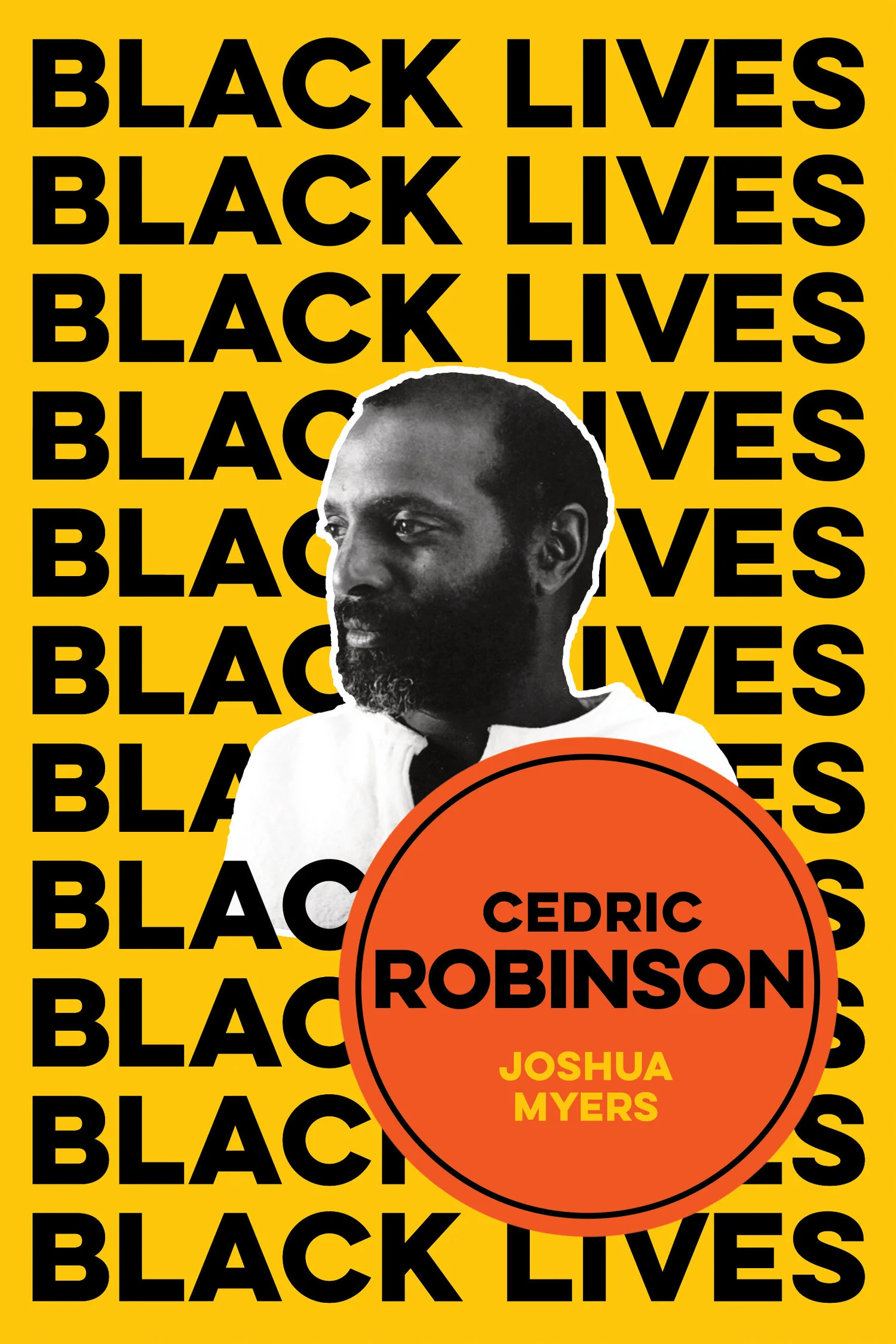
At the end of Black Marxism: The making of the Black Radical Tradition, Cedric Robinson writes,
It is not the province of one people to be the solution or the problem. But a civilisation maddened by its own perverse assumptions and contradictions is loose in the world. A Black radical tradition formed in opposition to that civilisation and conscious of itself is one part of the solution. Whether the other oppositions generated from within Western society and without will mature remains problematical. But for now we must be as one.
Over forty years since the first publication of these lines, in 1983, it is very doubtful whether a solution to the profound problems created by the West can be found within it. There is no need for me, at this juncture, to expand on the reasons why this is the case. I think everyone reading this is doing so because they know. I have watched people, over the course of the last two years, develop a sharp certainty that everything they were taught and believed was a forgery, and a hard resolve to try to do whatever they can to walk with purpose away from the baubles held out by the order we were shaped in and by.
But - Robinson’s very final line also starts with ‘But’ (who told us you couldn’t start a sentence with a ‘But’ or an ‘And’?) - ‘But for now we must be as one’. I think many Robinson critics mistake his work, particularly Black Marxism, for that is usually the only book they have read (and many do not seem to have read beyond the first section), as a treatise for Black essentialism. What he is really talking about is the need for unity, what he calls the ‘ontological totality’. His biographer, the Black radical scholar Joshua Myers, explains this during an interview for the New Books Network:
But if you make it to the end of the book, which is where the latter section of quotes that I read from came from, he is talking about the urgency of the period that saw the publication of that text, a world that in many ways sort of began what we have inherited in 2022. So global order and the decline of the West as some sort of standard for the rest of humanity largely put in place by anti-colonial and anti-imperialist struggles across Africa, Asia, and Latin America. But also the logic of the West as this orderly, stable, political project, you know, is starting to break in people’s minds. We know it was never orderly, but in people’s minds it was. And it’s starting to break because of revolutionary movements in the 1970s and 80s. And now what we’ve inherited is the fallout of all of that. And so both the now and the then to me offer context for understanding his, not solution, but his one part of the solution, which is this sort of inherent Black response to Western oppressions, which is really what the book is about. I mean, Black Marxism makes sense if we look at the subtitle as the title, The Making of the Black Radical Tradition. And sometimes in our conversations about what this book has done and is doing, that part seems to get left out. And it’s left out largely because, I think, to talk about this sort of oneness, right, either gets dismissed as essentialist or impossible, right? It’s impossible for us to be one, right? It’s impossible for us to come together and have a unified political response. And what Robinson shows us that many times, in many places, African people’s sense of what liberation required, right, comes out of this desire to be one. But to be one is to also recognize that we are equally one. In other words, each individual can be an individual in unity, in the context of unity, in the context of the basic thrust of what communities exist for, which is to ensure each other’s survival. To me, what other value can we place in our political movements other than this desire to ensure that we all have an equal chance, an equal possibility for survival, which is what African people bring to this conversation of radicalism. That part, to me, has always been inspiring because we did not need a theory for that. It was a lived experience. It was life. If you look at how we define life as African people, how we situate our relationship between our lives and the cosmos, we’re just trying to be one with everything. Right? I’m connected to the universe. I’m connected to the Earth. I’m connected to nature and we’re connected to each other. Now, how do we live through a recognition of that connectedness? We know the thing that corrupts that connectedness is Western modernity. To me, the natural response to not getting too much into biological essentialism, of course. But the natural response is to go back to a people’s culture and figure out what’s their sense of how to be and how to live. And that’s really what Black Marxism is about. That’s what Cedric Robinson’s work is about.
We can take many things from this reading of Robinson’s project. I have highlighted the parts that stand out for me. We can summarise them like this:
Due to western conditioning people believe unity is impossible.
African people’s struggles for liberation (we can extend this to all colonised peoples) come from the desire to be one.
To achieve oneness requires everyone’s equal survival.
We can turn to lived experience, to history, and to the myriad examples of anticolonial resistance we can observe right now to see living breathing examples of communities striving to ensure everyone’s survival.
The challenge is to live according to the fundamental principle that everyone’s survival is imperative; that truly - to harness a slogan - no one is free until everyone is free.
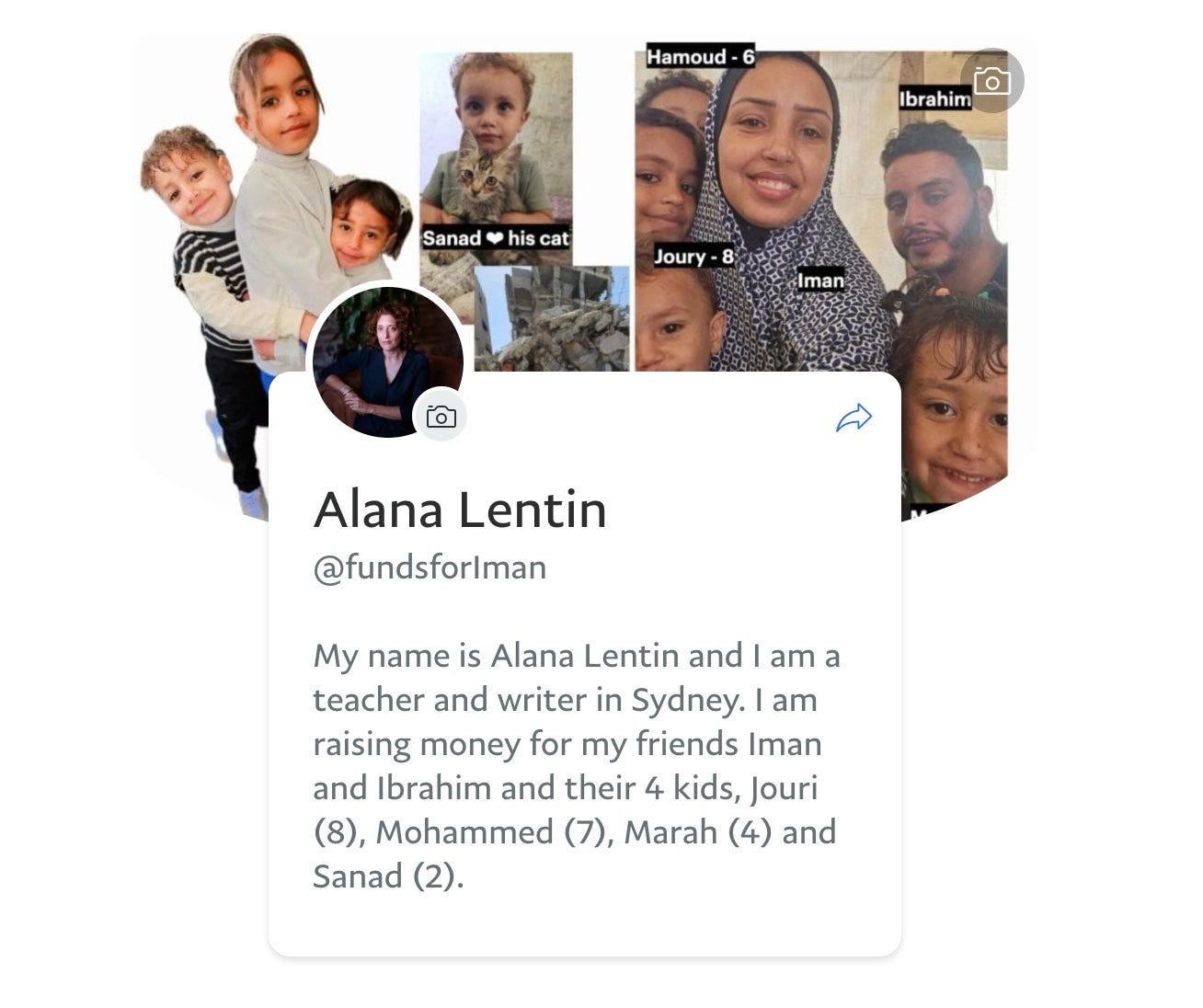
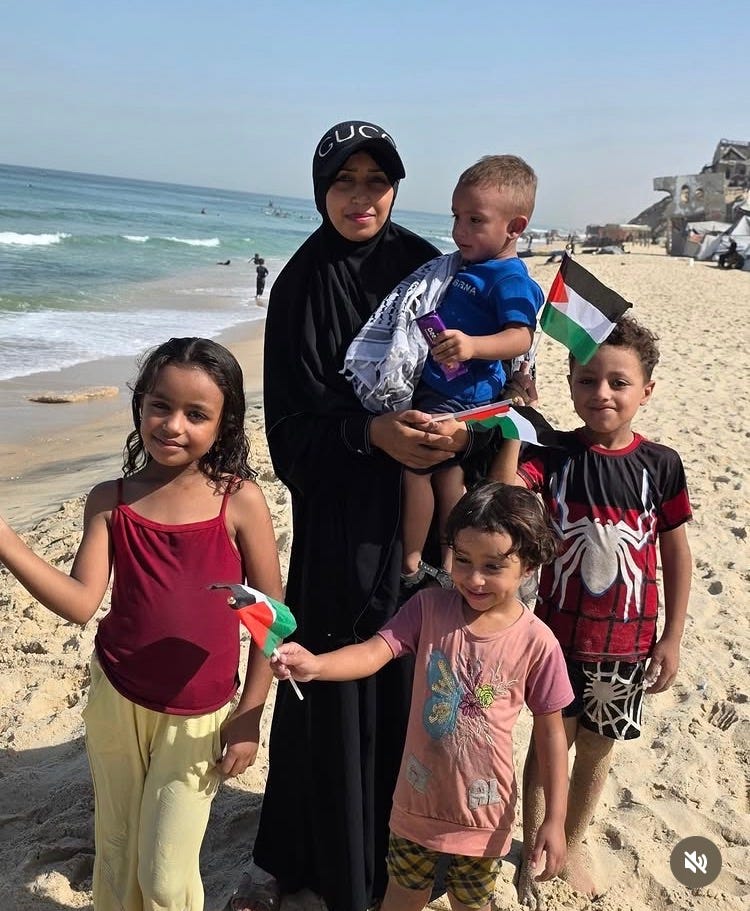
Today, I am taking from this to ask everyone who has ever gotten anything out of what I have written, be it here, my website, or in my books, articles or blogposts. If you have interacted with on social media or maybe we have met an an event. If I have touched you in any way at all, I would like to ask you to join my funding circle for my friend Iman Rouhi Al-Aqrah, a 30 year old mother of four in Deir Al-Balah, Gaza.
I first met Iman in September 2024. At first I sent her what I could each month: a few hundred dollars. I then reached to a group of people who committed to become regular donors. From there I expanded my reach and through Instagram managed to raise some more significant funds, enough to help see Iman and her family through the worst of the genocide.
Iman and her husband Ibrahim had a small business before the genocide selling trinkets, such as decorative photo frames through Facebook. As she told me, life was simple but good. They had four children. The last, Sanad is only two and half years old. He was a tiny baby when genocide was unleashed. Now he can say a few words in English! But as Iman tells me,
he has grown up surrounded by fear and the sounds of rockets and explosions. Because of this, he is afraid of many things around him. He is scared of loud noises, and he is also afraid of people. He only feels safe with us, his family, and does not easily go to others. As a mother, this breaks my heart. It is very hard for me to see him so anxious and frightened. His fear has affected me deeply too, but I try every day to give him love, safety, and comfort.
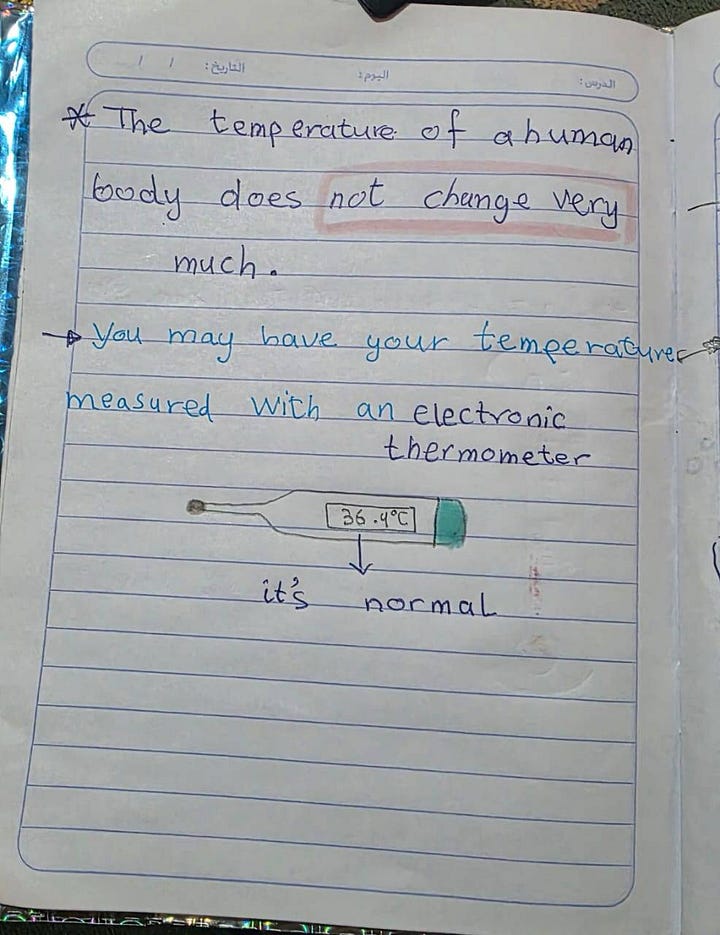
Joury is the eldest. At 8 years old she is incredibly bright. She goes to online school and studies hard. Her English is excellent and she regularly send me videos of her presenting her science experiments in English! Recently Iman underwent a small operation and Joury told her she wanted to become a surgeon to help women like her mum in the future.
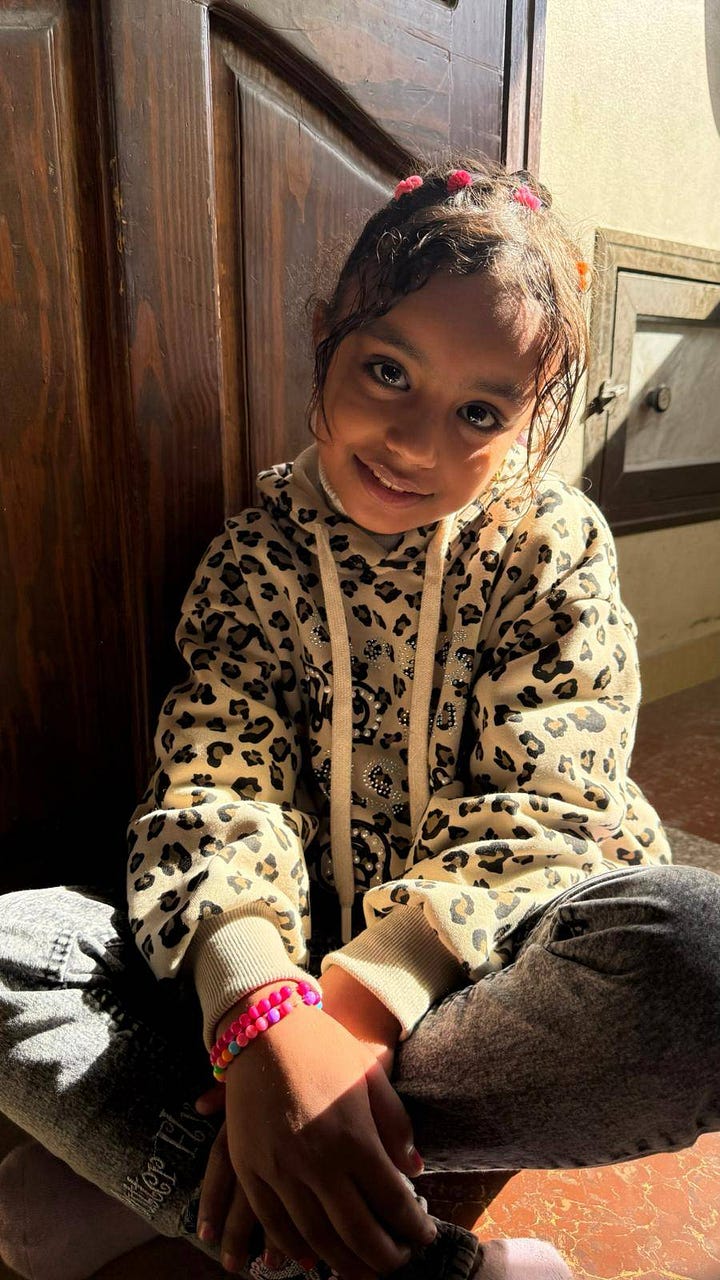

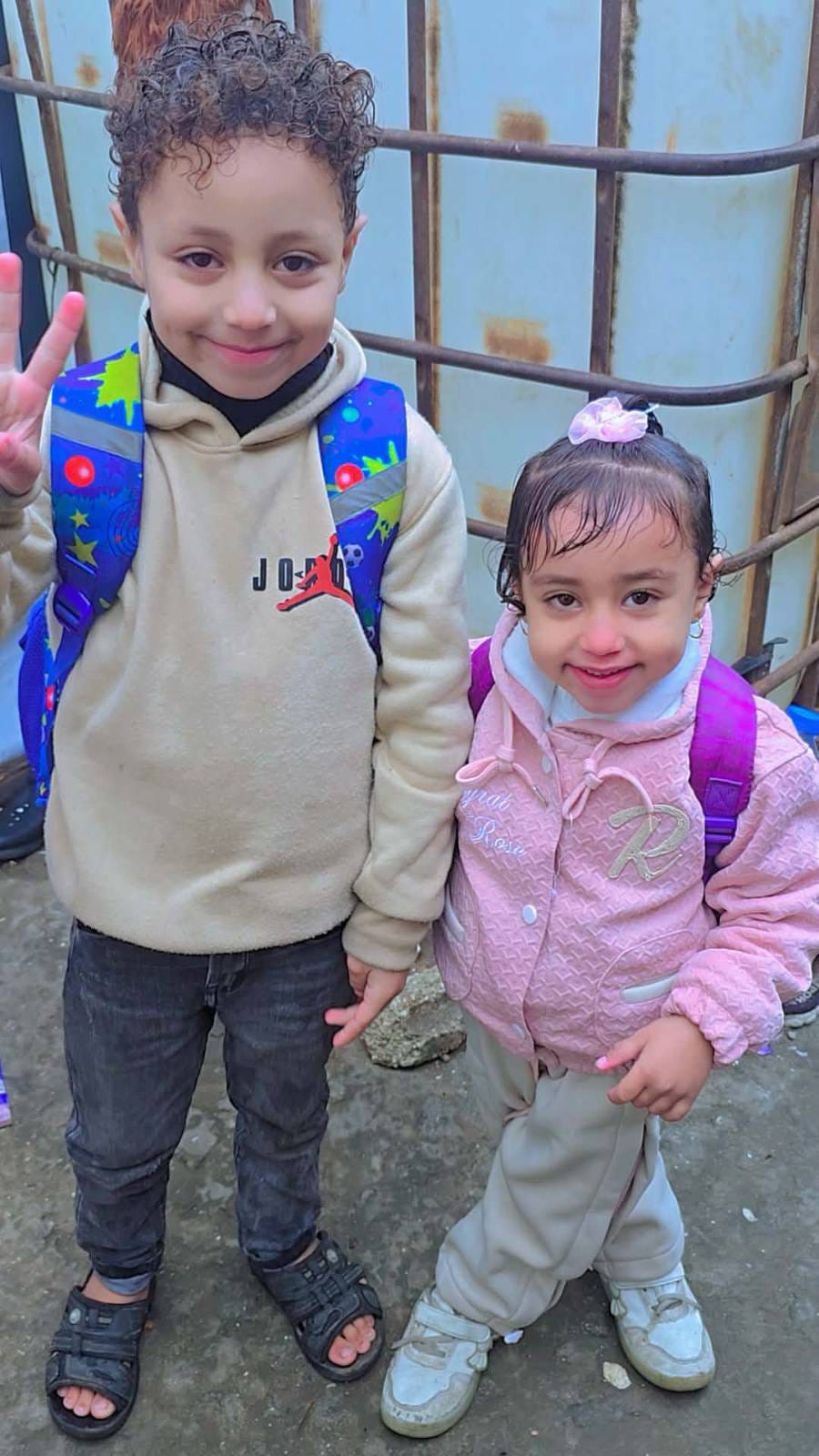
Mohammed (7) is a fun-loving and warm-hearted young boy, always smiling. Iman says,
Mohammed is now in first grade. He missed one school year before, but now he is going to school again with in-person learning, which makes me very happy. He is trying his best, even after everything we have lived through. He is a gentle and sensitive boy. He loves to play, especially simple games with his sisters and other children around us. He enjoys drawing and small toys, and he gets very happy with the smallest things. Sometimes he is a little quiet, but he has a very warm heart and is very attached to his family
And lovely, playful 4 year-old Marah has started attending kindergarten.
Since the so-called ceasefire in Gaza - “we cease, they fire” - many people have started to look away from Gaza and donations have dropped significantly. At the height of the genocide, with no aid getting through prices for the little amount of food and medicine still available were astronomical. Families needed 100s of dollars a day just to be able to stave off starvation. Now although there is still little-no aid, goods are getting through. But instead of meat and vegetables, the market is being flooded with all manner of confectionary and sweet drinks. Nutritious food is still hard to come by. The same is true for medicine. As Iman wrote to me, you can find every type of chocolate but you can’t get paracetamol.
Many people outside Gaza or who don’t communicate directly with people there don’t see that, in order to survive, women like Iman spend all day crouched over the phone trying to solicit donations from people around the world. The internet is very patchy. Some of the money I raised wen to pay for a generator to charge mobile phones so that the all-important lifeline to the outside can continue to work. Some days, no one responds. They do this on top of all the regular duties of parents, but under extraordinarily difficult circumstances. Illness is a near constant, viruses ripping through the population.
Still Iman also finds the time to help her community, and through her I have been introduced to other families. I have gathered together a group of other fundraisers who each sponsor one of these families. Together we have decided to trial pooling the money we raise and splitting it between the ten families we support each month. That way no one is left behind. To return to Robinson, oneness can only be achieved if we prioritise everyone’s equal survival.
If you support my fundraiser for Iman, your contribution will also aid nine other families. So that all these families survive, and with them Gaza is saved from the rapacious aims of the imperialists to expand the colony and build a playground for marauding capitalists, we can all do our bit.
The part of your donation that is allocated to Iman will go on basic food, medicine and school and kindergarten fees (USD150 per month for Joury and USD32 each for Mohammed and Marah). Please consider setting up a weekly, fortnightly or monthly donation to my PayPal.
Alternatively, if you subscribe to my SubStack, every cent will go to my fundraiser. I will post updates here about the family and our wider campaign. Feel free to contact me if anything is unclear or if you require more details in order to donate. Regular donors are also invited to join a group chat with Iman so you can get to know her as well. She is a beautiful human! Please contact me directly to facilitate this.
Until Palestine is Free!
No posts
Comments
Nothing yet. Say the first thing.
Sign in to join the conversation.