
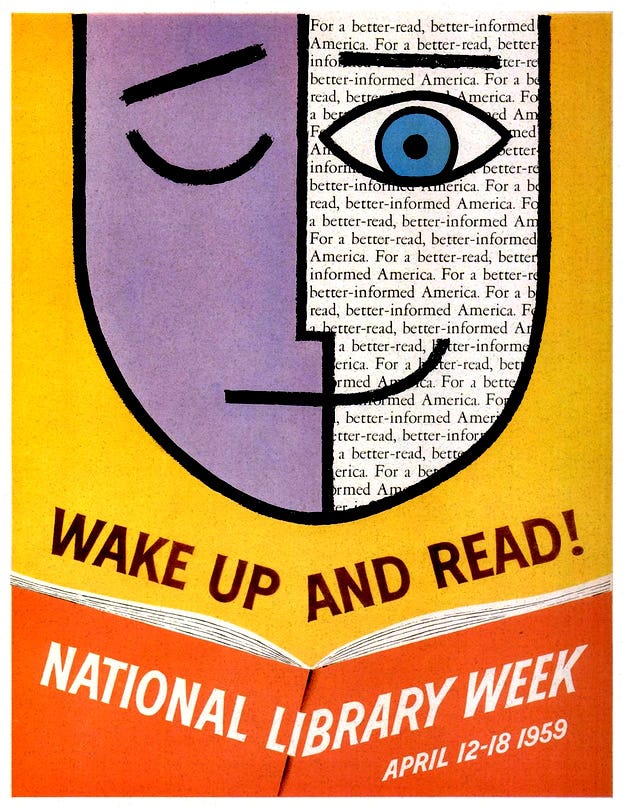
The summer break is almost here and I’m preparing to slide into the leisure and lassitude of a long holiday fuelled by a lot of books and booze. If you’re engaged in the vital and torturous process of deciding what books to read over the summer, here are the best things I read in the front half of this year:
New Fiction
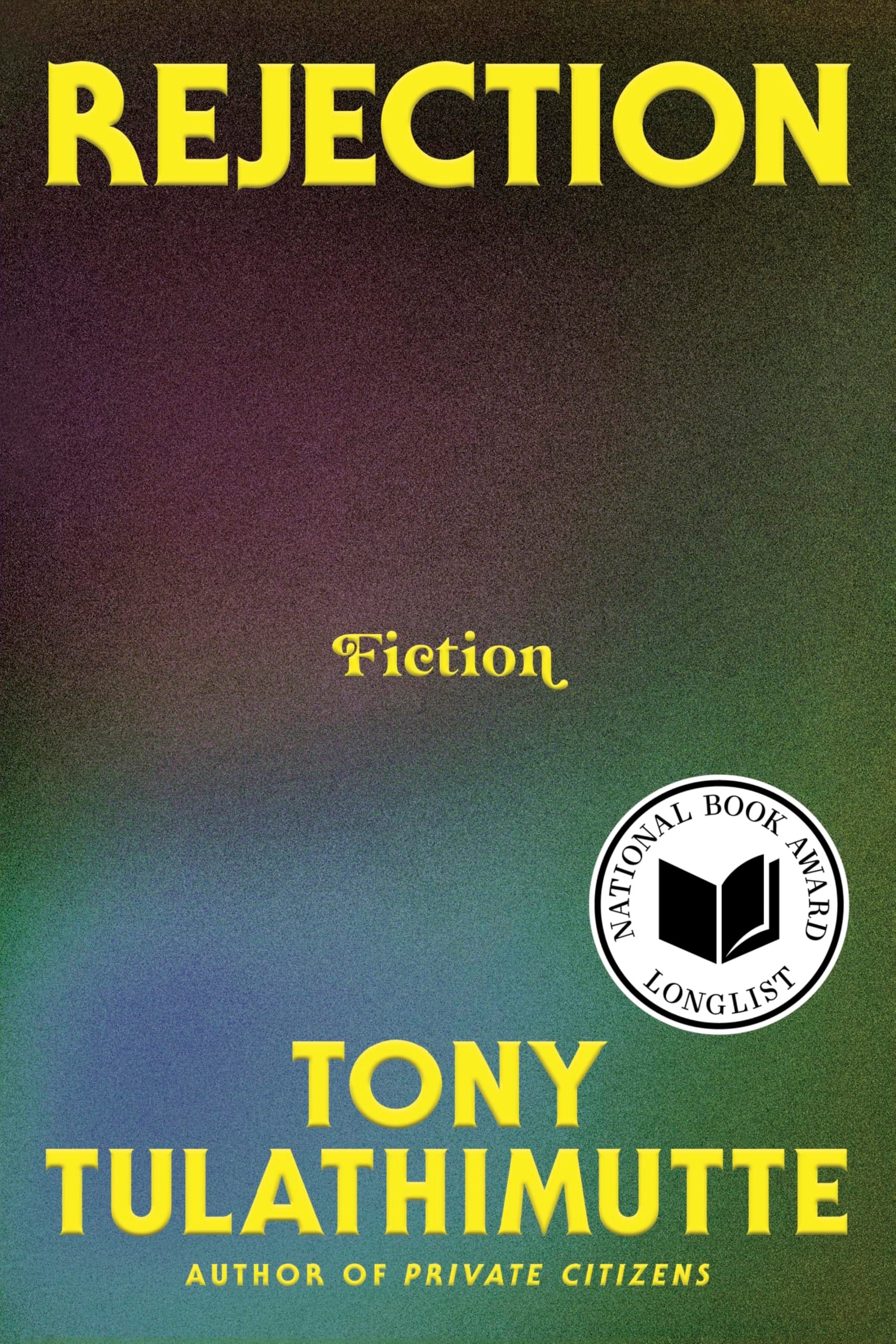
Tony Tulathimutte - Rejection
A dirty bomb of a book. It’s a little uneven and runs out of steam towards the end as it turns in on itself, but the quality of perception and sheer fearlessness of the writing in this collection of short stories makes a lot of modern fiction look tame and toothless.
Solvej Balle - On The Calculation of Volume
I wrote about this for the Republic of Letters here. Volume 4 is, for me, the weakest of them so far, but I have still found this novel cycle about a woman permanently trapped in the 18th of November to be a unique project and one that, like its protagonist, I cannot see myself escaping from. Three volumes to go!
Vincenzo Iatronico - Perfection
A ruthless character assassination of a certain type of person who defines themselves by their consumer choices, and also something that I imagine will be read in future years as time capsule of the digital nomadism phase of the Covid-19 era. Has the additional value of driving a stake through the heart of the taste discourse that AI has triggered.
Muriel Spark - The Driver’s Seat
I loved The Prime of Miss Jean Brodie but nothing in it prepared me for just how strange or poisonous this little book is. Extraordinary.
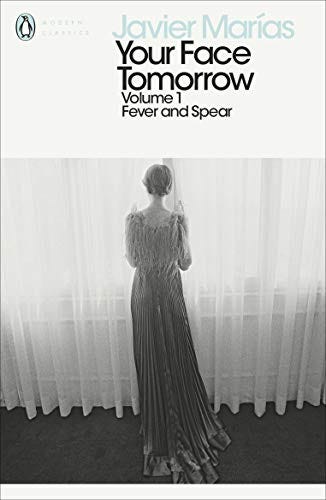
Javier Marias - Your Face Tomorrow 1: Fever and Spear
‘Right from the start, we see much more in others and in ourselves, much more than we think we do….the biggest problem is that we don’t usually want to see, we don’t dare to. Almost no-one really dares to look, still less to confess or tell themselves what they really see.’
Having discovered Javier Marias rather late, I have been captured by his unique voice and its combination of discursiveness and philosophy, and am gradually making my way through everything he has ever written. This trilogy about spies and the dangers of speaking and looking too closely is something special from the very first pages, and I have saved volumes 2 and 3 for the summer break.
Claire Keegan - Foster
Proof that a novel doesn’t need to be long to be profound or deeply moving. A beautiful exploration of what it means to be a parent, and a work that made my chest ache. If you’re looking for something short to read over the summer, start here.
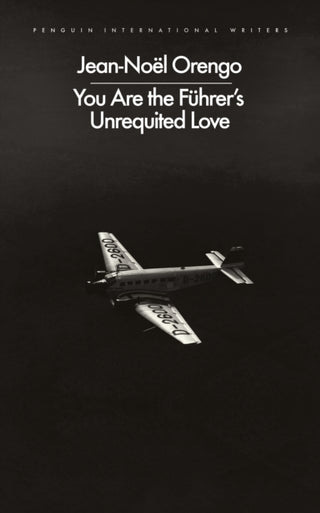
Jean-Noel Orengo - You Are The Fuhrer’s Unrequited Love
Not only one of the best titles for a novel I’ve seen in a while, but one of the best works I’ve ever read about the relationship between art and power, how aesthetics are used to cloak evil, and about history as a contest between warring narratives.
Iain M. Banks - The Player Of Games
I read the Culture novels as a child in Scotland and revisiting them as an adult was no less enjoyable. The world-building around the Culture’s relationship with artificial intelligence makes for interesting reading at the moment, and offers an exit hatch from the hysterical opposing ideological binaries that dominate discussion about it.
Non-Fiction
Maryanne Wolf - Proust And The Squid
I wrote about this here. Amidst all the hysterical eulogies for the death of reading, this is a rigorous and inspiring exploration of just how miraculous the development of literacy is, what happens in the brain when we read, and a reminder of why it matters.
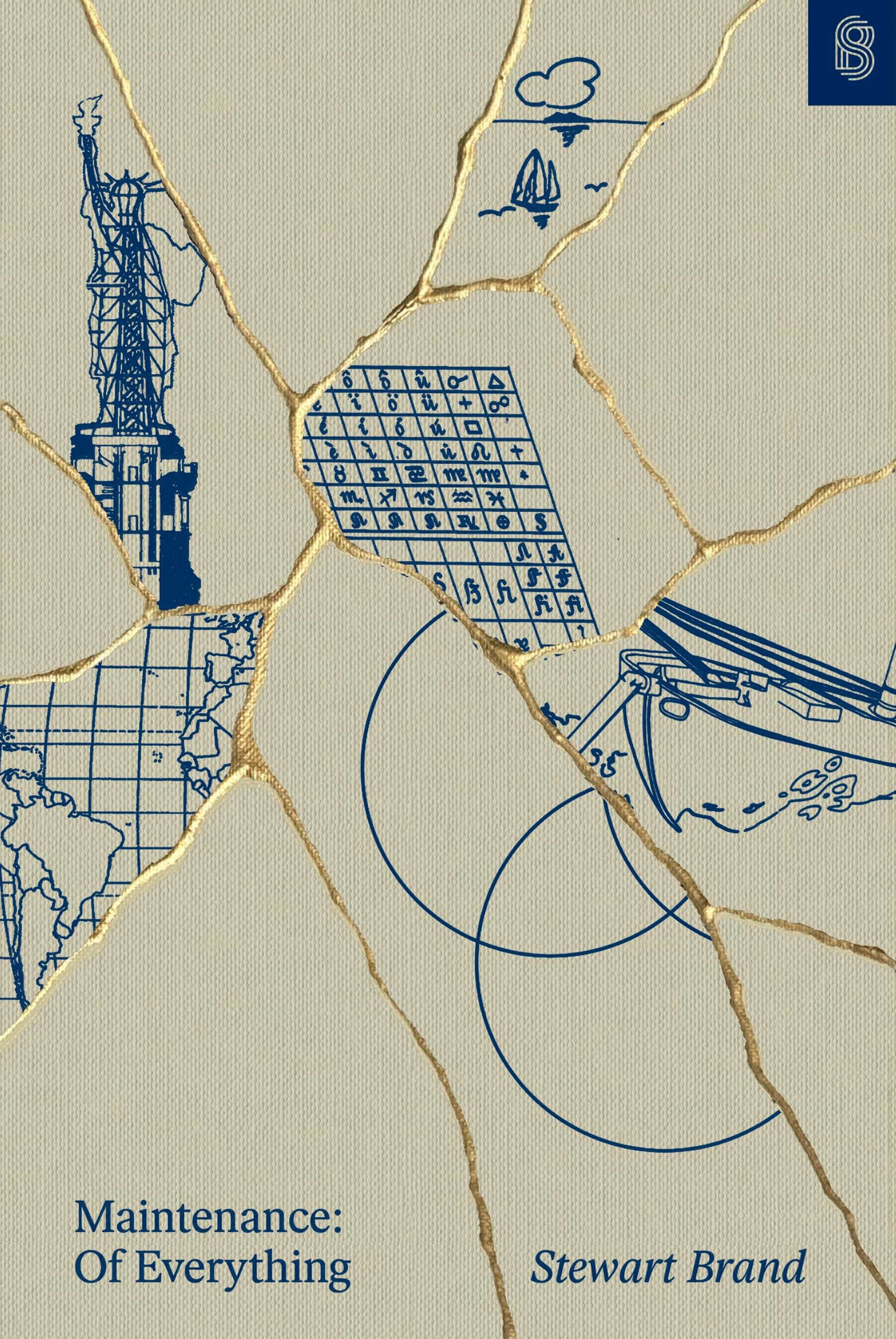
Stewart Brand - Maintenance
If you’ve read much in these pages you will know I like Stripe Press, and this is another excellent release - it’s one of those books that has reframed how I think about something so fundamentally that I fear I will never recover. The opening essay on Donald Crowhurst and The Race Across The World is worth the price alone.
J.K. Galbraith - Money
I picked this up off a neighbour’s garden wall and am very glad I did. A primer on monetary policy written in a laconic, witty and off-hand voice that makes subject matter from financial bubbles through to quantitative easing feel breezy and fresh.
Michael Polanyi - The Tacit Dimension
Spurred by Stripe Press’ lovingly crafted website and accompanying films, I read this and then wrote about it here. This is a philosophical mission statement for a more embodied life, and we should all be seeking tacit knowledge wherever we can.
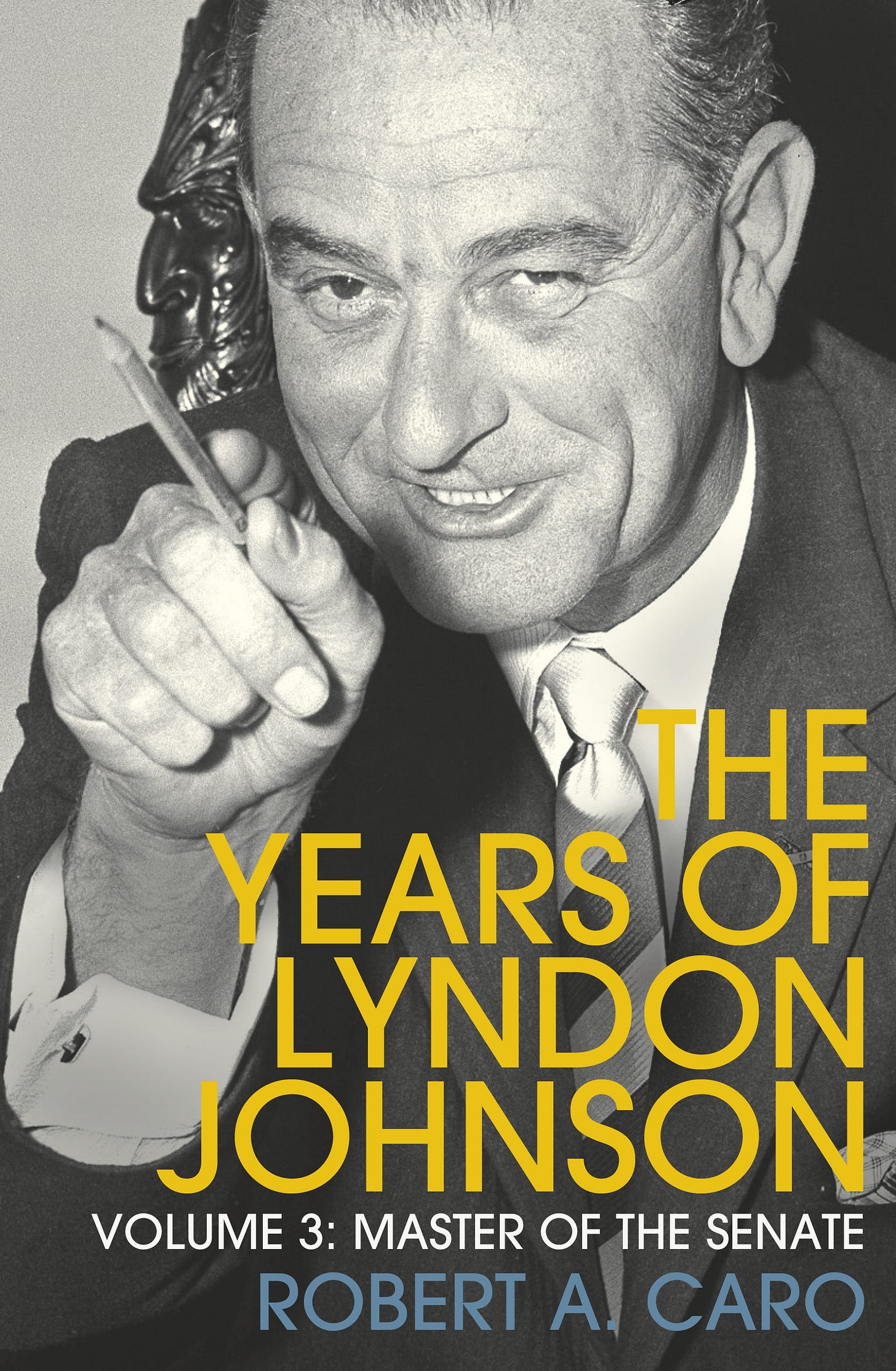
Robert Caro - The Years of Lyndon B. Johnson: Master of The Senate
Simply put, nothing matches it. Having loved The Power Broker, I’ve been making my way through these epic doorstoppers about American politics over the last few years, and every page is scaffolded by years of painstaking archival research, peerless interviewing technique, and storytelling craft worthy of its monumental ambition and subject matter.
This volume - detailing how Johnson turned the US Senate from a racist, gerontocratic forum for endless debates between old men into a remarkable machine for legislative action that could pass the first Civil Rights Act - is epic poetry about American political and bureaucratic genius. If you want to understand how power works, what it costs to get it, and the kind of person who burns to acquire and wield it, read these books.
Patrick Radden Keefe - Empire of Pain & London Falling
Everyone (at least in the UK) seems to be reading London Falling, which is a deep dive into the filthy financial underbelly of modern London and a heartbreaking warning about the malleability of young minds. I read Empire of Pain first and it burns with the same understated moral rage. Together, they represent two major achievements in non-fiction writing with the craft and narrative momentum of novels, and I will be reading Say Nothing on holiday. Experiencing Caro and Radden Keefe close together, I feel a sense of deep gratitude to The New Yorker for their patient fostering of talent like this.
Classic Fiction/Older Bangers
J.L. Carr - A Month in The Country
This is one of those novels where any attempts to explain what makes it special are doomed to fail. A short, beautiful missive from the vanished era of Britain between the wars.
Joseph Roth - The Radetzky March
A classic, and a classic for a reason. Don’t do too much research, just read this. You will not regret it.
W.G. Sebald - The Rings of Saturn
Uses a walk along the Suffolk Coast as a way of exploring some of the darkest chapters of British and global history. It is hard to articulate just how digressive and random this narrative is in skipping from one bizarre corridor of history to the next, but it is an astonishing experience and in many ways is a clear predecessor to the work of one of my other recent favourites Benjamin Labutat.
Edith Wharton - The House of Mirth
Marlon James once said that Edith Wharton is a snob first and a writer second, but even so, this is snobbery as art form. The ratio of elegantly-turned and utterly merciless insights into human nature per page is as high as any writer I think I’ve ever read, and it still breaks your heart at the end. I will now consume everything she has ever written, including The Age of Innocence.
There’s still time for me to throw more books in my bag, so as ever, let me know - what are you reading over the summer?
M.J. Hines regrets to report that he will be indisposed for the immediate future, but once he has emerged from his holiday more work will be forthcoming if you subscribe.
Comments
Nothing yet. Say the first thing.
Sign in to join the conversation.