
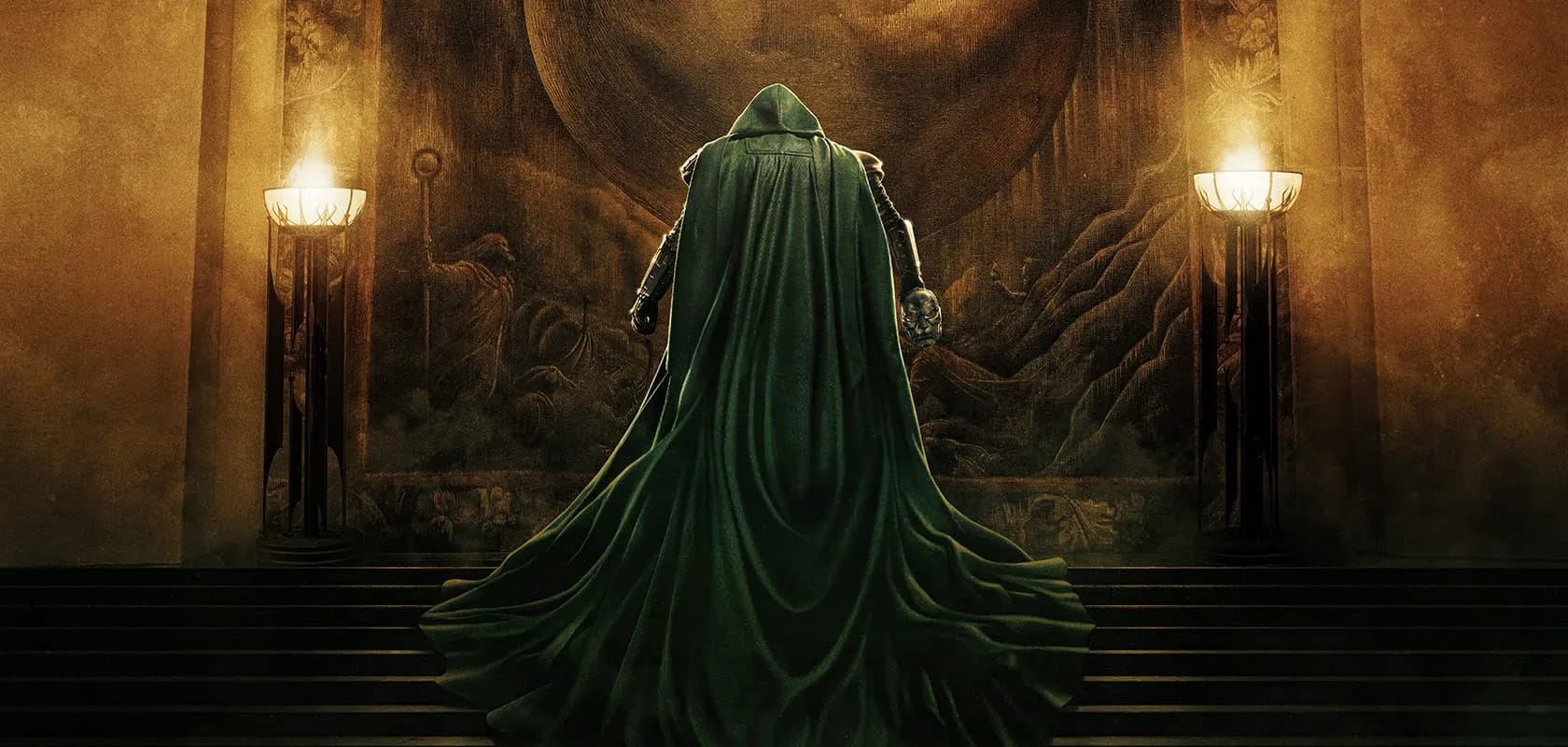
Let me start this piece by saying one thing: I am rooting for Avengers: Doomsday.
When the Marvel Cinematic Universe was at its critical and cultural peak, roughly around a decade ago, it was a truly thrilling piece of cinematic popular culture. The Infinity Saga unfolded in the manner of a terrific first season of water-cooler TV (just over 11 years rather than 11 months), building to an incredible two-part climax of Avengers movies. It was appointment cinema for anyone who loves a good pop culture yarn.
It would be fantastic to see Doomsday recapture some of the magic evident in the last two Avengers pictures, Infinity War and Endgame. The surfeit of legendary new and old characters involved, not just from the MCU but Marvel movies of the last quarter century, makes for a tantalising prospect. It has cost $400 million to produce, one of the most expensive films ever made. Everything in theory should be up on the screen - effects, spectacle, A-list actors and cinematic legends. The whole kaboodle.
Nobody knows yet whether Doomsday will reach the critical quality of Infinity War or the immense box office and cultural reach of Endgame, or even perhaps both. We will find out in December. People will be left with something of a Hobson’s Choice on the 18th of that month - see Doomsday or catch Dune Part 3. Some will opt for ‘DuneDay’ and see both, though one suspects we won’t see another ‘Barbenheimer’ event here. It wouldn’t surprise me if one of those films got out of the way before then.
What is interesting up front about Doomsday is how it appears to be ushering in a new era for what scholars have, in the last decade, termed the ‘legacyquel’.
First coined by critic Matt Singer of ScreenCrush in 2015, it serves as a portmanteau of both legacy and sequel, specifically films that revive or attempt to reenergise a dormant or staid franchise by bringing back famed actors who helped launch these properties. Singer coined this at the point Star Wars: The Force Awakens was about to be released, one of the key ‘legacyquel’ texts of the 2010s in how it brought back three of the most iconic characters in cinema history after decades in the wilderness.
Throw a dart at any popular franchise or series of characters since the 1970s these days and you are likely to find a ‘legacyquel’ somewhere in the mix. Star Trek, Terminator, Bill & Ted, the list goes on. Somewhere around the 2010s we pivoted away from pure sequels for a combination of reasons; attempts by studios to mix up and transform their properties for new audiences; the advancing age of movie icons necessitating younger actors and fresh approaches to name but two. This opened up the fertile ground for the ‘legacyquel’, allowing audiences to not just enjoy a new Star Wars but appreciate Luke Skywalker and Princess Leia being in it with the original performers.
You can see why these films felt like manna from heaven for movie studios, but the reality didn’t quite always match the intent or ambition. Terminator is a good case in point. Arnold Schwarzenegger’s return in Genisys (named presumably when someone accidentally fell on their keyboard) was heralded with excitement but the confusing mess of a film that followed took the air out of the tyres. Though a much better film, Dark Fate a few years later, even with the added inclusion of Linda Hamilton’s Sarah Connor, didn’t remotely light up the box office. Terminator went off to lick its wounds, no doubt to emerge another day with, again, a fresh approach.
Doomsday arrives, then, with a decade of cinematic trends behind it and a metric ton of expectation. Many are hoping this might be the film to ‘save’ Marvel given how underwhelming and confused the Multiverse Saga (aka Season 2) has been since 2019. Following Endgame, which could easily have functioned as an MCU finale, was always a tall order but the seven years since have seen barriers out of their control - Chadwick Boseman’s tragic passing, Covid-19, Jonathan Majors blowing up his career - and problems of their own making - several poor TV shows as the stretched the universe too thin, and equally a few underwhelming big screen outings - looking at you Fantastic Four: First Steps. Compared to the first eleven years, these last seven have been Marvel’s rockiest.
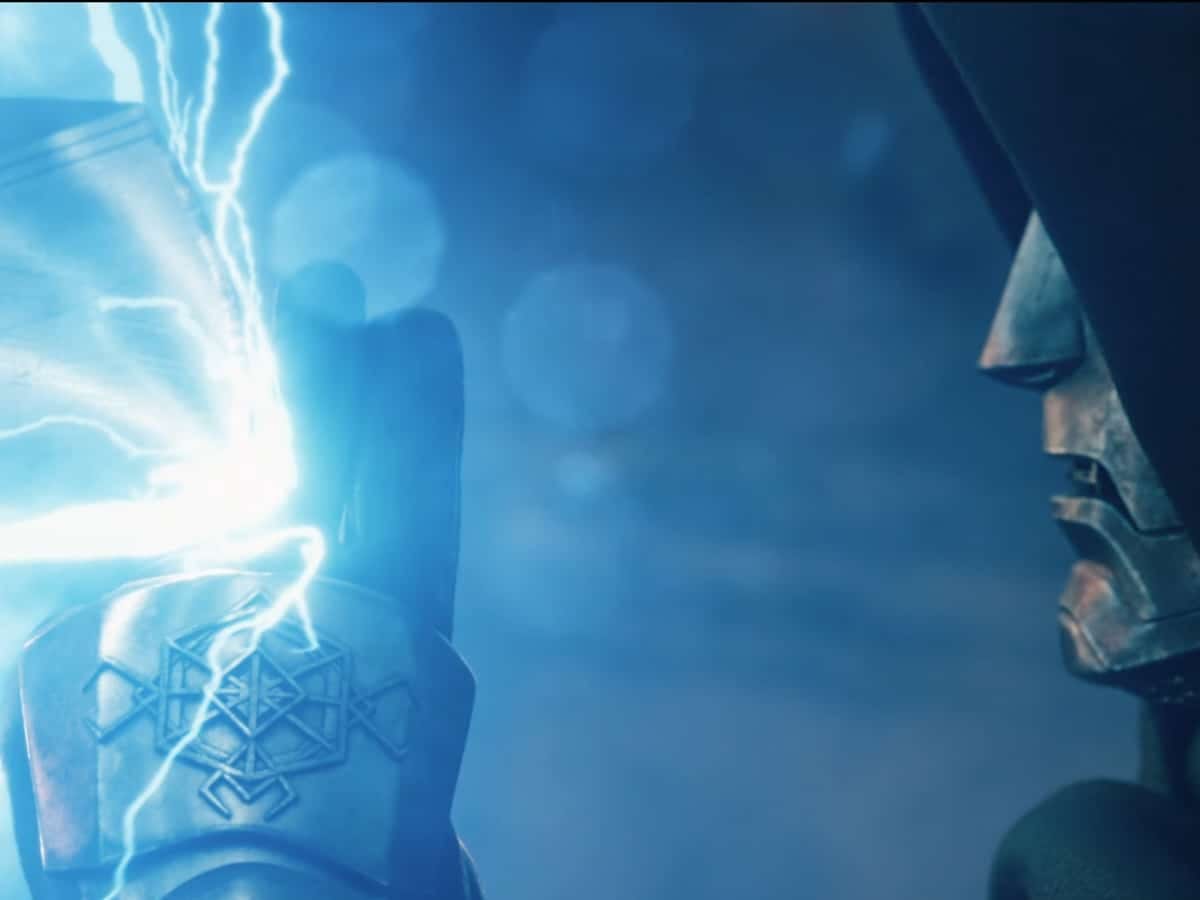
That was always inevitable. No franchise that runs beyond a few years is without patchy moments or even existential worries, though Marvel bucks the trend on the latter. Not in 14 years, certainly since the rampant success of Avengers Assemble, has there been a moment when anyone thought the MCU would fold. It has only been in perhaps the last three or four years that Marvel have lost their position central to cinematic popular culture, a position they hope to reclaim with Doomsday. It is why they pivoted, after the Majors issues, away from Kang the Conqueror’s multiversal plan and the original intended Avengers films to something altogether more crowd-pleasing and deliberately designed to tap our nostalgic buttons.
The fascinating thing about Doomsday and Marvel though is that they are delivering a ‘legacyquel’ when the franchise never actually went away. If you look at all of the examples of films in this bracket above, those series had a good amount of time in the wilderness, or at least without their primary series of actors. It took Arnie 12 years to reprise the T-800. Leonard Nimoy 17 years between Spock appearances. Mark Hamill went 32 years between stints as Skywalker. The principal draw of Doomsday, Robert Downey. Jr, last appeared in a Marvel film in 2019, or if you really want to get picky, last year with a brief post-credits cameo in FF: First Steps. That is a far shorter period of time and, arguably, Downey. Jr’s Tony Stark has far from left the collective memory, especially as he’s been referenced often in the MCU itself since.
Marvel with Doomsday is the first franchise I can think of where the ‘legacyquel’ approach to the storytelling is almost part of the story itself. Although it might end up being brief, we will see Patrick Stewart’s Charles Xavier and Ian McKellen’s Magneto in what, surely, will be their last appearances given both men are pushing 90 and their characters must be centenarians by this point. Stewart is now on about his third ‘legacyquel’ appearance in the series, after X-Men: Days of Future Past and especially Logan (where he even died). Not that I’ll ever mind seeing Stewart’s Professor X, but we’re in territory now where he and old Magneto appearing goes beyond helping to tee up their replacements (as in Days of Future Past), but is all about the broader strategy of a panicked Marvel.
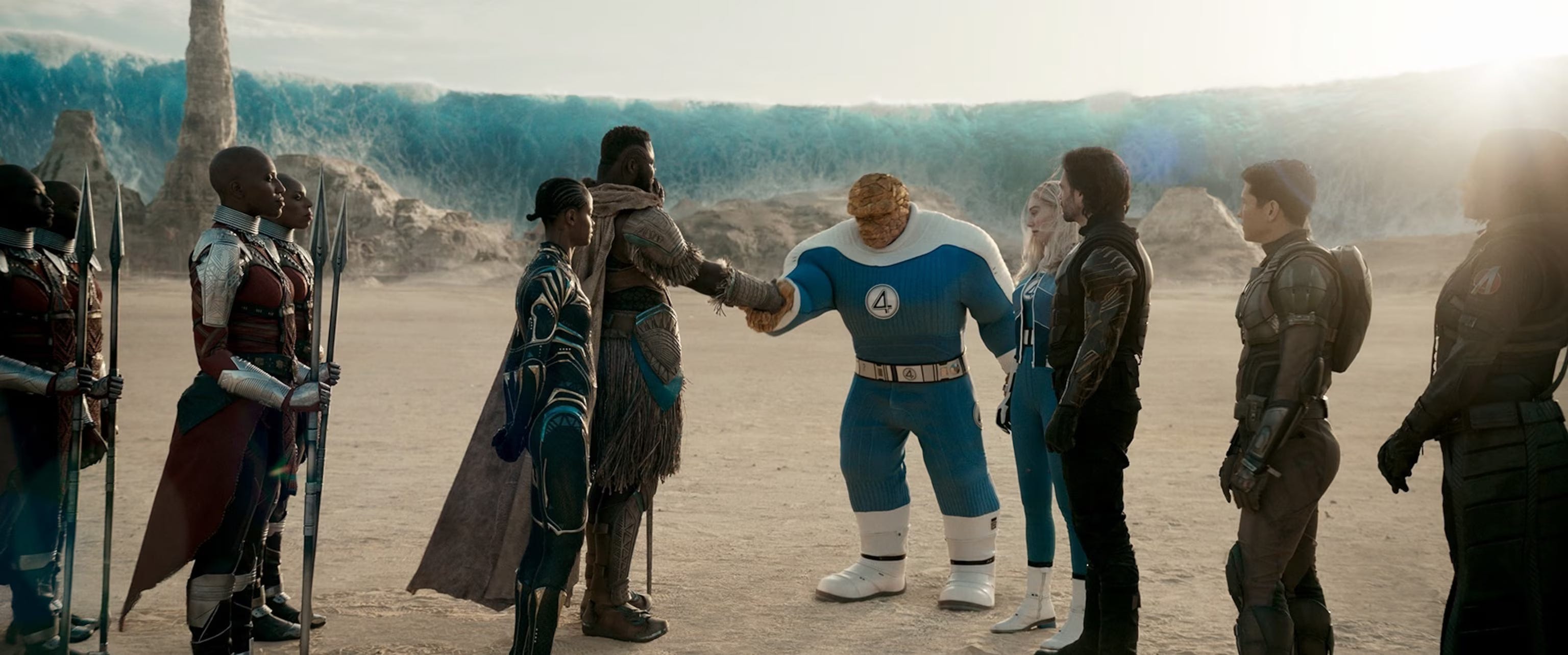
Doomsday after all is attempting what could be almost a grand, unifying theory of Marvel movies into one giant soup, a trick started really by Sam Raimi’s Doctor Strange in the Multiverse of Madness, where again Stewart appeared as an X-variant but we also saw the fan-casting of John Krasinski’s Reed Richards; and then the vastly successful Deadpool vs Wolverine which brought back Hugh Jackman and even Wesley Snipes’ Blade. Given Spider-Man: No Way Home brought all three Spider-Men together too, Marvel have worked since 2019 to stitch almost all of their cinematic attempts since 2000 together as part of the Multiverse Saga, a project that presumably will culminate in Doomsday’s season finale.
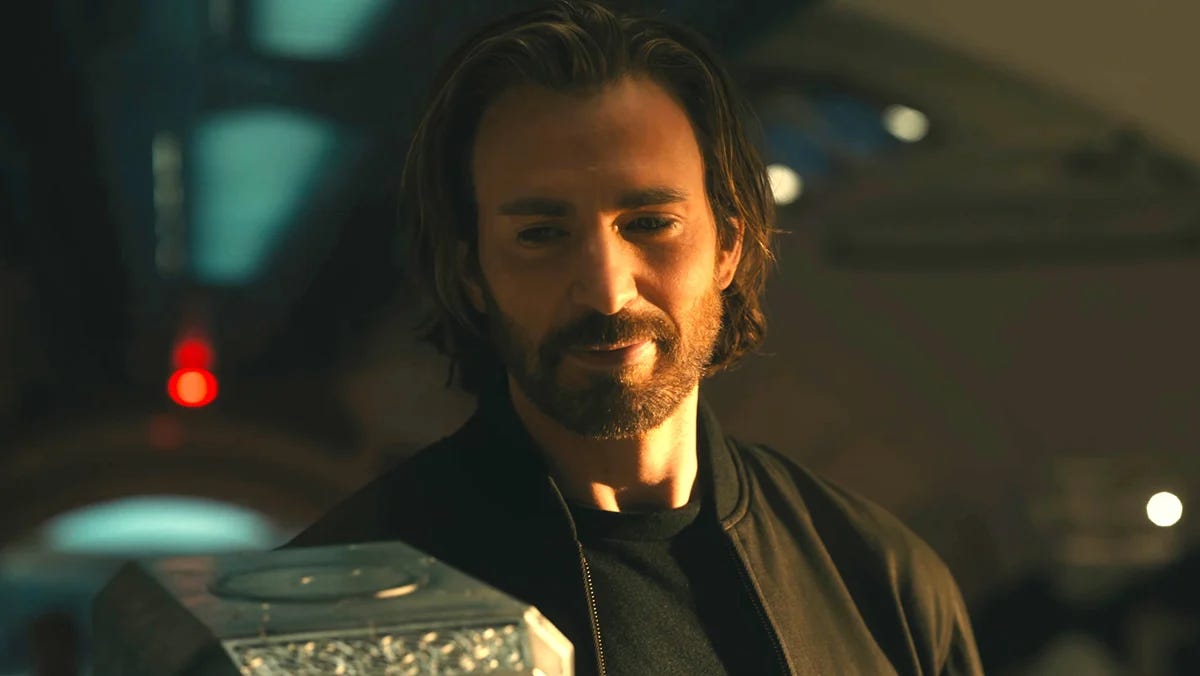
Where this differs is how the ‘legacyquel’ aspects are not only baked into the storytelling, with aged characters and actors who in some cases we thought dead or particularly legendary figures (such as Steve Rogers) reappearing after their storylines were conclusively completed, but also where it has been a very short time since these core characters were part of the story. A story that hasn’t even stopped or concluded or simply vanished into the ether, but is actively continuing. Elements of the Infinity Saga certainly bleed into the Multiverse Saga, though one suspects once this ‘season’ of Marvel is done, a genuine full stop will exist on paper. We might get the first absolute MCU reboot.
None of this is unusual on the comic-book page but as the MCU broke a few cinematic narrative taboos in how to build sequel on sequel, it might be set again to upend itself to survive. Doomsday seems to exist in order to prove the MCU is still viable as a commercial and cultural product by relying on our recent nostalgia. This is unlikely to be a trick they can repeat twice, or certainly not for a long time to come. I am really hoping Feige pulls it off because if he and Marvel don’t, it might well be that the MCU’s seeming immortality could look weaker by the day.
If you enjoyed this piece, and you fancy ‘buying me a coffee’ to show it, you can hop over to Ko-fi and donate. Thanks if you do!
No posts
Comments
Nothing yet. Say the first thing.
Sign in to join the conversation.