
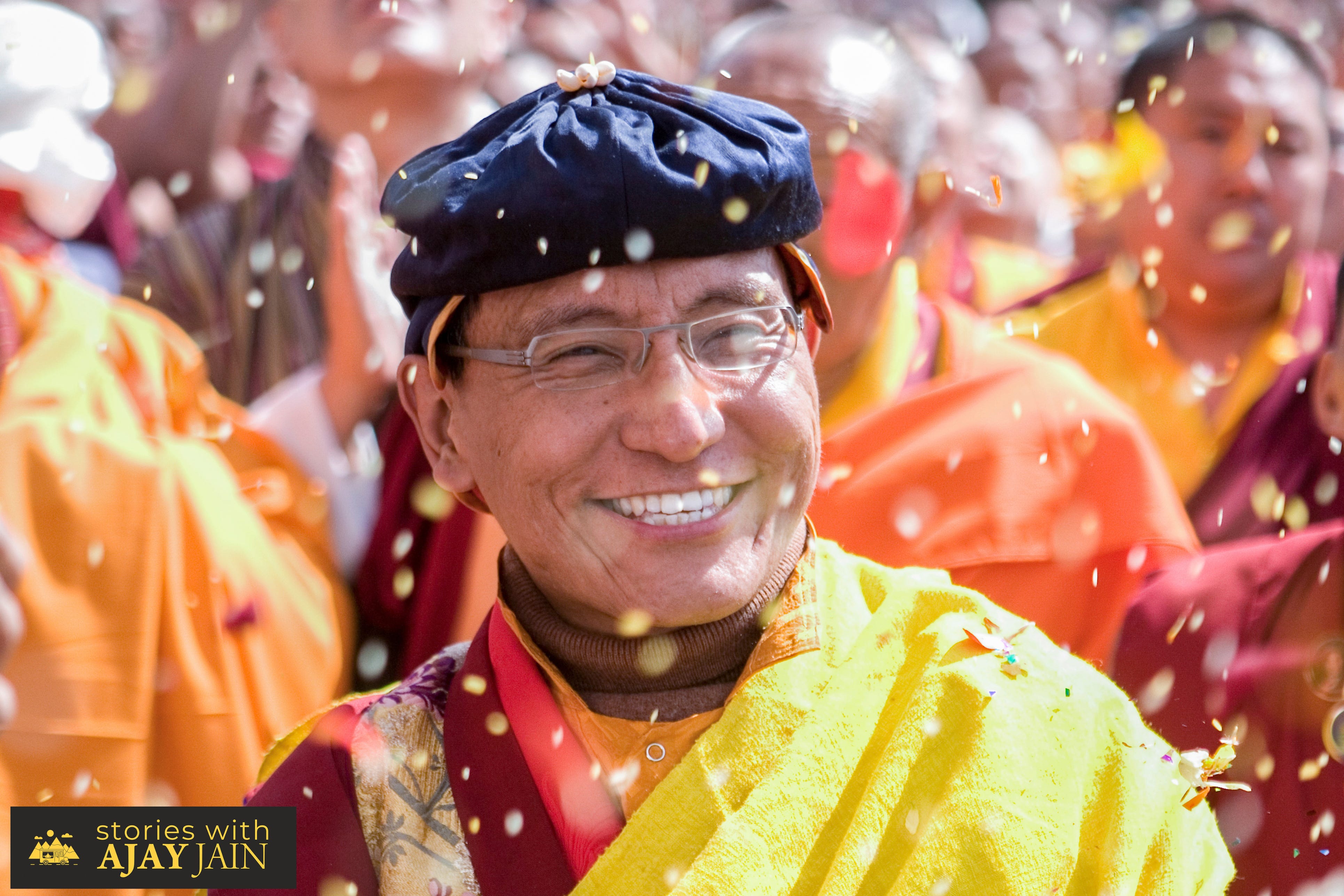
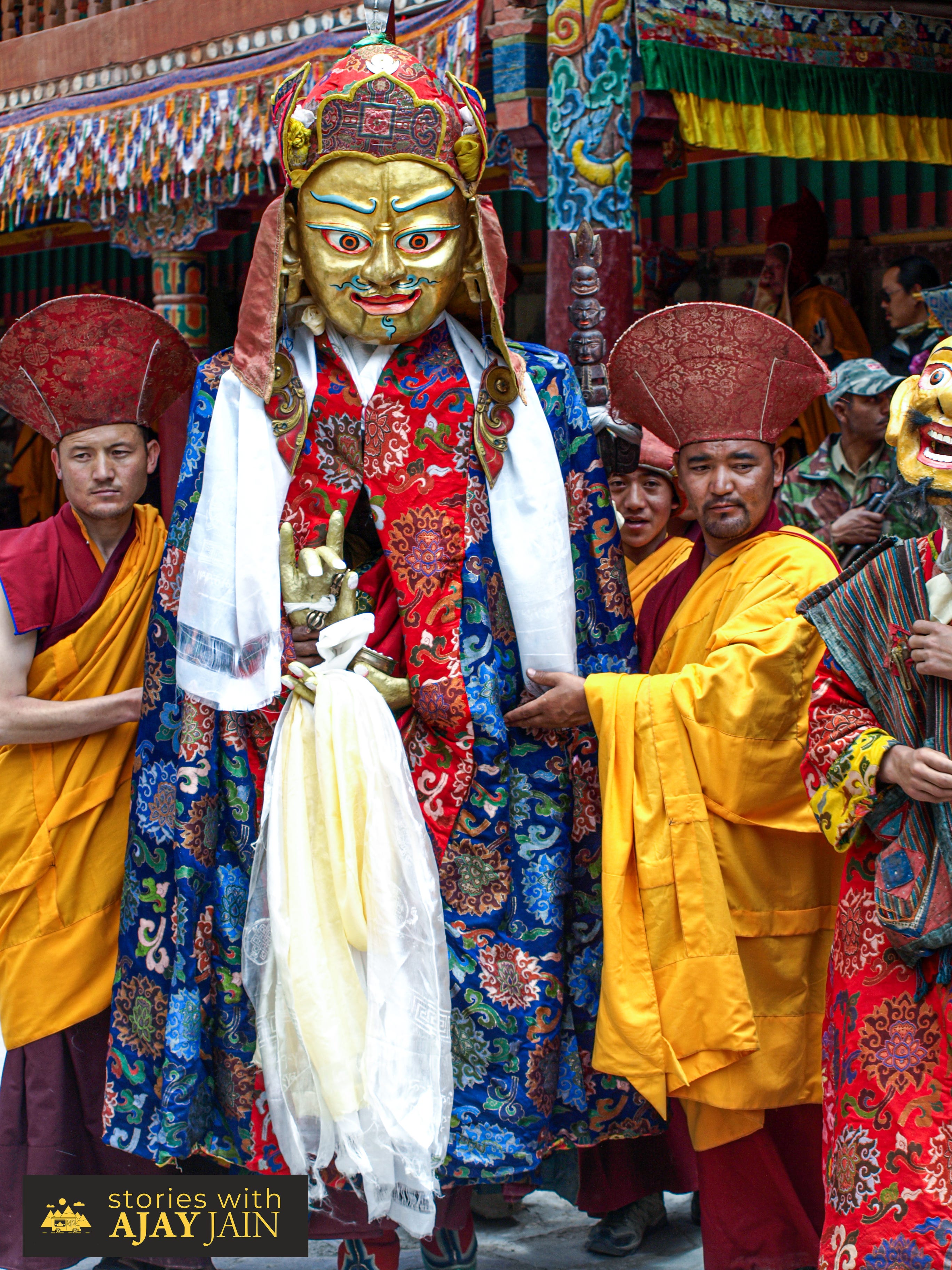
If I see it as a sign, then the unexpected opportunity to interview His Holiness the Twelfth Gyalwang Drukpa while writing this book was an auspicious one. As He put it, we were karma-bound to connect. Here are excerpts from my conversations with the head of the 800-year-old Drukpa lineage.
The work of the Drukpa lineage is better known than the lineage itself. How is that?
Drukpas, the followers of this lineage, have always worked away from media’s attentions, practising the principle of ‘Live to Love.’ They dedicate their time and efforts only for others; theirs is not a selfish way of life. Our lineage thus doesn’t have the chance to get very well known. You know Hemis but you don’t know Drukpa! (laughs) You know the brand, not the mother company.
The people of Ladakh see a whole new world through the eyes of media and tourists, a world far removed from their values, culture and traditions. How do they reconcile with this?
I know this is a problem and the root cause is lack of education. Modern education often makes you look at the world in an unbalanced way. Through our model schools like Druk White Lotus, we try to impart a mix of modern and traditional education. We teach students the values of their lineage to show how they can lead peaceful, happy and professionally successful lives in the Himalayan regions without moving to big cities. I boost my followers’ confidence by telling them that they lead great lifestyles, and should not get swayed by external influences.
Hill people also seem to be rather innocent and trusting. I remember a four-year-old boy asking me - a complete stranger - for a lift.
(laughs) That’s the kind of peace they still have. In a way, it’s naive for a child to seek a lift like this. But these people have a certain confidence, which is a reflection on the values of the lineage and its spiritual practices. As the leader of the lineage, it is my responsibility to preserve and protect this profound ethos still found in the people of Ladakh, Zanskar and Lahaul-Spiti.
Can one lead a life of peace even when pursuing material needs in a fiercely competitive world?
What one ‘needs’ to be happy and what one ‘wants’ to be happy are two very different things. It’s all about the ultimate truth and relative truth. Your prayers have to be all about the ultimate truth while the practice of relative truth stays in your mind. If the world is competitive, go out and compete for the sake of your family. But don’t harm anyone in the process. People must learn to live harmoniously.
We all have something very valuable called life and that life has to be respected and appreciated. We have the mountain life, you have the city life, others have their own lives. We must realise that all these lives are very beautiful. Once we do that, then the whole world would be peaceful and harmonious. Right now, we are all very greedy and aggressive. My property is not yours. Your property is not mine. We create barriers. Even if you are a couple, you aren’t truly a couple. We put up barriers in the name of religion, sect, culture...it isn’t good. Ultimate truth or spirituality is everything.
Environmental degradation in the Himalayas is a vital concern for you personally. How is the lineage curbing it?
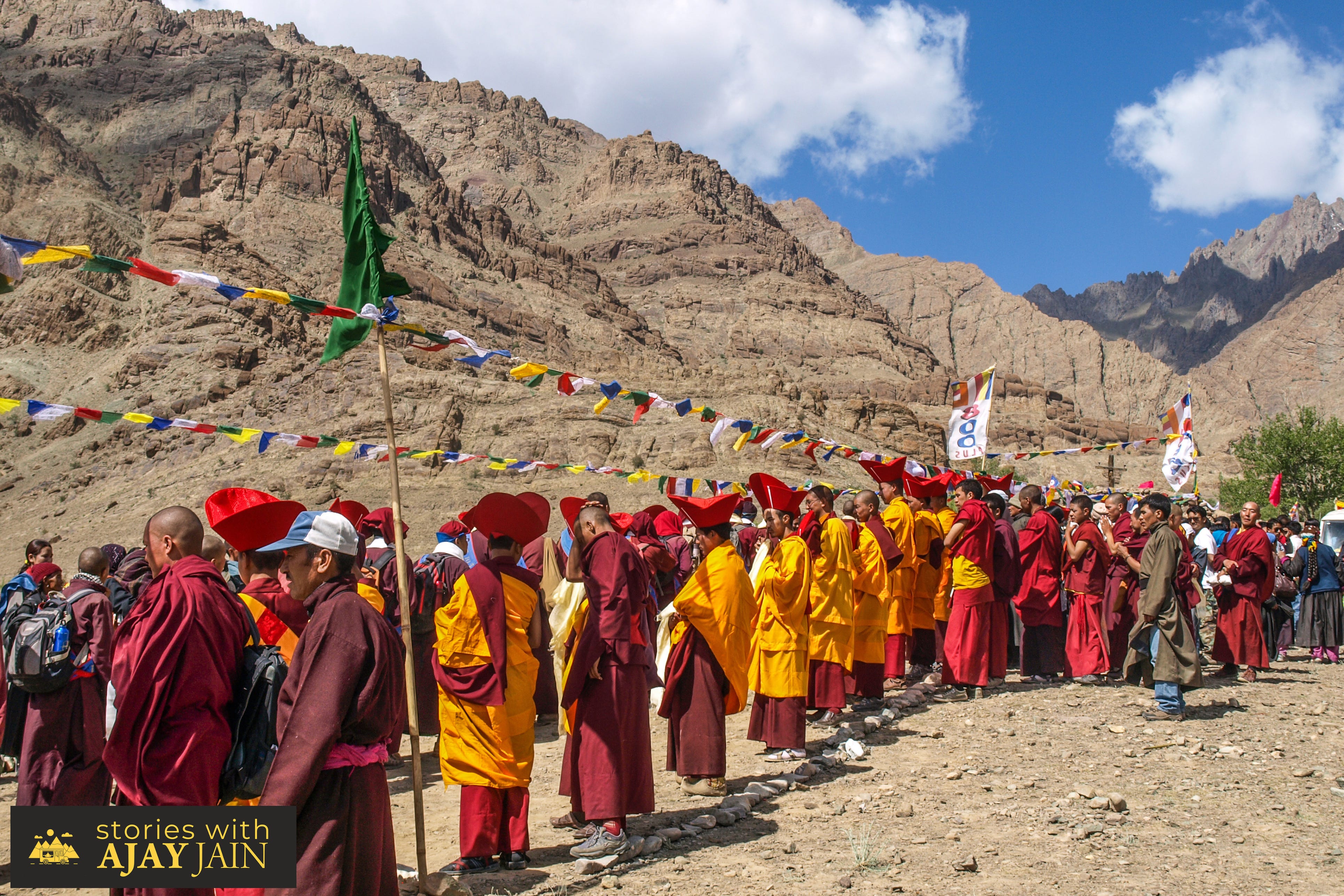
It all comes back to education. Because modern education is not balanced, people see big, modern buildings in the cities and wonder why those can’t be built in their hill towns! Those cities are full of diesel and other fumes, so why not here? Who cares about polluting water? They use plastic, without a worry about its effects. No one wants to recycle. Who cares about how their own children and grandchildren will suffer? The lineage is trying to generate awareness and sensitivity about the environment, with help from local non-government organisations. During our recent padyatra (a walk on foot with his followers from Manali to Hemis in 2009) we not only carried all our waste with us but the monks went down the slopes to collect about 60,000 pieces of rubbish left by travellers. When locals see initiatives like these, they realise the value of keeping their environment clean.
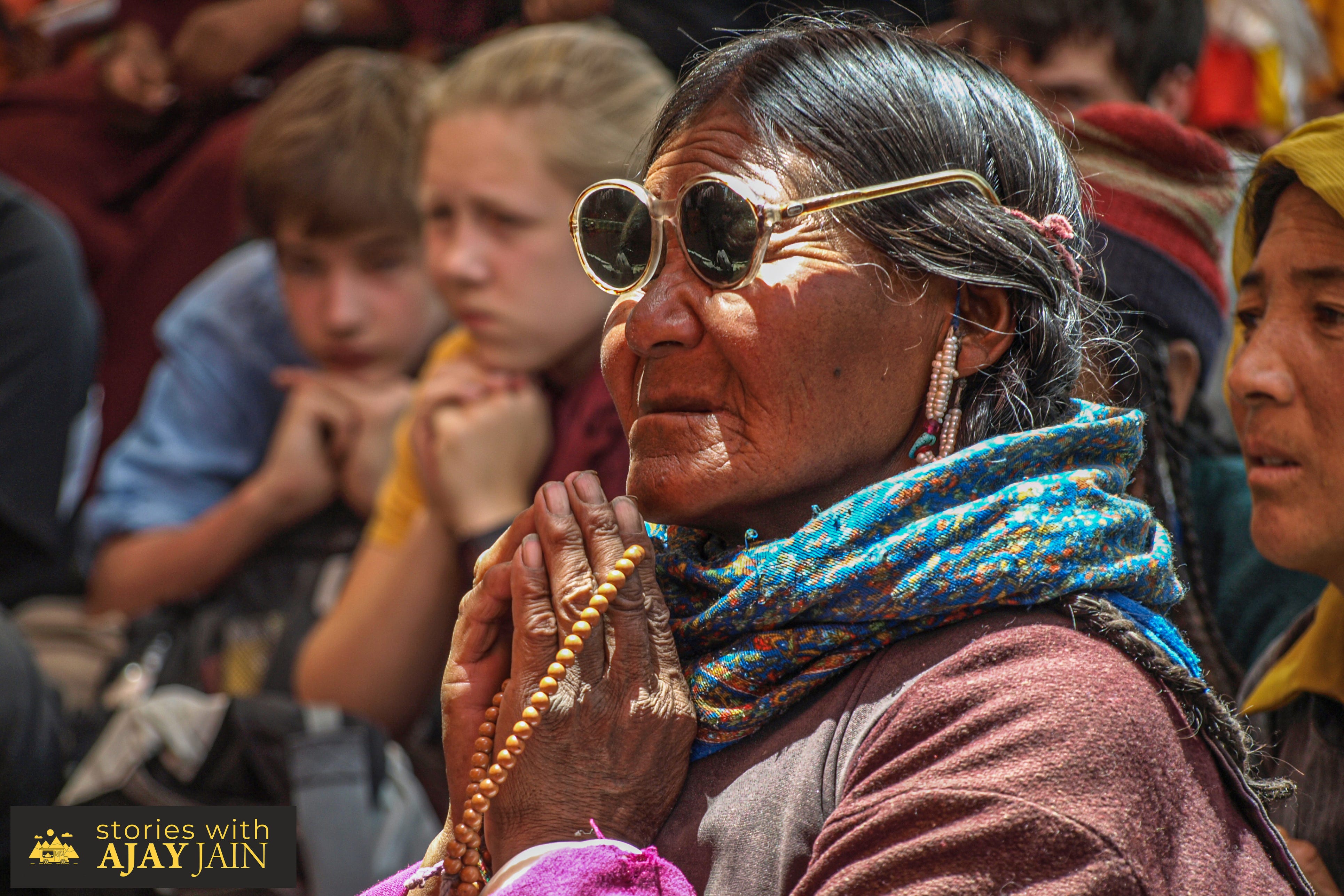
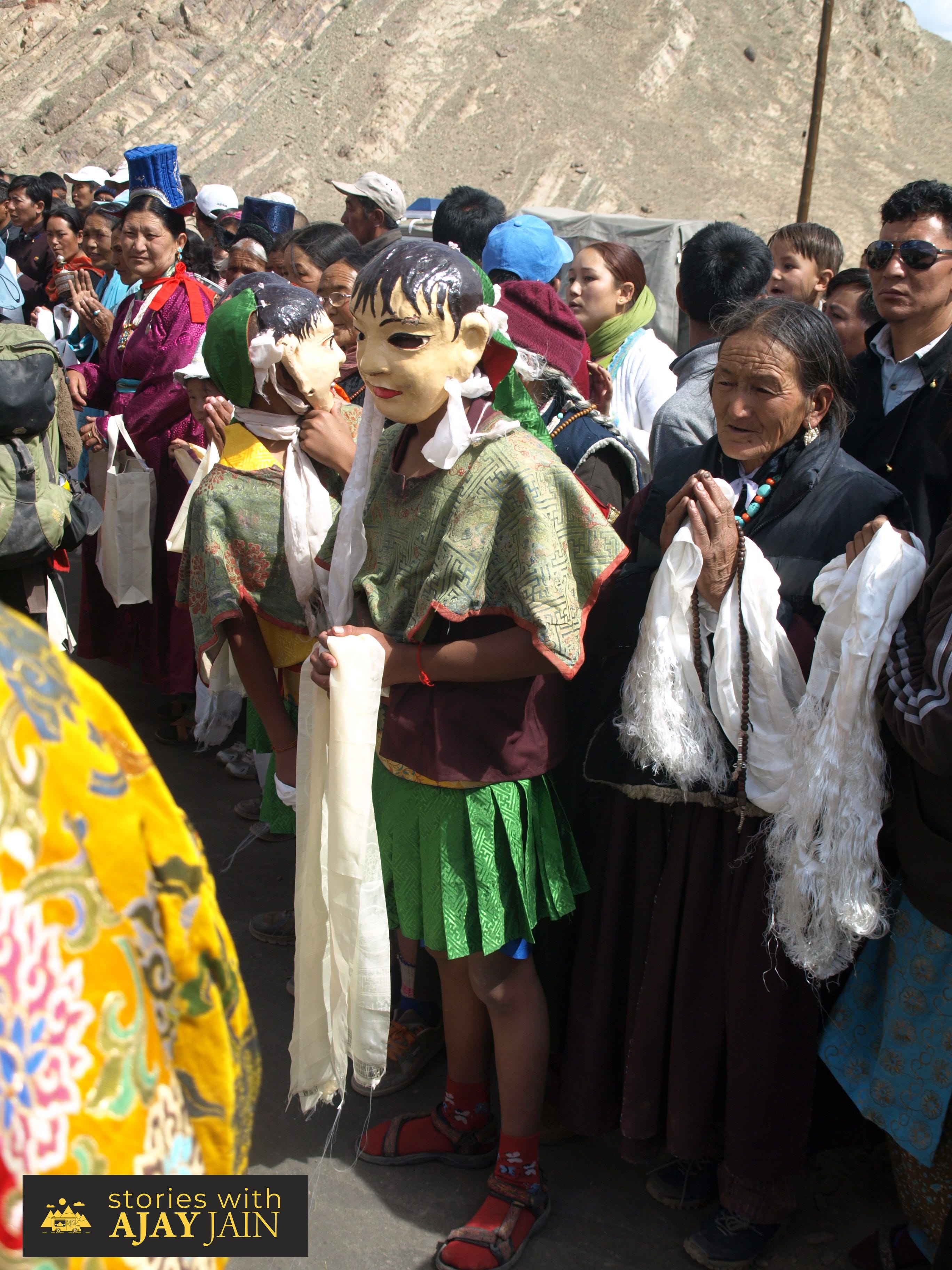
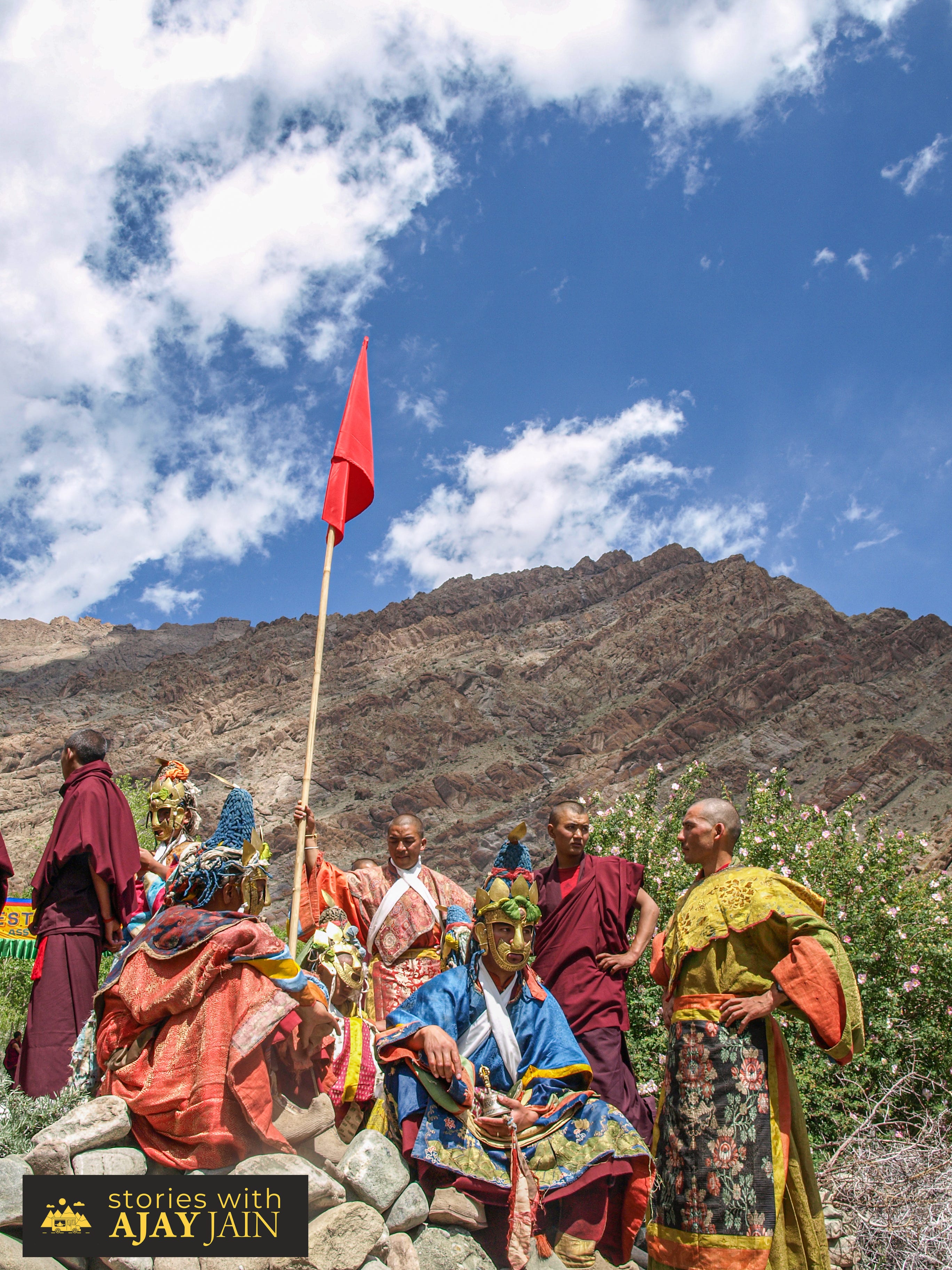
This post is featured in Ajay Jain’s book POSTCARDS FROM LADAKH, a travelogue and memory frozen in time circa 2009. Click here to order a copy for yourself and as a gift for others. Images also available as numbered prints in all sizes. All sizes, on archival paper or canvas. Delivered globally. Send enquires to stories@ajayjain.com.
This post is public so feel free to share it.
Comments
Nothing yet. Say the first thing.
Sign in to join the conversation.