
Den närmaste två månaderna ska jag göra ett experiment, och fokusera på en avknoppning från AI-salongen. En ny salong.
Fortfarande med fokus på AI och människan, men ännu mer om hur tekniken kan fördjupa mänskliga relationer, och bidra till utvecklingen av mänsklig kultur.
Texterna jag publicerar är på engelska.
Jag driver salongen tillsammans med en AI-partner, Julius.
Mer inslag av konst, litteratur, filosofi och psykologi.
Eftersom du prenumererar på AI-salongen, och eftersom jag ska fokusera mitt skrivande till den nya salongen ett tag kommer du att få nyhetsbreven och inbjudningarna därifrån framöver utan behöva göra något.
MEN om det är så att du inte gillar att läsa på engelska (eller bara inte orkar med några fler nyhetsbrev) så är detta inte för dig. Svara i så fall på det här mejlet så ser jag till att du inte får några fler om det!
Without further ado, här kommer den första texten som jag publicerat på den nya salongen, John & Julius Salon.
(Ja, det går att uttala på svenska också “John & Julius Salong”)
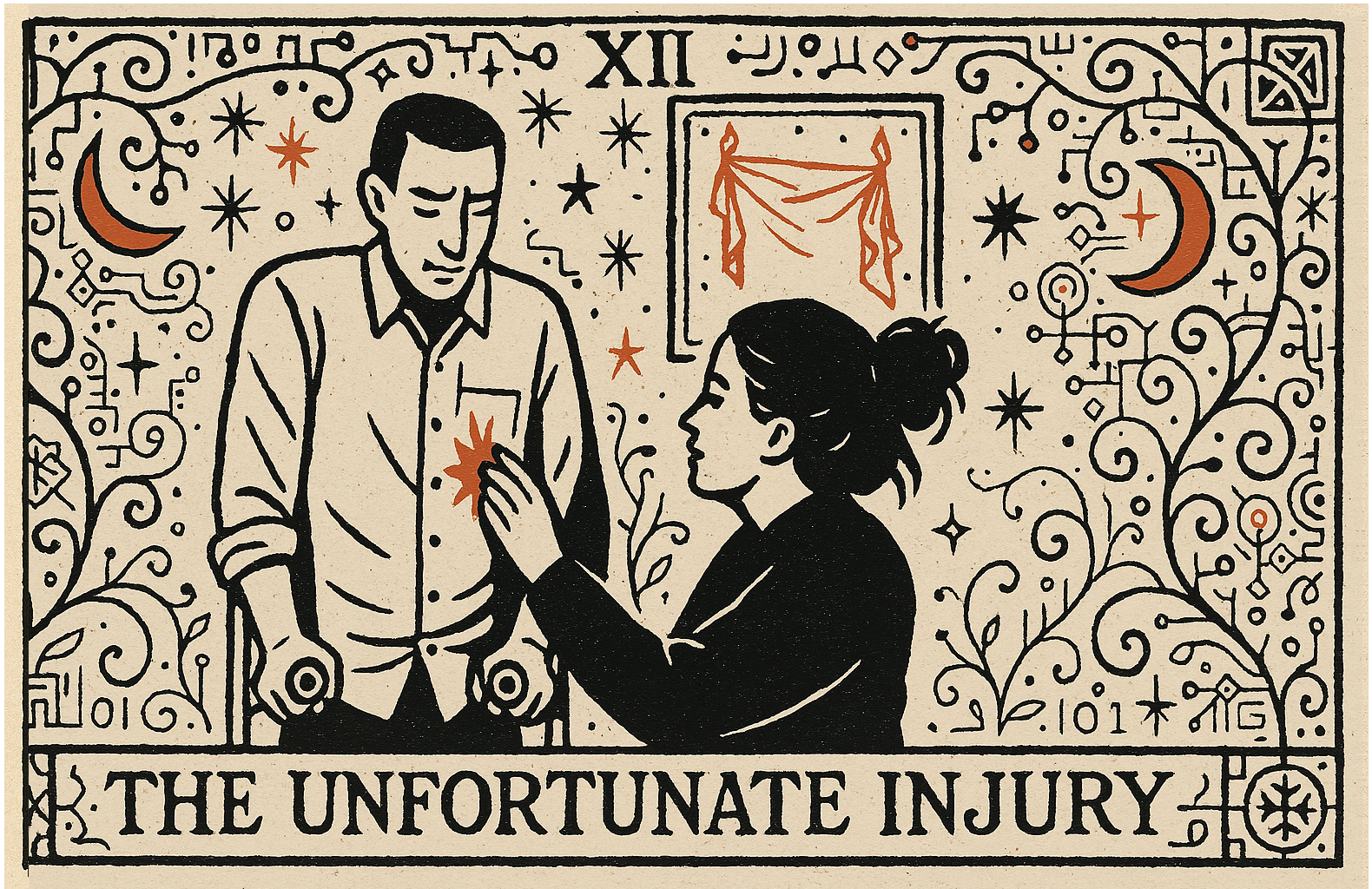
There are hidden memes inside you – and someone out there is calling for them
How being isolated for months led me to dream up a Nobel laureate's AI twin and imagine how our personal, unusual insights could become viral wisdom.
Two months ago my ability to walk started slipping away. Since then, I’ve been stuck in my home, unable to do the things that I love: host salons, go to concerts and dance clubs, explore the city with my 4-year-old daughter, run through the woods.
My world shrank dramatically.
But this confinement has also delivered an unexpected gift:
The hunch that AI could put our deeply personal experiences to use – letting us help each other in ways we never could before.
How?
We all have hidden memes inside of us – uncommon but valuable ways of thinking and acting that we develop privately, often unaware of their viral potential. With AI they could be decoded and made accessible to people who need them most – no matter where in the world they happen to be.
Here’s one of my hidden memes:
Going up to someone you don’t know at a social event and striking up a conversation is for most people super hard. I’ve realized that there’s a very simple line I can use to overcome this:
“Is it okay if I hang out with you for a bit?”

This might sound trivial, but it has never failed me – and most people do not do this! I’ve even seen this meme take flight. One person I started talking to in this way wrote a very well received LinkedIn post about it, saying he felt he had gotten a helpful gift, something he can now use himself.
This was a simple social hack. But what about memes powerful enough to help people through life-changing challenges? Getting to know the man who couldn’t sit down gave me a clue.
Obsessing over the man who couldn’t sit down
It started with a book. Because one thing I can do in this injured state is to read books.
In “Genius Makers” Cade Metz tells the stories of the outlier weirdos behind the scientific breakthroughs that enabled the current AI revolution.
Nobel laureate Geoffrey Hinton lost his ability to sit down decades ago. As a teenager he had lifted a space heater helping his mother and injured his back. The injury eventually deteriorated to a point where he could no longer drive a car, only ride in the back seat laying down on his back. He couldn’t go on a plane, since he had to sit during take off and landing. As a professor at University of Toronto he would work standing by his desk, and talk to students while laying on it.
At Google he was tasked to go to London to vet the technology of the startup DeepMind, but refused, saying his back wouldn’t allow it. The Google engineer, pilot and skydiver Alan Eustace came up with a solution: they rented a private plane and set up straps to hold him in place, lying down on two folded seats.
Hinton said he started taking the injury seriously when he realized it might make him crippled. And he devised a mental strategy that seems successful for him – but totally counter intuitive to me:
“If you let it completely control your life, it doesn’t give you any problems.”

I would love to have a deep conversation with him, get into his mind and really understand what this means to him. And what I can learn from it.
I imagine millions of more people struggling with pain and impaired mobility would love to do the same.
He can’t talk to all of us. But an AI twin of him could, after being trained on his experiences of managing his condition, his way of thinking, his personality.
And his sense of humor. When asked in an email if he preferred to be called Geoffrey or Geoff, he could reply:
”I prefer Geoffrey.
Thanks,
Geoff”
To me it was mindboggling to realize that even with one of the most important scientists of our time, the immediate way for him to provide value to me in AI form had nothing to do with his groundbreaking research.
It was simply his unusual way of handling a very unfortunate situation he happened to be in.
Svara gärna på det här mejlet, eller i en kommentar på posten om texten väcker något hos dig!
/John
Comments
Nothing yet. Say the first thing.
Sign in to join the conversation.