
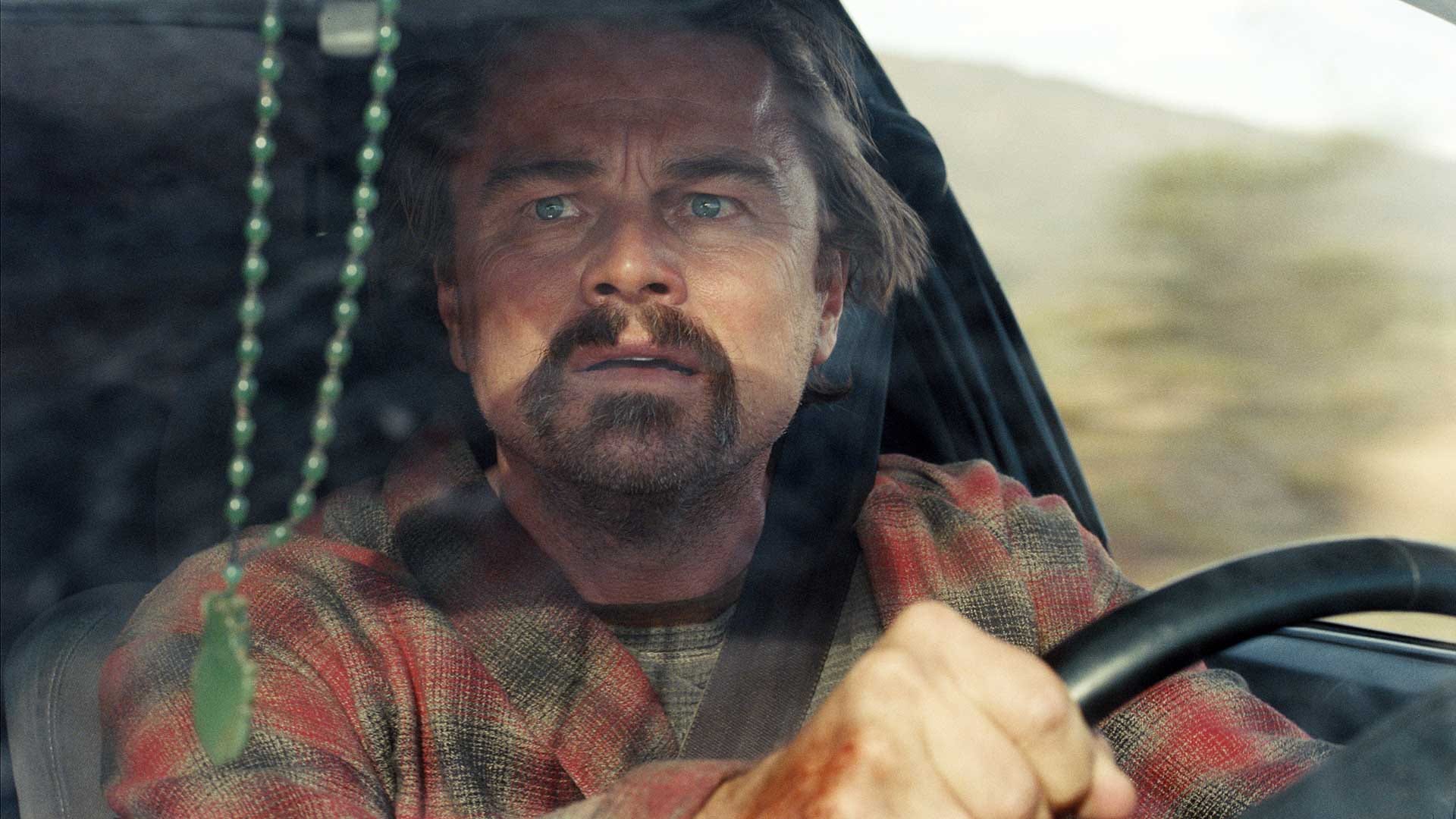
The vibes in 2025 were dour and depressing, yet the movies told a different story. The story was one of optimism and laughter against the forces of cynicism and oppression—a joyful defiance against forces that feel beyond our control. This tendency expressed itself most frequently (and rather unusually) in big-budget movies: films like Superman imagined a contemporary Man of Steel as an optimistic disciple of late-2000s pop-punk, while One Battle After Another concluded its battle against white supremacy to the tune of Tom Petty. And even when blockbusters weren’t fighting the forces of evil, they were still triumphalist and absurd, as in F1 and A Minecraft Movie.
Was this all just a cheerful means of escape from our state of perennial doomscroll? Could it be a sign that hope is bubbling under the surface of the American psyche? Hard to say, but for the first time in some time, the movies collectively agreed that laughter was the best medicine. Laughter could be found in white supremacists and white abolitionists, in middle-aged men losing their jobs or middle-aged men just trying to make friends. In a disquieting twist, the biggest laughs often went side-by-side with moments of great terror: Movies like Weapons and It Was Just an Accident counterbalanced the language of horrorcinema with slapstick comedy, to potent and unnerving effect.
In any case, I was very impressed with the movies in 2025. There were the usual ups and downs, though with a greater feast-famine dynamic more than normal. Q1 was particularly tough sledding. A neverending slog of critical and commercial flops included Mickey 17, The Alto Knights, Snow White and the fourth Captain America movie (it’s a bad sign when both original blockbusters and Disney remakes are down), but Q2 bounced back hard, with a string of hits from Warner Bros. Beginning with A Minecraft Movie in April and ending with One Battle After Another in September, Warners managed to squeeze in a remarkably healthy mix of originals and franchise fare that included an original vampire movie musical from Ryan Coogler, a terrific Brad Pitt sports drama, a refreshingly feel-good Superman movie, and the endlessly innovative Weapons.
The 2025 Warner Bros. slate is the best we’ve had from a major studio in years, which only makes it scarier that Netflix is threatening to swallow it whole. The company’s transformation from beloved DVD-delivery startup to Silicon Valley Villain was solidified in this year’s successful(?), Succession-style bid for Warner Bros. Discovery that would surely have made Lukas Matsson a giddy man. I don’t know what the future will bring (and neither does anyone else, despite their endless haranguing), but the prevailing sense of fear is warranted. There’s a case to be made that Netflix is the foremost driver of movie theater downturn in recent years—that they would take over the one movie studio to have outdone themselves in 2025 is a disquieting sign indeed.
But while the movie industry succumbed to corporatism and consolidation, the movies themselves remained defiant. It’s been one of the better movie years of the 2020s, and it’s my great pleasure to be celebrating it with the third edition of the Airplane Mode Movie Awards. As usual, I’ll be giving out awards for Best Film, Worst Film, Most Underrated Film, Most Overrated Film, and Best Blockbuster, plus a few additional awards specific to trends of this year. It was a pleasure to put together this list—I hope you’ll find something worth watching!
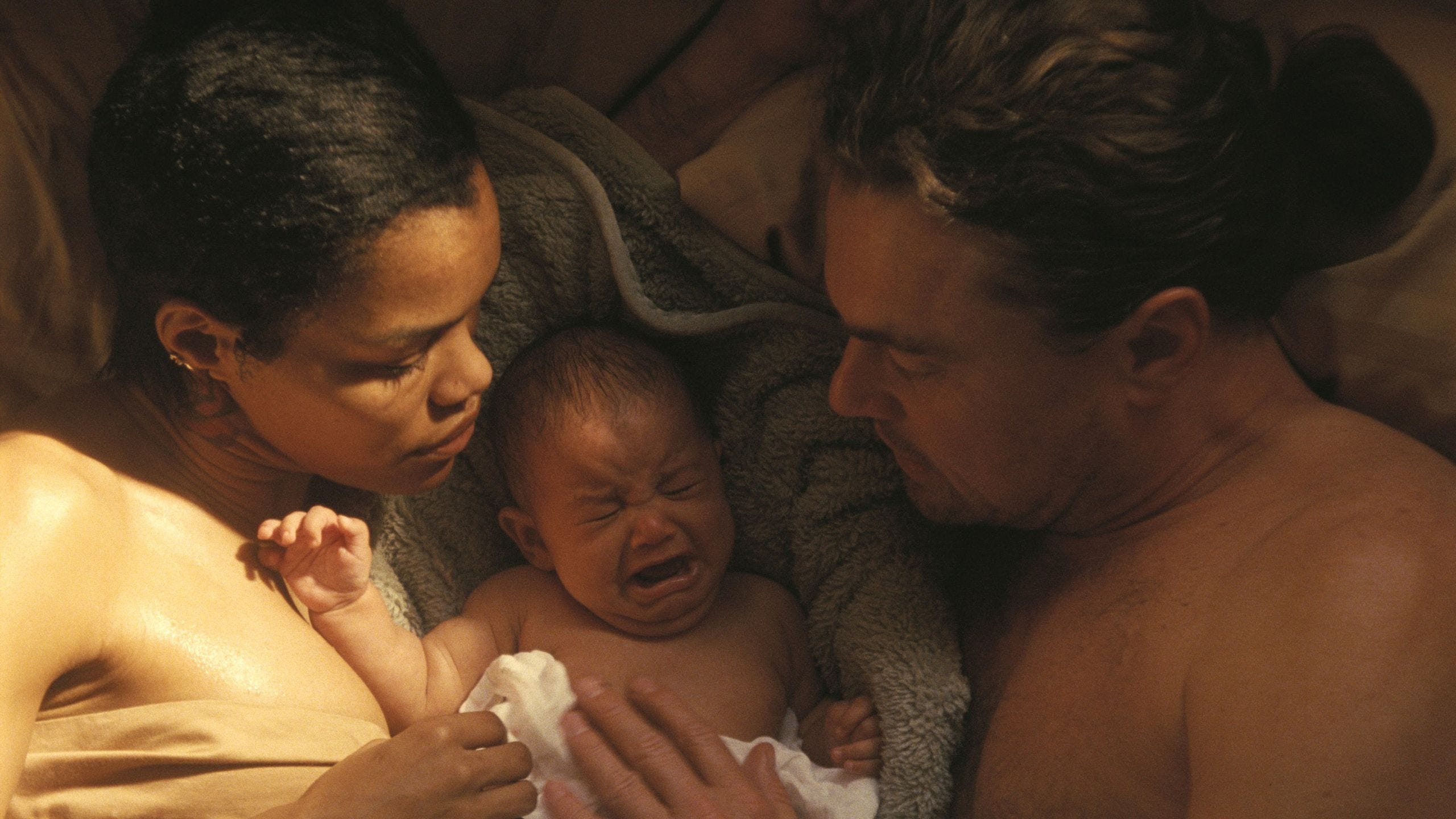
Sometimes there really is a “Best Film of the Year,” and sometimes that qualifier can be a misnomer. I’m not sure if One Battle After Another is the best film in an absolute sense—on any given day, I’d be just as happy to lend that title to It Was Just an Accident, Jafar Panahi’s genre-bending examination of authoritarianism and its personal aftereffects, or to Kelly Reichardt’s The Mastermind, a shaggy-dog joke of a film about a privileged art thief whose entitlement destines him to failure. (In fact, it’s entirely possible that my top 25 of the year will reflect this! It’s at the bottom of this post! Go check it out!)
But I’m choosing to give the award to One Battle After Another, Paul Thomas Anderson’s sweeping tale of a washed-up revolutionary and his imperiled daughter, for three reasons. The first is that I have wanted to write about it for some time, and haven’t quite had the chance to do so. The second is that this is the movie I saw the most this year: four theatrical watches and counting. But the third reason is the most meaningful: One Battle After Another is a movie that speaks to our present moment with unique clarity. This zany, off-kilter vision of Weather Underground-like leftists, Christmas-worshipping white supremacists, and Latino Harriet Tubman operations is, to quote IndieWire’s David Ehrlich, “the first movie of its size to accurately crystallize how fucking anxious it feels to be alive right now.” Set amid the confines of immigration detention centers and the villainy of conspiratorial racists embedded in the highest levels of the U.S. military, One Battle After Another articulates the sense of overstimulated insanity that has come to define the past decade. It is a generational achievement—one I am certain will (rightfully) sweep the coming Academy Awards, and will be remembered for years to come.
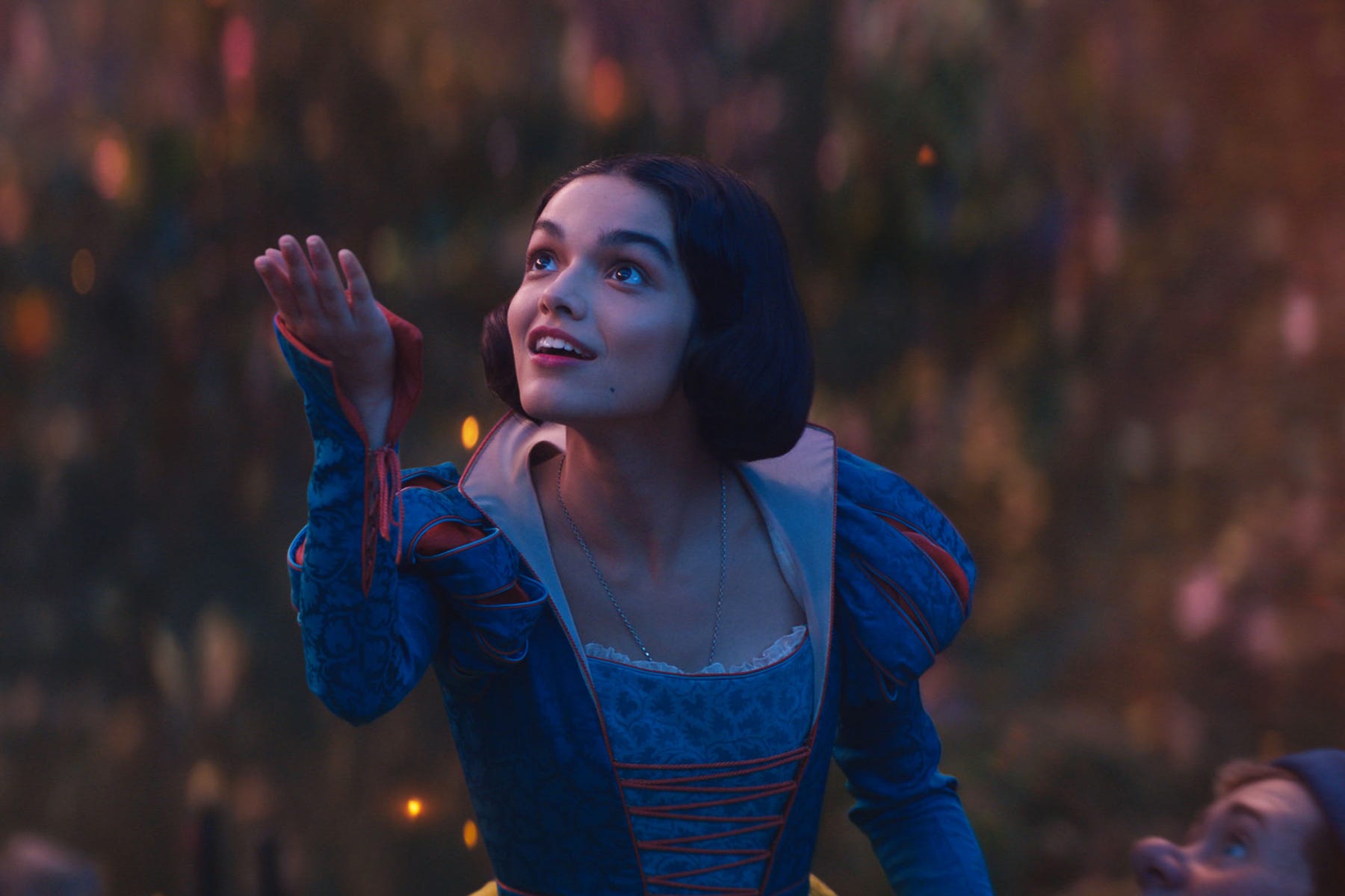
I should preface this award by noting that I have done a rather poor job of seeing bad movies this year. In particular, I have missed Hurry Up Tomorrow, the much-memed “psychological thriller” from The Weeknd and Trey Edward Shults, and War of the Worlds, reportedly the greatest hate-watch of 2025. I’m sure that both films are excellent candidates for this award, and are probably traditionally “worse” (in the sense of bad filmmaking and directorial self-indulgence) than the movie I’m calling the Worst Movie of the Year: the live-action remake of Disney’s Snow White.
Much of this award has to do with the film being, well, bad. This film features a spectacular mess of bad performances and ugly CGI, with Gal Gadot standing out as the most annoying the Evil Queen in screen history. The choice to render seven dwarves with computer animation is moreover the most visually self-destructive (and culturally backwards) special effects commitment since Cats terrorized our multiplex screens.
But the other reason to give this award to Snow White (the same reason, incidentally, that I found myself so incensed at last year’s Worst Film of the Year, Deadpool & Wolverine) has to do with the cynical soullessness of this film’s existence. Watching this movie, you have an acute awareness that this movie, and remakes like it, exist solely because studio executives believe you, the audience, are stupid enough to shell out money for something as craven and effortless as this. Disney’s Snow White is an leaden, purposeless mess of a film—it’s all the evidence you’ll ever need to want to purge Disney remakes from the Earth for all time.
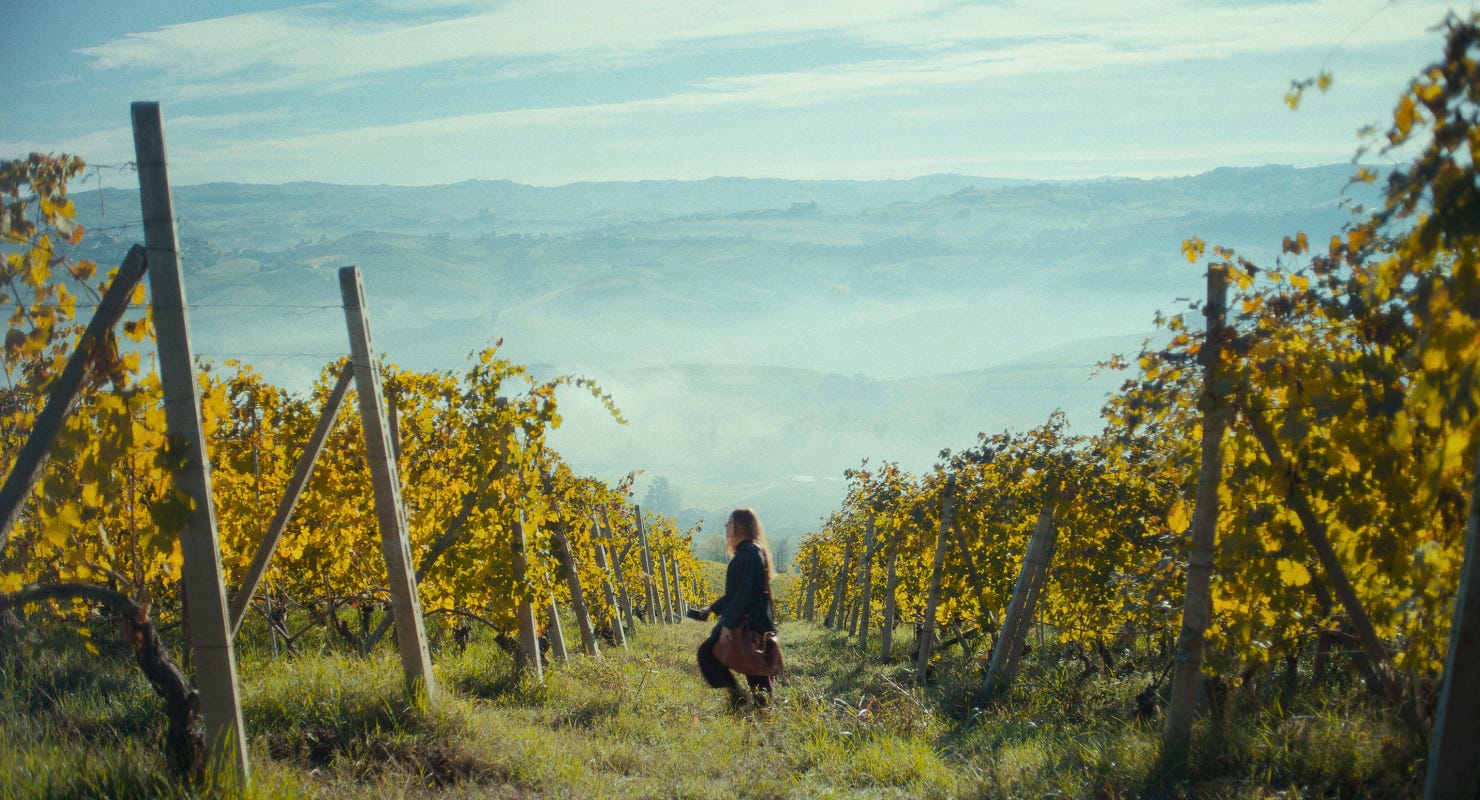
There are two kinds of underrated films: those that receive too much hate, and those that receive too little attention. Last year, I awarded Most Underrated Film to a film that received too much hate: Megalopolis, a widely disliked film that I will forever uphold as a misunderstood gem. This year, there were far fewer divisive films—or at least far fewer that I felt inclined to defend—whereas on the other hand, there were more than enough movies that received far too little attention, not least of all Trifole, the most wonderful film I saw this year without a single mutual watcher in my Letterboxd network. Co-written by and starring Ydalie Turk as Dalia, a young Englishwoman of Northern Italian heritage Trifole is a film that transforms alongside its protagonist. Dalia first travels to Italy on family duties: her grandfather Igor (Umberto Orsini) is aging, and is need of care. Yet it soon becomes clear that Dalia has much to learn from her grandfather, particularly in the art of truffle hunting—a time-honored trade of the Piedmont regoin, and one that Igor has mastered over decades of practice. As Dalia begins learning the tricks of the trade, the film modulates in tone, morphing from a more grounded drama and into a sort truffle-hunting bildungsroman. Director Gabriele Fabbro lends this transition a wondrous, fable-like excitement. By the end, the film achieves something magical: a feeling of primordial grandeur.
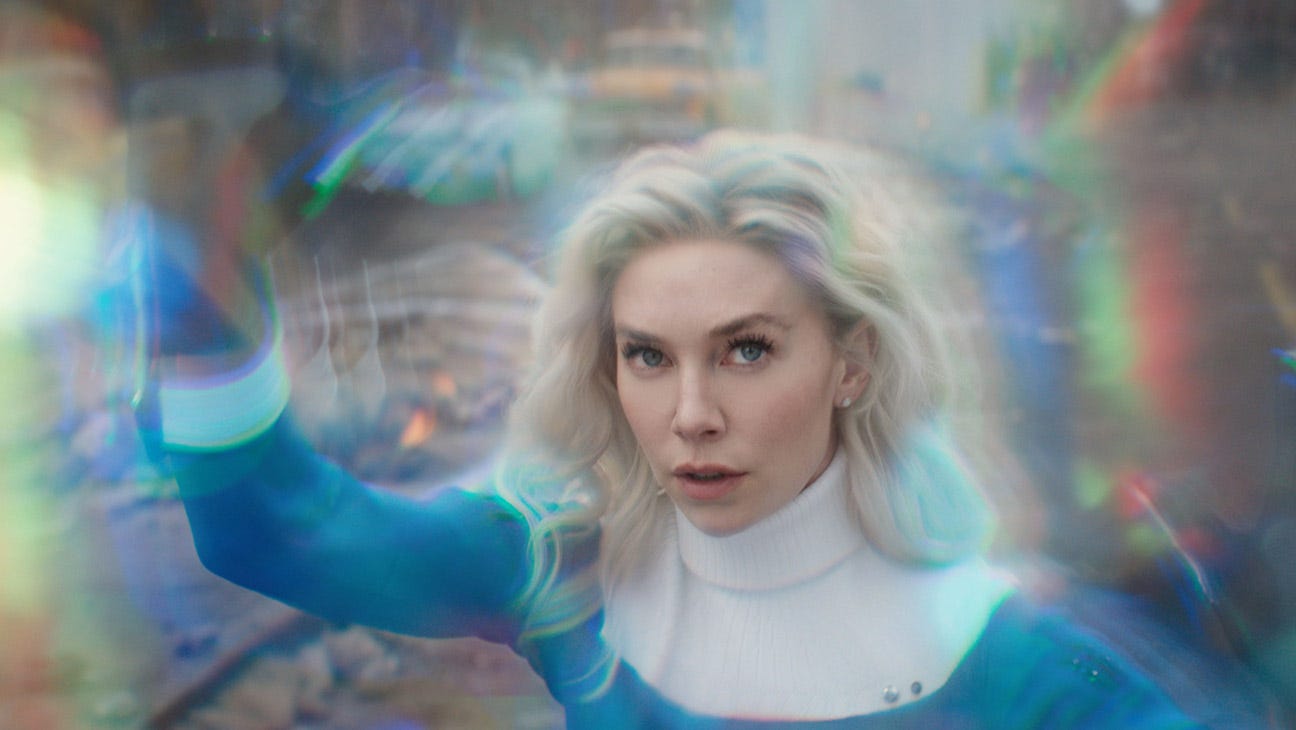
Superman aside, 2025 was another bad year for the superhero movie, and as usual, Marvel Studios led the funereal drumbeat. Captain America: Brave New World arrived as a sign of Marvel becoming a Slop Machine, while the Florence Pugh-led Thunderbolts* came and went with little more than a passing shrug. Admittedly, these secondhand Marvel properties paled in comparison to The Fantastic Four: First Steps—the massively anticipated superhero Messiah that was expected to bring the MCU back to its former self. And by all accounts, it did: First Steps made $521 million at the global box office, and was received to nigh rapturous acclaim from both critics and general audiences alike.
This acclaim continues to puzzle me, since First Steps is—to put it simply—quite bad. A miscast, badly acted, and thematically unintelligible film with a cowardly unwillingness to commit to its moral convictions, the third Fantastic Four reboot in two decades easily earns the title of Most Overrated Film of 2025. It is yet another instance of a superhero picture lacking personality, and one that seems to ride entirely on the coattails of its retro-futurist production design—an admittedly compelling mixture of midcentury analog textures with 1960s spacecraft Americana. This is the sole source of character in a film entirely lacking in it, and it remains baffling to me that the world at large can be so taken with nice-looking exteriors that they forget to look for, I don’t know, a cohesive narrative? Performances that resemble human emotion? A theme?
The amount of overt praise here is enough to lead me to believe that society is desperate for the kind of personality-driven superhero entertainment that Marvel successfully produced for the better part of eleven years. As a fan of those movies, I get it—but that doesn’t mean we should sacrifice our artistic standards at the faintest glimmer of artistry. We should want more.
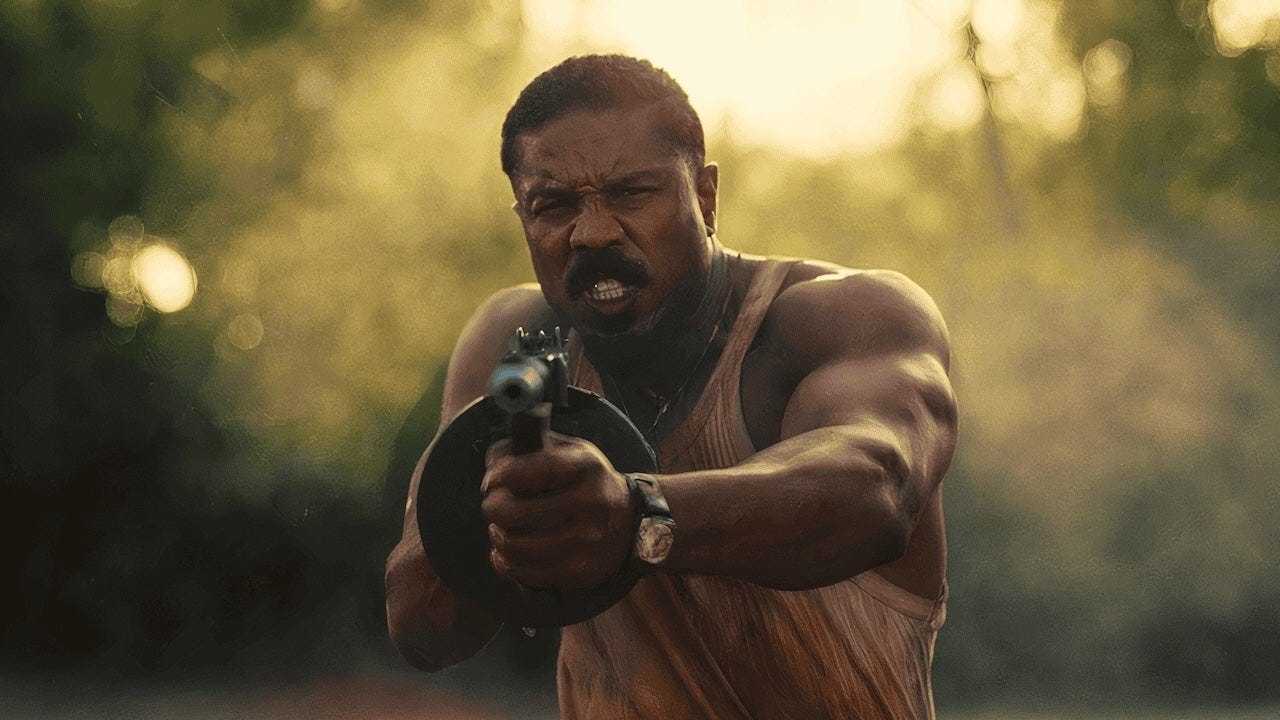
It occurs to me that this award has much in common with the new Golden Globe Award for Cinematic and Box Office Achievement, inasmuch as it exists, at least in part, to platform the movies that would otherwise be ignored in other awards coverage. That’s certainly the case here: Sinners is far from my favorite movie of the year, but its wide-ranging impact—upon culture, upon the box office, and upon the possibilities for original filmmaking at scale—is a thing worth celebrating. Few filmmakers are given the chance to write and direct original stories with Chris Nolan-level budgets, which was why it was a bit of a surprise when Warner Bros. announced they would give $90 million to an original vampire musical film set in the Deep South. But that’s the thing about big bets—every so often, they pay off. Sinners isn’t just a rollicking fun mixture of Southern Gothic and horror filmmaking (one that also happens to feature the most engrossing, world-fusing musical sequence of the decade) it also grossed $368 million worldwide, an encouraging sign for the future of original blockbuster cinema.
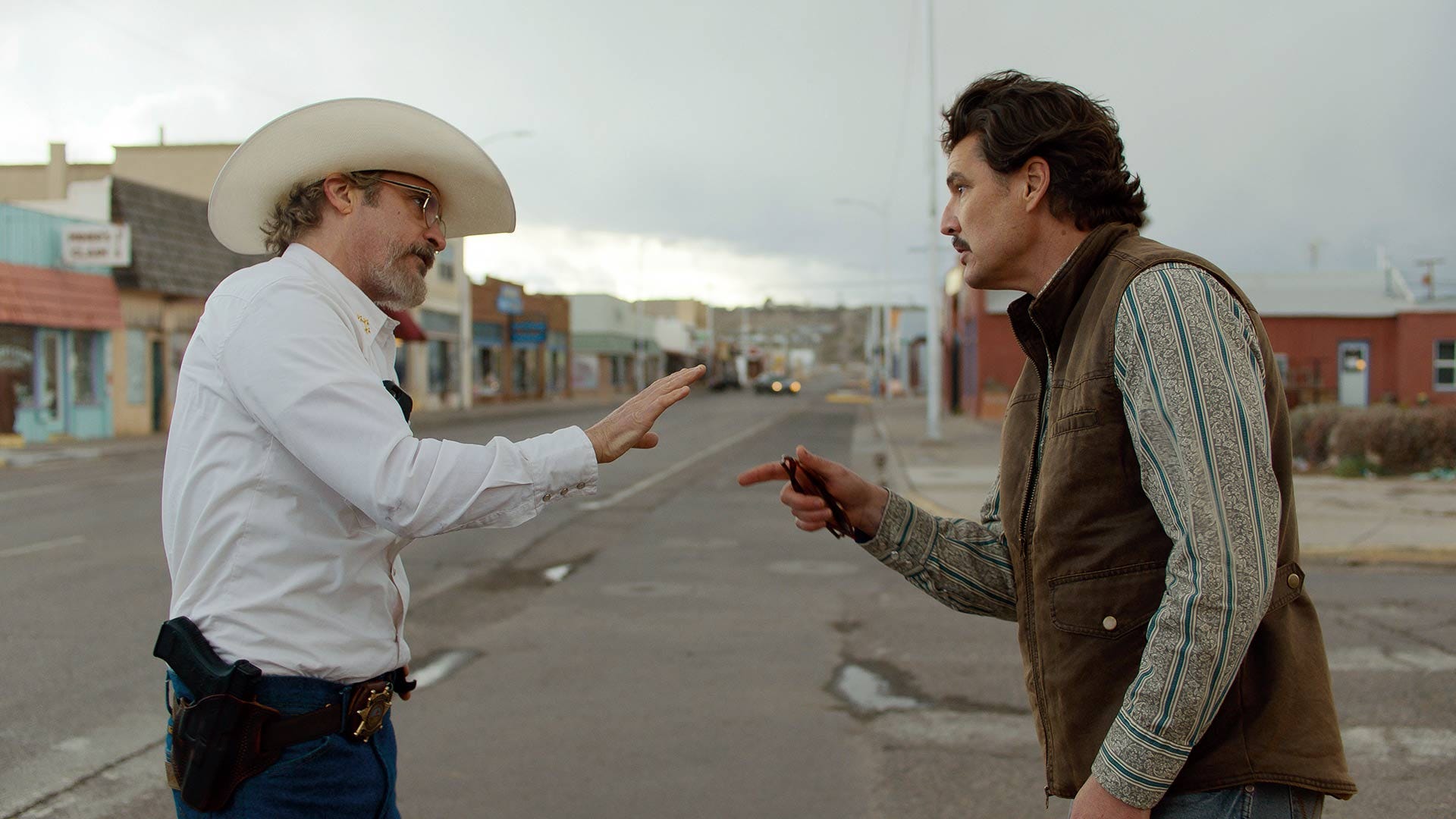
A brilliantly flippant and rage-baiting neo-Western from the most anxiety-forward filmmaker working today, Ari Aster’s Eddington was one of several films released in 2025 that dealt explicitly with the United States of today—or at the very least, the United States as it feels today. Movies like One Battle After Another, Superman, Weapons, and Mickey 17 each grapple with American political and cultural anxieties bubbling within the national psyche, but none of them quite with the specificity of Eddington, which peels back the freshest wounds of American history with a playful, at times vitriolic confidence both disturbing and profound.
Set in May of 2020—the precise moment when the combined impacts of COVID mask mandates and the murder of George Floyd brought American cultural divisions to a boiling point, albeit one experienced through out phones—in the small New Mexico of the film’s title, Eddington’s choice of protagonist is just as difficult a sell as its setting: Joe Cross (Joaquin Phoenix), sheriff of Eddington, and a MAGA-lite candidate for mayor. That framing alone should be enough to set even the mildest of politically cognizant viewers into some sort of tizzy (which is to say nothing of the film’s conclusion, a raucous rendition of nightmare conspiracy theories come to life), so it shouldn’t come as a surprise that Eddington nearly sent critics into shouting matches a after its premiere at this year’s Cannes Film Festival. But for a filmmaker as impish and seemingly apolitical as Aster, these choices are also a key reason for the film’s success. The film possesses a level of period detail powerful enough to invoke sense-memory of COVID traumas, and a mean-spiritedness bold enough to induce their catharsis. It is the only film of its scale to capture the toxicity wrought by those pandemic days—and the neuroses that have stuck with us to this day.
Before directing Barbarian—a horror puzzler from 2022 with an ADHD-brained tendency to hop between narratives and tones—Zach Cregger was best known for his work on The Whitest Kids U’Know. As such, that makes him the second most notable horror filmmaker to have gotten his start in sketch comedy, after Jordan Peele set the stage for sketch comics-cum-horror filmmakers with 2017’s Get Out. And while Peele may still be the king of this particular sub-category of horror auteurs, it’s clear that he’s taken notice of Cregger: Peele’s production company was involved in a heated bidding war (that they eventually lost) for Weapons, which is Cregger’s sophomore effort as a writer-director.
It’s not hard to see why. A winding, thematically rich tapestry of stories and characters told using the language of horror cinema, Weapons functions for Cregger much the same way Us did for Peele: evidence that a crass, jokemaking schmuck can sit in the director’s chair and really pull something off. If you haven’t seen Weapons, I won’t spoil it here except to say that this story of of seventeen third-grade students who simultaneously disappear from their homes is wonderful, and presents all the kind of wonder we want from the movies. A transportive mix of tones, genres, and unexpected narrative twists, Weapons is the rare 2025 film to possess a genuine sense of mystery.
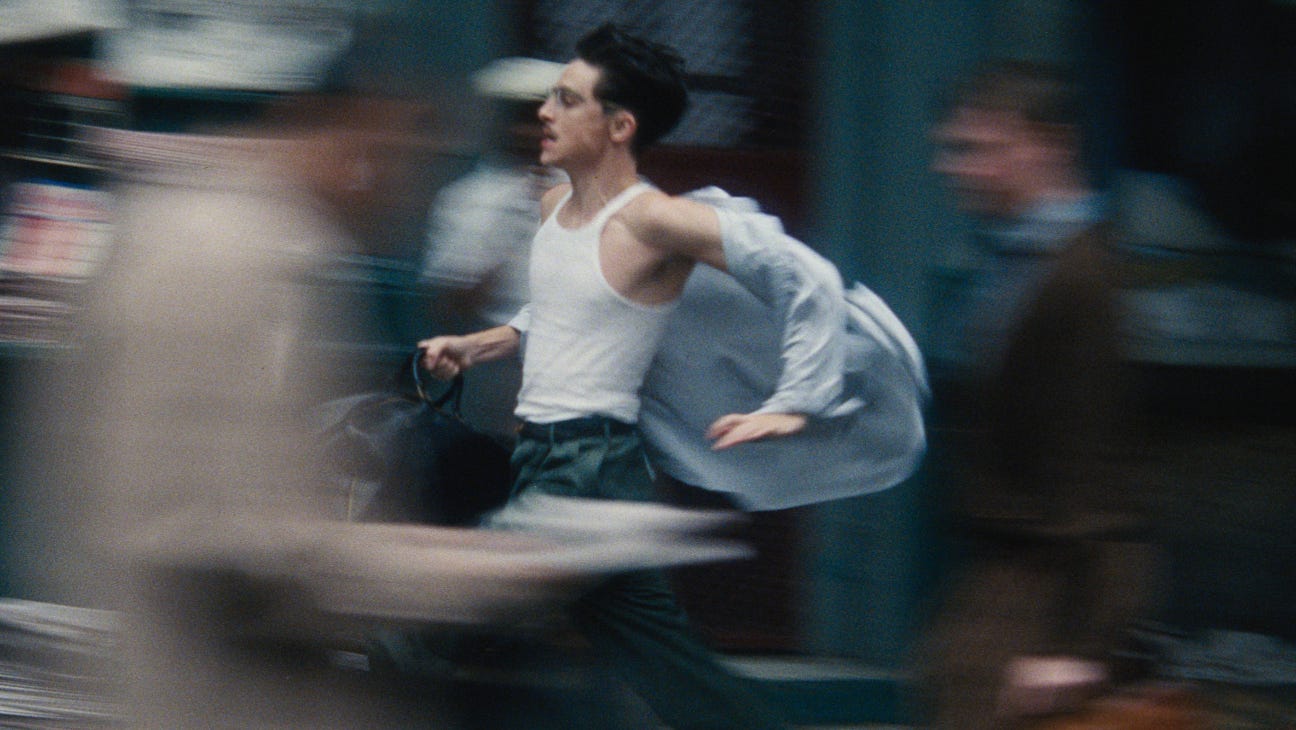
In retrospect, it seems obvious that Josh Safdie would direct a sports movie. This is, after the film, the filmmaker obsessed with hustlers like Howard Ratner in Uncut Gems and Connie Nikas in Good Time: self-confident men possessing grand visions of themselves, despite a society despairing of their ways. It’s feasible to envision both characters in some dark corner Marty Supreme, a film driven by a similar hustler mentality. It retains the pulse-pounding, I-think-I’m-about-to-die style of Safdie’s other work, and while it would be a bit facetious to describe Marty Supreme as “Uncut Gems but with sports,” it also wouldn’t be innacurate: Marty Mauser (Timothée Chalamet) shares much in common with those men, particularly their delusional belief in themselves on the basis of some self-important higher calling. The difference here is that Marty, a young man of 23, isn’t trying to get his brother’s bail money or gamble away his earnings: He’s a table tennis player, and he is in pursuit of greatness. Chalamet’s performance is incendiary enough to convince you of Marty’s bullshit, and Safdie’s propulsive direction—which allows for bonkers, off-the-cuff moments of spiritual transcendence amid the insanity—is among the best pure filmmaking of 2025.
I’d also be remiss not to mention Chalamet’s historic press tour on behalf of the film, which ended up bringing in $27 million over the four-day Christmas window. I’m not sure that anyone else could have pulled off this campaign, which included everything from a sketch comedy rendition of an A24 marketing meeting to standing atop the Las Vegas Sphere. Of course, the relentlessness is all part of Chalamet’s charm: his try-hard tendencies are now a defining feature of his star persona, and it’s selling tickets to mid-budget movies at a time when such a thing is beyond the pale of expectation. It’s unreasonable to expect these kinds of viral marketing campaign future. But when they work, they’re worth celebrating—these are the gimmicks that keeps the art of filmmaking alive.
Thanks for reading Airplane Mode! Please do share the blog if you enjoyed it, and keep an eye out in 2026—there’s more to come.

It Was Just an Accident
The Mastermind
One Battle After Another
Marty Supreme
Eddington
Train Dreams
Cloud
If I Had Legs I’d Kick You
The Secret Agent
Trifole
Friendship
Sentimental Value
Blue Moon
Sorry, Baby
Afternoons of Solitude
Eephus
The Perfect Neighbor
Warfare
Black Bag
Weapons
No Other Choice
Grand Theft Hamlet
The Naked Gun
Pavements
Sinners
No posts
Comments
Nothing yet. Say the first thing.
Sign in to join the conversation.