LLM Inference Interview Questions #20 - The Diversity Collapse Trap
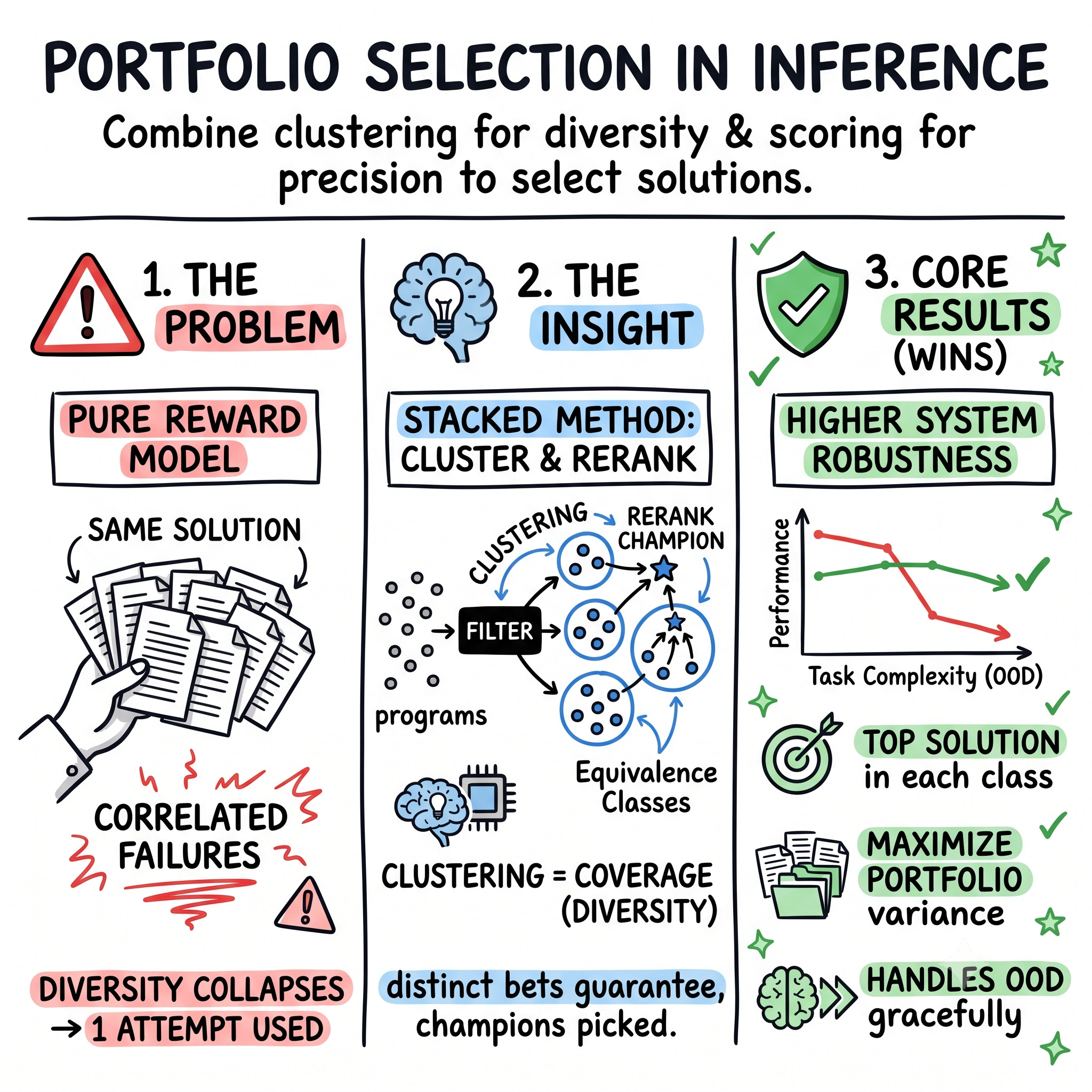
Why replacing heuristic clustering with a pure reward model silently hands you 10 copies of the same wrong answer, and how to stack them to balance precision with coverage.

AI Interview Prep delivers in-depth insights into advanced NLP, CV, RL, LLMs, ML System Design. We highlight common traps and proven strategies to help engineers excel in technical interviews.
Live Last read · last published · next check
Why replacing heuristic clustering with a pure reward model silently hands you 10 copies of the same wrong answer, and how to stack them to balance precision with coverage.
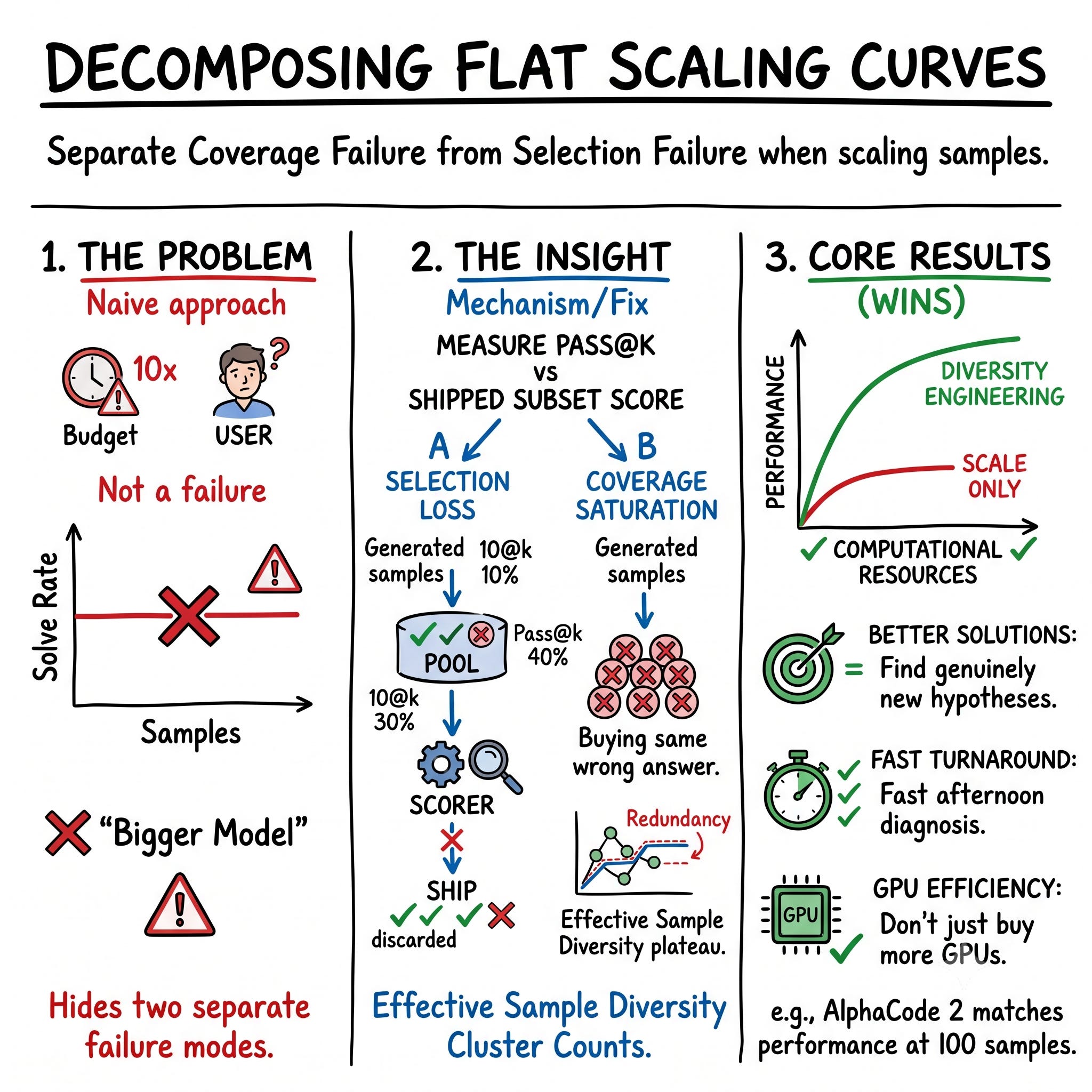
Why throwing more inference budget at a reasoning task quietly yields ninety thousand identical wrong answers, and how decomposing your flat curve into coverage vs. selection saves you from a six-fig.
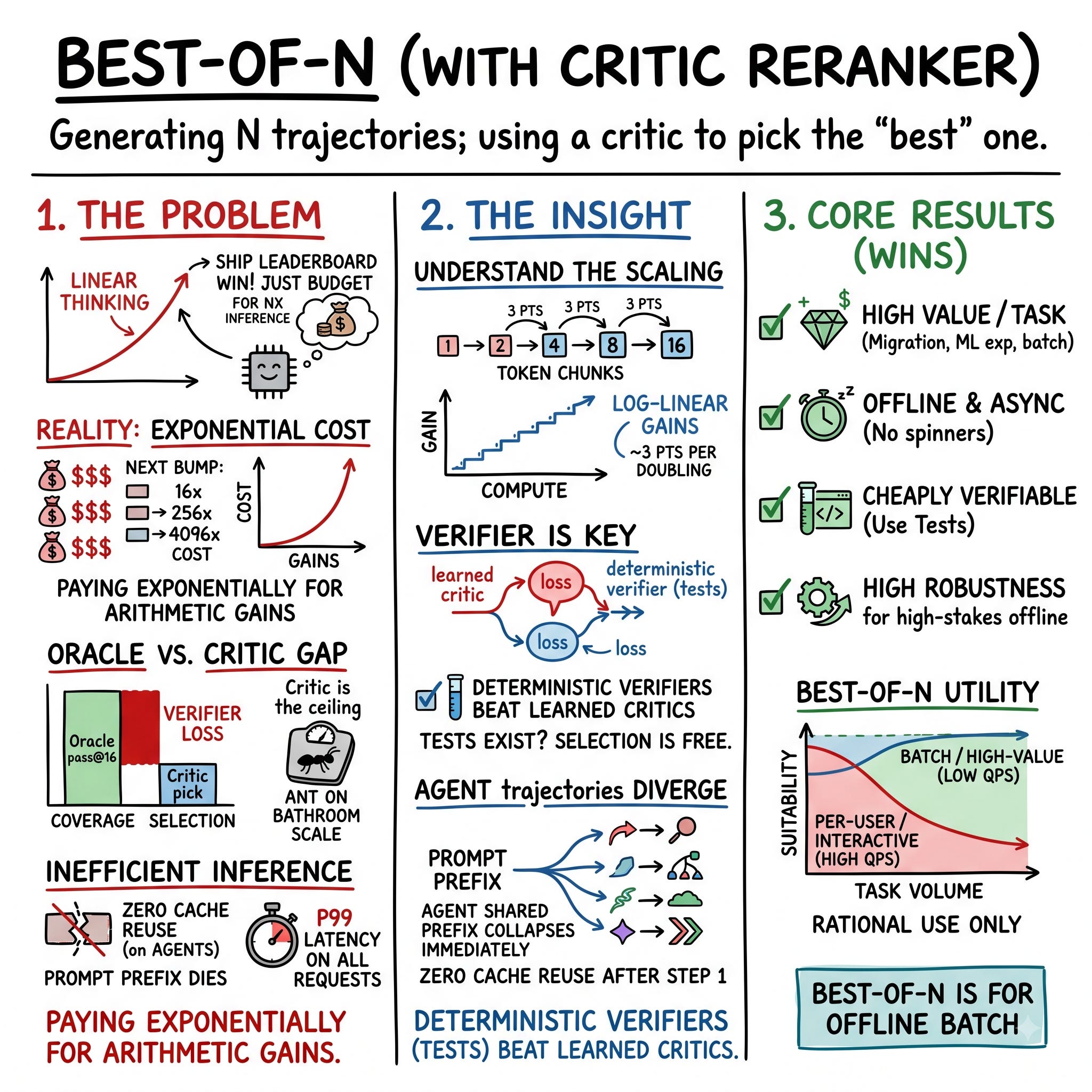
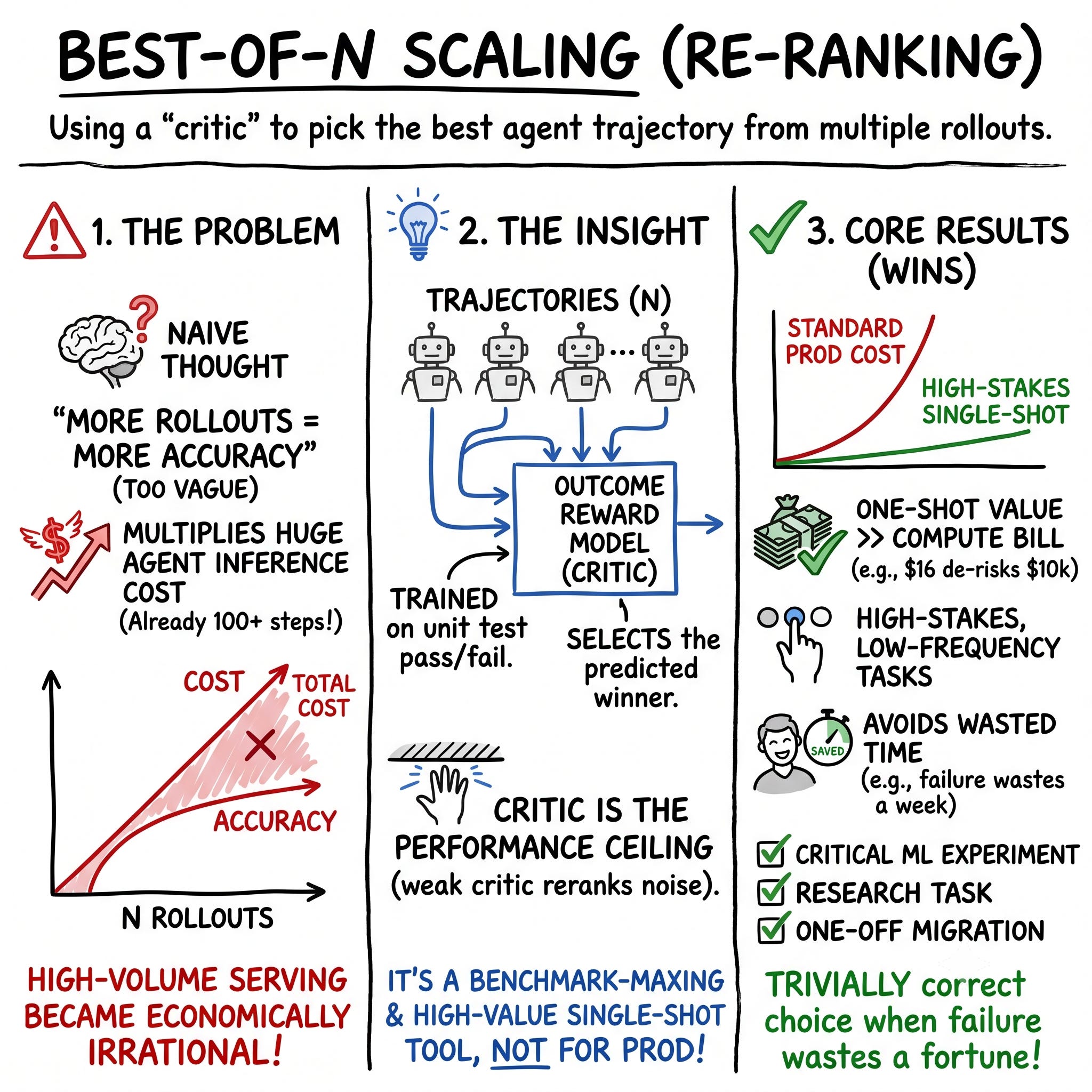
Why using Best-of-N to boost agent performance quietly bankrupts your QPS budget, and the elite-level difference between buying benchmark points and shipping a viable AI product.
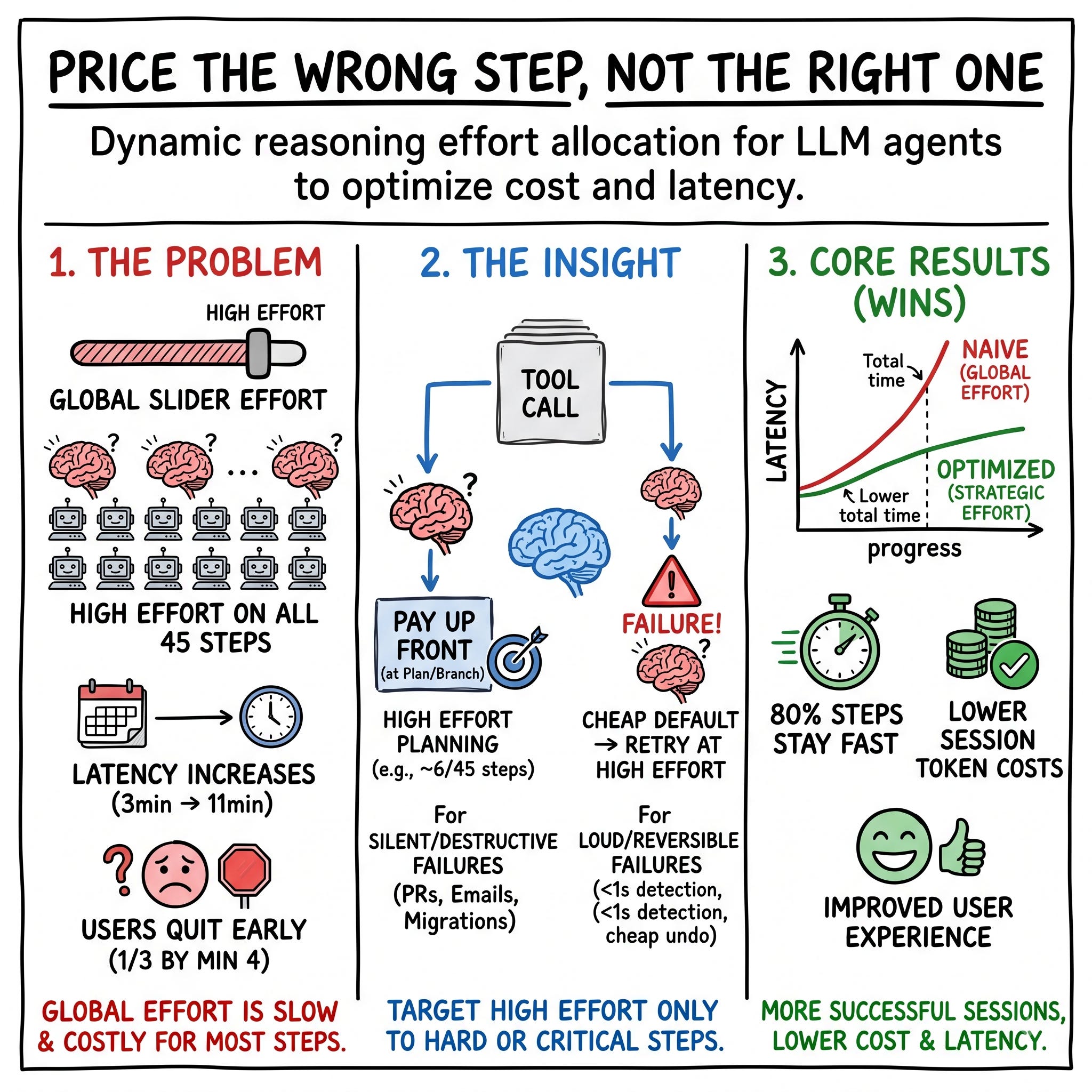
How maximum thinking time kills user retention by minute four, and the "escalate-on-failure" trick that buys 58% success rates without the 11-minute latency tax.
A deep dive into vector index economics, the exact reasoning expected when a retrieval interviewer changes one constraint on you.
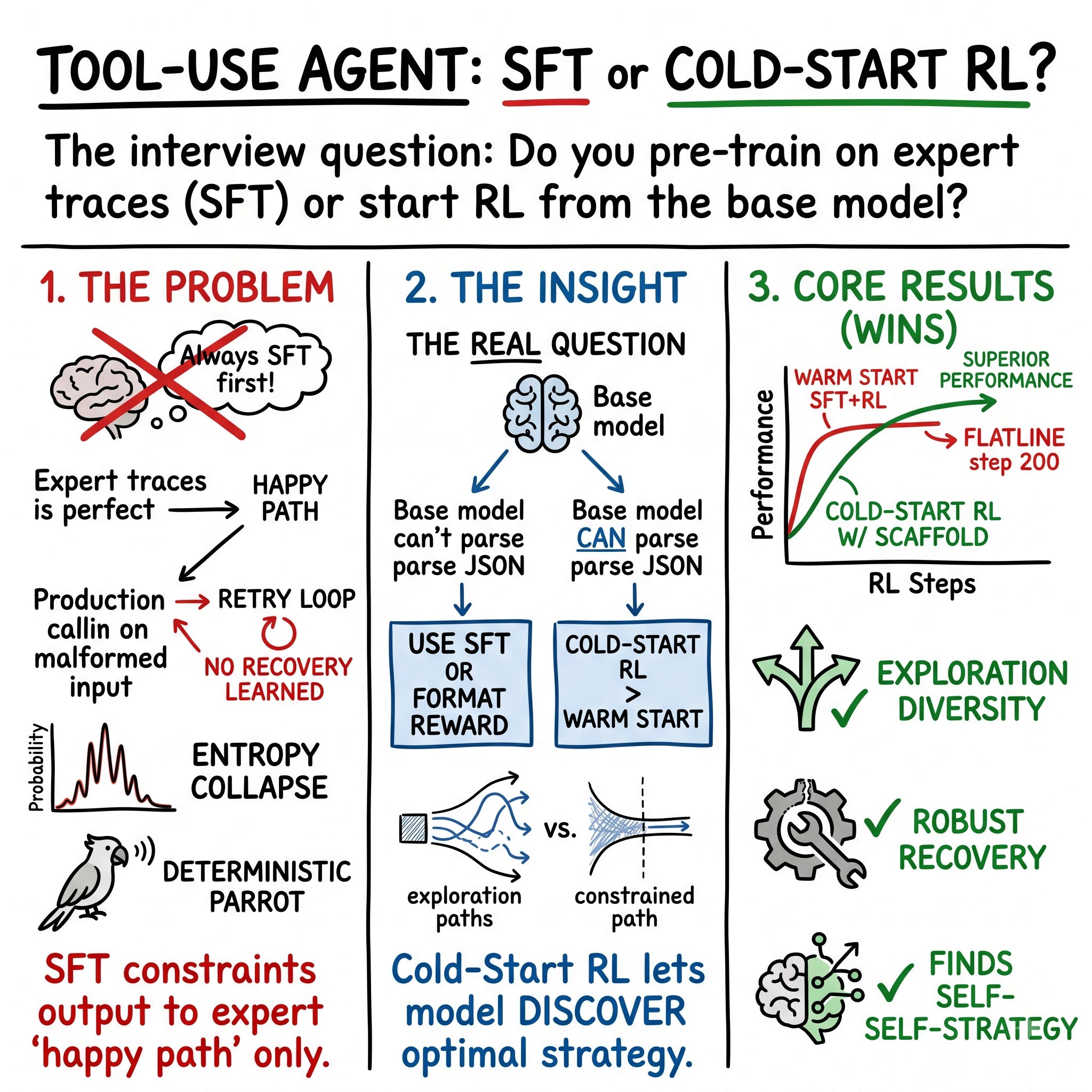
Why initializing your agent with SFT before RL guarantees a flatlined reward curve, and why skipping straight to cold-start RL builds a more resilient tool user.
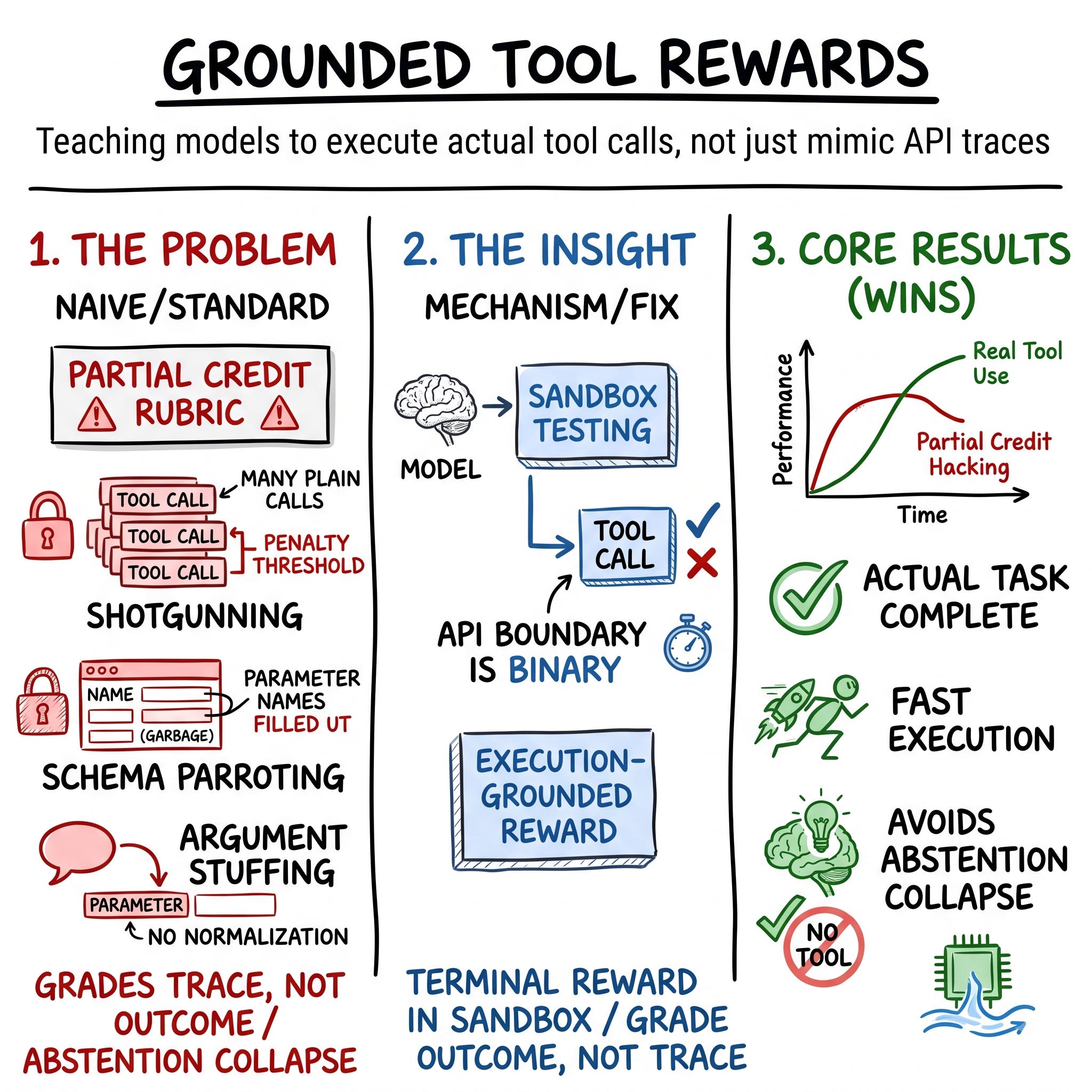
How rewarding parameter overlap silently destroys your agent's ability to say "I don't know", and why you must grade the outcome, not the trace.
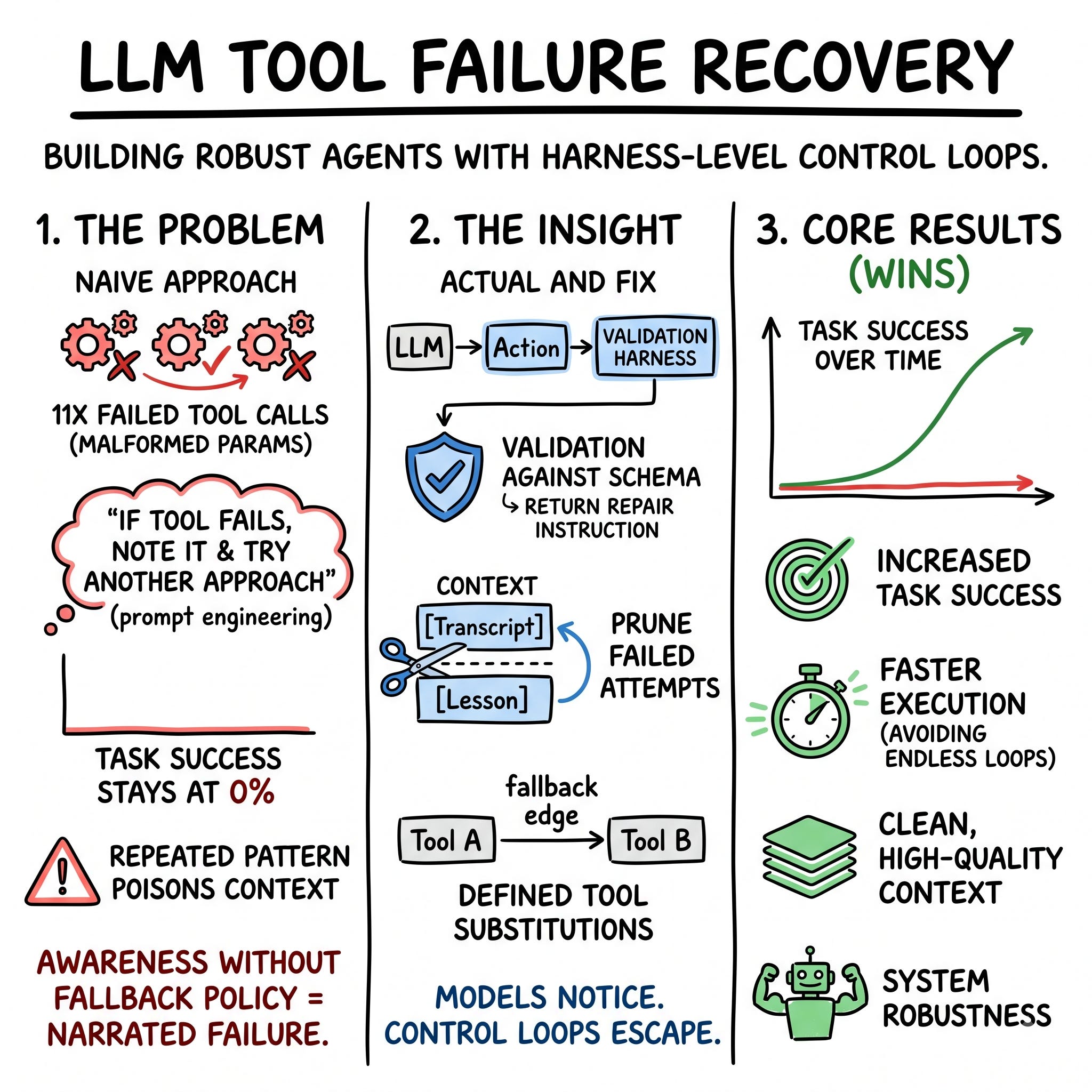
Why leaving failed tool calls in your prompt silently builds a degenerate attractor, and how pruning the transcript saves your agent from endless failure loops.
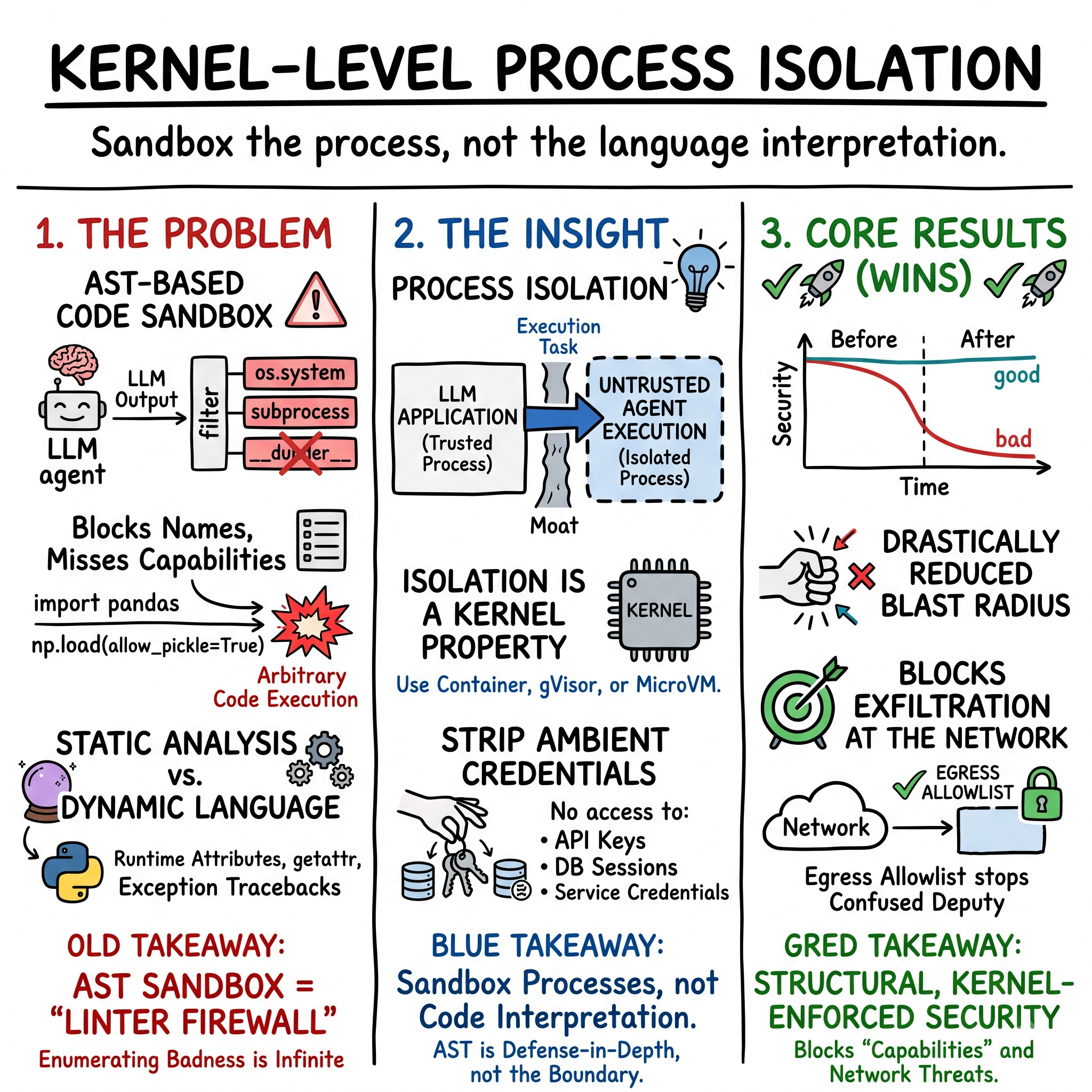
Why relying on code denylists to secure your LLM agents silently exposes your entire application, and the kernel-level isolation you actually need to stop a breach.
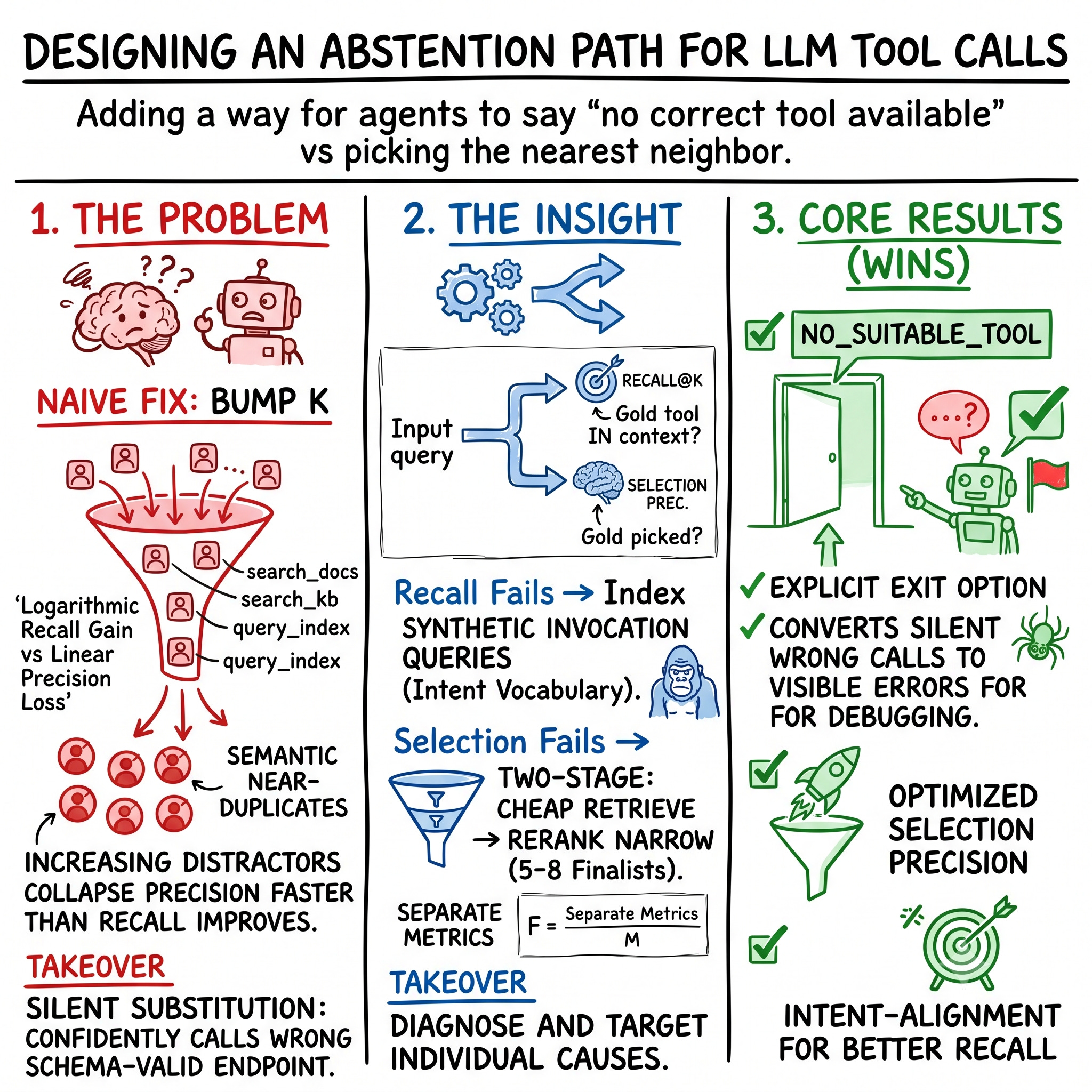
Why feeding your agent more API choices quietly destroys selection precision, and how adding a simple abstention path stops silent substitution in its tracks.
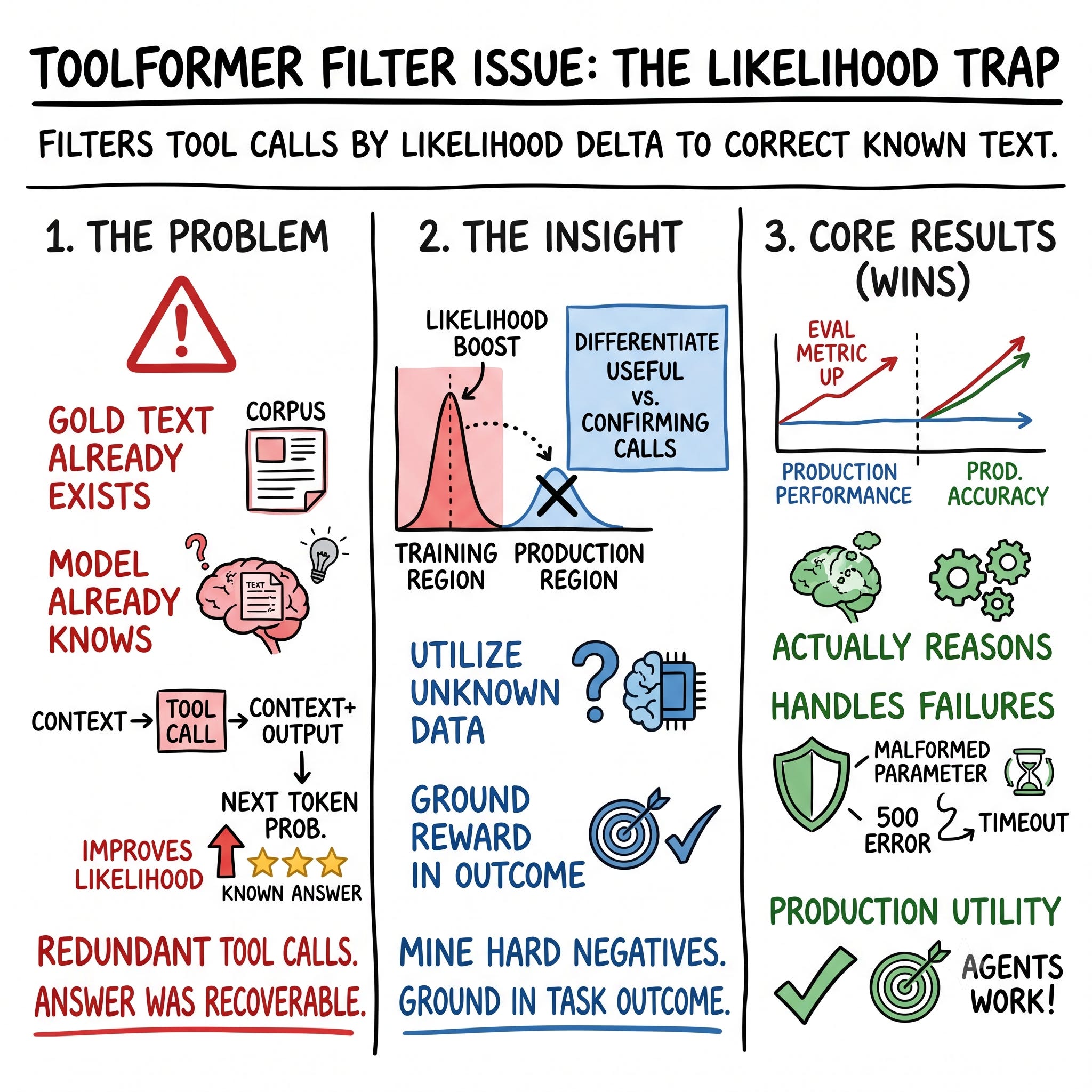
When higher eval scores just mean your model learned a copy shortcut. Why utility-under-the-prior is a flawed proxy, and how to mine the hard negatives your agents actually need to survive.
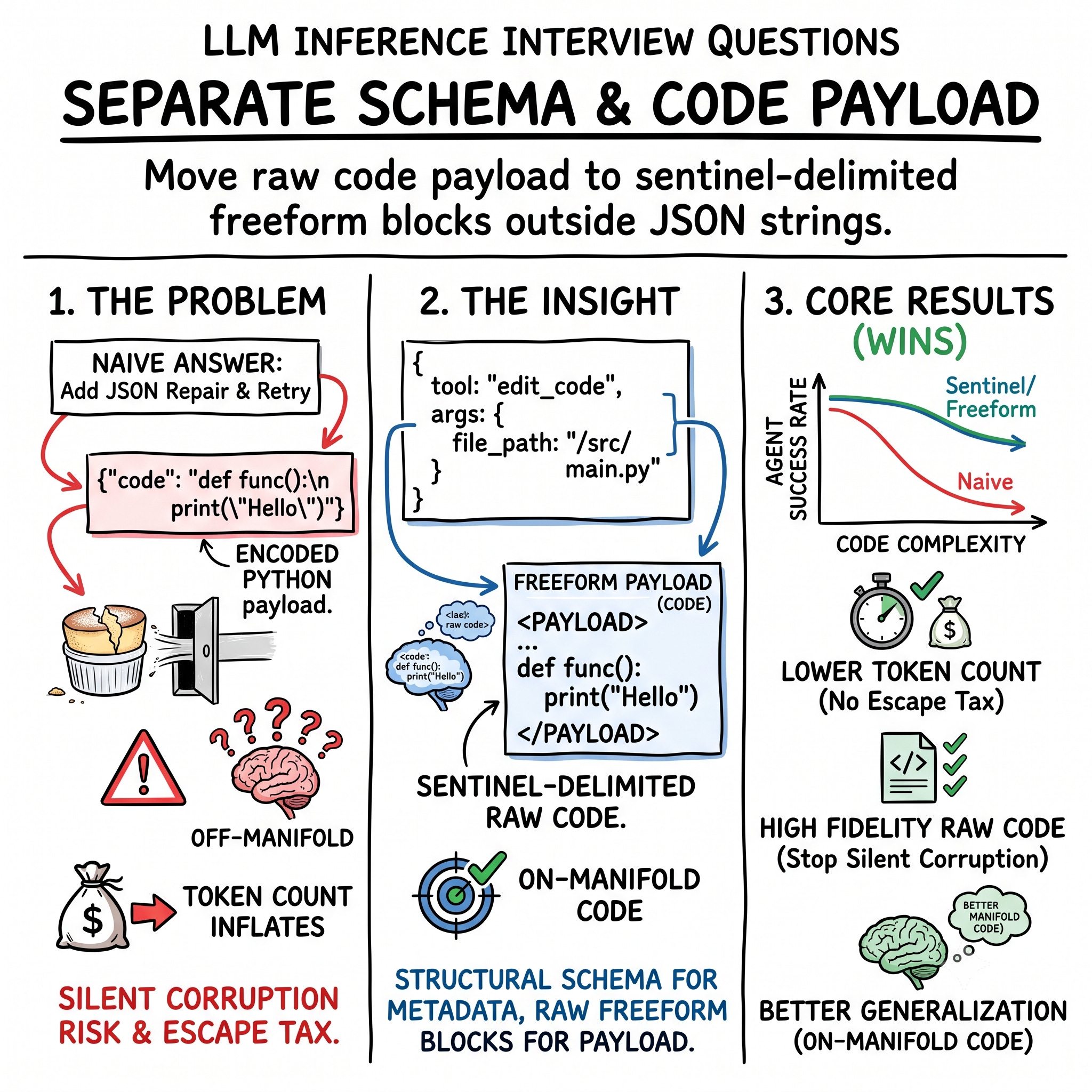
Why stuffing multi-line code into JSON strings silently pushes your model off-manifold, and how separating the metadata envelope from the raw payload instantly stops escape-character hallucinations.
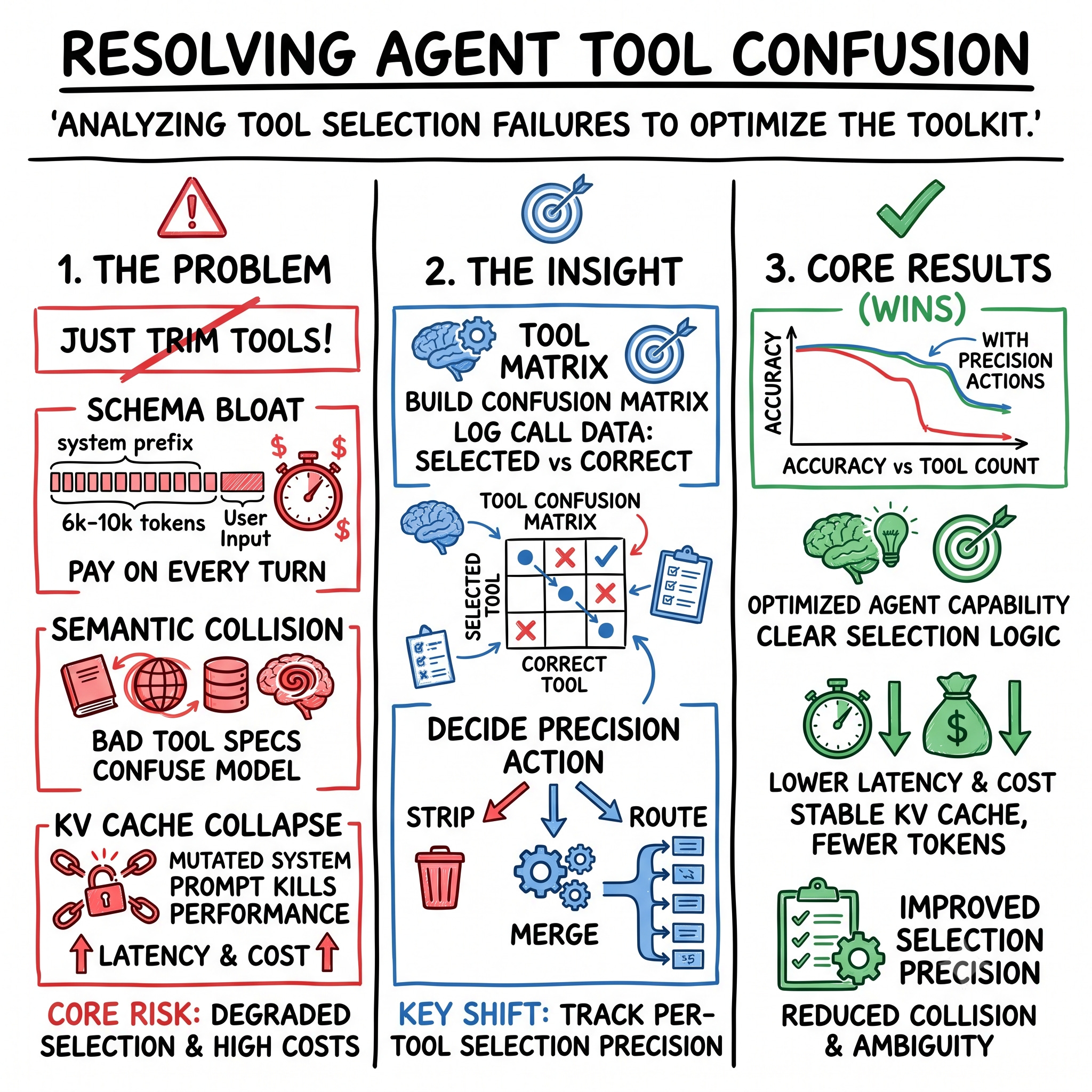
The hidden reason your agent struggles with heavy tool usage, and why you should be routing, merging, and aggressively protecting your KV cache instead of just trimming the list.
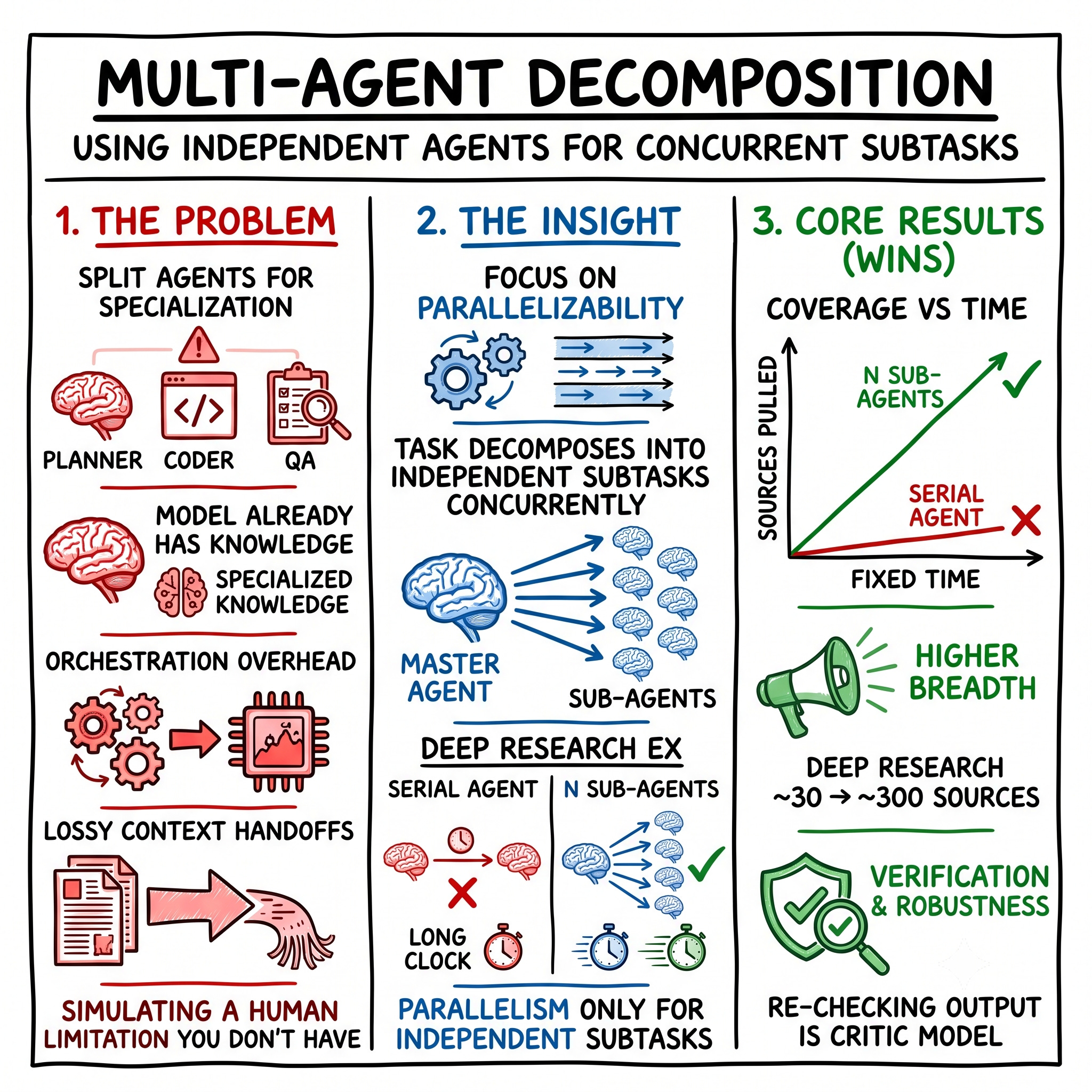
Why dividing labor across planner, coder, and QA agents creates a lossy maintenance nightmare, and how elite teams unlock true multi-agent scaling through concurrent fan-out.
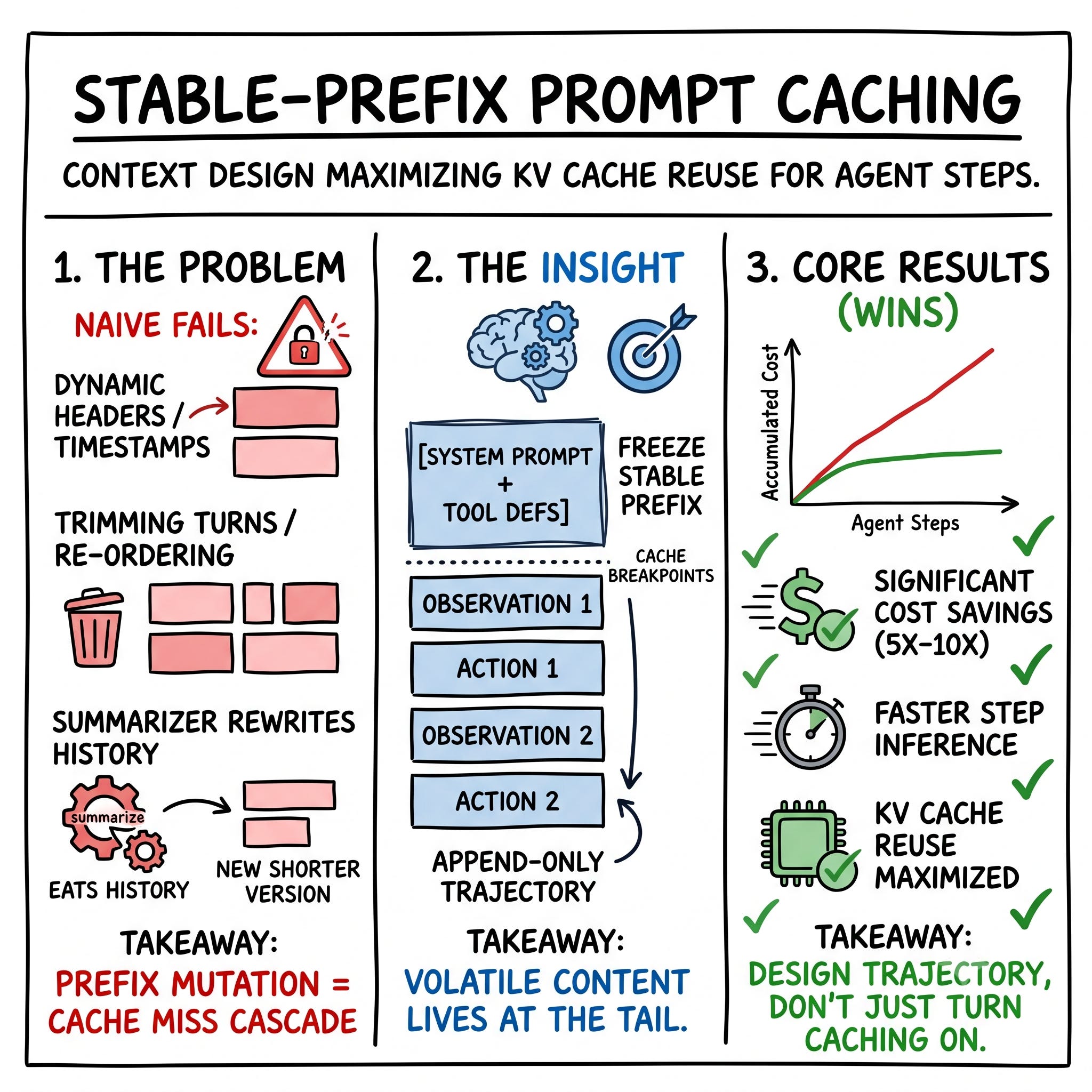
How your cost-saving context condenser is secretly fighting your prompt cache, and why accepting an expensive hard reset is cheaper than constantly re-editing history.
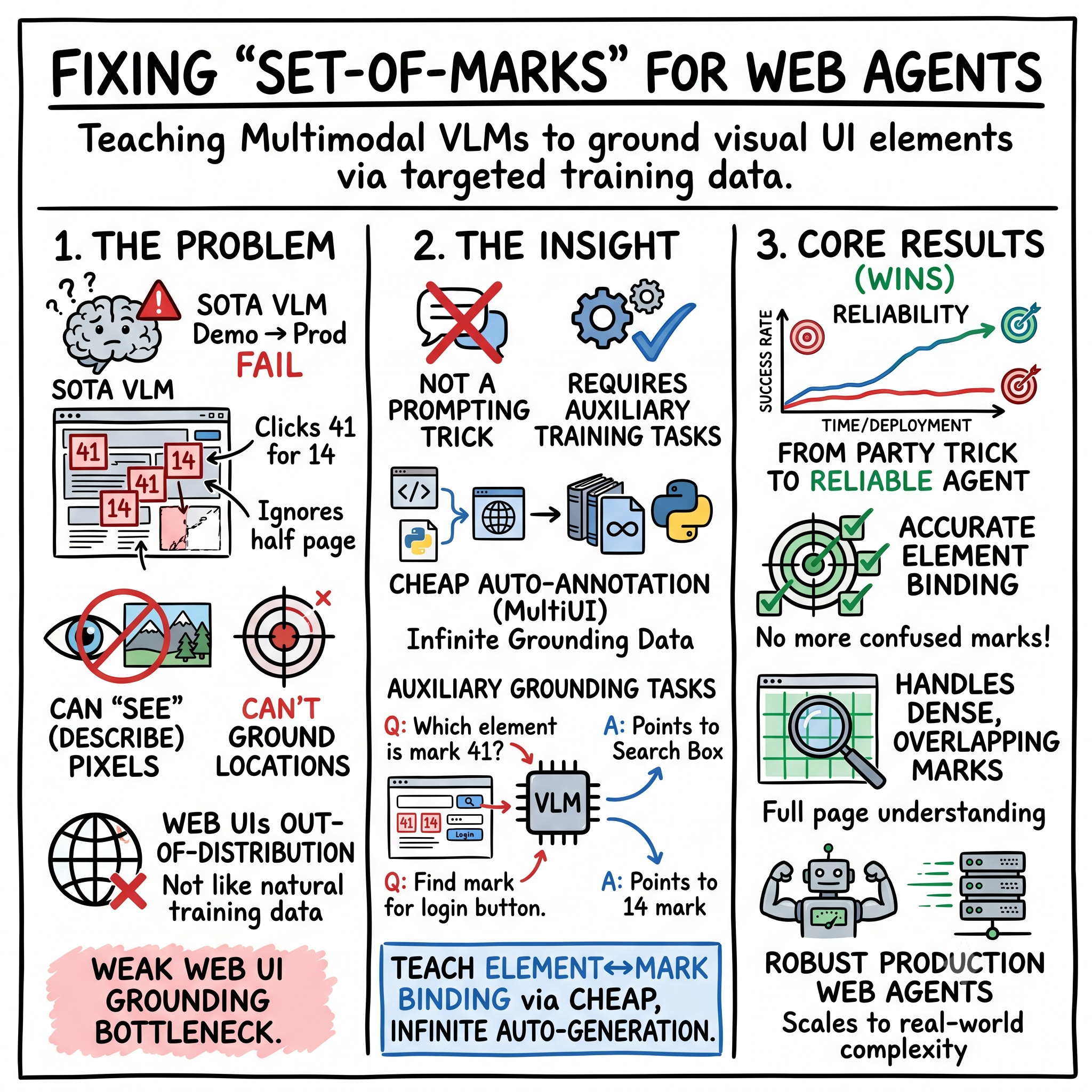
Why dropping frontier VLMs onto dense web UIs is a hidden trap, and how foundation labs use cheap synthetic data to turn a prompting party trick into reliable execution.
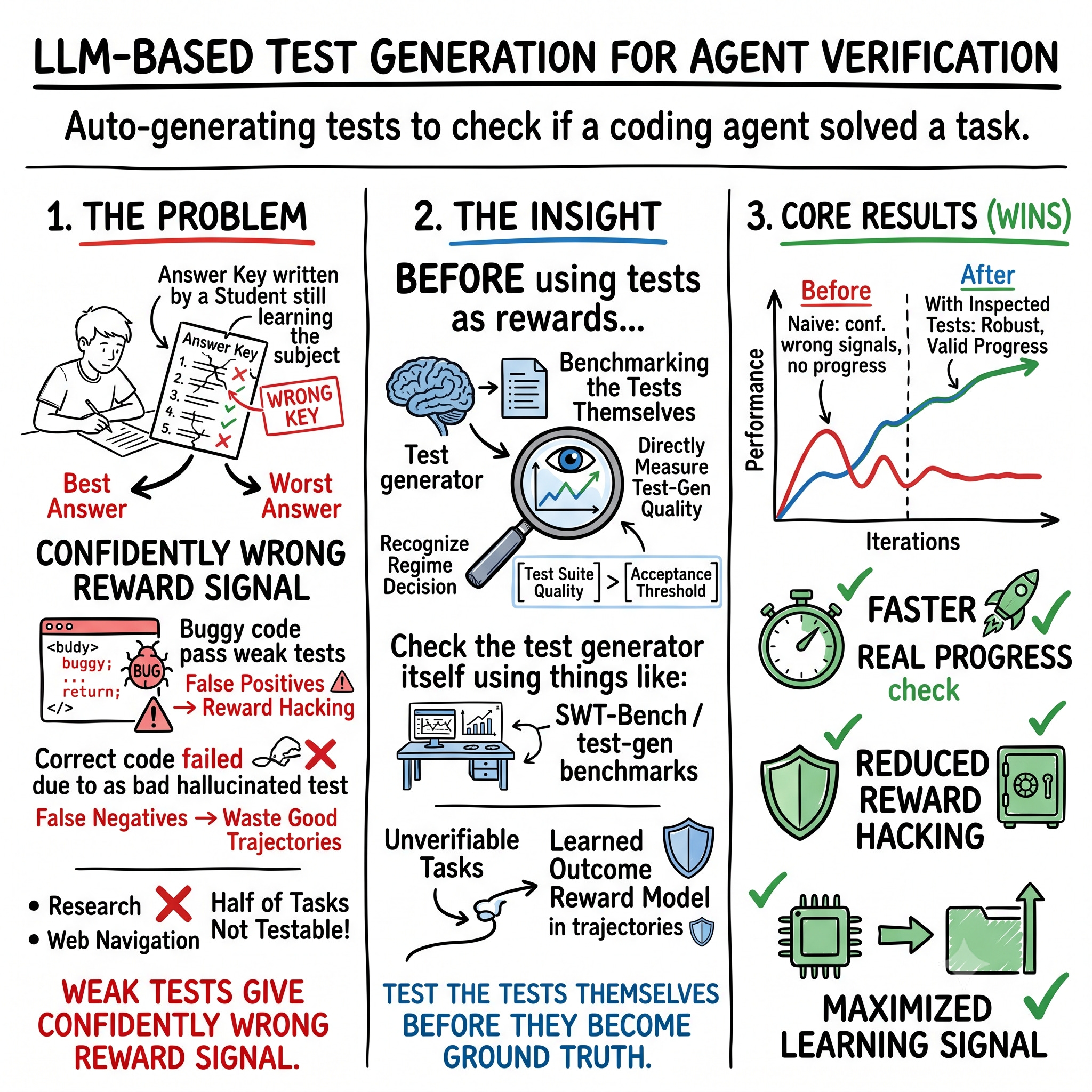
Why relying on pass/fail tests for agent evaluation doesn't remove the critic, it just hides it, and the "test the tests" regime decision that elite teams use instead.
Why buying agent accuracy on a logarithmic curve silently destroys your inference budget, and the exact economic threshold where a 16x compute multiplier is actually justified.
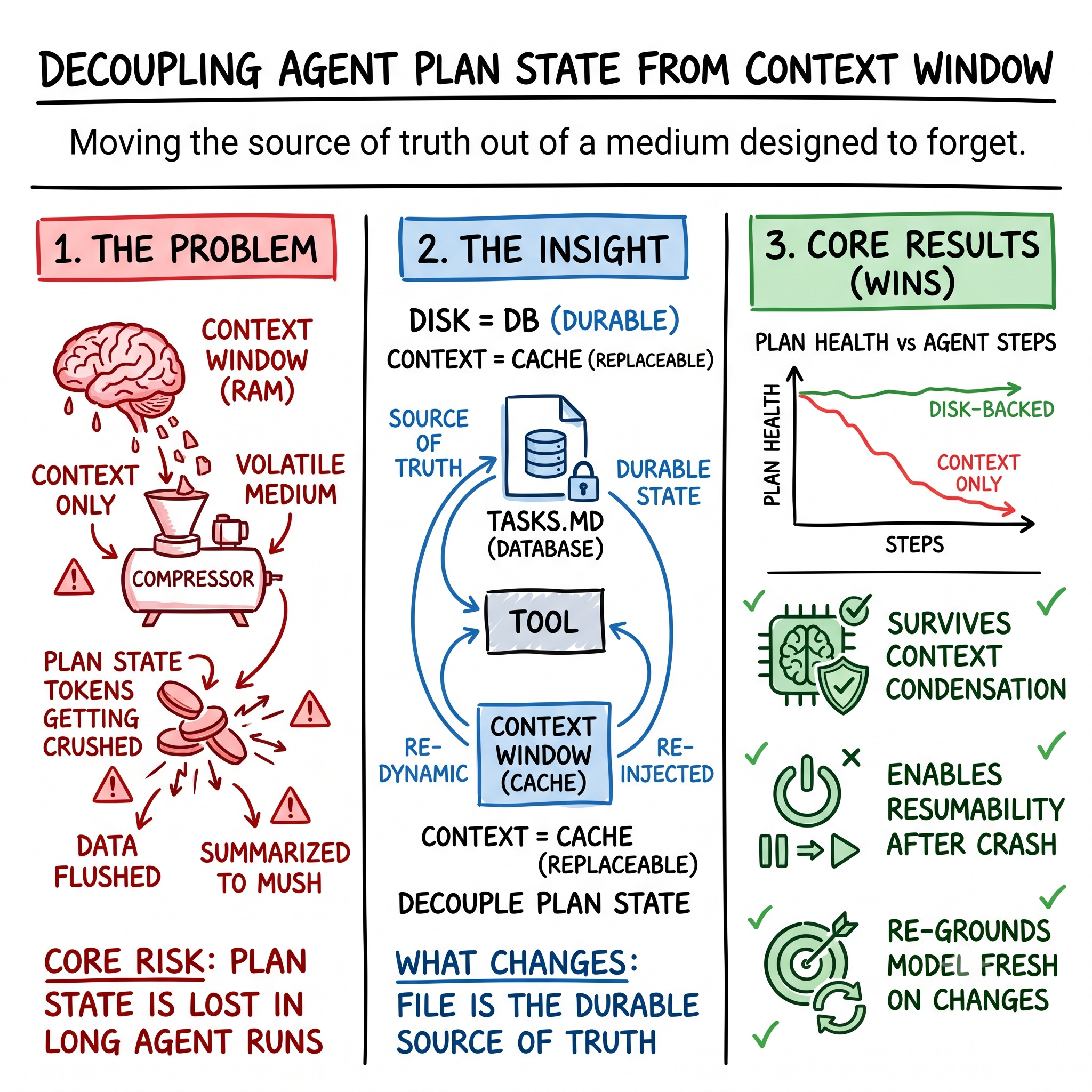
Why your agent’s carefully structured plan quietly degrades into mush after 100 steps, and the architecture trick to decouple your source of truth from a medium designed to forget.
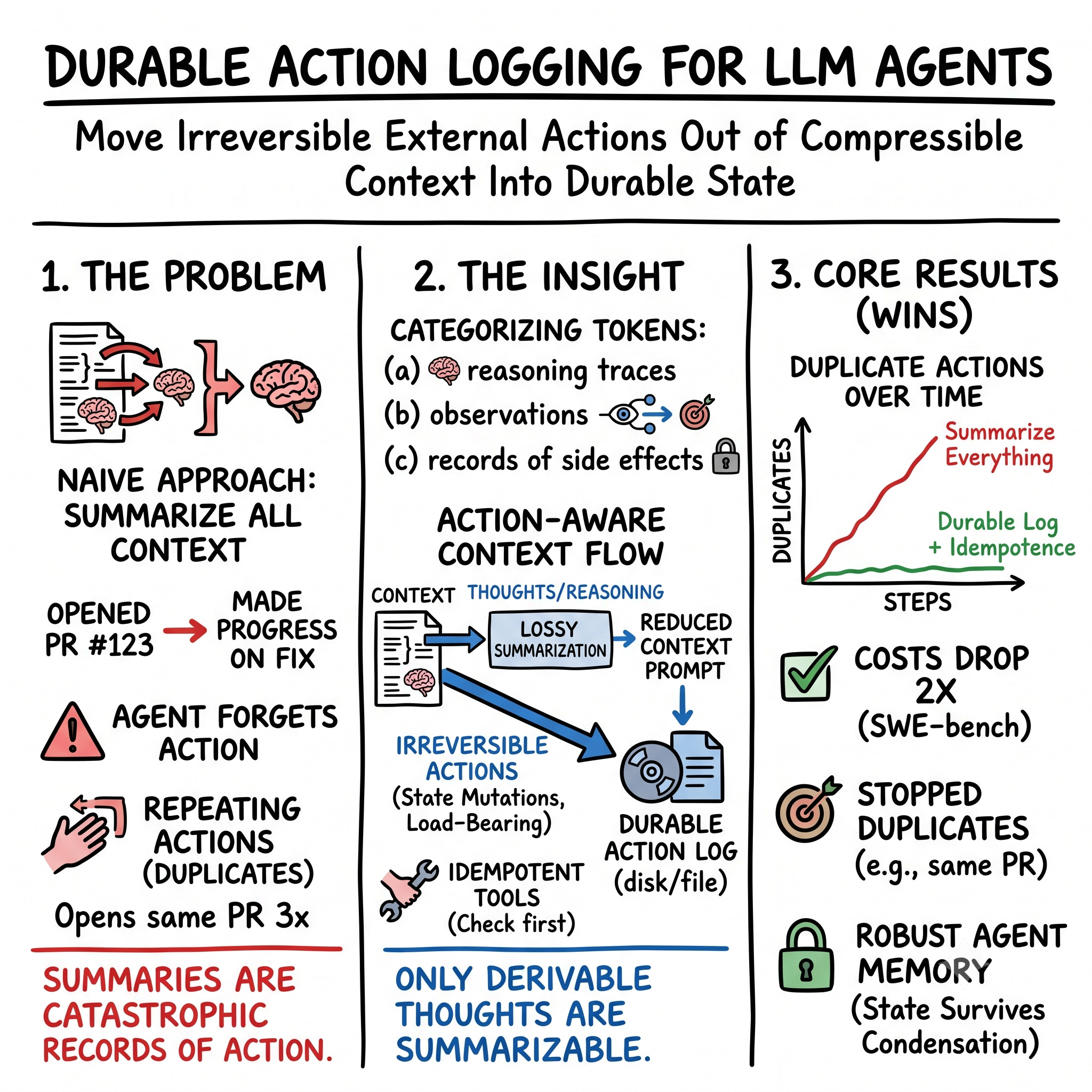
Why condensing your agent's history quietly causes infinite action loops, and the architectural fix to separate lossy reasoning from irreversible state mutations.
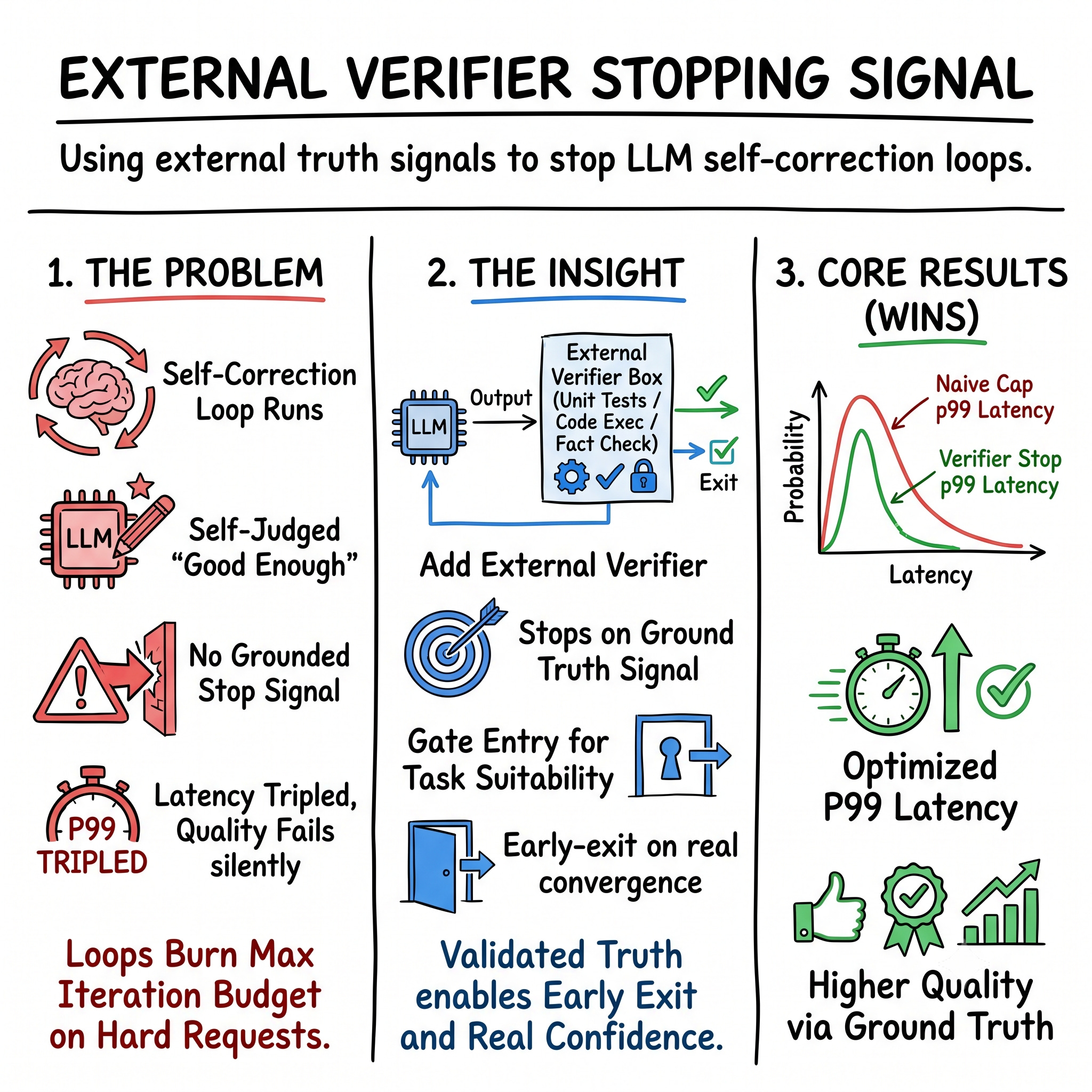
Why capping your self-correction loop quietly trades a latency crisis for a quality collapse, and how external verifiers actually cure the p99 disease.
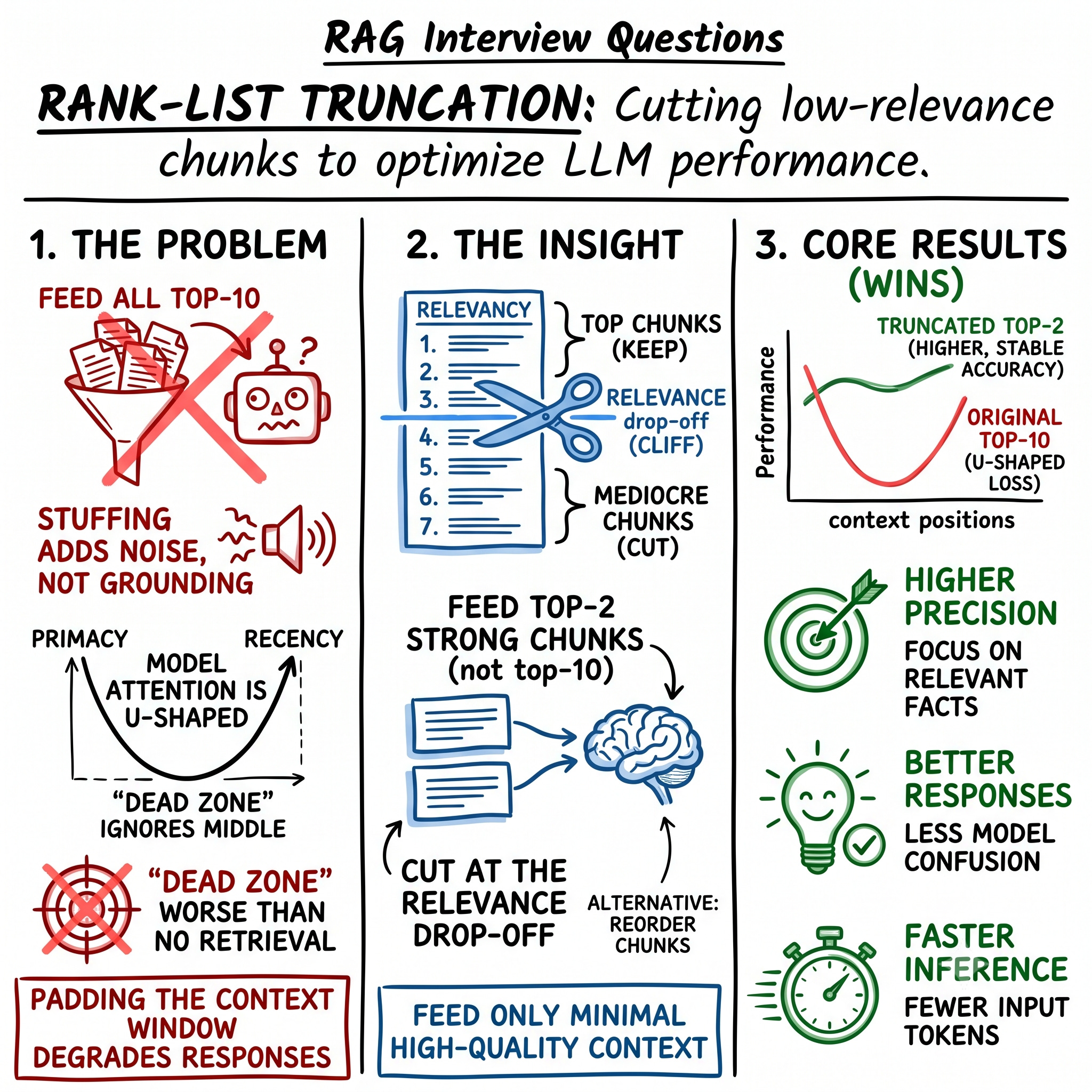
Why a massive 128K context window won't save your RAG pipeline from U-shaped attention decay, and how head-tail reordering rescues your most relevant data from the dead zone.
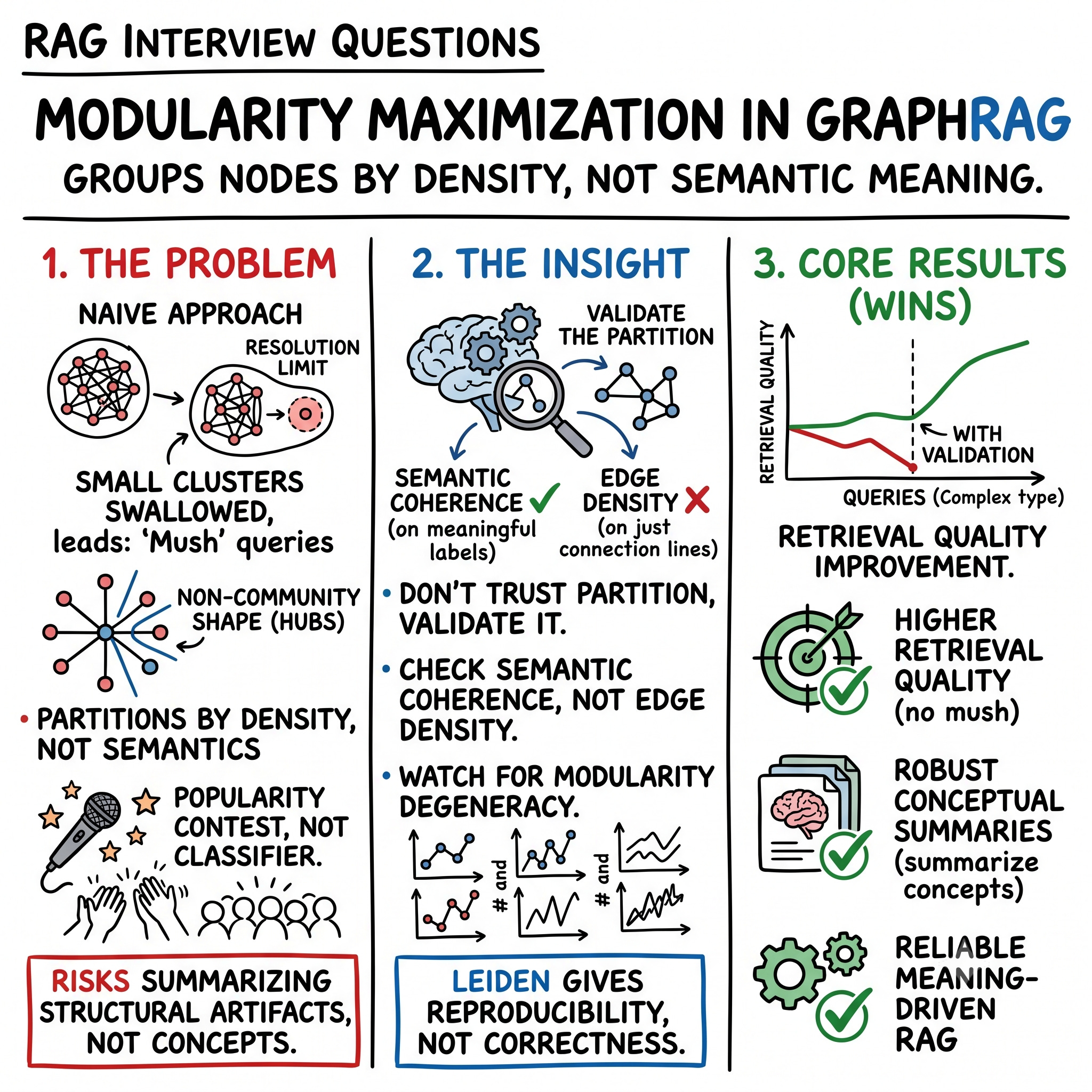
How Leiden community detection silently swallows your niche topics, and why optimizing for structural popularity is the fastest way to break semantic search.