
EVERYONE remembers Jaws.
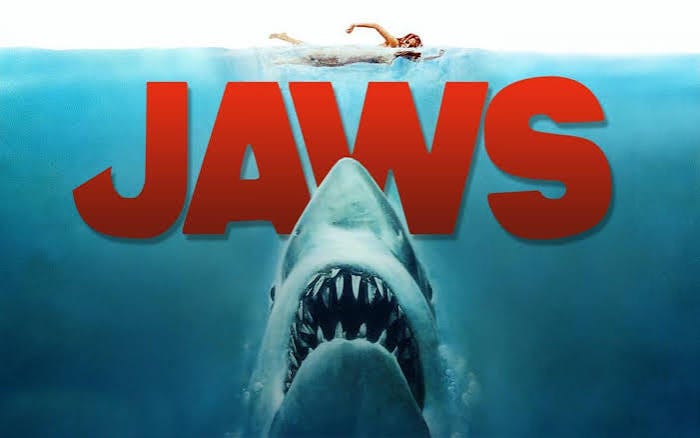
Since Steven Spielberg’s 1975 movie, sharks have had a reputation for turning a relaxing day at the beach into a nightmare.
Real shark attacks are extremely rare, but when they happen, the consequences can be serious.
Now AI is helping beach safety teams spot sharks before swimmers and surfers even know they’re there.
Projects like SharkEye use drones equipped with AI to scan the ocean from above.
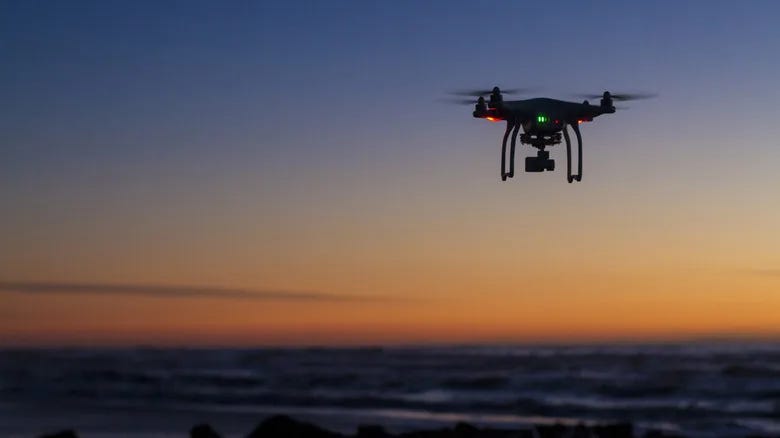
The drones capture video, while machine learning models analyze the footage to identify great white sharks and other species near California’s coast.
That information can then be shared with public safety officials, giving them a chance to warn people or clear the water before a dangerous encounter happens.
The advantage is simple.
A drone flying above the ocean can see much more than someone standing on the beach.
Researchers at the University of Technology Sydney have developed a similar system called SharkSpotter.
The AI analyzes drone footage to identify sharks and distinguish them from dolphins, boats, surfers, swimmers and other objects in the water.
The system has reported around 90% accuracy in detecting sharks and helped save two people’s lives during its first year of operation.
There is still a human in the loop. Operators monitor the footage and decide when people should be warned or evacuated.
But that could change as the technology improves.
Future systems could use multiple autonomous drones to continuously monitor beaches, detect sharks and send alerts in real time.
And the same technology could become useful beyond beach safety.
Every flight creates more data about where sharks travel, how they behave and how they interact with their environment.
So AI could end up doing two jobs at once: helping scientists understand sharks while giving humans an earlier warning when one gets too close.
The ocean has always been difficult to monitor.
AI-powered drones are starting to change that.

Spotify is introducing an AI Persona badge for artist profiles that appear to represent AI-generated identities. The badge, which will begin rolling out in mid-September, is designed to help listeners distinguish real artists from fictional or AI-generated personas. Artists can voluntarily disclose their status through Spotify for Artists, but Spotify will also review profiles itself, with every platform-applied badge checked by a human before appearing.
The label will show up on artist profiles, search results, playlists and track listings, while AI Personas will be excluded from Spotify’s editorial and algorithmic recommendations unless users specifically follow them. The system is focused on the artist’s identity rather than the use of AI in music production, with Spotify continuing to use separate tools to disclose AI involvement in individual songs. The move comes as AI-generated music floods streaming platforms and raises concerns about spam, impersonation and reduced income for human musicians.

AI-generated lottery numbers cannot improve your chances of winning a random draw, despite stories of people winning large prizes after asking ChatGPT for numbers. Two women who won $100,000 and $150,000 with AI-generated Powerball picks are examples of survivorship bias, not evidence that AI can predict lottery results. Every valid Powerball combination has the same odds, and past drawings provide no useful signal for future ones.
AI could, however, help with a different problem: avoiding popular number combinations that other players are likely to choose. People tend to favor birthdays, low numbers, sequences and obvious patterns, so an AI-generated line designed to avoid those choices could potentially reduce the chance of splitting a jackpot if you happen to win. It does not increase the probability of winning, though, and a Quick Pick is already random. The real danger is trusting an AI’s confident explanation as evidence that it has found a predictive edge where none exists.

10 Minute Mail gives you a temporary email address that expires automatically.
It is useful when you need a quick email for testing or one-time verification, but it should not be used for important accounts.
That’s it for today.
The AI race is accelerating - new breakthroughs, new tools, and new possibilities are appearing faster than ever.
The biggest risk isn’t AI replacing you. It’s someone using AI better than you.
Until next time: stay curious, stay ahead, and keep exploring the future of intelligence.
No posts
Comments
Nothing yet. Say the first thing.
Sign in to join the conversation.