
Welcome to another edition of AI by Aakash. I follow all the AI news so you don’t have to.
This week, the big news is out of OpenAI. GPT-5.6 feels like, for the first time in a long time, OpenAI has come out with a better model than Anthropic. And it shipped with a new harness too.
So that’s today’s deep dive. But first, a word from our sponsor.
In Partnership with
Founders keep telling the Viktor team the same thing. One: "If you compare this to a VA or an employee it's not even a conversation. This is doing what an employee would do and it's doing it much much faster, better and much cheaper." Another paying team: "We can get 5x as much work done now."
Viktor is an AI employee that lives in Slack and Microsoft Teams. It connects to 3,200+ tools you already use, runs scheduled tasks on its own, and hands back real deliverables: PDFs, decks, internal apps, code PRs. You stay in control, anything sensitive waits for your approval. 40,000+ teams have already hired one.
Try Viktor free, $100 in starting credits →
This Week’s AI News
ChatGPT launched 5.6, which I cover in depth in today’s deep dive.
But we also saw new models from Tinker, Meta, and xAI this week.
What should you make of everything coming out?
Basically everyone besides OpenAI and Anthropic have stopped fighting over who has the smartest chatbot and started fighting over who can run your work cheapest:
Grok 4.5 came in at $2/$6 per million tokens.
Muse Spark 1.1 ended Meta’s open-weights era and undercut OpenAI and Anthropic by about 75% on price.
The most interesting one might be Inkling, Mira Murati’s first from-scratch model. It’s deliberately not the strongest model out there. It’s an open base you fine-tune, the same setup Bridgewater used to build a custom Qwen that beat frontier models on domain-specific tasks.
None of these models need your attention as a consumer.
But if you’re building a product, it’s worth running the cheap ones through your evals. The price gaps are now big enough to matter.
The Other News That Mattered
Apple is suing OpenAI and two former employees over alleged trade-secret theft for its upcoming AI hardware. Apple says candidates were told to share confidential information and even bring physical parts to interviews, and OpenAI says it has no interest in others’ secrets.
Claude Code got an in-app browser plus a big Artifacts upgrade in the same week. Claude can now open and click through docs, designs, or your own app while it works, and Artifacts support public links and multiplayer editing, including pages made through Claude Tag in Slack. Anthropic is quietly closing the gap on the one thing OpenAI’s new app does best, which is acting on what it sees.
Resources
Demis Hassabis wrote his framework for the AGI age, a long essay arguing AGI is probably only a few short years away and that we’re standing in the foothills of the singularity. The Nobel laureate running DeepMind is the closest thing AI has to a measured CEO voice, so the essay deserves your 15 minutes.
OpenAI published its GPT-5.6 prompting guide, and the short version is that your old prompts are too long. Their own tests found leaner prompts scored 10 to 15 percent better on 41 to 66 percent fewer tokens. Describe the destination, stop prescribing the route.
Tools
v0 Design Systems 2.0 lets you import your components from GitHub, npm, Figma, and Storybook so generated apps use your real design system instead of the generic default. Your prototypes finally look like your product.
Deep Dive
ChatGPT just had its biggest update in a year. On July 9, OpenAI shipped the GPT-5.6 models and merged ChatGPT with Codex into one app.

OpenAI@OpenAI
Introducing ChatGPT Work, a new agent in ChatGPT powered by Codex and GPT-5.6. It can take action across your apps and files, stay with a project for hours if needed, and turn a goal into finished work. It’s a whole new way to get work done.
5:41 PM · Jul 9, 2026 · 8.88M Views
1.12K Replies · 2.21K Reposts · 21.5K Likes
Combined with the leading ImageGen model, I feel like OpenAI has the best $20/month plan in AI right now. You should be taking advantage of it.
So here’s how to get the most out of ChatGPT-5.6:
What Actually Changed
The Sol, Terra, and Luna Models
How to Pick Your Thinking Level
How to Not Burn Your Limits
Prompt Less, Get More
OpenAI took two apps and made them one, with three tabs inside:
Chat is the ChatGPT you already know.
Codex is the coding agent, and you can keep ignoring it if you don’t code.
The new tab is ChatGPT Work:
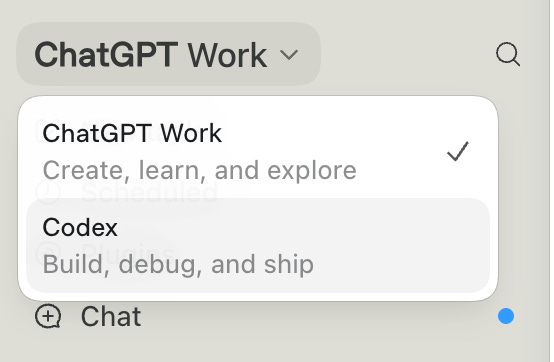
Work is the delegate-and-walk-away mode.
You give it a goal, it reads your files and connected apps, works for hours if it needs to, and comes back with the finished document, spreadsheet, or presentation.
Work and Codex are the same agent tuned for different jobs, which is why the two tabs look alike.
It’s on every plan, including Free, and if you read my guide to Claude Cowork, this is OpenAI’s answer, shipped to hundreds of millions of people at once.
Three more changes worth 30 seconds each:
OpenAI killed its Atlas browser and moved the good parts into a new ChatGPT Chrome extension, plus a browser inside the app that can visit sites, log into your accounts, and download files.
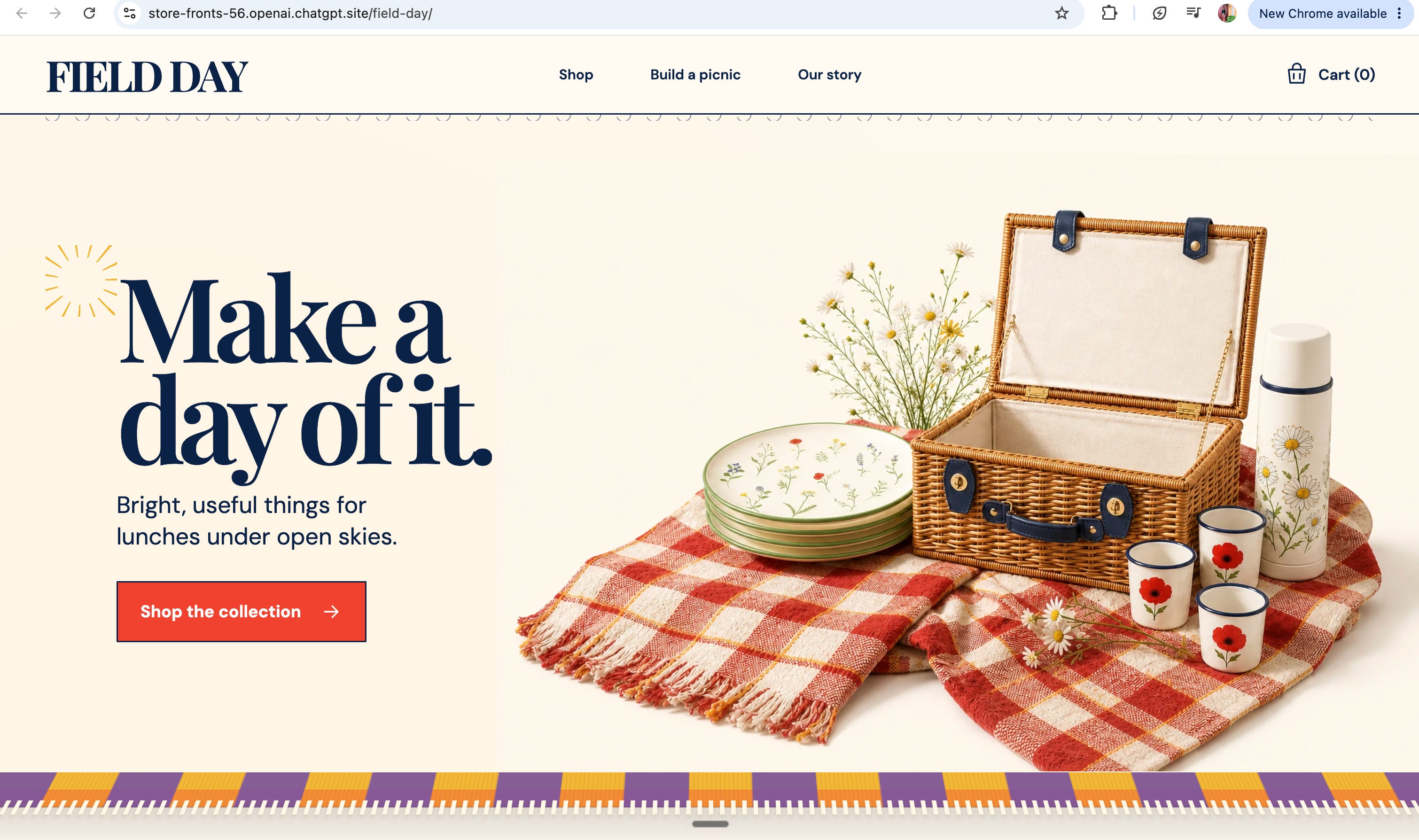
ChatGPT Sites turns a prompt into a live website, hosted for you, with an optional Login with ChatGPT gate for visitors. Paid plans only for now, and not yet in the EU or UK.
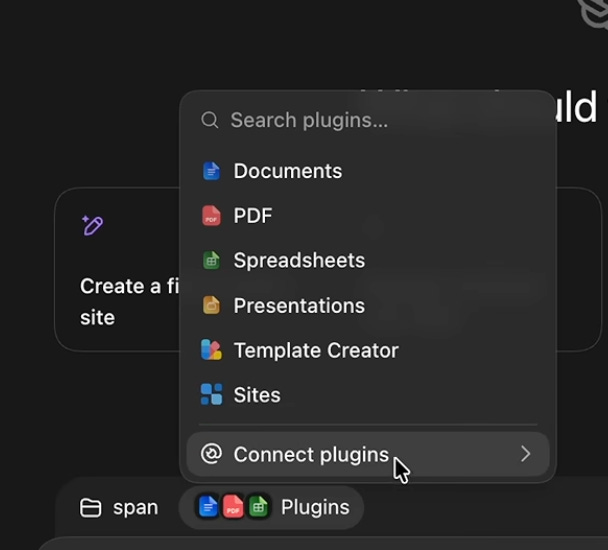
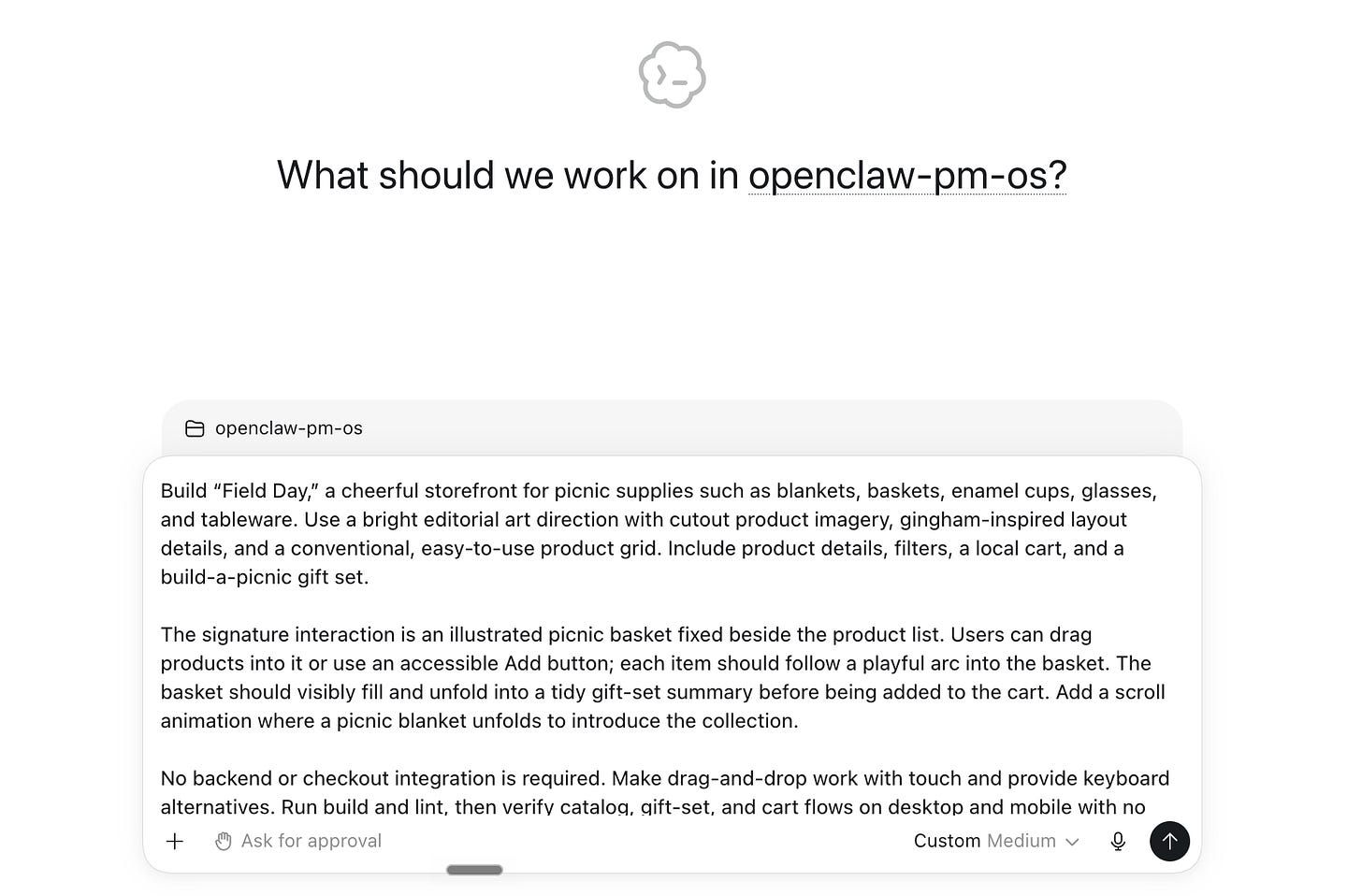
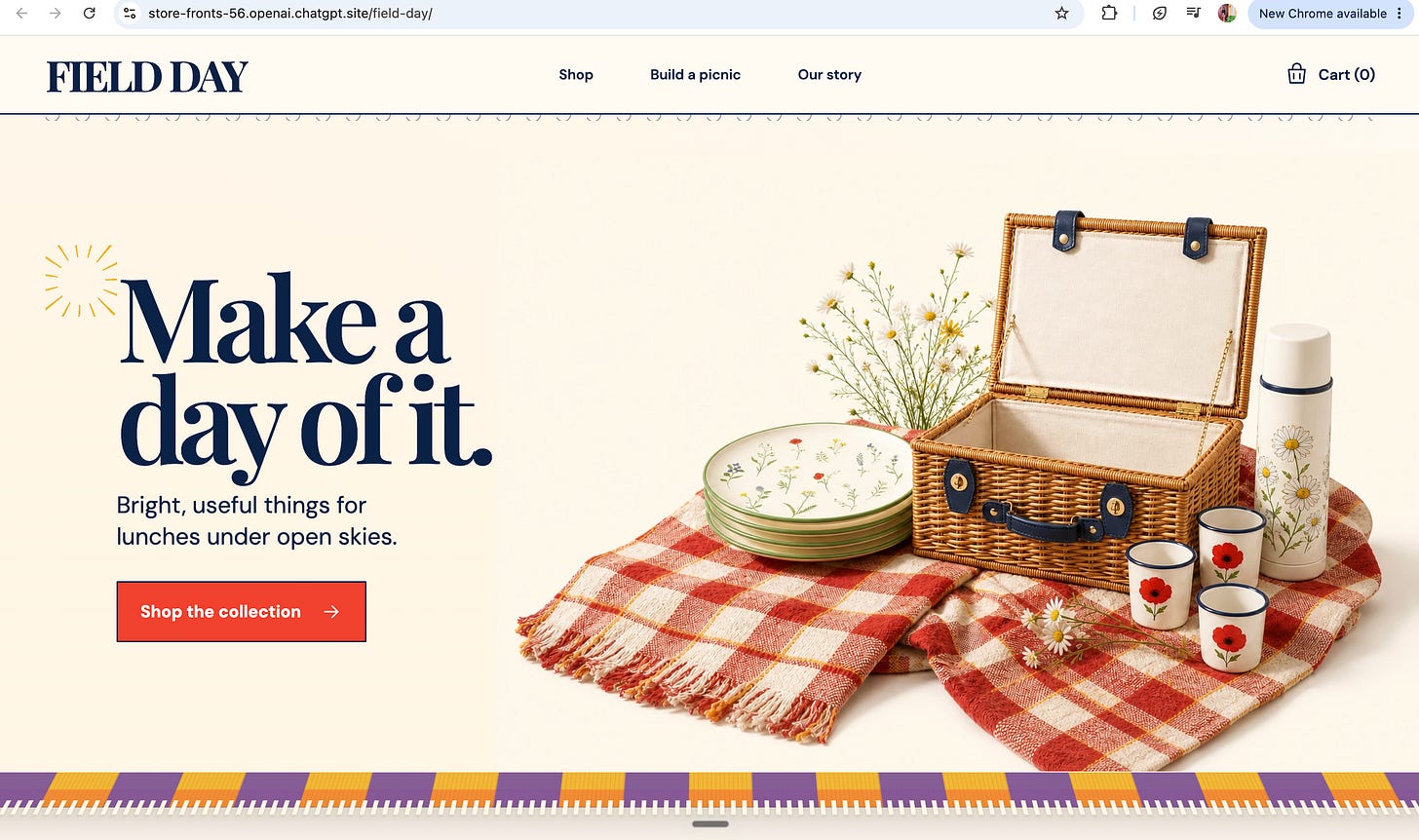
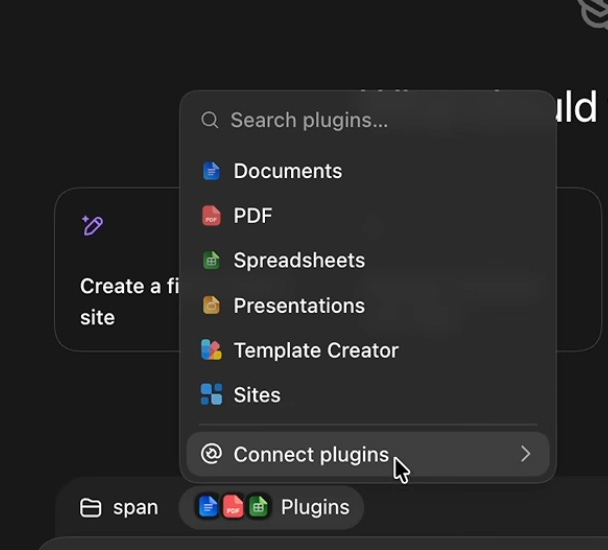
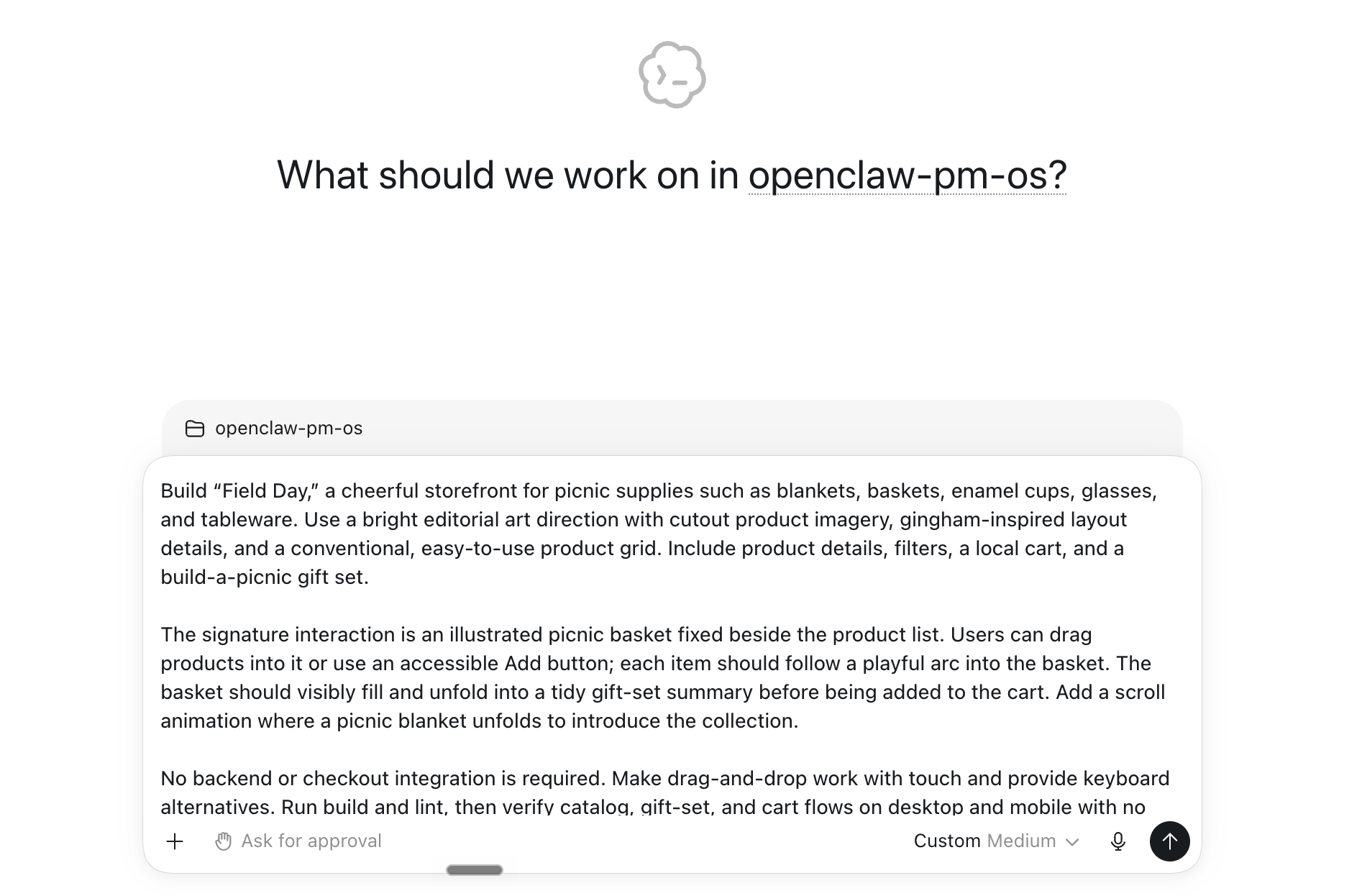
Computer Use got faster. The app can drive your actual computer now, opening apps and clicking buttons by looking at your screen. Hold that thought until section 7, because you should watch it happen once.
GPT-5.6 comes as three models:
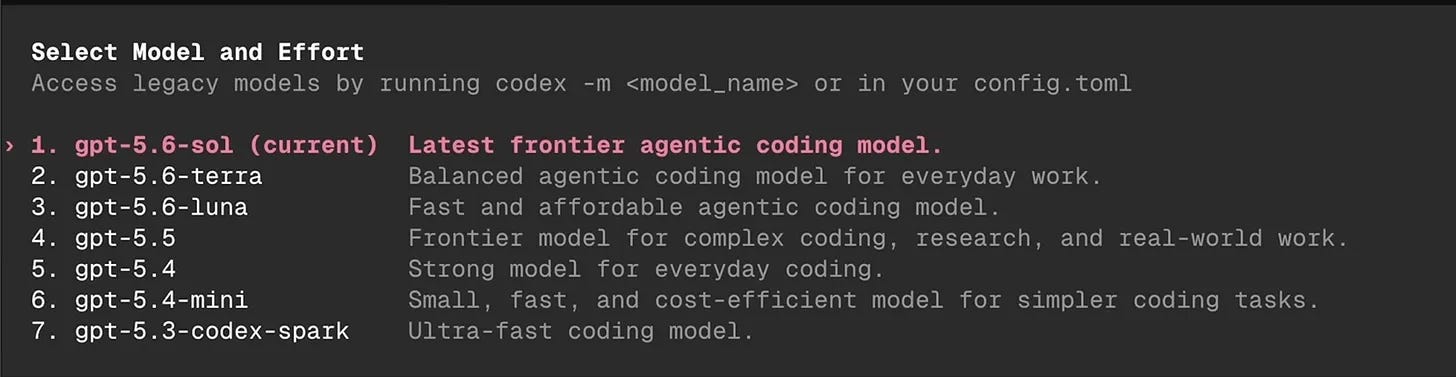
Sol is the senior hire. It’s like Fable. Use it for complex work and long tasks.
Terra is the mid-tier. It’s like Sonnet. It matches the old GPT-5.5 on everyday work at half the price, and it does what you asked, exactly.
Luna is the intern. It’s like Haiku.
I use Sol for everything, but if you have a budget, rely on Terra as your driver with Sol for the hardest tasks.
Thinking levels are how long the model gets to sit with your problem before answering, from a quick glance at Light to a long stare at Max.
Medium is the right setting for almost everything, and High is for when something is truly hard.
Then there’s Ultra, which sits in the thinking menu but behaves like a different product.
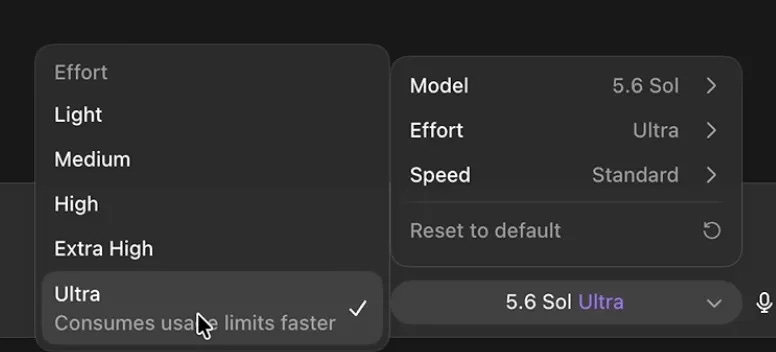
Ultra hires four copies of the model at once and splits your task between them. Every copy runs at the most expensive thinking setting, the copies can hire copies of their own, and there’s currently no dial to turn any of them down. Each one bills you separately.
Theo blew his entire 5-hour allowance in 20 minutes on a single Ultra run with fast mode on, got a manual reset, and drained that one in another 40. OpenAI has since hidden Ultra from the app’s main model slider, which tells you how they think it’s going.
Skip it.
Three rules until the dust settles:
Stay off Ultra. You just read why.
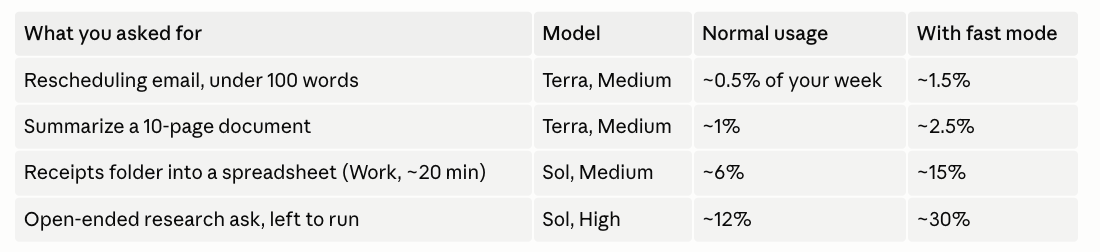
Skip fast mode for now. It delivers the same answer sooner and bills you a multiple of normal usage for the privilege, and GPT-5.6 already runs marathon sessions on its own. Here's what the same tasks cost me with it off and on:
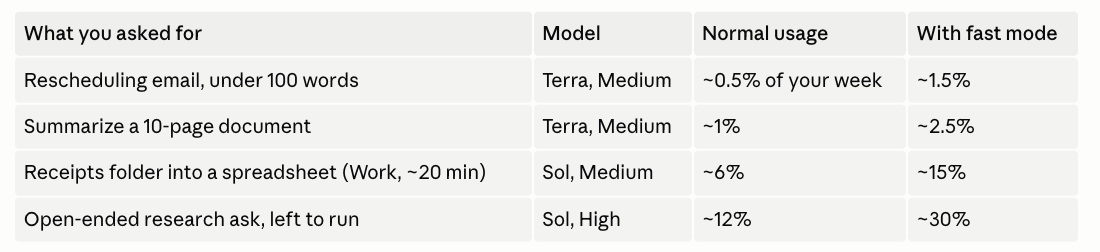
fast mode doesn't change what you get, it changes what you pay, and the longer the task runs, the worse the trade. Let persistence replace thinking level. The old habit was buying quality with higher levels because models quit early. These don’t quit. Medium plus a model that finishes the job beats High on a model that needed babysitting.
Forget the models for a minute. The most useful thing OpenAI shipped last week was a short guide on how to talk to the new ones, and its core advice fits in a sentence:
Describe the destination, stop prescribing the route.
We all learned to write long, detailed prompts because the old models gave up without them. The new ones figure out the steps, so your extra instructions now get in the way.
There is one thing these models need more of, and that’s brakes. GPT-5.6 keeps going. Left alone it does the task, then the follow-up you never asked for. The fix is a stop point, written right into the ask:
Here is the complete history: [PASTE THE FULL EMAIL/SLACK THREAD(S) — do not trim].
Reconstruct: every decision made (with who made it and the message that proves it), every commitment with owner and date, decisions that were later reversed or contradicted, and open questions that everyone forgot. Chronological table. Where the record is ambiguous, say ambiguous — do not fill gaps with plausible fiction.
That’s the whole formula. The goal, then exactly where to stop and show you. Use it on anything longer than a question.
Keep in every prompt:
The outcome you want, stated first.
What “done” looks like.
Your hard limits, like budget, tone, and what it must never do.
A stop point where it pauses and shows you.
Cut from every prompt:
The same rule stated twice. Once is enough now.
Step-by-step directions for things it already knows how to do.
“Be concise.” It defaults shorter, so say what to keep and what to drop instead.
Vague personality requests like “be friendly.” Describe the behavior you want.
Rules that contradict each other. It wastes effort trying to obey both.
Do this today. Take your longest saved prompt and run it through the two lists above. Cut one instruction at a time and rerun the task. If nothing got worse, that instruction was costing you tokens on every run.
Me around the web
I joined Rupinder Singh's podcast for a full Claude Code masterclass covering how PMs should actually work with AI in 2026:
That’s all for today. See you next week,
Aakash
P.S. Want my AI tool stack? Join my bundle. Want my job search coaching? Apply to my cohort.
No posts
Comments
Nothing yet. Say the first thing.
Sign in to join the conversation.