
People have long had this funny assumption that “homemaking” equals “no income.” Yes, there are those of us deep in the throes of raising young children who can’t (and shouldn’t!) add business enterprises to our full lives. And there might be a few of us in the bon-bon nibbling, trophy-wife category who don’t feel the need to dabble in side hustles.
However, most housewives could use extra money, after all, we’re typically living off one primary income. We’re a creative, enterprising group and we’re always looking for ways to make a little (or a lot) of money on the side.
A time-tested way for a homemaker to make some extra income is through a local farmers market. As far back as the days when Mrs. Proverbs 31 was selling handmade clothes at the market, women have found farmer’s markets (or is that farmers markets? farmers’ markets?) to be the perfect place to earn money and launch a small business, myself included.
In 1924, one housewife wrote about her local farmer’s market.
We are small fruit growers--farmers in general--and have marketed vegetables, eggs, butter, milk, cottage cheese, dressed and plain poultry, fruits, flowers. I have sold several hundred quarts of cottage cheese in ice cream containers at twenty-five cents a quart. We aim to put all produce in an attractive shape, sell between wholesale and retail prices, give good honest measure and do as we would be done by.
And that’s still the “aim” of modern farmer’s markets. (FYI...if you show up to a farmer’s market in most states with dairy products from your home kitchen, I’m fairly sure sirens will sound and you’ll be led away in shackles. Such is America these days.)
Much has changed and everything is more closely regulated than it was in 1924, but there are still many opportunities. Some markets specialize in food products only, while others include crafts and non-edible products but you’ll be able to find one that’s right for you. There’s a wealth of potential in offering something that the market doesn’t already have.
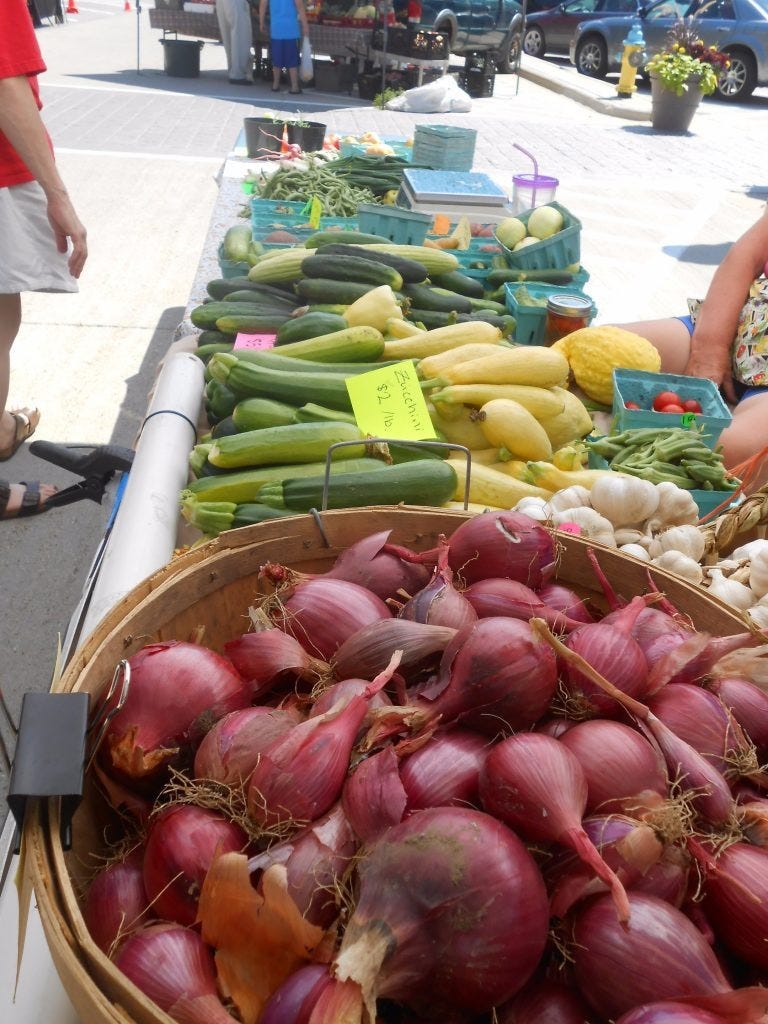
I was a vendor at a farmer’s market for several years. I found them to be a great side hustle for a housewife for several reasons:
Whether it be the price of seeds, baking ingredients, or craft supplies, the money required to start a market venture is fairly small. Because you only need to prepare one market’s products at a time, you don’t have to buy an exorbitant inventory of supplies on the front end. It makes trying out a market truly a low-risk endeavor.
As for vending, many markets require a tent, which is usually the largest expense. The other items--tent weights, cash box, tables, tablecloths, display furniture, etc.--can be cobbled together fairly cheaply and creatively. There are many strategies to take your market stand to the next level, but to start off, it doesn’t have to be expensive or complicated.
Depending on your business, you can prepare (or grow) your market inventory alongside the tasks you’re already doing at home. That means you often don’t have to dramatically change your household routines, you just add in extra time to prep for market.
You don’t have to commit to long work hours. Farmer’s markets are typically half a day, once or twice a week. Besides that, they’re often held only part of the year, although some markets offer year-round vending opportunities. You’re sure to find one that fits your needs and commitment level. In any case, you can ask if you can sign up for just a single market day, instead of a full market season to get the feel of it.
I don’t mean to imply that running a stand at a market isn’t grueling and intense at times, but it’s a not a 9-5, either.
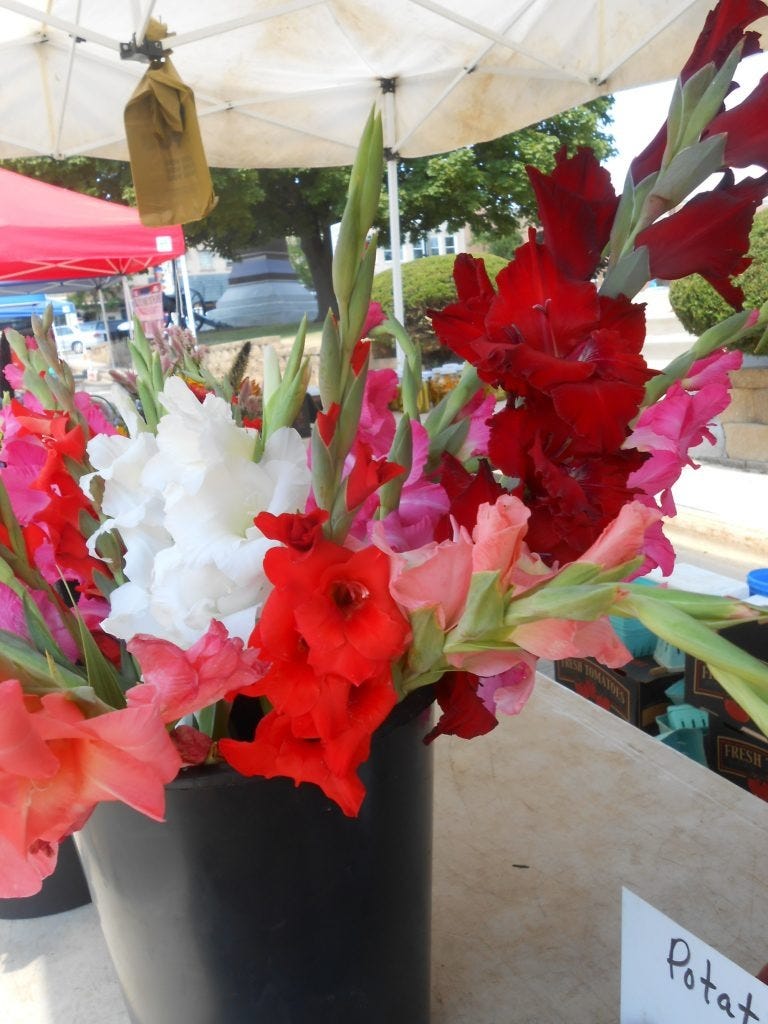
Don’t consider farmer’s markets to be launchpads to quick, easy wealth. They typically aren’t. But, you can bring in a respectable amount of income every week. The longer you’re selling at the market, the more sales you’ll make as you build up a regular customer base. Market days aren’t always easy but they’re short, so your hourly wage away from home is nice.
If you have an idea for a business that fits within the farmer’s market parameters, they’re a fantastic way to test the market. It gives you a convenient chance to tweak (or completely overhaul) and perfect your concept. You’ll be able to talk to customers and get their feedback and opinions every week. You can see what sells well and what doesn’t before you invest a lot of money and energy into your new venture.
I’ve learned that you’ll always be surprised by the public. They have Opinions. Some are great but many you’ll file away under R for “Ridiculous: what are you even thinking,” but nonetheless, it’s valuable feedback.
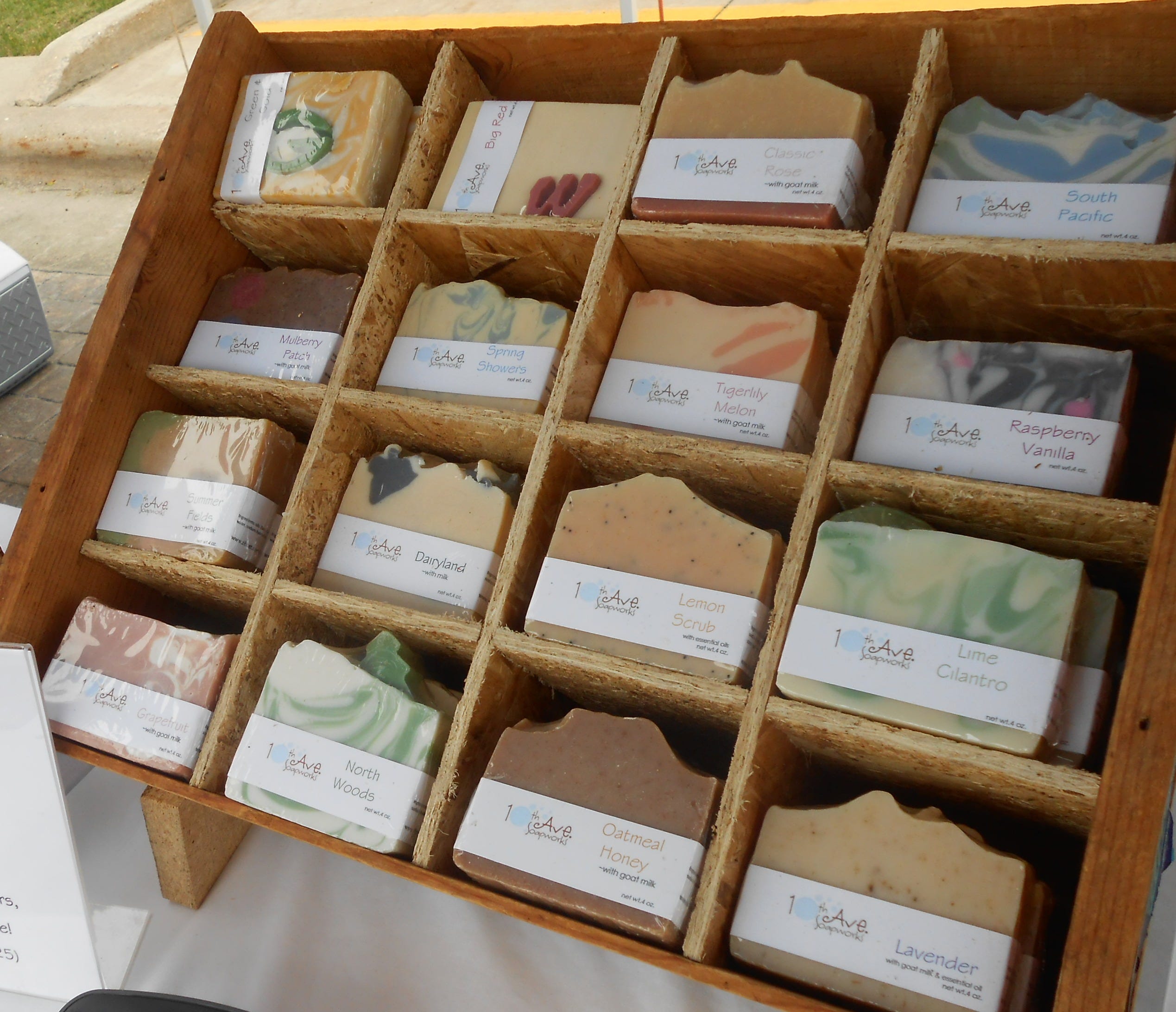
I stopped selling at farmer’s markets after about 8 years of regular vending. However, while I was vending, I developed relationships with several shop owners who asked to carry my soaps and bath products in their stores. Thanks to those years at a farmer’s market, my business continued through wholesale and online accounts until I decided to “retire” after 16 years, at least for now.
I don’t pretend to be an expert on farmer’s markets, but besides vending, I’ve also been a market manager and served on a farmer’s market board, both as vice president and an advisor. All that to say, I’ve seen a lot and have a lot to say on the topic.
If you’ve made the commitment to sell at a market, show up consistently. I’ve observed vendors show up for the first time on a “bad” day--the day of a surprise monsoon, the weekend of the county fair, or maybe there wasn’t an obvious reason. But after one day or a few of less than stellar sales, they give up. Do you always buy something the first time you see it? I don’t. It’s often only after seeing something several times that my curiosity will be piqued enough to investigate.
The market season can get long. My market was twice a week for 6 months. Everyone understands occasional absences, but customers will expect to see you regularly. Soon they’ll be bringing their shopping lists and referring their friends.
Selling at a farmer’s market is a gamble. Many days selling is pure joy--a sunny day with poofy clouds, not too hot, you’re under a nice shady tent, and your JOB is to enjoy it all, chat with passersby, and of course, make some money. Best gig ever.
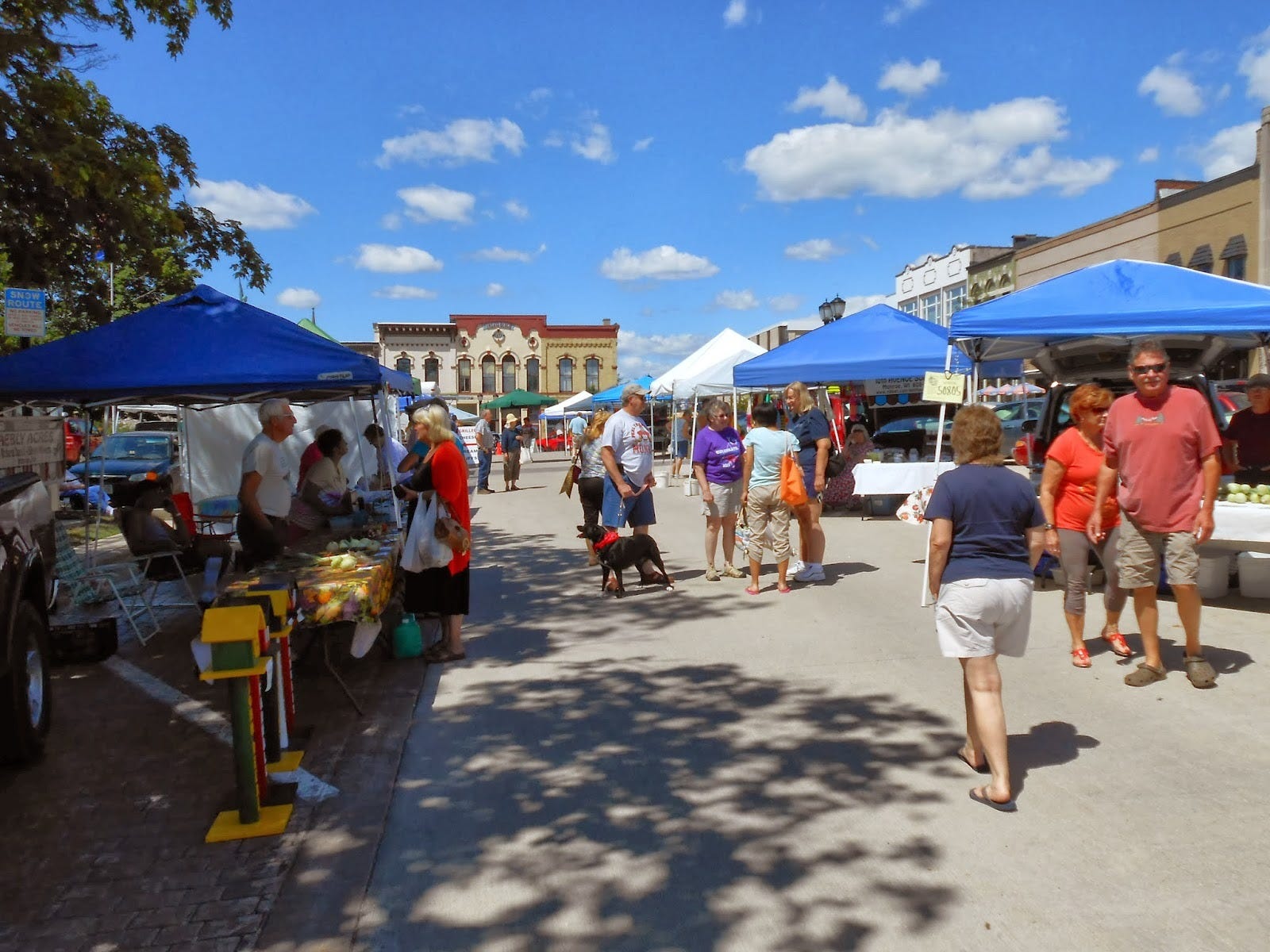
But then, there are the days you’re just setting up and the sky suddenly turns to this:
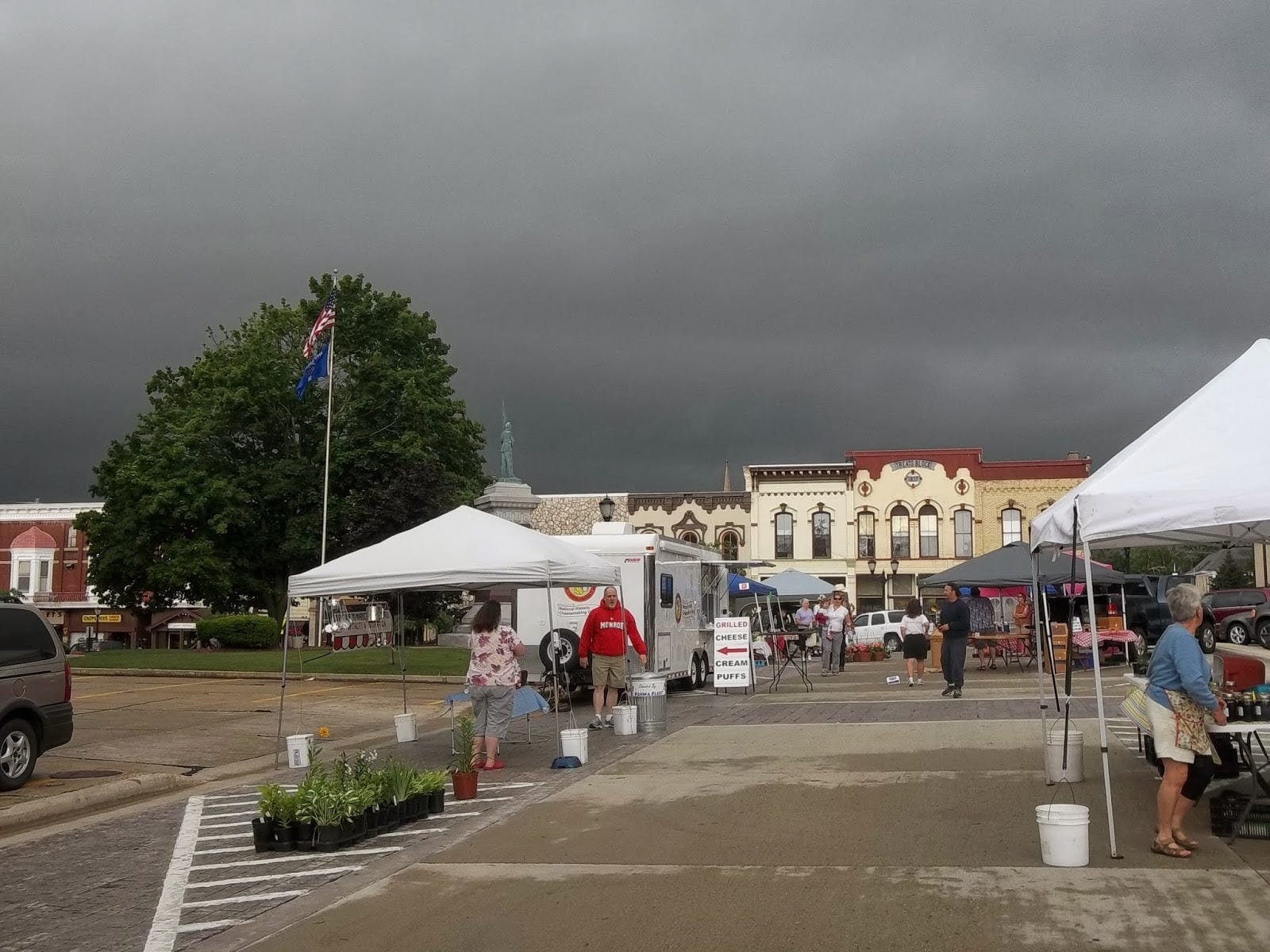
Some days will just be miserable, that’s the only way to say it. Tornado warnings, pouring rain, 100+ degree days with no breeze, and yes, even snow. Sales are sparse and spirits are low.
Keep a stash in your vehicle with the same things you would use to go camping or on a picnic--bug repellent, sunscreen, a jacket, bandages, a tarp, a water bottle, and a poncho, plus market stuff, like tape, pens, extra change, and scissors. Market vendors are great about sharing and helping each other out, but you don’t want to be one of the perpetually needy ones.
On a related note: If you have a tent, make sure you have weights. Many markets require them for good reason. I’ve seen the damage caused by a tent blown into the side of a car by a freak wind. I’ve watched an overturned tent sail over other tents in slow motion, exhilarated by its first taste of freedom. You can buy weights specifically for tents or cobble something together yourself. Cinder blocks or buckets filled with rocks tied to the tent are cheap solutions.
This is one angle that new vendors often overlook. Most children nowadays have raised exceptionally obedient parents. It’s truly remarkable. Have a product that children will want.
In my case, I sold small soaps, molded in animal shapes. Every kid walking by seemed to notice these inexpensive little soaps and most parents were only too glad to buy their children something that wasn’t filled with sugar, or difficult to carry, like a giant pumpkin. I have to say there’s something endearing about a little fellow pleading passionately for a miniature hippo soap.
Maybe it’s a sales gimmick, but offering something for children helps morale and keeps interest high. Samples, child-sized products, and giveaways like coloring book pages and stickers make the day more memorable for everyone, especially the littlest shoppers.

Vendors who keep to themselves are missing out on a valuable part of the market experience. Growers and producers really know their stuff, and they are more than happy to share their advice and experience with novice vendors.
They may even help you with your business. When a customer asked about my ingredients I liked to be able to tell him that my beeswax came from Mr. Z, the honey vendor 5 tents down. Market customers appreciated it and for me, I could support someone who participates in my local economy, I didn’t have to question the quality, and I saved shipping costs.
Actually, the idea for kid soaps came from my neighboring vendor, who sold baked goods. I’d treat myself to one of her brownies every market and direct customers to her stand for a brownie of their own while she kept a lookout for soap molds at garage sales for me. Score.
Farmer’s market patrons are typically health conscious; that’s usually why they’re shopping there, after all. They want to know about the products they put in and on their bodies.
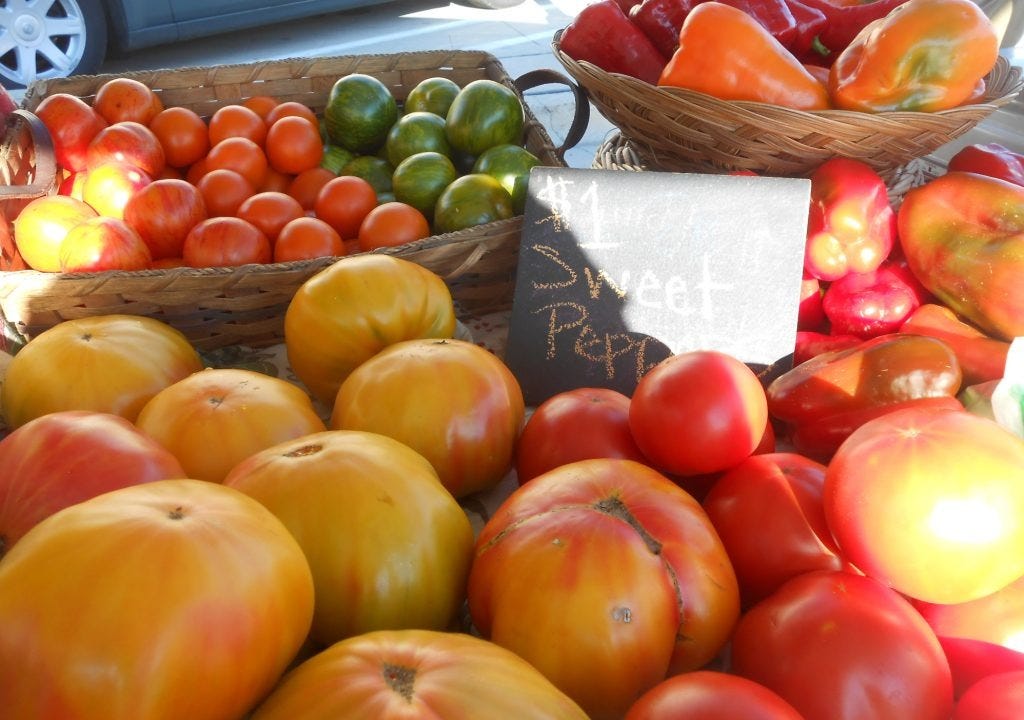
It’s a general rule that simpler, more “natural” products sell better, although every market has a different tone. Likewise, some vendors find customers want plain ol’ tomatoes and bell peppers, while others clamor for specialty, unusual varieties. You’ll soon figure out your customers. Chances are, they’ll be quick to tell you.
But don’t try too much, too soon. Be OK with starting small and simple and gradually expand to meet the desires of the clientele you’ve attracted.
So all this to say, if you have a home-based business idea that you’d like to test, give a farmer’s market a try!
I’m the co-author of A Housewife Writes and author of Two Years as an Amish Schoolteacher, available on Amazon. (affiliate link) I love history and learning about the lives of our grandmothers who loved their families and managed their households. I share their stories and wisdom that are still meaningful as well as ways of keeping a modern home in the spirit of past times.
Comments
Nothing yet. Say the first thing.
Sign in to join the conversation.